
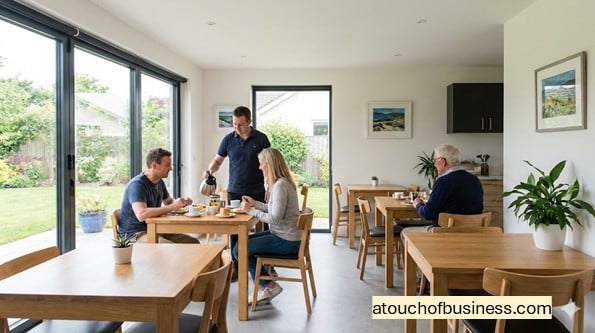
Starting A Bed And Breakfast: What To Plan Before Opening
Overview of a Bed And Breakfast Operation
A bed and breakfast is a small lodging business that offers short-term stays and includes breakfast as part of the stay. In many cases, it operates in a house or a small building that has been set up for guests.
This looks simple on the surface, but a lodging business can trigger zoning, building, fire, and tax requirements that you need to line up before you accept your first booking.
What A Bed And Breakfast Offers
Your core offer is a guest room (or suite) for short stays, with breakfast included. Some properties add extras like private packages, small gatherings, or special amenities, but those add-ons can change permits and insurance.
For a bed and breakfast, this decision affects costs, workflow, and customer experience. If you add anything beyond lodging and breakfast, verify what approvals change before you buy equipment or advertise it.
Who Typically Stays And Why
Most bed and breakfast guests are leisure travelers who want a local experience. Couples, weekend travelers, and people visiting for events are common, and some locations do well with college visits or hospital-related stays.
Think about your local demand drivers: nearby wedding venues, parks, seasonal tourism, colleges, and hospitals. Then ask yourself—do those drivers support your room count and your opening months?
Pros And Cons Of A Bed And Breakfast
A bed and breakfast can start small, and some owners run it without staff at first. A smaller room count can also make it easier to furnish and set up your initial systems.
The tradeoff is that property condition, inspections, and accessibility can drive time and cost. Zoning limits, parking, and neighbor or association rules can also decide whether you can open at all.
Don’t aim for perfect—aim for ready. That matters in a bed and breakfast, especially when your opening date depends on approvals you don’t control.
Is A Bed And Breakfast The Right Fit For You?
Start with two questions: do you really want to own a business, and do you really want this kind of business? Running lodging from a property can change your schedule, your privacy, and how your days feel.
Picture your place on a busy weekend—messages coming in, a guest locked out, and breakfast prep happening at the same time. Do you stay calm and handle it, or does it drain you?
Passion helps when problems show up, because it keeps you steady while you solve them. If you want a deeper gut-check, use this guide on how passion supports persistence in business and see what still feels true after you read it.
Now check your motivation. “Are you moving toward something or running away from something?” If you’re starting only to escape a job, financial pressure, or chase status, that’s a weak base for a business that can demand long days and fewer vacations early on.
Also be honest about the reality: income can be uncertain, the property can need more work than you expect, and you carry full responsibility. Before you spend serious money, use a planning checklist like points to consider before starting your business to pressure-test your readiness.
Talk To Non-Competing Owners Before You Commit
Talk to owners you will not compete against—choose a different city, region, or tourist area. You want the truth, and people are more open when you’re not aiming at their guests.
To make those conversations useful, look for practical perspective like the ideas in inside advice from real business owners, then bring your own specific questions.
Here are fit questions that usually reveal the real picture:
- What surprised you about approvals like zoning, building, fire, or health—what took the longest?
- What part of the setup took the most cash: renovations, safety upgrades, or furnishing the rooms?
- Did you start owner-run, and if you added help, what role came first?
- What did you wish you had set up before your first booking—policies, payments, or supplies?
- Which guest issues came up early that you didn’t expect?
Choose Your Bed And Breakfast Model And Room Count
Start by choosing the model that matches your property and your lifestyle. A hosted setup (owner-occupied) can feel very different from a small inn that runs in a separate building.
This is how you avoid last-minute chaos while building a bed and breakfast: decide your room count and whether you will need help for cleaning and breakfast before you set your opening target.
Common model choices to lock in early:
- Hosted bed and breakfast in an owner-occupied home, often with fewer rooms.
- Non-hosted small inn where the building is primarily for lodging.
- Seasonal operation with limited months, still requiring active licensing while operating.
- Lodging plus events (often higher scrutiny for parking, occupancy, and insurance).
Confirm Your Property Can Legally Operate
In a bed and breakfast, small setup choices can create big problems later—so get this right before you open. The first gate is whether your address can legally operate as short-term lodging.
Rules vary—confirm with your city or county planning and zoning office using your exact address. Search terms that often work: “bed and breakfast zoning,” “transient lodging,” “tourist home,” and “home occupation” (if you live on-site).
If you are renovating or changing how the building is used, you may trigger building permits and a certificate of occupancy. That process is local, so verify with your building department before you schedule contractors.
Validate Demand And Competition In Your Exact Area
Don’t guess demand. Identify what pulls people to your area—events, parks, hospitals, colleges, or seasonal travel—and check whether that demand is strong enough for your room count.
This looks generic, but it works differently in a bed and breakfast. You are not competing only with other bed and breakfasts—you’re competing with hotels and other short-stay options in your price band.
What to validate before you commit:
- How many direct lodging options are within a short drive of your property.
- Whether stays are seasonal and what months are weak.
- Whether nearby venues (weddings, festivals, sports) create spikes you can plan around.
- Whether your parking and room layout match what your target guests expect.
Build Your Startup Budget And Cash Runway
The goal is simple: make your operation easy to run and hard to break. Your startup budget should separate one-time opening costs from the cash you need to carry the business through a slow start.
Major cost drivers are usually tied to the property: room count, bathroom upgrades, safety work, and whether you need a change-of-use approval. If you’re unsure, get local bids and ask your building department what triggers permits before you lock a number.
Common startup cost categories to plan for:
- Property: purchase or lease requirements, inspections, and any lender conditions.
- Renovation and code work: changes for life safety, egress, and accessibility during alterations.
- Professional services: attorney, accountant, and design or engineering support if required.
- Permits and inspections: local licensing, building, fire, and health approvals where applicable.
- Insurance: deposits and binders before opening, plus any lender or landlord requirements.
- Technology: website, booking tools, and payment setup.
- Opening supplies: linens, amenities, cleaning supplies, and breakfast supplies.
- Working capital: cash for utilities, supplies, taxes, and debt service during ramp-up.
Pick A Legal Structure And Register The Business
Choose a structure that fits your risk and tax situation, then register it with your state. Many owners consider a limited liability company, but the right choice depends on your situation.
Rules vary—check with your Secretary of State and tax agency. If you’re unsure, ask a local small business attorney or accountant before you spend money on filings you might redo later.
What to verify:
- Where and how to file your business structure with your state’s Secretary of State business portal.
- Whether your public-facing name requires an assumed name filing (often called a “doing business as”).
- Whether your city or county also requires a general business license before you open.
Get Your Federal Tax Setup In Place
Set this up now, while your place is still in planning mode. An Employer Identification Number is issued by the Internal Revenue Service and is commonly used for banking and vendor accounts.
If you hire employees, federal employment taxes apply, so plan that early. Even if you do not hire right away, it helps to understand what changes the moment you add staff.
Set Up State And Local Tax Accounts
Once you start taking payments, taxes become real fast. A bed and breakfast often needs lodging tax registration at the state and/or local level, and rules can differ by city and county.
Varies by jurisdiction—confirm with your state Department of Revenue or Taxation and your city or county finance office. Use search phrases like “lodging tax registration,” “transient occupancy tax registration,” and “hotel tax filing.”
If you plan to hire, you may also need state employer withholding and unemployment accounts. If you’re not sure which agency to contact, the Department of Labor’s state contact directory can help you locate the right office to start your verification.
Plan Zoning, Permits, And Inspections
Skip this and your place may still open—but you’ll pay for it later. Approvals often follow a sequence: zoning confirmation first, then permits for construction, then fire or building inspections, then any health approvals tied to breakfast service.
Some setups also require a certificate of occupancy after a change of use or major renovation. Your city or county building department can tell you what triggers it and how to apply.
What to verify locally before you schedule your opening date:
- Planning and zoning rules for “bed and breakfast,” “transient lodging,” and parking requirements.
- Whether your renovation triggers building permits and a certificate of occupancy.
- Whether the fire authority requires an inspection before opening, and what equipment is required.
- Whether breakfast service triggers a health permit or inspection in your county.
- Whether exterior signs require a separate sign permit before installation.
Plan Accessibility Early
For lodging open to the public, accessibility is not a last-minute detail. ADA Title III applies to places of public accommodation, including places of transient lodging, and standards apply to new construction and alterations.
Think about how this will feel on a busy day—does your plan still hold up if a guest needs an accessible path or clear communication about accessibility features? If you’re renovating, verify accessibility requirements before you finalize designs.
Plan Your Bed And Breakfast Breakfast Setup
This looks like “just breakfast,” but food rules can still apply. Many jurisdictions use the Food and Drug Administration’s Food Code as a model, then enforce their own version through state and local health departments.
Some bed and breakfast setups require food permits and inspections, others don’t—verify based on your location and service model. Before you buy equipment, confirm what your health department expects for preparation, storage, and dishwashing.
What to verify with your health department:
- Whether serving breakfast to overnight guests requires a food establishment permit.
- Whether your kitchen setup must meet specific dishwashing or sink standards.
- Any required food safety practices and temperature controls for prepared foods.
Set Up Your Booking, Payments, And Bank Account
Picture opening day—can a guest book, pay, cancel, and get a receipt without confusion? You’ll usually need a business bank account, a payment processor, and a booking workflow you can actually run.
This is how you avoid last-minute chaos: test a full cycle before you open—reservation, confirmation, deposit, refund, and a cancellation under your policy.
A simple lodging workflow to build and test:
- Guest finds your site or listing and checks availability.
- Guest selects room type and dates, then sees your policies.
- Guest pays a deposit or full amount through your payment setup.
- Booking confirmation is sent with check-in window and house rules.
- You confirm readiness of the room and any special needs.
- Guest checks in using your key system or smart lock plan.
- Breakfast service is delivered based on your breakfast plan.
- Guest checks out and receives any final receipt.
- You handle turnover: cleaning, laundry, restocking, and issue notes.
- You track taxes collected and prepare for remittance by filing period.
Before you accept payments, verify lodging tax collection rules for your location and confirm how taxes and fees must be shown to guests.
Supplier And Vendor Setup For A Smooth Opening
In a lodging business, stocking and re-stocking is part of staying open. Your early suppliers typically include linens, guest amenities, cleaning supplies, and breakfast ingredients if you serve breakfast.
Set this up now, while your place is still in planning mode. Vendors often ask for your legal business name, address, an Employer Identification Number, and banking details for payment terms.
Common vendor categories to line up before opening:
- Linens and bedding suppliers for consistent replacements and spare sets.
- Amenities and toiletries suppliers (dispensers or single-use, based on your policy).
- Cleaning and janitorial suppliers for chemicals, labeled containers, and basic protective gear.
- Food and beverage suppliers for breakfast staples, coffee, and tea (if applicable).
- Maintenance trades like HVAC, plumbing, and electrical for early fixes.
- Technology vendors for website hosting, booking tools, and payment processing.
Lead times and minimum order quantities vary by vendor, so confirm those before you set your opening date.
Insurance And Risk Planning Before Opening
Don’t treat insurance as an afterthought. Your needs depend on whether you have employees, vehicles, and how the property is used.
Legally required coverage varies, so verify with your state and your insurer. A common example is workers’ compensation, which is often required once you have employees, but the exact rules are state-specific.
Separate “required for your situation” from “smart to have”:
- Often required by law (varies): workers’ compensation if you have employees; commercial auto if you operate a business-owned vehicle.
- Commonly recommended: general liability, property coverage (often required by lenders), business interruption, cyber coverage if you store guest information, and umbrella liability.
Build Your Brand And Digital Footprint
For lodging, your digital presence is not optional. Before you open, lock your business name, secure a matching domain, and claim consistent social handles.
Don’t aim for clever—aim for clear. If you want a structured planning checklist for naming and launch prep, revisit this business startup considerations guide and apply it to your name, domain, and early assets.
Core assets to have ready before you open:
- Your business name and a short description of what you offer.
- A domain and an email address that matches it.
- Basic brand elements: logo wordmark, fonts/colors, and photo standards.
- Booking-ready website pages: room types, policies, check-in window, parking info, and contact details.
- Clear accessibility notes where appropriate, so guests can decide confidently.
Create Guest Policies And Simple Forms
This looks generic, but it works differently in a bed and breakfast. Policies are part of your booking system, your payments, and how you handle problems before they turn into disputes.
Keep it simple and readable. You typically want clear cancellation terms, house rules, check-in and check-out windows, and a privacy approach for guest information.
If you’re unsure what language is safe for your area, ask a local small business attorney to review your reservation terms before you publish them.
Prepare Your Space And Essential Equipment
In a bed and breakfast, your equipment list is mostly about guest readiness, safety, and fast turnovers. Don’t buy everything at once—prioritize what you need to pass inspections and host a first test stay.
Think about your place in real life—what has to be true for opening day to go smoothly? A locked room, a clean bathroom, working Wi-Fi, and a safe path to the door are not “nice to have.”
Essential equipment and setup categories:
- Guest rooms: beds and mattresses, mattress protectors, spare linen sets, nightstands and lamps, blackout curtains, hangers, luggage racks, and a simple guest info binder or QR code sheet.
- Bathrooms: towel sets, bath mats, toilet paper stock, toiletry dispensers or amenities (your choice), non-slip items for tubs, and hair dryers if you provide them.
- Breakfast setup: refrigerator and basic cooking and prep tools based on your breakfast plan, food thermometers, labeled storage containers, and dishwashing setup that matches local expectations.
- Safety and compliance: smoke alarms, carbon monoxide alarms where required, fire extinguishers, emergency lighting or exit signage where required, and clear exterior lighting for paths and parking.
- Cleaning and laundry: washer and dryer plan (in-house or service), vacuum, mop system, microfiber cloths, labeled cleaning chemicals, and linen storage racks.
- Front office and tech: reliable Wi-Fi, router, a computer or tablet, printer/scanner, secure document storage, and a key system or smart locks that still support safe exit.
- Exterior and grounds: trash and recycling bins with lids, basic landscaping and seasonal tools, and signage hardware (only after confirming permit rules).
- Maintenance basics: tool kit, spare bulbs and batteries, HVAC filters, and simple replacement parts you don’t want to hunt for during a guest stay.
Safety equipment requirements vary by jurisdiction, so confirm with your fire authority what is required for your property and room count.
Decide On Hiring And Training
Many owners start owner-run, especially with a smaller room count. But cleaning, laundry, and breakfast can stack up fast, so plan what happens if you need help in the first 90 days.
If you hire before opening, training early helps staff learn your workflow and be ready for launch. Start with simple checklists for room turnover, laundry handling, and guest communication handoffs.
If you plan to hire, verify employer registrations with your state tax agency and labor agency before you run payroll.
Pricing Setup Without Guessing
For lodging, pricing isn’t only about what you want to earn. It’s shaped by seasonality, local events, room type, your cancellation policy, and taxes and fees you must collect and show properly.
Set this up now, while your bed and breakfast is still in planning mode. If you bake the wrong assumptions into your pricing, you end up rewriting your policies and refund rules under pressure.
Common pricing methods to consider:
- Competitive set pricing: compare nearby lodging with similar location, room quality, and amenities.
- Value-based pricing: adjust for unique features like a better location, upgraded rooms, or included extras.
- Cost-informed pricing: confirm your fixed costs and turnover costs, then set rates that can actually carry the business.
- Dynamic pricing: adjust for seasons and events if your booking tools support it.
Before you finalize rates, verify local lodging tax rules and how taxes must be displayed and remitted where you operate.
Funding Options And Banking Setup
If you need funding, start by matching the funding type to the kind of expense. Property purchases and renovations are not the same as buying linens and setting up a website.
Common paths include self-funding, conventional lending, and Small Business Administration loan programs such as 7(a) loans, 504 loans, and microloans. Eligibility and terms depend on the lender and program, so verify what applies to your situation before you plan around it.
What to have in place before you accept payments:
- A business bank account and a clean way to separate business and personal transactions.
- A payment processor configured for deposits, refunds, and chargebacks under your policy.
- A tested booking flow that matches your policies and tax collection requirements.
Marketing Setup And Opening Plan
Marketing for lodging is mostly about being easy to find and easy to trust. Your website, photos, and booking flow do more work than any slogan.
This is how you avoid last-minute chaos: have your room types, policies, and contact info consistent everywhere you list. Then run a test booking with a real payment and a real refund so you know it works.
Early visibility channels to plan for:
- Your own website with booking-ready pages and clear policies.
- Listings where travelers search for stays (fees and rules vary by platform).
- Local tourism pages or event sites when available (rules and access vary by location).
- Direct outreach to nearby wedding venues, colleges, and hospitals if those are real demand drivers in your area.
If you want a structured way to think about early launch decisions, review this pre-launch planning checklist and apply it to your marketing and booking setup.
Pre-Launch Day-In-The-Life Snapshot
Imagine a normal pre-opening day. You start with calls to your building department about permit status, then schedule any fire inspection dates you’re waiting on.
Midday is ordering: linens, safety signage, and the supplies you need for a test stay. Later you review insurance quotes, update your website copy, and confirm your breakfast plan meets health department expectations.
At night, you walk the property with a punch list: smoke alarms, exterior lighting, and any trip hazards on paths and stairs. This is where small issues show up before guests do.
Red Flags To Catch Before You Open
For a bed and breakfast, the biggest red flags usually come from the property and local rules. If the address can’t be approved for short-term lodging, nothing else matters.
Watch for these early warning signs:
- Zoning does not allow transient lodging at your address, or requires approvals you can’t reasonably obtain.
- Renovation scope grows because you need major life-safety or egress work to pass inspections.
- A change of use triggers a certificate of occupancy requirement you didn’t plan for in your timeline.
- Septic, well, or wastewater limits restrict occupancy in ways that block your room plan.
- Mortgage, lease, homeowner association, or local rules prohibit short-term lodging.
- Accessibility requirements during alterations expand the project beyond your budget or design.
- Lodging tax registration and remittance are overlooked until after you’ve already taken payments.
If you hit any of these, pause and verify with the right office before you keep spending.
Pre-Opening Bed And Breakfast Checklist
Picture your bed and breakfast in real life—what has to be true for opening day to go smoothly? Use a checklist that covers approvals, readiness, and a full test of your booking and payment flow.
Don’t aim for perfect—aim for ready. If anything below is unclear, confirm with your city or county permitting offices before you set a public opening date.
Business and approvals:
- Business structure registered with your state, if forming an entity.
- Employer Identification Number obtained for banking and vendor setup.
- Any assumed name filing completed if your public name differs from your legal name.
- Zoning approval confirmed for your exact address and business model.
- Building permits closed out if you did construction or a change of use.
- Fire inspection completed if required for lodging at your room count.
- Certificate of occupancy issued if required after renovation or change of use.
- Health approvals completed if your breakfast service requires permitting.
- Local business license active if your city or county requires it.
- Lodging tax registration complete at the state and local level where required.
Space, equipment, and safety:
- Guest rooms fully furnished with spare linens ready for turnovers.
- Bathrooms stocked and functional, with reliable hot water capacity under load.
- Smoke alarms tested and any other required safety equipment installed.
- Exterior lighting, paths, and parking ready, with clear address visibility.
- Cleaning and laundry workflow tested for a full turnover cycle.
Payments, policies, and test run:
- Business bank account open and connected to your payment system.
- Payment processor tested for deposits, refunds, and cancellations.
- Booking flow tested end-to-end from confirmation to receipt.
- House rules and cancellation policy posted consistently across all booking channels.
- Soft opening or test stays completed, with punch-list issues fixed.
If you want another readiness check from a business-owner perspective, review practical insights from real owners and compare your checklist to what they wish they had done earlier. And if your motivation or stamina feels shaky, revisit how passion affects business follow-through before you commit to an opening date.
27 Helpful Tips to Start a Bed and Breakfast
Starting a bed and breakfast is mostly a property and compliance project before it becomes a hospitality project.
Your goal in the pre-launch phase is to confirm you can legally operate at your address, budget the build-out, and set up bookings and payments that work end-to-end.
Use the tips below to move in a clean order and avoid spending money before the big “go/no-go” items are settled.
Before You Commit
1. Do a lifestyle test: write down what your week looks like when you have guests plus repairs, inspections, and messages to answer. If that version of your life sounds miserable, pause before you buy anything.
2. Decide early whether you’re running a hosted setup (you live there) or a small inn in a separate building, because zoning and approval paths can differ. Your room count and number of bathrooms are not “later” decisions—they drive permits, equipment, and cost.
3. Pick a breakfast scope you can support in the building you have. Hot breakfast preparation can trigger health department requirements in some locations, so confirm expectations before you plan upgrades or buy kitchen equipment.
4. Talk to owners you will not compete against (different city or region) and ask what approvals took the longest and what surprised them. If you only talk to nearby operators, you may get guarded answers or incomplete details.
Demand And Profit Validation
5. List your local demand drivers in writing (events, parks, hospitals, colleges, seasonal travel) and estimate how many months are truly “strong.” If demand is highly seasonal, your cash runway needs to cover the weak stretch.
6. Build a competitor list that includes nearby bed and breakfasts, inns, hotels, and other short-stay options, not just properties that look like yours. Your pricing and minimum-stay choices should be grounded in what guests can realistically choose nearby.
7. Define your minimum viable occupancy before you set an opening date. If you can’t make the numbers work without perfect occupancy, the project is too fragile for a first-time owner.
8. Validate practical access, not just “interest”: parking, lighting, and easy entry matter more than a clever concept. If your property can’t support basic arrival needs, demand will be weaker than you expect.
Business Model And Scale Decisions
9. Decide what you will offer on day one: lodging with breakfast included, plus any add-ons you want to advertise. Extra offerings like events can change occupancy limits, parking expectations, permits, and insurance, so keep the opening offer simple unless you have approvals in hand.
10. Make a staffing call early: owner-run at launch or hire help before opening. Housekeeping and laundry are the first roles many owners add, and hiring triggers employer registrations and insurance decisions.
11. Choose your booking path before you build your website: direct bookings, third-party listings, or a mix. This affects how you handle deposits, cancellations, and what fees you must account for when setting rates.
Legal And Compliance Setup
12. Choose your legal structure and register it with your state before you sign major vendor contracts. If you will operate under a name that differs from your legal name, confirm whether your state or county requires an assumed name filing.
13. Get an Employer Identification Number (EIN) early, because banks and many vendors commonly ask for it even if you have no employees. If you do hire, plan for federal and state employer accounts before you run payroll.
14. Confirm lodging tax registration requirements before you accept any payment, because many areas require collection and remittance for overnight stays. Rules vary by jurisdiction—check your state tax agency and your city or county finance office using search terms like “lodging tax registration” or “transient occupancy tax registration.”
15. Zoning is a gate, not a checkbox: confirm your address can legally operate as transient lodging and whether owner-occupancy is required. Varies by jurisdiction—verify with your city or county planning and zoning office using terms like “bed and breakfast,” “transient lodging,” “tourist home,” and “home occupation.”
16. Ask your building department what triggers building permits and a certificate of occupancy for your project, especially if you’re changing how the building is used. Get this answer before you schedule contractors so you don’t get stuck mid-renovation.
17. Line up life-safety and accessibility early: schedule conversations with your fire prevention authority and review Americans with Disabilities Act (ADA) expectations, especially if you are altering the building. Waiting until the final weeks can force expensive changes and delay opening.
Budget, Funding, And Financial Setup
18. Build an itemized startup budget that separates one-time opening costs (renovation, furnishings, safety upgrades) from cash you need to survive a slow start (utilities, supplies, insurance, and tax remittance timing). This prevents you from “opening broke” even if the build-out is complete.
19. Get multiple bids for renovation and compliance work, and ask each contractor what could expand scope once walls open up. Then add a contingency line item so one surprise does not derail your timeline.
20. Match funding to the expense type: long-term fixed assets (property, major build-out) are different from working capital and supplies. If you explore Small Business Administration (SBA) loan programs like 7(a), 504, or microloans, confirm allowed uses and documentation needs before you plan around that money.
Location, Build-Out, And Equipment
21. Create a “room-ready” standard before you shop so you don’t buy random pieces that don’t match. At minimum, plan for beds and mattresses, mattress protectors, spare linen sets, blackout curtains, a luggage rack, and a simple guest info sheet with key details.
22. Treat safety equipment as part of your opening requirements, not a later upgrade. Confirm local expectations for smoke alarms, carbon monoxide alarms where required, fire extinguishers, and any emergency lighting or exit signage tied to your property type and room count.
23. Build your turnover setup while you’re still furnishing: washer and dryer plan (in-house or service), laundry carts, vacuum, mop system, microfiber cloths, labeled cleaning chemicals, and organized linen storage. Without this, your first test stays will reveal bottlenecks you could have solved cheaply.
Branding And Pre-Launch Marketing
24. Lock your business name, domain, and matching email before you print anything or order signs. Keep your website copy focused on what guests must know to book confidently: room types, check-in window, parking details, and your cancellation terms.
25. Don’t publish your listings until you can accept a real booking: run a test for availability, payment, confirmation messages, cancellation, and a refund. If any step fails, fix it before you invite strangers to rely on it.
Final Pre-Opening Checks And Red Flags
26. Do a soft opening with test stays and treat it like a systems audit: locks or key access, Wi-Fi reliability, breakfast plan, safety info, and full turnover timing. Then fix the punch list before you set a public opening date.
27. If any of these are uncertain, pause the launch: zoning approval at your address, required inspections, certificate of occupancy status, lodging tax registration, or health department requirements for breakfast. Varies by jurisdiction—confirm with the specific city, county, and state offices before you accept deposits.
If you work these tips in order, you’ll surface the real blockers early—address legality, approvals, and funding—before you sink time into branding and shopping.
That’s the point of a strong pre-launch plan: you open on purpose, not by accident.
FAQs
Question: What counts as a bed and breakfast for business setup?
Answer: It is a small lodging business that provides short-term stays and includes breakfast as part of the stay.
Local rules may use different labels like “transient lodging” or “tourist home,” so confirm the term your city or county uses.
Question: Do I need to form a limited liability company to start a bed and breakfast?
Answer: Not always, but many owners choose a legal structure like a limited liability company or corporation to separate business and personal risk.
Rules vary by state—check your Secretary of State’s business portal and ask a local attorney or accountant if you are unsure.
Question: Do I need an Employer Identification Number if I have no employees?
Answer: Many owners still get an Employer Identification Number (EIN) because banks and vendors often ask for it.
You can also need it if you later hire employees or change your tax setup.
Question: What tax accounts do I need before I take my first payment?
Answer: Many locations require lodging tax registration and collection for overnight stays.
Rules vary by jurisdiction—check your state tax agency and your city or county finance office before you accept deposits.
Question: How do I check if my address is allowed to operate as a bed and breakfast?
Answer: Start with your city or county planning and zoning office and confirm your exact address is allowed for transient lodging.
Use local search terms like “bed and breakfast zoning,” “transient lodging,” “tourist home,” and “home occupation” if you live on-site.
Question: When do I need building permits or a certificate of occupancy?
Answer: You may need permits when you renovate, add bathrooms, change exits, or change how the building is used.
Some projects require a certificate of occupancy after inspections—confirm triggers with your local building department before you schedule contractors.
Question: Do I need a fire inspection to open a bed and breakfast?
Answer: Many areas require life-safety review for lodging, especially as room count increases.
Rules vary—contact your local fire prevention office early and ask what inspections and equipment they require before opening.
Question: Do I need a health permit to serve breakfast to guests?
Answer: Some locations treat breakfast service as regulated food service, and some do not.
Confirm with your local health department before you buy equipment or advertise hot breakfast service.
Question: What Americans with Disabilities Act rules apply to a bed and breakfast?
Answer: The Americans with Disabilities Act (ADA) applies to places of public accommodation, including places of transient lodging.
If you are renovating or altering the building, accessibility standards can affect design decisions, so verify early before you finalize plans.
Question: What insurance do I need before I open?
Answer: Required coverage depends on your setup, and workers’ compensation often becomes required once you have employees.
Many owners also carry property and general liability coverage, and lenders or landlords may require specific policies.
Question: What are the biggest cost drivers when starting a bed and breakfast?
Answer: The biggest drivers are usually property condition, room count, bathroom upgrades, and code-related work tied to inspections.
Accessibility work during alterations and local permit requirements can also change the timeline and budget.
Question: How do I estimate startup costs without guessing?
Answer: Break costs into buckets like renovation, permits and inspections, furnishings, safety equipment, insurance, technology, and opening supplies.
Then get local bids and confirm permit triggers so your budget matches what your address actually requires.
Question: How should I set room pricing before opening?
Answer: Start with comparable lodging in your area and adjust for room type, seasonality, and included breakfast scope.
Before you publish rates, confirm what taxes and fees must be collected and how they must be displayed where you operate.
Question: What equipment must be ready before the first guest arrives?
Answer: At minimum you need guest-ready rooms, stocked bathrooms, a cleaning and laundry setup, and reliable Wi-Fi.
Safety equipment is also key—confirm local requirements for alarms, extinguishers, and any required signage before you open.
Question: What vendors should I line up before opening?
Answer: Most owners set up suppliers for linens, guest amenities, and cleaning supplies, plus food and beverage inputs if serving breakfast.
Ask vendors about minimum order quantities and lead times so you do not miss your opening window.
Question: What policies should I have in writing before opening?
Answer: You should have clear reservation terms, cancellation rules, house rules, and a basic privacy approach for guest information.
If you are unsure about wording for your state, ask a local small business attorney before you publish policies online.
Question: What systems do I need to run the first month?
Answer: You need a booking flow, a payment processor, and a way to issue refunds that matches your policies.
Test the full cycle before opening: book, pay, confirm, cancel, and refund.
Question: Should I hire help before I open?
Answer: Many owners start owner-run, but housekeeping and laundry needs can rise fast even with a small room count.
If you hire early, set up employer accounts and train on turnover checklists before you accept guests.
Question: What should I track in the first month so I do not miss cash needs?
Answer: Track fixed costs, restock and cleaning supplies, and the timing of tax remittances tied to lodging tax collection.
Keep a cash buffer so a slow first month does not force you to delay required payments or safety fixes.
Question: What should a soft opening or test stay include?
Answer: Use test stays to confirm locks or key access, Wi-Fi, breakfast workflow, safety info, and full turnover timing.
Fix the punch list before you set a public opening date and start taking deposits.
Question: What are the most common mistakes that delay opening?
Answer: The biggest delays usually come from skipping zoning confirmation, underestimating permit timelines, and discovering inspection issues late.
Another common issue is collecting payments before lodging tax registration is confirmed for your city, county, and state.
Expert Tips From Real Bed And Breakfast Owners
Learning from innkeepers and industry specialists helps you set a realistic opening timeline and budget before you commit to renovations and approvals. You also get practical insight on what usually slows down permits, what equipment truly needs to be ready, and what to test before taking deposits.
- Frictionless Innkeeper Podcast: B&B Owners Share Their Launch Story (Episode #030)
- Frictionless Innkeeper Podcast: Training For Aspiring Innkeepers (Episode #035)
- The BnB Expert Podcast: Interviews With B&B Industry Experts
- The Innkeeper Couple Podcast: Owner-Run B&B Lessons
- The Workamper Show: Interview With A Multi-Property B&B Owner (Episode 179)
- Out All Day: Interview With A Bed And Breakfast Innkeeper (Grand Victorian)
- Authority Magazine: Interview With A Bed And Breakfast Innkeeper (Waldo Emerson Inn)
Related Articles
- Start a RV Park
- Start a Campground Business
- Wedding Venue Startup Guide
- How to Open a Breakfast Restaurant
- Starting a Property Management Business
- Starting a Tour Guide Business
- Assisted Living Service Startup
- How to Open a Nursing Home
- Starting an Elder Care Business
- How to Open a Dog Kennel
- Starting a Daycare Business
- Country Club Startup
Sources:
- SBA.gov: Choose business structure, Pick business location, Apply licenses permits, Open business bank, Get business insurance, 7(a) loans, 504 loans, Microloans, Choose business name
- IRS.gov: Get employer ID, Employment taxes
- ADA.gov: Title III regulations, Lodging guide
- FDA.gov: Food Code 2022, State food codes
- DOL.gov: State labor contacts
- Census.gov: NAICS Sector 72
- USFA.FEMA.gov: Smoke alarm basics
- NYC.gov: Certificate of occupancy
- Access-Board.gov: ADA accessibility standards