
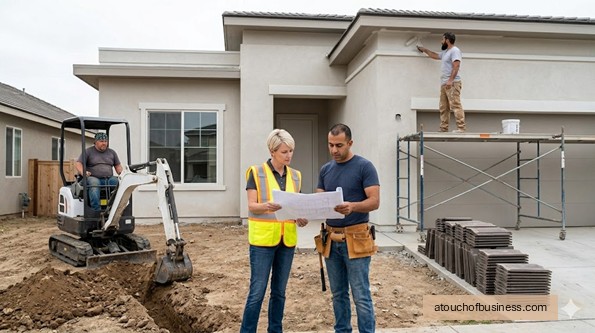
What to Expect From This Guide to Starting a House Flipping Business
This guide provides an ordered path through the decisions and preparations involved in starting a house flipping business, from assessing fit and defining a deal box to arranging funding, completing property checks, managing renovation requirements, and preparing a first project for resale.
Inside the guide, you will find:
- Startup roadmap: Follow 24 numbered steps covering market validation, valuation, planning, funding, compliance, renovation controls, and first-project review.
- Expert interviews: Explore experienced perspectives on deal analysis, contractors, financing, renovation limits, delays, team building, and walking away.
- Startup FAQs: Find practical answers about property checks, licenses, contractors, funding, records, permits, older homes, and office needs.
- Deal analysis: Learn to assess comparable sales, after-repair value, repair scope, holding time, resale costs, and predetermined purchase limits.
- Funding and records: Plan acquisition and renovation financing, reserves, banking, contractor payments, bookkeeping, taxes, insurance, and document storage.
- Local requirements: Check real estate, contractor, trade, permit, environmental, disclosure, inspection, and resale rules that vary by jurisdiction.
- Project preparation: Build a professional team, verify the property, document contractor controls, arrange insurance, and review walk-away triggers before closing.
Start by deciding whether your finances, judgment, patience, and tolerance for renovation uncertainty suit a controlled first property.
Essential Setup Choices Before Your First House Flip
A house flipping business is a project-based real estate business. You buy a property, improve it, manage the renovation, and resell it.
Each property has its own purchase price, repair scope, permit issues, timeline, funding needs, contractor risks, and resale pressure.
Before you follow the startup steps, think about whether this business fits you. You need patience, capital access, risk tolerance, strong records, and the discipline to walk away from a bad deal.
You also need room in your personal life for uncertainty. A flip can take longer than planned. Repairs can grow. A buyer can back out. A lender can delay a draw. Household support and living-expense planning matter because this business may not pay you right away.
Do not start just to escape a job, solve financial stress, or look successful. Start because you understand the business, accept the risk, and are willing to learn the details.
It also helps to review broader startup steps, but do not treat a generic checklist as enough. House flipping has its own order. You need deal analysis before you buy, funding before you commit, permits before renovation, and records before resale.
Talk with experienced house flippers before you commit to the business. Speak only with owners you will not compete against, such as flippers in another city or market area. Prepare questions before each call.
Those owners can explain what the first project felt like, where estimates went wrong, how permit timing affected the job, and which contractor problems hurt most. Their experience will not match yours exactly, but it can show you risks you may not see yet.
You should also think about your entry path. Starting from scratch is common. Buying an existing flipping business is possible, but it brings extra due diligence.
The right path depends on your budget, timeline, support needs, risk tolerance, and how much control you want.
Red Flags Before You Start
These warning signs should make you pause before you buy a property, make major commitments, or sign loan documents.
Cheap now can become expensive later. A low purchase price does not matter if the repairs, permits, financing, or resale market do not support the deal.
- Weak resale spread: comparable closed sales do not support the after-repair value you need.
- Guess-based repair numbers: you have no inspection, contractor walk-through, or written repair estimate.
- Unclear permit path: the project depends on additions, conversions, structural changes, or legal bedrooms that have not been checked with the building department.
- No lead-safe plan: the property was built before 1978 and you have not planned for lead-safe renovation rules.
- Possible asbestos or major demolition: you have not checked whether older materials need qualified review before demolition or disturbance.
- Title problems: liens, unpaid taxes, or ownership issues are not resolved before closing.
- Unlicensed or uninsured contractors: the people doing regulated renovation cannot prove license status or insurance where required.
- No funding cushion: you can buy the property but cannot cover repairs, delays, utilities, insurance, permit corrections, and resale costs.
- Short-term debt with no backup plan: the project depends on a fast sale in a slow or uncertain market.
- Poor owner fit: you cannot visit job sites, manage documents, make fast decisions, or handle the pressure of uncertain profit.
A red flag does not always mean you should quit. Sometimes it means delay, change the model, buy a simpler property, or get better advice before moving forward.
Step 1: Check Your Fit First
A house flipping business puts you between real estate, construction, finance, and risk control. You do not need to be an expert in every area on day one, but you need enough judgment to know when to stop.
You will review properties, walk job sites, compare sales, talk with lenders, manage contractors, track permits, and prepare resale documents. Some days are about numbers. Other days are about hidden damage, delayed materials, or an inspector’s correction list.
This business may fit you if you can stay calm under pressure, keep clean records, ask direct questions, and accept that not every deal is worth doing.
It may not fit you if you dislike uncertainty, avoid paperwork, rush decisions, or feel tempted to buy first and figure out the details later.
For a deeper look at the personal side of ownership, review common pre-startup considerations before committing to your first property.
Step 2: Clarify Your Motivation
Motivation matters because house flipping can test your judgment. A rushed owner often sees only the upside. A prepared owner also sees the risk.
Ask why you want this business. Do you enjoy real estate analysis? Can you handle renovation problems? Are you willing to learn local permit rules? Can you walk away from a deal that looks exciting but does not make sense?
Excitement helps you start. Discipline helps you survive. A house flipping business can create financial stress if you underestimate repairs, holding time, or resale risk.
Step 3: Learn From Non-Competing Owners
Before you buy, talk with house flippers who work outside your target market. This protects both sides because you are not asking a local competitor to reveal sensitive information.
Prepare questions before each conversation. Ask about repair surprises, lender draw timing, contractor problems, permits, resale issues, and the first deal they would avoid if starting over.
These conversations are not a shortcut. They are a reality check.
Fast advice from online content can sound neat. Firsthand owner insight is messier, but often more useful. Each owner’s path is different, yet their experience can help you see what the business feels like before your capital is on the line.
You can also study the value of advice from real business owners as part of your early decision process.
Step 4: Choose How You Will Enter the Business
Most house flippers start from scratch. They form the business, build local contacts, arrange funding, find a first project, and learn through a controlled first deal.
Buying an existing house flipping business is different. You would need to review active properties, open permits, contractor contracts, debts, investor agreements, tax records, liens, disputes, and unsold inventory.
Control versus support is the tradeoff. Starting from scratch may give you more freedom. Buying or joining a system may bring structure, but it can also bring obligations.
Use your budget, timeline, experience, and risk tolerance to compare whether you should start from scratch or buy a business.
Step 5: Define the House Flipping Model
House flipping usually happens one property at a time. Each project needs its own purchase analysis, renovation plan, funding plan, permit check, timeline, and resale strategy.
Keep the model plain: buy, renovate, and resell.
Common versions include:
- Buying a single-family home, improving it, and selling it to an owner-occupant buyer.
- Buying a property that needs cosmetic updates and reselling it after a lighter renovation.
- Buying a distressed, inherited, foreclosure, or bank-owned property when the legal and financial details are clear.
- Buying a small multifamily property if your market, budget, and skill level support it.
Do not confuse this with long-term rental ownership, property management, brokerage, or wholesaling. Those models can have different rules, risks, and startup needs.
Clear boundaries now reduce trouble later. Vague model now, unclear rules later.
Step 6: Validate the Local Market
The success of this business depends on local demand. You are not selling an idea. You are selling a finished property in a real neighborhood at a real price.
Before you make offers, study whether renovated homes are selling in your target area. Look at comparable closed sales, active competition, days on market, price reductions, buyer financing patterns, and neighborhood condition.
Also check the supply of repairable homes. A market can have strong buyer demand but too much competition from other investors. That can push purchase prices too high.
Demand versus deal flow matters. Buyer demand helps resale. Reasonable acquisition prices protect your margin.
Useful local checks include:
- Recent closed sales for renovated homes.
- Unrenovated homes that sold below finished values.
- Permit activity in target neighborhoods.
- County recorder and assessor records.
- Flood zone or insurance concerns.
- Local building department timing.
Use market validation as a go-or-no-go step. If the numbers do not work before renovation starts, better finishes will not save the deal.
Step 7: Learn How to Value a Flip
Valuation is one of the core skills in a house flipping business. You need to estimate what the property can sell for after repairs, not what you hope it will sell for.
The key term is after-repair value. This is the likely resale value after the renovation is complete.
Use comparable closed sales, not just asking prices. The best comparable homes are close in location, size, condition, style, room count, lot features, and buyer appeal.
Hope is fast. Comparable sales are slower. Comparable sales are also safer.
Your analysis should include:
- The likely resale price after repairs.
- The current as-is condition.
- The repair scope needed to match buyer expectations.
- The holding period while the project is renovated and sold.
- The resale costs and possible buyer concessions.
If the after-repair value only works under perfect conditions, the deal is weak.
Step 8: Define Your Deal Box
Your deal box tells you what you will buy and what you will avoid. It helps protect you from chasing every property that looks cheap.
Set these limits before you search seriously:
- Property type, such as single-family home, condo, townhome, or small multifamily.
- Neighborhood or market area.
- Maximum renovation depth.
- Maximum holding time.
- Maximum financing need.
- Minimum margin target.
- Lead paint, asbestos, structural, or permit risks you will avoid.
A tight deal box may feel limiting. That is the point.
Wide-open buying creates more choices. It also creates more ways to make a costly mistake.
Step 9: Build the Startup-Focused Business Plan
A house flipping plan should help you make real purchase decisions. It should not be a document you write once and ignore.
Your plan should explain how you will choose properties, estimate repairs, fund projects, manage contractors, handle permits, track documents, and prepare for resale.
Include these items:
- Target property types and neighborhoods.
- Acquisition rules and walk-away limits.
- After-repair value method.
- Repair estimate process.
- Contractor screening process.
- Permit and inspection plan.
- Funding source and backup reserve plan.
- Insurance plan.
- Tax and recordkeeping setup.
- Resale disclosure process.
Your plan should also include a first-project risk limit. A bigger project now can mean bigger trouble later.
Business Plan
Your business plan should turn the startup steps into a practical decision tool. It should help you decide whether to buy, delay, change the deal, or walk away.
Do not make it generic. A house flipping business plan needs property-level thinking.
Build the plan around these questions:
- What type of property will you buy first?
- How will you prove the after-repair value?
- Who will inspect the property before you commit?
- Who will estimate the renovation scope?
- Which repairs require permits or licensed trades?
- How will you fund purchase, renovation, delays, and resale costs?
- How will you document invoices, permits, photos, disclosures, and closing records?
- What makes a project too risky for your first deal?
This is where a practical business plan can help. Use it to organize decisions before the property controls your choices.
Plan before purchase. Purchase before proof is the expensive order.
Step 10: Confirm Funding Before Making Offers
Funding comes before major commitments. A seller may accept your offer, but that does not mean your project is financially ready.
Possible funding sources include owner cash, private investor capital, hard-money lending, private lending, a business line of credit, seller financing, renovation lending, or partner funding.
Each option can change your timeline, risk, paperwork, and control.
Before you bid, confirm:
- Down payment requirements.
- Loan terms.
- Draw schedule.
- Appraisal process.
- Title requirements.
- Insurance requirements.
- Renovation timeline limits.
- Exit plan expectations.
Do not assume every small business loan fits house flipping. Some programs may not fit speculative or resale-focused real estate activity. Ask lenders direct questions before you build your plan around a funding source.
Step 11: Choose a Legal Structure and Register the Business
A house flipping business can carry real estate, financing, contractor, tax, and liability risk. Choose your legal structure with professional guidance.
Many owners consider an LLC or corporation, but the right choice depends on your state, tax situation, partners, lenders, and risk exposure. Do not choose based only on what another flipper used.
After choosing the structure, register the business with the correct state office. If you use a name different from the legal entity name, check whether you need an assumed name or Doing Business As filing.
Simple now versus protected later is the tradeoff. A rushed setup may save time at the beginning, but weak documents can create problems with banks, lenders, partners, and tax records.
This is also the stage to review business structure choices before you sign contracts or buy property under the business.
Step 12: Set Up Tax Records From the Start
Set up tax and recordkeeping systems before the first project. A house flipping business creates many documents fast.
You may need an Employer Identification Number for banking, tax reporting, hiring, lender files, or vendor records. Get it directly from the IRS when your setup calls for it.
You also need a bookkeeping process for:
- Purchase contracts.
- Settlement statements.
- Title documents.
- Repair invoices.
- Permit fees.
- Insurance documents.
- Contractor payments.
- Utility costs.
- Resale closing documents.
House flipping can also raise tax classification issues. Property bought mainly for resale may be treated differently from long-term investment property. Talk with a real estate tax professional before the first purchase.
Clean records now. Confused tax files later. The choice is usually made before you realize it.
Step 13: Check Real Estate Licensing Rules
A house flipper often sells property owned by the business. That may be different from selling property for others for compensation.
Still, licensing rules vary by state. Do not assume an owner exemption applies to everything you want to do.
Check with your state real estate commission before launch if you plan to:
- Sell property owned by your entity.
- Assign contracts.
- Represent another owner.
- Collect a fee for helping another party buy or sell.
- Advertise real estate services beyond your own property sales.
Varies by U.S. jurisdiction: real estate broker licensing rules are state-specific. Ask the state commission how owner-sold property, wholesaling activity, assignments, and compensation are treated.
Step 14: Verify Contractor and Trade Licensing
Before renovation starts, confirm who is legally allowed to perform the repair tasks. This is a startup issue, not a detail to fix later.
You may act as project manager only. You may hire a general contractor. Or you may plan to self-perform some repairs.
Each choice can change licensing, permits, insurance, and risk.
Check rules for:
- General contractor licensing.
- Home improvement contractor registration.
- Electrical work.
- Plumbing work.
- Heating, ventilation, and air conditioning work.
- Roofing work.
- Structural repairs.
- Septic, sewer, gas, or well-related tasks.
Varies by U.S. jurisdiction: state and local rules decide who may perform regulated repairs. Confirm with the state contractor board and local building department before you price or schedule the project.
Cheap labor now can become expensive rework later.
Step 15: Build Your Professional Team
A house flipping business needs reliable people before the first property is under contract. You should not build the team after problems appear.
Start with the roles that reduce major risk:
- Real estate attorney or closing attorney.
- Title or escrow company.
- Tax professional.
- Insurance broker.
- Lender or private capital source.
- Real estate agent or broker, if used.
- Home inspector.
- General contractor.
- Licensed specialty trades.
- Bookkeeper.
Ask contractors for license information, proof of insurance, references, and written scopes. If they resist basic documentation, treat that as a warning.
Trust matters in real estate. Documentation proves what trust alone cannot.
Step 16: Set Up Banking, Payments, and Bookkeeping
Keep business transactions separate from personal ones from the start. This helps with records, taxes, lender review, contractor payments, and project tracking.
Open business banking after your legal setup and tax identification are ready. You may need formation documents, license information, identification, and tax information.
Set up a system to track:
- Property purchase funds.
- Repair draws.
- Contractor payments.
- Deposits.
- Insurance payments.
- Utilities.
- Permit costs.
- Closing proceeds.
Also create a document storage system. Save contracts, permits, invoices, lien releases where used, inspection notes, photos, insurance certificates, and closing documents.
Fast payment without records creates confusion. Clear payment controls protect the project.
Step 17: Price Out Startup Cost Categories
Do not start with a generic house flipping startup cost estimate. Your startup costs depend on the market, property condition, financing, repair scope, holding time, and local rules.
Instead, build a startup budget by pricing out real categories.
Include:
- Business formation and legal review.
- Tax and accounting setup.
- Property acquisition.
- Earnest money.
- Closing costs.
- Title and escrow services.
- Inspection and appraisal needs.
- Financing setup.
- Insurance.
- Permit and inspection fees.
- Contractor deposits.
- Materials.
- Dumpster and disposal.
- Utilities during renovation.
- Security.
- Software and office setup.
- Resale closing costs.
The goal is not to find one magic number. The goal is to know what must be quoted, verified, or compared before you spend.
Step 18: Create a First-Property Due Diligence Checklist
Your first property checklist should protect you before closing. Once you own the property, many problems become your problems.
Review the property from several angles:
- Title.
- Liens.
- Unpaid taxes.
- Zoning.
- Occupancy status.
- Permit history.
- Seller disclosures.
- Flood zone.
- Insurance availability.
- Utility status.
- Code violations.
- Lead paint risk.
- Asbestos risk.
- Roof, foundation, electrical, plumbing, and heating systems.
- Pests, water damage, mold, sewer, and septic concerns.
Also review closing and loan documents carefully if financing is involved.
Due diligence is slower than a quick offer. It is also cheaper than buying a problem you cannot fix profitably.
Step 19: Confirm Renovation Permit Requirements
Permits can affect timing, scope, cost planning, inspections, and resale readiness. Check them before renovation starts.
Local building departments decide which permits apply. Common areas to verify include building, electrical, plumbing, mechanical, demolition, roofing, structural, sewer, septic, driveway, grading, and right-of-way permits.
Varies by U.S. jurisdiction: permit rules are local. Ask the building department what is required for your exact scope, not for a general renovation idea.
You should also ask whether final inspections or a certificate of occupancy are needed after the project.
Skipping permits may feel faster. Correct permits may protect resale, safety, lender review, buyer confidence, and closing.
Step 20: Plan for Environmental and Safety Issues
Older homes can carry risks that affect renovation before the first tool comes out. Lead, asbestos, mold, water damage, and unsafe site conditions can change the project.
Pre-1978 homes may trigger EPA Renovation, Repair and Painting Rule obligations. If covered work is performed, the right certification, work practices, and records may be required.
If you hire an outside renovation firm for covered work on a pre-1978 home, verify that the firm is Lead-Safe Certified when required.
Asbestos is another concern in older properties, especially before demolition or disturbing suspect materials. When in doubt, use qualified testing or remediation providers.
Fast demolition can create legal and safety problems. Careful review before disturbance is the safer path.
Step 21: Set Up Insurance Before Closing
Insurance should be arranged before you close on a project property and before jobsite activity begins. Do not wait until after contractors arrive.
Ask an insurance broker about coverage for:
- Builder’s risk or renovation coverage.
- Vacant property exposure.
- General liability.
- Commercial auto, if vehicles are used for the business.
- Contractor insurance requirements.
- Workers’ compensation if employees are hired.
Legally required insurance varies. Workers’ compensation is state-based for private employers. Vehicle insurance rules also depend on the state and use.
Step 22: Prepare Contractor Documents and Project Controls
A house flipping project can fall apart when the scope is vague. Written documents help prevent confusion before the first repair begins.
Prepare:
- Written scopes of work.
- Contractor agreements.
- Change order forms.
- Payment schedules.
- Permit responsibility notes.
- Proof of license and insurance files.
- Warranty records.
- Safety expectations.
- Lien waiver or release process where appropriate.
Scope clarity now beats argument later.
Change orders deserve special attention. When the repair plan changes, document what changed, why it changed, how it affects timing, and how it affects payment.
Step 23: Prepare Resale Compliance Before Listing
Resale readiness starts before the house is listed. A finished renovation is not enough if the documents are not ready.
Prepare the files buyers, agents, lenders, and closing parties may need:
- Seller disclosure forms.
- Lead-based paint disclosure for pre-1978 target housing.
- Permit closeout records.
- Inspection records.
- Contractor invoices.
- Paid receipts.
- Warranties.
- Final approval or certificate of occupancy documents where required.
Also keep Fair Housing Act rules in mind when describing or offering the property. The sale of housing must not involve prohibited discrimination.
A clean house with poor records can still create closing problems. Documentation supports buyer confidence.
Step 24: Run a First-Project Readiness Review
Before you close on the first flip, step back and review the whole project. This is the final check before the business becomes real.
Confirm:
- Funding approval.
- Insurance binders.
- Title review.
- Inspection results.
- Contractor availability.
- Permit path.
- Environmental risk plan.
- Repair scope.
- Estimated timeline.
- Resale comparable sales.
- Holding cost categories.
- Walk-away triggers.
Do not launch by buying a property and planning to figure everything out later. In house flipping, the first purchase is the first major test of your business judgment.
Opening-Day Red Flags
For a house flipping business, “opening day” is not a grand opening. It is the point where you are ready to buy, renovate, manage, and resell your first project property.
Delay launch if these items are not ready:
- No funding proof: you have not confirmed lender terms, draw timing, insurance requirements, or reserve needs.
- No contractor documents: scopes, agreements, licenses, insurance files, and change order forms are missing.
- No permit process: you do not know which building department approvals apply to the first project.
- No document system: you have nowhere organized to store contracts, permits, photos, invoices, and closing records.
- No resale disclosure plan: seller disclosures, lead-based paint disclosure where applicable, and permit closeout records are not planned.
- No insurance in place: the property, renovation period, jobsite exposure, and any employees are not properly reviewed.
- No walk-away rules: you are emotionally attached to buying even if the numbers or risks no longer work.
Ready means more than eager. It means the first project can move through purchase, renovation, inspections, records, and resale without avoidable chaos.
Frequently Asked Questions
These questions focus on startup decisions for a future house flipping business owner.
- Is a house flipping business a good fit for a first-time owner?
It can be, but the first project should be controlled and simple. A first-time owner needs strong market research, conservative deal rules, qualified contractors, and enough funding to handle delays. - What should I verify before purchasing a property?
Verify comparable sales, title, liens, taxes, zoning, permits, property condition, insurance availability, financing terms, contractor availability, lead or asbestos risk, and resale demand. - Do I need a real estate license?
It depends on your state and your activity. Selling property owned by your business may be different from representing others or collecting fees. Check with your state real estate commission. - Do I need a contractor license?
It depends on your state, local rules, and whether you self-perform repairs, act as general contractor, or hire licensed contractors. Check with the state contractor board and local building department. - Can I hire contractors for all renovation tasks?
Yes, if the contractors are properly licensed or registered where required, insured, and able to meet permit rules. For covered pre-1978 lead work, verify Lead-Safe Certification when required. - What belongs in the business plan?
Include target property type, local demand proof, after-repair value method, repair estimating process, contractor plan, permit plan, financing, insurance, legal setup, tax setup, resale documents, and walk-away rules. - Should my first project be a full gut renovation?
Usually not unless you already understand construction, permits, financing draws, and contractor control. A simpler first project can reduce structural, environmental, and inspection risk. - How should I estimate resale value?
Use comparable closed sales from similar homes. Compare location, size, condition, style, room count, lot features, and buyer appeal. Do not rely only on asking prices. - Can I use an SBA loan for house flipping?
Do not assume that you can. Some SBA programs may not fit speculative or resale-focused real estate activity. Speak with lenders before relying on that funding path. - What records should I keep from the beginning?
Keep contracts, settlement statements, title documents, repair invoices, permits, inspection records, photos, contractor agreements, change orders, proof of payment, insurance files, disclosures, and resale closing records. - Which permits should I check first?
Ask the local building department about building, electrical, plumbing, mechanical, demolition, roofing, sewer, septic, right-of-way, dumpster, final inspection, and certificate of occupancy requirements. - Why are pre-1978 homes different?
They may trigger EPA lead-safe renovation rules and lead-based paint disclosure duties. Have a lead-safe plan before buying one as a flip. - Do I need an Office?
Not typically. A house flipping business usually needs a legal address, records, banking, insurance, professional contacts, and project sites rather than a public location.
Expert House Flipping Advice
Learning from people with real house flipping experience can help you see risks that do not always show up in a basic startup checklist. Their stories can help you think through deal analysis, renovation limits, contractor decisions, funding, project delays, and when to walk away from a property before it becomes too expensive to fix.
Below are a few resources with interviews, podcasts, or expert guidance from people who have worked in house flipping, renovation, or real estate investing.
- How to Start Flipping Houses for Huge Profits in 2025 – BiggerPockets interview with James Dainard covering deal analysis, contractors, renovation planning, and keeping a flip on budget.
- Egypt Sherrod: Her Secrets to Real Estate Success After 100 House Flips – Better Homes & Gardens podcast episode with Egypt Sherrod discussing what goes into flipping houses and how to decide if a property is worth improving.
- Finding Private Lenders for Your Flips – Flipping Junkie podcast interview with Jason Bible on funding house flips, working with lenders, and being careful with financing costs.
- The Ups and Downs of a Real Estate Investor’s 18-Year Journey – Coach Carson interview with Danny Johnson about starting part-time, adapting through market changes, building a team, and understanding the numbers behind buying houses.
- House Flipper Says This Is the One Renovation Project She Won’t Touch – PEOPLE interview with Theresa Vanderstar on knowing your limits, avoiding high-risk do-it-yourself repairs, and bringing in professionals when a task can create serious damage.
Related Articles
- How To Start a Property Management Business
- How To Start a Real Estate Agency
- How To Start a Home Renovation Business
- How To Start a General Contracting Business
- How To Start a Home Inspection Business
Sources:
- IRS: Get an EIN, Small Business Recordkeeping, Publication 544
- SBA: Register Your Business, Open Business Bank Account, Get Business Insurance, 7(a) Eligibility, 504 Loans
- EPA: RRP Program, Firm Certification, RRP Resources, Lead Disclosure Rule, Asbestos Building Info, Asbestos and Demolition, C&D Materials, Mold and Moisture
- eCFR: 24 CFR Part 35
- OSHA: Construction Quick Start
- U.S. Department of Labor: Workers’ Compensation
- HUD: Fair Housing Act
- USA.gov: State and Local Taxes
- Census Bureau: Building Permits Survey, QuickFacts Housing Data
- NAR: Existing-Home Sales, Seller Disclosures
- ATTOM: Home Flipping Report, 2025 Flipping Report
- Fannie Mae: Comparable Sales, Comparable Adjustments
- ICC: Code Enforcement
- NASCLA: Contractor Licensing, Hiring Contractor Guide
- CFPB: Loan Estimate, Closing Disclosure Forms
- AIA Contract Documents: Change Orders
- Colorado Division of Real Estate: Selling Principals
- Texas Real Estate Commission: Unlicensed Activity