
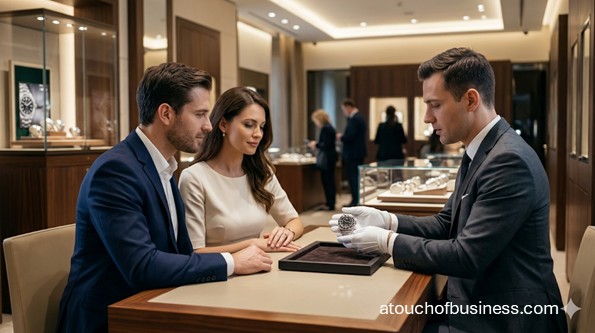
Overview of Starting a Luxury Watch Store
A luxury watch store sells premium timepieces in a setting where trust, presentation, and inventory control matter from day one.
Your store can focus on new watches, pre-owned watches, or both. You can also add trade-ins, consignments, bracelet sizing, battery service, or repair intake if those fit your opening plan.
- Common customers include collectors, gift buyers, first-time luxury buyers, trade-in sellers, and shoppers moving up from lower price tiers.
- Customers care about selection, condition, authenticity, price, service, and how the store feels in person.
- A storefront changes the job. You need a strong location, secure displays, back-room storage, receiving space, and a checkout setup that feels controlled and polished.
- Early risks are clear: buying too much too early, carrying the wrong mix, weak security, poor location fit, weak margins, and slow inventory turnover.
This business can be rewarding, but it is not casual retail. You are handling expensive inventory, careful buyers, and a lot of detail.
Is This The Right Fit For You?
A luxury watch store fits you best if you enjoy product knowledge, one-on-one selling, careful paperwork, and staying calm around expensive items.
You also need real passion for the work. That matters more here than many people expect. When inventory sits, customers negotiate hard, or supplier access feels slow, interest in the business helps you keep going.
Ask yourself this once and answer it honestly: Are you moving toward something or running away from something?
Do not start a luxury watch store only to escape a job you hate, solve immediate financial pressure, or chase the image of being a business owner. Those reasons fade fast when rent, security, and inventory bills show up.
The day-to-day work is practical. You will review inventory, check condition, handle customer questions, price pieces, track paperwork, manage security, and solve small problems all day.
Pressure tolerance matters. A storefront ties you to store hours, lease costs, customer-facing standards, and theft risk. This is not a simple buy-and-sell hobby once the doors open.
Before you go further, get firsthand owner insight from people who run similar stores in another city or market area. Prepare your questions in advance. Ask about inventory mistakes, security costs, supplier access, slow seasons, staffing, and what they wish they knew before opening.
Step 1: Decide What Kind Of Store You Will Open
Your first decision shapes almost everything that follows in a luxury watch store.
New, pre-owned, or hybrid is the big split. It affects supplier access, pricing, paperwork, security, and local compliance.
- Authorized new-watch focus: stronger brand structure, stricter supplier standards, less freedom in product mix.
- Independent pre-owned focus: more flexibility, but heavier condition review, authentication, and buying discipline.
- Hybrid model: broader appeal, but more complexity at launch.
Then decide if you will buy watches from the public, accept trade-ins, or offer consignment. Those choices can trigger local secondhand dealer rules in some cities.
Keep your opening offer narrow enough to control. A focused assortment beats a crowded case full of random pieces.
Step 2: Validate Demand In Your Area
Do not assume a luxury watch store will work just because luxury buyers live nearby. You need demand that matches your price range, brand mix, and store style.
Start with local supply and demand. Look at how many watch stores, jewelry stores, and pre-owned dealers already serve your area. Then look at what they actually carry, how they present it, and what seems to sell.
- Visit competing stores in person.
- Study their price bands and inventory depth.
- Notice whether they lean on new watches, vintage pieces, repairs, or trade-ins.
- Watch traffic patterns by day and time.
A luxury watch store does not need the most foot traffic. It needs the right traffic. A smaller but better-matched customer base can be worth more than a busy strip with weak fit.
Step 3: Build A Simple Plan Before You Spend Heavily
You do not need a fancy document. You do need a clear plan for inventory, location, security, pricing, staffing, and opening cash needs.
This is where building a business plan helps. It forces you to think through the store before the lease, fixtures, and inventory orders lock you in.
- Your store model and target customer
- Your opening inventory plan
- Your first-stage sales targets
- Your monthly fixed costs
- Your security and insurance needs
- Your basic launch timeline
Keep the first-stage targets realistic. For a luxury watch store, survival early on depends more on cash control and inventory discipline than on big opening-week sales.
Step 4: Choose The Legal Structure And Register The Business
Now make the business official. Start by choosing your legal structure based on liability, taxes, ownership, and how you want to operate.
Then register the business, apply for an Employer Identification Number, and get the name filings you need if you are not using the legal entity name in public.
- Choose the legal structure first.
- Register the entity with the state.
- Get your federal tax ID.
- Handle any doing business as filing if needed.
Do this before you sign major contracts, open accounts, or bring in inventory. Clean setup now makes the next steps easier.
Step 5: Set Up Taxes, Banking, And Recordkeeping Early
A luxury watch store needs clean records from the start. The inventory is too valuable to manage loosely.
Open a business bank account, set up bookkeeping, register for state sales tax where required, and choose a point-of-sale system that can track each piece at the unit level.
- Separate business and personal transactions right away.
- Track each watch by model, reference, source, cost, and status.
- Keep records for box, papers, warranty cards, service history, and condition notes.
- Prepare for cash-reporting rules if you take large cash payments.
If you are selling pre-owned watches, strong records are not optional. They support pricing, authentication, returns, and local secondhand compliance where it applies.
Step 6: Pick A Storefront That Fits The Business
The wrong location can hurt a luxury watch store even if everything else looks good.
Look for visibility, parking, nearby complementary businesses, secure access, clean sight lines, and enough back-room space for receiving, storage, and paperwork. A store that looks good from the front but fails behind the counter will frustrate you fast.
- Confirm the area matches your customer profile.
- Check whether the unit already has legal retail use.
- Make sure the layout can support showcases, consultation space, storage, and checkout.
- Think about opening and closing security, not just daytime shopping.
For this kind of retail, presentation matters. So does controlled movement in the space.
Step 7: Confirm Local Approvals Before You Build Out
Do this before you spend real money on fixtures, signage, and construction.
Check zoning, retail-use approval, building permits for any tenant work, signage rules, and whether you need a certificate of occupancy before opening. You should also review local licenses and permits for your city and county.
- General business license or local tax certificate
- Zoning approval for retail use
- Building permits for tenant improvements
- Sign permit for storefront signs
- Secondhand dealer rules if you buy from the public or sell used pieces
Keep this simple: ask each local office what applies to this exact address and this exact business model. A luxury watch store that buys trade-ins can face different local rules than one that only sells new inventory.
Step 8: Secure Suppliers And Plan Your Opening Inventory
Inventory is the heart of the store, and it is where many new owners go wrong.
Do not buy wide just to look established. Start with a controlled mix that matches your customer, your price range, and your cash position.
- Decide your opening mix by brand, condition, and price tier.
- Choose whether you will own inventory, use consignment, or source on demand.
- Set receiving standards for condition review, paperwork, and tagging.
- Build a reorder and replenishment routine before launch.
If you sell pre-owned watches, create an intake checklist for authenticity, condition, service history, and included accessories. Box and papers affect value. So does who you bought the watch from.
A luxury watch store lives or dies on assortment. Too much money tied up in slow pieces can squeeze the business early.
Step 9: Protect The Inventory Before It Arrives
Security is part of the startup process, not something you finish later.
You need safes, alarms, surveillance, controlled access, locking showcases, secure receiving, and written opening and closing procedures. You also need insurance coverage for the business that fits the value and risk of your inventory.
- Install a monitored alarm system.
- Use cameras that cover entry points, showcases, checkout, and receiving.
- Set key control and back-room access rules.
- Choose insured shipping methods for incoming and outgoing pieces.
Expensive inventory changes how you run the store. Security has to match the product, not the rent.
Step 10: Set Up The Store Layout And Customer Flow
A luxury watch store should feel calm, clean, and controlled.
Plan the floor so customers can browse, but staff can still manage presentation safely. You want clear sight lines, comfortable consultation space, secure showcases, and a checkout area that does not feel rushed.
- Display cases and trays for high-value pieces
- Seating for consultations and fittings
- Back-stock storage for non-displayed inventory
- Receiving area away from customer traffic
- Checkout station with point-of-sale and receipt tools
Do not ignore storage. A luxury watch store needs space for packaging, paperwork, straps, tools, supplies, and incoming parcels.
Step 11: Build Your Systems, Forms, And Internal Controls
This step makes the store feel real. It also keeps you out of trouble.
You need systems for receiving, tagging, selling, payments, returns, repair intake, customer deposits, trade-ins, and daily reconciliation.
- Point-of-sale system
- Unit-level inventory records
- Sales receipt template
- Return and exchange policy
- Repair intake form
- Trade-in purchase form
- Consignment agreement if you use consignments
- Opening and closing checklists
Keep every process tight. One missing document or one loose handoff can create expensive confusion in a watch store.
Step 12: Set Prices And Payment Rules
Your pricing has to match the type of inventory you carry.
New authorized inventory usually follows brand pricing rules. Pre-owned inventory depends on reference, condition, originality, service history, included paperwork, and current market demand. Be disciplined when setting your prices.
- Use market comparisons for pre-owned pieces.
- Price accessories with a clear margin target.
- Set deposit and layaway rules before customers ask.
- Decide how you will handle cash, cards, refunds, and chargebacks.
A luxury watch store should not improvise pricing at the counter. Customers notice when values feel inconsistent.
Step 13: Create Your Name, Brand Basics, And Digital Footprint
You do not need a full brand agency before opening. You do need a business identity that looks serious and consistent.
Claim the business name, secure the domain, create basic store signage, print clean cards, and put up a simple website with hours, location, contact details, product focus, and service information.
- Use the same name across signage, receipts, website, and listings.
- Keep the design clean and easy to read.
- Show the type of watches you sell and the services you offer.
- Make it easy for customers to call, visit, or request an appointment.
For a luxury watch store, your visual identity should support trust. It does not need to be flashy.
Step 14: Decide Who You Need On Day One
Some stores open with the owner only. Others need at least one trained sales associate from the start.
Your answer depends on store hours, inventory value, customer volume, and whether you will offer same-day services like bracelet sizing or battery replacement in-house.
- Decide if you can cover the floor and back-room work alone.
- Train staff on product handling, customer presentation, payment rules, and security routines.
- Set clear rules for opening, closing, receiving, and watch handoff.
- Use outside specialists for watchmaking work if you are not ready to hire that skill.
If you hire, get the employment paperwork and payroll setup done before opening day. Do not leave that until the last week.
Step 15: Learn The Real Daily Work Before You Launch
Run through the day as if the store is already open. That will show you what still feels weak.
In a luxury watch store, the owner usually starts by checking security, reviewing appointments, receiving parcels, updating inventory records, cleaning cases, confirming pricing, and handling customer questions. Then the day shifts into selling, follow-up, paperwork, and closing control.
This is a detail-first business. If you hate tracking pieces, reviewing condition, or keeping strict records, that matters now.
Step 16: Run A Soft Opening Before The Real Opening
Do not let the first live transaction be your first real test.
Use a soft opening to test sales tax setup, receipts, card processing, returns, repair intake, trade-in paperwork, security routines, and staff communication.
- Process a full sale from greeting to receipt.
- Run a return or exchange scenario.
- Test a repair intake and customer handoff.
- Check opening and closing procedures.
- Verify alarms, cameras, and safe access.
A few quiet test days can save you from very public mistakes.
Step 17: Watch For Red Flags Before You Commit Fully
Some problems show up before opening. Pay attention when they do.
- The rent is high enough that one slow month will hurt badly.
- You are buying inventory without a tight assortment plan.
- You still have no clear answer on local secondhand rules.
- The layout looks attractive but weak for storage or control.
- Your pricing logic changes from piece to piece.
- You are counting on immediate strong sales to survive.
- The space is not fully ready, but you want to open anyway.
One warning sign does not kill the project. Several at once should slow you down.
Step 18: Use A Launch Checklist Before You Open The Doors
This is your last pass. Keep it practical and keep it strict.
- Business registration is complete.
- Federal and state tax setup is in place.
- Local approvals are confirmed for the address.
- Store signage and required permits are handled.
- Insurance is active.
- Alarm, cameras, safes, and locks are live.
- Inventory is tagged, recorded, and priced.
- Returns, trade-ins, and repair forms are ready.
- Point-of-sale and card processing are tested.
- Staff training is complete.
- Soft-opening issues are fixed.
- Website, phone, and store hours are live and accurate.
When a luxury watch store opens well, it feels prepared from the first customer interaction. That is the goal.
FAQs
Question: Should I open a new-watch store, a pre-owned store, or a mix of both?
Answer: Pick the model before you lease space or buy stock. It changes your suppliers, paperwork, pricing method, and local rule checks.
Pre-owned, trade-in, and consignment work usually require tighter risk controls. They can also trigger secondhand dealer rules in some cities.
Question: What is the first legal step to start a luxury watch store?
Answer: Start by choosing the business structure and registering it with your state. Then get your federal tax ID before opening bank and merchant accounts.
Question: Do I need a special license to sell luxury watches?
Answer: There is no single national watch-store license. What you need depends on your state, city, and whether you sell only new pieces or also buy and resell used ones.
Question: Do I need local approval for the store location before I sign a lease?
Answer: Yes. Confirm the unit can be used for retail and ask whether you need building permits, sign approval, or a certificate of occupancy before you open.
Question: What insurance should I line up before opening?
Answer: At minimum, most owners look at general liability, commercial property, crime coverage, and worker coverage if they hire staff. Inventory value and theft risk matter more here than in many other retail businesses.
Question: How much money should I set aside before launch?
Answer: The biggest drivers are inventory, rent, build-out, safes, cameras, alarms, insurance, and working cash. A watch store can look small from the outside and still need a large opening budget.
Question: What equipment do I really need on day one?
Answer: You need secure showcases, a safe, alarm monitoring, cameras, a point-of-sale system, and clear inventory records. You also need basic handling tools, packing supplies, and forms for sales, repairs, and trade-ins.
Question: Can I start without being an authorized dealer for a major brand?
Answer: Yes, many stores open as independent sellers. The tradeoff is that you need stronger sourcing, authentication, and trust-building from the start.
Question: How should I price watches when I first open?
Answer: New watches often follow brand pricing rules when you are in an official network. Pre-owned pieces need a pricing method based on reference, condition, service history, included paperwork, and current market demand.
Question: What is a common early mistake in this business?
Answer: Buying too much inventory too soon is a big one. New owners also get hurt by weak product mix, loose records, and opening before security and store procedures are fully ready.
Question: Do I need a system for authenticity checks if I sell pre-owned watches?
Answer: Yes. Put a written intake process in place for condition, serial and reference details, box and papers, service history, and seller information.
Without a fixed process, mistakes get expensive fast. A single bad buy can damage cash flow and trust at the same time.
Question: What if I want to import watches directly from overseas?
Answer: Direct importing adds customs and country-of-origin marking issues. It is not the same as buying from a domestic wholesaler or authorized distributor.
Question: Do I need to worry about cash-reporting rules in a watch store?
Answer: Yes. If your business receives more than $10,000 in cash in one transaction or related transactions, federal reporting rules can apply.
Question: What should the daily workflow look like in the first month?
Answer: Keep it simple and repeatable. Open the store, check security, confirm inventory counts, clean and reset displays, handle appointments and walk-ins, log every sale, and secure everything again at close.
Question: Should I hire staff before I open?
Answer: Hire only if the hours, security routine, or sales floor demand it. One extra trained person can help, but untrained staff can create loss and confusion.
Question: What should I train my first employee on right away?
Answer: Focus on product handling, one-piece-at-a-time presentation, lock-up habits, payment rules, and suspicious behavior. Good sales skills matter, but control comes first in this kind of store.
Question: What basic policies should be written before opening day?
Answer: Write your return policy, repair intake process, deposit rules, trade-in process, and daily opening and closing steps. Keep each one short and easy for staff to follow.
Question: What tech should I not skip in the first phase?
Answer: Do not skip a point-of-sale system with strong inventory tracking. You also need reliable cameras, alarm access control, and a clean way to store customer and inventory records.
Question: How do I keep first-month cash flow from getting tight?
Answer: Protect cash by limiting slow stock, watching fixed costs, and avoiding last-minute spending after the lease is signed. A nice-looking store does not help if too much money is trapped in the wrong watches.
Question: What is a practical way to market the store before and right after opening?
Answer: Start with a clean website, accurate business listings, local awareness, and direct contact with people who already buy premium goods nearby. Early traffic should come from the right audience, not just a big crowd.
Question: How do I know the store is ready to open to the public?
Answer: You are ready when approvals are in place, systems work, inventory is recorded, staff know the routine, and you can run a full sale without confusion. A short soft opening can show you what still feels weak.
What Experienced Watch Dealers Can Teach You
One of the best ways to get ready for a luxury watch store is to study how experienced dealers and founders think.
The resources below give you useful perspective on trust, buying and trade-ins, pre-owned strategy, store positioning, and the real judgment this business demands.
Starter Story — How We Started A $3.3M Watch Business Selling On YouTube — Delray Watch Supply co-founder John Pietrasz shares how they built a tech-driven luxury watch dealer around buying, trading, pricing, and service.
WatchPro — Danny Govberg Gives His View Of What American Watch Retailers Can Teach The World — A strong read on trade-ins, technology, pre-owned growth, and how a retailer can connect new and used watch sales.
Monochrome — Justin Reis, CEO Of WatchBox, On The Development Of The Pre-Owned Luxury Watch Market — Useful for understanding how trust, education, inventory quality, and physical expansion support a premium watch business.
Hodinkee — West Hollywood Dealer Ken Jacobs On Embracing Vintage Style For 40-Plus Years — A veteran dealer’s long view on retail environment, collector taste, and staying relevant through market shifts.
Fratello — Interview With CEO Of Bob’s Watches Paul Altieri — Helpful for anyone thinking about transparency, authentication, reputation, and the difference between owned inventory and consignment-style selling.
Luxury Bazaar — Roman Sharf: How I Started Dealing Watches And Built Luxury Bazaar — A founder story that shows how people actually break into the watch trade and build a serious business over time.
Worn & Wound — Talking Vintage Watch Restoration Ethics With James Lamdin, Eric Ku, And Eric Wind — A practical roundtable with respected dealers on restoration, condition, and why judgment matters so much in vintage and pre-owned watches.
Related Articles
- Start a Jewelry Business
- Starting a Jewelry Appraisal Business
- Start a Luxury Real Estate Business
- How To Start Your Luxury Car Rental Business
- Starting a Luxury Travel Agency
- Start an Antique Business
- How To Start Your Gemstone Store
- Start a Jewelry Box Manufacturing Business
- Starting a Fashion Accessories Store From Scratch
- How To Start a Gift Store
Sources:
- SBA: Register Your Business, Federal State Tax Numbers, Apply Licenses Permits, Choose Business Structure, Pick Business Location
- IRS: Get Employer Identification Number, Hiring Employees, Form 8300 Cash Reporting, Retail Industry Audit Guide
- DELOITTE: Watch Industry Insights 2024
- FTC: Jewelry Guides, Jewelry Industry Guidance
- JEWELERS’ SECURITY ALLIANCE: Leading War Jewelry Crime, Jewelry Crime Statistics
- JEWELERS MUTUAL: Insurance Jewelry Businesses, Selling Jewelry Security
- ROLEX: Watch Care Servicing, Certified Pre-Owned Program
- NATIONAL JEWELER: Watch Authentication Program
- U.S. CUSTOMS AND BORDER PROTECTION: Country Origin Marking