
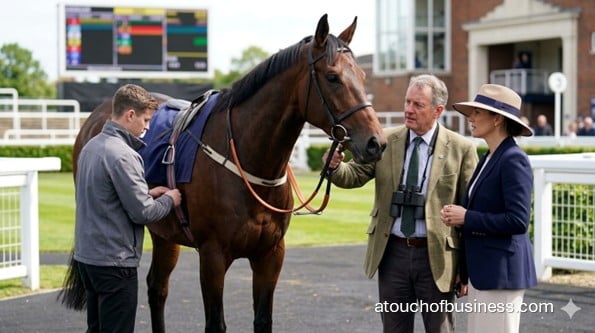
Starting A Racehorse Training Stable Owners Can Trust
A racehorse training business prepares horses for racing while handling daily care, exercise, scheduling, owner communication, and the records that go with a regulated animal business. You are not just working with horses. You are also managing a facility, staff, vendors, risk, paperwork, and a long list of details that have to stay organized from the first horse that arrives.
Most customers are individual owners, partnerships, syndicates, and breeders with horses in training. They care about safety, reliable care, visible competence, clear billing, and steady communication. In this business, trust is earned in small daily moments. Was the horse checked carefully? Was the barn clean? Was the owner told about a health issue right away?
A racehorse training stable usually earns revenue through a day rate or monthly training fee, with other charges billed separately. Veterinary work, farrier work, transport, supplements, and race-day costs are often handled as pass-through charges. That sounds simple on paper, but your launch gets harder fast if you are vague about what is included and what is extra.
There are real advantages. You can build recurring revenue, long-term owner relationships, and a reputation based on care and results. There are also real drawbacks. The work starts early, risk is high, labor needs are constant, and opening before your routines are ready can create serious problems.
Is A Racehorse Training Business Right For You?
Before you think about stalls, trailers, or licenses, take a hard look at fit. Owning a business is different from being good with horses. A racehorse training business asks you to make decisions under pressure, deal with bills and staff issues, stay calm when a horse gets sick or injured, and keep showing up every day whether you feel like it or not.
You also need to decide whether this specific business fits you. Do you enjoy the daily work, not just the idea of racing? Can you handle early mornings, weather, physical labor, owner expectations, and the emotional side of caring for valuable animals? A lot of people love horses. Far fewer enjoy the daily responsibility that comes with running a training stable.
Passion matters because this is the kind of business that can test you for months before it rewards you. If you have not thought about how passion affects your business, do that now. Then ask yourself this once and answer it honestly: “Are you moving toward something or running away from something?” Starting only to escape a job, financial pressure, or status anxiety is a weak foundation.
You should also talk to owners you will not compete against. Find people in another city, region, or market area. This is the right time to ask your questions. These owners have lived through the startup stage, and their answers come from experience you cannot get from a brochure or a quick conversation at the track. Their path will not be identical to yours, but you can still learn a lot from firsthand owner insight.
Step 1: Choose Your Racing Segment And Service Model
In a racehorse training business, your first big decision is not the business name. It is the racing segment you will serve. Thoroughbred, Standardbred, Quarter Horse, and mixed programs do not all work under the same rules, customer expectations, or track systems.
If you are launching a Thoroughbred training stable, pay close attention to HISA rules and the trainer responsibilities that can apply at covered racetracks and training facilities. If you are working in another racing segment, state racing commission rules and track rules may be the main compliance layer instead. That is not a small difference. It changes your recordkeeping, your licensing path, and sometimes your daily routine.
You also need to choose your setup. Will you run a private training farm, lease or control stalls at a licensed racetrack, or use a split model with both? This choice affects cost, staffing, transport, compliance, and owner expectations.
If you are opening on a private farm, make sure the property can legally support horse training, barns, turnout, manure handling, trailer traffic, and staff activity before you commit. Your site is part of your business model.
If you are basing the stable at a racetrack, expect track access rules, stall allotment issues, occupational licenses, and backside credentials to become part of your startup process right away.
If you plan to use both, your launch is more flexible, but your setup becomes more complex. You may gain conditioning space and turnout at the farm while still needing track rules, shipping systems, and racing paperwork to stay in order.
Step 2: Talk To Non-Competing Owners And Reality-Test The Idea
A racehorse training business can look exciting from the outside. The daily reality is much more practical. Before you spend serious money, talk with owners and trainers outside your local market and ask direct questions about startup pressure, labor, owner billing, veterinary costs, and what went wrong early on.
Ask what surprised them most. Ask which costs showed up before they expected them. Ask which systems had to be in place before the first horse arrived. Ask whether they opened on a private farm first or went directly to a racetrack barn. These conversations can save you from expensive false starts.
This is also the stage to review your own pre-startup considerations. In this business, a bad assumption about property use, staffing, or transport can do much more damage than a weak logo or a slow website.
Step 3: Define Your Customers And Check Demand In Your Area
A racehorse training business is not for every horse owner. You need to know who you want to serve at launch. Are you aiming at individual owners with one or two horses, partnerships with several horses, breeders sending young stock to training, or claiming owners who want a tighter budget? Your customer choice shapes your pricing, communication style, staffing, and facility needs.
Take time to study local supply and demand before you open. Look at nearby racetracks, training centers, breeders, sale activity, transport routes, and the number of trainers already serving your target owner group. A racehorse training stable can be full in one area and hard to fill in another. You need real numbers, not hope, when you are checking supply and demand.
Pay attention to owner priorities too. Some owners want frequent updates and conservative care. Others focus on race placement and cost control. Some want turnout and a private-farm environment. Others want the horse based where racing access is immediate. Those differences affect how you position the business from day one.
Step 4: Choose A Name, Domain, And Clear Business Identity
Your racehorse training business needs a name that works in real life, not just on paper. It should be easy to say, easy to spell, and professional enough to put on contracts, invoices, and a barn sign. Check the legal business name, any assumed name filing requirements, and whether the matching domain is still available before you settle on it.
Do not overbuild the brand at this stage. You need the basics first: business name, domain, email address, simple website, contact number, clean social profiles, and a few professional identity items. If clients visit the facility, clear signage and a professional first impression matter more than clever branding.
A racehorse training stable also needs visible consistency. Owners notice the little things. A clean sign, organized paperwork, clear email replies, and readable invoices do more for trust than flashy design. Later, you can improve the look. At launch, the goal is to look dependable.
Step 5: Form The Business And Get Tax Setup In Place
This step gives your racehorse training business a legal foundation. Choose a structure that fits your ownership plan, liability concerns, and tax situation. Many owners compare a limited liability company, sole proprietorship, corporation, or partnership before they register. If you need a refresher on choosing your legal structure, do that before filing anything.
Once the structure is set, register the business and get your Employer Identification Number. You will need that for banking, tax setup, payroll, and many vendor accounts. If you are using a stable name that is different from the legal owner or company name, you may also need an assumed name or DBA filing.
This is also the time to sort out state tax registration and employer accounts if you will hire staff. A racehorse training stable usually needs this work done early because labor often starts before the public sees any formal opening.
Step 6: Secure A Facility That Can Actually Support The Business
In a racehorse training business, the property is not just where you work. It is part of the service you provide. Owners judge the business by the condition of the stalls, turnout, training surface, ventilation, trailer access, drainage, and overall safety. A site that looks fine to a casual visitor may still be wrong for a working training stable.
Start with zoning and permitted use. You need to know whether the property can legally support horse training, stabling, feed storage, tack areas, manure handling, parking, trailer movement, and employee activity. If buildings are being added, converted, or heavily improved, ask whether permits, inspections, or a certificate of occupancy are required before opening.
If you are leasing a farm, make sure the lease clearly covers horse use, improvements, manure handling, maintenance responsibilities, insurance expectations, and trailer access. Small gaps in a farm lease can turn into big problems later.
If you are using a racetrack barn, the physical site is more controlled, but you still need to understand track rules, stall availability, and what parts of the setup are your responsibility versus the track’s responsibility.
If you are building or changing the property, site work such as grading, drainage, utility work, wash areas, roads, and pads can trigger permit review. Opening before those approvals are handled can delay the launch or force expensive rework.
Step 7: Handle Trainer Licensing And Racing Compliance Early
This is where many first-time owners underestimate the startup process. A racehorse training business can cross several layers of regulation at once. Your legal business setup is one part. Racing licenses, trainer approvals, and horse-level compliance are another.
State racing commissions commonly license trainers and, in some jurisdictions, assistant trainers, stable employees, exercise riders, farriers, veterinarians, and other participants. If you are stable-based at a licensed track, these licenses can become launch-critical. Do not assume you can start working and sort them out later.
If you are training covered Thoroughbreds, trainer registration and recordkeeping under HISA should be part of your launch plan from the start. That includes horse registration and organized records for treatments, vaccinations, and other required information.
If you are not in a covered Thoroughbred program, your main racing compliance may come from your state racing commission and the track where you are working. The practical lesson is simple: find out which rulebook applies before horses arrive.
Step 8: Build Safety Systems, Records, And Service Boundaries
A racehorse training business runs on routine. Horses need safe handling, regular checks, and clear records. Owners need clear boundaries. Staff need consistent procedures. Without that structure, you are not launching a stable. You are creating confusion with horses in the middle of it.
Set up a written system for horse identification, owner contacts, veterinary contacts, vaccination history, treatment records, transport documents, feeding notes, incident reports, and emergency authorization. This is also the time to decide who can approve extra expenses and how owners will be told about health issues or schedule changes.
Service boundaries matter more than new owners expect. Will the day rate include basic wrapping? Will supplements be included or billed separately? Who approves shipping? When can owners visit? What happens after hours if a horse needs veterinary attention? The clearer you are, the less friction you create.
If you are taking horses from different barns or different states, set up a quarantine or isolation process before the first arrival. Biosecurity is not a fancy extra in a racehorse training stable. It is part of protecting the whole barn.
Step 9: Plan Insurance And Risk Control Before Horses Move In
A racehorse training business carries risk from several directions at once. Horses can injure people. People can injure horses. Trailers can be involved in accidents. Visitors can fall. Staff can get hurt. Property can burn. Equipment can fail. That is why business insurance and practical risk control both matter before opening day.
Some coverage may be required by state law, contract terms, or track rules. Workers’ compensation is a common example when you hire employees, although the exact rule depends on the state. Other coverage is often strongly recommended, even when not legally required, because the financial exposure can be severe.
If you are running the business from a private farm, ask the insurance professional about equine liability, care-custody-control issues, premises risk, employee exposure, trailers, vehicles, and property coverage for barns, tack, feed, and equipment.
If you are based at a racetrack, review the track agreement and ask what coverage is expected for the stable, vehicles, and staff. Track access does not remove your risk. It changes the environment where that risk shows up.
Step 10: Buy The Equipment And Prepare The Facility For Daily Use
In a racehorse training business, equipment is not just about convenience. It supports safety, horse care, cleanliness, and daily speed. Start with the basics that allow you to run the barn well from day one.
You will likely need stalls, mats, feeders, waterers, tack storage, feed storage, bedding storage, grooming tools, muck tools, halters, lead ropes, first-aid supplies, lockable medication storage, office equipment, a printer or scanner, billing software, and a record system. If you control the grounds, you may also need turnout fencing, trailer parking space, wash areas, a tractor, and tools to maintain the training surface.
Ventilation, exits, and emergency access matter. So do manure storage, drainage, and safe traffic flow for horses, people, and trailers. A racehorse training stable can look tidy during a showing and still work badly once the morning rush begins. Walk the property as if horses are already there.
If you are opening with a small horse count, you may be able to start with a leaner equipment list and add more as routines settle in. Just do not cut the items that protect safety, sanitation, and recordkeeping.
If you are opening with a larger book of horses, buy for the real workload from the beginning. Underbuying tools, bedding space, office systems, or grounds equipment can slow down the barn before it finds a rhythm.
Step 11: Set Your Prices, Billing Rules, And Banking System
Pricing a racehorse training business is not just about picking a day rate. You need to decide what the fee covers, what gets billed separately, when owners are invoiced, when payment is due, how deposits work, and who approves extra costs. If you skip these decisions, confusion will show up in the first month.
Many racehorse trainers use a per-horse day rate or monthly training charge and bill veterinary work, farrier work, transport, supplements, and race-day items outside that base amount. Some also take a share of purse earnings where that is customary and agreed to. Owner expectations rise quickly when the billing structure is unclear, so spend time setting your prices and your billing rules in writing.
Do not try to build a universal startup budget from a narrow example. Costs vary widely based on land, lease terms, number of stalls, labor, transport, breed, track access, and whether the site is already set up for horses. Focus on your own cost drivers instead. Property, build-out, staff, vehicles, equipment, feed, bedding, insurance, and working capital usually shape the budget more than anything else.
Open the bank account before revenue starts moving. Your stable needs clean bookkeeping from the first invoice. That means setting up your business banking, separating owner charges properly, and deciding whether you will use a merchant processor for card payments or another payment method. In a service business with recurring bills, payment habits matter early.
Step 12: Line Up Vendors, Staff, And Daily Coverage
A racehorse training business cannot open without support. Even if you are highly skilled yourself, you still need reliable access to feed, hay, bedding, veterinary care, farrier work, manure handling, transport, and equipment service. Vendor relationships are part of launch, not something to figure out after the horses are there.
Your staffing plan matters just as much. Racehorses still need care on weekends, holidays, and bad-weather mornings. Decide which roles must be covered at opening and which can wait. A small stable may start with the owner doing more hands-on work, but that only works if the horse count matches reality and the paperwork does not get ignored.
If you are opening with only a few horses, you may be able to stay lean, but you still need backup coverage for illness, emergencies, and transport days. A one-person plan often looks cheaper than it really is when the first crisis happens.
If you are opening with more horses or multiple locations, bring structure to hiring from the start. Clear duties, handling standards, communication rules, timekeeping, and emergency procedures should be ready before your first payroll goes out. The question is not whether you will need help. It is when and how you will manage it well.
Step 13: Create A Simple Marketing Plan Before Opening
Marketing a racehorse training business is different from promoting a general pet service. Owners are trusting you with valuable animals, recurring costs, and a great deal of day-to-day responsibility. Your marketing should make the business look steady, organized, and professional, not flashy.
Start with the basics. Put up a simple website, create clear contact information, claim your business profiles where relevant, and make sure your stable name, phone number, email, and location details match everywhere. Use photos that show a clean facility, safe handling, organized spaces, and horses in good condition.
Your strongest early marketing often comes from owner referrals, veterinarian and farrier relationships, industry contacts, and track-side reputation. Still, people need a simple way to find you, understand what you offer, and contact you. A clear digital footprint helps that happen.
If you are based on a private farm, your marketing should explain the environment, turnout, care standards, and how owners receive updates. Show the experience of having a horse in your care.
If you are based at a racetrack, your marketing should explain the racing access, stable process, communication style, and the kinds of owners or horses you serve best.
What Daily Work Looks Like In A Racehorse Training Business
A racehorse training business starts early. A typical day can begin with barn checks, feed, horse-by-horse review, and training sets before most people are at their desks. Then come veterinary and farrier coordination, owner updates, stall checks, scheduling, billing work, supply issues, and planning for the next day.
Some days feel smooth. Others do not. A horse can come up sore. A staff member can miss a shift. Transport can change. Weather can disrupt the plan. That is why daily routines and backup systems matter so much in this business.
If you dislike hands-on work, shifting schedules, and constant responsibility, a racehorse training stable may not fit you, even if you love racing. The daily work is the business. Everything else sits on top of it.
Red Flags Before You Open
A racehorse training business should not open just because the barn looks ready. Watch for warning signs that tell you the foundation is weak.
- You have not confirmed that the property can legally support the use you want.
- You are not sure which racing rules apply to your first horses.
- You do not have written contracts, authorization rules, and billing terms.
- You have no clear system for treatment records, vaccination history, and shipping documents.
- You do not have a quarantine plan for new arrivals.
- Your pricing assumes a flat fee, but you have not decided which costs are pass-through charges.
- You are planning to haul horses in business use without checking transport rules.
- You are opening with too little staff coverage for weekends, emergencies, and owner communication.
- You are counting on strong demand without testing the market first.
Pre-Opening Checklist For Your Training Stable
Before a racehorse training business opens, the pieces need to work together. Use this checklist to make sure nothing obvious is missing.
- The business structure is set and the tax ID is in place.
- The business name, domain, email, and basic online presence are ready.
- Zoning, permits, and property approvals have been checked for the site.
- Any racing licenses, trainer approvals, and track credentials are handled.
- Insurance is active and matched to the real risks of the business.
- Horse records, treatment logs, owner contacts, and emergency forms are ready.
- Contracts clearly explain the day rate, extra charges, payment timing, and service limits.
- Stalls, turnout, tack areas, feed storage, bedding storage, and medication storage are ready.
- Ventilation, drainage, manure handling, and emergency access are in order.
- Feed, hay, bedding, and basic supplies are lined up with vendors.
- Veterinary, farrier, and transport relationships are in place.
- Staff duties, schedules, communication rules, and backup coverage are clear.
- Billing software, bookkeeping, and payment processing have been tested.
- A short soft opening or trial run has shown you how the barn functions under real conditions.
FAQs
Question: Do I need a trainer license before I can train racehorses for pay?
Answer: Usually yes if you will work in regulated racing, especially at a licensed track. The exact license path depends on the state racing commission and the type of racing you plan to serve.
Question: Do I need HISA registration to open a racehorse training business?
Answer: If you train covered Thoroughbreds, HISA can apply and trainers are usually treated as the Responsible Person. If you are not in covered Thoroughbred racing, state commission and track rules may be the main layer instead.
Question: What business structure should I use for a racehorse training business?
Answer: Many owners compare a limited liability company, sole proprietorship, corporation, or partnership. Your choice affects liability, taxes, ownership, and how you set up contracts and banking.
Question: Do I need an Employer Identification Number before I open?
Answer: You usually do if you will hire staff, open business bank accounts, or operate through a limited liability company, corporation, or partnership. The Internal Revenue Service issues it free online.
Question: Should I open the business bank account before the first horse arrives?
Answer: Yes. You need separate business banking before owner payments, payroll, and pass-through charges start moving through the stable.
Question: What permits should I check before I lease or buy a training farm?
Answer: Start with zoning, land use, building permits, drainage or grading approvals, and whether a certificate of occupancy applies. Also check whether the site can legally handle barns, turnout, manure storage, staff activity, and trailer traffic.
Question: What insurance should I have before opening?
Answer: Ask about general liability, property, vehicle and trailer coverage, care-custody-control issues, and workers’ compensation if you will have employees. Track-based operations may also need coverage that matches the track agreement.
Question: What equipment do I need to open a racehorse training stable?
Answer: You need safe stalls, mats, feeders, waterers, tack and feed storage, grooming and mucking tools, medication storage, record systems, and basic first-aid supplies. If you control the grounds, you may also need fencing, turnout, trailer space, and equipment to maintain the training surface.
Question: How should I set my prices when I first open?
Answer: Most new stables start with a day rate or monthly training fee and bill veterinary work, farrier work, transport, and similar items separately. Write down what is included, what is extra, and who approves added charges.
Question: How much does it cost to start a racehorse training business?
Answer: There is no reliable universal startup number because property, barns, staffing, transport, insurance, and equipment vary so much. Your biggest cost drivers are usually the site, build-out, labor, vehicles, and working capital.
Question: Do I need special paperwork to haul horses across state lines?
Answer: Usually yes. Many states require individual horse identification and a Certificate of Veterinary Inspection, and the destination state may also require a negative Equine Infectious Anemia test or other health conditions.
Question: What records should I keep from day one?
Answer: Keep horse identification, owner contacts, treatment logs, vaccination records, transport papers, billing records, and emergency contacts. If HISA applies, trainers also have recordkeeping duties tied to covered horses.
Question: What should my first written policies cover?
Answer: Start with owner approvals for vet and farrier work, billing terms, visiting rules, emergency contacts, and what your fee does and does not include. Add staff rules for handling, reporting problems, and emergency response.
Question: What does the first phase of daily work usually look like?
Answer: Most days start early with feeding, barn checks, and training sets. After that come horse care, veterinary or farrier coordination, owner updates, paperwork, and planning for the next day.
Question: Who should I hire first when opening a racehorse training business?
Answer: That depends on horse count, but labor for daily horse care usually comes first. Many new operators need reliable grooms or similar barn help before they need office help.
Question: How should I market a new racehorse training business before opening?
Answer: Start with a clear website, simple contact information, and a clean business profile that shows the facility and your service model. Early trust usually comes from owner referrals, industry contacts, and a professional first impression.
Question: How do I protect cash flow in the first month?
Answer: Use written billing dates, clear deposits if appropriate, and fast invoicing for pass-through costs. The stable can feel busy right away, but cash can still lag if payment rules are loose.
Question: What early tech or systems matter most?
Answer: You need a simple system for horse records, billing, payroll, and document storage. A stable does not need fancy software at launch, but it does need records you can find fast.
Question: What is one common opening mistake in this business?
Answer: Opening before the property, paperwork, staff coverage, and daily routines are fully ready is a common problem. In a racehorse training stable, weak setup shows up fast because horses need care every day.
Question: Do I need a biosecurity plan before I open?
Answer: Yes. You should have a basic plan for new arrivals, isolation, cleaning tools, and what happens if a horse shows signs of illness.
51 Insider-Style Tips for Starting Your Racehorse Training Business
Starting a racehorse training business takes more than horse knowledge.
You need the right property, the right compliance path, clear pricing, solid records, and routines that work before the first horse arrives.
Use these tips to move through the startup stage in a logical order and catch problems while they are still easy to fix.
Before You Commit
1. Be honest about whether you want the daily work or just the image of the business. A racehorse training stable starts early, runs every day, and brings pressure long before it brings status.
2. Test your tolerance for responsibility before you sign anything. You will be responsible for horses, people, property, transport, paperwork, and owner expectations at the same time.
3. Talk only with trainers or stable owners outside your market area. They can tell you what surprised them at launch without turning you into a local competitor.
4. Ask those owners what costs hit first, not what costs looked good on paper. Early labor, bedding, repairs, and horse care often show up before revenue feels steady.
5. Decide whether you want to be a hands-on horse person who owns a business or a business owner who happens to work with racehorses. The two roles overlap, but they do not feel the same day to day.
6. Do not assume passion will cover weak planning. Loving horses helps, but it does not replace staffing, cash, contracts, and legal approvals.
Demand And Profit Validation
7. Pick your customer type before you study demand. A stable built for individual owners with one horse will look different from one built for partnerships or breeders.
8. Count nearby trainers, tracks, training centers, and breeding farms before you choose a location. A strong horse area can still be crowded in the exact segment you want to serve.
9. Study what owners in your target group care about most. Some want turnout and private-farm care, while others want fast access to the track and race placement.
10. Build your revenue estimate from likely horse count, realistic day rates, and how fast you think stalls will fill. Do not build a startup budget around a full barn unless you already have committed horses.
11. Write down your biggest cost drivers before you try to judge profit. Property, labor, insurance, vehicles, equipment, and working capital will shape the business more than small supply costs.
Business Model And Scale Decisions
12. Choose your racing segment first. Thoroughbred, Standardbred, and Quarter Horse work can lead to different compliance steps, customer expectations, and track systems.
13. Decide whether you are launching from a private training farm, a racetrack barn, or both. That one choice changes licensing, transport needs, staffing, and how owners experience your business.
14. If you are opening at a private farm, make turnout, drainage, manure handling, and trailer access part of your business plan from the start. Those are not side issues in a horse business.
15. If you are opening at a racetrack, learn the stall-allotment process and track access rules before you count on that location. A good business plan does not help if you do not have workable barn space.
16. Start smaller than your ego wants if your systems are not ready for a full barn. A half-full stable with strong routines is safer than a full stable with weak control.
Legal And Compliance Setup
17. Choose your legal structure before you start opening accounts and signing contracts. Your choice affects taxes, liability, ownership, and how cleanly you can separate the business from your personal life.
18. Get your Employer Identification Number early. You will likely need it for banking, payroll, tax setup, and many vendor relationships.
19. Check state racing commission rules before you promise services to anyone. Trainer licensing and related occupational licenses can apply earlier than first-time owners expect.
20. If you plan to train covered Thoroughbreds, learn the Horseracing Integrity and Safety Authority rules before launch. Recordkeeping duties and trainer responsibilities can become part of the setup stage.
21. Confirm zoning before you buy or lease the property. The site has to support horse training, stabling, manure storage, trailer movement, and employee activity, not just “agricultural use” in a vague sense.
22. Ask the building department whether your setup needs permits or a certificate of occupancy before opening. This matters even more if you are converting structures or adding wash areas, offices, or major site work.
23. Check state employer registration and workers’ compensation rules before you bring in staff. Horse businesses often start with labor earlier than new owners expect.
24. Do not guess on interstate hauling rules. Health documents for horses and transport rules for your truck and trailer can both matter before your first shipping day.
Budget, Funding, And Financial Setup
25. Separate startup costs into property, build-out, equipment, labor, vehicles, licensing, insurance, and working capital. This makes it easier to spot the real pressure points in the budget.
26. Keep a reserve for the first months of payroll and horse care. Horses still need feed, bedding, and labor even if owner payments are late.
27. Set up business banking before the first deposit comes in. You need a clean way to separate personal transactions, from business expenses from day one.
28. Decide how you will take payments before you open. Invoicing, card processing, and payment timing should feel simple to the owner and manageable for your bookkeeping.
29. Treat veterinary work, farrier work, transport, and supplements as separate billing decisions, not vague extras. If you leave them unclear, your first invoices will create tension.
30. If you need outside funding, match the funding type to the need. Equipment financing works differently from real estate financing, and neither works like a line of working capital.
Location, Build-Out, And Equipment
31. Walk the property like a working stable, not like a shopper. Look at water access, footing, trailer flow, staff movement, fencing, ventilation, storage, and emergency access.
32. Put drainage near the top of your site checklist. A beautiful property can become a daily headache if turnout areas, barn entries, or training surfaces stay wet and unsafe.
33. Make manure handling a launch decision, not a cleanup problem for later. Storage, removal, runoff control, and neighbor impact all matter before opening.
34. Buy the equipment that protects safety and routine first. Safe stalls, mats, feeders, waterers, grooming tools, mucking tools, secure medication storage, and record systems matter more than nice extras.
35. If you control your own grounds, budget for the tools to maintain them. A tractor, drag, or similar equipment may be just as important as tack when you are responsible for the training surface.
36. If you are relying on a track’s facilities, confirm exactly what you still need to supply yourself. Storage, office tools, tack setup, staff space, and horse paperwork do not disappear just because the track has barns.
37. Set aside space for isolation before the first horse arrives. A quarantine area is easier to build into the layout now than to force into a full barn later.
Suppliers, Contracts, And Pre-Opening Setup
38. Line up feed, hay, bedding, farrier, veterinary, and transport relationships before launch. You do not want to start hunting for key vendors after horses are already in stalls.
39. Use a written training agreement from the beginning. It should spell out fees, extra charges, payment timing, owner approvals, emergency authority, and basic service limits.
40. Create one complete file for each horse before arrival. Include owner contacts, health records, shipping documents, authorization notes, and any special care instructions.
41. Build a simple record system that your staff can actually follow. A perfect system that nobody uses is worse than a plain system that stays current every day.
42. Write your first barn policies around real risk. Focus on handling, medication control, owner communication, visiting rules, emergency response, and who can approve outside services.
43. Test your morning routine before opening. Run feeding, turnout, training sets, cleaning, record updates, and billing tasks with a small load so you can see what breaks.
Branding And Pre-Launch Marketing
44. Pick a business name that sounds professional on an invoice, a barn sign, and a phone call. If people cannot say it or spell it easily, it will slow down trust.
45. Secure the domain and business email early. Owners expect a racehorse training business to look organized before they trust you with a horse.
46. Keep your first website simple and useful. Show who you serve, where you are based, how to contact you, and what kind of training setup you run.
47. Use photos that show order, safety, and care standards. A clean tack room, safe stall area, and well-kept barn say more than dramatic racing images.
Final Pre-Opening Checks And Red Flags
48. Do not open until you know which rules apply to your first horses. In this business, the wrong assumption about licensing or oversight can stop work before it starts.
49. Watch for red flags like vague pricing, weak staffing coverage, unfinished records, and property questions that nobody has answered clearly. Those are startup risks, not small details.
50. Run a soft opening with a small number of horses if you can. It gives you time to test labor, billing, recordkeeping, vendor timing, and emergency communication before the workload grows.
51. Delay the launch if the business still depends on last-minute fixes. Opening a racehorse training stable before approvals, routines, and core systems are ready usually costs more than waiting a little longer.
Expert Guidance From Trainers, Owners, And Racing Pros
Before you open a racehorse training business, it helps to hear how trainers, assistant trainers, owners, and other racing professionals talk about the work in real life.
These interview and panel resources can help you think more clearly about trainer selection, startup costs, owner expectations, claiming, auctions, and the daily realities behind a working stable.
Even the owner-focused pieces are useful because they show what owners look for when they judge communication, billing, risk, and trust. That gives a new trainer a better sense of what future clients will notice right away.
- Thoroughbred OwnerView — FAQ for Owners When Interviewing a Trainer
- Thoroughbred OwnerView — Conference Videos
- Thoroughbred OwnerView — Panel 7: Claiming
- Thoroughbred OwnerView — Panel 6: Buying at Public Auctions
- BloodHorse — BloodHorse Interview: Trainer Nolan Ramsey
- BloodHorse — On the Rise: Amelia Green Plots Her Course as Trainer
- America’s Best Racing — Get to Know 26-Year-Old Trainer Anna Meah
- America’s Best Racing — Get to Know Mike Penna
- In the Money Media — Beyond the Backstretch with Tom Morley
Related Articles
- How To Start an Equine Therapy Business
- Starting a Profitable Hay Farm
- Starting a Dog Training Business
- Starting a Dog Breeding Business
- How To Start a Pet Sitting Business
- How To Start Your Dog Walking Business Beginner’s
- Start a Dog Kennel Business
- How To Start a Dog Grooming Business
- How To Start Your Petting Zoo Business
- Starting a Ferret Breeding Business
- How To Start a Chicken Farm
- Starting an Egg Farm
Sources
- IRS: Employer Identification Number, Employment Taxes
- SBA: Choose Business Structure, Licenses And Permits, Open Business Bank Account
- HISA: About Us HISA, HISA FAQs, Trainers Responsible Persons
- CHRB: New Licenses
- KHRC: KHRC License Application
- USDA APHIS: Interstate Movement Horses
- FMCSA: Non-Business Transportation Horses
- AAEP: General Biosecurity Guidelines
- OwnerView: Estimated Training Costs
- University Of Minnesota Extension: Ventilation Systems Horse Barns, Preparing Barn Disaster