
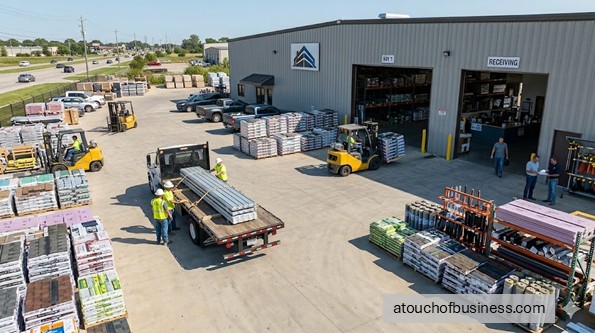
Roofing Supply Company Operations?
A roofing supply company distributes roofing materials to contractors, builders, remodelers, property managers, and trade buyers. In this guide, the focus is on a wholesale and distribution setup, not roofing installation.
You are not climbing on roofs to install shingles. You are procuring, managing inventory, and coordinating the distribution of roofing materials so contractors can complete jobs on time.
A roofing supply company may carry asphalt shingles, underlayment, ice and water shield, flashing, drip edge, vents, nails, sealants, low-slope roofing materials, gutters, downspouts, siding, and insulation.
The business can also offer contractor pickup, will-call orders, jobsite delivery, special orders, and account-based buying. Some companies add rooftop delivery, but that changes the equipment, insurance, training, and risk.
Is a Roofing Supply Company Right for You?
Do you like the idea of running a warehouse, dealing with contractors, managing inventory, and solving delivery problems before they become jobsite delays?
That question matters. A roofing supply company is not only about selling shingles. It involves supplier terms, truck schedules, damaged goods, contractor credit, stock control, and fast order handling.
You also need to think about whether owning a business fits you. Ownership brings pressure, decisions, risk, and responsibility. The title may sound appealing, but status will not help much when a truck breaks down, a shipment is short, or a customer needs materials before a crew leaves the yard.
A stronger reason is genuine interest in the products, the contractor market, and the value you provide. If you care about the work, you are more likely to stay focused when the setup process gets hard. It helps to understand how passion for the work affects your staying power.
Ask yourself one hard question: are you moving toward a business you truly want to build, or mainly trying to get away from a job, a boss, or financial stress?
Escaping something is a weak base for ownership. Building toward something useful gives you a better reason to keep going.
Can You Handle the Pressure and Tradeoffs?
A roofing supply company can be demanding from the start. Contractors often need the right materials, in the right color, at the right place, at the right time.
That means you must be comfortable with practical pressure. A missing bundle, wrong vent, late delivery, or unclear order can slow a roofing crew and damage trust.
Before you move ahead, think through these fit questions:
- Do you enjoy warehouse, inventory, and logistics work?
- Can you deal calmly with urgent contractor needs?
- Are you willing to manage vehicles, forklifts, supplier orders, and staff training?
- Can you handle capital tied up in inventory before sales become steady?
- Are you comfortable saying no to poor credit risks?
The daily work may not look glamorous. It can involve receiving pallets, checking purchase orders, reviewing delivery tickets, handling returns, fixing stock mistakes, and calling suppliers about delayed material.
Who Should You Talk to Before Opening?
Before starting a roofing supply company, speak with owners who already run similar businesses. But choose carefully.
Consult exclusively with operators you will not compete against. Look in another city, region, or market area. Prepare real questions before you contact them.
Ask about startup inventory, supplier terms, credit losses, delivery issues, slow-moving products, forklift needs, warehouse layout, and what they wish they had checked before opening.
Those conversations matter because these owners have direct experience. Their path will not match yours exactly, but their insight can reveal problems that are hard to see from the outside. A broader look at firsthand owner insight can help you prepare better questions.
Is There Enough Local Demand?
A roofing supply company depends on local contractor activity. If your area does not have enough roofers, builders, remodelers, restoration contractors, and property managers, the business may be a poor fit.
Start by checking the demand for this kind of business in your area. Look at how many roofing contractors operate nearby, how often roofs are replaced, whether storm-restoration work is common, and which suppliers already serve the market.
You need to know whether contractors are underserved. Are existing suppliers too far away? Are lead times slow? Is delivery weak? Are specialty products hard to find?
Also look at the other side: supply. If large distributors already dominate the contractor base, you need a clear reason your company would win early customers. Studying local supply and demand can help you avoid opening in a weak market.
Weak demand is a warning sign. It may mean the location, product mix, or whole business idea needs to change before you invest.
Should You Start From Scratch or Buy a Roofing Supply Business?
Starting from scratch gives you more control. You choose the location, suppliers, systems, brand, product mix, and customer setup.
But it also means you must build everything before revenue is stable. You need supplier accounts, inventory, warehouse space, staff, delivery options, contractor relationships, and working capital.
Buying an existing roofing supply company may give you a location, customer accounts, vendor relationships, inventory, vehicles, and trained staff. It may also come with problems, such as old inventory, weak margins, poor records, bad credit accounts, or outdated equipment.
Compare these paths before you commit:
- Start from scratch if you want full control and can fund the setup.
- Buy an existing company if a strong operation is available and the records are clean.
- Explore a franchise only if realistic for the roofing supply space and your market.
The best path depends on your budget, timeline, risk tolerance, support needs, available businesses for sale, and how much control you want. It may be worth comparing your options before you decide to buy a business already in operation.
What Customers Will You Serve?
A roofing supply company usually serves trade customers first. These buyers care about product availability, price clarity, fast loading, accurate orders, and dependable delivery.
Your early customer group may include:
- Residential roofing contractors
- Commercial roofing contractors
- General contractors
- Home builders
- Remodelers
- Siding and gutter contractors
- Insurance-restoration contractors
- Property managers
- Maintenance departments
You must also decide whether to sell to homeowners and owner-builders. That can add revenue, but it may change your counter service, pricing, tax handling, returns, and customer education needs.
For a wholesale roofing supply company, contractor accounts are usually more central than walk-in retail traffic.
What Will You Sell First?
Your first product mix should match local demand. Do not fill a warehouse with products just because they are common somewhere else.
A practical opening mix often includes common roofing products contractors need on regular jobs. These may include asphalt shingles, starter shingles, ridge cap, synthetic underlayment, ice and water shield, drip edge, flashing, vents, roofing nails, sealants, pipe boots, and related accessories.
Some roofing supply companies also carry low-slope roofing materials, modified bitumen, single-ply products, insulation, gutters, downspouts, siding, or metal roofing. Add those only when the market supports them.
Inventory can drain cash quickly. Buying too many slow-moving colors or specialty items can hurt you before the business has steady sales.
What Business Model Decisions Change the Setup?
The biggest early decision is how far your roofing supply company will expand beyond warehouse sales and contractor pickup.
A pickup-only model is simpler. You need a good warehouse, counter area, inventory system, forklift setup, and customer order flow.
Delivery adds more planning. You may need flatbed trucks, drivers, insurance, route planning, loading procedures, vehicle records, and delivery tickets.
Rooftop delivery adds even more risk. It may require specialized trucks, training, equipment, and tighter procedures. It can also change your insurance needs and liability exposure.
Before opening, decide what you will offer at launch:
- Contractor pickup only
- Ground-drop jobsite delivery
- Flatbed delivery
- Boom truck delivery
- Rooftop delivery
- Special orders
- Credit accounts
- Cash sales
Each choice affects startup costs, staff, equipment, scheduling, forms, and risk.
What Are the Main Pros and Cons?
A roofing supply company can serve repeat trade customers. Contractors may buy materials again and again if you are reliable, stocked, and easy to work with.
The business also serves a practical need. Roofs wear out, storm damage happens, and construction projects need materials.
But the challenges are serious. You may face high startup costs, low margins on commodity products, large inventory commitments, strong competition, and contractor credit risk.
Common advantages include:
- Repeat contractor purchasing
- Clear product demand in active roofing markets
- Urgent customer needs that local suppliers can solve
- Product focus compared with general home centers
- Account-based sales and delivery relationships
Common challenges include:
- Large opening inventory needs
- Cash tied up in materials
- Pressure from major distributors
- Supplier account requirements
- Forklift and warehouse safety obligations
- Seasonal swings in demand
- Credit risk from contractor accounts
What Red Flags Should Stop You From Rushing In?
Some warning signs should make you pause before starting a roofing supply company. These are not small details. They can affect your ability to launch, fund, and stay open.
Watch for these red flags:
- Too few roofing contractors in the service area
- Large competitors already control most contractor accounts
- No clear supplier relationships before signing a lease
- Opening inventory costs exceed available working capital
- The facility has poor truck access or no legal outdoor storage
- Zoning does not allow wholesale distribution or building material storage
- You plan delivery without enough vehicle, driver, and insurance planning
- You offer contractor credit without written limits and approval rules
- You stock too many products before testing demand
- You ignore forklift training, material storage, and warehouse safety
Do not treat these as minor issues. Each one can create delays, losses, or legal problems before the business has momentum.
How Should You Validate the Market?
Validation means checking whether your roofing supply company can win enough business in the area you want to serve.
Start with the contractor base. Count nearby roofers, builders, remodelers, siding installers, gutter contractors, and restoration companies. Then look at the suppliers already serving them.
Ask practical questions:
- Are contractors driving too far for materials?
- Are common shingle colors often out of stock?
- Are delivery options weak or slow?
- Are specialty products hard to source?
- Do contractors want better account service?
You are not looking for vague interest. You need signs of actual buying behavior.
Talk to potential customers before opening. Ask what they buy most often, which brands they use, what they dislike about current suppliers, and what would make them try a new distributor.
How Do You Write the Business Plan?
Your business plan should explain how the roofing supply company will launch, serve contractors, manage inventory, and protect cash.
Keep the plan practical. This is not just a document for lenders. It is a way to test your choices before you commit capital
Include these parts:
- Target service area
- Customer types
- Product categories
- Supplier plan
- Warehouse and yard needs
- Delivery model
- Opening inventory plan
- Pricing method
- Credit policy
- Startup cost estimate
- Staffing plan
- Legal and permit checklist
Your plan should also explain what you will not offer at launch. For example, you may delay rooftop delivery, low-slope products, siding, or retail homeowner sales until you confirm demand.
If you need a broader structure, start by building a business plan around the choices that affect cost and risk.
How Will You Reach Early Customers?
A roofing supply company usually earns early customers through direct contact with contractors, not broad advertising alone.
Your first outreach should focus on buyers who already purchase roofing materials often. These include roofing contractors, restoration contractors, builders, remodelers, and property managers.
Before opening, prepare a simple message around what you can actually deliver. Do not promise every brand, every color, or every delivery option unless those systems are ready.
Early outreach can include:
- Calling local roofing contractors
- Visiting contractor offices
- Meeting builders and remodelers
- Sharing product line cards
- Explaining pickup and delivery options
- Offering account applications before launch
- Giving clear contact details for quotes and orders
Contractors care about trust, speed, accuracy, price clarity, and fewer jobsite problems. Your launch message should match that reality.
What Skills Do You Need?
Starting a roofing supply company takes more than a general interest in business. You need practical knowledge of products, contractors, warehouse flow, and financial control.
Useful skills include:
- Roofing material knowledge
- Wholesale purchasing
- Inventory planning
- Supplier negotiation
- Contractor sales
- Basic construction material estimating
- Warehouse layout planning
- Delivery scheduling
- Credit policy setup
- Cash-flow planning
- Safety awareness
You do not need to know everything on day one. But you do need to know which skills are missing and how you will cover them.
For a first-time owner, core areas such as planning, pricing, recordkeeping, customer service, and staff supervision are part of the skills you need to run the business.
What Should Be Ready Before Launch?
Early launch readiness means the business can take an order, find the material, load it safely, collect payment, and document the transaction.
That sounds simple. In a roofing supply company, it requires many pieces to work together.
Before opening, you should have:
- Supplier accounts active
- Opening inventory received and counted
- Warehouse zones marked
- Forklift setup ready
- Staff trained on order flow
- Pricing loaded into your system
- Payment processing tested
- Customer account forms ready
- Tax-exempt certificate handling ready
- Delivery process tested, if offered
Do a test order before launch. Follow it from quote to pick ticket, warehouse pull, loading, payment, and final paperwork.
What Equipment and Setup Will You Need?
A roofing supply company needs a warehouse setup that can handle bulky, heavy building materials safely. The exact list depends on your product range and delivery model.
Most wholesale setups need warehouse space, contractor pickup access, a customer counter, loading areas, pallet storage, forklifts, racking, and inventory systems.
Common facility and warehouse needs include:
- Warehouse or contractor-yard space
- Customer service counter
- Office area
- Loading dock or overhead doors
- Will-call pickup area
- Staged-order area
- Outdoor storage, if allowed
- Truck maneuvering space
- Security cameras and exterior lighting
Material handling equipment may include pallet racking, cantilever racking, shelving, bin storage, pallet jacks, forklifts, dock plates, carts, rack labels, safety bollards, and aisle markings.
If you offer delivery, you may need flatbed trucks, trailers, tie-down straps, tarps, routing software, vehicle inspection forms, driver tablets, fuel cards, and vehicle maintenance records.
If you offer rooftop delivery, do not treat it as a small add-on. It may require specialized trucks, trained operators, strict procedures, and stronger risk planning.
What Software, Forms, and Systems Matter?
A roofing supply company needs clean order flow. Contractors expect fast answers and accurate paperwork.
Your systems should connect sales, inventory, purchasing, delivery, payments, and records. If these systems are weak, small mistakes can turn into jobsite delays.
Useful systems and documents include:
- Point-of-sale system
- Inventory management software
- Purchase order system
- Customer account database
- Accounts receivable tracking
- Delivery scheduling system
- Tax-exempt certificate storage
- Safety data sheet system
- Customer account application
- Credit application
- Pick ticket
- Delivery ticket
- Return authorization form
- Damaged material report
Keep your forms simple but complete. At launch, you need enough documentation to avoid confusion about orders, returns, credit, delivery, and special orders.
What Will Startup Costs Depend On?
Startup costs for a roofing supply company can vary widely. A small pickup-only warehouse costs much less than a larger distributor with trucks, rooftop delivery, and deep inventory.
Do not rely on a narrow universal cost range. The better approach is to build your estimate from real categories.
Major startup cost categories include:
- Facility lease deposit or purchase costs
- Warehouse build-out
- Racking and storage systems
- Forklifts and material-handling equipment
- Delivery vehicles
- Opening inventory
- Supplier deposits or minimum orders
- Software and computers
- Customer counter setup
- Product displays and sample boards
- Business registration and licensing
- Insurance
- Payroll before opening
- Working capital for receivables
The largest drivers are usually facility size, opening inventory, delivery vehicles, forklifts, racking, staffing, supplier terms, and whether you offer credit accounts.
Working capital matters. You may need to pay suppliers, rent, payroll, insurance, and vehicle costs before customer payments become steady.
How Should You Set Prices?
Pricing in a roofing supply company must cover product cost, freight, handling, damaged goods, delivery, returns, and margin. You cannot price only by matching competitors.
Common pricing factors include manufacturer cost, freight, rebates, volume discounts, local market prices, contractor account tiers, cash customer prices, delivery charges, rooftop delivery fees, restocking fees, and special-order handling.
You may use several pricing methods:
- Cost-plus pricing by product category
- Contractor tier pricing
- Volume-based pricing
- Quoted job-package pricing
- Delivery surcharge pricing
- Special-order pricing
Set the policy before opening. Staff should know when to quote, when to require a deposit, when to charge delivery, and when a return is not allowed.
For more general pricing structure, it helps to think through how you will set prices before customers start asking for exceptions.
How Will You Fund the Business?
A roofing supply company can require serious funding because inventory, vehicles, equipment, and receivables can all demand cash at the same time.
Funding options may include owner equity, a bank term loan, equipment financing, vehicle financing, an inventory line of credit, supplier credit terms, a business line of credit, or commercial real estate financing if you buy property.
Your funding plan should match your launch model. A pickup-only warehouse may need less funding than a location with multiple trucks and rooftop delivery.
Before applying for funding, prepare clear numbers for inventory, racking, forklifts, software, staff, insurance, rent, and working capital. Lenders will want to know how the business will repay the debt.
If debt financing is part of your plan, prepare early for applying for a business loan.
What Banking and Payment Setup Do You Need?
Set up business banking before you accept customer payments. Keep business transactions separate from personal ones from the start.
You may need a business checking account, merchant account or payment processor, automated clearing house payments, credit card processing, accounts receivable tracking, check acceptance rules, and deposit policies for special orders.
Contractor credit needs special care. Decide how customers apply, what references you require, who approves limits, when payment is due, and what happens when accounts fall behind.
Also decide how you will store resale certificates and tax-exempt records. These details matter when selling to contractors and other business buyers.
What Legal Setup Applies?
A roofing supply company needs normal business setup plus location, tax, workplace, warehouse, and vehicle checks. Requirements vary by U.S. jurisdiction.
Start with the basics. Choose a legal structure, register the business if required, apply for an Employer Identification Number when needed, and register any Doing Business As name if the public name differs from the legal name.
You will also need to check state sales and use tax rules because roofing materials are tangible goods. In many states, sellers must register before collecting tax or accepting resale certificates.
Local rules are just as important. Before you sign a lease, confirm zoning, business license requirements, certificate of occupancy rules, sign permits, fire inspection needs, outdoor storage approval, and warehouse use restrictions.
For structure and registration, many first-time owners start by choosing the legal structure that fits their liability, tax, and ownership situation.
Which Compliance Questions Should You Ask Locally?
Local verification is critical for a roofing supply company because the site must legally support warehouse storage, contractor pickup, truck traffic, and sometimes outdoor materials.
Ask the city or county planning office whether wholesale distribution and building material storage are allowed at the address. Ask the building department whether you need a certificate of occupancy before opening.
Also ask the fire marshal about storage height, flammable products, exits, fire lanes, extinguishers, and chemical storage if you carry sealants, adhesives, coatings, or solvents.
Useful local questions include:
- Is wholesale roofing supply allowed at this address?
- Are contractor pickup and truck loading allowed?
- Is outdoor pallet or vehicle storage allowed?
- Do I need a certificate of occupancy before opening?
- Are there rules for storage racks, flammable products, or warehouse inspections?
- Do signs, lighting, fencing, or yard storage need approval?
Verify before signing a lease. A low-rent warehouse is not useful if the use is not allowed.
What Safety Rules Matter Before Opening?
A roofing supply company must plan for warehouse safety from the start. Roofing materials are bulky, pallets are stacked, forklifts move around people, and some products may have safety data sheets.
Forklift operators must be trained and certified under Occupational Safety and Health Administration rules. Materials also need to be stored in a stable and safe way.
If you store adhesives, sealants, coatings, solvents, or other hazardous chemicals, you may need safety data sheets, labels, employee training, and a hazard communication program.
Opening safety items may include:
- Forklift training records
- Forklift inspection checklists
- Safety data sheets
- Hazard communication materials
- Spill kit
- Fire extinguishers
- First-aid supplies
- High-visibility vests
- Gloves and safety glasses
- Incident report forms
Do not wait until after opening to build these basics. Safety gaps can lead to injuries, delays, claims, and inspections.
What Vehicle Rules Could Apply?
If your roofing supply company uses delivery trucks, check commercial vehicle rules early. The rules can change based on vehicle size, weight, cargo, travel area, and whether you cross state lines.
A USDOT number may be required for certain commercial vehicles used in interstate commerce, especially vehicles over 10,000 pounds or vehicles carrying regulated hazardous materials.
Commercial driver’s license rules may apply to certain vehicles. State-level intrastate motor carrier rules may also apply even when your trucks stay inside one state.
Before buying or leasing trucks, contact the state Department of Transportation or motor carrier division. Ask about vehicle registration class, driver requirements, insurance, inspections, and intrastate commercial vehicle rules.
What Insurance and Risk Planning Should You Consider?
A roofing supply company has risks tied to property, inventory, vehicles, employees, forklifts, loading, delivery, customer pickup, and product handling.
Insurance needs vary by state, lease, lender, vehicle use, payroll, and customer requirements. Workers’ compensation is commonly tied to state law when hiring employees, so verify state requirements before opening.
Discuss coverage with a licensed insurance professional. Ask about general liability, commercial property, inventory coverage, commercial auto, workers’ compensation, umbrella coverage, equipment coverage, and coverage for delivery operations.
Rooftop delivery needs special attention. Do not assume a basic policy covers all delivery risks.
How Will You Set Up Suppliers?
Supplier relationships are central to a roofing supply company. Without dependable product access, you cannot serve contractors well.
Start by applying for accounts with roofing manufacturers, building product distributors, fastener suppliers, underlayment suppliers, ventilation suppliers, gutter suppliers, metal roofing vendors, low-slope product suppliers, and equipment vendors.
Ask each supplier about minimum orders, credit terms, freight policies, dealer authorization, warranty documents, returns, damaged goods, training, rebates, and stocking requirements.
Do not choose suppliers only by price. Lead times, product availability, freight reliability, warranty support, and local contractor demand also matter.
How Should You Choose the Location?
A roofing supply company needs a location that works for warehouse flow, contractor pickup, and delivery vehicles.
Look for industrial, light industrial, contractor-yard, warehouse, or commercial distribution space. Confirm zoning before you commit.
The facility should support loading, pallet movement, product storage, staff parking, customer pickup, truck turning, and safe forklift movement.
Important location factors include:
- Legal warehouse or distribution use
- Easy contractor access
- Truck routes nearby
- Loading dock or overhead doors
- Enough ceiling height for storage
- Outdoor storage approval, if needed
- Fire access
- Room for racking and staged orders
- Visibility or signage, if useful
A poor location can create daily problems. Tight truck access, weak loading space, or unclear zoning can slow the whole business.
What Name and Digital Presence Do You Need?
Your roofing supply company name should be clear, professional, and easy for contractors to remember. It should not make the business sound like a roofing installer if you only sell materials.
Check name availability with your state business filing office. Also check domain availability, local listings, and whether the name conflicts with another business in your market.
Your basic digital setup should include a website, local business listing, phone number, email addresses, location details, product categories, contractor account information, and pickup or delivery details.
Keep the website practical. Contractors need to know what you carry, where you are, how to contact you, whether you deliver, and how to open an account.
What Brand Basics Matter?
A roofing supply company does not need fancy branding to open. It does need a clear identity that looks trustworthy and works on signs, trucks, forms, invoices, and product sheets.
Basic brand materials may include a logo, business colors, exterior signs, truck lettering, counter signs, quote templates, invoices, delivery tickets, business cards, and product line sheets.
Use clear language. If you sell wholesale roofing supplies, make that obvious.
Before ordering signs or truck graphics, confirm local sign rules and vehicle branding needs. Some cities require sign permits.
What Staff Will You Need at Launch?
A roofing supply company may need more than one role from the start, even if the team is small. One person may cover multiple duties at first, but the duties still need to be clear.
Possible launch roles include counter sales, warehouse worker, forklift operator, delivery driver, inside sales, purchasing support, and bookkeeping or accounts receivable help.
Train staff before opening on product categories, order entry, pick tickets, loading rules, customer pickup, return handling, forklift safety, delivery paperwork, and customer account procedures.
If you hire employees, verify state employer registration, payroll tax setup, unemployment insurance, workers’ compensation, and workplace posting requirements.
What Will Daily Work Look Like?
A day in a roofing supply company starts before customers walk in. You may check inventory, review deliveries, answer quote requests, receive materials, and stage orders for pickup.
During the day, contractors may call about shingle colors, underlayment, vents, nails, flashing, or delivery timing. Warehouse staff may pull orders, load trucks, receive pallets, update stock counts, and handle returns.
The owner may review supplier orders, approve credit accounts, check receivables, deal with damaged material, and solve delivery problems.
A simple pre-launch day might look like this: you review supplier quotes, confirm forklift delivery, walk the warehouse layout, approve opening stock levels, meet a manufacturer representative, test payment processing, and check account forms.
How Should You Plan Inventory?
Inventory planning can make or break a roofing supply company. Too little stock frustrates contractors. Too much stock ties up cash.
Start with products that turn often in your area. Common shingle colors, starter shingles, ridge cap, synthetic underlayment, ice and water shield, drip edge, pipe boots, roof vents, flashing, nails, and sealants are typical opening categories.
Track products by stock-keeping unit, bin location, supplier, cost, reorder point, and margin. Keep damaged materials and returns separate from sellable stock.
Be careful with specialty colors, unusual profiles, and slow-moving commercial products. Special orders may be safer until demand is proven.
How Will Orders Move From Request to Payment?
Your order flow should be clear before opening. A roofing supply company loses trust when orders are wrong, slow, or poorly documented.
A basic workflow may look like this:
- A contractor asks for a quote or places an order.
- Counter staff confirms product, quantity, color, pickup or delivery, and tax status.
- The system creates a quote, invoice, pick ticket, or delivery ticket.
- Warehouse staff pulls and stages the order.
- Staff checks the order before loading.
- The customer pays, charges the account, or follows approved terms.
- Pickup or delivery is completed and documented.
- Inventory updates after the transaction.
This process protects you and the customer. It also helps prevent disputes about wrong colors, missing bundles, damaged goods, or delivery timing.
What Sales and Launch Approach Works Best?
A roofing supply company should launch with clear service limits. It is better to do fewer things well than promise every product and delivery option too soon.
Before launch, contact contractors who buy materials often. Explain your opening product lines, account setup process, pickup hours, delivery options, and how quotes will work.
Your early marketing can include a basic website, local listings, contractor visits, product line cards, manufacturer samples, counter displays, truck signage, and direct outreach.
Avoid broad claims. Contractors will judge you by stock accuracy, loading speed, delivery reliability, price clarity, and how you handle problems.
What Common Mistakes Should You Avoid?
Many early mistakes in a roofing supply company come from rushing big decisions before the basics are clear.
Common mistakes include:
- Signing a lease before zoning is verified
- Buying too much slow-moving inventory
- Offering delivery before the process is ready
- Giving credit without written rules
- Underestimating forklift and racking needs
- Ignoring sales tax and resale certificate procedures
- Opening without trained warehouse staff
- Failing to test order flow before launch
These are avoidable problems. Think through the common startup mistakes before they become expensive.
Are You Ready to Open?
Do not open your roofing supply company until the legal, facility, inventory, supplier, payment, safety, and order systems are ready.
A practical opening checklist includes:
- Business entity formed or registered
- Employer Identification Number obtained, if needed
- Sales tax account confirmed
- Local business license checked
- Zoning approval verified
- Certificate of occupancy issued or confirmed
- Fire inspection completed, if required
- Supplier accounts active
- Opening inventory received and counted
- Warehouse layout marked
- Racking installed safely
- Forklift operators trained
- Delivery vehicles registered and insured, if used
- Payment processing tested
- Customer account forms ready
- Credit application process ready
- Resale certificate process ready
- Pricing loaded
- Return policy prepared
- Staff trained
- Test order completed
Run at least one test order from quote to pickup or delivery. Fix the weak spots before real customers depend on the system.
Final Thoughts Before You Start
A roofing supply company can be a practical business for someone who understands contractors, materials, inventory, and logistics. But it is not a light setup.
You need demand, supplier access, the right location, enough working capital, trained staff, safety procedures, and a clear order process.
Move carefully before you commit to a lease, inventory order, vehicle purchase, or credit policy. The decisions you make before opening will shape the pressure you face after launch.
If the local market is strong, the setup is legal, the numbers work, and you enjoy the daily work, this business may fit you. If not, pause before investing more.
FAQs
Question: How do I start a roofing supply company with no experience?
Answer: Start by learning how roofing materials are bought, stored, sold, and delivered. Spend time with suppliers, contractors, and non-competing owners before you sign a lease or buy inventory.
Question: What is the best business model for a new roofing supply company?
Answer: A wholesale distribution model is the best fit when you want to sell mainly to contractors and trade buyers. You can start with pickup orders, then add delivery only when your systems and funding support it.
Question: Do I need a roofing contractor license to open a roofing supply company?
Answer: Usually, the main issue is not a contractor license if you only sell materials. You still need to check business registration, sales tax, zoning, warehouse use, employer rules, and vehicle rules.
Question: What permits should I check before opening a roofing supply warehouse?
Answer: Check local zoning, business license rules, certificate of occupancy needs, fire inspection rules, sign permits, and outdoor storage limits. Ask the city or county before you commit to the property.
Question: What type of location works best for a roofing supply business?
Answer: Look for warehouse or light industrial space with room for pallets, trucks, loading, customer pickup, and safe forklift movement. A cheap site can be a bad choice if access is tight or the use is not allowed.
Question: What equipment do I need to open a roofing supply company?
Answer: You may need pallet racking, forklifts, pallet jacks, shelving, a sales counter, computers, scanners, payment processing tools, and safety supplies. If you deliver, you may also need trucks, tie-downs, route tools, and vehicle records.
Question: How much inventory should I buy before opening?
Answer: Start with materials local contractors use often, not every product available from suppliers. Common starter categories include shingles, underlayment, flashing, drip edge, vents, nails, sealants, and related accessories.
Be careful with unusual colors and specialty items until you know what sells in your market.
Question: How do I set prices for roofing supplies?
Answer: Build prices from product cost, freight, handling, local competition, delivery cost, returns, and target margins. You may also need separate pricing for cash buyers, contractor accounts, volume orders, and special orders.
Question: What insurance should I look into before opening?
Answer: Ask a licensed insurance agent about general liability, property coverage, inventory coverage, commercial auto, workers’ compensation, and equipment coverage. Delivery and rooftop placement can change the risk profile.
Question: What startup costs are easy to underestimate?
Answer: New owners often underestimate opening stock, racking, forklift costs, delivery vehicles, software, insurance, payroll, and working capital. Contractor credit can also create cash strain early.
Question: Should I offer delivery when I first open?
Answer: Delivery can help win contractor accounts, but it adds cost and risk. Start with what you can handle safely and document well.
If you plan delivery, set rules for areas served, charges, driver paperwork, loading, damaged goods, and proof of delivery.
Question: How do I get supplier accounts for roofing materials?
Answer: Contact manufacturers, distributors, and product reps before opening. Ask about minimum orders, payment terms, freight, warranties, training, returns, and stocking requirements.
Question: What are common mistakes when starting a roofing supply company?
Answer: Common mistakes include leasing the wrong building, buying too much slow stock, offering credit too freely, and launching delivery before the process is ready. Weak inventory tracking can also cause early trouble.
Question: How should I handle contractor credit accounts?
Answer: Create a written credit application and approval process before the first sale. Set limits, payment terms, reference checks, and rules for overdue balances.
Question: What software does a roofing supply startup need?
Answer: You need tools for inventory, sales, purchasing, customer accounts, payment processing, delivery scheduling, and bookkeeping. The system should track stock, orders, invoices, tax records, and account balances.
Question: What should the first month of cash flow focus on?
Answer: Watch inventory purchases, payroll, rent, insurance, fuel, vehicle costs, supplier bills, and unpaid contractor accounts. Early sales can look strong while cash still feels tight.
Question: Who should I hire first for a roofing supply company?
Answer: Early hires often depend on whether you offer delivery. Common first roles include counter sales, warehouse help, forklift operators, drivers, and someone who can support purchasing or accounts receivable.
Question: What daily workflow should I set up before opening?
Answer: planning each order from quote to payment before launch. Include order entry, stock check, picking, staging, loading, delivery or pickup, payment, and inventory updates.
Question: How do I market a new roofing supply company early on?
Answer: Start with direct outreach to roofers, builders, remodelers, gutter installers, siding contractors, and restoration companies. Share what you stock, how accounts work, and what pickup or delivery options are ready.
Question: What policies should be ready before opening?
Answer: Prepare policies for credit accounts, deposits, special orders, returns, damaged materials, delivery limits, tax-exempt sales, and account holds. Staff should know these rules before serving customers.
Question: How do I know if my area can support a roofing supply company?
Answer: Count active roofing contractors, builders, remodelers, property managers, and restoration companies in the service area. Then compare that demand with existing suppliers and delivery options.
Question: Should I sell only to contractors or also to homeowners?
Answer: Contractor-only sales can keep the business more focused on repeat trade accounts. Selling to homeowners may bring extra sales, but it can require more counter support, education, and retail-style service.
Question: What safety setup should be done before the warehouse opens?
Answer: Have forklift training records, safety data sheets, storage rules, fire safety items, spill supplies, and basic protective equipment ready. Train staff before they begin moving pallets or handling chemical products.
Question: When should I delay opening?
Answer: Delay opening if zoning is unclear, key permits are missing, supplier accounts are not active, or the warehouse cannot handle safe order movement. Also pause if payment systems, staff training, or inventory records are not ready.
Insights From People in Roofing Distribution
Learning from people already working in roofing supply, building materials distribution, and contractor support can help you see the business more clearly before you invest.
The interviews and podcasts can give you practical insight into supplier relationships, contractor service, sales, inventory, technology, staffing, and the realities of serving trade customers.
- The Roofing Supply Detective: Worth Roofs
- Get Sophisticated With Your Sales
- LEADS: Make Your Contractor Smile
- Dan Tinker, SRS Distribution Interview
- What’s Happening in Distribution Today?
- Market Intelligence and Financing
- The Transformation Into a Digital Organization
- A Distributor’s Perspective on Building Materials Marketing
Related Articles
- How To Start a Roofing Business
- How To Start Your Hardware Store
- How To Start a Siding Installation Business
- How To Start Your Gutter Installation Business
- Starting a Construction Business
- How To Start a Home Renovation Business
- How To Start a General Contracting Business
- Starting a Custom Home Construction Business
- How To Start Your Successful Masonry Company
- Start a Carpentry Business
- How To Start Your Janitorial Supplies Business the Right Way
Sources:
- SBA: Choose Business Structure, Register Your Business
- IRS: Internal Revenue Service
- U.S. Department of Labor: Workers’ Compensation, Department of Labor
- OSHA: Warehousing Overview, Powered Industrial Trucks, Safety Data Sheets, Hazard Communication
- Electronic Code of Federal Regulations: Materials Handling Rules
- FMCSA: USDOT Number, Who Needs USDOT, Commercial Driver’s License, Hazardous Materials Rules, Hazardous Materials Permit
- IBISWorld: NAICS Roofing Wholesalers, Roofing Wholesaling Industry
- ABC Supply: Products, ABC Supply Home
- SRS Distribution: Roofing Building Supplies