
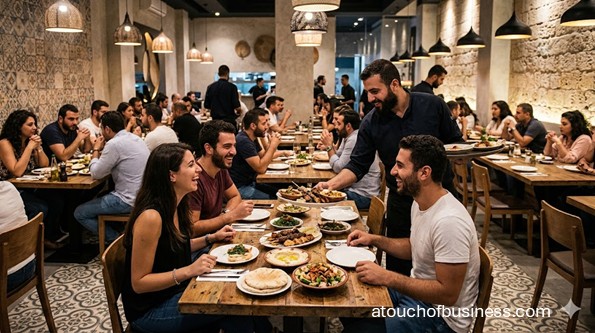
What to Expect When Planning a Lebanese Restaurant
A Lebanese restaurant serves prepared food for immediate sale through dine-in, takeout, delivery, and sometimes catering. In practice, that means your startup lives or dies on food flow, prep discipline, storage, service speed, cleanliness, and the way the kitchen and front counter work together.
This is also a regulated business. A Lebanese restaurant usually opens as a retail food establishment, which means state and local health rules, site approval, inspections, and facility setup matter early. If you open before the approvals are in place, the result can be a delayed launch, rework, or equipment changes you did not plan for.
- Common offers include mezze, hummus, baba ghanoush, labneh, tabbouleh, fattoush, wraps, platters, grilled kebabs, kafta, shawarma, rice dishes, flatbread, desserts, and drinks.
- Common customer groups include lunch traffic, neighborhood families, takeout customers, delivery orders, and office catering buyers.
- What customers usually care about most is simple: taste, consistency, speed, value, cleanliness, and whether the order is right.
- Big early risks include a weak location, a kitchen that does not flow well, too many items on the opening offer list, spoilage, labor pressure, slow service, and poor cost control.
Is This Lebanese Restaurant The Right Fit For You?
A Lebanese restaurant can be a good fit if you enjoy food work that repeats every day with very little room for sloppiness. You need to be comfortable with prep, storage, cleaning, staffing, customer issues, vendor calls, and long hours before the doors even open.
You also need to like the actual work, not just the idea of owning a restaurant. Your passion for the work matters because a Lebanese restaurant asks for attention during rushes, equipment problems, staffing gaps, and slow weeks.
Ask, Are you moving toward something or running away from something? Do not start this business only to escape a hated job, fix immediate financial pressure, or chase the prestige that can come with calling yourself a business owner.
Talk to restaurant owners you will not compete with. Keep those conversations in another city, region, or market area, and use them to get firsthand owner insight about labor, prep flow, inspections, waste, delivery pressure, and what they wish they had fixed before opening.
A lunch rush can expose a weak Lebanese restaurant setup fast. If cold prep runs low, the grill falls behind, or the pickup area gets crowded, the delay shows up in every part of service.
A Friday evening can look manageable on paper and still turn messy in real life. One missing prep item, one backed-up dish area, and one slow payment station can stretch wait times across dine-in and takeout at the same time.
A catering pickup can change the entire morning. If packaging, labeling, hot holding, and staging are not ready, the kitchen loses time that should have gone to lunch service.
- You should be able to handle pressure without getting careless.
- You should be willing to work around food safety rules, inspections, and recordkeeping instead of seeing them as an annoyance.
- You should be honest about the lifestyle tradeoff. Weekends, evenings, supplier deadlines, and staffing calls often hit when other people are off.
Step 1 Decide Your Lebanese Restaurant Model And Opening Offer
Your Lebanese restaurant needs a clear service model before you price equipment, hire staff, or choose a space. A full-service dining room, a counter-service shop, and a takeout-focused location may all sell similar food, but the labor plan, tipped-pay rules, seating needs, payment flow, and speed expectations are different.
The opening offer also needs restraint. A new Lebanese restaurant usually works better when the first version of the offer is focused around items your kitchen can produce well every day, not a long list built to impress people on paper.
- Choose the main sales mix: dine-in, takeout, delivery, catering, or a blend.
- Decide whether you will use table service, counter service, or a hybrid.
- Choose the core offer list for launch, such as wraps, platters, grilled proteins, cold mezze, salads, rice, desserts, and drinks.
- Decide early if shawarma, frying, alcohol service, or in-house bread production will be part of the opening model, because each one can change equipment, fire requirements, labor, and build-out cost.
Step 2 Test Demand And Study The Area Before You Commit
A Lebanese restaurant does not need to appeal to everyone in town. It does need enough of the right customers in the right trade area. That means checking local supply and demand, nearby competition, lunch traffic, family dining patterns, parking, delivery habits, and whether people in the area already buy Mediterranean or Middle Eastern food.
This step matters because the wrong location can bury even a well-run kitchen. A beautiful dining room will not fix poor visibility, weak parking, low lunch demand, or a market already crowded with similar offers.
- Look at who nearby competitors serve: office lunch, family dinner, quick takeout, delivery, or catering.
- Notice where competitors are slow and where they are strong. A gap in speed, cleanliness, consistency, or family-style takeout can matter more than a gap in cuisine.
- Watch the area at the times you expect to make money, not just once in the afternoon.
- Pay attention to whether your likely customers want a fast lunch, a sit-down meal, a pickup option, or large orders for groups.
Step 3 Build A Simple Plan Before You Spend Real Money
A Lebanese restaurant can burn cash quickly when the owner starts signing leases, ordering equipment, and hiring people without a written plan. You do not need a fancy document, but you do need one place where your concept, startup costs, market logic, first-stage targets, and launch decisions all make sense together.
This is where building a business plan helps. It forces you to decide what kind of restaurant you are opening, who it is for, what the daily workflow looks like, how much capacity you need, and what has to happen before opening day.
- Define your service model and your opening offer list.
- List the customer groups you expect first, such as lunch traffic, families, takeout buyers, and catering orders.
- Set first-stage targets for sales mix, ticket timing, waste control, and acceptable labor coverage.
- List the decisions that can change cost fast, such as alcohol service, table service, in-house bread, heavy grill use, or a large dining room.
- Write down what would make you delay the opening, such as missing approvals, unfinished equipment installation, or untested staff routines.
Step 4 Choose The Legal Structure, Name, And Basic Identity
A Lebanese restaurant needs its legal setup handled early because the business name, tax ID, banking, lease, and permit applications all connect to it. Keep the structure practical. This is not the stage for clever complexity. It is the stage for clean paperwork and a name you can live with.
Pick the structure that fits your situation, then register the business, get the tax ID, and make sure the operating name is available if you plan to use a brand name. If you need help sorting that out, start with choosing your legal structure and then lock the name, domain, email, and basic brand pieces before you print anything.
- Choose the legal structure before major filings and contracts.
- Register the business and get the employer identification number.
- Reserve the operating name if a DBA or trade name filing applies in your state or city.
- Secure the domain name, business email, and basic online presence so your public identity matches your paperwork.
- Keep the first brand package simple: readable sign design, menu style, takeout packaging, and a clean logo that works on receipts, signs, and delivery listings.
Step 5 Pick A Site That Can Actually Support A Lebanese Restaurant
This is one of the biggest decisions in the whole startup. A Lebanese restaurant needs a site that works for food prep, storage, service, dishwashing, sanitation, and customer flow. A location that looks affordable can still be a poor choice if the ventilation is wrong, the plumbing is weak, the prep area is cramped, or the layout forces staff to cross paths all day.
Second-generation restaurant space can reduce time and cost, but only if the existing setup fits your concept. A former café may not support a grill-forward Lebanese restaurant with a hood, grease control, cold prep volume, and a pickup area for takeout.
- Verify zoning and allowed use before you commit.
- Confirm whether the site can support your cooking equipment, refrigeration, warewashing, and expected seating.
- Think through receiving, dry storage, cold storage, prep space, line flow, dish return, trash, and customer pickup.
- Make sure the location works at the times you expect demand, especially lunch and evening service.
- Do not assume an older food site will automatically meet your needs or your local approval path.
Step 6 Handle Permits, Approvals, And Compliance In The Right Order
A Lebanese restaurant usually faces more approval work than many first-time owners expect. The exact rules vary by state and city, but the common pattern is business registration, tax setup, zoning or use confirmation, health department review, building and fire work if the space changes, and a certificate of occupancy before opening where the local rules require it.
Most restaurants are regulated mainly by state and local agencies, not by direct FDA registration. That means your local health department, building office, fire marshal, and city or county licensing office matter more to your opening than broad national assumptions. Your path also changes if you will serve alcohol, use tipped employees, or add grease-producing cooking equipment.
For a Lebanese restaurant, local licenses and permits should be handled as a startup workstream, not as a last-week task. If approvals lag behind construction or equipment delivery, the opening date starts to slip.
- Get the business registered and the tax ID in place early.
- Confirm sales tax and employer account requirements in your state.
- Verify whether a local business license is required for the city or county.
- Ask the health department what plan review package they want for a new food-service establishment at your site.
- Confirm whether your locality requires a certified food protection manager, food handler cards, or both.
- Check building, plumbing, electrical, ventilation, hood, and fire-suppression requirements before construction starts.
- Confirm accessibility requirements for a public-facing business.
- If alcohol will be sold, verify state and local liquor approval steps and the related federal retail dealer rules.
- If you will use tipped staff, confirm how federal and state pay rules apply to your service model.
Step 7 Shape The Menu Around Food Flow And Safe Prep
A Lebanese restaurant should build the opening menu around what the kitchen can prep, store, plate, and replenish without strain. This is where many startups go wrong. A long opening list sounds attractive until the prep table gets crowded, cold storage fills up, and the line slows down because too many items pull from too many stations.
The safer starting point is a tight group of core dishes that share ingredients well and can move through the kitchen in a clean sequence: receiving, storage, prep, holding, service, and cleanup. That matters even more in a Lebanese restaurant, where dips, salads, grilled meats, bread, rice, garnishes, and sauces can create a lot of touchpoints across the day.
- Decide which items will be made from scratch and which ones will be purchased ready to use.
- Match the menu to your cold prep space, hot line, and storage limits.
- Think hard about how many proteins, sides, and modifiers the opening line can handle without confusion.
- Build prep sheets and recipe cards so portioning stays steady.
- Plan allergen communication early. Sesame matters in this cuisine because tahini, breads, and garnishes can make it a frequent issue.
- Keep catering and family trays separate in your planning if they change packaging, staging, or hot holding.
Step 8 Buy Equipment That Fits The Real Work
A Lebanese restaurant does not need every piece of restaurant equipment on day one. It does need the right pieces for the food you actually plan to sell. Equipment should follow the menu and the layout, not the other way around.
If your concept is built around shawarma, the decision affects the line. If grilled platters drive the business, the charbroiler becomes central. If you will make bread in-house, dough handling and oven needs change the space, labor, and permit picture.
- Core back-of-house needs often include refrigeration, freezer space, prep tables, sinks, shelving, a dish system, hot holding, and a cooking line that matches the opening offer.
- A grill-forward Lebanese restaurant may need a range, charbroiler, fryer, oven, hot holding, and strong ventilation.
- A shawarma-focused concept may need a vertical broiler and the supporting hood and fire setup.
- Cold prep needs can be significant because salads, dips, garnishes, and sauces take space even before service begins.
- Do not forget smallwares, storage bins, scales, cutting boards, knives, hotel pans, labels, and thermometers. Those small items affect daily consistency more than people expect.
- Install and test equipment before final inspections and before staff training starts in full.
Step 9 Build Supplier, Storage, And Inventory Routines Before Opening
A Lebanese restaurant depends on ingredient consistency. Protein quality, fresh herbs, produce, dairy, tahini, pantry items, packaging, and cleaning supplies all need reliable sourcing. A weak supplier plan leads to rushed substitutions, uneven food quality, and prep disruption.
The workflow matters here. Good receiving leads to correct storage. Correct storage protects prep. Good prep supports fast service. Fast service supports repeat business. When that chain breaks, food waste rises and customer trust falls.
- Set up vendors for proteins, produce, pantry goods, dairy, spices, bread or flour, beverages, packaging, janitorial supplies, linen, pest control, grease service, and waste pickup.
- Decide what arrives daily, several times a week, or weekly based on storage and freshness needs.
- Create receiving checks for temperature, quantity, quality, and damaged goods.
- Set par levels for core items such as chicken, beef, lamb, rice, herbs, tahini, yogurt, fresh vegetables, and takeout containers.
- Use labels, dates, shelf order, and storage zones so the kitchen does not lose time searching for items during rushes.
- Track waste early. A Lebanese restaurant with time-consuming prep items can lose money quietly through overproduction, poor rotation, or weak portion control.
Step 10 Set Up Pricing, Banking, Bookkeeping, And Daily Records
A Lebanese restaurant needs a pricing plan before opening, not after customers start reacting to the menu. Your prices should reflect ingredient costs, prep labor, portion size, packaging, payment processing, delivery pressure, and the kind of service you are offering. If you need help thinking through the basics, start with setting your prices in a way that matches the real work behind each item.
Banking and recordkeeping also need to be ready before the first sale. That includes the business bank account, point-of-sale setup, card processing, tax settings, payroll setup, and simple daily records the owner can review without guesswork.
- Choose the bank account and payment setup early so permit fees, deposits, and opening purchases do not get mixed with personal spending.
- Build item pricing around actual portions, not rough estimates.
- Separate dine-in, takeout, delivery, and catering pricing if the packaging and labor are different.
- Set the point-of-sale system to match your tax rules, tips if used, modifiers, and kitchen ticket flow.
- Create basic records for daily sales, voids, discounts, cash handling, inventory use, waste, and vendor bills.
- Think through startup cost pressure before you borrow. Restaurant costs can vary widely based on build-out, rent, equipment, and service model.
Keep the financial side simple enough to manage, but detailed enough to catch problems early. If sales are coming in and inventory is still disappearing too fast, the issue often started in prep, storage, portioning, or payment setup long before the monthly report shows it.
Step 11 Hire Train And Organize The Team Around The Flow
A Lebanese restaurant should hire around stations and service flow, not just around bodies needed to fill a schedule. The kitchen needs people who can prep, reset, portion, clean, and move through rushes without losing control of food safety. The front of house needs people who can keep orders accurate, move payments smoothly, and protect the customer experience when the line gets busy.
The training should match the real work. A rushed opening with untrained staff usually shows up in wrong orders, slow pickup, weak sanitation, and inconsistent portions.
- Decide what roles you need at launch: prep cook, line cook, counter or server staff, dishwasher, shift lead, and owner coverage.
- Train the team on handwashing, sanitation, holding times, allergen communication, cleaning routines, and how the stations hand work off to each other.
- Use recipe cards, prep lists, line checks, opening checklists, closing checklists, and cleaning logs from the start.
- If tipped positions are part of the model, make sure pay setup, tip handling, and role expectations are clear before the first shift.
- Teach staff how to stage takeout, manage pickup, and recover when items run low during a rush.
A Lebanese restaurant often feels busiest in short bursts. That makes station readiness more important than it might look on a calm afternoon, because a small gap at one station can spread through the whole room in minutes.
Step 12 Set Up Customer Handling And Your Opening Presence
Your Lebanese restaurant needs a clear way for people to find you, understand the offer, and place an order without confusion. At launch, this usually means simple brand materials, accurate hours, visible signage, a clean menu presentation, straightforward ordering paths, and fast response when something goes wrong.
Do not try to market to everyone at once. Early on, it is often smarter to focus on the customer groups your setup can serve best, such as nearby lunch traffic, families looking for dinner takeout, or office catering buyers who want platters and reliable pickup times.
- Make sure the name, sign, domain, email, and ordering information all match.
- Use signage that helps people understand where to order, where to wait, and where to pick up food.
- Keep the opening offer easy to read in-store and online.
- Make it obvious whether you are dine-in, takeout, delivery, or all three.
- Prepare a simple plan for opening week: announce the date, confirm hours, answer common questions, and make it easy for early customers to try the business.
- Decide how you will handle complaints, remakes, missing items, and delayed orders before those situations happen.
Step 13 Run A Soft Opening And Watch For Friction Points
A Lebanese restaurant should go through test service before the full launch. This is where you learn whether the prep list is realistic, the line can handle the rush, the pickup shelf works, the dish area keeps up, and the team can move through the menu without confusion.
The soft opening is not just a celebration. It is a pressure test. When the tickets start stacking up, you find out whether the kitchen can replenish hummus, rice, proteins, bread, and packaging without breaking the rest of service.
- Run limited services before the full opening date.
- Watch ticket times, line resets, dish flow, payment timing, and pickup staging.
- Check whether the dining room, counter, and kitchen are crossing paths too often.
- See which items cause delays or confuse the team.
- Notice whether the prep schedule supports real demand or only looked good in theory.
- Delay the full opening if key approvals, training gaps, or equipment issues are still unresolved.
This is also the stage where red flags become obvious. If the menu is too large, the stations are too crowded, the storage is too tight, or service slows every time a few orders arrive together, a bigger opening will not solve it. It will only make the weak point more expensive.
Step 14 Use A Final Lebanese Restaurant Opening Checklist
A Lebanese restaurant is ready to open when the approvals, people, food, systems, and physical setup are all working together. If one part is missing, the rest of the opening becomes harder than it needs to be.
Keep this final check grounded. You are not looking for perfection. You are making sure the business can serve safely, collect payment correctly, and recover from a normal busy period without losing control.
- Business registration, tax ID, and state tax setup are complete.
- Zoning or use approval is clear for the site.
- Health department review, food-service approval, and other local permits are in place.
- Building, fire, accessibility, and certificate of occupancy items are finished where required.
- Alcohol approvals are complete if you plan to sell beer, wine, or spirits.
- Cooking, refrigeration, sinks, dish area, ventilation, and fire systems are installed and tested.
- Vendors are active and opening inventory is in-house.
- Storage areas are labeled and organized.
- Recipe cards, prep sheets, temperature logs, receiving checks, cleaning logs, and opening and closing lists are ready.
- Point-of-sale settings, taxes, payment methods, and kitchen ticket flow are tested.
- Staff training is done and role coverage is clear.
- Allergen communication is ready, especially for sesame and any cross-contact concerns.
- Signage, menus, packaging, and pickup instructions are in place.
- A soft opening has been completed and the main problems have been fixed.
FAQs
Question: What is the best business model for a new Lebanese restaurant?
Answer: Start with one clear model, such as dine-in, counter service, takeout-focused, or a mix of those. A blended model can work, but each added service channel makes staffing, layout, and timing harder.
Question: Do I need to form a business before I apply for permits?
Answer: In most cases, yes. Your entity choice, tax ID, and operating name often need to be in place before you finish permit applications, banking, and lease paperwork.
Question: What permits usually matter most for opening a Lebanese restaurant?
Answer: The big ones are usually local health approval, building and fire sign-off if the space is changed, zoning clearance, and a certificate of occupancy where required. If you plan to sell alcohol, that adds another approval track.
Question: Should I sign the lease before the health department reviews my setup?
Answer: It is safer to confirm the site can legally and physically support your concept first. A cheap space can turn costly if the kitchen, hood, plumbing, or seating plan does not pass local review.
Question: Is it smarter to rent an old restaurant space than a blank space?
Answer: Often, yes, because existing food-service infrastructure can lower startup time and construction work. That only helps if the old setup fits your cooking style, storage needs, and service plan.
Question: How big should my opening food list be?
Answer: Keep it tight at first. A shorter list makes prep, training, inventory, and speed easier to control while you learn what sells.
Question: Do I need a certified food safety manager before opening?
Answer: Many places require at least one certified manager, and some also require food handler training for other workers. The exact rule depends on your state or local agency, so confirm it before hiring is complete.
Question: What insurance should I look at before I open?
Answer: General liability, property coverage, and workers’ compensation are common starting points. If you have delivery drivers, alcohol service, or a larger payroll, your agent may recommend added protection.
Question: What usually drives the startup cost up the fastest?
Answer: Rent, construction, ventilation work, refrigeration, cooking equipment, and utility upgrades are usually the biggest drivers. A concept with shawarma equipment, frying, or major seating can push costs up fast.
Question: How should I set prices before the first day of business?
Answer: Build prices from portion size, ingredient cost, labor time, packaging, and payment fees. Do not guess based on what another restaurant charges unless you understand their size, rent, and service style.
Question: What equipment should I never leave until the last minute?
Answer: Long-lead items like refrigeration, hood-related pieces, dishwashing equipment, and your main cooking line should be handled early. Delays there can block inspections, staff training, and test service.
Question: Who should I hire first for a small Lebanese restaurant?
Answer: Hire around the work that cannot break: prep, cooking, dish area, and order handling. Early hires should be able to follow food safety rules, stay calm during rushes, and work cleanly.
Question: What systems should be running before I open the doors?
Answer: Your point-of-sale system, card processing, kitchen ticket flow, inventory counts, prep sheets, cleaning logs, and temperature records should already be in use. Waiting until opening week usually creates confusion and lost time.
Question: What is the biggest cash flow risk in the first month?
Answer: Many new owners focus on sales and forget how fast cash leaves through payroll, rent, food orders, and repair issues. The first month can feel busy while the bank balance still gets tight.
That is why working capital matters. You need room for mistakes, slower days, and vendor bills that come due before sales settle into a pattern.
Question: What should my daily workflow look like when I first open?
Answer: It should move in a simple order: receiving, storage, prep, line setup, service, cleanup, and reorder planning. If staff keep crossing paths or searching for items, the layout or routine needs work.
Question: Should I do a soft opening for a Lebanese restaurant?
Answer: Yes, a short trial service can reveal slow stations, weak prep levels, and order handoff problems before the full launch. It is one of the best ways to catch trouble while the stakes are still lower.
Question: What are the most common early mistakes new restaurant owners make?
Answer: Common problems include taking a bad location, opening with too many dishes, underestimating labor, and ignoring workflow until service starts. Another big one is moving toward an opening date before all approvals are finished.
Question: What should I track from day one besides sales?
Answer: Track food waste, ticket times, voids, discounts, labor hours, inventory use, and customer complaints. These numbers often show a problem sooner than total sales do.
Question: How should I handle early marketing without wasting money?
Answer: Start with clear basics: accurate online listings, strong photos, easy-to-read ordering details, visible signage, and a clean opening message. Early marketing works better when it helps people understand what you serve and how to buy from you.
Advice From Restaurant Owners Who’ve Been There
One of the best ways to get ready for a Lebanese restaurant is to learn from operators who have already gone through the real-world pressure of opening, staffing, marketing, and keeping service steady.
The resources below lean toward interviews and operator-led conversations, so they can give your reader practical insight beyond a standard startup guide.
- OysterLink: Interview With Farid Lutfi — How To Become a Successful Restaurant Owner in 2026
- Back of House: So You Want To Run a Restaurant
- RestaurantOwner.com: Corner Booth Podcasts
- Entrepreneur: Restaurant Influencers Interviews
- Restaurant Unstoppable
- 7shifts: 10 Top Tips From Season One of The Restaurant Growth Podcast
- Food On Demand: FOD Podcast
Related Articles
- Start a Moroccan Restaurant
- Starting an Italian Restaurant the Smart Way
- Starting a Mexican Restaurant Business
- Start a Korean Restaurant
- Start a Kebab Shop
- Start a Seafood Restaurant
- How To Start Your Breakfast Restaurant
- Starting a Pasta Restaurant
- How To Start Your Successful Korean Barbecue Restaurant
- How To Start a Café
- How To Start Your Catering Business
Sources:
- IRS: Employer Identification Number
- SBA: Apply Licenses Permits, Register Your Business
- FDA: Start Food Business, Food Establishment Plan Review, FDA Food Code, 2022 Food Code Sesame
- DOL: Tipped Employees Under FLSA
- TTB: Liquor Laws Retail Dealers
- ADA.GOV: Businesses Open Public
- WEBSTAURANTSTORE: Commercial Kitchen Equipment List, Restaurant Equipment Installation
- TOAST: Open Restaurant Startup Costs
- BRITANNICA: Lebanon Health Welfare Infrastructure