
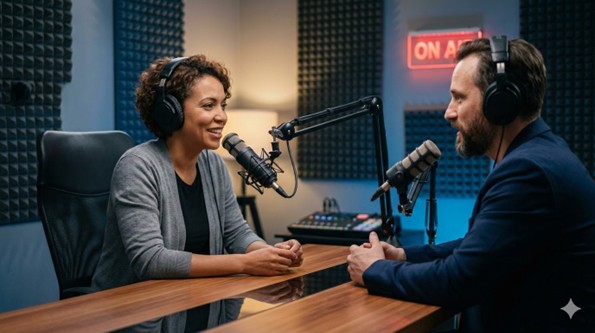
Podcast Startup Overview
A podcast production business helps clients plan, record, edit, package, and deliver podcast episodes. In an office or studio-based setup, you are usually working from a fixed location with controlled acoustics, set recording stations, scheduled sessions, and a workflow that takes a project from inquiry to final delivery.
This business can stay simple or become complex fast. One studio may only handle audio editing for solo hosts. Another may offer in-studio recording, remote guest capture, transcripts, captions, short-form clips, publishing support, and branded intro music. The more services you promise, the more your equipment, software, staffing, timing, and pricing need to support that promise.
Most early customers care about a few things more than anything else. They want to know whether you understand their style, whether you can keep deadlines, and whether the final episode will match the brief. That is why your positioning, portfolio, revision rules, and delivery standards matter so much in a podcast production business.
What Customers Will Notice First
Your customers will form an opinion quickly. In a studio-based podcast production business, they usually notice your process before they notice your gear.
- How clear your offer is
- How fast and professionally you reply
- Whether your sample work matches the style they want
- How organized the studio looks and sounds
- Whether your proposal, contract, and delivery process feel dependable
- How well you handle revisions, deadlines, and client questions
Is This The Right Fit For You?
Before you lease a room, buy microphones, or build a website, ask whether business ownership fits you at all. This is not just creative work. You will also be quoting projects, chasing approvals, protecting deadlines, handling client feedback, organizing files, sending invoices, and solving problems when audio goes wrong at the worst time.
You also need to ask whether a podcast production business fits you. Do you enjoy close client work? Can you stay calm when someone wants changes late in the process? Are you patient enough to listen closely, catch small audio problems, and keep quality consistent from one episode to the next?
Passion matters because the work can be repetitive in ways people do not expect. If you want to keep showing up for the editing, cleanup, revisions, and deadline pressure, it helps to think about your passion for the work before you open.
Ask yourself one question and answer it honestly: “Are you moving toward something or running away from something?” Starting this business only to escape a job, financial pressure, or status anxiety can push you into bad decisions. A podcast production business needs steady judgment, not panic.
Get a reality check from people already doing the work. Talk only to owners you will not compete against. They should be in another city, region, or market area. That way you can get useful answers without stepping into someone else’s backyard. Getting another owner’s perspective early can save you from building the wrong offer or renting the wrong kind of space.
Questions worth asking include:
- What part of your launch took longer than expected: studio setup, client approvals, or editing workflow?
- Which service brought in work first: editing only, full production, or studio recording sessions?
- What type of client turned out to be the best fit for your setup?
- What contract term protected you most when revisions started to grow?
- What would you not spend money on again in your first year?
Step 1: Decide What Your Podcast Production Business Will Provide
This is one of the biggest startup choices because it affects almost everything that follows. A podcast production business can provide studio recording sessions, editing, mixing, transcript cleanup, captions, social clips, remote guest recording, publishing support, or full monthly production packages. Each option changes your tools, schedule, and pricing.
Think about the customer first. A small business owner launching a branded show may want a guided process with planning help, recording, editing, and delivery. A creator with a set workflow may only want fast post-production. An agency may care more about reliability, white-label delivery, and a repeatable approval process.
Keep your early offer tight. Weak positioning is a common early problem in creative businesses. If your offer sounds vague, customers will compare you on price instead of fit. If your offer is too broad, you may promise a level of service your studio cannot deliver yet.
Common early customer groups include small businesses, coaches, consultants, nonprofits, creators, and agencies handling multiple shows. Each group has different expectations around style, speed, communication, and revision volume. Your first offer should match the kind of customer you want to serve, not every customer who might exist.
Step 2: Validate Demand And Your Positioning
A podcast production business does not need a giant market to work, but it does need the right market. Look at how many local or regional businesses, creators, agencies, and organizations are producing podcasts already, and how many seem likely to pay for help instead of doing everything in-house.
Pay attention to customer expectations, not just demand. Some customers want clean audio and simple delivery. Others expect video, clips, captions, polished branding, and fast turnaround. Your positioning should tell people what kind of studio you are, who you help, and what outcome they can expect.
Your portfolio matters here. Prospects in creative services look for style fit and confidence. A few strong samples that show clear audio, consistent presentation, and professional delivery will do more than a long list of vague claims. You are not just selling editing time. You are selling trust.
As you size up the market, it helps to review local supply and demand so you do not open in a crowded lane without a clear angle.
Step 3: Choose Your Name, Domain, And Brand Assets
Your business name should work in three places at once: on legal paperwork, on your website, and in conversation. It should be easy to say, easy to spell, and broad enough to support the service mix you want. If you start with audio only but may add video later, think about that before locking yourself into a narrow name.
Check name availability before you get attached. Then secure the domain, a matching business email, and the social handles that matter for your brand. In a podcast production business, clean digital presentation matters because customers judge professionalism early.
You also need basic brand identity assets. That may include a logo, a simple color system, proposal templates, invoice templates, and a clean client-facing website. If customers visit the studio, physical presentation matters too. The room, signage, and printed materials should feel consistent with the kind of service you promise.
Even if you keep things lean, having basic brand identity materials ready before launch will make your business look more established and easier to trust.
Step 4: Choose A Legal Structure And Register The Business
A podcast production business usually starts as a sole proprietorship, limited liability company, partnership, or corporation. Your choice affects taxes, paperwork, liability, and how the business is set up from day one. It is worth spending time on this because changing structure later can be more annoying than people expect.
If you are not sure where to begin, start by looking at how to choose your legal structure. Then check the filing rules in your state.If you will use a business name that is different from your legal name or entity name, you may also need a doing business as, or DBA, filing.
Get your Employer Identification Number early. You may need it for banking, taxes, hiring, and some registrations. Even if you are opening small, it helps you separate the business from your personal finances from the start.
Step 5: Confirm Licenses, Zoning, And Studio Use Approval
This is where an office or studio-based podcast production business becomes very location-sensitive. Before you sign a lease, confirm that your use is allowed at that address. Local offices may describe your business as media production, recording studio, or office use. Do not assume those terms are treated the same.
You may also need a local business license, zoning clearance, or a certificate of occupancy before opening. If you plan to build out the space, add electrical work, change the layout, or install anything that triggers permits, handle that before launch instead of trying to fix it later.
Customers may never see this work, but they will feel the effects if you rush it. A space that is not properly approved can delay opening, ruin your schedule, and create costs you did not plan for. This is the point where you check with your city or county business office, zoning department, and building department based on the exact suite you want to use.
If you need a refresher on the basics, review your likely license and permit requirements before you commit to the space.
Step 6: Plan Startup Costs Before You Build The Studio
A podcast production business can look inexpensive from the outside, but the cost range is wide. A simple editing-focused setup is very different from a client-facing studio with treated rooms, multiple microphones, cameras, lights, storage, and backup systems.
Your main startup costs are likely to include lease deposits, rent, utilities, room treatment, furniture, microphones, stands, headphones, an audio interface or mixer, computers, storage drives, backup power, software subscriptions, insurance, and working capital for the first few months.
The biggest cost drivers are easy to spot. How many people will you record at once? Will you offer video? Does the room need serious treatment? Are you buying entry-level gear or broadcast-grade gear? Will you sell editing only, or full packages that include transcripts, clips, and publishing support?
Do not build your budget around hope. Build it around the service you can actually deliver well. If you need help thinking through the numbers, start with early revenue and profitability planning before you spend on extras.
Step 7: Set Your Prices With Scope And Revisions In Mind
Pricing a podcast production business is not just about covering your time. It has to reflect your process, quality standard, revision limits, turnaround promise, and whether the client is buying one task or a full service package.
Common pricing methods include per episode pricing, hourly work, monthly retainers, launch packages, and add-ons for transcripts, captions, clips, guest coordination, or publishing support. The right model depends on what customers expect and how predictable your workflow is.
Be careful with vague pricing. Creative businesses often underprice early because the work sounds simple on paper. Then revisions pile up, turnaround gets tight, and the owner ends up doing more work than the price supports. Clear scope protects both sides.
If you are still shaping your numbers, spend time on setting your prices before you start quoting projects.
Step 8: Set Up Banking, Payments, And Financial Controls
Once your business is registered and your Employer Identification Number is in place, get your banking ready. Open a business checking account, decide how deposits will be handled, and choose how customers will pay. In a service business, payment delays can hurt fast if you are carrying rent and software costs every month.
Most podcast production businesses need invoicing, card payment options, and a clear deposit policy before opening. If you take deposits to reserve studio time, say that in writing. If final files are delivered only after final payment, put that in your agreement too.
Separate business and personal spending from day one. Clean bookkeeping will matter for taxes, planning, and simple peace of mind. This part may not feel creative, but it protects the creative work.
Getting your business banking in place early makes the rest of the setup process much easier.
Step 9: Build A Studio That Supports The Customer Experience
In a studio-based podcast production business, the room is part of the product. Customers may not know how to describe room acoustics, but they notice the result right away. They hear echo, background noise, mic bumps, and thin sound. They also notice whether the space feels calm, organized, and ready for them.
Your core setup usually includes a quiet room, acoustic treatment, a recording desk, dynamic microphones, pop filters, shock isolation, boom arms or stands, headphones, an audio interface or mixer, a primary workstation, backup storage, and reliable internet. If you offer video podcasts, add cameras, lights, tripods, and enough storage to handle the larger files.
Layout matters more than people think. You need room for cables, microphone placement, host comfort, file handling, and client movement without turning the studio into a cluttered box. If the customer visits in person, privacy and presentation matter too. A strong studio does not have to be flashy, but it should feel intentional.
Do not overbuild too early. Paying for more space than you need is one of the easiest ways to weaken a service business before it opens.
Step 10: Build Your Workflow From Inquiry To Final Delivery
This is where a podcast production business becomes real. You need a clear process for inquiry, discovery, brief, proposal, booking, recording, editing, revisions, approval, delivery, and payment. Customers notice when the process feels messy. They also notice when it feels easy.
Your workflow should answer simple questions before the client has to ask. What files do you need from them? How are recording sessions scheduled? How many revisions are included? Who approves the final cut? What delivery format do they get? When is payment due?
For many podcast production businesses, the early owner handles everything. That includes qualifying leads, running sessions, editing from transcripts, cleaning audio, exporting files, tracking approvals, and sending invoices. If you are not ready for that daily work, the business may not be the right fit yet.
A normal pre-launch day might include testing the room in the morning, recording a sample conversation, editing that session, exporting files, uploading a review copy, sending a proposal, and checking that your backup copy restored correctly. That is the real rhythm of the business.
Step 11: Protect Yourself With Contracts, Rights Rules, And Insurance
Podcast production work touches creative rights, client expectations, deadlines, and technical risk. You need a service agreement, a statement of work, a revision policy, and clear language about who owns the final audio, edited masters, transcripts, graphics, and music elements.
Do not assume music is safe to use because it is easy to find online. Sound recordings and the underlying music or words are separate rights. If you use intro music, sound effects, or licensed creative assets, the permission needs to match the actual use. This matters even more if you offer custom intros or branded assets for clients.
You also need to think about insurance. For many small studios, the first discussion is general business coverage, equipment protection, and any coverage required when employees are involved. It is smart to review business insurance basics before you open so you are not guessing about risk.
Step 12: Decide Whether To Stay Solo Or Hire Help
A lot of podcast production businesses start with one owner doing everything. That can work well if your offer is tight and your schedule is controlled. Staying solo keeps overhead down and lets you shape quality standards yourself.
But if you plan to offer fast turnaround, multiple shows, video editing, or frequent client communication, you may reach your limit faster than expected. The first help often comes from freelance editors, engineers, or administrative support. If that happens, handle classification carefully. You cannot simply call someone a contractor and assume the rules are satisfied.
If you hire employees, state employer accounts and workers’ compensation rules may apply before the first day of work. This is another reason not to promise too much too soon. Growth is not the goal at launch. A stable service model is.
Step 13: Build A Small Marketing Plan Before Opening
Your early marketing should match the kind of podcast production business you actually built. If you want branded business podcasts, show examples that feel polished and professional. If you want creator work, let your portfolio show pace, style, and personality. If you want agency relationships, show reliability, process, and clean white-label delivery.
You do not need a giant campaign to open. You do need a website, a clear offer, a simple contact path, sample work, and a short explanation of how the process works. Your digital footprint should answer the customer’s first question: can this studio deliver the kind of show I want?
Keep your launch marketing practical. Reach out to likely customer groups, use your network, and make it easy for people to understand your offer. In a service business like this, weak presentation can cost you even when your editing is strong.
Step 14: Run A Full Test Before You Open
Before taking paying clients, run the whole process from start to finish. Record a session, bring the files into your editing system, clean the audio, create a transcript, export the final episode, upload the review copy, collect approval, send the invoice, and store the backup.
This test tells you what customers will experience when the pressure is real. It will also show whether your studio, software, timeline, and documents work together the way you thought they would. That is the moment to catch missing adapters, weak backup habits, slow upload times, messy file naming, or confusing approval steps.
Opening before your systems are ready is one of the fastest ways to disappoint early clients. In a podcast production business, first impressions travel.
Podcast Production Business Pros And Cons
The upside is clear. This business can launch without inventory, it can be shaped around your strengths, and it can grow from a small service offer into a more complete studio package over time. If you enjoy creative work, technical detail, and client service, it can be satisfying.
The hard part is that quality depends on many small things going right. Poor briefs, vague scope, too many revisions, late approvals, rights problems, missed deadlines, and weak presentation can all hurt the business early. This is why clear systems matter as much as talent.
Red Flags Before You Launch
Watch for warning signs. Signing a lease before checking zoning is a big one. So is opening without tested backups, quoting work without revision limits, or offering video when you do not yet have the storage, lighting, and editing capacity to support it.
Another red flag is trying to serve everyone. If your offer sounds like it was written for every podcaster on earth, customers may not feel that you understand them. A podcast production business gets stronger when the offer becomes clearer, not broader.
Pre-Opening Checklist For A Podcast Production Business
Use this final check before you start booking real clients.
- Your business name, structure, and registrations are complete.
- Your Employer Identification Number is in place.
- Your banking, invoicing, and payment methods are ready.
- Your city or county approvals are confirmed for the studio location.
- Your room treatment, recording gear, and backup systems are installed and tested.
- Your contracts, scope documents, and revision rules are ready to send.
- Your website, portfolio, email address, and booking contact method are live.
- Your pricing is finalized, including deposits, turnaround times, and add-ons.
- Your sample project has been completed from inquiry to delivery.
- Your insurance and risk protections are in place for the way you will operate.
FAQs
Question: What does a podcast production business usually sell when it first opens?
Answer: Most new studios start with a small set of services like recording, editing, cleanup, transcripts, and final file delivery. You can add video, clips, or publishing support later if your setup can handle it.
Question: Can I start a podcast production business by myself?
Answer: Yes, many owners start solo and handle sales, sessions, editing, delivery, and invoicing themselves. That keeps overhead lower, but it also means your time fills up fast.
Question: Do I need to register the business before I open?
Answer: Yes, you should choose a legal structure and register the business before you start. If you use a trade name, you may also need a doing business as, or DBA, filing.
Question: Do I need an Employer Identification Number for a podcast production business?
Answer: Many owners get one early because it helps with taxes, banking, and hiring. It is especially important if you form an entity or plan to bring on workers.
Question: Do I need a business license to open a podcast production studio?
Answer: Maybe. Local business license rules vary by city and county, so you need to check the exact place where the studio will operate.
Question: Do I need zoning approval for a studio space?
Answer: Yes, you should confirm that podcast or media production is allowed at the address before you sign a lease. Some areas also require zoning clearance, inspections, or a certificate of occupancy.
Question: What insurance should I look at before opening?
Answer: Start by asking about general liability and coverage for studio equipment. If you hire employees, workers’ compensation may also be required under state law.
Question: What equipment do I need to open a small podcast production studio?
Answer: You usually need a quiet room, acoustic treatment, microphones, stands, headphones, an audio interface or mixer, a computer, storage drives, and backup power. If you offer video, you also need cameras, lights, and more file storage.
Question: How much does it cost to start a podcast production business?
Answer: There is no single number because costs change with your lease, room treatment, number of recording positions, and whether you offer video. A simple editing setup costs far less than a client-facing studio with treated rooms and full production gear.
Question: How should I price podcast production services when I am new?
Answer: Most owners price by the episode, by the hour, or with a monthly package. Your price needs to match the real scope, revision limits, turnaround time, and any add-ons like transcripts or clips.
Question: What mistakes do new podcast production businesses make most often?
Answer: Common problems include weak positioning, poor sample work, vague offers, underpricing, and loose revision rules. Another big mistake is opening before the room, workflow, and backup system are fully tested.
Question: What should my daily workflow look like in the first phase?
Answer: A simple workflow is inquiry, discovery call, brief, proposal, booking, recording, editing, revisions, approval, delivery, and payment. If that path feels messy, customers will notice fast.
Question: What systems should I have ready before the first client?
Answer: You should have contracts, invoices, a booking calendar, file naming rules, backup routines, and a clear delivery method. A password manager and shared approval process also help when you handle client accounts or publishing access.
Question: Should I hire editors or contractors right away?
Answer: Not always. Many owners wait until the work is steady, then add help carefully and classify workers the right way.
Question: How do I market a new podcast production business before opening?
Answer: Start with a clear website, strong samples, and a simple explanation of who you help and what you deliver. Early marketing works better when your offer is specific instead of trying to fit everyone.
Question: How much cash should I keep for the first month after opening?
Answer: Keep enough cash to cover rent, utilities, software, internet, and normal delays in client payment. Deposits and clear payment terms can help protect early cash flow.
Question: What basic policies should I have before I open?
Answer: You need written rules for deposits, revisions, turnaround times, cancellations, delivery, and final approval. You should also state who owns the final files and what happens if music or other third-party content is involved.
51 Must-Know Startup Tips for Your Podcast Production Business
Starting a podcast production business looks simple from the outside, but the setup choices change fast once you factor in studio space, client expectations, audio quality, and local approvals.
These tips walk you through the startup stage in a practical order so you can make better decisions before you open, spend money, or start taking on client work.
Before You Commit
1. Be honest about whether you want to run a business or just do creative work. A podcast production business also means sales, scheduling, contracts, revisions, invoicing, and problem-solving.
2. Make sure you enjoy the day-to-day work, not just the idea of the work. If you dislike editing, file cleanup, and deadline pressure, the business may wear you down fast.
3. Talk to owners you will not compete against before you commit. Choose people in another city, region, or market area so you can ask direct questions without creating tension.
4. Decide whether you want to be client-facing in a studio, mostly behind the scenes, or both. That choice affects your space, budget, presentation, and service mix.
5. Do not start only because podcasts look trendy. You need enough interest in recording, cleanup, and client work to stay steady through the slow parts.
6. Pick the kind of client you want to serve early. A coach, a local business, a creator, and an agency can all expect very different levels of polish, speed, and support.
Demand And Profit Validation
7. Check whether people in your area already produce podcasts and whether they are likely to pay for help. Local businesses, nonprofits, creators, and agencies are better clues than broad internet trends.
8. Study the offers other studios make, but do not copy them blindly. Look for gaps in service, quality, communication, or turnaround that you can fill better.
9. Validate demand with real conversations before you build the studio. Ask potential clients what part of podcast production they would want help with first.
10. Test your offer with a few sample packages before launch. A tight offer is easier to explain, easier to price, and easier for customers to trust.
11. Estimate how many projects you need each month to cover rent, software, internet, and basic overhead. If the number feels unrealistic, adjust the model before you sign anything.
12. Build your early offer around a clear outcome. “We record and edit business podcasts in a quiet studio” is easier to sell than a vague promise to help with media.
Business Model And Scale Decisions
13. Decide whether you will offer audio only, audio plus video, or editing-only support. Each version changes your startup cost, workflow, storage needs, and client expectations.
14. Choose whether sessions will happen in your studio, remotely, or both. Remote work can widen your market, but it also adds tech support and guest setup issues.
15. Keep your first service list short enough that you can deliver it well. Recording, editing, transcripts, and final delivery are often enough for a solid launch.
16. Be careful about offering publishing support too early. Managing client hosting accounts and feed settings adds responsibility that some new owners are not ready for yet.
17. Set a clear limit on revisions before launch. Creative service businesses often lose money when the revision boundary is weak or missing.
18. Choose whether you want to stay a one-person business at first. A lean solo model can work well if your service promise is realistic and your calendar is controlled.
Legal And Compliance Setup
19. Choose your legal structure before you open accounts or sign major contracts. The structure affects taxes, liability, and how the business is registered.
20. Register the business name properly before you start marketing it. If you use a name different from your legal name or entity name, you may need a doing business as filing.
21. Get an Employer Identification Number early, even if you are starting small. It helps with banking, taxes, and future hiring.
22. Check local business license rules for the exact city or county where the studio will operate. Do not assume a media service business is exempt just because it is not highly regulated.
23. Confirm zoning before you sign a lease. A space that looks perfect for a podcast studio can still be a bad choice if the use is not allowed there.
24. Ask the building department whether the space needs a certificate of occupancy, inspection, or other clearance before opening. That question is easier to ask before you move in than after you buy equipment.
25. Treat music and sound effects carefully from the start. A sound recording and the underlying music or words can involve separate rights, so get the usage terms clear in writing.
26. If you plan to bring on editors, engineers, or assistants, review worker classification rules before the first paid job. Calling someone a contractor does not automatically make it so.
Budget, Funding, And Financial Setup
27. Build your startup budget by category instead of guessing one total number. Break it into lease costs, room treatment, audio gear, computers, storage, software, insurance, and working cash.
28. Leave room in the budget for the studio itself, not just the microphones. Acoustic treatment, furniture, wiring, power protection, and lighting can add up fast.
29. Do not spend like a full-service media company if your opening offer is small. Let your equipment match the work you are ready to sell now.
30. Keep enough cash to cover the first months of fixed costs without counting on perfect sales. Rent, utilities, subscriptions, and internet do not wait for clients to pay you.
31. Open a business bank account before launch and separate all business spending from personal spending. Clean records make taxes, planning, and payment tracking much easier.
32. Decide how you will accept payments before you take bookings. Card payments, invoices, and deposits should all be ready before the first contract goes out.
33. Use deposits to protect your calendar if you book studio time in advance. A reserved session without a deposit can leave you holding the risk if a client cancels late.
Location, Build-Out, And Equipment
34. Pick a space based on sound control first, not looks first. Street noise, shared walls, loud heating and cooling systems, and hallway traffic can ruin spoken-word recording.
35. Think about how clients will experience the space if they visit. A studio-based podcast production business should feel organized, private, and calm even if the room is small.
36. Plan the room layout before buying furniture. Microphone placement, cable runs, lighting, camera angles, and host comfort all depend on how the room is arranged.
37. Start with dependable spoken-word gear instead of chasing flashy gear. Good microphones, clean signal flow, and a treated room matter more than expensive extras.
38. Buy enough storage from day one if you offer video. Large files pile up quickly, and weak storage habits can create major headaches before you even open.
39. Build a backup routine into the studio setup. Use local storage, a second copy, and a restore test so you know your files can actually be recovered.
40. Add backup power and surge protection for critical equipment. A power hit during a session can cost time, trust, and sometimes the recording itself.
Suppliers, Contracts, And Pre-Opening Setup
41. Choose your software stack based on your service mix, not brand hype. Recording, editing, transcription, captions, scheduling, invoicing, and file delivery should work together cleanly.
42. Set up standard documents before launch. You need a proposal, service agreement, scope outline, revision policy, invoice template, and delivery checklist.
43. Write down who owns the final audio, edited masters, transcripts, and any custom music or graphics. If that is vague, the client may assume more rights than you intended to give.
44. Create a simple client brief form before you start selling. It helps you capture the format, audience, recording style, timeline, and approval path before work begins.
45. Build a naming system for sessions and files before the first project. Clean file naming saves time and lowers the chance of sending the wrong version.
46. Run a full mock project before opening. Record, edit, export, deliver, invoice, and restore from backup so you can spot weak points while the pressure is still low.
Branding And Pre-Launch Marketing
47. Build a small portfolio before you market heavily. A few strong samples that match the kind of customer you want are more useful than a long, mixed collection.
48. Make your website explain the service in plain English. New clients should understand what you do, who it is for, and what happens next without guessing.
49. Match your brand presentation to the type of podcast work you want. A business podcast studio should feel different from a creator-focused studio that sells a more casual style.
50. Do not wait until opening day to start building awareness. Let local contacts, likely referral partners, and target clients know what kind of studio you are preparing to launch.
Final Pre-Opening Checks And Red Flags
51. Do not open until the room, approvals, documents, pricing, backups, and payment system are all ready. In a podcast production business, a rushed launch usually shows up first in audio quality, delays, or confused client expectations.
Expert Advice From Working Podcast Pros
One of the best ways to sharpen your plan before opening a podcast production business is to study how working producers, hosts, and studio founders think about interviews, workflow, audience trust, and production quality.
The resources below give your reader practical outside perspective from people already doing the work, which can help them make better decisions before they spend money, sign a lease, or promise services they are not ready to deliver.
- Current — How to Elevate Your Audio Interviews From Good to Great
- Podcast Movement / The Noise Gate — Podcast Wisdom From Industry Pros
- School of Podcasting — Harry Duran Interview
- Sound Judgment — How Anna Sale Invites Listeners In
- Podnews — How I Make… True Crime Reporter
Related Articles
- Starting a Recording Studio
- How To Start a Jingle Business
- How To Start a Video Production Business
- Starting a DJ Business
- Starting an Influencer Agency
- Starting an Animation Studio
- How To Start a Ghostwriting Service
- How To Start Your Advertising Agency
- How To Start a Profitable PR Agency
Sources:
- SBA: Choose Business Structure, Apply Licenses Permits, Pick Your Business Location, Register Your Business, Open Business Bank Account, Get Business Insurance
- IRS: Employer Identification Number, Common Law Employee
- ADA.GOV: Primer For Small Business
- OSHA: Occupational Noise Exposure
- U.S. COPYRIGHT OFFICE: Copyright Sound Recordings
- SHURE: Podcast Equipment Basics
- RIVERSIDE: Podcast Equipment Guide, Recording Workflow Tools
- DESCRIPT: Transcription Editing Tools
- TRANSISTOR: Podcast Hosting Agencies