
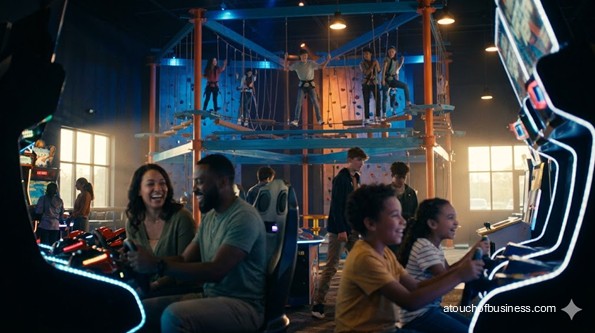
Startup Overview of a Family Entertainment Center
A family entertainment center is a fixed-location venue where families, children, teens, parties, and groups come for indoor recreation. The business may include arcade games, redemption games, laser tag, indoor playgrounds, mini golf, virtual reality, party rooms, concessions, or other attractions.
This is not a simple room with games. A family entertainment center depends on safety, customer flow, equipment, staffing, payments, and facility readiness. Plan the venue before you make major financial commitments.
Use a broader startup checklist for general business setup, but build your real plan around this specific venue model.
Make Sure This Business Fits You
Before you look at buildings or equipment, ask whether owning a business fits your life — and whether this type of business fits you.
A family entertainment center means weekends, holidays, loud rooms, children, parents, staff issues, safety checks, repairs, and customer complaints. You need more than an interest in fun attractions. You need the patience to run a safe public venue.
- Can you handle pressure during busy weekends and school breaks?
- Are you comfortable dealing with children, parents, parties, and group events?
- Can you stay calm when equipment breaks or guests complain?
- Are you willing to follow safety checks, inspection rules, and staff training requirements?
- Do you have enough financial tolerance for a facility-based startup?
Think about your motivation. Are you moving toward something or running away from something? Do not start a family entertainment center to escape a job, a bad boss, financial pressure, status anxiety, or the image of being a business owner.
Passion helps, but it has to meet reality. A family entertainment center is fun for guests, but the owner deals with rules, rent, repairs, payroll, insurance, and safety decisions.
Before you move forward, talk with owners you will not compete against. Look for owners in another city, region, or market area. Prepare specific questions before the call.
- What took longer than expected before opening?
- Which permits or inspections caused delays?
- What equipment needed the most maintenance?
- What would they check before signing a lease?
- What staff training mattered most before opening day?
Those owners have firsthand experience. Their path will not match yours exactly, but their insight can help you avoid expensive blind spots.
Talk to real owners before you sign anything.
Define the Family Entertainment Center Concept
Your first major startup choice is the attraction mix. This decision shapes your space, cost, permits, staff, insurance, equipment, and customer experience.
A small arcade-focused center is very different from a venue with trampolines, go-karts, climbing walls, food service, and party rooms. The more complex the attraction mix, the more pre-opening work you need.
- Arcade games
- Redemption games and prize counters
- Indoor playground or soft play
- Laser tag
- Mini golf
- Bowling
- Virtual reality attractions
- Trampoline courts
- Climbing walls or ropes courses
- Go-karts, if the space and local rules allow them
- Birthday party rooms
- Concessions or other food service
Do not pick attractions only because they look exciting. Ask how each one changes the building, staffing, inspection, insurance, and maintenance requirements.
A simpler attraction mix may be easier to launch. A larger mix may create more revenue options, but it also adds more ways for things to go wrong.
Choose the concept before you choose the building.
Compare Starting, Buying, and Franchising
You may start a family entertainment center from scratch, buy an existing center, or explore a franchise. Each path changes your risk, control, timeline, and budget.
There is no single right answer. The best path depends on your capital, support needs, available locations, desired control, and risk tolerance.
- Starting from scratch: You control the concept, layout, equipment, name, and customer experience. You also handle the full site search, build-out, permits, vendors, hiring, and launch.
- Buying an existing center: You may save time, but you must review the lease, permits, equipment age, repair history, inspection records, vendor contracts, sales records, and incident history.
- Exploring a franchise: You may get a system, brand standards, training, and vendor guidance. You also need to review fees, territory rules, build-out standards, required vendors, and the Franchise Disclosure Document before paying or signing.
Buying can look faster, but hidden repair needs or weak lease terms can erase that advantage. Franchising may add support while reducing flexibility.
Use this stage to compare your real options. A guide to whether to start from scratch or buy a business can help frame that decision.
Check Local Demand Before Major Spending
A family entertainment center depends on local demand. You need enough families, children, teens, groups, and party demand within a realistic drive time.
Do this before you commit to a lease or order equipment. A great venue in the wrong market will have a weak launch.
- Nearby family population
- Schools, camps, sports teams, youth groups, and community organizations
- Weather patterns that support indoor recreation
- Drive time and parking access
- Local price tolerance
- Competing arcades, trampoline parks, bowling centers, skating rinks, movie theaters, indoor playgrounds, and party venues
- Available buildings that can support the concept
Look at how competitors price admissions, timed play, game cards, party rooms, food, and group events. You are not copying them — you are checking whether the market can support your concept.
Local demand also ties to capacity. A center that is too small may feel crowded at peak times. One that is too large can strain the startup budget with rent and staffing.
Prove demand before you build the venue.
Business Plan
Your business plan should turn your family entertainment center idea into a practical launch plan. Keep it focused on decisions you must make before opening.
This is not a generic document. It should connect your concept, space, costs, rules, vendors, staff, pricing, and opening checklist.
- Concept: Define the attraction mix, age range, guest experience, and party-room role.
- Market: Summarize local demand, competitors, price reality, and location fit.
- Facility: Show the space needs, guest flow, parking, restrooms, emergency access, and build-out assumptions.
- Startup costs: List lease costs, tenant improvements, equipment, permits, inspections, insurance, payroll, signs, supplies, and working capital.
- Pricing: Decide on admission, timed play, game credits, attraction passes, party packages, food, and group pricing if used.
- Compliance: Track zoning, certificate of occupancy, fire, health, food-service, amusement device, arcade, sign, labor, and accessibility requirements that apply.
- Staffing: Plan front desk, attraction attendants, party hosts, food-service staff, cleaning support, maintenance help, and shift coverage.
- Opening readiness: Include test runs, staff training, equipment checks, payment setup, signs, forms, vendor accounts, and inspection records.
Use real quotes where possible. Equipment, build-out, insurance, and food-service costs can change the plan quickly.
A guide to writing a business plan can help with structure, but your content must reflect this venue.
Screen the Location Before Signing a Lease
The building can make or break a family entertainment center. Do not assume a former retail store, warehouse, or restaurant can legally open as an indoor amusement venue.
Vet the site before you fall in love with it. Your attraction mix may require specific space, power, ceiling height, restrooms, parking, fire access, and inspections.
- Zoning for indoor amusement, arcade, recreation, food service, and group events
- Certificate of occupancy or change-of-use requirements
- Fire exits, emergency lighting, sprinkler systems, alarms, and fire marshal review
- Parking and drop-off space
- Restroom capacity
- Ceiling height and floor layout
- Electrical capacity for arcade games and attractions
- Heating, cooling, ventilation, and sound control
- Food-service feasibility, if you plan concessions or a kitchen
- Exterior signs and local sign permits
Read the lease carefully. You need to know who pays for build-out, repairs, utilities, signs, inspections, and improvements.
If the landlord promises the space will work, verify it with the local offices that must approve the use. A lease promise is not a permit approval.
Confirm the legal use of the space before you commit.
Set Up the Legal and Tax Foundation
Before opening, you need the basic business structure in place. This may include the entity, tax ID, state registration, business name, payroll accounts, and sales tax setup.
The exact steps depend on your state and local rules. Keep records and accounts organized from the start so banking, permits, hiring, and payments are easier to manage.
- Choose a business structure.
- Register the business with the state when required.
- Apply for an Employer Identification Number after forming the entity.
- Register a Doing Business As name if you use one.
- Set up sales and use tax accounts if admissions, game credits, food, or merchandise are taxable in your state.
- Set up employer accounts if you hire staff.
- Open a business bank account.
You can review the basics of how to register a business, but your state and city rules decide the details.
Keep business transactions separate from personal ones from day one. That makes accounting, taxes, payroll, and lender review much easier.
Verify Permits, Inspections, and Local Rules
Compliance for a family entertainment center depends on the location, building, attractions, food service, staff, and payment model. Many items vary by U.S. jurisdiction.
Do not treat a rule from one city or state as a national rule. Use local offices to confirm what applies to your address and attraction list.
- Zoning: Confirm the site allows indoor amusement, arcade, recreation, food service, and group events.
- Certificate of occupancy: Determine whether a new certificate of occupancy or change-of-use approval is needed before opening.
- Building permits: Verify requirements for tenant improvements, electrical work, plumbing, mechanical work, restrooms, signs, and interior changes.
- Fire inspection: Ask about exits, occupant load, emergency lighting, extinguishers, alarms, sprinklers, storage, and evacuation procedures.
- Food-service permit: Check health department rules if you prepare, store, handle, or serve food or drinks.
- Amusement ride or device rules: Verify rules for trampolines, go-karts, inflatables, ropes courses, climbing walls, mechanical rides, or similar attractions.
- Arcade and redemption rules: Ask whether coin-operated devices, game cards, crane games, redemption prizes, decals, or local taxes apply.
- Music licensing: Review public performance licensing if you plan to play copyrighted music in the venue.
- Alcohol licensing: Check state and local rules only if alcohol will be served.
Accessibility matters too. Newly built or altered public facilities must be designed for accessible use. Play areas and amusement rides can have specific accessibility requirements.
Use a business licenses and permits overview for general orientation, then confirm your exact requirements locally.
Bring your equipment list to the local offices before you buy.
Design the Venue for Flow, Safety, and Capacity
A family entertainment center needs a layout that works under real crowd conditions. The floor plan should help guests enter, pay, play, eat, celebrate, and leave without confusion.
Think like both a guest and an owner. An entertainment space still needs safe paths, clear rules, clean restrooms, visible staff, and emergency access.
- Entry and check-in area
- Payment stations or kiosks
- Arcade floor
- Attraction zones
- Redemption counter
- Party rooms
- Food or concession area, if included
- Restrooms
- Staff-only spaces
- Storage areas
- Emergency exits
- Accessible routes
- Queue areas
- Security camera coverage
- First-aid access
- Cleaning stations
Peak times reveal problems that quiet walk-throughs miss. A layout that feels comfortable during a site visit may fall apart during a Saturday birthday rush.
Pay close attention to where parents wait, where children gather, where staff can spot problems, and where guests may block paths.
Design for the busiest hour, not the quietest one.
Choose Equipment, Systems, and Vendors
The equipment list depends on the concept. Arcade-only venues need different systems than centers with climbing walls, laser tag, trampolines, food, and party rooms.
Before purchasing, ask each vendor about installation needs, utility requirements, training, manuals, warranty terms, spare parts, and service response.
- Arcade games
- Redemption games
- Prize counter and redemption inventory
- Game cards, wristbands, or ticketless systems
- Point-of-sale system
- Payment terminals
- Booking or party reservation system, if used
- Laser tag, soft play, mini golf, virtual reality, or other attraction equipment
- Food-service equipment, if food is offered
- Furniture for guests and party rooms
- Security cameras
- Staff radios
- First-aid supplies
- Cleaning supplies
- Required signs, rules, and restriction notices
- Incident report forms and inspection logs
Some equipment may need professional installation or inspection before use. This matters most for attractions where guests climb, jump, ride, or move at speed.
Do not buy equipment without confirming that the building, insurance, permits, and staff training can support it.
Plan Startup Costs With Real Quotes
A family entertainment center does not have one universal startup cost. Costs vary with the size, attraction mix, build-out needs, lease terms, food scope, staffing, insurance, and local approvals.
Build your cost plan from real quotes. Do not rely on a single narrow estimate as if it applies to every center.
- Lease deposits
- Tenant improvements
- Architectural and engineering fees
- Permits and inspections
- Fire, electrical, plumbing, mechanical, and accessibility upgrades
- Attraction equipment
- Arcade games and card systems
- Redemption prizes and supplies
- Food-service equipment, if included
- Furniture and fixtures
- Signs
- Security systems
- Point-of-sale and payment systems
- Legal and accounting fees
- Insurance deposits
- Hiring and training before opening
- Initial payroll
- Cleaning supplies
- Working capital
- Repair reserve
Arcade equipment vendors may offer space and equipment estimates, but those figures are not the full startup cost. The full center will likely also need construction, inspections, staff training, food equipment, insurance, and working capital.
Your biggest cost drivers are usually the building, attraction mix, build-out, equipment, pre-opening labor, and insurance.
Price the whole launch, not just the games.
Set Up Pricing, Banking, and Payments
Your pricing model should match the guest experience. A family entertainment center may use admission, timed play, game credits, wristbands, attraction passes, party packages, food pricing, group rates, or room rentals.
Decide this before opening so your payment systems, signs, refund policies, sales tax settings, and staff training all align.
- Admission price
- Timed play options
- Per-attraction pricing
- Game credits
- Wristbands
- Party-room packages
- Group pricing
- Food and beverage pricing, if offered
- Prize cost and redemption value
- Deposits, refunds, and cancellation terms
- Sales tax setup
You need banking and payment tools ready before launch. That includes a business checking account, merchant account, point-of-sale system, payroll account, cash drawer, safe, and card or wristband system.
Review pricing decisions as part of your planning, but test your actual numbers against local competitors, capacity, staff cost, and equipment cost.
Test every payment path before opening day.
Plan Funding and Insurance
Funding needs should come from your startup cost plan. Do not guess. Use real numbers for lease costs, build-out, equipment, inspections, payroll, insurance, and working capital.
Funding options may include owner equity, a bank loan, an SBA-backed loan, equipment financing, equipment leasing, landlord tenant-improvement allowances, franchise financing, or investor capital where the structure supports it.
- How much cash will you contribute?
- How much must be financed?
- Can equipment be leased or financed?
- Will the landlord contribute to improvements?
- How much working capital is needed after opening?
- Can the business handle payroll, rent, repairs, and supplies during slower early months?
Insurance needs early attention. Some attractions may make coverage harder or more expensive to obtain — which can affect whether your concept is realistic.
- General liability
- Property insurance
- Equipment breakdown coverage
- Commercial umbrella or excess liability
- Workers’ compensation when required by state law
- Liquor liability if alcohol is served
- Cyber coverage if online booking and payment data are used
- Coverage related to child-focused operations
Do not assume any coverage is legally required unless a regulator or law confirms it. Treat most coverage as risk planning unless your state or local rules say otherwise.
Hire and Train Before Launch
A family entertainment center needs staff who can keep guests moving, attractions safe, parties organized, and problems under control.
Understaffing can damage the opening experience and create safety and crowd-control problems.
- Front-desk staff
- Attraction attendants
- Arcade or redemption staff
- Party hosts
- Food-service staff, if food is offered
- Cleaning support
- Maintenance support
- Shift leads
Training must happen before the public opening. Staff need to know the rules before the crowds arrive — not learn them during a rush.
- Attraction rules
- Age, height, weight, and health restrictions
- Emergency response
- Incident reports
- Guest safety
- Cleaning routines
- Food safety, if applicable
- Cash handling and payment systems
- Waiver handling, if used
- Daily inspection logs
If you hire minors, review federal and state child labor rules before assigning duties or schedules.
Train for busy conditions before the first busy day.
Prepare the Opening-Readiness Items
Opening readiness is more than unlocked doors. The facility, staff, equipment, payment systems, signs, forms, vendors, and safety procedures should all be ready at the same time.
- Entity registration is complete.
- Employer Identification Number is issued.
- Business bank account is open.
- Sales tax setup is complete when required.
- Employer accounts are ready if staff are hired.
- Zoning approval is confirmed.
- Certificate of occupancy or use approval is issued if required.
- Building, fire, health, and amusement device inspections are complete when applicable.
- Insurance policies are active.
- Attraction equipment is installed and tested.
- Arcade games and redemption systems are tested.
- Prize inventory is stocked.
- Food equipment is tested if food is served.
- Point-of-sale system is configured.
- Game cards, wristbands, kiosks, or terminals are tested.
- Waivers are ready if used.
- Required signs and attraction rules are posted.
- Staff training is complete.
- Daily inspection logs and incident forms are ready.
- Vendor accounts are active.
- Cleaning, waste, repair, security, and food suppliers are confirmed.
Run a limited soft opening before the public launch. Use it to test guest flow, check-in, waivers, parties, food service, cleaning, refunds, game cards, and closing procedures.
Fix the soft-opening problems before the public opening.
A Short Day in the Life
Before you start a family entertainment center, picture the owner’s day. The reality behind the business is worth understanding.
The owner may arrive before opening, check staffing, review attraction inspection logs, test payment stations, walk the arcade floor, check restrooms and party rooms, confirm food and prize supplies, review party bookings, handle guest issues, respond to equipment problems, document incidents, and close the day with cash and system checks.
Guests come for fun. The owner prepares the venue so they can enjoy it safely.
Main Red Flags
Some warning signs should make you pause before you invest more capital. These are not minor details — they can affect launch, funding, safety, and profitability.
- The site is not zoned for indoor amusement, arcade, food service, assembly use, or group events.
- You are asked to sign a lease before confirming the certificate of occupancy path.
- The building lacks enough power, parking, restrooms, ceiling height, fire protection, or HVAC capacity.
- Your attraction mix triggers inspections or rules you did not plan for.
- The food concept requires expensive plumbing, ventilation, grease control, or health review.
- Insurance quotes are unavailable or too expensive for the planned attractions.
- Local demand is weak or the market already has strong indoor recreation competitors.
- The startup budget leaves little working capital after opening.
- Equipment quotes do not include freight, installation, training, spare parts, or service response.
- An existing center for sale has old equipment, weak records, bad lease terms, or missing manuals.
- Franchise fees or required build-out standards do not fit the budget.
- Staff training, waivers, signs, inspection logs, and incident forms are not ready.
- Redemption games or prize practices have not been checked against local rules.
If several of these red flags appear at once, stop and get better information before moving forward.
Frequently Asked Questions
These questions focus on startup decisions for a future family entertainment center owner.
Is a family entertainment center a good fit for a first-time owner?
It can be, but the owner needs enough capital, patience, safety focus, and comfort managing staff, guests, vendors, and facility issues. Speak with non-competing owners before committing.
What should I verify before buying equipment?
Verify zoning, certificate of occupancy requirements, fire requirements, electrical capacity, ceiling height, floor layout, parking, health rules, insurance, and any attraction or arcade rules that apply.
Should I start from scratch, buy, or franchise?
All three can work. Starting gives control. Buying may save time but needs careful review. Franchising may add support, but you must review fees, territory, build-out rules, and required vendors.
What should go into the business plan?
Include the concept, attraction mix, local demand, facility layout, startup costs, vendor quotes, permits, inspections, staffing, safety procedures, pricing, funding, and an opening-readiness checklist.
What permits are most likely to matter?
Common requirements include a business license, zoning approval, certificate of occupancy, building permits, fire inspection, sales tax setup, health permit if food is served, amusement device approvals if applicable, sign permits, and arcade or redemption permits where required.
Do arcade or redemption games need special permits?
Sometimes. Coin-operated devices, game cards, crane games, redemption prizes, decals, taxes, and prize rules vary by state and city. Confirm this locally before ordering machines.
Does a family entertainment center need a food permit?
If you prepare, store, handle, or serve food or drinks, a health permit may be required. The rules depend on whether you sell sealed snacks, concession food, hot food, or alcohol.
Do attractions need inspections?
Some may. Go-karts, inflatables, climbing walls, ropes courses, trampolines, mechanical rides, and similar attractions may fall under state or local amusement rules.
How much space should I plan for arcade games?
Use vendor layout support and current quotes. Space requirements depend on game size, walkways, accessibility, electrical needs, guest flow, and local code.
What insurance should I plan for?
Common coverage may include general liability, property, equipment breakdown, umbrella coverage, workers’ compensation when required, liquor liability if alcohol is served, cyber coverage, and coverage related to child-focused operations.
Can minors work in a family entertainment center?
Possibly, but federal and state child labor rules can limit age, hours, and duties. Review the rules before assigning schedules or tasks.
What should be ready before opening day?
Permits, inspections, insurance, equipment, staff training, payment systems, waivers, required signs, daily inspection logs, food approvals if needed, vendor accounts, and a tested soft opening should all be complete.
Advice From Family Entertainment Center Operators
Advice from people who have opened, operated, built, funded, or supported family entertainment venues can help you see what the startup process looks like in real life.
These resources are useful because they cover practical issues such as location choices, attraction mix, funding, customer experience, staffing, project planning, and the reality of running a brick-and-mortar entertainment business.
- World’s Greatest FEC Interview – Jeff Pierce of Atomic City shares firsthand lessons from building a family entertainment center that grew quickly and earned industry recognition.
- How to Open an FEC – A Memory Makers Podcast episode covering major startup milestones such as feasibility research, business planning, funding, and market fit.
- Micro-Amusement Park Interview – John Dunlap, CEO of Five Star Parks and Attractions, discusses family entertainment centers, micro-amusement parks, indoor/outdoor attraction formats, and guest expectations.
- Slick City Founder Interview – Bron Launsby shares lessons from scaling trampoline parks and creating Slick City Action Park, with useful insight on innovation, culture, reinvestment, and franchise thinking.
- Indoor Playground Owner Interview – Michele Caruana discusses opening and running indoor playground locations, including location selection, funding, team management, and the realities of brick-and-mortar ownership.
- Buying a Play Café Interview – Kaylinn from Kay’s Play Days talks about buying, running, and closing a play space, which can help readers compare buying an existing venue with starting from scratch.
- Attraction Development Interview – Mike Denninger discusses attraction development, project planning, scope, budget, construction pressure, and the path from concept to opening day.
Related Articles
- Starting an Indoor Playground
- How To Start Your Bowling Alley
- How To Start Your Escape Room Business
- Start a Gaming Center
- How To Start a Go-Kart Business
- Start a Mini Golf Business
Sources:
- U.S. Small Business Administration: Apply for licenses permits, Calculate startup costs, Market research analysis, SBA loan programs
- Internal Revenue Service: Get an EIN
- U.S. Food and Drug Administration: Food Code 2022, State food code adoption
- ADA.gov: 2010 ADA Standards
- U.S. Access Board: Play area accessibility, Amusement ride accessibility
- U.S. Department of Labor: Workers compensation contacts
- Federal Trade Commission: Franchise Rule
- Alcohol and Tobacco Tax and Trade Bureau: TTB alcohol regulation
- BMI: Business music licensing
- IAAPA: Amusement ride standards
- NAARSO: Safety regulations overview
- Betson: Arcade room design
- Embed: Family entertainment guide
- New York City Department of Buildings: Certificate of occupancy