
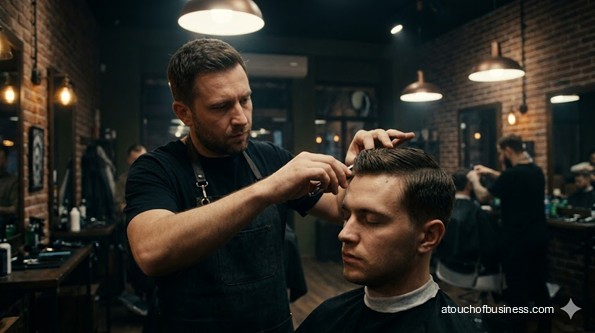
What to Expect From This Guide to Starting a Barbershop
This guide walks you through the key choices and practical setup involved in starting a barbershop, beginning with owner fit and shop models before addressing demand, licensing, the storefront, staff, finances, inspections, and pre-opening checks.
Inside the guide, you will find:
- Startup roadmap: Work from role and business-model decisions through location, approvals, setup, staffing, testing, and a final barbershop checklist.
- Owner interviews: Learn from founders discussing startup costs, locations, customer experience, licensing, staffing, community fit, and ownership challenges.
- Startup FAQs: Review answers about owner licensing, leases, chair rental, inspections, equipment, taxes, insurance, franchises, and common mistakes.
- Model and demand: Compare owner-operated, employee, chair-rental, hybrid, purchased, and franchise options while assessing local competition and customer support.
- Location and rules: Check barber-board requirements, zoning, occupancy, permits, inspections, plumbing, ventilation, accessibility, signage, and lease limitations.
- Shop setup: Plan chair layout, tools, supplies, sanitation stations, towel handling, customer flow, payments, and services offered at opening.
- Financial planning: Estimate build-out and operating costs, set prices, calculate break-even needs, arrange funding, and separate business banking.
First, clarify whether you will provide barber services, manage the storefront, rent chairs, hire barbers, or combine those roles.
Starting a Barbershop Business With Clear Steps
A barbershop provides barbering services such as haircuts, clipper cuts, fades, beard trims, shaves, shampooing, and styling. Most storefront barbershops serve customers in person from a fixed location, so the space, layout, licenses, tools, sanitation setup, and customer experience all matter before opening day.
This is not just a chair, a clipper, and a sign. You are starting a licensed personal care business where customers judge the result, the cleanliness, the style fit, the convenience, and the confidence they feel in the shop.
If you want a broader view of the general startup steps, use that as background. Then come back to the barbershop-specific steps below, because this business has its own location, licensing, equipment, staffing, and sanitation issues.
Is This a Business You Want to Build?
Before you spend money on a lease or barber chairs, ask whether this business fits you. A barbershop is personal, physical, and customer-facing. You may deal with walk-ins, appointments, schedule pressure, close contact, style requests, sanitation routines, and daily storefront responsibilities.
If you plan to cut hair yourself, technical skill matters. If you plan to own the shop but not perform services, your focus shifts to licensed staff, chair arrangements, customer flow, lease costs, compliance, and shop presentation.
What this changes: your role affects startup cost, licensing needs, staffing risk, and how much daily pressure lands on you.
Think about your motivation too. Don’t start a barbershop only because you dislike your current job, want status, or assume the business will be simple.
You need a genuine interest in the business, not just the idea of owning one. If you’re not comfortable with customer service, visible standards, hygiene rules, and income uncertainty, pause before moving forward. A guide on being passionate about the business can help you think through that part.
Talk to Owners Outside Your Market
Before you sign anything, speak with barbershop owners you won’t compete against. Look in another city, another region, or a different market area.
Prepare your questions before those conversations. Ask about lease surprises, inspection timing, licensing delays, chair count, walk-ins, appointments, sanitation supplies, staff issues, and opening costs they didn’t expect.
Those owners have firsthand experience. Their path may not match yours, but their insight can reveal problems you won’t see from the outside.
What this changes: owner conversations can save time, reduce avoidable spending, and help you spot weak assumptions before they become expensive.
Use advice from real business owners as part of your early reality check, but make your questions specific to a storefront barbershop.
Choose Your Barbershop Model
Your model affects almost everything that follows. A storefront barbershop can be an owner-operator shop, an employee-based shop, a chair-rental shop, a hybrid setup, a purchased shop, or a franchise location.
Don’t treat these as small differences. They change control, startup costs, staffing rules, daily responsibilities, pricing choices, and risk.
- Owner-operator: You provide services and run the business.
- Employee-based shop: You hire licensed barbers and manage payroll, schedules, and training.
- Chair-rental shop: Licensed barbers may rent space, depending on state rules.
- Hybrid shop: You combine employees and renters, which adds complexity.
- Existing shop purchase: You buy a working location, but must check records, licenses, lease terms, staff, and reputation.
- Franchise: You may receive systems and brand support, but you give up some control and accept franchise costs and rules.
What this changes: the model decides how you staff the shop, what documents you need, how payments move, and how much control you have over the customer experience.
Decide Whether to Start, Buy, or Franchise
A barbershop can be started from scratch, bought as an existing business, or opened through a franchise if a suitable brand is available. The best path depends on your budget, timeline, desired control, available businesses for sale, support needs, and risk tolerance.
Starting from scratch gives you the most control over location, layout, style, service list, and equipment. It also means you must build everything before the first customer walks in.
Buying an existing barbershop may give you a known location, trained staff, and customer history. Still, you need to review the lease, records, debts, licenses, inspection history, staff arrangements, and reputation before you rely on the seller’s numbers.
A franchise may provide brand rules, training, layout standards, and operating systems. It may also add fees, approved vendor rules, required design choices, and less flexibility.
What this changes: starting gives control, buying may shorten the setup path, and franchising may add structure. Each path changes cost, time, freedom, and risk.
If you’re unsure which path fits, compare your options with a clear look at whether to start from scratch or buy a business.
Validate Local Demand for a Barbershop
A barbershop depends on local customers. Before major spending, study the area around your possible location.
Look at population density, nearby apartments, offices, schools, parking, transit, visibility, competitor count, service prices, and how busy existing shops seem to be. You’re not trying to run a campaign—you’re deciding whether the market can support another shop.
Pay attention to saturation. If several nearby shops offer similar services at similar prices, you need to know why customers would choose yours.
What this changes: local demand affects location choice, chair count, pricing, service list, and whether you should open in that area at all.
A practical look at local supply and demand can help you think through this before you commit to rent.
Define Your Services Before Setup
Decide what the barbershop will offer before you plan the layout, hire staff, buy tools, or apply for approvals. Core services may include haircuts, clipper cuts, fades, tapers, lineups, beard trims, mustache trims, straight-razor shaves, shampooing, and styling.
Be careful with color, chemical texture services, skin services, or broader beauty services. These may require different licenses, staff credentials, equipment, insurance, ventilation, or facility setup.
Your service list should match what your licensed barbers can legally provide and what the shop can handle on opening day.
What this changes: your service list affects tools, supplies, staffing, appointment length, pricing, sanitation routines, and the physical setup of the shop.
Business Plan
Your business plan should turn the barbershop startup path into clear decisions. Keep it practical. It should help you make choices before you spend money—not sit in a folder after the shop opens.
Start with your role. Will you cut hair, manage the storefront, rent chairs, hire employees, or combine roles?
Then map the shop setup.
- Service list for opening day.
- Target customer types.
- Chair count and layout.
- Walk-in, appointment, or mixed flow.
- Lease and build-out assumptions.
- State barber-board checklist.
- City or county location checks.
- Equipment and sanitation setup.
- Startup cost categories.
- Pricing decisions and break-even math.
- Funding, banking, and payment setup.
- Pre-opening checklist.
What this changes: a clear plan shows whether your idea works on paper before you’re locked into rent, equipment, payroll, or debt.
Use a practical business plan as a planning tool, not a generic document. For a barbershop, it should connect directly to the location, licenses, chairs, tools, pricing, and opening readiness.
Set Up the Business Legally
Choose a business structure before you register the business, open banking, or sign major agreements. Your choice can affect taxes, paperwork, liability, funding, and how you present the business to landlords and lenders.
Common options include sole proprietorship, partnership, limited liability company, or corporation. The right choice depends on your situation, so this is a good place to get help from a qualified professional.
You may also need a business name registration, Doing Business As name, domain, and Employer Identification Number. An Employer Identification Number is often needed for employers, many entities, tax accounts, and business banking.
What this changes: legal setup affects banking, taxes, contracts, liability, and how cleanly you separate business transactions from personal ones from the start.
Verify Barber Licensing Rules
Barbering is regulated by state and local rules. Don’t assume the rules in one state apply in another.
Before opening, check the state barber board or cosmetology board for individual barber licenses, shop or establishment licenses, owner licenses, area-renter rules, inspection timing, sanitation rules, and license posting requirements.
Some states separate shop ownership from hands-on barbering. In that case, the owner may need a shop-related license or registration, while each person performing barber services needs the proper individual license.
If you use chair renters, check whether your state has area-renter, booth-rental, independent contractor, or recordkeeping rules.
What this changes: licensing rules affect who can provide services, when you can open, what must be posted, and whether your staffing model is legal.
Check City and County Rules
A storefront barbershop also depends on local approval. The address has to work for this use before you sign a lease or start construction.
Check zoning, business licensing, certificate of occupancy rules, building permits, plumbing permits, electrical permits, sign permits, and any local health or sanitation approvals that apply.
These items vary by U.S. jurisdiction. Your city or county may handle some approvals, while the state board handles barber licensing.
Ask direct questions before you commit:
- Is a barbershop allowed at this address?
- Will this space need a new or updated certificate of occupancy?
- Are permits needed for plumbing, sinks, walls, electrical changes, ventilation, or signage?
- Which inspections must happen before opening?
What this changes: local rules can affect lease timing, build-out cost, opening date, and whether the location is usable at all.
Choose the Right Storefront Location
Location is one of the biggest decisions in a storefront barbershop. You need visibility, access, a layout that fits barber services, and a space that can meet legal and practical requirements.
Look at parking, nearby traffic patterns, transit, sidewalk access, signage visibility, nearby customer groups, competitor distance, and whether the space is easy to enter.
Then look inside. A barbershop may need hot and cold running water, sink access, restroom access, ventilation, washable surfaces, adequate electrical capacity, clean storage, used-linen storage, and room for chairs, mirrors, a waiting area, and a payment station.
What this changes: a cheaper lease can become expensive if the space needs major plumbing, accessibility, electrical, flooring, or ventilation work.
Plan the Layout Before Build-Out
A barbershop layout should support the customer path from entry to consultation, service, payment, and exit. It should also make sanitation and tool storage easy for the owner and staff.
Plan the space before you buy furniture or start construction. Think through barber chairs, mirrors, stations, waiting seats, reception, payment area, clean storage, used-linen receptacles, disinfectant containers, towel storage, restroom access, and product shelves if you’ll sell grooming products.
Keep the layout simple enough for customers to navigate easily. A cluttered or awkward space can hurt trust before the first haircut starts.
What this changes: layout affects customer comfort, service speed, sanitation, staff movement, storage, and inspection readiness.
Buy Barbershop Equipment and Supplies
Your equipment list should match the services you’ll provide at opening. Don’t buy tools for services you’re not licensed, staffed, or prepared to offer.
Core items may include barber chairs, station cabinets, mirrors, clippers, guards, trimmers, shears, thinning shears, combs, brushes, capes, neck strips, towels, blow dryers, razors or shavettes if allowed, replacement blades, and styling products.
You may also need shampoo bowls, shampoo, conditioner, shaving products, beard products, gloves, disposable applicators, and retail display shelves if those fit your opening service list.
What this changes: your service mix affects inventory, appointment length, supplier needs, staffing, and physical setup.
Set Up Sanitation and Safety
Cleanliness is not optional in a barbershop. Customers notice it, and regulators inspect for it.
Before opening, set up disinfectant containers, clean storage, used-towel storage, covered trash, handwashing supplies, surface cleaners, towel handling, and tool cleaning procedures.
Use disinfectants according to label directions. Keep product labels and Safety Data Sheets available when they apply, especially if you offer chemical services.
If you offer color, smoothing, or other chemical services, verify licensing, ventilation, product handling, and exposure concerns before adding them.
What this changes: sanitation setup affects customer trust, inspection readiness, staff training, supply costs, and the services you can safely offer.
Estimate Startup Costs
Don’t rely on a single universal startup cost number. Barbershop costs vary by location, lease terms, space condition, build-out needs, chair count, equipment level, inventory, licensing, staffing, and owner choices.
Your startup cost sheet should include both one-time costs and monthly expenses. Build it from real quotes whenever possible.
- Lease deposit and first rent.
- Build-out and tenant improvements.
- Plumbing, electrical, lighting, ventilation, and flooring.
- Barber chairs, stations, mirrors, and tools.
- Sanitation supplies, towels, capes, and neck strips.
- Licenses, permits, inspections, and professional fees.
- Insurance.
- Point-of-sale and appointment systems.
- Initial grooming product inventory if selling products.
- Business name, domain, basic contact presence, and signs.
- Opening cash reserve.
What this changes: a realistic cost sheet shows whether your funding is enough before rent, delays, and build-out bills start.
Set Prices Before Opening
Pricing should reflect your costs, the local market, and the time each service takes. Don’t copy the shop down the street without knowing whether those prices cover your rent, supplies, labor, laundry, fees, and taxes.
Think through prices for standard haircuts, fades, kids’ cuts, beard trims, shaves, haircut-and-beard combinations, shampoo add-ons, and any approved specialty services.
Your prices should also fit customer expectations in the area. A high-end presentation, longer appointments, and a premium service experience may require different pricing than a fast walk-in model.
What this changes: pricing affects your break-even point, chair capacity, customer expectations, and how much room you have for wages, rent, and supplies.
For more general guidance, review pricing products and services, then apply the principles to your actual barbershop numbers.
Arrange Funding, Banking, and Payments
Once you know your costs, decide how you’ll fund the shop. Options may include personal savings, a bank loan, an SBA-backed loan, seller financing if buying a shop, investor capital, equipment financing, or limited crowdfunding where appropriate.
Lenders often want a business plan, expense details, and financial projections. Prepare those before you apply.
Open a business bank account before you start taking payments. Set up card processing, cash handling, receipts, tips, and basic accounting before opening day.
What this changes: banking and payment setup affects how cleanly you track revenue, manage deposits, handle tips, and separate business transactions from personal ones.
Plan Insurance and Risk
Insurance should be in place before the shop opens. Some coverage may be required by a landlord, lender, or state law if you hire employees. Other coverage is a matter of risk planning.
Common coverage to discuss with an insurance professional may include general liability, commercial property, a business owner’s policy, professional liability where available, workers’ compensation if employees are hired and required by state law, and cyber or data coverage if you store customer and payment data.
Don’t assume every type of coverage is legally required. Verify what your state requires and what your lease or lender demands.
What this changes: insurance affects lease approval, lender comfort, payroll decisions, and how exposed you are to accidents, property loss, and claims.
Hire Barbers or Prepare Chair-Rental Agreements
If you won’t provide every service yourself, you need licensed people ready before opening. Verify each barber’s license before scheduling services.
Decide whether workers will be employees, chair renters, or part of a hybrid setup. Don’t make this decision casually. Worker classification affects control, taxes, pay, records, schedules, and legal risk.
If you hire employees, prepare payroll, employment records, Form I-9, required workplace posters, training, and shop policies. If you rent chairs, verify state area-renter or booth-rental rules and use clear written agreements.
What this changes: staffing choices affect control, compliance, customer consistency, scheduling, and how much daily oversight you need.
Prepare the Barbershop Identity
Your identity items should support legal setup, customer trust, and opening readiness. Keep this practical at first.
You may need a legal business name, DBA if used, domain, phone number, business email, basic contact page, exterior sign if allowed, hours sign, posted licenses, and a clear price list.
If you hire employees, required workplace notices may also need to be posted. If your state requires shop and individual licenses to be displayed, make space for them before inspection.
What this changes: identity items affect trust, compliance, wayfinding, payment setup, and whether customers can confirm they’re in the right place.
Complete Permits, Inspections, and Postings
Before opening, confirm that the shop is legally ready. This may include state barber-board approval, local business licensing, certificate of occupancy approval, build-out inspections, tax accounts, required signs, and required license postings.
These rules vary by U.S. jurisdiction, so verify with the state barber board, city licensing office, zoning office, building department, health department if applicable, and state tax agency.
Don’t open early just because the chairs are installed and the clippers are ready. The legal approvals and space sign-offs still have to be in place.
What this changes: opening before approval can result in delays, fines, forced changes, or a damaged relationship with regulators and the landlord.
Run a Pre-Opening Test
Before your first real day, test the shop as if customers are already walking in. A soft run helps you catch small problems while they’re still easy to fix.
Test bookings, walk-in flow, chair assignments, point-of-sale, card payments, cash handling, receipts, tips, appointment reminders, towel supply, disinfectant contact time, restroom readiness, lighting, ventilation, music level, cleaning steps, and closing tasks.
Also test the customer path. Can someone enter, understand where to wait, know the price, receive the service, pay, and leave without confusion?
What this changes: a test run reduces first-day stress and exposes gaps in tools, supplies, staff flow, and payment setup.
Know the Early Owner Responsibilities
A barbershop owner has more to handle than the services customers see. The day starts before the first appointment.
In the opening stage, you may check supplies, confirm appointments, review staff or chair assignments, verify clean towels, handle walk-ins, resolve customer issues, process payments, restock products, and close with cleaning and payment review.
This isn’t meant to turn you into a long-term operations manager on paper—it’s a fit check. You need to know what the first days may feel like before you commit.
What this changes: understanding the daily pace helps you decide whether the shop model, hours, staffing, and chair count match your life.
Red Flags Before Opening a Barbershop
Some warning signs should make you slow down before signing, buying, hiring, or opening. These are not reasons to quit—they’re reasons to verify the facts.
- You signed a lease before checking zoning, certificate of occupancy rules, and shop licensing.
- The space lacks needed plumbing, sink access, restroom access, ventilation, or washable surfaces.
- The shop depends on services the owner or staff are not licensed to provide.
- The nearby market is crowded with similar barbershops at similar prices.
- The startup budget ignores build-out, inspections, towels, disinfectants, laundry, and opening cash.
- Prices are copied from competitors without calculating break-even.
- Workers are treated as independent contractors without checking classification rules.
- Chair rental is planned without checking state area-renter or booth-rental rules.
- Staff licenses are not verified before opening.
- Required shop approvals, inspections, or postings are missing.
- The landlord won’t allow needed plumbing, signage, hours, or business use.
- An existing shop seller cannot support revenue, expense, lease, license, or tax claims.
What this changes: each red flag can affect launch timing, funding, legal risk, customer trust, or whether the location works at all.
Pre-Opening Checklist
Use this checklist only after the major decisions are made. It’s a final readiness check for a storefront barbershop.
- Owner fit and motivation are clear.
- Non-competing owner conversations are complete.
- Business model is chosen.
- Local demand and competition have been reviewed.
- Service list matches licenses, staff, tools, and facility setup.
- Business structure, name, DBA if needed, and Employer Identification Number are handled where applicable.
- State barber-board requirements are verified.
- Individual barber licenses are verified.
- Shop, owner, establishment, or barbershop registration is approved where required.
- Chair-renter or area-renter rules are checked if applicable.
- Worker classification has been reviewed.
- Zoning and certificate of occupancy questions are resolved.
- Build-out permits and inspections are complete where required.
- Barber chairs, mirrors, tools, supplies, and sanitation stations are ready.
- Disinfectants, product labels, towels, capes, neck strips, and blades are stocked.
- Laundry process is ready.
- Point-of-sale, card payments, cash handling, receipts, and tips are tested.
- Business bank account and insurance are active.
- Required licenses, notices, and signs are posted where required.
- Price list and basic contact presence are ready.
- Opening-day staffing and supply levels are confirmed.
What this changes: this list helps you avoid opening with a polished-looking shop that still has legal, payment, staffing, or sanitation gaps.
Frequently Asked Questions
These questions focus on startup decisions for a future barbershop owner, not customer-facing policies.
Is a barbershop a good fit for a first-time owner?
It can be, but only if you understand licensing, storefront costs, sanitation, customer service, and staffing. If you won’t cut hair yourself, you need licensed barbers and strong shop oversight.
Do I need a barber license to own a barbershop?
It depends on the state. Some states separate shop ownership from hands-on barbering. Verify this with your state barber board before you spend money.
What should I check before signing a lease?
Check zoning, certificate of occupancy rules, plumbing, ventilation, restroom access, build-out permission, signage rules, accessibility, shop licensing, and inspection timing.
Can I rent chairs instead of hiring employees?
Possibly. You must check worker classification rules and state barber-board rules before using a chair-rental or booth-rental model.
What should go into my barbershop business plan?
Include your role, service list, chair count, customer types, location assumptions, licensing checklist, build-out, equipment, sanitation, staffing model, startup costs, pricing, funding, payments, and opening checklist.
Should I start from scratch or buy an existing barbershop?
Starting gives more control. Buying may provide an existing location, staff, and customer base. Before buying, review financial records, lease terms, licenses, inspections, debts, and reputation.
Is a barbershop franchise realistic?
Yes, where suitable franchises are available. Review franchise fees, royalties, brand rules, vendor rules, location rules, training, and control limits before committing.
What equipment do I need before opening?
Core items include barber chairs, mirrors, clippers, trimmers, shears, razors if used, combs, brushes, capes, towels, neck strips, disinfectant containers, clean storage, payment systems, and required postings.
Do barbershops need inspections?
Often, but requirements vary by U.S. jurisdiction. Check with your state barber board and local agencies to confirm inspection timing and what must be ready.
Are barber services taxable?
Sales tax rules vary by state and locality. Check your state Department of Revenue for barber services, personal care services, retail product sales, and local taxes.
What insurance should I consider?
Discuss general liability, commercial property, a business owner’s policy, workers’ compensation if you hire employees and it’s required, and other coverage tied to your lease, lender, staff, and services.
What is the biggest mistake before opening?
Opening before confirming shop licensing, individual licenses, zoning, certificate of occupancy rules, inspections, sanitation setup, and worker arrangements. Those checks should happen before opening day.
Tips From Barbershop Owners and Industry Interviews
Learning from people who have opened, owned, or built barbershop businesses can help you see the real decisions behind the chair.
The interviews and founder stories below offer practical insight into startup costs, location choices, customer experience, licensing, staffing, community fit, and the mindset needed to open a storefront barbershop.
- How to Open a $130K/Year Barber Shop – UpFlip interviews Bernard Franklin, owner of Busy B’s Barbershop, and shares startup lessons on funding, equipment, customer service, and opening a barber shop.
- From Layoff to Barber Shop Owner – Lesley Bryant, owner and founder of Lady Clipper Barber Shop, discusses building a barbershop from the ground up, finding a space, saving for equipment, and creating a community-focused shop.
- From Chair to Shop Owner – The Noble Barber Podcast speaks with new shop owners Blade Cut and Sid Da Barber about opening a first bricks-and-mortar barbershop, adapting as owners, and preparing for the financial jump.
- 10 Questions With the Founder of Gould Barbers – Darran Gould shares lessons from building a large barbershop brand, with advice that can still help someone thinking about a local barbershop startup.
- CEO Created a Modern Barbershop – Anna Houlette of 77 Barbershop shares her path into men’s grooming, customer experience, patience, and building a shop around care and service quality.
Related Articles
- How To Start a Beauty Salon
- How To Start a Hair Salon
- How To Start a Bridal Makeup Business
- How To Start an Eyebrow Threading Business
- How To Start an Eyelash Extension Business
- How To Start a Tanning Business
Sources:
- U.S. Bureau of Labor Statistics: Barbers, Hairstylists, Cosmetologists, Barber Occupation Definition
- U.S. Census Bureau: NAICS 812111 Barber Shops, Census Business Builder
- U.S. Small Business Administration: Market Research Basics, Choose Business Structure, Choose Business Name, Licenses and Permits, Calculate Startup Costs, Break-even Calculator, Fund Your Business, Business Bank Account, Buy or Franchise, SBA Franchise Directory, Get Business Insurance
- Internal Revenue Service: Employer Identification Number, Contractor or Employee
- U.S. Citizenship and Immigration Services: Form I-9
- U.S. Department of Labor: Workplace Posters
- ADA.gov: ADA Public Businesses
- CareerOneStop: Barber License Finder
- Texas Department of Licensing and Regulation: Establishment License, Required Equipment
- Minnesota Board of Barber Examiners: Open a Barbershop, Barbershop Inspections
- New York Department of State: Shop Owner License
- Florida Department of Business and Professional Regulation: Florida Barbers
- City of Minneapolis: Salon Business Guide
- NYC Business: Barber Shop Permit
- NYC Department of Buildings: Certificate of Occupancy
- U.S. Environmental Protection Agency: Registered Disinfectants
- Occupational Safety and Health Administration: Hair Salon Formaldehyde
- U.S. Food and Drug Administration: Hair Smoothing Products
- Insurance Information Institute: Commercial General Liability, Small Business Insurance