
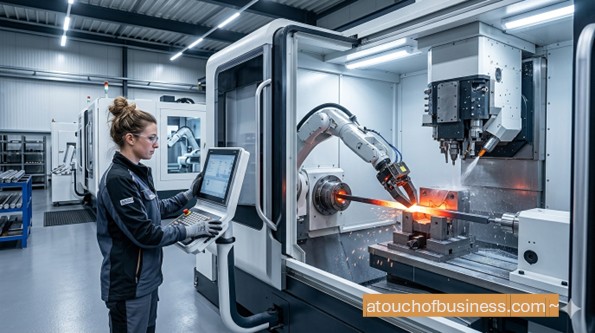
What to Expect From a Knife Shop Setup Before Opening
A knife manufacturing business is part metalworking shop, part product company, and part quality-control operation. You are not only making blades. You are building a repeatable process that starts with raw steel and ends with a finished knife that meets a clear standard for fit, finish, hardness, edge performance, packaging, and delivery.
That is why this business can be rewarding and demanding at the same time. You can launch with a narrow line and grow from there, but even a small startup has real production decisions to make. You need to choose your knife types, your steel, your production method, your heat-treat plan, your shop layout, your quality standards, and the sales channel you want to serve.
Most first-time owners do better when they start with a small range. A few fixed blades, a simple kitchen line, or a limited utility line is usually easier to control than trying to launch outdoor knives, folders, chef knives, and private-label work all at once. In a knife manufacturing business, too much variety too early can turn your shop into a bottleneck before you even open.
Your likely customers depend on the kind of knives you make. You may sell direct to online buyers, work with dealers, supply specialty retailers, or produce knives for another brand under contract. These buyers usually care about the same core things: quality, consistency, lead time, price, and whether orders show up as promised.
There are real advantages here. You can outsource some work in the beginning, especially heat treating or blank cutting, and keep your first setup simpler. There are also real problems to respect. Heat-treat mistakes, grinding defects, scrap, weak process flow, material delays, and poor cost control can damage a new knife manufacturing business fast.
This is also a business where the daily work matters. If you do not enjoy detail, repetitive production, measurement, problem solving, and process discipline, the romance wears off quickly. A knife shop rewards patience and consistency more than excitement.
Is This Business The Right Fit For You?
Before you price equipment or hunt for space, ask whether business ownership fits you and whether a knife manufacturing business fits you. Those are not the same question. You may love knives and still dislike inventory control, vendor delays, bookkeeping, customer communication, and long stretches of production work. You may want to make things with your hands but not enjoy running a company.
Passion matters here. If you care about steel, design, edge geometry, finishing, and making a product you are proud to ship, that helps a lot during long weeks and slow starts. If you are mostly drawn to the image of being a knife maker, that is not enough. Real passion for the work helps you stay steady when the days are repetitive and the progress is slower than you hoped.
Ask, Are you moving toward something or running away from something? Do not open a knife manufacturing business just to escape a job, fix financial pressure, or chase status. Ownership usually brings more responsibility, more uncertainty, and more stress before it brings freedom. If money is already tight, an unpredictable startup can make that worse.
There is also a lifestyle question. Do you want to spend your days around grinders, material deliveries, process sheets, packing tables, supplier calls, and quality checks? Can you handle the pressure when a batch runs late or a finish problem ruins output? Does it suit you to build systems, not just products?
Talk to owners, but do it the smart way. Speak only with owners you will not compete against, in another city, region, or market area. Use that time to ask the questions you have about the business you are preparing to start. Their answers come from direct experience. Even though their path will not match yours exactly, you can gain firsthand owner insight that is hard to get any other way.
Give yourself a gentle reality check as you go. A knife manufacturing business can suit you well if you like precision, process control, practical problem solving, and steady improvement. If you want fast cash, low overhead, and simple setup, this may not be the right match.
Define The Product Line Before You Build The Shop
The first real step in a knife manufacturing business is deciding what you will make. Do not buy equipment first. Start with the knives. A fixed-blade outdoor line, a kitchen line, a utility line, or a small group of production folders each creates a different workflow, cost structure, and quality standard.
Write down the intended use for each model. Then define the steel family, stock thickness, blade profile, grind style, handle construction, target hardness range, finish level, sheath or packaging needs, and any hardware choices. These are not small details. They shape your materials, machine needs, labor time, and pricing from the start.
Keep your opening range narrow. Batch size, customization, and product complexity change the amount of space, labor, and working capital you need. If every knife has different handle materials, different hardware, and different finishing steps, your startup gets harder to control. A tight line is easier to make well and easier to price honestly.
There is another reason to keep the first line simple. Some knife types carry extra legal risk. If you are thinking about automatic or switchblade products, get legal advice before launch. Federal law restricts certain interstate activity involving switchblade knives, and state rules vary. Many first-time owners avoid that category at the beginning because it can add legal complexity before the business is stable.
This is a good place to pause and ask yourself a fit question. Do you want to run a product business built on repeatability, or do you really want to make one-off custom pieces? A knife manufacturing business is about controlled output, not just creativity.
Choose How The Knives Will Be Made
Once the product line is clear, decide what work stays in-house and what work gets outsourced. That choice changes your startup cost, your production speed, your risk, and your space needs. A small knife manufacturing business often starts by outsourcing some steps rather than trying to do everything under one roof.
You may outsource blank cutting, CNC work, heat treating, or even some finishing work. Heat treating is the big one. It is a technical process, and the quality of the heat treat affects performance in a major way. Many smaller shops use a commercial heat-treat service early on because it lowers equipment cost and can improve consistency while the shop is still finding its footing.
Think through the full production path in order. Receiving. Material storage. Blank preparation. Drilling or machining. Grinding. Heat treat or outbound heat-treat staging. Finishing. Handle work. Assembly. Sharpening. Inspection. Packaging. Shipping. If that order feels messy in your head, it will feel worse on the floor.
Also think about volume. A production method that works for ten knives a month may fail at fifty. A method that works for fifty may fall apart at two hundred. In a knife manufacturing business, bottlenecks do not stay hidden for long. They show up as delays, scrap, rework, and unhappy customers.
Study Local Demand And The Buyers You Want
Before you invest heavily, make sure there is demand for the kind of knives you plan to make. This is where a lot of startups get careless. They assume that because they like a product, other people will buy it at a price that supports the business.
Look at your likely buyer groups. Direct online buyers may want strong product pages, clear photos, and fast shipping. Dealers may care more about wholesale margins, consistency, and lead times. A private-label or OEM customer will look closely at production reliability and quality control. The right customer for your knife manufacturing business depends on the type of knife, the price band, and the way you want to sell.
Start by reviewing your local and broader market. What knife categories appear crowded? Which price points seem packed? Where are buyers complaining about delays, weak finishes, poor edge retention, or bad communication? That is where a new shop may find room. It helps to understand local supply and demand before you commit to a product line that is already saturated.
Do not stop at broad demand. Test specific models. Show designs to likely buyers. Ask retailers what actually moves. Ask end users what they care about most. You are trying to learn what people will pay for, not what gets compliments in a hobby group.
A gentle reminder here: if the only proof of demand is that friends say your knives look nice, that is not enough for a knife manufacturing business.
Review Competitors And Decide How You Will Stand Out
You do not need to be unique in every way, but you do need a reason to exist. Look at competitors by product category, price range, finish level, steel choice, brand voice, packaging, and delivery times. A knife manufacturing business can compete on design, consistency, lead time, materials, value, or service, but it should not try to compete on everything at once.
Compare what others offer and what they leave out. Are buyers frustrated by long waits? Are there too many brands making broad claims but showing weak fit and finish? Is there room for a narrow line that is clean, dependable, and easy to reorder? Sometimes the gap is not style. Sometimes it is simply reliability.
You also need to decide how much customization you will allow. Custom work sounds appealing, but it can disrupt a new production shop fast. If every order changes the process, then your quotes, material planning, and delivery promises get harder to control. Many owners learn this the hard way. Avoid common startup mistakes by setting boundaries before orders start coming in.
For a knife manufacturing business, clear positioning beats broad positioning. It is better to be known for a small line done well than for a long catalog you cannot produce smoothly.
Put The Business Plan On Paper
You do not need a fancy document, but you do need a real plan. A knife manufacturing business needs more than a rough idea because your setup decisions affect equipment, space, labor, materials, compliance, and cash flow. A written plan helps you see weak points before they cost you money.
Your plan should cover the product line, customer groups, production method, outsourcing choices, sales channels, pricing logic, startup costs, working capital, supplier plan, insurance, legal setup, facility needs, and launch timeline. It should also spell out what success looks like in the first year. How many units do you need to sell? At what margin? Through which channel?
It also helps to define what you are not doing yet. Are you avoiding folders for now? Delaying custom work? Waiting on wholesale until your process is stable? Those limits protect the launch.
If you need structure, use guidance for building a business plan and tie every section back to the actual workflow of your knife manufacturing business.
Choose The Name, Domain, And Brand Basics
Your name should fit the kind of knives you make and the kind of buyers you want. It should also be easy to say, easy to remember, and available where you need it. Check the business name, the website domain, and the social handles before you get attached to anything.
Keep the early brand assets simple. A clean logo, a readable mark on packaging, a clear visual style, and a few strong product photos can go a long way. For a knife manufacturing business, buyers often judge quality before touching the product, so presentation matters.
You may also want printed materials, especially if you plan to work with dealers or attend trade events. That can include simple product cards, line sheets, and business cards. If you sell from a physical location later, signage becomes more important. Early on, the bigger issue is clarity. Your brand should match the knives, not distract from them.
If the name could become important long term, consider whether trademark protection makes sense. That is not always the first filing to make, but it is worth thinking about before you put the name on blades, packaging, and a website.
Choose The Legal Structure And Register The Business
Once the concept is clear, choose the legal structure. That decision affects taxes, liability, and paperwork. Many first-time owners compare an LLC with a sole proprietorship first, but the best fit depends on your situation, your risk tolerance, your tax advice, and whether you will bring in partners or employees.
A knife manufacturing business has product risk, equipment risk, and workplace risk, so structure deserves real thought. This is not the time to guess. Spend time choosing your legal structure carefully, and register the business with your state once that decision is made.
If you use a business name that is different from the legal entity name, you may also need an assumed-name or DBA filing. The filing path varies by state and sometimes by county, so confirm the rule where you are based.
Keep this section practical. The goal is not to collect paperwork for its own sake. The goal is to create a clean foundation for banking, taxes, insurance, contracts, and supplier relationships before the knife manufacturing business opens.
Set Up Taxes, Bookkeeping, And Recordkeeping Early
After the business is registered, get the tax pieces in place. That usually means an Employer Identification Number from the Internal Revenue Service, along with any state tax registrations that apply to your setup. If you will sell taxable goods, sales and use tax registration may be part of the process. If you will hire, state employer accounts may also be required.
Do not leave bookkeeping for later. A knife manufacturing business needs clean records from the beginning because materials, outsourced services, abrasives, shipping, packaging, and rework all affect your true cost. If you do not track them early, your prices may look fine while your margin quietly disappears.
Set up a chart of accounts that makes sense for manufacturing. Separate raw materials, outsourced processing, packaging, shop supplies, shipping, equipment, and overhead. Keep batch costs visible. You are not just tracking expenses. You are learning what each knife really costs to make.
You should also decide how you will keep product records. Batch or lot numbers, process sheets, inspection logs, and vendor invoices can help if you ever need to trace a quality issue. This may feel formal for a small startup, but a knife manufacturing business becomes easier to manage when the paperwork matches the process.
Find A Space That Truly Fits Manufacturing
Location matters more than many first-time owners expect. A knife manufacturing business usually needs a space approved for the kind of work you plan to do, with enough electrical capacity, ventilation potential, storage, and room for safe movement between work areas.
Before you sign a lease or buy a unit, confirm the zoning and permitted use. Ask whether your setup counts as light manufacturing, metal fabrication, or something similar in that jurisdiction. Also ask whether the planned use, equipment, or tenant improvements will trigger inspections, building permits, fire review, or a certificate of occupancy.
The exact answer depends on the city and county, so keep your questions simple and specific. Is this address approved for the intended use? Do the electrical changes, dust collection, heat-treat oven, or gas storage need permits? Can you occupy the space right away, or only after sign-off? Those answers affect your schedule and your startup costs.
If you are tempted to start from home, slow down and think hard. That may sound cheaper, but home-occupation rules, noise, deliveries, storage limits, and safety concerns can make it a poor fit for a real knife manufacturing business. Ask yourself: do you want a hobby space, or do you want a production business?
Design The Shop Around Production Flow
A knife manufacturing business works best when the floor matches the sequence of work. That sounds obvious, but many startups build the shop around available outlets or wherever equipment fits, then wonder why they waste time moving materials back and forth all day.
Lay out the space in a practical order. Receiving and storage should come first. Then blank preparation, drilling or machining, grinding, heat-treat staging, finishing, assembly, sharpening, inspection, packaging, and shipping. Keep raw materials separate from finished goods. Keep packing away from grinding dust. Keep inspection where lighting is strong and distractions are low.
Think about movement, not just machine placement. Where will steel arrive? Where will abrasives be stored? Where will finished knives wait for packing? Where will rejected pieces go? Where will you stage work that is going out for heat treat? These small questions shape the speed and calm of the shop.
This step is also a fit test. If planning process flow feels boring or unnecessary to you, that matters. In a knife manufacturing business, weak layout turns into higher labor, more handling, more scrap, and slower delivery.
Buy Equipment In The Right Order
Buy equipment to support the product line and production method you already chose. Do not build the shop around dream purchases. Build it around the first knives you need to make well and safely.
Your startup may need some mix of blank-cutting tools, drill presses or mills, belt grinders, small-wheel attachments, work rests, clamps, vises, deburring tools, sharpening equipment, inspection tools, workbenches, shelving, and packing gear. If you bring heat treating in-house, you may also need a controlled oven, tempering setup, handling tools, and access to hardness testing. If you outsource heat treat, your equipment list changes right away.
Inspection tools matter just as much as cutting tools. Calipers, thickness gauges, straightedges, finish lighting, and documented acceptance standards help you judge output consistently. A knife manufacturing business cannot rely on memory and intuition alone once batches grow.
Also buy the quiet support items many people forget: material carts, storage bins, label printers, shipping scales, racks, task lighting, and a clean packing station. These do not feel exciting, but they keep the operation moving.
One more reality check: if you cannot explain why a piece of equipment will pay for itself during the startup phase, you probably do not need it yet.
Build Safety Into The Setup From Day One
Knife manufacturing involves grinding, sparks, sharp edges, abrasive wheels, noise, dust, oils, cleaners, adhesives, and sometimes heat-treat equipment or gas storage. Safety is not something you add later after the shop is already crowded. It has to be part of the setup from the start.
If you will have employees, federal workplace safety rules matter right away. Machine guarding, personal protective equipment, hazard communication for chemicals, and ventilation rules can apply depending on the work being done. Even if you begin alone, those standards are still useful as a practical benchmark for how a safer shop should be arranged.
Plan for guards, dust collection, local exhaust where needed, eye and face protection, hearing protection, glove use where appropriate, chemical labeling, Safety Data Sheets, fire extinguishers, and first-aid supplies. If you use solvents, coatings, etchants, contaminated wipes, or waste oils, find out whether your waste stream triggers hazardous-waste rules in your state.
For a knife manufacturing business, unsafe habits usually grow out of poor setup. When the floor plan is tight, the lighting is poor, and the cleanup plan is weak, people cut corners. That is a warning sign before opening, not after.
Set Up Suppliers And Raw Material Control
A knife manufacturing business depends on materials arriving on time and in the right form. You need reliable sources for steel, handle materials, hardware, abrasives, adhesives, packaging, and any outsourced service such as heat treating or blank cutting.
Do not stop at finding one supplier for each item. Build backup options for critical inputs. Steel delays, abrasive shortages, and outsourced bottlenecks can derail a small shop fast. The more specialized your line becomes, the more important it is to have options.
Create a simple receiving system. Record what arrived, in what quantity, from which vendor, for which model, and where it is stored. Label materials clearly. Keep hardware organized. Separate current production materials from backup stock. The goal is to make reorders and traceability easier, not harder.
Your purchasing plan should match your batch plan. If your first run is small, do not buy as if you are already a large shop. Weak cost control hurts a knife manufacturing business early because cash gets tied up in steel, handle material, and unused tooling instead of staying available for rent, utilities, and launch needs.
Write The Quality Standards Before You Take Orders
A new knife manufacturing business needs written quality standards, not vague intentions. Decide what counts as acceptable before orders go out the door. That includes finish level, grind symmetry, edge condition, handle fit, fastener alignment, sheath or packaging fit, and any hardness or performance targets you are willing to promise.
Use process sheets or travelers for each model. A good sheet can include steel, stock thickness, drill pattern, pre-heat-treat grind allowance, heat-treat instructions or outsourced specifications, target hardness, handle bill of materials, assembly method, sharpening standard, inspection points, and packaging contents.
This is where many early failures begin. Owners know what they meant to build, but they never wrote it down. Then one batch comes out slightly different, one worker does a step a different way, or one outsourced vendor changes something small, and no one catches it until customers do.
Run pilot batches before launch and inspect them closely. Check hardness if that is part of your standard. Check fit and finish under good light. Check the edge. Check the packaging. A knife manufacturing business earns trust when the tenth unit looks and performs like the first.
Price The Knives From Real Costs, Not Guesswork
Pricing in a knife manufacturing business should start with documented cost, not hope. Your cost includes steel, handle material, hardware, abrasives, outsourced work, labor time, electricity, packaging, shipping materials, and a reasonable share of overhead. If you ignore rework and scrap, your numbers will look better on paper than they do in real life.
One practical approach is to build from shop time, materials, the pay you need to earn, and the profit the business needs to stay healthy. Then compare that result with the market. If buyers will not pay enough to support the true cost, that is important information. It may mean the design, process, or target market needs to change.
You should also separate direct-to-consumer pricing from dealer or wholesale pricing. The same knife often cannot support both unless you planned for it. If dealer sales are part of the model, build that margin into your structure from the beginning rather than trying to squeeze it in later. Help yourself by learning more about setting your prices around actual numbers.
This is another point where fit matters. Can you make calm pricing decisions without undercutting yourself just to get orders? If not, the knife manufacturing business may pull you into a cycle of busy work without profit.
Plan Startup Costs, Funding, And Working Capital
There is no one national startup-cost number for a knife manufacturing business because the range changes so much with the space, the equipment list, the product complexity, and how much work you outsource. A shop with commercial heat treat, heavier electrical upgrades, and more machining will look very different from a lean setup that outsources blanks and heat treat.
List the real startup costs in categories. Space deposit or purchase costs. Electrical work. ventilation and dust collection. Equipment and tooling. Initial steel and other materials. Packaging. insurance. professional fees. website and photography. software. and working capital for the first months of operation.
Working capital is where many good ideas get trapped. A knife manufacturing business can look funded because the machines are paid for, but still struggle because cash is tied up in materials, lease costs, and slow-moving inventory. You need enough room to buy supplies, cover operating expenses, and survive delays while the sales process takes shape.
Funding may come from your own money, equipment financing, a bank loan, supplier credit later on, or a small business loan program. If you need outside funding, your written plan and cost breakdown will matter. So will your ability to show how the shop will reach sustainable sales, not just how it will buy tools.
Open Banking, Payments, And Core Systems
Open the business bank account as soon as the entity and tax ID are ready. That keeps business activity separate from personal spending and makes your records cleaner from day one. If you sell direct, you also need a card-payment option, shipping setup, and a clear way to track orders, deposits, and refunds.
Take time opening a business bank account properly and matching it to the way your knife manufacturing business will operate. If most sales are online, payment processing and payout timing matter. If dealer orders are part of the model, think about invoices, terms, and deposits. If you are starting small, simple systems still matter.
Your early software stack does not have to be complicated. You may need accounting software, a simple inventory or order tracker, shipping tools, design files, document storage, and a way to keep process sheets organized. The main goal is visibility. You should be able to answer basic questions quickly. What is in stock? What is in process? What shipped? What is late? What did that batch cost?
A knife manufacturing business becomes harder to control when orders live in email, costs live in your head, and inventory lives in unlabeled bins.
Handle Insurance, Internal Documents, And Basic Hiring Plans
Before opening, talk with an insurance professional about the risks that fit your knife manufacturing business. Coverage may include general liability, commercial property, product liability, and workers’ compensation if you hire. The exact mix depends on your state, your products, your facility, and your sales channels. Start with the basics of business insurance and then get advice tailored to your setup.
You also need internal documents. That may include quotes, invoices, dealer terms, warranty language, care instructions, inspection forms, batch sheets, purchase records, receiving logs, and any safety or training documents your operation needs. These are not filler documents. They support consistency and help the shop run without constant guesswork.
If you plan to hire, even later, decide what roles would come first. In a knife manufacturing business that may be production help, finishing help, packing support, or admin support. Do not hire just because you feel overloaded. Hire when the process is documented enough that another person can follow it without creating more confusion.
Think carefully about training. A new employee should learn the standard way to do the work, the quality standards, and the safety expectations. If the only training plan is “watch me and figure it out,” your consistency will suffer.
Create The Sales Process And Customer Experience
You do not need a complex sales system, but you do need a clear one. How will people find the knives? How will they order? How will you confirm the order, collect payment, set delivery expectations, and handle questions? In a knife manufacturing business, good communication can separate you from shops with similar products.
For direct sales, focus on strong product pages, accurate photos, clear descriptions, care information, and shipping expectations. For dealer sales, build a clean line sheet, wholesale terms, packaging standards, and reorder process. For private-label work, make sure the scope and quality expectations are written down before you accept the order.
Your customer service plan should cover more than replies to complaints. Decide how you will handle lead times, warranty issues, returns if you allow them, and damaged shipments. Customers remember how problems were handled, not just how the knife looked on launch day.
Retention in a knife manufacturing business often comes from trust. When buyers get a knife that matches the description, arrives when promised, and feels consistent with the brand, they come back. That trust starts with the process you build before launch.
Plan The Launch And Marketing Around A Small First Win
A smart launch for a knife manufacturing business is usually smaller than your ego wants and more disciplined than your excitement wants. Start with a controlled release, not a giant catalog. A narrow first win lets you test the process, the packaging, the sales channel, and the customer response without overwhelming the shop.
Your marketing plan should match the kind of business you are opening. That may include a clean website, email collection, social posts that show process and finished products, outreach to dealers, sample units for review, or attendance at relevant trade events. What matters most is that the message matches the product and the buyer.
Keep the promise simple. Explain what the knives are for, what makes them dependable, what materials are used, and how ordering works. Do not make broad claims you cannot support. If you want to use a “Made in USA” claim, be sure it is truthful and backed up. That is a legal issue, not just a marketing choice.
One more fit question: are you comfortable being visible enough to sell the product, or are you hoping the knives will somehow market themselves? A knife manufacturing business still needs active sales effort, even if the product is strong.
Run Pilot Batches And Test The Whole Workflow
Before you open to the public, make a small batch and run the whole process from receiving to shipping. This is where you learn what the plan missed. A pilot batch can reveal finish problems, weak packaging, slow steps, missing tools, inventory confusion, or an outsourced delay you had not planned for.
Inspect the knives carefully. Look at hardness if that is part of your quality standard. Look at symmetry, fit and finish, handle security, edge quality, and packaging. Then test the order process too. Can you print labels easily? Do the product descriptions match the actual item? Does the packaging protect the knife? Can you track what shipped and what is still on the bench?
This is also the right time to verify any labeling, warning language, care cards, batch tracking, and country-of-origin claims. In a knife manufacturing business, small details in the package can prevent bigger problems later.
If the pilot run feels chaotic, do not assume the full launch will somehow smooth itself out. Chaos at ten units usually becomes expensive chaos at fifty.
Use A Pre-Opening Checklist And Know What You Will Track
Before you launch the knife manufacturing business, slow down and confirm the essentials one more time. This is where you protect yourself from the avoidable mistakes that happen when an owner is eager to start selling.
Your checklist should cover legal setup, tax registrations, zoning confirmation, facility approval questions, safety equipment, dust collection, supplier accounts, banking, quality standards, packaging, pricing, and the first production run. It should also confirm whether any special legal review is needed for the product line, especially if automatic or switchblade models are involved.
Decide what you will track from day one. Useful opening numbers can include units started, units completed, scrap rate, rework rate, average labor time, gross margin by model, on-time delivery, and reorder points for key materials. You do not need a giant dashboard. You do need to know whether the knife manufacturing business is becoming more stable or more fragile as orders start coming in.
Here is a practical pre-opening list to work through:
- Product line narrowed to a manageable opening range.
- Written specifications completed for each knife model.
- Business structure chosen and registration completed.
- Employer Identification Number and any needed state tax registrations set up.
- Zoning and permitted use confirmed for the exact address.
- Questions about licenses, permits, inspections, and certificate of occupancy resolved.
- Shop layout planned in production order.
- Equipment installed and tested.
- Machine guards, dust control, personal protective equipment, and chemical information in place.
- Supplier accounts opened for steel, hardware, abrasives, handle material, packaging, and outsourced services.
- Process sheets, inspection forms, and batch records ready to use.
- Pricing reviewed against real costs.
- Banking, payment processing, and bookkeeping systems working.
- Insurance coverage reviewed and activated.
- Packaging, labels, care information, and shipping workflow tested.
- Pilot batch completed and inspected.
- Website, product pages, or dealer materials ready.
- Opening-week numbers chosen so you can track performance right away.
If that list feels exhausting, that is useful information. A knife manufacturing business is a serious operating business. It can be a great fit for the right owner, but it rewards discipline more than impulse.
FAQs
Question: What should I decide first when starting a knife manufacturing business?
Answer: Start with a narrow product line, not with equipment. Decide what kinds of knives you will make, what materials you will use, and what level of finish you can produce consistently.
Question: What is the simplest business model for a first-time knife manufacturer?
Answer: A small direct-to-consumer line is usually easier to start than a broad catalog. Many new owners also outsource some steps, such as heat treating or blank cutting, to keep startup costs lower.
Question: Do I need an LLC to start a knife manufacturing business?
Answer: Not always. You can start under different legal structures, but you should choose one before registration because it affects taxes, paperwork, and liability.
Question: Do I need an EIN before I open?
Answer: Many owners do, especially if they want to hire, open a business bank account, or apply for licenses. The IRS says you can get an EIN for free directly from the IRS.
Question: What permits do I need for a knife manufacturing business?
Answer: The exact list depends on your location and your setup. You may need a local business license, zoning approval, building or fire review, and possibly a certificate of occupancy for the space.
Question: Can I run a knife manufacturing business from home?
Answer: Sometimes, but home-based metalworking can run into zoning, safety, storage, noise, and delivery limits. Check local home-occupation rules before you assume a garage or home shop is allowed.
Question: Should I do heat treating in-house when I start?
Answer: Not always. Many small shops outsource heat treating at first because it reduces equipment cost and can make quality more consistent while the business is still getting established.
Question: What equipment do I really need before opening?
Answer: You need the tools that fit your actual product line and workflow, not every machine you may want later. Many startups begin with cutting, drilling, grinding, sharpening, inspection, storage, and packing equipment, then add more as demand grows.
Question: How do I price my first knives?
Answer: Build your price from real costs, including materials, labor time, outsourced work, abrasives, packaging, and overhead. Then compare that number with the market instead of guessing from competitor prices alone.
Question: How much startup cash do I need besides buying tools?
Answer: You need working capital for rent, utilities, materials, packaging, insurance, and delays in sales. A knife shop can run short on cash even when the machines are already paid for.
Question: What insurance should I look at before I open?
Answer: Many knife manufacturers look at general liability, commercial property, and product liability coverage first. If you hire employees, workers’ compensation may also be required by state law.
Question: Can I put Made in USA on my knives right away?
Answer: Only if the claim is truthful and you can support it. The Federal Trade Commission does not pre-approve the claim, so you need to be careful before using it on packaging or marketing.
Question: What should daily workflow look like when I first open?
Answer: Keep the work in a clear order: receiving, storage, blank prep, grinding, heat treat, finishing, assembly, sharpening, inspection, packing, and shipping. A clean sequence saves time and cuts down on mistakes.
Question: When should I hire my first employee?
Answer: Hire when the work is steady and your process is documented well enough for another person to follow it. If the shop still depends on everything living in your head, hiring too early can create more confusion.
Question: What systems do I need in the first month?
Answer: Set up bookkeeping, order tracking, inventory records, supplier records, and simple batch or inspection records right away. Early systems should make it easy to see what is in stock, what is in process, and what each batch costs.
Question: What early marketing should I focus on after opening?
Answer: Start with clear product photos, honest descriptions, realistic lead times, and a small launch line you can actually produce well. If you plan to sell wholesale, prepare a simple line sheet and clear reorder terms.
Question: How do I protect cash flow in the first month?
Answer: Keep your first production runs small and avoid buying too much inventory too soon. Watch rework, scrap, and slow-moving stock closely because they can drain cash faster than most new owners expect.
Question: What basic written policies should I have before I open?
Answer: Have written standards for quality checks, safety, chemical handling, order terms, care information, and warranty language. Simple written rules make the first phase of the business easier to run and easier to train.
21 Tips to Plan and Start Your Knife Manufacturing Business
Starting a knife manufacturing business is easier when you move in the right order.
These tips focus on pre-launch decisions that shape cost, safety, quality, and opening readiness.
Before You Commit
1. Decide whether you want to run a production business or a custom shop before you buy anything. A knife manufacturing business works best when your daily work matches your real interest, because repeat production, quality checks, and vendor coordination take more time than most first-time owners expect.
2. Start with a narrow product line instead of a broad catalog. A small fixed-blade line or a simple kitchen line is easier to price, produce, inspect, and package than trying to launch several knife categories at once.
3. Talk to knife business owners outside your market area before you lock in your plan. Ask about steel choices, heat-treat problems, grind consistency, packaging, and early cash pressure so you can spot risks before they become expensive.
Demand And Profit Validation
4. Validate demand by product type, not by general interest in knives. You need proof that people will pay for your exact design, finish level, steel choice, and price range.
5. Compare direct-to-consumer demand with dealer or wholesale demand before launch. These channels have different margin needs, packaging expectations, and lead-time pressure, so your startup plan should fit the channel you want first.
6. Estimate your margin using real production time and real material use. If your numbers only work when you ignore scrap, rework, abrasives, packaging, or outsourced services, your starting price is too low.
Business Model And Scale Decisions
7. Decide early which steps you will do in-house and which steps you will outsource. Many first-time owners keep startup costs lower by outsourcing blank cutting or heat treating until the shop has stable demand.
8. Keep customization limited during startup. Too many handle options, blade variations, or finish choices can slow the shop, complicate purchasing, and make quoting harder than it needs to be.
9. Write a simple business plan that follows the actual sequence of your knife manufacturing business. Cover the product line, customer type, production method, startup costs, working capital, legal setup, and what a successful first year should look like.
Legal And Compliance Setup
10. Choose your legal structure before registration, banking, and tax setup. This decision affects liability, tax filing, and how cleanly you can build the business from the start.
11. Confirm local zoning and permitted use before signing a lease or buying a shop space. A unit that looks perfect can still be a bad fit if the city or county does not allow your type of manufacturing activity there.
12. Ask local officials whether your shop will need a business license, building permits, fire review, or a Certificate of Occupancy before opening. The answer depends on your city, county, and build-out, so verify it before committing.
Budget, Funding, And Financial Setup
13. Budget for working capital, not just equipment. Rent, utilities, steel, abrasives, packaging, insurance, and slow sales can strain a new knife manufacturing business even when the machines are already paid for.
14. Set up bookkeeping before the first material order arrives. You need clear records for steel, hardware, outsourced work, shipping supplies, and overhead so you can see what each knife really costs to produce.
15. Open a business bank account and separate personal and business spending right away. Clean records make taxes easier, protect your budget, and help you judge whether the business is truly viable.
Location, Build-Out, And Equipment
16. Lay out the shop in production order before equipment is installed. Receiving, storage, blank prep, grinding, heat treat, finishing, assembly, sharpening, inspection, packing, and shipping should flow in a practical sequence.
17. Buy equipment for the first product line, not for every future idea. A tight startup list reduces debt and keeps you focused on tools that support the knives you are actually planning to sell first.
18. Build safety into the shop before launch, not after. Dust control, machine guards, chemical labeling, protective gear, and fire safety are easier and cheaper to set up before the floor is crowded.
Suppliers, Pre-Opening Setup, And Launch Readiness
19. Set up supplier accounts for steel, handle materials, abrasives, hardware, packaging, and any outsourced services before you announce a launch date. Delays in materials or outside processing can push opening plans off track fast.
20. Write process sheets and inspection standards for each knife model before taking orders. Clear specs for steel, grind, hardness targets, finish, handle parts, sharpening, and packaging help you keep quality consistent from the first batch.
21. Run a pilot batch and test the full startup process before public launch. This is the best time to catch problems with fit and finish, packaging, workflow, labeling, and timing while the stakes are still low.
Learn From Knife Industry Veterans Before You Launch
Advice from working knife makers, founders, and long-time industry voices can help you avoid expensive early mistakes. These interview-based resources are useful because they cover the parts beginners often underestimate, such as niche choice, equipment, pricing, shows, communication, and how to grow without hurting quality.
- BLADE Magazine — Want to Make Knives Full Time? Read This First
- Knife Steel Nerds — Interview with Knifemaker Phil Wilson About Performance Blades and His Journey with Knives
- KNIFE Magazine — 5 from the Grinder: Gary Graham (Graham Knifeworks)
- The Good Ol’ Blades Podcast — Doing Shows, Online Culture, and Building Your Business
- Knife Makers Mastery — Knife Making Business: Hanging Out With Mike Stewart
- The Hunting Gear Podcast — Montana Knife Company
- KnifeCenter — A KnifeCenter Exclusive Interview With Chris Reeve, Knife Maker