
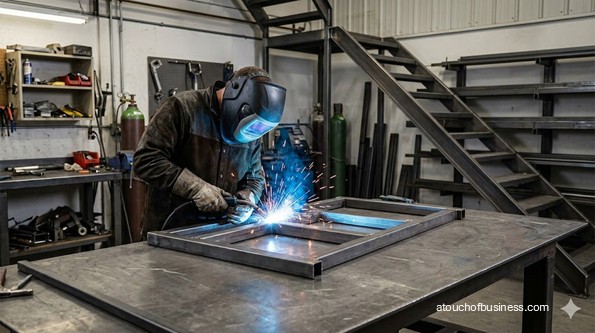
What to Know Before You Start Your Welding Business
A welding business provides metal repair, cutting, joining, and fabrication services for customers who need strong, clean, safe metal repairs or custom parts.
In a workshop-based setup, customers usually bring parts, drawings, or project requirements to your shop. Jobs may include repairing broken metal, building brackets, fabricating gates, welding frames, preparing railings, and handling small custom metal projects.
This is not a business to start only because you know how to weld. You need to price jobs, manage materials, keep the shop safe, verify local rules, and recognize when a job is outside your skill, equipment, or insurance coverage.
Before moving forward, compare this guide with a broader startup checklist, then bring the focus back to welding. A welding shop has its own safety, layout, equipment, and compliance concerns.
Owner Fit
A welding business fits you best if you enjoy hands-on shop tasks, careful measuring, problem-solving, customer conversations, and strict safety habits.
You may spend part of the day cutting, fitting, welding, grinding, moving metal, checking drawings, ordering supplies, and cleaning the shop. Some jobs are simple repairs. Others require more care because they involve load, fit, finish, or customer-supplied parts.
Consider your pressure tolerance. Can you handle sparks, heat, fumes, noise, heavy materials, and customers who expect quick answers?
Financial risk deserves equal thought. A shop may require rent, equipment, power, gas cylinders, insurance, tools, materials, and fire safety measures before steady revenue arrives.
Ask yourself this once: Are you moving toward something or running away from something?
Do not start a welding shop to escape a job, prove a point, or chase status. Start because you want the responsibility, the craft, the customer service, and the risk that come with owning the business.
Real Owner Input
Clarity comes from talking with owners who already run welding shops.
Speak only with owners you will not compete against. Look in another city, region, or market area. Prepare your questions before making contact so you do not waste their time.
Ask about shop layout, early equipment choices, gas suppliers, insurance, zoning, fire inspection issues, quoting mistakes, slow-paying customers, and jobs they would avoid at startup.
These owners are valuable because they have lived through the process firsthand. Their path will not match yours exactly, but their experience can surface problems that are hard to see from the outside.
For a deeper look at how owners think through real startup decisions, review guidance on getting advice from real business owners.
Local Demand
Do not lease a shop for a welding business until you know whether the local market can support the services you want to offer.
Look at the area around you. Are there farms, contractors, equipment owners, small manufacturers, property managers, trailer owners, restaurants, industrial parks, or repair-focused trades nearby?
Then look at the competition. Your area may already have mobile welders, machine shops, ornamental iron shops, structural steel fabricators, trailer repair shops, or general metal fabrication shops.
The goal is not to copy them. It is to determine whether enough demand exists for a shop-based welding business and whether customers are willing to bring parts or projects to your location.
Use your early conversations to test local supply and demand. Ask suppliers which materials customers order most often. Ask non-competing owners which jobs are common, which jobs are hard to price, and which jobs create safety or liability problems.
Service Focus
Settle on a clear service focus before buying equipment or signing a lease.
You might specialize in small repair jobs, light fabrication, gates, railings, brackets, racks, trailer parts, farm equipment repair, stainless items, aluminum parts, or decorative metalwork.
Each choice affects your equipment, materials, shop layout, insurance, pricing, and legal checks. Light repair welding differs from structural welding. Aluminum welding differs from basic mild steel repair.
Be careful with higher-risk jobs. Structural, load-bearing, pressure, vehicle safety, trailer, or code-governed projects may require qualifications, inspections, procedures, documentation, or local licensing checks.
You can also decide whether the shop will remain shop-based or offer limited pickup, delivery, or mobile welding. Mobile service changes vehicle setup, travel pricing, jobsite safety, insurance, and local contractor rules.
Start or Buy
A welding business can be started from scratch, but buying an existing shop is worth considering as well.
Starting from scratch gives you full control over the service mix, equipment, layout, name, pricing, and customer workflow. It also means building supplier accounts, safety systems, and local approvals from the beginning.
Buying an existing welding or fabrication shop may provide equipment, leasehold improvements, supplier contacts, customer history, and a known location. You still need to review the lease, permits, insurance history, equipment condition, staff skill, environmental concerns, and old job liability.
A franchise is not usually the primary path for a local welding shop. If a franchise-style option appears, review the fees, territory, equipment rules, service limits, and required operating procedures before treating it as a serious option.
The better choice depends on your budget, timeline, support needs, risk tolerance, available shops for sale, and how much control you want. You can compare both options at start from scratch or buy a business before deciding.
Business Plan
A welding business plan should turn your startup choices into a clear working document.
Do not make it generic. Use it to organize the decisions that affect your shop, your budget, and your opening readiness.
The plan should cover the welding services you will offer, the customers you expect to serve, the local demand you found, nearby competition, and the jobs you will not accept at launch.
It should also cover your shop space, power needs, ventilation, fume control, fire safety, equipment list, supplier accounts, permits to verify, insurance, pricing method, funding needs, and opening checklist.
For a welding shop, the plan should answer practical questions:
- What metals, thicknesses, and welding processes will you handle at launch?
- Will customers bring parts to the shop, or will you offer pickup or delivery?
- What jobs require special qualifications, inspections, or documentation?
- How will you price labor, materials, consumables, machine time, and overhead?
- What must be ready before the first paid customer job?
A general guide to writing a business plan can help, but your welding plan must stay tied to shop setup, safety, equipment, pricing, and local verification.
Legal Setup
A welding business requires standard business formation plus careful local checks tied to the shop space and the type of welding you plan to offer.
Choose a business structure before opening accounts, signing contracts, or taking customer jobs. Common choices include sole proprietorship, partnership, limited liability company, and corporation.
Your structure affects taxes, liability, paperwork, and banking. If you are unsure, speak with a tax professional or attorney before filing.
You may need to register a business name or Doing Business As name if the operation will run under a name other than your legal name or entity name.
Apply for an Employer Identification Number if your structure requires one. Many owners need it for banking, hiring, entity records, tax filings, and supplier forms.
Before making major purchases, review the basics of business licenses and permits, then verify the exact rules with your state, city, county, and local agencies.
Local Rules
A welding business may face different local rules depending on the address, services, employees, and job types.
Assume rules vary by U.S. jurisdiction for many shop-based requirements. Do not assume another city’s answer applies to your location.
Start with zoning. Ask the planning or zoning office whether welding, fabrication, grinding, metal storage, compressed gas storage, customer drop-off, truck access, noise, and exhaust are permitted at the address.
Then ask the building department about a certificate of occupancy. A welding shop may need approval before opening, especially if the space is changing from another use or requires electrical, ventilation, or build-out work.
Contact the fire marshal before finalizing the shop layout. Ask about hot work, fire extinguishers, welding curtains, compressed gas storage, flammable materials, exits, and fire watch expectations.
State tax rules also matter. Welding shops may sell fabricated items, repair parts, materials, or mixed labor-and-material invoices. Ask your state revenue department how sales and use tax applies to your exact services.
If the work will include installing railings, gates, stairs, structural parts, supports, or other construction-related metalwork, ask the state contractor licensing board whether a contractor or trade license applies.
Safety Setup
Safety must be built into the shop before the first customer project.
Welding exposes owners and employees to heat, sparks, fumes, ultraviolet light, burns, electric shock, eye injury, cuts, and crushed fingers or toes. Your setup must address those risks from the start.
Prioritize fire prevention over convenience. Keep combustibles away from welding and grinding areas. Set up fire extinguishers, welding blankets, spark control, and fire watch procedures where needed.
Eye and face protection, gloves, flame-resistant clothing, hearing protection, and safety footwear must all be in place before any paid job begins. Welding helmets and safety glasses are the minimum.
Fume control deserves special attention. Use ventilation, fume extraction, or local exhaust based on the process, material, and shop layout. Respirators may be needed in some cases, but they should not be the only control measure.
If hazardous chemicals, gases, cleaners, coatings, solvents, or aerosols are in use, prepare labels, Safety Data Sheets, and basic handling rules. If you hire employees, training and records become part of opening preparation.
Shop Space
The shop itself must support safe movement, clean workflow, and realistic material handling.
Do not choose a space only because the rent looks manageable. Confirm power, door size, truck access, floor condition, ventilation options, ceiling height, storage, lighting, and the ability to separate hot, dirty, and finished areas.
A practical welding shop needs areas for receiving material, customer drop-off, measuring, layout, cutting, fitting, welding, grinding, cooling, inspection, storage, scrap, finished projects, and office paperwork.
Think about how metal moves through the space. Poor layout slows every job and creates hazards when raw material, grinders, cylinders, cords, clamps, and finished pieces compete for the same floor space.
Decide whether customers will enter the shop or remain in a front area. If customers enter any part of the facility, the space needs clear boundaries, safe walkways, and a clean handoff point.
Power and Ventilation
A welding business can be limited by the building before it is limited by customer demand.
Confirm electrical service before leasing the space or buying machines. Some equipment requires dedicated circuits, higher amperage, 240-volt power, or three-phase power.
Your power plan should account for welding machines, plasma cutting, compressor use, grinders, saws, lights, ventilation, office equipment, and possible future additions.
Ventilation is equally important. Welding fumes, cutting fumes, grinding dust, and coating-related hazards need a clear control plan. Depending on your materials and processes, this may include fume extraction arms, portable fume extractors, general ventilation, or outside help with exposure assessment.
Noise, exhaust routing, neighboring properties, and fire review are worth evaluating as well. These details can determine whether a location is practical before you commit.
Core Equipment
Base your first equipment purchases on the services you plan to offer at launch, not on every possible welding job.
Common welding and cutting equipment includes MIG, TIG, stick, and flux-cored welders, plus plasma or oxy-fuel cutting equipment if those tools fit your service mix.
You will need welding leads, ground clamps, regulators, hoses, flowmeters, torches, contact tips, nozzles, cups, collets, filler rods, electrodes, welding wire, and other process-specific consumables.
Shop equipment typically includes welding tables, a bench vise, clamps, magnetic squares, carts, a compressor, grinders, a band saw or chop saw, a drill press, tool storage, material racks, and staging space.
Measuring tools matter more than many new owners expect. Tape measures, steel rules, squares, levels, calipers, angle finders, scribes, soapstone, punches, and templates all help prevent rework.
Do not overlook cleanup and waste. Plan bins for scrap, storage for used consumables, and a disposal method for regulated waste if applicable.
Suppliers
Reliable suppliers must be in place before customer jobs begin.
Set up accounts for metal, welding supplies, shielding gases, oxygen, acetylene or other fuel gases if used, abrasives, drill bits, saw blades, hardware, PPE, and equipment repair.
Ask gas suppliers about cylinder lease terms, exchange rules, delivery schedules, deposits, storage expectations, and emergency options. Running out of gas can stop a job even when your machines are fully operational.
Ask metal suppliers about mild steel, stainless steel, aluminum, tubing, plate, sheet, angle, channel, and pipe. If you plan to take jobs that require material documentation, ask whether they can provide mill certificates or material traceability.
Outside vendors for powder coating, machining, galvanizing, specialty cutting, testing, or scrap recycling may also be needed. Establish those relationships before you promise services that depend on them.
Pricing Decisions
Staying busy is not enough — if prices do not cover the full cost of each job, the shop runs at a loss.
Do not price only the weld bead. A quote may need to include customer discussion, measuring, layout, cutting, drilling, fitting, tack welding, welding, grinding, finishing, cleanup, inspection, and admin time.
Each job also needs to account for materials, consumables, shielding gas, machine time, outside services, rent, utilities, insurance, equipment payments, software, maintenance, and profit.
Common methods include an hourly shop rate plus materials, a fixed project quote, material plus labor plus markup, and a minimum charge for small repairs.
Written quotes matter. Use clear scope language, change approval terms, customer-supplied material notes, deposit rules, and final acceptance terms.
A deeper guide to pricing products and services can help, but your welding prices must reflect the real shop process from first review to final handoff.
Startup Costs
No single startup cost figure applies to every welding shop.
Your actual cost depends on the space, build-out, equipment level, electrical upgrades, ventilation, fire safety, inventory, suppliers, insurance, permits, staffing, and the type of jobs you plan to accept.
Main cost categories may include lease deposit, rent, utility setup, tenant improvements, welding machines, cutting equipment, compressor, fume extraction, fire safety, PPE, tables, fixtures, clamps, tools, racks, gas cylinders, initial metal inventory, consumables, software, permits, insurance, and working capital.
Some costs rise quickly. Electrical upgrades, ventilation, specialty machines, larger material inventory, structural job requirements, and employee hiring can all shift the budget significantly.
Build your budget from actual quotes. Get lease numbers, equipment prices, utility estimates, insurance quotes, permit fees, supplier terms, and realistic working capital needs before committing.
Funding and Banking
A welding business may need funding before the shop is ready to generate steady revenue.
Funding options include owner savings, equipment financing, equipment leasing, bank loans, a line of credit, SBA-backed loans, seller financing if buying a shop, or partner investment with a written agreement.
Keep the funding plan tied to real startup needs. Machines, ventilation, power, rent, materials, insurance, and working capital should be supported by quotes or clear estimates.
Open a business bank account before taking any payments. This keeps business transactions separate from personal ones from the start.
Depending on your bank and legal structure, you may need formation documents, an Employer Identification Number, ownership records, and local license information to open the account.
Set up payment processing before opening. Some customers may pay by card. Commercial customers often prefer check or ACH payment. Your invoice process should make deposits, final payments, and terms clear.
Insurance Checks
A welding shop carries real liability exposure. Insurance should be reviewed before customer jobs begin.
Common coverage for risk planning may include general liability, commercial property, equipment coverage, product or completed operations coverage, commercial auto if using a vehicle, inland marine coverage for tools in transit, umbrella coverage, and workers’ compensation when required.
If fabricated items will be installed, structural pieces handled, or higher-risk customer property involved, insurance questions become more serious. Explain your exact services to the agent. Do not assume a basic policy covers every welding job.
Workers’ compensation requirements depend on the state and whether you hire employees. Verify the rules with the state workers’ compensation office before hiring.
Do not treat insurance as a formality. It affects which jobs you can safely accept at launch.
Staff and Training
A welding business can start with the owner alone, but hiring changes the preparation process.
If you hire, decide whether you need a qualified welder, fitter, helper, shop assistant, estimator, or office support. The first hire should match the jobs you plan to accept, not simply fill a general gap.
Training should cover shop rules, PPE, fire prevention, cylinder handling, machine use, hazard communication, emergency procedures, and respirator use if respirators are required.
Some jobs may also require welder qualification records, procedure documents, material records, or inspection records. Do not accept those jobs unless you understand what the customer, code, insurer, or inspector expects.
Forms and Records
All paperwork should be ready before the first customer project.
Prepare quote forms, work orders, change approvals, invoices, deposit terms, customer-supplied material notes, and final approval language.
Keep business registration, tax records, lease documents, local approvals, insurance certificates, supplier terms, Safety Data Sheets, equipment manuals, maintenance logs, and safety procedures organized and accessible.
Certain jobs may also require drawings, specifications, material certificates, welder qualification records, welding procedure documents, inspection records, or customer acceptance records.
Clear records help prevent disputes and help you avoid accepting jobs that require documentation you cannot provide.
First Test Jobs
Run test jobs before opening the shop to customers.
Use a small repair or fabrication project to test the shop layout. Follow the full path: receive the piece, measure it, prepare the metal, cut, fit, weld, grind, inspect, clean, document, invoice, and store or hand off the finished item.
This test can reveal problems with lighting, clamps, table height, fume control, power, cord placement, staging, cleanup, scrap handling, and customer paperwork.
Test payment processing, quote forms, supplier ordering, gas levels, fire watch procedures, and end-of-day cleanup as well.
Do not wait for a paying customer to find out the shop is not ready.
Opening Readiness
The shop should open only after it is safe, legal, equipped, insured, and ready to accept the first customer job.
Use this checklist before launch:
- Service focus is clear.
- Local demand and competition have been checked.
- Business structure, name, tax setup, and bank account are in place.
- Zoning, certificate of occupancy, fire review, and permits have been verified.
- Contractor or trade licensing has been checked for planned job types.
- Electrical capacity, ventilation, and fume control are ready.
- Welding machines, cutting tools, clamps, tables, PPE, and fire safety items are ready.
- Gas, metal, welding supply, and equipment repair vendors are set up.
- Insurance is active before customer jobs begin.
- Quote forms, invoices, work orders, and change approval forms are ready.
- Safety Data Sheets, labels, emergency contacts, and required notices are in place.
- Payment processing and accounting tools are ready.
- A test job has confirmed the shop workflow.
Do not accept high-risk jobs early unless you have verified qualifications, inspection needs, legal rules, documentation, and insurance.
Daily Snapshot
Before opening, understand what the daily rhythm actually looks like.
A typical startup-stage day may begin with checking machines, cylinders, PPE, and the work area. Then comes reviewing a customer part, measuring it, cutting material, fitting pieces, tack welding, completing welds, grinding, inspecting, and preparing the item for pickup.
Between shop tasks, you may answer questions, call a supplier, prepare a quote, order steel, update records, clean scrap, check fire safety, and send an invoice.
This snapshot is not a long-term operations plan. It is a reality check. If this daily mix sounds draining, think carefully before investing in the shop.
Main Red Flags
Early startup decisions, if rushed, can create serious problems before the shop even opens.
The biggest warning sign is signing a lease before zoning, certificate of occupancy, fire review, compressed gas storage, ventilation, power, and build-out needs are confirmed.
A close second is buying equipment before choosing your service focus. A repair shop, ornamental metal shop, stainless shop, aluminum shop, and structural welding shop may each require different tools, supplies, skills, and insurance checks.
Watch for these startup risks:
- Poor shop layout that slows cutting, fitting, welding, grinding, and cleanup.
- No fume extraction or ventilation plan.
- No fire prevention plan for sparks, slag, grinding dust, and combustibles.
- Weak pricing that ignores setup time, materials, consumables, machine time, overhead, and cleanup.
- Accepting structural, trailer, pressure, vehicle safety, or code-governed jobs too soon.
- No written quote, scope, change approval, or customer acceptance process.
- No reliable supplier plan for gas, metal, abrasives, and replacement parts.
- No insurance review for completed operations or installed items.
- Too little working capital for rent, materials, consumables, and slow-paying invoices.
If several of these apply, pause before opening. Fix the weak points first.
Frequently Asked Questions
A welding business raises practical questions before launch, especially for first-time owners.
Is a welding business a good fit for a first-time owner?
It can be if you already have strong welding skill, safety discipline, basic estimating ability, and comfort with physical shop tasks. If you enjoy welding but dislike customers, paperwork, pricing, and safety rules, think carefully.
What should I verify before buying equipment?
Verify your service focus, materials, metal thickness, shop power, ventilation, budget, and supplier support. Also confirm whether your first jobs require MIG, TIG, stick, flux-cored welding, plasma cutting, or oxy-fuel cutting.
Do I need a special welding license?
Not everywhere. Rules vary by location and job type. Basic shop repair may involve only standard business registration and local approvals, while installation, construction-related welding, or structural jobs may trigger contractor or trade licensing checks.
Do I need a certificate of occupancy?
It depends on the location and building use. A physical welding shop may need one before opening, especially if the space changes use or requires build-out, electrical, ventilation, or fire review.
What compliance checks matter most?
Check zoning, certificate of occupancy, fire review, compressed gas storage, hot work rules, OSHA safety duties if you hire, Hazard Communication, waste handling, sales tax, and contractor licensing for installed or structural jobs.
What equipment should I buy first?
Buy what matches your first services. Many shops need welding machines, cutting tools, tables, clamps, grinders, measuring tools, PPE, fume control, cylinder storage, fire safety equipment, and supplier accounts.
Can I start from home?
This guide focuses on a workshop-based setup. Home-based welding may face zoning, home-occupation, fire, noise, customer traffic, compressed gas, ventilation, and insurance restrictions. Verify local rules before buying equipment.
Should I offer mobile welding too?
Only if you are prepared for vehicle setup, travel pricing, customer-site safety, insurance, contractor rules, and hot work controls. Mobile welding changes the startup model.
What belongs in my business plan?
Include service focus, customer types, local demand, competitors, shop needs, equipment, safety setup, legal checks, supplier accounts, startup costs, pricing, funding, insurance, staffing, and opening readiness.
How should I set prices?
Build prices from labor, materials, overhead, consumables, gas, machine time, outside services, finishing, and profit. Small repairs may also need a minimum shop charge.
Is welding certification required?
Not universally. Some customers, industries, jobs, or specifications may require certification or welder qualification. Verify requirements before accepting code-governed, structural, or documented jobs.
When does structural welding become more complex?
It becomes more complex when fabricating or installing load-bearing parts, railings, stairs, supports, frames, or building-related components. Check licensing, standards, inspections, qualifications, insurance, and documentation first.
What should be ready before the first customer job?
Your shop location, equipment, PPE, fume control, fire safety, cylinder storage, supplier accounts, insurance, quote forms, payment setup, Safety Data Sheets, emergency procedures, and test workflow should all be in place.
Which startup costs vary the most?
Facility build-out, electrical upgrades, fume extraction, equipment level, metal inventory, insurance, permits, staffing, and the choice between basic repair and higher-spec fabrication can all shift the budget significantly.
Advice From Welding Business Owners
Hearing from people who already run welding and fabrication businesses can help you see what startup guides cannot always show.
The owners talk about pricing, customer expectations, equipment choices, scheduling, shop setup, mistakes, and the pressure of turning welding skill into a real business.
The resources below offer practical insight from welders, fabricators, and shop owners who have been through the process.
- Spark Your Success: Tips on Starting a Welding Business – Miller shares advice from welding business owners Gregg Whitehall of Metalsmoke Design and Missy Powell of S.M.T. Metals on equipment, customers, challenges, and moving from side jobs to full-time ownership.
- 8 Tips for Starting a Welding Business – The Fabricator gathers startup advice from welding business owners for people who want to own and operate their own welding business.
- 10 Lessons From Starting a Welding Business in Your 40s – The Fabricator profiles Scott Davis of ProRanch Welding and the lessons he learned after launching a welding business later in his career.
- Starting a Welding Business: What I Wish I Knew – Arc Junkies and AWS interview Kevin Johnson, host of the Welding Business Owners Podcast and owner of JAMW Fabrication, about pricing, bidding, licensing, insurance, client management, and surviving the first year.
- Sam Hackman – Fortitude Welding and Fabrication – Welding Business Owner Podcast interviews Sam Hackman about transitioning into full-time business, shop versus field work, pricing, scheduling, equipment purchases, employees, and customer service.
- Finding Time To Grow Your Welding Business With Ashley Dunlap – WELD interviews Ashley Dunlap of Ashe’s Custom Welding about starting a welding business while working full time, sourcing materials, handling early challenges, and building momentum.
- How to Start Your Own Welding Business: FABTECH Panel – This video panel covers questions about starting a welding business and gives readers another format for hearing advice from people connected to the trade.
Related Articles
- How To Start a Blacksmith Business
- How To Start an Auto Body Repair Shop
- Starting a Construction Business
- How To Start Farm Equipment Repair Service
- Start an Elevator Installation & Repair Business
Sources:
- OSHA: Welding Standards Overview, Welding Hazards, Welding General Requirements, Oxygen-Fuel Gas Rules, Eye and Face Protection, Respiratory Protection, Recordkeeping Requirements, Small Employer Exemption
- IRS: Get an EIN, Business Structures
- SBA: Choose Structure, Licenses and Permits, Write Business Plan, Fund Your Business, SBA Loans, Open Bank Account, Buy or Franchise, Franchise Directory
- EPA: Waste Generator Categories, Very Small Generators
- U.S. DOL: Workers’ Compensation, Major Labor Laws
- BLS: Welder Work Profile, Fabricated Metal Products
- O*NET: Welder Tasks
- U.S. Census Bureau: NAICS Metal Fabrication
- American Welding Society: Certified Welder Program, Certified vs Qualified, Structural Welding Code
- AISC: Certified Fabricators
- California CSLB: C-60 Welding Contractor
- NFPA: NFPA 51B Hot Work
- Miller: Welding Equipment, Fume Extraction, Plasma Cutters
- Grainger: Portable Fume Extractors
- The Fabricator: Estimating Basics, Job Shop Estimating