
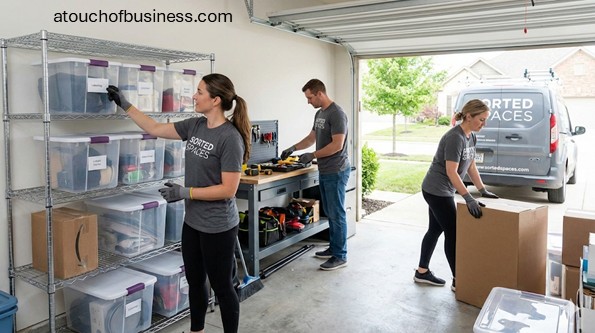
Licenses, Insurance, Tools, And Pricing Setup Basics
You know that moment when you open the garage door and think, “I’ll deal with this later”? Then later turns into months. Boxes stack up, tools vanish, and the space stops being useful.
A garage organizing business exists because that’s common. You help people sort what they have, plan where it should go, and set up storage systems so the garage works again.
Before you touch the business side, pause and check your readiness. Fit matters first. Is owning a business right for you, and is this business right for you? If you want a deeper reality check, read Points to Consider Before Starting Your Business.
Next is passion. This work is hands-on and problem-solving shows up fast. Passion helps you stick with the job when the space is dusty, the plan changes mid-project, or a client is overwhelmed. If you want to test that part of you, read How Passion Affects Your Business.
Now ask the question that exposes bad reasons fast: “Are you moving toward something or running away from something?” If you’re starting only to escape a job you hate or financial stress, you can rush into the wrong setup and the wrong promises.
Here’s the reality check. Income can be uncertain at the start. Hours can run long. The work can be physically demanding, and you carry the responsibility when something goes wrong. Vacations may be fewer early on. You also need family support, the right skills (or help from someone who has them), and enough funding to start and operate until money is steady.
One more requirement before you commit: talk to owners in this business, but only talk to owners you will not be competing against. That means a different city, a different region, or a different service area. Ask questions like: “What type of job surprised you the most?” “What did you stop offering because it caused problems?” and “What did you wish you bought before your first paid project?”
Most people can start this business on their own as a mobile service. You can add helpers later, and you can expand into selling and installing storage systems once you understand local rules and your real demand.
What A Garage Organizing Business Offers
At launch, your offer usually has three parts: sorting, planning, and setup. Some owners add product sourcing and installation if it fits their skills and local rules.
You can keep it simple at the start. Your job is to help a client decide what stays, what leaves, and how the remaining items get stored so the space is usable.
- On-site assessment: measurements, photos (with permission), item categories, and space constraints
- Sorting and decluttering support: keep, donate, recycle, discard decisions led by the client
- Zone planning: tools, sports gear, yard equipment, seasonal storage, hobby areas
- Storage planning: bin systems, shelf placement, wall storage, overhead storage, cabinet layouts
- Labeling and simple tracking: bin labels, shelf labels, and “home base” locations for common items
- Product sourcing guidance: a product list the client can buy, or products you supply if you choose to resell
- Assembly and installation (as applicable): mounting and setup of storage systems when allowed and within scope
Who Your Customers Are
Most early customers are residential. They want the garage to hold what they own without stress, and they want it to stay that way.
You may also choose light commercial projects, but that depends on your comfort and your local licensing rules.
- Homeowners who want parking space back or safer storage
- New movers who need a garage setup after a move
- Home sellers preparing for listing photos and showings
- Families with sports gear, bikes, and seasonal items that need assigned zones
- Hobby and workshop households that need tool and material organization
- Small offices or back-room storage areas (only if you choose to serve them)
How Does A Garage Organizing Business Generate Revenue
You generate revenue by charging for time and expertise, and sometimes by charging for products and installation.
Your pricing structure should match what you actually do. If you’re planning, sorting, labeling, and installing, those are different kinds of work and should be priced clearly.
- Hourly organizing work: time-based pricing for sorting, zoning, and labeling
- Project pricing: a fixed price for a defined scope and deliverables
- Consultation and plan fee: measurement and storage plan, with optional add-on work
- Installation fees: labor for assembly and mounting when offered
- Product resale (optional): storage systems and supplies you sell to the client, which can trigger sales tax rules
If you want guidance on setting your rates in a practical way, see pricing your products and services so you can compare methods without guessing.


Pros And Cons To Know Up Front
Every startup has tradeoffs. This one can be straightforward to launch, but it can also get complicated if you mix organizing with installation and product resale.
Know what you’re signing up for before you buy tools or print cards.
- Pros: Can be started as a mobile service; flexible scheduling; can begin as a solo owner; clear customer pain point
- Cons: Physically demanding work; safety risks with ladders and power tools; local rules may apply if you install fixed systems; sales tax rules may apply if you resell products
Business Models That Work At Launch
You don’t need to pick the most complex model on day one. A clean, focused offer is easier to explain, price, and deliver.
Start with what you can do well and what your area actually wants, then expand as your process becomes consistent.
- Consult and plan only: you measure, plan, and provide a storage plan; the client does the work or hires help
- Organizer-only: you sort, zone, and label; you avoid permanent mounting work
- Organizer plus installation: you organize and install storage systems when allowed and within scope
- Product-forward model: you resell storage products and include installation; this may add sales tax registration needs
- Partner model: you handle planning and organizing; a qualified installer handles regulated or higher-risk work
Skills You Need Or Need To Cover
You don’t have to be perfect at everything. But you do need coverage for the core skills, either by learning them or getting help.
At launch, consistency matters more than fancy tools.
- Accurate measuring and basic space planning
- Safe tool use and safe ladder use (if installing)
- Clear communication and scope control
- Decision support for sorting without pressure
- Basic installation competence if you offer mounting work
- Photo and documentation habits (with client permission)
- Basic bookkeeping and recordkeeping, or a plan to use a bookkeeper
Essential Equipment And Supplies
Your needs depend on your business model. A consult-and-plan business needs fewer tools than an organizer who also installs wall storage and overhead systems.
Buy based on your real offer. Avoid stocking products until you’ve confirmed what clients want and what you can store legally at your base location.
- Measurement And Planning
- Tape measures (standard and long)
- Laser measure
- Stud finder
- Level
- Notepad or tablet for plans
- Camera or phone for project photos (with permission)
- Assembly And Installation Tools (If Offered)
- Drill and driver with bits
- Hand tools (screwdrivers, wrenches, pliers, socket set, hex keys)
- Hammer and mallet
- Utility knife and scissors
- Fasteners and anchors that match manufacturer specs for the systems you install
- Step ladder
- Sorting, Staging, And Protection
- Sorting bins and totes for staging
- Folding table for staging items
- Drop cloths or protective floor covering
- Painter’s tape for marking zones
- Dolly or hand truck
- Contractor bags and basic trash bags
- Labeling And Organizing Supplies
- Label maker and label tape refills
- Permanent markers
- Hook-and-loop straps and zip ties
- Clear bins in multiple sizes
- Shelf labels and bin labels
- Cleaning And Light Debris Control
- Shop vacuum
- Broom and dustpan
- Microfiber cloths
- Basic surface cleaner (client-approved and used per label directions)
- Safety Gear
- Work gloves
- Eye protection
- Hearing protection (when using power tools)
- Dust mask or respirator appropriate to conditions
- First aid kit
- Transportation And Job Logistics
- Vehicle capable of carrying tools, bins, and flat-packed storage products
- Tie-down straps
- Tool cases and storage organizers
- Admin And Documentation
- Service agreement templates (digital or printed)
- Scheduling and invoicing system
- Payment processing method
- Photo consent form (optional but useful)
Startup Essentials And Typical Cost Drivers
You’ll spend more if you install systems, carry inventory, or run a commercial space. You’ll spend less if you stay mobile and start with planning and organizing only.
If you want a structured way to plan, use this guide to estimating startup costs so you don’t forget common categories.
- Business setup: state filing fees, local licensing fees, permits (varies by location)
- Tools and supplies: measurement tools, labeling, sorting bins, safety gear
- Vehicle costs: fuel, maintenance, and business-use coverage if needed
- Software and admin: invoicing, scheduling, accounting support
- Brand basics: website, logo, business cards, and simple signage if used
- Storage systems (optional): sample materials or resale inventory, if you choose that model
Red Flags To Watch For Before You Say Yes
Some garages are more than clutter. You want to spot risks early, before you commit to a scope you can’t safely deliver.
If you see these, pause and reset expectations before you accept payment.
- Household hazardous waste: paints, oils, batteries, pesticides, and similar items may need special disposal rules; the United States Environmental Protection Agency explains why special care is needed on its Household Hazardous Waste page
- Pest or mold signs: droppings, nesting material, strong odors, visible growth
- Unsafe mounting surfaces: damaged walls, rotting wood, unstable ceilings
- Requests for regulated work: electrical changes or structural changes outside your scope
- Permission gaps: tenant requests for permanent installs without landlord approval
- Unknown chemical containers: “mystery liquids” or unlabeled containers
Day-To-Day Activities And A Day In Your Life
Once you’re booking first jobs, your days are mostly planning, travel, and hands-on work. It’s simple, but it moves fast when you’re the only person doing it all.
A typical day often starts with confirming the project plan, loading your tools, and arriving with a clear scope. You measure, stage items, guide sorting decisions, set zones, and label as you go.
If installation is part of your offer, you may assemble and mount storage systems and do a final walk-through. Your day ends with sending the invoice, saving your notes, and restocking supplies for the next project.
Step 1: Decide Your Exact Service Scope
Start by defining what you will do and what you will not do. Will you only sort and set zones, or will you also install wall storage and overhead systems?
Clear scope protects you. It also makes pricing easier because you’re not inventing the job while standing in a crowded garage.
Step 2: Choose Your Launch Model And Your Staffing Plan
This is usually a solo-friendly startup. You can start as the owner doing planning and organizing, then add part-time help later if demand supports it.
If you plan to install systems, decide whether you will do it yourself, subcontract it, or limit installs until you confirm what your state and city allow.
Step 3: Validate Demand And Profit Potential
Don’t assume demand just because garages get cluttered. Validate it in your area by checking how many local businesses offer similar services, how booked they seem, and what their service areas look like.
Then run the math. Can you cover supplies, travel, business setup costs, and still pay yourself? If you want help thinking through demand, review how supply and demand affects your business.
Step 4: Study Competitors And Find A Clear Position
List your direct competitors: professional organizers, garage storage installers, and handyperson services that install shelving and racks.
Look for patterns in their offers. Are they selling systems, charging for organizing time, or doing both? This helps you set a clear offer instead of blending into the background.
Step 5: Define Your Service Area And Your Base Location
This business doesn’t depend on foot traffic if you’re mobile. Your “location” is mostly your service radius, travel time, and where you store tools and supplies.
If you plan to keep inventory or operate from a commercial space, you’ll need to confirm zoning rules and building requirements locally.
Step 6: Build A Startup List And A Cost Plan
Write a complete list of what you need for your first paid project: measuring tools, labeling supplies, staging bins, safety gear, and an invoicing method.
Keep your first purchases tied to your offer. If you’re not installing yet, don’t buy specialized mounting tools you won’t use for months.
Step 7: Write A Business Plan You Can Use
You don’t need a long document to start, but you do need a plan you can follow. Your plan should cover your offer, pricing approach, target customer types, and how you’ll get your first clients.
If you want a step-by-step structure, use this guide on how to write a business plan and keep it focused on launch decisions.
Step 8: Decide How You Will Fund The Start
Many owners start with personal savings because the startup can be lean. If you’re buying inventory, adding a commercial space, or purchasing a vehicle for business use, funding needs can rise fast.
If you plan to borrow, review how to get a business loan so you understand what lenders look for and what paperwork is common.
Step 9: Open Business Accounts At A Financial Institution
Separate your business and personal money early. It keeps your records cleaner and makes tax time easier.
Ask what documents your financial institution requires based on your entity type and whether you have an Employer Identification Number.
Step 10: Pick A Business Name And Lock In Your Digital Basics
Your name needs to be available where you plan to register, and it should be usable as a domain name. Check your state’s business name search through the Secretary of State site before you print anything.
For a simple process, see how to select a business name so you cover availability, clarity, and basic brand fit.
Step 11: Choose Your Entity Path And Register The Business
Many owners begin as a sole proprietor because it’s simple. As the business grows, some owners form a limited liability company to match their risk level and goals.
To learn the common structure options and what they mean in broad terms, the Internal Revenue Service outlines major business structures. For the actual filing steps, follow your state Secretary of State process and use this guide on registering a business to stay organized.
Step 12: Get An Employer Identification Number When You Need One
You may need an Employer Identification Number depending on your setup and plans. The Internal Revenue Service provides official guidance on getting an Employer Identification Number.
If you plan to hire, open certain accounts, or form certain entities, handle this step early so other setup steps do not stall.
Step 13: Handle State Tax Registration If You Sell Products
If you only provide labor and planning, you may not need sales tax registration, depending on your state and how services are treated. If you resell storage products, sales tax rules often become part of your launch.
Because this varies, verify with your state tax agency. As examples of official state guidance, see California’s Get a Seller’s Permit page and Texas’s Sales Tax Permit Requirements page.
Step 14: Confirm Licenses, Permits, And Local Rules
Most small businesses need some mix of licenses and permits, and requirements change by activity and location. The Small Business Administration explains how to approach this on its Apply for licenses and permits page.
Keep your local verification simple. Check city or county business licensing first. Then ask zoning about home occupation rules if you operate from home. If you use a commercial space, ask the building department about Certificate of Occupancy requirements.
Also confirm whether your installation work triggers contractor or handyperson licensing rules in your state. If you’re mounting systems to walls or ceilings, do not assume it’s always unregulated.
Step 15: Decide How You Will Handle Household Hazardous Waste
Garages often contain paints, oils, batteries, and pesticides. These can require special care for disposal. The United States Environmental Protection Agency explains the basics on its Household Hazardous Waste page.
Set a written rule for your business before your first job. Will the client handle disposal through local programs, or will you decline any removal and only organize around those items?
Step 16: Plan Insurance And Risk Controls
Some coverage is common in service businesses, but legal requirements vary. Workers’ compensation rules are set by states and often apply once you hire employees.
For a clear overview of common business coverage types to discuss with a licensed insurance professional, see business insurance basics.
Step 17: Set Your Pricing Structure And Quote Rules
Decide how you quote before you start taking calls. Will you price by the hour, by the project, or with a plan fee plus optional hands-on work?
Keep your quote tied to scope. If installation is included, make sure your quote separates organizing work from installation work so the client understands what they’re paying for.
Step 18: Choose Suppliers And Product Standards
If you recommend or resell storage products, you need a short list of reliable suppliers. Focus on product fit, weight ratings, warranty terms, and installation instructions.
If you plan to resell, confirm how returns, damaged goods, and warranty claims are handled before you place your first bulk order.
Step 19: Create Your Brand Identity And Basic Materials
You don’t need a full brand package to start, but you do need consistency. A simple logo, clean fonts, and a clear service description go a long way.
If you want a structured approach, review corporate identity considerations, then decide what you actually need for launch.
Step 20: Build Your Website And Simple Digital Footprint
Most clients will look you up before they call. A basic site with your service area, what you offer, and how to contact you can be enough at launch.
If you need a practical guide, see an overview of developing a business website. Secure your domain and matching social handles early, even if you do not post often yet.
Step 21: Prepare Your Paperwork And Payment Setup
Before you book paid work, create a service agreement that defines scope, exclusions, and client responsibilities. If you plan to use before-and-after photos, add a separate permission form.
Set up invoicing and a way to accept payment that matches how your customers prefer to pay. Also decide how you handle deposits, cancellations, and change requests.
Step 22: Build Proof Assets Without Overcomplicating It
Early trust matters. If you have permission, document a pilot project with clear photos and a short explanation of what changed.
Keep it honest. A simple “before, plan, after” story is often enough for a first website and first referrals.
Step 23: Create Your First Marketing Plan
You don’t need a big campaign. You do need a clear plan for how people will find you and why they will choose you.
Common early channels include local search listings, referrals from real estate agents and movers, neighborhood groups that allow business posts, and partnerships with installers and cleaning services.
Step 24: Decide When And How You Will Add Help
You can stay solo for a long time if your projects are small and your schedule is controlled. If demand grows, decide whether you’ll add part-time help, subcontractors, or a partner.
If you’re thinking about hiring soon, review how and when to hire so you understand the setup steps that can follow.
Step 25: Run A Final Pre-Launch Check Before Your First Full Month
Do a last pass on compliance and readiness. Confirm your local business license status, zoning rules for your base location, and any state registration you completed.
Then do a gear check, confirm your pricing rules, confirm your agreement templates, and schedule your marketing kickoff. If you want a broader behind-the-scenes view of what ownership can look like, read Business Inside Look.
Quick Recap
A garage organizing business can be a lean, solo startup. Your biggest early choices are scope, pricing, and whether you install fixed systems or keep the work to organizing and planning.
Validate demand in your service area, pick a business structure you can manage, handle licensing and tax steps based on what you sell and how you work, then launch with clear paperwork and a simple marketing plan.
Is This The Right Fit For You?
This business can suit you if you like practical problem-solving, you can stay calm when clients feel overwhelmed, and you can keep scope clear when a job starts to sprawl.
It may not fit if you want fast, predictable income right away, or if you dislike hands-on work and jobsite conditions.
Do a quick self-check. Can you answer “yes” to most of these without forcing it?
- “I can guide decisions without pressuring someone.”
- “I can set clear boundaries and stick to them.”
- “I have the tools or a plan to get them before I book paid work.”
- “I can handle uncertain income early on, and I have support if it takes time.”
- “I’m starting for the right reason, not just to escape a situation.”
101 Tips for Managing Your Garage Organizing Business
These tips pull from real business basics, job-site realities, and customer expectations.
Some will fit your situation right now, and some won’t.
Save this page so you can come back when your needs change.
Try one tip, use it this week, then return when you’re ready for the next.
What to Do Before Starting
1. Write your service scope in plain language, including what you will not do, so you can keep every job consistent.
2. Decide whether you will only organize or also install storage systems, because installation can change your licensing and insurance needs.
3. Pick a service radius that you can handle without losing half your day to driving, then build your scheduling around that boundary.
4. Create a pre-visit checklist for clients (clear floor access, vehicle moved, pets secured, decision-maker present) to prevent delays.
5. Build a photo permission form before you take any “before and after” pictures, even if the client seems fine with it verbally.
6. Set a written policy for hazardous household items (paint, pesticides, fuels, unknown chemicals) so you are never deciding on the spot.
7. Draft a simple service agreement that covers scope, exclusions, change requests, and what happens if the job site is unsafe.
8. Choose a pricing structure you can explain in two sentences (hourly, flat project, or plan fee plus labor) and stick to it for your first 20 jobs.
9. Build a starter kit list for your first job and a restock list for every job after, so you don’t run out of labels, tape, or bags mid-project.
10. Line up at least two suppliers for bins and storage hardware so you have a backup when an item is out of stock.
11. Set up a record system for quotes, invoices, receipts, and job notes from day one, because fixing messy records later is painful.
What Successful Garage Organizing Business Owners Do
12. They measure twice and document once, then use the same measurement process on every job to avoid layout errors.
13. They define “done” at the start (zones, labels, storage limits, parking space goals) so the client can see progress.
14. They guide decisions without pressure by asking, “When was the last time you used this?” and “Where will this live?”
15. They keep a standard set of zone templates (tools, sports, yard, seasonal, household overflow) and customize from there.
16. They use clear container labeling rules (front-facing, consistent wording, no vague labels like “miscellaneous”) so the system lasts.
17. They stage items in one controlled area during sorting so the garage stays safe and walkable.
18. They separate organizing time from installation time in their quotes so clients understand what each part costs.
19. They keep a short “client homework” list for after the job (where to put new purchases, how to keep overflow in check).
20. They take job notes immediately after finishing, while details are fresh, then use those notes to improve the next job.
21. They protect their reputation by turning down unsafe work instead of trying to “push through” a risky situation.
Running the Business (Operations, Staffing, Standard Operating Procedures)
22. Use a standard job workflow: assessment, plan, sort, zone, install or set up, label, walkthrough, then closeout notes.
23. Block your calendar with travel buffers so one late job does not wreck the rest of your week.
24. Require a decision-maker to be present for key sorting decisions, or the job can stall and turn into paid waiting time.
25. Track time by job phase (planning, sorting, setup, install, labeling) so you can price future jobs with real data.
26. Create a “minimum job” rule (minimum hours or minimum price) so small jobs do not dominate your schedule.
27. Keep a written change-request process so clients know how added work affects timing and price.
28. Store client photos and notes in a secure system with limited access, and keep only what you need to do the job.
29. Keep a separate tool kit for installation work so you are not hunting for fasteners or bits while the client watches.
30. Inspect ladders and tools before each job and remove damaged equipment from service immediately.
31. Use personal protective equipment when conditions call for it, especially eye protection and gloves in dusty or sharp-item garages.
32. Build a “stop work” rule for hazards like exposed wiring, unstable ceilings, strong chemical odors, or visible mold growth.
33. If you hire helpers, train them on your labeling rules, zone rules, and safety rules before they step onto a job site.
34. If you have employees, learn the federal rules for verifying work authorization and keep required employment records.
35. If you have employees, follow federal wage and hour record rules and keep payroll documentation in an organized system.
36. Use a pre-job confirmation message that repeats date, arrival window, expected duration, and what the client must prepare.
37. Set up a clear payment schedule (deposit, progress payment, final payment) so you are not chasing money after the job.
38. Keep receipts tied to each job so you can track job-level profit and spot waste fast.
39. Review your job pipeline weekly and decide what to accept, what to schedule, and what to decline so your calendar stays stable.
What to Know About the Industry (Rules, Seasons, Supply, Risks)
40. Know your local rules before you install wall-mounted or ceiling-mounted systems, because some work can trigger contractor requirements.
41. Treat chemical storage and disposal as a safety issue, not a convenience issue, and direct clients to local hazardous waste programs.
42. Expect seasonal demand spikes around spring cleaning, summer moves, and pre-holiday decluttering, then plan staffing and marketing around those peaks.
43. Learn basic ladder safety rules and enforce them on every job, because a fall can end a project and create serious liability.
44. When you see mold, treat it as a health risk and avoid disturbing it; advise clients to use qualified help when needed.
45. Expect supply changes for bins, racks, and cabinets, and keep alternative product options ready so you can keep jobs on schedule.
46. Use manufacturer instructions for weight limits and mounting requirements, and keep those instructions in the job file.
47. Treat “free space” as a design constraint; if you do not set storage limits, clutter will expand to fill the garage again.
48. Plan for disposal logistics before the job day (donation drop-off, recycling, bulk pickup options) so the project does not stall.
49. Avoid transporting unknown chemicals or unlabeled containers, because disposal rules and risks vary widely by jurisdiction.
50. If you operate as a mobile service, your “location” risk is mostly driving and job-site safety, so plan around those two realities.
51. If you resell products, learn your state sales tax rules and set up compliance before you sell anything to a client.
Marketing (Local, Digital, Offers, Community)
52. Pick one primary offer for marketing (for example, “garage reset” or “garage zone setup”) so prospects quickly understand what you do.
53. Build a simple portfolio with a handful of strong photo sets, each showing the problem, the plan, and the result.
54. Create a short checklist lead magnet (without prices) that helps homeowners self-assess their garage, then use it to start conversations.
55. Keep your service area clear in every listing and profile so you do not attract leads you will not serve.
56. Make your phone response process fast: answer, confirm area, confirm timeline, then schedule a consult.
57. Ask every happy client for a review within 24 to 48 hours while the result still feels fresh.
58. Build referral relationships with real estate agents, moving companies, and cleaning services, because they meet your ideal clients first.
59. Create a seasonal campaign calendar (spring reset, pre-move prep, pre-winter storage) so marketing is planned instead of reactive.
60. Use simple before-and-after education posts that explain the “why” behind zones and labels, not just the photos.
61. Offer clear add-ons that fit your core work (label upgrade, overhead storage setup, tool-wall setup) instead of random extras.
62. Track where every lead comes from and drop the channels that do not produce paying jobs.
63. Keep your branding consistent on estimates, invoices, and your website so clients recognize you across every touchpoint.
Dealing with Customers (Trust, Education, Retention)
64. Start each job by confirming the client’s top three goals, then repeat those goals at the end during the walkthrough.
65. Explain your sorting method before you begin so clients do not panic when items move into staging piles.
66. Watch for decision fatigue and build short decision breaks into the job, because exhausted clients start saying “keep everything.”
67. Use neutral language when clients struggle to let go of items; your role is support, not judgment.
68. Ask about vehicle needs early (parking, access, charging, garage door clearance) so the final plan does not block daily life.
69. Confirm what must remain accessible (kids’ gear, tools, seasonal items) so your zones match real routines.
70. Offer a “maintenance plan” in plain language: what goes where, what limits matter, and what to do when a bin overflows.
71. When a client wants to store hazardous items, redirect to safe storage and disposal guidance and keep your scope clear.
72. Create a simple rebook reason (seasonal reset, post-move setup, annual purge) so clients have a natural next step.
73. After the job, send a short summary of zones and labels so the client can keep the system working without guessing.
Customer Service (Policies, Guarantees, Feedback)
74. Write a cancellation policy that protects your schedule and explain it before the client confirms the job.
75. Use arrival windows instead of exact times when traffic and prior jobs can shift your day.
76. Keep a damage-report process that is calm and immediate: document, notify, and resolve using your written terms.
77. Avoid “lifetime” promises; if you offer a guarantee, keep it narrow, time-limited, and tied to specific work you control.
78. Create a standard client satisfaction check at the end: walk the zones, test doors and access, and confirm labels make sense.
79. Ask for feedback with specific prompts like, “What felt easiest?” and “What still feels confusing?” so you get useful answers.
80. Save common complaints and build fixes into your process, so your service improves without you needing to remember each case.
81. If a client is unhappy, offer a structured solution window (return visit or adjustments) instead of arguing by text message.
Sustainability (Waste, Sourcing, Long-Term)
82. Build a short list of local donation options and verify what they accept before you show up with items.
83. Separate recycling streams on site (cardboard, metal, electronics) so disposal is simpler and safer.
84. Encourage clients to choose durable, reusable bins instead of flimsy containers that crack and create future clutter.
85. Keep chemicals and unknown liquids out of normal trash planning and direct clients to their local hazardous waste program.
86. Use a “shop what you already own first” rule to reduce unnecessary purchases and keep the plan realistic.
87. Recommend storage solutions based on item weight and access needs, not aesthetics alone, so systems last longer.
88. Keep leftover hardware and manuals in a labeled pouch for the client, because that small step prevents future frustration.
Staying Informed (Trends, Sources, Cadence)
89. Review safety guidance for ladders, protective gear, and job-site hazards at least twice a year, then update your rules.
90. Check your city or county hazardous waste guidance regularly because collection events and rules can change.
91. Follow updates from professional organizing associations so you stay current on ethics, confidentiality, and client care expectations.
92. Re-check federal tax and recordkeeping guidance annually so your bookkeeping habits stay aligned with current rules.
93. Keep a simple improvement log and add one process upgrade per month, so the business improves without chaos.
Adapting to Change (Seasonality, Shocks, Competition, Tech)
94. Build a slow-season plan that includes follow-up work, portfolio upgrades, and outreach to referral partners.
95. Offer multiple scheduling options (weekday, weekend, split sessions) so you can capture clients with different routines.
96. When competitors drop prices, compete on clarity and process: better scope, better labeling, and better outcomes, not confusion.
97. Use simple tech to reduce errors: photo checklists, measurement templates, and standard quote formats that you reuse.
What Not to Do
98. Do not accept work that crosses into regulated trades unless you are properly qualified and allowed to do it in that jurisdiction.
99. Do not move or dispose of hazardous household materials without a verified local disposal path and clear client authorization.
100. Do not store client photos, addresses, or notes in unsecured apps or shared personal accounts where privacy can be compromised.
101. Do not price jobs based on hope; price them based on time data, scope control, and the real effort required.
If you’re new, focus on consistency first: clear scope, a repeatable job process, and solid safety rules.
As you get experience, tighten your pricing, strengthen your documentation, and build referral channels that keep your schedule steady.
FAQs
Question: What is the simplest way to start a garage organizing business?
Answer: Start as a mobile service that focuses on sorting, zone planning, and labeling. Add product resale or installation later if you confirm demand and local rules.
Question: Do I need a business license to start?
Answer: Many cities or counties require a general business license, but rules vary by location. Check your city or county business licensing portal and search for “business license” and your business activity.
Question: What permits should I check before I take my first job?
Answer: Confirm local business licensing, zoning rules if you work from home, and any rules tied to operating from a commercial space. Use the Small Business Administration licensing guide, then verify with your city, county, and state sites.
Question: Can I install wall storage or overhead racks without a contractor license?
Answer: It depends on your state and what “installation” includes. Check your state contractor licensing board rules before you offer any work that attaches to walls or ceilings.
Question: Should I start as a sole proprietor or form a limited liability company right away?
Answer: Many owners start as a sole proprietor because it is simple, then form a limited liability company as the business grows. Review your options and confirm filing steps with your state business registration site.
Question: Do I need an Employer Identification Number?
Answer: You may need one depending on your setup, such as hiring employees or choosing certain entity types. The Internal Revenue Service provides the official online process to get an Employer Identification Number.
Question: Do I need to collect sales tax if I sell storage products to clients?
Answer: Often yes, but it varies by state and what you sell. Before you resell any products, check your state Department of Revenue site for “sales and use tax registration” and “seller permit.”
Question: What insurance should I have before doing jobs in garages?
Answer: General liability insurance is common for on-site service work, and some clients may ask for proof. If you hire employees, workers’ compensation rules may apply based on your state.
Question: What equipment do I need to start without overbuying?
Answer: Start with measurement tools, labeling supplies, staging bins, safety gear, and a basic ladder setup you can use safely. Add installation tools only if installation is part of your paid scope.
Question: How do I choose suppliers for bins, racks, and storage hardware?
Answer: Pick suppliers that can deliver consistent products and predictable lead times in your area. Keep a backup supplier for key items so one stockout does not delay a job.
Question: How do I set pricing when every garage looks different?
Answer: Use a pricing structure you can explain simply, like hourly, flat project, or a plan fee plus labor. Track time by phase so your quotes get more accurate with each job.
Question: Should I use contracts, or is a simple invoice enough?
Answer: Use a service agreement that defines scope, exclusions, payment terms, and how changes are handled. It reduces misunderstandings when a job expands mid-project.
Question: What is a good standard workflow for garage organizing jobs?
Answer: Use a repeatable flow: assess, plan, sort, zone, set up storage, label, then walkthrough. A standard workflow keeps jobs faster and makes training help easier later.
Question: What numbers should I track to know if I am making money?
Answer: Track job time by phase, supply costs, travel time, and any installation time separately. Compare those totals against what you billed so you can adjust quotes without guessing.
Question: How do I handle a client who keeps adding “one more thing” during the job?
Answer: Use a written change process that explains added scope and how it affects time and price. Confirm the change in writing before you continue.
Question: When should I hire help, and what compliance steps come first?
Answer: Hire only when your schedule is consistently full and your process is stable. If you hire employees, follow federal rules for Form I-9 and wage and hour recordkeeping.
Question: What should I do if I find paint, pesticides, fuel, or unknown chemicals in a garage?
Answer: Treat these as household hazardous waste and keep them out of normal trash planning. Direct the client to their local household hazardous waste program and do not transport unknown chemicals.
Question: What should I do if I find mold during a job?
Answer: Do not disturb suspect mold or spread dust through aggressive cleaning. Pause the work in that area and advise the client to follow recognized mold cleanup guidance or get qualified help.
Question: How long should I keep receipts and business records?
Answer: Keep records as long as needed to support the income and deductions you report on tax returns. Use Internal Revenue Service recordkeeping guidance to set a clear retention habit.
Question: What marketing rules should I know about reviews and testimonials?
Answer: Use honest reviews and do not mislead people about results. Follow Federal Trade Commission guidance on endorsements and testimonials, especially if you use social media or partnerships.
Related Articles
- How to Start a Garage Door Business: Complete Step-by-Step Guide
- Start a Home Cleaning Service | Step-by-Step Guide
- Start a Moving Business: Costs, Permits, and Setup
- Self-Storage Startup Guide: Start a Profitable Facility
- Start a Home Staging Business: Step-by-Step Guide
Sources:
- EPA: Household hazardous waste, Mold cleanup home
- Federal Trade Commission: Advertisement endorsements
- FMCSA: Need USDOT number
- Google: Business representation
- Internal Revenue Service: Employer identification number, Business structures, Recordkeeping, Publication 583
- NAPO: Code of ethics
- OSHA: 1910.23 Ladders
- Small Business Administration: Apply licenses permits, Get business insurance
- Taxes.ca.gov: Get seller’s permit
- Texas Comptroller: Sales tax permit requirements
- U.S. Department of Labor: FLSA recordkeeping
- USCIS: I-9 employment eligibility