
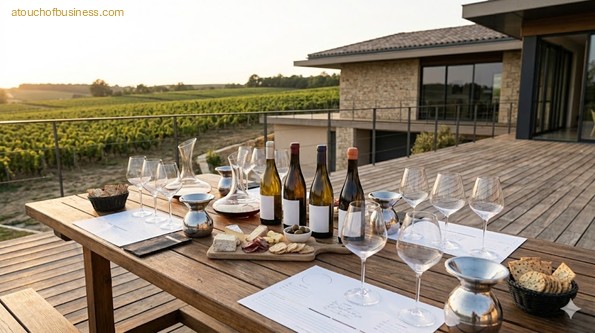
Overview of Starting a Winery
A winery is a production business first. You are not just selling wine. You are setting up a regulated facility where grapes or other fruit become finished bottles through crushing, fermentation, aging, testing, labeling, storage, and sale.
That makes a winery different from many food and beverage startups. Customers may notice the label, the tasting room, or the bottle price first. But behind that first impression are hard choices about raw materials, equipment, permits, safety, records, and production flow.
Decide Whether This Business Fits You
Before you follow any startup steps, step back and ask whether owning a winery fits your life. This business can involve long timelines, high startup costs, seasonal pressure, physical cellar tasks, and strict alcohol rules.
You also need to ask whether you are passionate about owning this specific business. Liking wine is not the same as wanting to manage tanks, supplier contracts, bottling schedules, label approvals, tax records, and wastewater questions.
Are you moving toward something or running away from something? Do not start a winery mainly to escape a job, impress others, avoid financial pressure, or chase the image of being a business owner.
A winery can be a good fit if you have patience, attention to detail, comfort with paperwork, and genuine interest in wine production. It may not fit if you want fast cash flow, a simple setup, or a lightly regulated business.
You can also review how much passion for the business matters before you commit. This is one of those businesses where weak interest shows up fast.
Talk With Non-Competing Winery Owners
Speak with winery owners you will not compete against. Look for owners in another city, region, or market area.
Prepare real questions before the conversation. Ask what they wish they had checked before choosing a site, buying equipment, applying for permits, choosing grape suppliers, or opening to customers.
These owners have firsthand experience. Their journey will not match yours exactly, but their insight can help you avoid bad early decisions.
Good questions include:
- How long did federal and state approvals take?
- Which equipment did you need right away?
- What created the biggest cash-flow strain before opening?
- What wastewater, zoning, or building issue surprised you?
- What would you verify before signing a lease?
Use those conversations as a reality check, not as a shortcut. Advice from real business owners is useful because it comes from people who have already faced the daily details.
Check Local Demand Before You Commit
A winery depends on more than good wine. It also depends on local demand, nearby competition, price expectations, tourism patterns, distribution options, and whether customers in your area will support the model you want to open.
Check demand before you commit major capital to property, tanks, barrels, or build-out. This is especially relevant because recent wine consumption trends show pressure in the broader U.S. market.
Focus on questions such as:
- Are there already many wineries near the site?
- Do local customers buy wine at the prices you need?
- Is the area known for wine tourism?
- Can local restaurants, retailers, or distributors support the volume?
- Will direct-to-consumer shipping be realistic under state rules?
This is not about running a marketing campaign. It is about deciding whether the winery should open in that market at all.
If you need a simple way to think through market fit, review local supply and demand before moving forward.
Choose Your Winery Startup Path
A production winery can start in more than one way. The path you choose changes your cost, control, equipment needs, licensing duties, and opening timeline.
The main options are:
- Stand-alone bonded winery: You control the facility, equipment, production, records, tax setup, labeling, and compliance.
- Alternating proprietor arrangement: You share approved premises with another winery, but each qualified business carries its own regulatory duties.
- Custom crush brand: A licensed producer makes wine under contract, which can reduce the need for your own facility and equipment at launch.
- Buying an existing winery: This may shorten some steps, but only after careful due diligence on licenses, equipment, inventory, records, labels, taxes, and local approvals.
A franchise is not typical for a production winery. Wine retail or tasting concepts may exist, but that is not the same as starting a manufacturing winery.
If you are weighing starting from scratch against buying, consider your budget, timeline, desired control, support needs, and risk tolerance. You can also think through whether to start from scratch or buy a business before deciding.
Define the Production Model
Your production model shapes almost every startup decision. An on-site operation using purchased grapes needs a different setup from a brand that uses custom crush.
Decide what you will make, how much you plan to produce, and what equipment the first run needs. This affects the building, raw materials, labor, storage, bottling, labels, permits, and funding.
Key decisions include:
- Purchased grapes, estate-grown grapes, bulk wine, fruit wine, or a mix.
- Still wine, sparkling wine, dessert wine, fortified wine, or specialty products.
- First-year case volume.
- Tank aging, barrel aging, or both.
- In-house bottling or mobile bottling.
- Wholesale, tasting-room, direct-to-consumer, or mixed sales channels.
Keep the first model simple enough to run consistently. Customers may not see your fermentation schedule, but they will notice inconsistent taste, late releases, unclear labels, and weak bottle presentation.
What Customers Will Notice First
Thinking from the customer’s perspective can sharpen your startup choices. Even though the winery starts with production, customers judge the finished experience.
- Taste: The wine should be clean, stable, and consistent.
- Cleanliness: The facility, tasting space, glassware, and packaging should feel cared for.
- Label clarity: Customers should understand what they are buying.
- Service speed: Payment, tasting, pickup, or shipment should not feel disorganized.
- Value: Price should make sense for the product, setting, and customer type.
- Overall experience: The first visit or first bottle should feel organized, legal, and trustworthy.
Use this list when making facility, staffing, and pricing decisions. Customers may only see the label, tasting room, checkout, or bottle, but your choices behind the scenes shape that first impression.
Business Plan
Your business plan should turn your winery concept into a practical launch plan. It should not be a generic document filled with broad goals.
Build the plan around the decisions that affect launch. A winery needs clear answers before you invest in tanks, barrels, grapes, labels, permits, and a facility.
Include these sections:
- Production model: What type of wine you will make, how much you will produce, and whether you will use your own facility, custom crush, or shared premises.
- Customer types: Distributors, retailers, restaurants, tasting-room visitors, or direct-to-consumer buyers where allowed.
- Facility plan: Production space, storage, drains, water, wastewater, public access, loading, and safety needs.
- Equipment plan: Receiving, crushing, pressing, fermentation, storage, lab, sanitation, bottling, and safety tools.
- Supplier plan: Grapes, fruit, bulk wine, bottles, closures, labels, barrels, chemicals, lab support, and bottling support.
- Compliance plan: Federal, state, city, county, building, fire, wastewater, label, tax, and recordkeeping steps.
- Pricing plan: Grape cost, production loss, packaging, labor, taxes, payment fees, aging time, and sales channel margins.
- Funding plan: Startup costs, working capital, equipment financing, bank account setup, and cash needs before the first wine is ready to sell.
- Opening-readiness plan: Which approvals, installations, supplies, tests, staff training, and records must be in place before opening.
A good winery plan also protects you from rushing. It helps you see which decisions must happen first and which depend on local approval.
For a broader planning framework, review how to write a business plan, then keep your version focused on the winery path.
Choose and Verify the Site
The site can make or break a winery before the first batch starts. Do not choose a building only because it looks good to customers.
Wine production needs a layout that supports receiving, storage, production, cleanup, bottling, finished-goods handling, and inventory replenishment. A poor layout creates bottlenecks that raise costs and hurt quality.
Check these site issues before signing:
- Zoning for alcohol manufacturing.
- Public tasting use if planned.
- Water supply.
- Floor drains and sewer or septic capacity.
- Process wastewater handling.
- Electrical service for equipment.
- Loading access for grapes, barrels, tanks, bottles, and cases.
- Storage for bulk wine, barrels, packaging, and case goods.
- Fire access and safety requirements.
- Customer occupancy if visitors will enter the building.
Do not assume a building is acceptable because another food or beverage business used it before. Wine production has its own space, waste, alcohol, equipment, and licensing concerns.
Set Up the Business Legally
A winery needs standard business registration plus alcohol-specific approval. Start with the basic business structure, then move into federal, state, and local requirements.
Choose your business structure before registration. That choice affects taxes, paperwork, liability, ownership, and financing.
You may also need to:
- Register the business with the state.
- Register a DBA, or “doing business as” name, if you use one.
- Get an Employer Identification Number if needed.
- Open a business bank account.
- Prepare business documents needed for licensing and payment setup.
For alcohol compliance, keep the rules separate from ordinary registration. A registered business is not automatically allowed to produce or sell wine.
You can review business licenses and permits as a general concept, but verify winery-specific rules with the proper agencies.
Apply for Federal Winery Approval
A production winery generally needs federal approval before it operates as a bonded winery, bonded wine cellar, or taxpaid wine bottling house.
Do not treat this as a formality. Do not begin regulated winery operations until approval is granted.
Prepare for details such as:
- Wine premises application.
- Basic permit application.
- Premises diagram.
- Lease or property documents.
- Ownership and signing authority documents.
- Trade names.
- Bond documents or bond exemption details where applicable.
The premises diagram matters because it defines where wine production, storage, and related activity happen. Make sure it matches the actual facility layout.
Verify State and Local Alcohol Rules
State and local rules vary by U.S. jurisdiction. Verify them before opening, serving, selling, distributing, or shipping wine.
At the state level, check the alcohol beverage control agency for the correct winery or manufacturer license. Also ask about tasting-room privileges, self-distribution, wholesale sales, direct-to-consumer shipping, state excise tax, product registration, and label registration.
At the local level, check city or county rules for:
- Business license.
- Zoning or conditional use approval.
- Certificate of occupancy.
- Building, plumbing, electrical, and fire permits.
- Wastewater or septic approval.
- Signage approval if public signs are planned.
- Health or food-related approval if the winery has a tasting room or serves food.
Ask before you build. Local wastewater, fire, and occupancy issues can force expensive changes if you find them late.
Plan Records, Labels, and Taxes
Compliance continues after approval, so set up records before the first production step. Waiting until wine is already moving through the cellar creates avoidable problems.
Prepare records for:
- Bulk wine.
- Bottled wine.
- Inventory.
- Transfers.
- Materials.
- Tax reporting.
- Label files.
- Production batches.
Labels need special care. Covered wine labels generally need a Certificate of Label Approval before bottling or removal from the plant, unless an exemption applies.
Required label details may include brand name, class or type, alcohol content, net contents, bottler information, health warning, and sulfite declaration when applicable.
Pricing also depends on tax classification. Federal wine excise tax can differ by wine type and alcohol level, including still wine, sparkling wine, artificially carbonated wine, and hard cider.
Build the Supplier Base
A winery depends on reliable raw materials and packaging. Customer expectations start with taste, but consistency begins with suppliers.
Before launch, line up suppliers for:
- Grapes, fruit, or bulk wine.
- Yeast, nutrients, and sulfur dioxide products.
- Barrels, tanks, and fittings.
- Bottles, corks, screw caps, capsules, labels, and cases.
- Cleaning chemicals and sanitation supplies.
- Lab supplies or outside lab support.
- Mobile bottling if you will not bottle in-house.
- Wastewater or waste-hauling support if required locally.
For grape supply, confirm variety, source, harvest timing, quality standards, transport, price basis, and rejection terms. Delays in grape delivery can affect production timing, staffing, fermentation, storage, and cash flow.
Buy Equipment for the First Production Volume
Equipment should match your first production model. Buying too much drains cash. Buying too little creates bottlenecks during crush, fermentation, bottling, or storage.
Core equipment may include:
- Receiving bins, totes, or macro bins.
- Scale.
- Sorting table or sorting line.
- Crusher/destemmer.
- Press.
- Pumps and food-grade hoses.
- Fermentation tanks or bins.
- Storage tanks or barrels.
- Filtration tools.
- Bottling line or mobile bottling setup.
- Labeling machine or labeling support.
- Lab tools for basic wine testing.
Also plan for sanitation, chemical storage, safety gear, washdown tools, case goods storage, and recordkeeping systems.
If you plan to open a tasting room, that adds public-facing needs: glassware, a tasting counter, payment tools, an age-verification process, required signs, restrooms, and customer occupancy controls.
Set Up Production Flow
A clear production flow reduces wasted time, lowers labor needs, and protects quality. Think through each step before equipment is installed:
- Receiving grapes or fruit.
- Sorting and crushing.
- Pressing.
- Fermentation.
- Racking, aging, and storage.
- Testing and adjustments.
- Filtration or stabilization when needed.
- Bottling, labeling, and casing.
- Storing finished case goods.
- Fulfilling sales through approved channels.
Each step needs enough space, equipment, labor, cleaning time, and recordkeeping. One weak step can disrupt the entire plan.
Prepare Safety and Sanitation
Wine production brings safety risks a first-time owner may not expect. Tanks, wet floors, chemicals, glass, forklifts, and carbon dioxide all need attention before launch.
Prepare for:
- Chemical storage and Safety Data Sheets.
- Personal protective equipment.
- Confined-space controls where tanks or vats create hazards.
- Carbon dioxide and low-oxygen risks.
- Forklift procedures if forklifts are used.
- Wet-floor controls.
- Glass breakage cleanup.
- Emergency procedures.
Sanitation is also part of quality control. Customers may never see your tank-cleaning process, but they will notice wine flaws, dirty glassware, or a poorly maintained facility.
Plan Startup Costs and Working Capital
There is no single cost figure that fits every winery. The total depends on your production model, location, facility, equipment, inventory, labor, licenses, and working capital needs.
Main cost categories include:
- Property purchase, lease, or site control.
- Facility design and build-out.
- Plumbing, drains, electrical service, ventilation, refrigeration, and fire-safety work.
- Wastewater planning or equipment.
- Federal, state, and local licensing work.
- Professional fees for legal, accounting, engineering, compliance, or environmental help.
- Tanks, barrels, pumps, hoses, press, bottling tools, lab tools, and safety equipment.
- Grapes, fruit, yeast, nutrients, cellar supplies, bottles, labels, closures, cases, and pallets.
- Labor before opening.
- Insurance and risk planning.
- Working capital until wine can be sold.
Working capital matters because wine may not become sellable right away. Grapes, production, aging, bottling, labels, storage, and taxes can create a long gap before revenue arrives.
Set Pricing Before Opening
Winery pricing starts with production costs. The bottle price must reflect what it costs to make, age, package, store, sell, and deliver each order.
Include pricing inputs such as:
- Grapes, fruit, or bulk wine.
- Production loss.
- Barrels or tank aging.
- Cellar labor.
- Bottles, closures, labels, capsules, and cases.
- Federal and state excise taxes.
- Sales tax where applicable.
- Payment processing fees.
- Shipping and adult-signature costs if direct shipping is allowed.
- Distributor or retailer margins if using wholesale channels.
Customers care about value. That does not always mean the lowest price. It means the price should make sense for the wine, the experience, the location, and the buyer.
If pricing feels unclear, review how to think about pricing products and services, then adapt it to winery costs and sales channels.
Secure Funding, Banking, and Payments
A winery can require major upfront spending before it earns steady revenue. Plan funding around the full startup timeline, not only the first equipment purchase.
Funding options may include:
- Owner equity.
- Partners or investors.
- Commercial loans.
- Small Business Administration-backed loans.
- Equipment financing.
- A line of credit for seasonal purchases and packaging.
- Seller financing if buying an existing winery.
Do not assume federal grants will fund the startup. Plan with realistic funding sources and current quotes.
Open a business bank account before taking payments or paying business expenses. You may need formation documents, an Employer Identification Number, ownership agreements, a business address, and license documents.
If you will sell directly, confirm that your payment processor allows alcohol-related sales and fits your approved sales channels.
Plan Insurance and Risk Protection
Insurance requirements vary, so do not treat every coverage type as legally required unless a regulator or statute confirms it. Still, risk planning matters for a winery.
Common coverage to discuss with a qualified insurance professional may include:
- Property insurance.
- General liability.
- Product liability.
- Liquor liability if serving alcohol.
- Equipment breakdown.
- Spoilage or stock coverage.
- Commercial auto if vehicles are used.
- Workers’ compensation where required by state law.
- Crop coverage only if you operate a vineyard.
A winery carries risks tied to production, customers, alcohol service, equipment, storage, inventory, and employees. Review coverage before opening, not after a claim.
Hire and Train Before Launch
Staffing depends on the winery model. A small production-only winery may start with a lean team. A facility with public tastings may need more staff before opening.
Training should match the real tasks people will handle. Before launch, train staff on:
- Sanitation procedures.
- Equipment use.
- Chemical handling.
- Safety procedures.
- Production records.
- Emergency steps.
- Age verification if customers are served or wine is shipped.
- Payment process if direct sales are allowed.
Do not wait until opening day to find that staff do not know how to record a production step, clean equipment, handle a tasting, or check identification.
Prepare for the First Production Run
The first production run should not be the first time your winery tests its layout, equipment, records, drains, or staff training.
Before grapes or fruit arrive, walk through the full process. Confirm who receives raw materials, where they go, how they move, which equipment is used, what gets recorded, and how cleanup happens.
Test these items before production begins:
- Water supply and hot water.
- Floor drains and wastewater handling.
- Crusher, press, pumps, hoses, tanks, and fittings.
- Lab tools and calibration.
- Cleaning and sanitation supplies.
- Safety equipment.
- Production logs.
- Inventory records.
- Emergency procedures.
A dry run can reveal small problems while they are still easy to fix. During harvest, small problems become expensive.
Prepare Labels, Packaging, and Finished Goods Storage
Labels and packaging should not be left until the last moment. A winery needs approved labels, correct packaging, and sufficient storage before finished wine is ready.
Prepare:
- Certificate of Label Approval where required.
- Label files and supporting records.
- Bottles.
- Corks or screw caps.
- Capsules where used.
- Labels.
- Cases.
- Pallets.
- Case goods storage.
Customers will notice crooked labels, unclear bottle information, damaged cases, or poor packaging. Those issues often trace back to rushed decisions late in the process.
Opening-Readiness Checklist
Before opening, confirm the winery is legally approved, physically ready, stocked, tested, and staffed for the model you chose.
Use this checklist before launch:
- Business entity has been formed.
- Employer Identification Number has been obtained if needed.
- Business bank account is open.
- Merchant services are ready if direct sales are allowed.
- Federal winery approval is received before operations begin.
- State winery or manufacturer license is approved.
- State tax accounts are active.
- Local business license is checked or obtained.
- Zoning approval is confirmed.
- Certificate of occupancy is confirmed if applicable.
- Building, plumbing, electrical, and fire approvals are complete.
- Wastewater, sewer, septic, water, and stormwater approvals are verified.
- Food facility registration is confirmed if applicable.
- Facility layout matches the approved premises diagram.
- Equipment is installed, tested, cleaned, and calibrated.
- Grape or fruit supply is confirmed.
- Packaging suppliers are confirmed.
- Mobile bottling or bottling equipment is ready.
- Labels are approved where required.
- Production, inventory, transfer, tax, and label records are prepared.
- Safety Data Sheets are organized.
- Cleaning and sanitation supplies are stocked.
- Workers are trained before production.
- Required signs and public notices are posted where required.
- Age-verification process is ready if serving or shipping.
- Insurance policies are active.
- First production dry run is complete.
This checklist should match your actual model. A production-only winery and a public tasting-room winery do not have the same opening needs.
Early Owner Responsibilities
Before launch, the owner’s role is practical and detailed. You will likely move between permits, suppliers, equipment, production planning, and funding decisions.
Early responsibilities may include:
- Following up on licensing and approvals.
- Confirming the site is suitable.
- Managing supplier contracts.
- Choosing and installing equipment.
- Preparing the cellar.
- Coordinating label approval.
- Setting up tax and record systems.
- Training staff.
- Testing the first production process.
A typical pre-opening day might include reviewing permit status, confirming grape deliveries, meeting a contractor about drains, checking a tank installation, approving label proofs, testing lab tools, and walking the facility for safety issues.
That is the reality of starting a winery. The customer may see a glass of wine. You see the full system behind it.
Main Red Flags
Some warning signs should make you slow down before committing. They do not always mean you should quit, but they mean you need better answers before spending more capital.
- Weak demand: The local market cannot support your price, product, or sales channel.
- Too much competition: Nearby wineries already serve the same customer type without enough local demand to support another one.
- Unverified site: You have not confirmed zoning, wastewater, fire, occupancy, and alcohol licensing fit.
- Underfunding: You can buy some equipment but cannot cover working capital until wine is ready to sell.
- Unclear grape supply: You have no reliable source, quality terms, delivery plan, or pricing basis.
- Rushed licensing assumptions: You assume federal, state, or local approval will be quick or automatic.
- Weak production flow: The facility layout creates bottlenecks in receiving, crushing, cleaning, bottling, or storage.
- Ignored wastewater: You have not confirmed how process water, grape solids, and cleaning water will be handled.
- No label plan: Packaging and label approval are left until bottling time.
- Poor record setup: Production, inventory, transfer, tax, and label records are not ready before operations begin.
- No safety plan: Tanks, carbon dioxide, chemicals, forklifts, wet floors, and glass risks are not addressed.
If several red flags appear at once, pause. Fixing them before launch is far easier than fixing them after opening.
Frequently Asked Questions
This FAQ focuses on startup decisions for winery owners, not customer-facing questions.
Do I need federal approval before making wine for sale?
Yes. A production winery generally needs federal approval before operating as a bonded winery, bonded wine cellar, or taxpaid wine bottling house. Do not begin regulated winery operations until approval is granted.
Is a winery a good first business?
It can be, but only if you are ready for regulation, high startup costs, production risk, long cash cycles, safety duties, and detailed records. Speak with non-competing owners before committing.
Do I need to own a vineyard to start a winery?
No. Many wineries buy grapes, fruit, or bulk wine. Owning a vineyard adds land, farming, crop risk, equipment, labor, and a longer planning timeline.
What should I verify before signing a lease or buying property?
Verify zoning, alcohol manufacturing approval, tasting-room use if planned, certificate of occupancy, sewer or septic capacity, process wastewater rules, fire access, water supply, and state alcohol licensing fit.
What is the difference between custom crush and alternating proprietor?
In custom crush, a licensed producer makes wine under contract. In an alternating proprietor arrangement, each tenant winery must qualify separately and carry its own regulatory duties.
How much does it cost to start a winery?
There is no universal amount. Costs depend on site, production volume, build-out, equipment, inventory, labor, licensing, wastewater, tasting-room plans, and working capital.
What equipment is needed before launch?
A production winery typically needs receiving equipment, a crusher/destemmer, press, tanks or barrels, pumps, hoses, bottling support, lab tools, sanitation supplies, safety tools, and recordkeeping systems.
Can I sell wine directly to consumers online?
Only where allowed and properly licensed. Direct shipping rules vary by state and may include permits, tax registration, product registration, volume limits, age verification, and approved carrier arrangements.
Do wine labels need approval?
Covered wine labels generally need a Certificate of Label Approval before bottling or removal from the plant, unless an exemption applies. Build label timing into the startup schedule.
What records should be ready before production starts?
Prepare bulk wine, bottled wine, inventory, transfer, tax, materials, production, and label records before the first batch begins.
What belongs in the winery business plan?
Include the production model, site, equipment, grape supply, licensing path, facility approvals, label approval, tax setup, wastewater, staffing, safety, pricing inputs, funding, working capital, and opening-readiness steps.
Should I buy an existing winery instead of starting from scratch?
It may help with time, but only after thorough due diligence. Check licenses, premises approval, equipment, environmental issues, inventory, tax records, labels, contracts, and local approvals.
What safety issue is easy to overlook?
Tank and vat hazards are easy to miss. Carbon dioxide and low oxygen can make enclosed spaces dangerous, so plan testing, training, and procedures wherever those risks apply.
Advice From Winery Owners and Wine Business Insiders
Starting a winery is easier to picture when you hear from people who have already lived it. These interviews can help you understand the pressure behind the product, including production choices, staffing, grape sourcing, customer experience, startup costs, and the reality of turning wine into a business.
Use these resources as added perspective before you commit to a location, equipment, licenses, suppliers, or your first production run.
- Interview With a Wine Maker — John Zuccarino, owner of Silver Springs Winery, talks about the physical nature of winemaking, vineyard tasks, cleaning, sanitation, teamwork, and the broad skill set needed in a small winery.
- Dave Dart of d’Art Wines — This interview gives a practical look at how a winery can start small, grow from hands-on production, and connect the tasting room, customer experience, and winemaking style.
- Jason Driscoll of Tilth Wines — A useful interview for understanding the grind of starting a first-generation winery, finding fruit, building relationships, and balancing the business side with winemaking.
- Brian Leventhal of Brooklyn Winery — A startup-focused interview about building an urban winery, hiring the right winemaker, designing the operation, and turning a wine concept into a business.
- Erik Miller of Kokomo Winery — A podcast interview about moving from harvest intern to winery founder, with useful perspective on learning the industry from the inside before starting.
- Carol Collison on Buying a Winery — This podcast is useful if you are comparing starting from scratch with buying an existing winery, especially around the business realities behind winery ownership.
Related Articles
- Starting a Distillery
- How To Start Your Olive Oil Business
- Starting a Coffee Roasting Business
- How To Start a Bottled Water Business
- How To Start a Juice Bar
- Starting a Fruit Orchard
Sources:
- TTB: Wine Permits, Wine Application Process, Wine FAQs, Custom Crush Guidance, Wine Tax Rates
- eCFR: Wine Labeling Rules, Wine Production Rules, Food Facility Registration
- FDA: Food Facility Registration
- IRS: Get an EIN
- SBA: Choose Business Structure, Register Your Business, Business Bank Account
- USA.gov: Start a Business
- Wine Institute: U.S. Wine Consumption, U.S. Wine Sales, Direct Shipping Table
- Silicon Valley Bank: Wine Industry Report
- FedEx: Alcohol Shipping Rules
- Oregon State University: Winery Facilities Equipment
- University of Georgia: New Winery Business
- Washington State University: Small Winery Costs
- Cornell University: Premium Winery Plan
- Ohio EPA: Winery Environmental Guide
- OSHA: Winery Confined Spaces, Winery Tank Hazards