
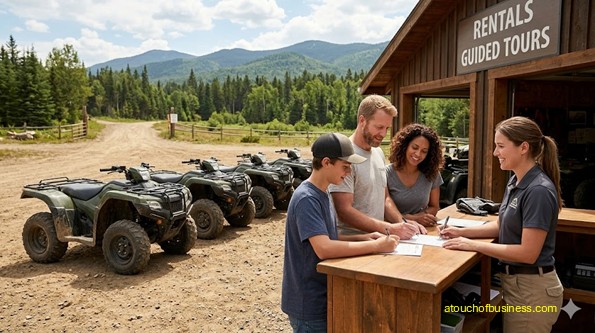
How to Prepare an ATV Rental Business for Opening
An ATV rental business rents off-highway vehicles to people who want a recreation experience without buying their own machines. Most customers expect the ride to feel fun, simple, safe, and well-organized.
The rental fleet is the core asset. That makes this a rental-based business first. Before you open, you need legal riding access, reliable machines, clear safety rules, well-drafted customer documents, and a practical plan for damage, repairs, deposits, and downtime.
You can use broader startup steps as a general guide, but an ATV rental business has its own path. The key questions are not just “Can I start a business?” but “Can I safely rent high-risk recreational vehicles in this location?”
Decide Whether This Business Fits You
Start with fit. Owning a business is not only about being your own boss. It means taking responsibility for costs, risk, customers, legal checks, and problems that happen when no one else is in charge.
An ATV rental business also needs a certain type of owner. You need a genuine interest in off-road recreation, but you also need patience, safety discipline, and the confidence to tell a customer no.
Ask yourself one hard question: Are you moving toward something or running away from something?
Do not start only to escape a job, a bad boss, financial pressure, or the image of being a business owner. This business can be fun, but it also brings injury risk, vehicle damage, weather delays, insurance issues, and customer disputes.
If you are passionate about owning the business, that helps. Still, passion is not enough. You also need to enjoy the daily tasks that come with it.
- Inspecting vehicles before each rental
- Briefing customers before they ride
- Cleaning helmets and gear
- Recording damage and repairs
- Handling deposits, forms, and safety rules
Talk to Owners Who Will Not Compete With You
Before you buy machines, speak with ATV rental or tour owners in another city, region, trail system, or market area. Do not ask direct competitors in your target location to train you.
Prepare real questions before each conversation. Ask about insurance quotes, vehicle repairs, trail access, public-land permits, customer damage, staffing, weather, slow seasons, and the first problems they faced after opening.
These owners have firsthand experience. Their journey will not match yours exactly, but their insight can help you see problems that are hard to spot from the outside. Talking to real business owners often uncovers details that no general guide can match, because they have lived through them.
Check Local Demand Before You Invest
An ATV rental business depends on the local market. If the area does not have legal riding access, sufficient visitors, or local demand, the fleet may sit idle.
Idle vehicles still carry costs. Even without customers, you may owe payments, insurance, storage, permits, maintenance, and repairs.
Look at the area before you commit to a fleet:
- Legal off-highway vehicle trails
- Trailheads and staging areas
- Tourism traffic
- Campgrounds, cabins, resorts, and outdoor recreation areas
- Competing ATV rental and tour operators
- Season length and weather patterns
- Parking, trailer access, and customer flow
This is where local supply and demand matters. A scenic area is not enough. Customers must be able to book, arrive, ride legally, return safely, and feel the experience was worth the price.
Compare Starting, Buying, or Franchising
You can start an ATV rental business from scratch, buy an existing operation, or explore a franchise if a real opportunity fits your market. Each path changes your cost, timeline, control, and risk.
Starting from scratch gives you more control over the fleet, location, customer rules, route policy, and brand. It also means you must build every part of the operation yourself.
Buying an existing business may give you vehicles, records, permits, customers, and a known location. But you need careful due diligence before you sign.
- Check vehicle titles, liens, and maintenance records.
- Review accident history and insurance claims.
- Confirm whether permits and land agreements transfer.
- Inspect leases, customer forms, and fleet condition.
- Ask why the owner is selling.
A franchise may offer support and a proven format, but only if a legitimate ATV, powersports rental, or outdoor recreation franchise is available. Review all fees, territory rules, fleet rules, insurance requirements, and control limits before paying or signing.
Your best path depends on your budget, timeline, support needs, risk tolerance, and how much control you want. It is worth comparing whether to start from scratch or buy a business before you make a large fleet decision.
Choose Your ATV Rental Model
Your rental model affects almost every startup decision. It shapes the fleet, location, permits, staffing, insurance, booking process, and customer handoff.
The main model is a customer-facing rental fleet. Customers rent an ATV, UTV, or side-by-side for a set period, such as an hourly block, half day, full day, or defined ride window.
Common models include:
- Unguided rentals: Customers ride approved routes without a guide.
- Guided tours: Staff lead customers through a planned ride.
- Trailhead delivery: Staff deliver machines to an approved staging area.
- Resort or campground rental: The business serves guests from a host location.
- Private-land riding: Customers ride on land owned, leased, or approved for the business.
Do not choose the model only by what sounds most profitable. Choose the model that matches legal access, customer expectations, insurance, staffing, and your ability to control safety.
What Customers Will Notice First
Customers may not see your permits, insurance quotes, or maintenance logs. But they will quickly notice whether the experience feels safe, clear, and professional.
- How easy it is to book and understand the rental terms
- Whether the check-in area feels organized
- Whether the machines look clean and maintained
- Whether helmets and gear are ready
- Whether the safety briefing is clear and confident
- Whether the ride starts on time
These impressions are shaped long before opening day. A weak booking system, unclear damage policy, late vehicle prep, or poor customer handoff can make the business feel risky before the ride even begins.
Confirm Legal Riding Access
Do not buy a fleet until you know where customers can legally ride. This is one of the most critical startup checks for an ATV rental business.
Riding access may involve private land, state trails, county routes, National Forest trails, Bureau of Land Management land, or a private recreation park. Each option can have different rules.
Confirm whether customers will ride on:
- Private land you own or lease
- Private land with a written agreement
- State-managed off-highway vehicle trails
- National Forest routes
- Bureau of Land Management land
- County or municipal off-highway vehicle routes
If you rent, deliver, outfit, or guide customers on public land for compensation, written authorization may be needed. Do not assume a public trail is open for commercial rental use just because personal riders use it.
Customers expect approved routes. If you skip this step, you may end up with machines and no legal place to ride.
Business Plan
Your business plan should turn the startup checks into a practical launch guide. Keep it focused on opening the business, not long-term growth.
For an ATV rental business, the plan should answer the questions that affect safety, cost, customer experience, and opening readiness.
- Rental model: Decide whether you will offer unguided rentals, guided rides, delivery, private-land riding, or a concession-style setup.
- Fleet: List the number and type of ATVs, UTVs, or side-by-sides needed for launch.
- Riding access: Confirm legal routes, land agreements, public-land permissions, and any route limits.
- Location: Explain where customers check in, park, receive gear, and begin the ride.
- Safety process: Include eligibility checks, gear rules, safety briefings, and customer refusal rules.
- Maintenance: Plan inspections, repairs, cleaning, service records, and downtime.
- Documents: Prepare rental agreements, waivers, deposit terms, route rules, and damage forms.
- Pricing: Build pricing from costs, taxes, repairs, deposits, downtime, and local reality.
- Funding: Show how you will pay for vehicles, gear, storage, insurance, permits, and working capital.
- Opening readiness: List what must be complete before the first customer arrives.
A plan also helps you spot problems early. If the numbers only work with perfect weather, full bookings, and no repairs, the plan is too fragile.
Register the Business and Set Up Taxes
Choose your business structure before you register. Your structure affects taxes, paperwork, liability planning, bank setup, and how the business signs contracts.
You may need to register the business with your state, file a Doing Business As name if you use one, and apply for an Employer Identification Number when needed. If you hire employees, you also need to prepare for payroll and employment tax duties.
The goal is to have the business properly registered, tax-ready, and able to open, sign agreements, collect payments, hire staff if needed, and keep business finances separate from personal ones from day one.
Because rules vary by state, check your Secretary of State, revenue department, labor department, and tax professional before opening.
Verify Permits, Zoning, and Local Rules
Compliance for an ATV rental business is location-specific. Some rules come from the state. Others come from the city, county, land manager, fire marshal, or trail authority.
Do not treat one state’s rules as national rules. What matters is where your customers check in, where vehicles are stored, and where they ride.
Before opening, verify the following where they apply:
- State off-highway vehicle registration, permits, decals, or trail passes
- Operator age, license, safety card, or education rules
- Helmet and protective gear rules
- Sales or rental tax treatment
- Local business license requirements
- Zoning approval for vehicle rental, storage, repair, parking, and customer staging
- Certificate of occupancy for a commercial location, if required
- Sign permits, if signs are used
- Fire and fuel storage rules, if fuel is stored onsite
- Public-land or private-land commercial use approval
Many of these requirements vary by U.S. jurisdiction. Ask the right offices before you lease space, buy vehicles, or accept customer bookings.
Good questions include: Does this location allow ATV rentals? Can customers stage here? Are outdoor storage, minor repairs, fuel storage, signs, and customer parking allowed?
Choose the Location and Staging Area
Your location must support the customer experience and the rental operation. Having space for vehicles is not enough.
You need a place where customers can arrive, park, check in, receive gear, get a safety briefing, and leave for the ride without confusion. The site also needs secure vehicle storage and room for cleaning, maintenance, and trailers.
Possible setup needs include:
- Customer check-in area
- Secure fenced yard
- Vehicle storage
- Trailer parking
- Customer parking
- Helmet and gear storage
- Cleaning area
- Maintenance area
- Fuel storage or charging area, if approved
If customers ride directly from the site, confirm legal access to trails or roads before you sign a lease. If you deliver to a trailhead, verify that delivery and commercial use are permitted.
Build the Fleet Carefully
The fleet is the largest asset in an ATV rental business. It also creates much of the risk.
You need to decide whether to use ATVs, UTVs, side-by-sides, or a mix. Match the fleet to terrain, trail width, passenger needs, customer eligibility, insurance, and repair support.
Do not base the purchase on price alone. A cheap used machine can become expensive if it has poor maintenance records, missing title documents, unresolved repairs, or hidden damage.
Before buying or financing vehicles, check:
- Vehicle titles and liens
- Service history
- Age and condition
- Parts availability
- Dealer or mechanic support
- Trail and state registration rules
- Passenger and seat limits
- Insurance eligibility
Customers will notice the fleet right away. Clean, well-maintained machines create trust. Worn, dirty, or poorly prepared vehicles raise concern before the ride starts.
Set Up Maintenance and Inspection Systems
Maintenance is a launch requirement, not something to figure out after opening. ATVs and UTVs face rough use, weather, dirt, dust, water, and customer mistakes.
Set up pre-ride and post-ride inspection checklists before the first rental. These records help you catch safety issues, document damage, and schedule repairs.
Your system should track:
- Vehicle hours or mileage
- Brakes, tires, throttle, steering, and lights
- Fluid leaks
- Chains, belts, and drive components
- Helmet and gear condition
- Customer-caused damage
- Repairs and service dates
- Recall checks
Turnaround time matters. If one rental returns late or damaged, the next customer may wait. That affects the experience and the day’s schedule.
Prepare Customer Documents and Rental Terms
Well-drafted documents protect the business and help customers understand the rules. Do not rely on copied forms from another operator.
Have an attorney review your rental agreement, waiver or assumption-of-risk language, damage terms, deposit rules, late return policy, fuel policy, cleaning terms, route rules, minor rider rules, and incident report form.
Common customer documents include:
- Rental agreement
- Waiver or assumption-of-risk form
- Damage responsibility agreement
- Deposit or card preauthorization terms
- Safety checklist
- Route rules acknowledgment
- Helmet and gear receipt
- Emergency contact form
- Incident report form
Plain terms also improve the customer experience. People should know what they are signing, what they may owe, where they may ride, and what happens if they damage a machine.
Plan Insurance and Risk Before Opening
Get insurance quotes before you buy the fleet when possible. Insurance availability and cost can change the size of the business you can safely launch.
Do not assume a basic business policy covers ATV rentals. This business may need coverage tied to powersports rentals, vehicle damage, property, trailers, employees, public-land permits, or umbrella liability.
Some insurance may be required by a state rule, land manager, lender, landlord, or permit. Other coverage may be risk planning rather than a legal requirement. Confirm the difference with a qualified insurance broker and any agency or land manager involved.
Risk planning should also include customer refusal rules. If someone appears impaired, disregards safety requirements, or fails eligibility checks, staff need the authority to stop the rental.
Set Pricing, Deposits, and Payment Systems
Pricing an ATV rental is not only about matching competitors. Your price must cover actual operating costs and the risk of damage, downtime, and repairs.
Build your pricing from the numbers you can verify:
- Vehicle cost, lease, or financing
- Depreciation
- Maintenance and parts
- Tires, belts, brakes, fluids, and cleaning
- Fuel or charging
- Insurance
- Permits and trail fees
- Staff check-in and briefing time
- Taxes and payment processing fees
- Expected downtime
- Damage reserves
Common pricing formats include hourly rentals, half-day rentals, full-day rentals, guided tour rates, per-vehicle rates, and per-rider rates for guided experiences.
You also need clear deposits and card preauthorization rules. Customers should know what is included, what is extra, and what damage may cost before they ride.
Review pricing decisions carefully. A low rental rate may look attractive, but it can weaken the business if it does not cover repairs and idle time.
Secure Funding, Banking, and Vendors
Startup costs can vary widely. Do not rely on a universal estimate for an ATV rental business.
Your largest costs may include the fleet, trailers, tow vehicles, gear, storage, facility improvements, insurance, permits, legal review, payment systems, staff training, and working capital for repairs.
Funding may come from owner savings, a bank or credit union loan, equipment financing, dealer financing, an equipment lease, seller financing, or a qualified investor or partner. The right choice depends on your risk tolerance and debt capacity.
Before opening, set up a business bank account, bookkeeping categories, merchant processing, deposit handling, and a refund process. Test card preauthorizations before customers arrive.
You also need reliable vendors:
- Powersports dealer
- Mechanic or service shop
- Parts supplier
- Tire supplier
- Helmet and gear supplier
- Insurance broker
- Attorney
- Accountant
- Recovery or towing contact
Set Up Safety Gear and Customer Handoff
The customer handoff is where planning becomes visible. It is the moment a customer moves from booking to riding.
Have helmets, eye protection, gloves, safety rules, route maps, and check-in forms ready before the rental block starts. If your area requires a safety card, permit, license, or age check, build that into check-in.
A thorough handoff should include:
- Identity and eligibility checks
- Signed forms
- Deposit or card preauthorization
- Helmet and gear issue
- Vehicle walkaround
- Safety briefing
- Route rules
- Return time and late return terms
- Emergency contact instructions
Customers want a fun experience, but they also want to feel guided. A rushed or unclear briefing can create confusion and risk.
Hire and Train Before You Need Help
You may launch solo, but even a modest ATV rental operation can require help during busy rental blocks. Staffing needs depend on your model, route control, fleet size, and customer volume.
Staff may need to handle check-in, safety briefings, gear distribution, vehicle inspections, cleaning, customer questions, damage photos, emergency calls, and recovery support.
If you offer guided rides, staff training becomes even more critical. Guides need route knowledge, safety judgment, communication skills, and emergency procedures.
Before opening, train staff on:
- Customer eligibility checks
- Rental agreements and waivers
- Safety briefing scripts
- Pre-ride and post-ride inspections
- Unsafe rider refusal
- Damage documentation
- Incident reports
- Emergency response
Understaffing creates delays. Those delays hurt the customer experience, especially when people have booked a set ride time.
Prepare the Customer Experience From Booking to Return
Outdoor recreation customers care about timing, reliability, safety, and ease. They want the experience to match what they expected when they booked.
Map the customer path before opening:
- The customer asks a question or books a rental.
- Staff confirm the time, vehicle type, rules, and deposit terms.
- Staff prepare the machine, gear, documents, and route materials.
- The customer arrives, checks in, signs forms, and receives a safety briefing.
- The ride takes place on approved routes or land.
- The customer returns the machine and gear.
- Staff inspect the vehicle, document damage, close out payment, and prepare for the next rental.
This sequence needs enough time between bookings. If turnaround time is too tight, cleaning, inspections, and customer handoff will suffer.
Run a Test Before Opening
Do not make the first paying customer your first real test. Run staff-only test rides and dry runs before opening.
Run through the full sequence. Book a mock rental, check in a test rider, issue gear, complete the safety briefing, inspect the vehicle, follow the route, return the machine, document condition, and close out payment.
Use the test to confirm:
- Route timing
- Communication coverage
- GPS tracking or route support
- Vehicle inspection timing
- Deposit and refund process
- Damage photo process
- Emergency contact process
- Staff roles during busy periods
A test ride may reveal simple issues, such as unclear signs, poor parking flow, missing forms, weak radio coverage, or too little time between rentals.
Complete Your Pre-Opening Checklist
Before opening, confirm that the ATV rental business is ready to accept customers safely and legally. This is where all startup decisions come together.
Use this checklist before your first rental block:
- Business registration is complete, if required.
- Employer Identification Number is obtained, if needed.
- Doing Business As name is filed, if used.
- State tax setup is complete, if rentals are taxable.
- Local business license is obtained, if required.
- Zoning approval is confirmed.
- Certificate of occupancy is secured, if required.
- Off-highway vehicle registrations, decals, and permits are ready.
- Public-land or private-land approval is in writing.
- Insurance certificates are ready.
- Fleet inspections are complete.
- Helmets and safety gear are stocked and clean.
- Rental agreements and waivers are reviewed.
- Payment processing and deposits are tested.
- Safety briefing materials are ready.
- Staff training is complete.
- Emergency plan is ready.
- Maintenance and damage logs are ready.
- Required signs and notices are posted, if required.
If one major item is missing, delay the launch. Opening before the basics are in place can create legal, safety, financial, and customer experience problems.
A Short Day in the Life
A typical day in the early weeks starts busy before the first customer arrives. The owner or staff check the weather, trail status, vehicles, gear, forms, and reservations.
As customers arrive, staff verify documents, collect deposits, issue helmets, explain route rules, and give safety briefings. After the ride, staff inspect each machine, record damage, clean gear, close payments, and schedule repairs.
This snapshot matters because it shows the real pace of the business. The ride is the fun part. The operating system behind it is what makes the experience safe, timely, and reliable.
Main Red Flags
Some warning signs should make you slow down before starting an ATV rental business. These are decision-stage issues, not small details.
- No confirmed riding access: Do not buy vehicles without a legal place for customers to ride.
- Unclear public-land approval: Commercial rental, delivery, or guiding may need written authorization.
- Insurance problems: If coverage is unavailable or too costly, the model may not work.
- Zoning limits: A location may not allow rentals, outdoor storage, repairs, fuel storage, or customer staging.
- Weak demand: A small market, short season, or limited trail access can leave vehicles idle.
- High debt: Fleet payments can become a problem during slow weather or off-season periods.
- Poor used vehicles: Missing titles, liens, weak service records, or hidden damage can raise startup risk.
- Weak documents: Copied waivers and unclear damage terms can create disputes.
- No emergency plan: Injuries, breakdowns, and lost riders need a response plan before opening.
- Undertrained staff: Staff must know how to check riders in, refuse unsafe customers, and document damage.
If several of these issues apply, pause the launch and fix them before you commit more capital.
Frequently Asked Questions
These questions focus on startup decisions for the future owner, not customer booking details.
Is an ATV rental business a good fit for a first-time owner?
It can be, but only if you are serious about safety, maintenance, insurance, customer screening, and legal riding access. This is not a simple rental business because customers operate high-risk vehicles outdoors.
What should I verify before buying ATVs?
Verify legal riding access, zoning, certificate of occupancy needs, state off-highway vehicle rules, public-land permits, insurance quotes, vehicle registration rules, local demand, and repair support.
Do I need a special license to rent ATVs?
There is no single nationwide ATV rental license. Requirements vary by state, city, county, land manager, and business model. Check business licensing, zoning, tax, public-land, and state off-highway vehicle rules.
Can I operate on National Forest or Bureau of Land Management land?
Only if the activity is allowed and any required written authorization is secured. Do not assume personal recreation access allows commercial rental, delivery, or guided activity.
Should I offer guided tours or self-guided rentals?
Guided tours give you more control over routes and rider behavior. They can also add staffing, training, permit, insurance, and emergency planning needs. Self-guided rentals need solid route rules, deposits, tracking, and clear return procedures.
Should I rent ATVs, UTVs, or side-by-sides?
Base the choice on trail rules, customer type, passenger needs, terrain, insurance, cost, maintenance, and vehicle classifications. Passenger vehicles must match manufacturer seating and safety rules.
Are helmets and protective gear required?
Rules vary by state and riding area. Regardless of local requirements, helmets, eye protection, and proper riding gear are essential safety items for this business.
How should I set prices?
Build prices from real cost inputs, including fleet cost, depreciation, maintenance, insurance, permits, staff time, fuel, taxes, payment fees, repairs, downtime, and damage reserves. Competitor prices are only a reality check.
Do ATV rentals require sales tax collection?
It depends on state law. Many states tax some rentals or leases, but you need to confirm how your state treats ATV rentals with the state revenue department.
What forms should be ready before opening?
You should have a rental agreement, waiver or assumption-of-risk form, safety checklist, route rules acknowledgment, deposit terms, damage inspection form, incident report, emergency contact form, and customer receipt process.
Is buying an existing ATV rental business safer than starting new?
Not always. It may help if the fleet, records, permits, location, and land agreements are solid. It can be risky if permits do not transfer, vehicles are worn out, or past claims are high.
Can I start this business from home?
Sometimes, but it depends on zoning, home-occupation rules, customer pickup, trailer parking, outdoor storage, repairs, noise, and fuel storage. Many home locations will not fit a customer-facing rental model.
What staff are needed at launch?
You need enough help to check in customers, verify documents, give safety briefings, inspect machines, clean gear, document damage, handle emergency calls, and support recovery. Guided rides need trained guides.
What should be ready onsite before opening?
Have permits, registrations, insurance certificates, customer forms, safety gear, inspection logs, emergency contacts, payment systems, route rules, and required signs or notices ready before the first customer arrives.
Insights From People in the ATV Rental Business
One of the best ways to understand an ATV rental business is to hear from people who already work around rentals, tours, trails, customers, equipment, and risk.
These resources can help you see how real operators think about safety, guided versus unguided rides, legal access, insurance pressure, customer expectations, and the day-to-day realities behind the business.
- Interview with Rubin Manjaly, Owner of Big Red Motor Bike Rental — A short operator interview covering quad bike rentals, ATV tours, tourist demand, private guided tours, and how the business shifted from rentals toward desert tours.
- Start an ATV Rental Business — Backbone Adventures — An operator-written article with practical advice on customer expectations, damage, waivers, legal riding access, and the realities of running an ATV rental operation. Note: the article uses some blunt language.
- Moab Madness: Taxes, Trails and Trouble Ft. Morgan Frayser — A podcast interview with the co-owner of Slick Rock Off Road Rental about running an off-road rental business in a difficult tourism market, including regulation, taxes, insurance, rescue issues, and local pressure.
- E11 Rolane Grinnell | Prime Adventure Outfitters — A video podcast episode with the owner of Prime Adventure Outfitters, an ATV rental shop serving Brian Head, Cedar City, and Duck Creek, with discussion of ATV trails, guided tours, rental opportunities, and the story behind starting the business.
- Hamilton’s North Coast Adventures, Michigan — The Polaris Adventures Podcast — A podcast episode with Steve Hamilton of Hamilton’s North Coast Adventures about launching an off-road electric vehicle rental experience, self-guided routes, charging access, and rider support.
- Quad Biking Mallorca: Interview with Quad Guide Stephan — An interview with a quad bike tour operator about guided tours, route knowledge, customer safety, protected areas, private land, and why unguided quad rentals can create problems.
Related Articles
- Starting an ATV Dealership
- How To Start an ATV Repair Business
- Start a Motorcycle Rental Business
- Start a Bike Rental Business
- Start an Electric Scooter Rental Business
- How To Start Your Jet Ski Rental Business the Right Way
Sources:
- U.S. Consumer Product Safety Commission: OHV & ATV Safety, ATV FAQ
- U.S. Forest Service: Outfitter-Guide Permits, National Forest OHV Rules
- Bureau of Land Management: Special Recreation Permits
- U.S. Small Business Administration: Choose Business Structure, Register Your Business, Buy or Franchise
- Internal Revenue Service: Employment Taxes
- Streamlined Sales Tax Governing Board: Rental Tax Sourcing
- Colorado Parks and Wildlife: Colorado OHV Registration
- Utah Division of Outdoor Recreation: Utah OHV Permits
- Oregon Parks and Recreation Department: Oregon ATV Safety Card, Oregon ATV Permits
- Arizona Department of Transportation: Arizona OHV Registration
- Bureau of Economic Analysis: Outdoor Recreation Data
- National Off-Highway Vehicle Conservation Council: NOHVCC Resource Hub
- U.S. Environmental Protection Agency: Aboveground Storage Tanks, UST Questions
- Federal Trade Commission: Buying a Franchise, Franchise Rule