
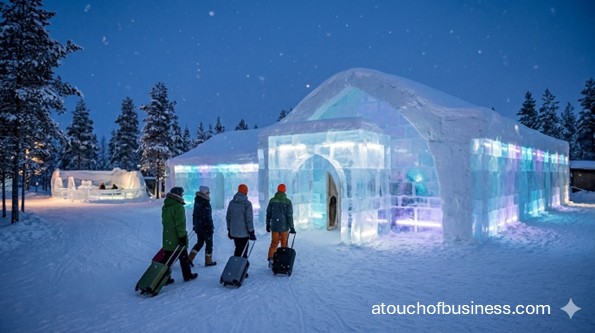
What to Expect When Preparing an Ice Hotel for Guests
Overview of an Ice Hotel Business
An ice hotel is part lodging business, part destination experience, and part seasonal build project. That matters because you are not just selling a bed for the night. You are selling a stay that has to feel safe, organized, comfortable enough, and true to the promise people saw when they booked.
Most ice hotel concepts combine cold guest rooms or suites with heated support areas for check-in, showers, storage, and warming up. Some operate only during the winter, while others use mechanical cooling or weather-independent snow production to support a longer season. That one choice changes your site, your equipment, your budget, and your approval path.
Your guests can include travelers, couples, day visitors, and event clients. In an ice hotel, the guest experience starts before arrival. Booking flow, confirmation details, arrival instructions, and what the guest finds when they walk in all matter as much as the room itself.
This kind of business can be memorable and distinctive, but it is also demanding. Capacity limits, weather pressure, staffing coverage, safety planning, cleanliness in support spaces, and the smooth movement of guests through the property all need attention before you open.
Is This Business The Right Fit For You?
Starting an ice hotel can look exciting from the outside, but the day-to-day reality is less romantic than the photos. That matters because this business asks you to handle pressure, details, safety, and guest issues while also managing a short launch window and a property that depends on cold conditions.
You need to think about two kinds of fit. First, does owning a business suit you at all? Second, does owning this kind of business suit you? If you do not enjoy planning, solving problems on site, dealing with people, and carrying responsibility when something goes wrong, an ice hotel may wear you down fast.
Passion helps, but it should be the steady kind. You can read more about that in How Passion Affects Your Business. The work is not only about creative rooms and winter charm. It is also about permits, inspections, taxes, walk surfaces, booking issues, staffing gaps, and making sure guests feel cared for in a very unusual setting.
Ask yourself one hard question before you go too far: “Are you moving toward something or running away from something?” Starting an ice hotel only to escape a job, financial pressure, or status anxiety is a weak reason. A business like this needs clear motivation because the setup is too complex to carry on emotion alone.
You should also talk to real owners, but only owners you will not compete against. Look for people in another city, another region, or another market area. That gives you a better chance of getting honest answers. The article Inside Advice From Real Business Owners is worth reading before those conversations.
Ask practical questions that help you judge fit, not just potential profit.
- What part of opening the property took the most time: approvals, build-out, staffing, or guest systems?
- How much heated support space did you end up needing compared with the cold guest area?
- Which guest problems showed up first during opening week?
- Did room bookings, tours, or events become the strongest launch revenue source?
- What kind of owner personality does well in an ice hotel business?
If you want a wider reality check, see Points To Consider Before Starting Your Business and The Hardest Part Of Owning A Business. Those pages help you look past the idea and into the work.
Step 1: Choose The Ice Hotel Model First
Your business model shapes almost everything that follows. That matters because a seasonal winter build and a mechanically supported ice hotel do not launch the same way.
A seasonal model depends more on climate and timing. A mechanically supported model can reduce weather risk, but it usually brings higher engineering, utility, and equipment demands. Some concepts also add tours, weddings, bar service, or wellness features such as hot tubs and sauna areas. Each add-on changes cost, approvals, staffing, and risk.
Keep the first version of your ice hotel focused. It is better to open with a smaller, well-run experience than to offer too many features before the property is ready. Early failures in hospitality often come from opening before the guest experience is smooth.
At this stage, define the basics in plain terms.
- Will you provide overnight stays only, or overnight stays plus day visits and related experiences?
- Will you operate only in winter, or support the concept with cooling or snowmaking systems?
- Will you add events, weddings, food, drinks, or wellness amenities at launch?
- How many guests can the property handle at one time without crowding or confusion?
Step 2: Validate Demand For Your Ice Hotel
An ice hotel is too expensive and too location-sensitive to build on hope alone. That matters because this business depends on enough people wanting the experience at the right price, in the right season, in the right place.
Study travel patterns, winter tourism, local attractions, nearby lodging, and how far people are willing to travel for a one-night or two-night experience. Look at whether your area already draws winter visitors or whether you would need to create demand from scratch. A weak location can make a strong concept struggle.
Think beyond simple room demand. An ice hotel may earn from overnight stays, day tours, wedding packages, or private bookings. The right mix depends on your region, your site, and what guests expect when they arrive.
If you need help sharpening this part, the ideas in Supply And Demand and Estimating Profitability And Revenue can help you test the idea without dressing it up.
Step 3: Build A Simple Plan Before You Spend Big Money
An ice hotel can become expensive very quickly. That matters because site work, engineering, utilities, support buildings, and seasonal timing can push costs up before you ever welcome a guest.
Your plan does not need to be fancy, but it does need to be clear. Spell out the business model, target guests, expected capacity, launch season, revenue streams, physical setup, approval path, major vendors, and working capital needs. Keep it grounded in the real version you want to open, not the dream version you might build later.
Focus on the decisions that change cost and risk the most. Those usually include the size of the property, whether you need weather-independent snow production, how much heated support space you need, and whether you are opening with rooms only or also events and amenities.
How To Write A Business Plan can help if you have never built one before. Keep your plan readable. You are going to use it for lenders, vendors, and your own decision-making.
Step 4: Set Up The Business Structure And Name Properly
Your legal setup affects taxes, liability, banking, and paperwork. That matters because fixing a weak setup later can slow down lending, contracts, and registrations.
Choose the structure that fits your ownership and risk picture. For a project with property, guests, staff, and vendors, many owners look closely at a limited liability company or corporation, but your accountant and attorney should guide the final choice. Register the entity with the state before you move on to tax identification and account setup.
If you will operate under a public-facing name that differs from the legal entity name, check whether you also need an assumed name filing. Then secure the business name, matching domain, and social handles early, even if the full website comes later.
These internal guides can help: How To Choose A Business Structure, How To Register A Business, and How To Register A Business Name.
Step 5: Get The Tax And Banking Setup Ready Early
Financial systems should be in place before bookings start. That matters because room deposits, card payments, refunds, and lodging taxes can become messy fast when the setup is late.
Get your Employer Identification Number once the entity is formed if your structure or staffing plans require it. Open a business bank account, separate business and personal funds, and choose how you will accept payments. In a hospitality business, people expect fast and smooth payment options. That makes merchant processing and booking integration part of the guest experience, not just the back office.
You also need to think through deposits, cancellations, chargebacks, refunds, and tax handling before launch. An ice hotel often books ahead of the stay date, so the payment rules should be clear and written down.
These guides fit naturally here: How To Open A Business Bank Account, Merchant Account, and Pricing Your Products And Services.
Step 6: Pick The Site And Verify The Legal Use
The site can make or break an ice hotel before construction even starts. That matters because the property has to work for guest flow, winter access, utilities, parking, emergency response, and legal use.
Do not choose a beautiful site and assume the rest will work out. Verify zoning, land use, and whether transient lodging and any related event use are allowed there. You also need to find out whether the project will need a certificate of occupancy before opening and whether local building or fire review applies to the final layout.
Pay attention to winter realities. Can guests get there safely? Can vendors reach the site? Is there enough room for staff, storage, snow removal, and emergency access? In a facility-based business, bad layout becomes a daily problem.
For an ice hotel, the physical location is part of the product. The site has to support the guest experience, not just hold the building.
Step 7: Design The Ice Hotel Around The Full Guest Experience
Guests judge the stay as one continuous experience, not as separate departments. That matters because booking, arrival, comfort, issue handling, and checkout all shape reviews and repeat interest.
Start with the path a guest takes. They book online, receive instructions, arrive, check in, store their things, use shared spaces, find their room, move between cold and heated areas, and leave the next day. If any of those moments feel confusing or uncomfortable, the whole stay feels weaker.
In an ice hotel, heated support areas are not an extra. They are part of the core setup. Existing ice hotel concepts show how important showers, warming areas, storage, and other heated spaces are in making the cold room experience workable.
As you plan the layout, think about capacity, signage, privacy, noise, walk surfaces, and service coverage. Peak-time pressure is real in a venue-style business, so the property has to move people well without feeling chaotic.
Step 8: Line Up The Cold-Build Equipment And Physical Setup
The special equipment is one of the biggest reasons an ice hotel is different from ordinary lodging. That matters because your build method affects cost, timing, and reliability.
You may need snowmaking equipment, water and air supply components, control systems, temperature monitoring, ice-shaping tools, material-moving equipment, and specialized lighting. If your climate is not dependable enough for a simple seasonal build, you may also need weather-independent snow production or other mechanical support.
Your guest setup also needs attention. Cold rooms usually require bed platforms, mattresses or insulated sleep systems, cold-rated sleeping bags, liners, room signs, and lighting. The heated side of the property needs front desk equipment, showers, toilets, guest storage, housekeeping storage, and staff space.
Keep your first equipment list practical. Buy or contract for what you need to open safely and smoothly, not what looks impressive on paper.
Step 9: Handle Licenses, Taxes, And Required Approvals
Approvals matter because opening too early can delay launch, trigger rework, or force you to stop taking guests. For an ice hotel, the rule set often touches more than one agency.
At the state and local level, you may need lodging registration or licensing, room or occupancy tax setup, business licensing, building approvals, and local use approval for the site. If you add food service, alcohol, spa features, or public hot tubs, each of those can bring separate review and permit paths. If the property uses a private water supply, drinking water rules may also apply.
Keep this part simple and local. Find out which offices handle business licensing, zoning, building approvals, lodging oversight, health review, and taxes where your property sits. Then ask what applies to your exact setup instead of relying on generic lists.
The article Business License And Permits is a useful starting point. For an ice hotel, the most important thing is not collecting random forms. It is identifying the right offices in the right order.
Step 10: Plan Insurance And Risk Controls Before Opening
An ice hotel has obvious risk points, and they need attention before the first guest arrives. That matters because slips, cold exposure, property damage, and service interruptions can hit a business like this hard.
Insurance is required depending on your state, your staff, your lender, your landlord, or your contracts. Workers’ compensation is one example that often comes up when you hire employees. Beyond required coverage, many owners also look at general liability, property, business interruption, and other protection that fits the actual setup. If you sell alcohol or run hot tubs, you may need coverage tied to those features as well.
Risk planning is not just insurance. It includes written safety procedures, winter hazard control, guest instructions, incident forms, inspection logs, and clear staff roles. In a cold environment, you want fewer surprises, not better excuses.
Business Insurance is a good internal guide to review while you build the coverage list.
Step 11: Set Pricing That Matches The Experience And The Costs
Your pricing needs to fit the business model, not just your hopes. That matters because an ice hotel has unusual build and support costs, and weak pricing can leave you busy but short on cash.
Look at room type, stay length, season timing, and what is included. Some ice hotels can price by standard room versus premium suite. Others can add day tours, wellness access, event packages, or buyout options. The cleaner your offer is, the easier it is for guests to understand and book.
Do not price the stay as if it were a regular budget hotel. Guests are paying for an unusual property and a carefully managed experience. At the same time, the experience has to justify the number. Convenience, comfort, trust, and clarity all affect whether the price feels fair.
If you need outside funding, prepare for a lender to ask how pricing supports debt payments, payroll, and seasonal cash flow. You can learn more from How To Get A Business Loan.
Step 12: Build Supplier Relationships And Service Systems
Vendors help determine whether opening week feels smooth or unstable. That matters because this kind of property relies on outside support for specialized systems and time-sensitive work.
You may need snowmaking or cold-build vendors, refrigeration contractors, winter maintenance support, laundry service, bedding suppliers, reservation software providers, payment processors, sanitation vendors, and possibly food or beverage suppliers. If you are using outside contractors for part of the build, lock in timing and responsibilities early.
Service systems matter just as much as the vendor list. Think through how bookings are confirmed, how guests receive arrival instructions, how issues are reported, how rooms are checked, and how the property responds when weather or equipment creates a problem. Weak systems often show up as poor service, and poor service turns into reputation damage fast.
Step 13: Create The Brand, Website, And Booking Presence
People usually meet your ice hotel online before they ever see the property. That matters because your digital presence sets expectations, filters the wrong guests out, and helps the right guests feel ready to book.
Start with a name that fits the actual experience, not a vague idea. Then secure the domain, set up a clean website, and make the booking flow simple. The site should show the stay clearly, explain what guests should expect, and answer the questions that reduce friction before arrival.
Brand assets do not need to be fancy on day one, but they do need to be consistent. That includes your logo, colors, signage, booking emails, property directions, and printed materials such as guest instructions or business cards. What you promise online should match what the guest finds on site.
If your branding still feels fuzzy, look at Corporate Identity Package and Business Cards for practical setup ideas.
Step 14: Hire, Train, And Cover The Opening Schedule
Staffing matters because a strong property can still fail if the service feels disorganized. In an ice hotel, guests remember how they were handled as much as the room itself.
Your opening team may include front desk staff, guest service staff, housekeeping support, maintenance help, safety-focused supervisors, and event staff if the concept includes private bookings. Training should cover guest flow, property rules, issue handling, winter hazards, payment basics, and how to respond when a guest is uncomfortable or confused.
Underestimating staffing is a common early problem in hospitality. Peak times put pressure on check-in, guest questions, cleaning, and on-site coverage. Build the schedule for the busy moments, not the quiet ones.
How And When To Hire and Essential Business Skills fit well here if you are building a team for the first time.
Step 15: Know What Your Ice Hotel Days Will Look Like
It is easier to judge the business when you can picture a normal day. That matters because owning an ice hotel is not only about opening it. It is also about handling the routine work that keeps the property safe and guest-ready.
A pre-opening day can include checking temperatures, walking guest routes, confirming heated support areas are clean and working, reviewing bookings, testing payment flow, checking supplies, and dealing with vendors. Once guests arrive, your attention shifts to arrivals, questions, issue handling, cleanliness, and making sure the experience stays consistent from start to finish.
If that mix sounds satisfying, the business may fit you. If it sounds draining, pay attention to that. Good ideas still need the right owner.
Step 16: Watch For Red Flags Before You Open
Some problems show up long before launch day if you know where to look. That matters because catching them early is cheaper than cleaning them up later.
Be careful if the site looks great but the legal use is still unclear. Be careful if the concept includes lodging, events, food, or spa features, but no one has pinned down which approvals apply. Be careful if your booking system is weak, your staffing plan is thin, or your launch depends on weather conditions you have not really solved for.
Another warning sign is when the online promise is stronger than the real setup. In an ice hotel, the gap between the image and the stay can hurt trust fast. Guests care about ease, comfort, service, and whether the experience feels as advertised.
Step 17: Put Together A Simple Marketing Plan
Marketing matters because even a distinctive property still needs a steady way to turn interest into paid bookings. The best starting plan is clear, simple, and tied to how people actually discover a place like this.
Focus on photos, booking clarity, local travel partnerships, event outreach, and a website that answers common guest questions. You can also work with nearby tourism groups, winter attractions, wedding planners, or lodging partners if the market supports it. The goal is not to be everywhere. The goal is to make the right people understand the offer and feel ready to book.
For an ice hotel, pre-arrival communication is part of marketing too. Good confirmation emails, clear directions, honest room descriptions, and practical arrival details reduce friction and help reviews start on the right foot.
Step 18: Use A Pre-Opening Checklist For The Ice Hotel Launch
A checklist keeps launch week from turning into guesswork. That matters because hospitality openings go wrong when too many loose ends are left in someone’s head.
Before you open your ice hotel, make sure the legal setup, property setup, guest systems, and staff coverage are all ready at the same time. Then run a soft opening or live test before you go fully public. That gives you a chance to catch weak points in booking flow, arrival handling, room readiness, and on-site safety.
- Business entity, name filings, and tax identification completed.
- Business banking, merchant processing, and refund rules in place.
- Zoning, site use, and building approval path confirmed.
- Certificate of occupancy or related local sign-off addressed if required.
- Lodging, tax, health, and other activity-specific approvals handled for the actual services you plan to offer.
- Cold-build systems tested and stable.
- Heated support spaces fully working and guest-ready.
- Reservation flow, payment flow, and guest communications tested.
- Staff trained for guest service, winter hazards, and issue handling.
- House rules, arrival instructions, and incident forms ready.
- Signage, brand materials, and website details match the real property.
- Soft opening completed before the full public launch.
FAQs
Question: Can I start an ice hotel as a seasonal business, or do I need a year-round setup?
Answer: You can start as a seasonal business if your climate supports it. A year-round or longer-season setup usually needs added cooling or weather-independent snowmaking.
Question: Do I need heated space if the guest rooms are made of ice and snow?
Answer: Yes, in most cases you need heated support space. Guests and staff still need areas for check-in, storage, showers, warming up, and basic operations.
Question: What legal steps usually come first when starting an ice hotel?
Answer: Start with your business structure, business name, and tax identification. Then verify zoning, site use, and the approval path for lodging at that location.
Question: Do I need a certificate of occupancy to open an ice hotel?
Answer: Many projects do, especially new builds or changes in legal use. Check with the local building department before construction starts, not after.
Question: What permits or licenses might apply to an ice hotel?
Answer: It depends on your location and setup, but lodging approval is a common one. Food service, alcohol, hot tubs, and private water systems can each add separate permits or reviews.
Question: How do I know if my site is right for an ice hotel?
Answer: The site needs more than winter charm. It should support access, parking, utilities, drainage, emergency response, guest flow, and legal lodging use.
Question: What equipment do I need first for an ice hotel startup?
Answer: Start with the equipment that supports the build and safe opening. That can include snowmaking or ice-production systems, temperature monitoring, cold-room sleep systems, and the fixtures for heated support spaces.
Question: How should I set up pricing for a new ice hotel?
Answer: Build pricing around room type, season timing, and what is included in the stay. You may also need separate pricing for tours, events, or add-on amenities.
Question: Can I use normal hotel startup cost estimates for an ice hotel?
Answer: No, that is risky. Ice hotels have unusual cost drivers such as snowmaking, cold-build work, heated support areas, and short launch windows.
Question: What insurance should I look at before opening an ice hotel?
Answer: Some insurance may be required by law, lenders, landlords, or contracts. Many owners also review general liability, property, workers’ compensation, and other coverage that fits a cold-weather lodging site.
Question: What is one of the biggest startup mistakes with an ice hotel?
Answer: A common mistake is building the concept around the room experience only. The heated support spaces, safety systems, and guest flow often decide whether opening feels smooth or rough.
Question: What should my booking system be able to do before opening day?
Answer: It should handle reservations, deposits, taxes, confirmations, and clear guest instructions. It should also match your real room types, capacity, and cancellation rules.
Question: What daily checks matter most during the first phase of operation?
Answer: Check room conditions, temperatures, walk surfaces, and heated support areas every day. Also review the booking list, payment flow, supplies, and any safety issues before guests arrive.
Question: When should I hire staff for an ice hotel?
Answer: Hire early enough to train before launch, not during opening week. Front desk, guest service, housekeeping, maintenance, and safety coverage usually need practice before the first public stay.
Question: What basic policies should be ready before I open?
Answer: Have written rules for deposits, cancellations, refunds, guest conduct, incidents, and weather-related changes. Keep them simple, clear, and easy for staff to follow.
Question: How should I think about first-month cash flow?
Answer: Plan for more cash pressure than you expect. Early payroll, repairs, supply runs, and opening issues can hit before revenue settles into a pattern.
Question: What kind of marketing matters most right before opening?
Answer: Focus on clear photos, a simple website, easy booking, and practical pre-arrival details. Early marketing should help the right guest understand the experience and feel ready to book.
Question: What records should I keep from the start?
Answer: Keep records for approvals, taxes, staff training, inspections, incidents, bookings, and vendor work. Good records make early problems easier to fix and easier to explain.
51 Tips for Building a Solid Start to Your Ice Hotel
Starting an ice hotel takes more than a creative idea and a cold location.
You need the right model, the right property, the right approvals, and a guest setup that feels smooth before opening day.
These tips walk through the startup path in a practical order so you can spot weak points early and build a stronger launch.
Before You Commit
1. Be honest about why you want to start an ice hotel. This business can look exciting from the outside, but the real work includes permits, site issues, safety checks, staffing, and winter pressure.
2. Test your fit for both business ownership and this specific concept. An ice hotel asks for comfort with risk, physical site decisions, guest-facing pressure, and a short build window.
3. Talk to owners you will not compete with in another city, region, or market. Ask what surprised them most about approvals, heated support space, and the first weeks before opening.
4. Decide whether you want a seasonal winter business or a mechanically supported concept. That choice changes your budget, equipment list, site needs, and level of risk.
5. Picture your normal startup week before you commit. If daily checks, vendor calls, site walks, and launch pressure sound draining, this may not be the right business for you.
6. Make sure you like hospitality work, not just the ice-hotel idea. Guests remember how the stay felt, not just how the room looked in photos.
Demand And Profit Validation
7. Study whether your area already draws winter visitors. It is easier to sell a cold-weather experience in a place people already travel to during that season.
8. Check who would actually buy from you before you build anything. Your likely early groups are leisure travelers, couples, day visitors, and event clients.
9. Compare overnight demand with day-visit demand. In some markets, tours and event use may help support the business before room sales fully build up.
10. Look at how far people are willing to travel for a one-night ice hotel stay. If your site is too hard to reach, the concept can feel more interesting than practical.
11. Validate the local price ceiling before setting room rates. A strong idea can still struggle if your market will not support the full cost of the experience.
12. Review nearby lodging, winter attractions, and event venues together. You are not only competing with hotels, because guests may compare you to a whole trip package.
13. Test the demand for add-ons carefully. Weddings, bar service, hot tubs, and tours may sound appealing, but each one adds setup cost and approval work.
14. Build a simple sales forecast using cautious numbers. It is safer to open with a conservative plan than to assume peak demand every week of the season.
Business Model And Scale Decisions
15. Start by defining the first version of the business in plain language. Decide whether you are opening with overnight stays only or overnight stays plus tours and related experiences.
16. Keep your first launch smaller than your dream version. A smaller ice hotel that runs smoothly is easier to protect than a bigger concept that opens half-ready.
17. Separate your cold guest areas from your heated support areas in your planning. The room experience may be the headline, but the warm spaces often hold the business together.
18. Pick a room count that matches your staffing and support capacity. More rooms increase cleaning, guest movement, oversight, and pressure during arrival times.
19. Decide early if you want premium suites, standard rooms, or both. That affects pricing, design time, guest expectations, and how much build detail you need.
20. Be careful with mixed-use concepts at launch. Every extra feature can change tax handling, permits, insurance, and the amount of staff coverage you need.
Legal And Compliance Setup
21. Form the business before you start signing major contracts. Your legal structure affects taxes, banking, ownership records, and liability planning.
22. Get your Employer Identification Number after the entity is properly formed when your setup requires it. That keeps your tax and banking steps in the right order.
23. Check zoning before you get emotionally attached to a property. An attractive site is not useful if local rules do not allow transient lodging or related event use there.
24. Ask the building department whether the project needs a certificate of occupancy before opening. Do this early, because a late answer can delay the whole launch.
25. Find out which office handles lodging approval in your state. In some places that may be a health department or another state regulator, and the path can differ by service model.
26. Confirm how room taxes work in your state and locality before you take deposits. Lodging taxes may be separate from regular sales tax rules.
27. Treat food, alcohol, spa features, and hot tubs as separate approval tracks. Do not assume they are covered just because the property is approved for lodging.
28. Check whether a private well or non-municipal water system changes your compliance duties. A remote site can trigger more review than a property on city water.
29. Build accessibility into the layout from the start. It is cheaper and cleaner to design for access early than to redo parts of the property later.
30. Write down which approvals are required and which items are only recommended. That keeps your startup checklist practical and helps you avoid mixing advice with actual requirements.
Budget, Funding, And Financial Setup
31. Budget the project in layers instead of using one rough total. Separate site costs, design fees, cold-build systems, heated support areas, permits, staffing, and working capital.
32. Expect your startup costs to be shaped by climate and engineering choices. A seasonal build and a mechanically supported build do not carry the same risk or expense.
33. Leave room in the budget for pre-opening payroll and training. Labor costs can show up before revenue starts flowing in.
34. Set up your business bank account and payment system before launch marketing ramps up. You do not want interest from guests before you are able to take payments cleanly.
35. Decide how deposits, refunds, and cancellations will work before opening bookings. This protects cash flow and keeps staff from improvising answers later.
36. If you need financing, build your funding request around the real launch version of the business. Lenders will respond better to a grounded plan than to a grand concept with loose numbers.
Location, Build-Out, And Equipment
37. Choose a site that works in winter, not just in a brochure. You need access, parking, emergency entry, drainage, and utility support that still make sense in cold conditions.
38. Plan guest flow before you finalize the layout. People need to move smoothly from arrival to check-in to storage to warm areas to cold rooms without confusion.
39. Do not treat heated support space as an extra. Showers, toilets, storage, and warming areas are part of launch readiness for an ice hotel.
40. Build your equipment list around the opening path. Snowmaking or ice-production systems, temperature monitoring, sleep systems, signage, and support-space fixtures usually matter more than decorative extras.
41. Use vendors or contractors who understand cold-weather systems when possible. Specialized work is expensive to fix after the build is already underway.
42. Confirm how you will monitor temperatures and room conditions before guests arrive. You need a repeatable way to check whether the environment is staying within your intended range.
Suppliers, Contracts, And Pre-Opening Setup
43. Lock down key vendors early if your launch window is short. Snowmaking support, refrigeration help, bedding suppliers, maintenance contractors, and payment providers can affect your whole schedule.
44. Put vendor responsibilities in writing. Clear scope, timing, service terms, and backup plans matter when you are working against weather and opening deadlines.
45. Set up a booking system that matches your real inventory and policies. Wrong room types, weak confirmations, or unclear deposit rules create problems before guests even arrive.
46. Create written guest documents before launch. Arrival instructions, house rules, cancellation terms, and safety guidance reduce confusion and help staff stay consistent.
47. Prepare the basic records you will need from day one. Keep approval records, vendor files, incident forms, inspection logs, and staff training notes together and easy to find.
Branding And Pre-Launch Marketing
48. Make your website and booking flow match the real experience. If the online promise feels bigger than the actual property, disappointment starts before check-in.
49. Use pre-launch marketing to set clear expectations, not just attract attention. Good photos, honest room descriptions, and practical arrival details help bring in the right guests.
Final Pre-Opening Checks And Red Flags
50. Run a soft opening before the public launch. Test guest arrival, walk surfaces, room readiness, heated support areas, payments, and staff response while the stakes are still lower.
51. Stop the launch if major items are still unclear. Weak booking systems, unfinished approvals, poor site flow, or missing safety steps are warning signs that the ice hotel is not ready yet.
What Ice Hotel Insiders Can Teach You Before You Open
There is real value in learning from people who have already built, launched, and shaped an ice hotel concept.
These resources can help you think through the big startup questions, including how the idea began, what makes the experience work, how the build comes together, and where the real pressure points show up before opening.
- ICEHOTEL — The Story of ICEHOTEL — Founder background and how the original concept turned into a real hospitality business.
- Effectuation.org — Ice Man Cometh – the Story of ICEHOTEL — Entrepreneurial case-style look at how the founder used skills, contacts, and local opportunity.
- Destenaire — Interview with Jacques Desbois — Founder of Hôtel de Glace explains how the idea took shape and what it took to make it real in Quebec.
- Art Publika — The Frozen Art & Architecture of Sweden’s Unusual ICEHOTEL: An Interview with the Creative Director — Useful for understanding concept development, art direction, and what makes the property stand out.
- Discover the World — 5 Minutes with Arne Bergh, Icehotel Creative Director — Short but useful interview on design choices, the build process, and keeping the concept fresh each season.
- The Light Review — Light Creators: Luca Roncoroni, Ice Architect and Creative Director of the ICEHOTEL — Helpful for seeing how design, lighting, and artist coordination shape the finished guest experience.
Related Articles
- How To Start an Ice Sculpture Business
- Starting a Glamping Business
- How To Start Your Bed and Breakfast
- How To Start a Hostel
- How To Start a Motel
- How To Start a Campground Business from the Ground Up
- How To Start Your RV Park
- Start a Boarding House Business
Sources:
- SBA: Choose business structure, Pick business location, Licenses and permits, Open bank account, Business loans
- IRS: Get employer ID, Employment taxes
- ADA.gov: 2010 ADA standards, Hotel communication brief
- OSHA: Winter cold stress, Winter hazards
- NYC Buildings: Certificate of occupancy
- Minnesota Health: Food pools lodging
- Oregon Revenue: Transient lodging tax
- EPA: Transient water systems
- ICEHOTEL: Icehotel winter, Icehotel 365
- Valcartier: Ice hotel suites, Ice hotel visits
- TechnoAlpin: Snowmaking systems