
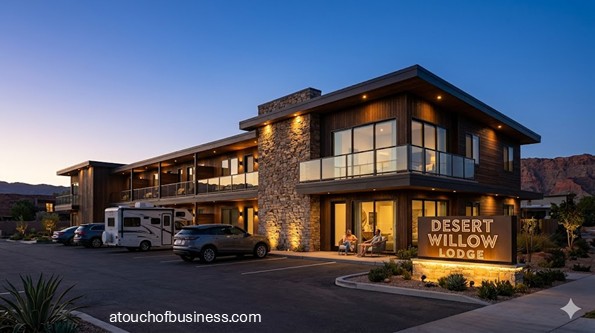
Starting a Motel Begins With the Property and the Guest
A motel is a short-term lodging business. You provide clean, safe, guest-ready rooms to travelers who need a simple place to stay.
The building matters. The parking lot matters. The booking process matters. So does the way a guest feels when they arrive tired, late, or unsure.
Most motels serve people such as:
- Road travelers
- Budget leisure guests
- Construction and utility crews
- Hospital or college visitors
- Event guests
- Relocation guests
- People needing temporary lodging after a repair, storm, or insurance claim
Decide early what kind of motel you want to open. A small independent roadside motel has different needs than a franchised economy property or an older motel that needs major repairs.
Do not treat the rooms as the whole business. A motel also needs booking systems, staff coverage, housekeeping flow, tax setup, safety systems, vendors, signage, and local approvals before guests arrive.
Decide Whether Motel Ownership Fits You
Before you look at buildings, look at yourself. Owning a motel can mean early mornings, late calls, guest complaints, staff gaps, repair surprises, and financial risk.
Ask yourself if you want the day-to-day demands, not just the title. Prestige and the image of ownership are weak reasons to start. They usually fade when a pipe leaks, a housekeeper calls out, or a guest disputes a charge.
Stronger reasons are more practical. You may be passionate about hospitality, interested in owning the business, and willing to build a place where guests feel safe, clean, and fairly treated.
Start because you are moving toward something meaningful, not mainly because you want to escape a job, a bad boss, or financial trouble.
Think through the factors you should weigh before opening. A motel can be a real business opportunity, but it can also surface gaps in your plan quickly.
Talk to Motel Owners Before You Commit
Speak with owners before you sign a lease, buy a property, or pay a franchise fee. Choose owners you will not compete with.
Look in another city, region, or market area. Prepare real questions before you call or visit.
- What surprised you most before opening?
- Which repairs cost more than expected?
- What permits or inspections slowed the launch?
- How many people did you need before opening?
- Which booking systems or vendors would you choose again?
- What would you check before buying an older motel?
Those conversations matter because motel owners have direct experience. Their path may not match yours, but firsthand owner insight can reveal issues you will not see in a listing or brochure.
Confirm Local Demand Before Moving Forward
A motel only works if enough people need rooms in that location. Do not assume traffic means demand.
Check the area first. Weak demand may mean the location, price level, or business idea is not a good fit.
Review nearby demand drivers such as:
- Highways and major roads
- Hospitals
- Colleges
- Industrial parks
- Tourist attractions
- Sports venues
- Airports
- Construction projects
- Seasonal events
Then compare local motels, economy hotels, extended-stay properties, inns, and short-term rentals. Look at rates, reviews, parking, cleanliness comments, room photos, and how easy it is to book.
Use local supply and demand as a decision tool. If the area already has many low-priced rooms and even poor reviews do not leave a clear opening, be careful.
Choose Your Motel Startup Path
Decide whether to start from scratch, buy an existing motel, or explore a franchise. Each path changes cost, control, timeline, and risk.
Write down your preferred path before you price the project. Otherwise, you may compare options that are not really alike.
- Start from scratch: You may control the design, layout, room mix, and systems, but land, construction, permits, and inspections can take longer.
- Buy an existing motel: You may open faster, but you must inspect code status, reviews, financial records, repairs, licenses, and deferred maintenance.
- Explore a franchise: You may get brand standards and reservation support, but you must review fees, vendor rules, property standards, and the Franchise Disclosure Document.
Buying may fit if a property already has the right zoning, room count, parking, and demand. Starting fresh may fit if the available properties are too damaged or poorly located.
Compare your options against budget, timeline, support needs, available properties, desired control, and risk tolerance. For some buyers, a motel already in operation may be a better fit than building from the ground up.
Write a Practical Motel Business Plan
Your business plan should explain how the motel will open, serve guests, collect payments, and keep each room guest-ready.
Keep it practical. Use it to test decisions, not to impress anyone.
Include:
- Room count and room types
- Target guests
- Local demand drivers
- Competitor rates and reviews
- Startup costs
- Renovation or build-out needs
- Staffing before opening
- Booking systems
- Pricing decisions
- Licenses, permits, and inspections
- Opening checklist
- Working capital reserve
A motel plan should also cover guest flow. Map the guest path from search, booking, confirmation, arrival, check-in, stay, issue handling, checkout, and review.
Use a clear plan for the business so your numbers, property decisions, and launch steps stay aligned.
Define the Motel Guest Experience
A motel guest usually wants convenience, comfort, trust, and a room that matches the promise. Get those basics right before you add extras.
Decide what your guest should experience at each stage.
- Booking: clear room types, prices, taxes, fees, cancellation terms, and accessible-room details.
- Confirmation: accurate dates, total price, check-in time, pet rules, deposit rules, and parking details.
- Arrival: visible signage, safe lighting, easy parking, and a prepared front desk.
- Stay: clean room, working HVAC, hot water, Wi-Fi, television, locks, linens, and supplies.
- Issue handling: a clear way to report noise, maintenance, billing, or room problems.
- Checkout: simple payment review, receipt, and room status update.
Set the promise before you promote the motel. Reputation damage starts when photos, prices, room condition, and service do not match.
Choose Your Room Mix, Amenities, and Capacity
A motel is a capacity business. You have a fixed number of rooms, parking spaces, beds, and staff hours.
Decide what you can support before opening.
- Single rooms
- Double rooms
- Accessible rooms
- Pet-friendly rooms
- Smoking or no-smoking policy
- Weekly stays if allowed and practical
- Guest laundry
- Vending or small market items
- Breakfast or coffee service
- Pool or spa if already on site
Every amenity adds setup work. A pool may bring health inspection needs. Breakfast may trigger food service rules. Weekly stays may change guest screening, housekeeping, and tax handling.
Keep the first version of the motel simple enough to launch well.
Check the Property Before You Buy or Lease
For a motel, the property can make or break the startup. Inspect more than the guest rooms.
Confirm the building, site, and systems before you commit.
- Zoning for motel or transient lodging use
- Certificate of occupancy status
- Open permits or violations
- Fire inspection history
- ADA accessibility issues
- Roof condition
- HVAC condition
- Electrical system condition
- Plumbing and hot water capacity
- Water pressure
- Parking layout
- Exterior lighting
- Signage rights
- Drainage, trash, and site access
Bring qualified inspectors and trade professionals into the process. A cheap motel property can become expensive if fire, plumbing, roof, or accessibility work is missing from your budget.
Set Up Booking and Payment Systems Early
A weak booking system can create overbooking, wrong rates, guest frustration, and lost trust before you fully open.
Choose the systems before taking reservations.
- Property management system
- Booking engine
- Channel manager
- Online travel agency accounts
- Payment processor
- Credit card terminals
- Accounting software
- Door lock or key card system
- Guest messaging tools
Configure room types carefully. Set taxes, required fees, deposits, cancellation rules, pet fees, early check-in fees, and late checkout fees before the first booking goes live.
Federal rules on short-term lodging fees require covered businesses to disclose total prices and mandatory fees upfront. Do not hide required charges until checkout.
Plan Startup Costs and Funding
Motel startup costs vary widely. A new build, an older acquisition, and a franchise renovation are very different projects.
Build your cost list around the actual property.
- Purchase price or lease deposits
- Due diligence
- Legal and accounting fees
- Architectural and engineering work
- Permits and plan review
- Construction or renovation
- Fire and life-safety upgrades
- Accessibility upgrades
- Furniture, fixtures, and equipment
- Operating supplies and equipment
- Technology systems
- Signage
- Insurance premiums
- Pre-opening payroll
- Working capital reserve
Hotel development cost data can help with broad benchmarks, but it cannot estimate the cost of your specific motel project. Location, room count, age, renovation scope, brand requirements, and code upgrades change the numbers.
List your funding options early. These may include owner equity, a commercial real estate loan, an SBA-backed loan, seller financing, investor funds, equipment financing, or a working capital line of credit.
If you borrow, prepare for lender questions about property value, demand, renovation budget, tax records, insurance, permits, and your opening plan. Consider a business loan only after your projections are grounded in realistic estimates.
Set Motel Pricing and Profit Targets
Pricing a motel is not just picking a nightly rate. You must understand room revenue, occupancy, expenses, taxes, fees, and booking costs.
Use these inputs before you set rates:
- Local competitor rates
- Room type and bed count
- Weekday and weekend demand
- Seasonal demand
- Event dates
- Online travel agency commissions
- Credit card fees
- Cleaning cost per occupied room
- Franchise fees if applicable
- Local lodging taxes
- Pet, parking, and amenity fees if charged
Use common lodging terms correctly. Average daily rate measures room revenue divided by rooms sold. Revenue per available room reflects revenue across available room inventory.
Test the numbers before opening. A high occupancy forecast will not help if rates are too low, repairs are underfunded, or tax and commission costs are missing.
For a broader pricing foundation, review the basics of setting your prices before you publish room rates.
Put Banking, Bookkeeping, Taxes, and Records in Place
Set up financial systems before you take guest payments. Motel revenue can come from direct bookings, online travel agencies, walk-ins, deposits, fees, refunds, and no-shows.
Keep business transactions separate from personal ones from the start.
- Open a business checking account.
- Set up merchant services or another card payment option.
- Connect payment records to bookkeeping.
- Track lodging taxes separately.
- Set up payroll if hiring staff.
- Store vendor contracts and inspection records.
- Keep guest folios and refund records.
- Document deposits, incidental holds, and chargebacks.
Register for the tax accounts that apply in your state and city. A motel may need sales tax, lodging tax, hotel occupancy tax, transient occupancy tax, employer withholding, and unemployment accounts.
Compare banks before you open accounts. A motel may need cash deposits, card processing support, payroll services, remote deposit, and strong online access. Start by choosing a bank for the business.
Handle Legal Setup and Local Approvals
Motel rules vary by location. Confirm them before you buy, renovate, advertise, or accept reservations.
Start with these core setup items:
- Choose your legal structure.
- Register the business with the state if required.
- Apply for an Employer Identification Number.
- Register a trade name or DBA if needed.
- Apply for state and local tax accounts.
- Confirm zoning for motel or transient lodging use.
- Verify certificate of occupancy requirements.
- Apply for a lodging, hotel, motel, or public lodging license where required.
- Schedule building, fire, health, pool, or food inspections if they apply.
Some states require a lodging license and inspection before a motel can open. The details vary by state, room count, food service, water source, and property setup.
Ask the local planning office whether motel use is allowed at the site. Ask the building department about the certificate of occupancy. Ask the fire marshal which fire and life-safety inspections must be completed before guests arrive.
Use local licenses and permits as a checklist topic, but verify the actual requirements with the agencies that control your property.
Prepare for ADA, Fire, and Guest Safety Requirements
A motel serves the public, so accessibility and safety must be part of the launch plan.
Confirm ADA requirements for accessible rooms, accessible routes, parking, guest communication, service animals, and room reservations. New construction and alterations must follow federal accessibility standards.
Work with qualified professionals if you are building, altering, or converting the property. Do not guess on accessible-room counts, parking layout, routes, bathrooms, or front desk design.
Plan fire and life-safety items before opening:
-
- Smoke alarms or detectors
- Fire alarm system
- Sprinkler system if required
- Fire extinguishers
- Emergency lighting
- Exit signs
- Evacuation maps
- Fire lanes
- Electrical and mechanical room access
- Fire alarm monitoring if required
Do not leave safety checks until the end. Fire and accessibility issues can delay opening and force expensive changes.
Set Up Insurance and Risk Planning
Insurance needs depend on the property, employees, state rules, lender requirements, and services offered.
At minimum, discuss these areas with a qualified insurance professional:
- Commercial property coverage
- General liability
- Workers’ compensation if employees are hired
- Business interruption coverage
- Commercial auto if a shuttle or business vehicle is used
- Cyber or data coverage for booking and payment systems
- Employment practices coverage if staff will be hired
- Pool, food service, or liquor-related coverage if applicable
Some employer-related insurance can be legally required. Workers’ compensation, unemployment insurance, and disability insurance vary by state.
Risk planning also means writing procedures. Create incident reports, guest complaint forms, refund rules, key control steps, emergency contacts, and maintenance logs before opening.
Use business insurance basics as a starting point, then confirm coverage with an agent who understands lodging properties.
Buy the Right Equipment and Set Up the Facility
A motel needs more than beds and towels. The building must support guest comfort, housekeeping speed, safety, and staff workflow.
Build your setup list by area.
- Guestrooms: beds, mattresses, bedding, towels, furniture, lamps, televisions, hangers, window coverings, wastebaskets, hair dryers, irons, and room guides.
- Bathrooms: bath linens, soap, shampoo, tissue, toilet paper, mirrors, grab bars where required, non-slip surfaces, and working fixtures.
- Front desk: computers, property management system access, payment terminals, key card encoder, cash drawer, phones, forms, and guest records.
- Housekeeping: carts, vacuums, mops, cleaning chemicals, gloves, room checklists, linen storage, and lost-and-found supplies.
- Laundry: washers, dryers, folding tables, carts, detergent, shelving, and stain treatment supplies.
- Maintenance: hand tools, ladders, HVAC filters, bulbs, plumbing parts, paint supplies, door hardware, batteries, and work logs.
- Technology: Wi-Fi, routers, phones, accounting software, booking tools, payment systems, and door access systems.
- Safety: fire extinguishers, exit signs, emergency lighting, cameras, exterior lighting, and required alarms.
If the motel has breakfast, a pool, guest laundry, vending, or shuttle service, add the equipment and permits tied to each feature.
Set Up Suppliers and Service Vendors
Line up vendors before you open. A motel can lose guest trust quickly when linen service breaks down, Wi-Fi goes out, cleaning supplies run short, pest control slips, or fire monitoring fails.
Set up reliable suppliers for:
- Linens and towels
- Mattresses and bedding
- Guest toiletries
- Cleaning chemicals
- Laundry chemicals
- Pest control
- Waste hauling
- Fire alarm monitoring
- HVAC, plumbing, and electrical repairs
- Internet and television service
- Vending or market items
- Food supplies if breakfast is offered
- Pool service if a pool or spa is on site
- Landscaping or snow removal where needed
Ask each vendor about response times, emergency service, delivery schedules, minimum orders, payment terms, and backup options.
Create the Motel Name, Website, and Digital Footprint
Your name and digital presence should make the motel easy to find and easy to trust.
Choose a name that is simple, clear, and not already in use in your market. Confirm business name availability, domain availability, and trademark concerns before you order signs or launch a website.
Set up:
-
- Domain name
- Website with booking access
- Google Business Profile
- Online travel agency listings
- Accurate room photos
- Phone number and email
- Map listing
- Exterior and room descriptions
- Accessible-room details
- Clear tax, fee, pet, parking, and cancellation details
Match your photos to the actual room condition. If the listing promises one experience and the room delivers another, your reviews can suffer fast.
Plan exterior signage early, because signs may require local permits.
Build Brand Basics Without Overcomplicating Them
A motel brand does not need to be fancy. It needs to be clear, consistent, and believable.
Define the basic promise first. Are you offering clean budget rooms near the highway? Pet-friendly roadside lodging? Crew-friendly weekly stays? A simple overnight stop near a hospital or college?
Prepare the basics:
- Name
- Logo
- Exterior sign style
- Room photo style
- Color and font choices
- Guest email templates
- Front desk scripts
- Printed room information
Keep the brand tied to the real property. A motel should not promise luxury if the startup budget supports clean, basic, value-focused lodging.
Prepare Forms, Policies, and Internal Documents
Write the documents before the opening rush starts. Clear forms protect the guest, the staff, and the business.
Prepare:
- Reservation policy
- Cancellation policy
- Deposit and incidental hold policy
- Pet policy if pets are allowed
- Service animal procedure
- Smoking policy
- Refund procedure
- Lost-and-found log
- Maintenance request log
- Room inspection checklist
- Housekeeping assignment sheet
- Guest incident report
- Emergency contact sheet
- Fire evacuation plan
- Vendor contact list
- Employee onboarding documents
Keep policies short and usable. Staff must be able to apply them at the front desk, on a busy checkout morning, or during a late-night complaint.
Design the Guest Flow and Staff Workflow
A motel’s layout and workflow have to work smoothly on site. Poor layout and weak workflow create long waits, missed rooms, safety issues, and bad reviews.
Map the daily flow before opening.
- How guests enter the parking lot
- Where guests check in
- How keys are issued
- How room status changes after checkout
- How housekeeping receives assignments
- Where dirty linen goes
- Where clean linen is stored
- How maintenance requests move from front desk to repair
- How trash leaves the property
- How staff respond to emergencies
Test the flow with real movement. Walk from room to laundry, front desk to parking lot, linen room to upper floor, and lobby to accessible rooms.
Peak pressure usually appears during check-in, checkout, laundry, housekeeping turns, and maintenance calls. Plan for those moments.
Hire and Train Before Guests Arrive
A motel usually needs staff before the first public booking. Even a small property can overwhelm one person.
Plan opening roles such as:
- Owner-manager or general manager
- Front desk agents
- Housekeepers
- Laundry staff
- Maintenance worker or contractor
- Night auditor or overnight coverage
- Breakfast attendant if breakfast is offered
Train staff on check-in, checkout, room status, payment holds, refunds, key control, service animals, emergency procedures, guest complaints, and housekeeping standards.
Hotels and motels must follow wage and hour rules when they hire employees. Review minimum wage, overtime, recordkeeping, tipped employee rules if applicable, and wage deduction limits.
Plan when to bring staff on before the motel opens, not after the first busy weekend.
Understand Daily Responsibilities Before Opening
Use daily responsibilities as a fit test. This is not long-term management advice; it is a launch-readiness check.
When the motel opens, the owner or manager may need to:
- Review arrivals and departures
- Check occupancy and rates
- Handle guest complaints
- Monitor housekeeping progress
- Review maintenance issues
- Check cash, card payments, and refunds
- Confirm tax and fee settings
- Respond to online booking issues
- Walk the property
- Check lighting, locks, parking, and safety concerns
A typical day may start with room status and housekeeping. Midday may bring maintenance calls and vendor deliveries. Evening may focus on arrivals, payment holds, complaints, and parking lot visibility.
Can you handle that kind of day? If not, build staff coverage into the launch plan.
Plan Capacity, Inventory, and Room Readiness
A motel should not book more rooms than it can clean, cover with staff, and maintain. Capacity planning starts with room count, but it does not end there.
Track:
- Available rooms
- Out-of-order rooms
- Room types
- Linen par levels
- Towel par levels
- Housekeeping cart supplies
- Guest toiletries
- Cleaning chemicals
- Breakfast supplies if offered
- Vending stock if offered
Set a linen par level before opening. If you do not have enough sheets, towels, and laundry capacity, clean rooms can sit unrentable.
Do not open every room just because it exists. Open only the rooms you can keep clean, safe, stocked, and ready.
Create a Simple Sales and Marketing Plan
A motel marketing plan should help the right guests find, trust, and book rooms easily.
Focus first on practical channels:
- Direct website bookings
- Online travel agencies
- Google Business Profile
- Highway or local signage where allowed
- Local employer outreach
- Hospital, college, or event-area visibility
- Crew and contractor lodging contacts
- Clear photos and room descriptions
Getting bookings for a motel depends on location, price, trust, and availability. Guests must understand what they are booking and how to reach the property.
Encourage repeat stays by being consistent. Clean rooms, honest pricing, easy check-in, quick issue handling, and accurate photos can matter more than clever marketing.
Set Launch Readiness Targets
Open when the motel is ready for guests, not when the website is ready.
Use clear launch targets:
- All required licenses and approvals are complete.
- Certificate of occupancy is approved or confirmed valid.
- Fire inspection is passed.
- Room inspections are complete.
- Booking systems are tested.
- Payment processing works.
- Door locks and keys work.
- Wi-Fi works in guest areas.
- Housekeeping can turn rooms on schedule.
- Laundry capacity is tested.
- Staff can handle check-in and checkout.
- Vendors are active.
- Emergency procedures are ready.
Run a soft opening if possible. Test real reservations, room turnover, payment holds, refunds, late arrival, housekeeping communication, and maintenance response.
Watch for Motel Startup Red Flags
Some warning signs should slow you down. Others should make you walk away.
Pay close attention if you see:
- The property is not zoned for motel or transient lodging use.
- The certificate of occupancy is missing or tied to a different use.
- Fire, alarm, sprinkler, exit, or emergency lighting issues are unresolved.
- ADA work is not included in the budget.
- The property has roof, HVAC, plumbing, electrical, mold, or water pressure problems.
- The motel depends on a private well or septic system that may not support room count.
- The renovation budget leaves out furniture, fixtures, equipment, linens, technology, and pre-opening payroll.
- The franchise property improvement plan is larger than expected.
- Local demand is seasonal, weak, or already saturated.
- Guest reviews show safety, cleanliness, pest, noise, or refund problems.
- The staffing plan does not cover housekeeping, front desk, maintenance, laundry, and overnight needs.
- Tax accounts are not ready before taking bookings.
- The motel opens before booking systems, payment processing, door locks, and Wi-Fi are tested.
Fix the red flags before opening. If you ignore them, guests will find them for you.
Use These Questions Before You Move Ahead
Ask direct questions before you commit serious capital. The answers will show whether the motel idea is ready.
- Is this property legally allowed to operate as a motel?
- Does the building have the right certificate of occupancy?
- Which lodging license, business license, or local permit applies?
- What taxes must be collected on room charges and required fees?
- What fire inspection items must be completed before opening?
- Which ADA upgrades are needed before guests arrive?
- How many rooms can be opened safely on day one?
- How many housekeepers are needed to turn rooms on time?
- What happens if the property loses Wi-Fi, hot water, or HVAC?
- How will guests book, pay, cancel, and get receipts?
- How much working capital is available after opening costs?
- What would make you stop the project?
Final Pre-Opening Checklist for a Motel
Use this checklist before you accept public reservations. Adapt it to the property and local rules.
- Business entity is formed.
- Employer Identification Number is issued.
- State and local tax accounts are active.
- Employer accounts are ready if staff are hired.
- Zoning is verified.
- Certificate of occupancy is approved or confirmed.
- Lodging license is approved where required.
- Business license is approved where required.
- Fire inspection is passed.
- Food or pool permits are approved if applicable.
- Insurance coverage is active.
- Rooms are inspected and stocked.
- Accessible rooms and parking are checked.
- Housekeeping carts and laundry are ready.
- Booking engine and online listings are tested.
- Taxes and fees are configured correctly.
- Payment processing works.
- Door locks and key cards are tested.
- Wi-Fi, phones, and televisions are working.
- Exterior lighting and cameras are checked.
- Staff are trained.
- Vendor contacts are confirmed.
- Emergency procedures are posted and understood.
- Soft opening issues are fixed.
Open only when the guest experience is ready. A motel launch is not just a legal date. It is the first time real guests test your building, systems, staff, and promise.
FAQs
Question: What should I check first before starting a motel?
Answer: Start with the property, the location, and the local lodging rules. A motel idea can look good until zoning, building condition, room demand, or repair costs change the financial picture.
Question: Do I need a special license to open a motel?
Answer: Many areas require a lodging license, hotel license, motel license, or local business license. The exact name and process depend on the state, city, or county.
Call the local licensing office, health department, or business department and ask what approvals apply to a motel at your address.
Question: What permits may apply when starting a motel?
Answer: Common items can include zoning approval, a certificate of occupancy, building permits, fire inspection, sign permits, and lodging permits. Food service or pool permits may also apply if you offer those features.
Verify the list with the building department, fire marshal, planning office, and any state lodging agency.
Question: Is buying an existing motel easier than building one?
Answer: It can be faster, but it is not always easier. Older motels may have hidden roof, plumbing, electrical, HVAC, fire safety, or accessibility issues.
Have the property reviewed by qualified inspectors before you rely on the asking price or past income.
Question: Should I start an independent motel or use a franchise brand?
Answer: An independent motel gives you more control over the name, design, vendors, and guest promise. A franchise may add brand support, reservation tools, rules, fees, and required upgrades.
Review the franchise documents carefully before paying or signing anything.
Question: What startup costs should I plan for with a motel?
Answer: Plan for the property, legal fees, inspections, repairs, room furniture, linens, technology, signs, insurance, supplies, payroll, and working capital. Renovation and safety work can change the total fast.
Do not estimate startup costs from room count alone. The building’s condition matters just as much.
Question: What equipment do I need to open a small motel?
Answer: You need guestroom furniture, beds, linens, towels, cleaning tools, laundry equipment or laundry service, front desk equipment, payment tools, Wi-Fi, locks, and safety items. You may also need food, pool, vending, or maintenance supplies if those services apply.
Build the list by room, lobby, laundry, housekeeping, exterior, and office area.
Question: How do I set room prices before the motel opens?
Answer: Compare nearby lodging, then look at your room types, taxes, cleaning cost, card fees, booking commissions, seasonality, and local events. Your rate must cover more than the room itself.
Make sure any required fees are shown clearly when guests book.
Question: What taxes should a motel owner expect to handle?
Answer: Motel owners often deal with sales tax, lodging tax, occupancy tax, employer taxes, and local room taxes. The names and rules vary by location.
Ask the state tax agency and local finance office how room charges, fees, and longer stays are taxed.
Question: What insurance should I look into before opening a motel?
Answer: Ask about property insurance, general liability, workers’ compensation, business interruption, cyber coverage, and coverage for any pool, shuttle, or food service. Lenders and state laws may require certain policies.
Use an agent who understands lodging properties, not just general small business coverage.
Question: What is a common mistake when buying a motel?
Answer: A common mistake is focusing on the room count and ignoring the condition of the building. A motel with many rooms can still be a poor buy if many rooms need repairs or cannot pass inspection.
Check code issues, guest reviews, repair history, and utility systems before you move ahead.
Question: How important is the certificate of occupancy for a motel?
Answer: It can be critical because it shows the approved use of the building. If the property’s approved use does not match motel use, you may face delays or extra work.
Ask the local building department what records exist for the property.
Question: What ADA issues should a new motel owner review?
Answer: Review accessible rooms, parking, paths of travel, front desk access, bathrooms, booking details, and service animal procedures. New construction and renovations can trigger specific accessibility duties.
Use qualified design or code help if you are altering the building.
Question: How many employees does a motel need at the start?
Answer: It depends on room count, hours, laundry setup, and service level. Most motels need some mix of front desk, housekeeping, maintenance, laundry, and overnight coverage.
If you plan to do too much alone, test that plan against a full checkout day.
Question: What daily work should I expect during the first month?
Answer: Expect to review arrivals, solve guest issues, check rooms, watch payments, support staff, call vendors, and handle repairs. The first month often reveals problems in training, room setup, and systems.
Walk the property often and fix small issues before they become reviews.
Question: What systems should be ready before taking reservations?
Answer: Have a property management system, booking engine, payment processor, tax settings, room inventory, and cancellation rules in place. If you use online travel agencies, connect them carefully to avoid double bookings.
Test a sample reservation from start to finish before going live.
Question: How should I manage cash flow in the first month?
Answer: Keep a reserve for payroll, supplies, repairs, refunds, utilities, taxes, and slow nights. Early room revenue may not arrive in the same pattern as your bills.
Track direct bookings and third-party payouts separately so you know what cash is really available.
Question: What policies should a motel have on day one?
Answer: Prepare policies for cancellations, deposits, pets, smoking, service animals, refunds, damage, lost items, guest complaints, and emergency events. Staff should know how to apply them without guessing.
Keep the wording clear and use the same rules across the front desk, website, and booking platforms.
Question: How can a new motel get its first bookings?
Answer: Start with accurate online listings, clear photos, a working website, local map visibility, and direct outreach to nearby demand sources. Hospitals, colleges, contractors, event venues, and employers may all create room demand.
Do not promise more than the property can deliver. Early reviews can shape trust quickly.
Question: What should I test during a soft opening?
Answer: Test check-in, payments, key cards, Wi-Fi, hot water, room cleaning, laundry, refunds, late arrivals, and maintenance calls. Use the test to find weak spots while the pressure is still low.
Fix the problems before you open reservations to the public.
Expert Tips From Motel and Hotel Owners
Advice from people who have bought, opened, renovated, or operated lodging properties can help you spot problems before they become expensive.
The resources can give you a closer look at due diligence, financing, staffing, guest experience, franchise decisions, renovations, and the daily reality of motel ownership.
- How to Buy a HOTEL as Your Next Rental Property
- Lessons Learned from a Failed Motel Deal
- Bootstrapped Hospitality: Scaling Your Hotel Portfolio Without Major Capital
- An Interview with the Owner of a Successful Franchise Hotel
- Motel Rescue’s Lindsey Kurowski On Her Biggest Remodeling Challenge
- Joie de Vivre Hospitality / On the Record: Chip Conley
- 9 Investing Lessons I’ve Learned From Owning a Business
Related Articles
- How To Start a Bed and Breakfast
- How To Start a Hostel
- Start a Boarding House Business
- Starting an Ice Hotel
- How To Start Your RV Park
- How To Start a Campground Business from the Ground Up
- Starting a Glamping Business
- How To Start a Property Management Business the Right Way
- How To Start Your Rental Property Management Business
- How To Start an Airport Shuttle Service
- How To Start a Car Rental Business
Sources:
- BLS: Accommodation NAICS 721
- SBA: Market Research Basics, Register Your Business, Get Business Insurance
- IRS: Get an EIN, State Government Websites
- DOL: Hotel and Motel FLSA
- ADA.gov: Lodging ADA Guide, Title III Regulations
- U.S. Access Board: ADA Accessibility Standards
- FTC: Franchise Rule, Deceptive Fees Rule
- USFA: Hotel Fire Safety
- GSA: Fire Safe Hotels
- Florida DBPR: Hotels and Restaurants Licensing
- Minnesota Department of Health: Lodging in Minnesota
- Vermont Department of Health: Lodging Establishments
- North Dakota Health and Human Services: Lodging Establishments
- HVS: Hotel Development Costs, Hotel Cost Guide