
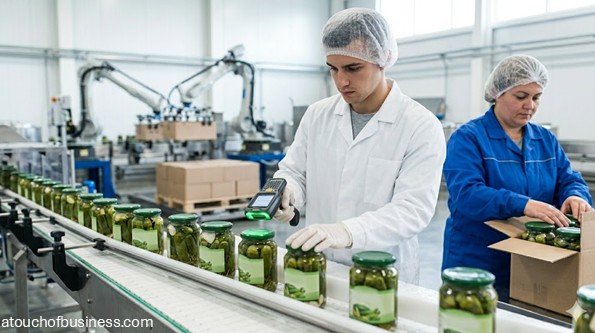
Pickle Production Business: What To Expect Before Opening
A pickle production business makes pickled products for sale in sealed containers. In this setup, you are not opening a restaurant or a small retail counter first. You are setting up a food manufacturing operation that buys ingredients, processes them in batches, fills jars or other containers, applies labels, stores finished goods, and sells through retail, wholesale, foodservice, or direct channels.
Most new operators start with a small line of products such as pickle chips, spears, whole pickles, or flavored fresh-pack pickles. Some also add relish-style products or private-label work. That sounds simple at first, but a pickle production business can become complex fast because product type affects your filings, your process, your records, your packaging, and even the kind of facility you need.
The first big issue is product classification. Shelf-stable acidified pickles do not follow the same path as refrigerated-only pickles. If you plan to sell jars that sit at room temperature, you need to build the business around acidified food rules, scheduled processes, pH control, and tighter documentation. If you get this wrong early, you can lose time, waste labels, and spend money on the wrong setup.
Your customers may include grocery buyers, specialty retailers, foodservice distributors, restaurants, farm market shoppers, and direct online buyers. They care about quality, consistency, lead time, pricing, and whether every case shows up the way it should. In a pickle production business, people do not buy effort. They buy a reliable finished product.
There are real advantages here. Batch production can be repeatable. Shelf-stable products can reduce cold-chain pressure. A strong product line can work in more than one sales channel. But there are downsides too. This business comes with more compliance work than many beginner food ideas, and the wrong facility, the wrong process, or the wrong packaging choice can create expensive rework before you even open.
Is A Pickle Production Business Right For You?
Before you think about jars, labels, or equipment, ask whether business ownership fits you at all. Then ask whether a pickle production business fits you. Those are not the same question.
This type of business can suit you if you like process work, quality control, routine cleanup, paperwork, supplier follow-up, and fixing small production problems without drama. It may not suit you if you want constant variety, dislike sanitation work, or get frustrated by repeated testing and recordkeeping. The day-to-day work is not just tasting pickles. It is receiving cucumbers, checking supplies, calibrating a pH meter, reviewing batch sheets, handling closures, and deciding whether a lot should be held.
You also need to think about pressure tolerance. A pickle production business can put you under strain before launch because you may be dealing with lease decisions, equipment delivery, state inspections, label approval work, and process setup at the same time. If you already feel stretched thin, the early stage can be harder than you expect.
Ask yourself this in plain terms: are you moving toward this kind of work, or are you mainly trying to get away from a job you hate? Starting a business only to escape a boss, fix immediate financial pressure, or chase the image of being an owner is a weak reason to choose a regulated food operation.
Passion matters here because the startup stage is repetitive, technical, and demanding. If you do not care about the work itself, the hard weeks will feel longer. That is one reason to think seriously about your passion for the work before you commit.
You should also talk with owners who already run this kind of business, but only talk to owners you will not compete against. Look in another city, another region, or a different market area. Ask them what surprised them, what delayed their launch, what equipment they bought too early, and what records mattered most. That kind of firsthand owner insight is hard to replace because it comes from direct experience, even when their path is not exactly the same as yours.
Choose Your Pickle Product Path
Your first startup step is to decide exactly what kind of pickles you will make and how they will be sold. For a pickle production business, this is not a branding exercise. It is a compliance and setup decision.
Start with a narrow product line. Pick the format, the flavor range, the container type, and whether the product will be shelf-stable or refrigerated. A simple line might be dill chips, garlic spears, and spicy spears in one jar size. That is easier to launch than six flavors in three sizes with different labels and different fill requirements.
Do not guess on shelf stability. If the product will be sold at room temperature in sealed containers, it may fall under the acidified foods path. That means your process, your training, your filings, and your records must match that product type. If the product is refrigerated only, the setup may be different. Confirm this before you order packaging or build your production process around assumptions.
Product choice also affects labor and space. Whole pickles, chips, relish-style items, and specialty flavors do not move through the plant the same way. More variety usually means more ingredients, more label versions, more inventory, and more chances for mix-ups during startup.
Decide On Your Offer Scope And Customer Focus
A pickle production business can sell into several channels, but that does not mean you should chase all of them on day one. Your early offer should match your production ability, packaging plan, and working capital.
You might focus on local retailers, specialty stores, farm markets, foodservice, direct online sales, or a mix of two channels. A wholesale-first plan usually means case packs, steady output, tighter delivery timing, and lower per-unit pricing. A direct-to-consumer plan can support higher prices, but it also brings smaller orders, more customer questions, and more handling work.
Think about what your first buyers actually need. Retailers may want shelf-ready labels and consistent case counts. Restaurants may care more about flavor, pack size, and delivery reliability. A direct customer may care about brand story and easy ordering. Pick one main lane first, then build the rest around it.
This is where many new food businesses get off track. They build a product line that looks exciting, but it does not match the buyers they plan to pursue. In a pickle production business, the offer should support the sales channel, not fight it.
Validate Demand And Competitive Reality
Before you spend much money, confirm there is room for your product where you plan to sell it. A pickle production business can look promising on paper and still struggle if the market is already packed with similar jars at similar prices.
Study the shelves, not just online opinions. Visit local retailers, specialty stores, and markets. Look at pack sizes, flavor variety, pricing, label quality, and shelf placement. Notice whether the market is crowded with low-price national brands, premium regional products, or local handmade competitors. This tells you where you may fit and where you may not.
You should also think about local supply and demand. If your area already has strong pickle brands with loyal shelf space, your opening path may be slower. If stores have little variety or weak local options, that may be your opening. Either way, do not assume interest equals demand. Real demand shows up when buyers are willing to place orders at your actual price.
A practical first-stage target helps here. Decide what early success looks like. It might be landing five local store accounts, moving a certain number of cases each month, or reaching a sales level that supports ingredient reorders without constant cash strain. Keep the target simple and tied to opening reality.
Choose Your Name, Structure, And Ownership Setup
Now move into legal setup. Pick your business name, decide who owns the company, and choose the legal structure before you start signing contracts or filing for permits.
If you are unsure how to organize it, spend time on deciding on a business structure before you lock anything in. The right choice affects liability, taxes, banking, contracts, and how cleanly you can bring in a partner later. If you will sell under a brand name that differs from the legal entity name, you may also need a separate assumed-name filing depending on where you operate.
Keep the ownership setup clean. If more than one person is involved, define the roles, financial management, investments, decision rights, and exit terms in writing early. Many food businesses run into trouble because one person thinks they are helping and the other thinks they are an owner. Fix that before the first production run, not after.
This is also a good time to claim a matching domain name, set up a business email, and make sure your brand name works on a jar label. A name that looks good in conversation may not work when it has to fit ingredient panels, case labels, invoices, and a website header.
Secure A Facility That Fits Food Production
A pickle production business in a manufacturing model usually needs a commercial facility that can legally support food processing. That sounds obvious, but this is where many expensive problems begin.
Before you sign a lease, confirm the site is allowed for food manufacturing, ingredient storage, finished-goods storage, and any pickup or direct sales activity you plan to offer. Ask about zoning, use classification, parking, loading access, waste handling, and whether a certificate of occupancy is required because of a new tenant, a remodel, or a change in use.
Look at utilities and layout with production in mind. You may need enough water access, drainage, power, ventilation, space for washing and cutting, room for a brine tank or kettle, packaging space, dry storage, pallet space, and a hold area for finished goods. The best space is not just affordable. It supports a clean work sequence from receiving to shipping.
Do not choose a facility based only on rent. A cheap site with poor drainage, weak electrical service, or a bad production layout can cost more than a better space that is ready sooner. In a pickle production business, weak flow creates bottlenecks, wasted movement, and sanitation headaches before opening day.
Build Your Compliance Plan Early
This business is regulated, so compliance should be part of your setup process from the start. Keep it simple and practical. You are trying to answer three questions early: which rules apply, which agency handles each part, and what must be in place before you begin production.
At the federal level, a commercial food facility generally needs Food and Drug Administration food facility registration. If you are making shelf-stable acidified pickles in sealed containers, you may also need acidified food establishment registration and scheduled process filings tied to the product and container size. On top of that, you need labeling that meets federal rules and a food safety system that matches the kind of facility you are running.
At the state level, many pickle processors deal with a state agriculture department, health department, or food safety division for licensing or inspection. At the city or county level, zoning, building, fire, and occupancy approvals can matter before you open. The exact mix depends on where the facility is and what you are making.
Do not wait until build-out is nearly done to start these conversations. Opening before approvals are in place can delay launch and force costly changes.
If you want a broader plain-English guide to this topic, these permit and license requirements help you frame the questions you need to ask.
Use the questions below when you speak with agencies or outside professionals.
- Does this exact facility address allow food manufacturing, storage, and the type of sales activity I plan to add?
- For my product, does the state treat this as a general processed food operation, an acidified food operation, or both?
- Which approvals must be finished before I start commercial production, and which ones can be filed while the site is being prepared?
- Will my layout, equipment installation, or change in building use trigger building review, fire review, or a new certificate of occupancy?
- For my formula and container size, do I need a scheduled process from a qualified person before I produce for sale?
Develop Your Formula And Scheduled Process
For a pickle production business, your formula is not just a recipe. It is part of your safety and process control system. If you are producing shelf-stable acidified pickles, the scheduled process must be established by a qualified person with the right training and experience.
This step should happen before you order large amounts of packaging or print final labels. Jar size, closure type, fill method, pH targets, heat treatment, and hold times can affect the process. If you change something later, you may need to update more than one part of your setup.
At the same time, make sure someone responsible for acidification or other critical production factors is properly trained to supervise those operations. That is not something to leave for later. In a regulated pickle production business, the supervisor role matters from the first real batch.
Keep the first formula line tight. Too many flavors too soon can create confusion with ingredients, labels, batch sheets, and storage. A smaller line is easier to control, easier to document, and easier to launch without costly waste.
Plan Your Production Flow And Equipment
Now build the actual work sequence for your pickle production business. Think in order: receiving, washing, trimming or slicing, brine preparation, filling, capping, coding, packing, storage, and shipping. When you see the work in that order, equipment decisions become much easier.
Your startup equipment may include receiving tables, produce bins, prep tables, knives, slicers, wash sinks or wash systems, ingredient scales, a brine tank or steam-jacketed kettle, thermometers, a calibrated pH meter, a filler, a capper, a labeler, a date or lot coder, a case-packing table, shelving, pallets, and a pallet jack. You may not need a high level of automation at launch, but you do need equipment that supports consistency and sanitation.
Pay close attention to bottlenecks. A line that cuts vegetables quickly but fills jars slowly can create backups, product exposure, and labor waste. A line that fills well but has poor storage or labeling flow creates another kind of problem. Good startup layouts reduce walking, reduce cross-traffic, and keep raw and finished product handling more organized.
Do not buy every piece of equipment at once just because it looks useful. Buy what supports your first production volume, your first product line, and your first sales channel. Starting too big is a common way to burden a new production business with unnecessary debt and clutter.
Set Up Suppliers, Packaging, And Inventory
A pickle production business depends on steady inputs. Your early supplier setup should cover cucumbers, vinegar, salt, spices, jars, lids or closures, labels, corrugated cases, pallets, sanitation chemicals, and basic maintenance items.
Do not wait until the final week to secure packaging. Jars, closures, and labels can create serious opening delays if one piece does not arrive on time or does not match the process you planned. A nice formula does not help if the lid spec is wrong or the label stock does not hold up in your environment.
Batch size affects inventory choices. Larger batches may lower per-unit production cost, but they require more ingredient storage, more packaging on hand, and more working capital tied up before product sells. A smaller opening batch can be easier to manage while you are still proving demand and tightening your production routine.
Keep supplier files organized from the start. Save product specifications, order terms, lot details when available, and contact information. In a food business, vendor paperwork is part of staying organized, protecting traceability, and avoiding confusion when a delivery problem shows up.
Build Your Food Safety, Records, And Internal Documents
This is where your pickle production business starts to feel like a real operation instead of an idea. You need written controls, usable forms, and records that match the way work will actually happen on your floor.
Your startup document set may include master formulas, batch sheets, pH logs, temperature logs, cleaning schedules, calibration records, deviation logs, hold-and-release forms, recall contacts, supplier files, label approval records, and lot code instructions. If you will have employees, add training records and simple work instructions for each critical task.
Do not build forms that look impressive but never get used. Your records should help you run the batch, not slow it down. A good batch sheet tells the operator what to use, what to verify, and what must be written down before the lot is released.
For a pickle production business, lot traceability and product hold decisions are important before opening, not after. If there is a pH issue, a label issue, or a closure issue, you need a clean way to stop that product from leaving the facility until the problem is reviewed.
Plan Startup Costs, Funding, And Banking
Startup costs in a pickle production business can swing widely, so avoid looking for one magic number. The real drivers are facility condition, tenant improvements, utilities, equipment level, packaging choices, the number of products you launch with, licensing and inspection needs, working capital, and whether you hire staff before opening.
Your cost list may include lease deposits, build-out, plumbing and electrical work, tables and sinks, kettles or tanks, filling and capping equipment, pH and temperature tools, first inventory, labels, cases, pallets, permits, training, insurance, and cash to cover the opening months. Working capital matters more than many new owners expect because ingredients and packaging must often be bought before the finished goods are sold.
If you need outside funding, keep the request grounded in opening needs. That might mean owner capital, equipment financing, or a loan that covers startup costs and early working capital. If you go that route, build a simple financial case for the first stage of the business rather than a dramatic long-range story.
You should also set up business banking before launch. Your bank may want formation documents, an employer identification number, and business details before opening the account. Separate business banking early. It keeps your records cleaner and makes the financial side of the startup easier to manage.
Set Your Pricing And Sales Approach
Pricing a pickle production business starts with the full cost of a sellable jar or case. That includes ingredients, packaging, labor, breakage, labels, shipping materials, waste, and the real overhead tied to production. If you ignore one of those pieces, you can end up selling product that looks busy but does not support the business.
Many new operators use cost-plus pricing at first, then adjust for channel. That makes sense because wholesale, direct-to-consumer, and foodservice usually do not support the same margin. Case-pack pricing often matters just as much as single-unit pricing because many early buyers will order by the case.
If you want help thinking through this part, spend time on setting your prices before the labels are printed. Pricing affects the whole launch. It shapes your pack size, your sales channel, your customer mix, and how quickly you can reorder raw materials.
Your early sales approach should also stay narrow. Start with the buyer group that matches your production ability. For example, if you can reliably pack and deliver local store orders in modest case quantities, lead with that. If you are still tightening your process, do not promise broad distribution right away.
Handle Insurance, Taxes, Bookkeeping, And Payment Setup
A pickle production business needs a clean financial and risk setup before opening. That includes an employer identification number, bookkeeping, tax registration where required, insurance, and a clear payment process for the customers you plan to serve.
Tax rules vary by state and by how you sell, so sort out sales tax and employer registrations early if they apply to your setup. If you will have employees, confirm your payroll accounts and any required workers’ compensation coverage before the first day of work.
On the insurance side, think about general liability, product-related coverage, property, and any coverage tied to vehicles or equipment if those apply. Insurance is not where you want to stay vague in a food operation. One supplier issue, one facility problem, or one product complaint can create a very different conversation if you are not properly covered.
Bookkeeping should be simple but real from the first month. Track ingredients, packaging, deposits, equipment, and startup expenses in a way that lets you see what your opening phase is actually costing you. A pickle production business can hide weak margins if the books are sloppy.
Hire And Train If Needed
You may open this pickle production business as an owner-only operation, or you may need one or two employees from the start. Either approach can work, but do not hire before you know what work needs to happen every day.
List the actual jobs first. That may include washing and prep, mixing brine, filling, capping, labeling, cleanup, receiving, shipping, and record entry. Once you see the work clearly, you can decide whether it makes sense to stay lean at the start or bring in help.
If you do hire, train people on the real process, not just the equipment. In a regulated food business, training should cover sanitation, handwashing, lot coding, batch instructions, label control, and what to do when something goes wrong. If acidification and other critical factors are involved, make sure the required supervision is in place from the beginning.
Do not bring on staff just to feel bigger. A larger team raises payroll pressure before the business proves itself. For many new pickle processors, it is smarter to keep the opening crew small and well trained.
Get Labels, Brand Basics, And Digital Setup Ready
Labels matter more than many first-time owners expect. In a pickle production business, the label is not just decoration. It is part of compliance, part of the sales process, and part of your production control system.
Before you print labels in volume, make sure the required statements are in place and the ingredient list matches the actual formula. Think through jar size, label size, lot code placement, and how the finished product will look on the shelf. It is easier to fix label wording on a proof than on several thousand printed pieces.
Your brand basics should stay simple at launch. You need a usable logo, label design, case markings if needed, business email, a basic website or landing page, and product information that matches what you are actually producing. If you plan to sell direct, make ordering and contact information easy to find.
Do not spend months polishing visuals while the production side is still uncertain. In a pickle production business, clean packaging and clear information matter, but launch readiness comes first.
Test Production And Run A Soft Launch
Before you open fully, run real trial batches with your actual equipment, actual jars, actual lids, actual labels, and actual coding system. That is how you find the problems that paper planning does not show.
Check pH readings, fill consistency, closure performance, label placement, case packing, storage flow, and the time each step really takes. Review every form you expect the team to use. If something is confusing during the test run, it will not get better during a busy production day.
A soft launch can mean starting with a small number of products, a small number of accounts, or a limited direct release while you tighten the operation. That is usually a smarter opening path than flooding the market before your process is stable.
Do not skip the hold-and-release mindset. If something looks off, stop the lot, review the records, and fix the issue before the product leaves the building. That habit protects the business early.
Know The Day-To-Day Work Before Opening
If you are opening a pickle production business, make sure you actually like the routine you are signing up for. A normal pre-launch or opening-stage day may start with receiving ingredients, checking what is missing, calibrating the pH meter, confirming the batch sheet, and setting up worktables.
From there, you may wash and prep cucumbers, mix brine, run the fill step, apply closures, check the containers, code the lot, move cases into storage, complete records, and clean down the line. Then you may answer buyer emails, review invoices, reorder jars, and deal with a label revision before the day ends.
That is the real picture. The business includes food production, paperwork, quality checks, supplier follow-up, and customer handling. If that mix sounds satisfying, this business may suit you. If it sounds draining, pay attention now, not after you sign a lease.
Red Flags Before You Launch
Some problems show up so often that they deserve a clear warning.
One red flag is starting too big. Too many flavors, too many jar sizes, too much equipment, or too much leased space can trap a new pickle production business under fixed costs before demand is proven.
Another red flag is weak process flow. If the production line does not move cleanly from receiving to storage, labor costs rise and quality gets harder to control. Poor layout also makes cleanup and supervision harder.
A third red flag is weak quality standards. If you do not have clear batch instructions, label control, pH checks, and release rules, you are not ready to sell a regulated packaged food product.
Watch for working-capital problems too. A production business can look close to launch and still fail because too much cash is tied up in jars, labels, ingredients, and improvements before enough product is sold. If the numbers feel tight, slow down and rework the opening plan.
Pre-Opening Checklist
Use this final list before you open your pickle production business. Keep it practical. If you cannot check an item with confidence, it probably needs more attention before launch.
- Your product type is clearly defined, including whether it will be shelf-stable or refrigerated.
- Your entity, business name, and ownership documents are in place.
- Your employer identification number and business banking are set up.
- Your facility use is confirmed, including zoning, building review, and any certificate of occupancy requirements that apply.
- Your state food licensing or registration path is confirmed, and any needed inspection steps are scheduled.
- Your acidified food filings and scheduled process work are complete if your product falls into that category.
- Your required supervision and training are in place for critical production tasks.
- Your production layout supports receiving, processing, filling, packing, storage, and cleanup without obvious bottlenecks.
- Your pH meter, thermometers, filler, capper, labeler, and coding tools are installed and ready.
- Your labels match the actual product formula and packaging setup.
- Your supplier list is stable for cucumbers, vinegar, salt, spices, jars, lids, labels, and cases.
- Your forms are ready, including batch sheets, pH logs, cleaning records, deviation logs, and hold-and-release documents.
- Your bookkeeping, tax setup, and insurance are ready for opening.
- Your trial batches have been completed using the actual production setup.
- Your opening product line is narrow enough to manage well.
- Your first-stage sales plan matches your actual production ability.
FAQs
Question: Do I need a commercial facility to start a pickle production business?
Answer: In most cases, yes, if you want to run a real production line and sell packaged product beyond very limited local exemptions. A home kitchen usually does not fit this model because food manufacturing rules, zoning, and inspection standards are stricter.
Question: How do I know if my pickles fall under the acidified food rules?
Answer: That depends on the finished product, not just the ingredient list. If you want jars that can sit on a shelf at room temperature, get the product class confirmed before you buy labels or equipment.
Question: Do I need FDA registration before I make my first sale?
Answer: A food facility that manufactures, processes, packs, or holds food for sale in the United States usually must register with the Food and Drug Administration before those activities begin. If your product falls into the acidified foods category, extra filing steps may apply as well.
Question: Do I need a scheduled process for shelf-stable pickles?
Answer: If you are packing an acidified product for room-temperature sale, you will usually need a scheduled process set by a qualified expert. This should be done before you lock in final packaging and begin commercial runs.
Question: Does someone on my team need special training for acidified pickle production?
Answer: If your operation falls under the acidified foods rules, critical processing steps must be under the supervision of a properly trained person. That is something to arrange early, not after the first batch is ready.
Question: Can I start in a shared commercial kitchen instead of my own plant?
Answer: Sometimes, but only if the site is approved for your kind of food work and your process can be carried out there correctly. Many shared kitchens are better for simple food prep than for a shelf-stable pickle line with tighter controls and storage needs.
Question: What permits and approvals should I expect before opening?
Answer: Most owners need entity registration, a tax ID, food facility registration, and state or local food-processing approval. You may also need zoning clearance, building sign-off, and occupancy approval depending on the site and any construction work.
Question: Can I use the same formula in different jar sizes without extra review?
Answer: Not always. For regulated shelf-stable products, container size can affect the process and the filing details, so do not assume one version covers every package format.
Question: What equipment should I buy first for a small opening setup?
Answer: Start with the tools that let you wash, cut, mix, fill, close, code, clean, and test the product the right way. For many startups, that means prep tables, wash equipment, a mixing or heating vessel, a filler, a closure setup, a pH meter, and basic packing gear.
Question: Do I need Nutrition Facts and allergen labeling on my jars?
Answer: Many packaged foods do, but some small firms may qualify for a nutrition-label exemption if they meet the rules. Allergen disclosure is a separate issue, so do not assume one exemption covers everything on the label.
Question: How should I set my first prices?
Answer: Price from the full landed cost of a sellable jar or case, not from ingredient cost alone. Include packaging, labor, waste, freight, and channel margin before you decide what a store or distributor should pay.
Question: What insurance should I ask about before launch?
Answer: Ask an insurance broker about general liability, product-related coverage, property, and workers’ compensation if you will hire staff. The right mix depends on your site, equipment, sales channels, and whether you handle deliveries yourself.
Question: What records should be ready before my first wholesale order goes out?
Answer: Have batch records, lot coding, sanitation logs, supplier files, corrective-action notes, and label control records in place. You should also know exactly how you will trace a lot and stop shipment if something looks wrong.
Question: What does the first month usually look like in a new pickle plant?
Answer: Expect a lot of short runs, cleaning, adjustments, and paperwork. The early weeks are usually about making the process steady, catching weak points, and learning how long each step really takes.
Question: Should I hire before I open, or stay lean at first?
Answer: That depends on your batch size and how much work you can safely handle alone. Many owners do better with a very small crew at the start because payroll can strain cash before orders become regular.
Question: What simple systems or tech do I need from day one?
Answer: You do not need a complicated software stack to open. You do need a dependable way to track batches, lot codes, purchasing, inventory, invoices, and cleaning records from the first production day.
Question: How much cash cushion should I keep for the first month?
Answer: Keep enough to cover ingredients, jars, labels, utilities, payroll if you have it, and a few surprises. New plants often spend more than planned on packaging, adjustments, and small fixes before sales become steady.
Question: What early mistake causes the biggest delays?
Answer: One of the worst problems is moving ahead with labels, packaging, or a lease before the product class and regulatory path are clear. Another is opening with too many flavors or sizes before the process is stable.
Learn From Founders In The Pickle Business
You can save yourself time, money, and avoidable beginner mistakes by studying founders who have already dealt with product development, sourcing, packaging, retail placement, and early brand building.
The resources below give you real conversations with pickle founders and operators, so you can learn from decisions they made before you open your own business.
- How to Build a Brand Before You Have Anything to Sell — Good Girl Snacks’ founders explain how they built attention before launch, posted daily, and used follower feedback to shape products and marketing.
- #327 – How Good Girl Snacks Captured Gen Z’s Heart (and Stomach) with Hot Girl Pickles — This episode covers organic brand building, content strategy, production challenges, and how the founders found space in a crowded category.
- Issue #34: Talking to Good Girl Snacks Co-Founder, Leah Marcus — A founder interview focused on how the business started, how they built in public, and what they did to keep momentum going.
- Taste Radio Ep. 175: They Called Him Crazy. Now They’re Eating Their Words… And His Pickles. — Travis Grillo talks about getting into Whole Foods, thinking through early hires and investment, and turning a cart-based idea into a national brand.
- How This Entrepreneur Turned a Sour Job Interview Into a Multi-Million Dollar Pickle Business — Travis Grillo shares the early start of the company, street selling, brand identity, and how creative positioning helped the business stand out.
- Gordy’s Pickle Jar & The New Potato — Sarah Gordon of Gordy’s Pickle Jar talks candidly about the ups and downs of running a small food business and staying flexible while bringing a product to market.
- McClure’s Pickles Founder Details What Makes a Great Pickling Cucumber — Bob McClure gets into sourcing, seasonal supply, product planning, and the raw-material details that matter in pickle production.
- The Pickle Masters: Q&A With Bob McClure Of McClure’s Pickles — Bob McClure discusses how a family recipe turned into a business and shares useful perspective on product roots, identity, and staying small while building a respected brand.
Related Articles
- How To Start a Hot Sauce Production Business
- How To Start Your Jam Business and Prepare to Open Properly
- Starting a Honey Production Business
- How To Start a Dried Fruits Business
- Starting a Successful Kombucha Tea Shop
- Start a Sausage Factory
- Start a Fruit Juice Factory
- How To Start a Bottled Water Business
Sources:
- FDA: Acidified Low-Acid Canned Foods, How Start Food Business, FSMA Final Rule Preventive, Guidance Industry Food Labeling, Establishment Registration Process Filing, Registration Food Facilities Submissions, Small Business Nutrition Labeling
- Electronic Code Of Federal Regulations: 21 CFR 108.25 Acidified Foods, 21 CFR 114.83 Establishing Scheduled, 21 CFR 114.80 Processes Controls, 21 CFR 114.100 Records, 21 CFR 114.3 Definitions
- U.S. Small Business Administration: Choose Business Structure, Pick Business Location, Calculate Startup Costs, Loans
- Internal Revenue Service: Get Employer Identification Number
- U.S. Department Of Labor: State Workers’ Compensation Officials
- Oregon Department Of Agriculture: Food Processing Warehouse Licensing
- Washington State Department Of Agriculture: Food Safety