
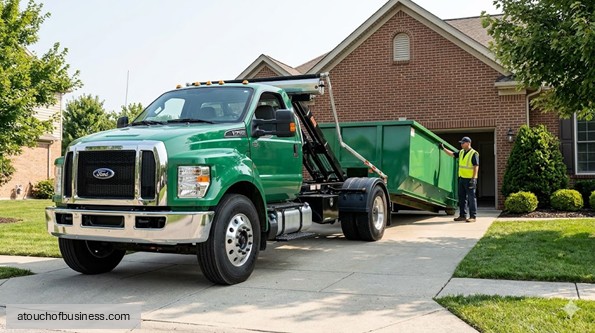
Starting a Dumpster Rental Business
A dumpster rental business provides temporary containers for customers who need to load debris, junk, construction waste, roofing material, or bulky items.
The owner or driver delivers the empty dumpster, picks it up when full, hauls the load to an approved facility, and keeps the required records.
This is a rental and asset-based business. Your containers, truck, storage yard, disposal accounts, and rental terms matter from the start.
A dumpster rental business is simple to understand, but it has many details that need to be checked before you spend money.
Decide if This Business Fits You
Before you follow any startup steps, ask whether this type of business fits your life, your skills, and your comfort with risk.
A dumpster rental business can involve early calls, tight schedules, blocked driveways, loaded containers, disposal rules, equipment repairs, and customer questions about what can go in the dumpster.
You may enjoy this business if you like:
- Equipment and trucks
- Scheduling and route planning
- Clear rules and paperwork
- Practical customer service
- Local, hands-on business ownership
Be honest about financial pressure. Trucks, containers, storage, insurance, fuel, permits, and disposal accounts can require serious startup capital.
Don’t start only because you want to escape a job, prove a point, or chase quick income. Start because you understand the business and can handle its setup demands.
If you want a broader view of early startup decisions, a general startup checklist can help. Still, the steps for a dumpster rental business must stay tied to trucks, containers, disposal rules, and local permits.
Talk to Owners Before You Spend Money
Speak with dumpster rental owners you won’t compete against. Look for owners in another city, region, or market area.
Prepare questions before each conversation. These talks are useful because experienced owners have lived through the decisions you’re about to make.
Each owner’s path will be different, but their firsthand insight can help you avoid rushing into the wrong truck, container mix, or disposal setup.
Ask about:
- Best first dumpster sizes
- Truck and hoist choices
- Local disposal facility issues
- Weight limits and overage fees
- Insurance surprises
- Permit problems
- Common customer disputes
- What they would buy differently now
This is also a good time to learn from real business owners before you commit to expensive assets.
Choose Your Entry Path
You can start a dumpster rental business from scratch, buy an existing operation, or explore a franchise.
The best path depends on your budget, timeline, support needs, risk tolerance, and how much control you want.
- Starting from scratch: You choose the truck, containers, storage yard, disposal partners, pricing, forms, and startup process.
- Buying an existing business: You may get trucks, containers, customer records, disposal accounts, and local knowledge, but you must inspect everything carefully.
- Exploring a franchise: Dumpster rental franchises exist. Review the current Franchise Disclosure Document, territory rules, fees, training, required equipment, and support before deciding.
If you buy an existing business, check the condition of trucks, hoists, containers, permits, insurance claims, disposal accounts, contracts, debts, and whether licenses or accounts can transfer.
Choosing the right entry path can save you from buying assets that don’t match your market.
A comparison of whether to start from scratch or buy a business can help frame the decision, but your final choice should fit the dumpster rental model.
Define the Dumpster Rental Model
Don’t start with a vague idea of renting bins. Define the exact model you’ll open with.
For this guide, the main model is temporary roll-off dumpster rental. The customer loads approved material. The owner or driver picks up the loaded container and hauls it to an approved disposal, recycling, or transfer facility.
Decide which setup fits your market:
- Mini dumpsters for driveways and smaller cleanouts
- Standard roll-off dumpsters for construction and renovation debris
- Heavy-material containers for concrete, brick, dirt, asphalt, or shingles
- Mixed-waste containers for household cleanouts
- Roofing dumpsters for shingle jobs
Also decide what you won’t offer at launch.
Recurring commercial front-load service is a different model. Junk removal is also different because staff typically load the items. A broker-only dumpster business has a different cost structure because it relies on subcontracted haulers.
Stay focused at the start. A clear model makes equipment, permits, pricing, and customer terms easier to build.
Validate Local Demand
A dumpster rental business depends on local demand. National construction and waste data can show broad activity, but your market decides whether your startup makes sense.
Look at real demand in your area before buying trucks and containers.
Check for:
- Active roofers
- General contractors
- Remodelers
- Restoration companies
- Property managers
- Landscapers
- Home cleanout activity
- Real estate turnover
- Building and renovation permits
Then study local competitors. Look at their container sizes, rental periods, included weight, service area, and overage fees.
This isn’t about copying prices. It’s about seeing whether there’s room for another reliable operator with the right container mix.
If your area has limited disposal access, weak renovation activity, or strong competitors with deep fleets, slow down. That kind of checking protects your startup capital.
For a broader view of market fit, review how local supply and demand affects a new business.
Map Disposal and Material Rules
Disposal access is one of the most critical startup checks for a dumpster rental business.
Before you buy containers, confirm where the loaded material will go and what each facility accepts.
Contact transfer stations, landfills, construction and demolition recyclers, scrap yards, and material recovery facilities. Ask clear questions.
- Do you accept mixed construction and demolition debris?
- Do you accept household cleanout material?
- Do you accept clean concrete, asphalt, brick, or dirt?
- Do you accept roofing shingles?
- Which materials are banned?
- Are tarps required?
- What are the tipping fees and minimum charges?
- Can I open a commercial account?
- Will I receive weight tickets?
Material type affects your equipment, liability, pricing, and documentation. A container full of clean concrete is very different from one full of mixed household junk.
Keep this simple at launch: Accept only materials your disposal facilities allow and your business is prepared to handle.
Do not accept hazardous waste, liquids, asbestos, lead-related debris, batteries, propane tanks, or other regulated material unless you have the proper authority, disposal path, insurance, and procedures.
Business Plan
Your business plan should turn startup decisions into a practical guide for opening.
Don’t make it a generic document. For a dumpster rental business, the plan must connect your containers, truck, disposal facilities, pricing, permits, funding, and opening checklist.
Include these items:
- Service area: Define how far you’ll deliver and pick up dumpsters.
- Customer types: List the homeowners, contractors, roofers, property managers, or businesses you plan to serve.
- Container mix: Choose the starting sizes and types.
- Accepted materials: Match customer needs to approved disposal options.
- Truck setup: Decide whether you need a roll-off truck, hooklift truck, container carrier, or trailer-based setup.
- Storage plan: Confirm where trucks and containers will be parked.
- Compliance checks: List permits, tax accounts, vehicle rules, and local approvals to verify.
- Startup costs: Build costs from quotes, not guesses.
- Pricing rules: Include rental period, included weight, disposal fees, distance, taxes, and overage terms.
- Funding and banking: Plan equipment financing, working capital, payment setup, and business banking.
- Opening readiness: List what must be in place before taking paid orders.
A strong business plan helps you see whether the idea can open safely and legally before money is tied up in assets.
Register the Business and Set Up Taxes
Choose a legal structure before you register your dumpster rental business. Your structure affects taxes, paperwork, liability, and banking.
Many owners review options such as a limited liability company, corporation, partnership, or sole proprietorship. The right choice depends on your situation, so get professional guidance if needed.
After that, handle the basic setup:
- Register the entity with the state if required.
- Register a Doing Business As name if you use a trade name.
- Apply for an Employer Identification Number if needed.
- Set up state tax accounts.
- Check whether dumpster rental, disposal charges, delivery fees, fuel charges, or overage fees are taxable in your state.
Sales and use tax rules vary by state and sometimes by locality. Don’t assume the same treatment applies everywhere.
If you hire employees, verify employer accounts, payroll tax setup, unemployment insurance, workers’ compensation, and new-hire reporting rules before the first hire starts.
Verify Licenses, Permits, and Local Rules
Compliance for a dumpster rental business depends on location, vehicle setup, waste type, and where containers are placed.
Rules vary by jurisdiction, so keep your checklist local and specific.
Verify these items before opening:
- Business license: Check city or county licensing rules.
- Waste hauler rules: Ask whether you need a solid waste hauler license, waste transporter permit, or construction and demolition debris registration.
- Disposal facility rules: Confirm accepted materials, rejected materials, account terms, and required records.
- Vehicle rules: Check commercial vehicle registration, state Department of Transportation rules, and USDOT number requirements if applicable.
- Commercial Driver’s License: Verify whether your truck or combination requires a licensed commercial driver.
- Right-of-way permits: Check whether dumpsters placed on streets, sidewalks, alleys, or public parking spaces need approval.
- Zoning: Confirm whether your yard can store containers, loaded dumpsters, and commercial trucks.
- Certificate of occupancy: Verify this if you use an office, shop, warehouse, or yard building.
Use local offices first. Contact the city clerk, county clerk, public works department, planning and zoning office, state environmental agency, state transportation office, and state revenue department.
For more general context, review business licenses and permits, then confirm the dumpster rental rules in your own area.
Don’t treat one city’s rule as a national rule. A street placement permit in one city does not mean the same rule applies everywhere.
Choose a Yard or Storage Location
A dumpster rental business needs a legal place to park trucks and store containers.
A home office may be fine for calls and dispatch in some areas, but container storage is different. Loaded dumpsters, commercial trucks, noise, outdoor storage, and traffic can trigger zoning limits.
Check whether your location allows:
- Empty dumpster storage
- Loaded dumpster storage
- Commercial truck parking
- Outdoor equipment storage
- Truck access and turning space
- Fencing, lighting, and signage
- Basic maintenance activity
The surface matters too. Heavy trucks and containers need a suitable yard surface, safe access, drainage, and enough room for staging.
If you lease a yard, confirm the permitted use in writing before you sign. It’s a quiet startup detail that can cause real trouble later.
Buy the Right Truck and Containers
Your truck and container choices shape the whole business.
Match the equipment to your customer type, material type, legal payload, disposal facility access, yard space, and driver licensing requirements.
Common equipment decisions include:
- Roll-off truck with a cable hoist
- Hooklift truck with compatible containers
- Container carrier for smaller dumpsters
- Trailer-based mini-bin setup
- Manual or built-in tarping system
Container style also matters. Rectangular roll-off containers, tub-style containers, driveway-friendly bins, and heavy-material containers serve different uses.
Don’t buy based on size alone. A 30-yard container filled with light cleanup debris is very different from one filled with concrete, dirt, or shingles.
Legal weight matters. A container can reach its legal payload limit before it runs out of space.
Start with the container mix your local demand supports. Idle inventory strains cash flow, while too few containers makes scheduling harder.
Prepare Safety, Inspection, and Documentation Systems
Dumpster rental requires clean records. You need to know what was rented, where it went, what was loaded, where it was disposed of, and what it weighed.
Set up these records before opening:
- Rental agreement
- Placement authorization
- Accepted-material list
- Prohibited-material list
- Weight-limit notice
- Fill-line notice
- Overage fee terms
- Blocked-access and trip-fee terms
- Disposal ticket file
- Weight ticket file
- Vehicle inspection checklist
- Container inspection checklist
- Maintenance log
- Incident report form
Also establish site-photo procedures. Photos can document driveway condition, placement, overfilled containers, blocked access, or damage concerns.
Start with clear forms and use them every time.
Set Rental Terms and Customer Handoff Rules
Establish clear rental terms before the first order.
The customer should know what they’re renting, how long they can keep it, what weight is included, what materials are allowed, and what happens if the container is overloaded.
Include clear terms for:
- Container size
- Rental period
- Included weight
- Overweight charges
- Prohibited materials
- Overfilled containers
- Blocked access
- Damage to the container
- Driveway or site conditions
- Extension fees
- Payment timing
Use plain language. Customers shouldn’t have to guess whether paint, tires, batteries, chemicals, propane tanks, or liquids are allowed.
When you or your driver delivers the dumpster, keep the handoff simple. Confirm placement, explain fill-line rules, remind the customer about banned materials, and document the site.
Build Pricing From Real Costs
Pricing a dumpster rental business isn’t just choosing a number that sounds competitive.
Your price has to cover the delivery, pickup, disposal, truck costs, driver time, insurance, maintenance, taxes, and the risk of overweight or contaminated loads.
Use these inputs:
- Container size
- Rental period
- Delivery and pickup distance
- Included weight
- Tipping fee
- Fuel
- Driver time
- Local permit cost if needed
- Sales or use tax if applicable
- Payment processing cost
- Maintenance reserve
- Container damage risk
Common pricing methods include a flat rental rate with included weight, a base rate plus disposal weight, heavy-material pricing, extended rental fees, and trip fees for blocked access.
Think through clean concrete, dirt, asphalt, brick, and shingles separately. These materials can reach legal weight limits quickly.
If you need a broader pricing framework, review pricing products and services, then apply the numbers to your actual disposal fees and truck costs.
Plan Startup Costs, Funding, and Banking
Don’t rely on a universal startup cost estimate for a dumpster rental business.
Your costs depend on the truck, containers, yard, permits, insurance, disposal accounts, software, safety gear, repairs, and working capital.
Plan for these startup cost categories:
- Entity formation and registration
- Local licenses and permits
- Waste hauler or transporter permits if required
- Commercial vehicle registration
- Truck or trailer purchase or lease
- Hoist system or truck upfit
- Dumpster containers
- Container decals and warning labels
- Yard lease, deposits, fencing, lighting, and security
- Disposal account deposits
- Insurance deposits and premiums
- Fuel and maintenance reserve
- Payment, accounting, phone, and dispatch systems
- Basic website and contact presence
Funding options may include owner cash, equipment financing, truck leasing, container leasing, a business line of credit, an SBA-backed loan where eligible, seller financing, partner capital, or franchise financing if you choose that route.
Open a business bank account before taking payments. Keep business transactions separate from personal ones from day one.
Set up card payments, invoices, deposits, preauthorization rules, refund terms, and accounting categories for fuel, disposal, repairs, insurance, permits, taxes, and maintenance.
Arrange Insurance and Risk Planning
Insurance is part of startup risk planning for a dumpster rental business.
Some coverage may be required by law, contract, permit, lender, landlord, or disposal facility. Other coverage may simply be smart risk management.
Common coverage to discuss with a qualified insurance broker includes:
- Commercial auto
- General liability
- Property or inland marine coverage for containers
- Equipment breakdown
- Workers’ compensation if you hire employees
- Umbrella liability
- Pollution liability if the exposure fits
- Garage or yard coverage
Don’t assume a policy is legally required unless a regulator, contract, permit, landlord, lender, or facility says so.
Ask for certificates of insurance before opening if a city permit, landfill account, property lease, or customer contract requires proof of coverage.
Prepare Hiring and Training
Even if you start small, the right skills need to be in place before launch.
Someone must quote jobs, schedule deliveries, inspect containers, drive safely, handle disposal tickets, explain material rules, and collect payment.
If your truck requires a Commercial Driver’s License, confirm the driver has the correct license before opening.
Training should cover:
- Backing and spotting procedures
- Container loading and unloading
- Tarping or securing loads
- Customer site photos
- Prohibited-material rules
- Disposal facility procedures
- Vehicle inspections
- Incident reporting
Written procedures help even if you’re the only driver at first. They make the process easier to repeat and easier to teach later.
Set Up Your Opening Identity
A dumpster rental business needs enough identity setup for customers, vendors, banks, agencies, and disposal facilities to recognize it as a real operation.
It doesn’t need to be fancy, but it does need to be clear and consistent.
Prepare:
- Business name
- Business phone number
- Business email
- Basic website or contact page
- Invoice template
- Payment links
- Rental agreement links
- Truck decals
- Container decals
- Container numbers
- Required permit numbers if applicable
Container decals can include the company name, phone number, fill line, warning labels, and prohibited-material reminders.
If local rules require specific vehicle markings, permit numbers, signs, or notices, handle those before the first delivery.
Run a Test Job Before Opening
Before taking paid orders, run a complete test job.
This helps you find weak spots while the pressure is still low.
Test the full process:
- Quote the job.
- Confirm the address and placement spot.
- Collect payment or deposit.
- Schedule the delivery.
- Inspect the truck and container.
- Deliver and place the dumpster.
- Take site photos.
- Pick up the container.
- Tarp or secure the load.
- Go through the disposal facility process.
- Record the weight ticket.
- Complete the invoice.
Pay attention to driveway access, overhead wires, soft ground, tight turns, and disposal facility timing.
If the test run exposes problems, that’s useful. You’re finding what needs to be fixed before customers are involved.
Pre-Opening Readiness Checklist
Use this checklist when your dumpster rental business is close to launch.
The goal is simple: don’t open until the legal, equipment, disposal, payment, and safety pieces are ready.
- Business structure selected
- Entity registered if required
- Doing Business As registration completed if needed
- Employer Identification Number obtained if needed
- State tax setup checked
- Local business license verified
- Waste hauler or transporter rules verified
- Commercial vehicle rules checked
- Driver licensing requirements confirmed
- Yard zoning approved
- Certificate of occupancy verified if using a building
- Right-of-way permit process documented
- Disposal accounts opened
- Accepted and prohibited material lists ready
- Tipping fees and minimum charges verified
- Truck inspected
- Containers inspected and numbered
- Tarps, covers, safety gear, cones, and driveway protection ready
- Rental agreement prepared
- Pricing schedule completed
- Payment processor tested
- Insurance certificates ready
- Driver procedures written
- Test job completed
- Repair vendor list ready
Opening before these items are ready creates stress you don’t need. Give yourself time to check them carefully.
A Short Day in the Life
A typical day in a dumpster rental business can move quickly.
In the morning, the owner or dispatcher checks the schedule, confirms disposal facility hours, reviews container availability, and answers customer questions about placement or materials.
During the day, the driver delivers an empty dumpster, picks up a loaded one, secures the load, goes to the disposal facility, and records the weight ticket.
Later, the owner may quote new rentals, update the schedule, send invoices, review overage charges, inspect containers, and plan the next day’s route.
This snapshot is meant to show the rhythm of the business before you invest.
Main Red Flags
Some warning signs deserve attention before you start a dumpster rental business.
These are decision-stage issues that can affect your ability to launch, fund, operate, or price the business correctly.
- No approved disposal facility within a practical driving distance
- Local disposal facilities reject materials your customers are likely to load
- Local solid waste rules restrict private haulers
- No legal place to store containers and park commercial trucks
- Truck choice doesn’t match payload, driver licensing, or disposal facility access
- Containers are too large, too small, or wrong for local demand
- Pricing ignores fuel, tipping fees, taxes, distance, maintenance, and overweight loads
- No clear prohibited-material policy
- No written rental agreement or overage terms
- Not enough working capital for repairs, downtime, insurance, fuel, and disposal bills
- Insurance is unavailable or more expensive than expected
- Qualified drivers are hard to find if a Commercial Driver’s License is needed
- Local seasonality reduces construction, roofing, landscaping, or cleanout activity
- Right-of-way permits are slow, costly, or confusing
- Customer sites often have narrow driveways, overhead wires, soft ground, or restricted access
One red flag doesn’t always mean you should stop. It means you should slow down, verify the issue, and adjust the plan before spending more.
Frequently Asked Questions
These questions focus on startup decisions for a dumpster rental business.
Use them to check whether your plan is ready for real quotes, equipment purchases, and opening steps.
- Is a dumpster rental business a good fit for a first-time owner? It can be, but only if you’re comfortable with equipment, local rules, disposal facilities, scheduling, safety, customer communication, and cash flow.
- What should I verify before buying a roll-off truck? Verify demand, disposal options, container sizes, payload needs, vehicle rules, driver licensing, yard storage, insurance, and repair support.
- Do I need special permits? It depends on your location. Check waste hauler rules, business licensing, transporter permits, right-of-way rules, zoning, and commercial vehicle requirements.
- Do I need a USDOT number? It depends on vehicle weight, business use, and whether you operate across state lines. Check federal rules and your state transportation office.
- Does the driver need a Commercial Driver’s License? It depends on the truck or combination weight and what is being hauled. Verify this before buying or leasing equipment.
- Can I accept all debris? No. Accept only materials your disposal facilities allow and your business is prepared to handle. Regulated or banned materials need special verification.
- What belongs in the business plan? Include service area, customer types, container mix, truck choice, disposal facilities, yard plan, permits, startup costs, funding, pricing, insurance, and opening readiness.
- Should I start with small or large dumpsters? Base the choice on local demand, truck payload, disposal fees, yard space, and the customer types you plan to serve.
- Is franchising realistic? Yes, dumpster rental franchises exist. Review the current Franchise Disclosure Document, territory rules, fees, training, equipment package, and total investment.
- Is buying an existing dumpster rental business realistic? Yes, but inspect trucks, hoists, containers, permits, disposal accounts, maintenance records, contracts, debts, and transfer rules.
- What is the biggest pricing mistake? Pricing without real disposal fees and weight data. Build prices from actual tipping fees, travel distance, included weight, fuel, taxes, and maintenance needs.
- Can I operate from home? Dispatch may be home-based in some areas, but storing containers and commercial trucks at home can trigger zoning, parking, noise, and outdoor storage rules.
- What records should be ready from day one? Prepare rental agreements, material lists, authorizations, site photos, invoices, payment records, disposal tickets, weight tickets, vehicle inspections, permits, and insurance files.
- What should a test job prove? It should prove that you can quote, collect payment, deliver, document placement, pick up, secure the load, dispose properly, record the weight ticket, and invoice accurately.
Advice From Dumpster Rental Business Owners
You can learn a lot from people who have already worked through dumpster sizes, truck choices, disposal rules, pricing, scheduling, customer issues, and equipment decisions.
Their paths may not match yours exactly, but their experience can help you ask better questions before you buy containers, commit to a truck, or take your first orders.
- Rolloff Rundowns: Dumpster Rental Business Interviews — A video podcast series with roll-off dumpster operators and industry guests. Useful episodes cover starting and growing a dumpster rental business, equipment choices, buying or selling a dumpster business, and common hauler challenges.
- Dumpster Rentals, SEO, and Business With the Dumpster Rental Guy — A podcast interview with Bodhi, who bought an existing dumpster rental business and grew it. Helpful for readers thinking about buying instead of starting from scratch.
- My Interview With the COO of Bin There Dump That — A franchise-focused interview about the residential-friendly dumpster model, equipment choices, and how a dumpster rental concept became a franchise system.
- Teen Brothers’ $1.2M Business Began as a Facebook Side Hustle — An interview-style article about young founders who grew a junk removal and dumpster rental-related business. Useful for understanding focus, early growth, and service discipline.
- Roll-Off Dumpster Start-Up Interview — A video interview with a dumpster business owner who started in the roll-off space. Helpful for startup perspective, early decisions, and real-world lessons.
- Dumpster Business in 2023 Featuring RollingOps — A sit-down interview with Clayton Roll of Rolling Operations about building a dumpster rental business. Useful for hearing how one operator approached startup and growth decisions.
- Josh Daniel, Owner and Operator of TrashHelp — A podcast interview with the founder of a Florida dumpster rental and junk removal service. Helpful for readers who want to understand the service side, customer care, and local business realities.
Related Articles
- How To Start a Garbage Pickup Service
- How To Start a Dump Truck Business
- How To Start a Demolition Business
- How To Start a Recycling Business
- How To Start an Environmental Cleanup Business
- How To Start a Heavy Equipment Rental Business
Sources:
- U.S. Small Business Administration: Licenses and permits, Choose business structure, Register your business, Write business plan, Open bank account
- Internal Revenue Service: Get an EIN
- Federal Motor Carrier Safety Administration: USDOT number rules, CDL requirements
- U.S. Environmental Protection Agency: C&D material management, C&D debris data, C&D landfills, Hazardous waste guide
- New York State Department of Environmental Conservation: Waste transporters
- Seattle Department of Transportation: Dumpster street permits, Permit templates, ROW construction use
- Occupational Safety and Health Administration: Waste material disposal
- Canadian Centre for Occupational Health and Safety: Waste worker hazards
- Wastequip: Roll-off containers, Rectangular containers
- Hiab: Hooklifts and hoists
- Stellar Industries: Container trucks
- U.S. Census Bureau: Construction spending
- Washington Department of Revenue: Solid waste taxation
- redbox+ Dumpsters: Dumpster franchise
- Bin There Dump That: Franchise investment costs