
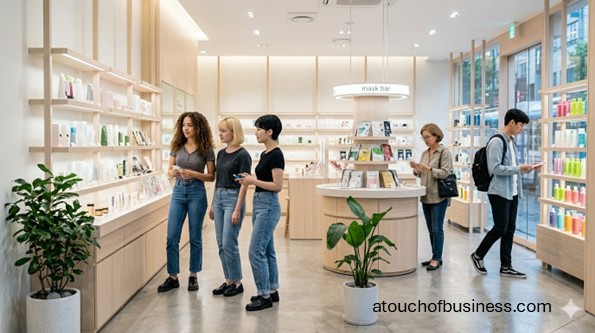
Starting a Korean Cosmetics Store
A Korean cosmetics store is a retail business built around beauty products such as skin care, makeup, masks, lip products, and related personal care items. The appeal is clear. Customers often come in looking for discovery, product variety, gift options, and help choosing items that fit their skin type, budget, or routine.
That also means this business is not just about putting pretty products on shelves. In a Korean cosmetics store, your real work starts with product selection, sourcing, receiving, labeling review, display planning, checkout setup, and inventory control.
If your store gets those basics right, the customer experience feels easy. If you get them wrong, the store can look attractive while quietly losing money through weak margins, slow stock, theft, or product mistakes.
This is also a retail business with product compliance responsibilities. That does not usually mean there is one special nationwide license just for owning a Korean cosmetics store. It means you need to handle the normal retail setup for your state and city, and you also need to pay attention to product rules, imported goods, label details, and whether any item crosses into drug rules in the United States.
Before you move ahead, slow down and think through the things you should settle before opening. A Korean cosmetics store can be a smart fit, but only if you like the day-to-day work behind the display.
Is A Korean Cosmetics Store The Right Fit For You?
This matters because your store will ask more from you than product taste. A Korean cosmetics store fits people who enjoy retail, notice details, can stay organized, and do not mind repeating small tasks like receiving stock, checking shelves, updating tags, and helping customers with basic product questions.
You should also be honest about pressure. A storefront business ties you to lease costs, store hours, stock levels, and customer expectations. Some days will be fun and creative. Other days will feel like counting inventory, solving supplier problems, and figuring out why a product is not moving.
Ask, Are you moving toward something or running away from something? Do not start this business only to escape a hated job, to solve immediate financial pressure, or to chase the image of being a business owner. Those reasons do not hold up well when the real work starts.
Passion still matters. If you enjoy beauty retail and you care about the products, that interest helps you push through slower periods, long setup days, and the extra work that comes with opening a store. It is worth thinking about how your interest in the work affects your chances of staying with it when the business stops feeling new.
You should also talk to real owners, but do it the right way. Speak only with Korean cosmetics store owners or beauty retail owners in another city, region, or market area where you will not compete with them. Use those talks to ask practical questions about startup costs, supplier issues, bad inventory decisions, customer habits, shrink, staffing, and what surprised them most. That kind of firsthand owner insight is hard to replace because it comes from people who have already lived the business, even if their exact path will not match yours.
Understand The Business Model Before You Spend
This matters because one early choice can change your cost, risk, and workload. For a Korean cosmetics store, the biggest model decision is usually not whether you will sell beauty products. It is how you will source and sell them.
You might open as a simple retail shop that buys from U.S. distributors. You might import directly from Korea. You might carry a mix of branded products and your own store-branded items. Each option changes your paperwork, supplier relationships, shipping risk, label review work, and the amount of money tied up in inventory.
A simple retail model is easier to launch. Direct import can improve selection and margin, but it adds more compliance work. Private label can give you control, but it pushes you closer to product responsibility and raises the stakes if something is wrong.
Choose What You Will Sell
This matters because product mix drives nearly everything else. In a Korean cosmetics store, your product choices affect your shelf layout, startup budget, reorder pattern, theft risk, customer type, and even your staffing needs.
Start narrow enough to stay in control. A smart opening mix might focus on a few clear categories such as cleansers, toners, serums, moisturizers, sheet masks, lip products, and selected makeup. That gives customers a complete enough experience without forcing you to buy too much too early.
Weak assortment is a common early problem. If you bring in random products with no clear point of view, your store will feel messy. If you buy too deeply across too many lines, your money gets trapped on the shelf. A Korean cosmetics store does better when the selection feels intentional, not crowded.
Validate Local Demand And Competition
This matters because a nice store in the wrong area can still struggle. A Korean cosmetics store needs enough local demand, the right customer base, and a location where people will actually notice and visit you.
Start by walking nearby shopping areas and studying who already sells similar products. Look at beauty supply stores, Asian supermarkets with beauty aisles, specialty skin care shops, drugstores, and larger retailers that have expanded their Korean beauty selection. Then look at your potential customer groups. Are they students, gift buyers, trend shoppers, skincare-focused customers, or people already familiar with Korean brands?
Do not guess your market from social media alone. Check the local supply and demand in your area, not the internet buzz around the category. A Korean cosmetics store can attract repeat customers, but only if enough people nearby want the products and can find the store easily.
Decide How You Will Source Inventory
This matters because your sourcing path controls your risk. In a Korean cosmetics store, inventory is not just a buying decision. It is a trust decision, a compliance decision, and a cash decision.
If you buy from established U.S. wholesalers or authorized distributors, your opening process is usually simpler. If you import directly from Korea, you need stronger controls around product documents, invoices, label review, country-of-origin marking, shipping timing, and landed cost. If you sell products under your own name, the responsibility becomes even more serious.
Open a vendor file for every supplier. Keep invoices, contact details, reorder terms, return policies, and any label or ingredient documents you receive. When a shipment arrives damaged, delayed, or questionable, good records save time and reduce confusion.
Choose A Legal Structure And Register The Business
This matters because the structure you choose affects taxes, paperwork, and liability. Before you sign a lease or open supplier accounts, decide whether you will operate as a sole proprietorship, LLC, partnership, or corporation.
For many first-time owners, the real issue is not picking the most impressive structure. It is picking one that fits your risk level, tax plan, and ownership setup. If you are comparing options, spend time deciding on a legal structure that fits the business before you start filing forms.
After that, register the business properly and handle any assumed name or DBA filing if your store name is different from your legal entity name. A Korean cosmetics store often depends on branding, so your business name should be settled early enough to use it on your lease, vendor paperwork, bank account, and signage.
Get Your Tax Setup In Place
This matters because retail stores cannot treat taxes like an afterthought. A Korean cosmetics store needs its tax basics ready before opening so you can buy inventory correctly, collect sales tax where required, and avoid messy cleanup later.
Get your Employer Identification Number if needed. Then handle any state tax registration tied to retail sales and resale purchasing in your location. If you plan to hire, you may also need state employer accounts for payroll-related obligations.
Keep this simple and practical. You do not need to become a tax expert before opening, but you do need the right registrations in place before money starts moving through the store.
Find The Right Storefront
This matters because location affects visibility, rent pressure, traffic, and the customer experience. A Korean cosmetics store needs a space that supports browsing, display, testing, receiving, storage, and checkout without feeling cramped or hidden.
Look at more than rent. Pay attention to street visibility, nearby anchors, customer parking, shared traffic, signage opportunities, delivery access, and whether the space has enough back-room storage for stock. A pretty small shop can work well, but only if your receiving and replenishment flow make sense.
Do not let excitement push you into a weak lease. In this business, a low-visibility site can quietly hurt you every day. A better location often solves problems that marketing alone cannot fix.
Confirm Zoning, Occupancy, And Local Approvals
This matters because opening before approvals are settled can delay your launch and create expensive rework. For a Korean cosmetics store, you need to confirm that the location can legally operate as retail and that any changes to the space, signage, or use are approved locally.
Ask early whether the site needs zoning confirmation, building review, a fire inspection, a sign permit, or a certificate of occupancy before you open. The exact list depends on your city, county, and the condition of the space. A store that looks ready may still be waiting on the last approval.
Keep the wording in your lease use clause tight enough to match what you are really doing. If the store will only sell retail cosmetics, say that clearly. If you may add services later, do not assume the current approvals will cover those changes.
Build A Simple Startup Plan
This matters because a storefront can become expensive when decisions are made in the wrong order. A Korean cosmetics store does not need a dramatic plan, but it does need a written one.
Your first-stage plan should cover your product categories, target customer, sourcing method, startup budget, monthly fixed costs, expected gross margin, store hours, staffing approach, and opening timeline. That gives you a way to test whether your idea works on paper before you commit more money.
If you have never done this before, spend a little time putting your business plan together in plain language. The goal is not to impress anyone. The goal is to make your own decisions clearer.
Estimate Startup Costs And Working Capital
This matters because retail startups can look affordable until inventory and build-out show up at the same time. A Korean cosmetics store usually needs money for the lease deposit, first rent, shelving, fixtures, signage, POS hardware, opening inventory, packaging, security, insurance, and a reserve for early operating expenses.
Working capital deserves special attention. You will need enough cash to restock, pay rent, cover utilities, and handle slow weeks while the store is still building traffic. Opening with attractive shelves but no cash cushion can put you under pressure almost immediately.
Make your estimate practical. Price the real fixtures you need. Estimate actual freight if you are importing. Add buffer money for delay, damage, and reorder timing. A Korean cosmetics store can tie up cash fast if you overbuy before you learn what sells.
Set Up Pricing For Margin And Reality
This matters because pretty products do not guarantee healthy profit. In a Korean cosmetics store, prices need to cover your landed cost, store overhead, shrink, damaged goods, promotions, and the time it takes to replace slow-moving inventory.
If you sell established brands, MSRP may shape your range. If you import directly, you need to know your full landed cost before setting a price. If you plan to use gift bundles or routine-based sets, build those prices carefully so the bundle still protects your margin.
Do not copy a competitor’s price without understanding your own numbers. Spend time setting prices in a way that fits your real costs. In a Korean cosmetics store, small pricing mistakes repeated across many units can quietly eat the profit you thought you had.
Open Banking And Payment Processing
This matters because retail stores need clean money handling from day one. A Korean cosmetics store should have its bank account, card processing, refund rules, and daily cash controls ready before the first sale.
Open a business bank account early enough to use it for lease payments, supplier bills, tax setup, and merchant processing. Then set up your POS so it applies tax correctly, handles discounts, tracks inventory movement, and produces simple end-of-day reports you can actually read.
Customers expect card payments to work smoothly. If checkout feels slow or confusing, the store feels less professional right away.
Build Supplier Files And Product Records
This matters because records help you solve problems fast. In a Korean cosmetics store, you should know where each product came from, what shipment it arrived in, and who to contact if something goes wrong.
Keep supplier agreements, invoices, reorder terms, damage policies, and product notes in one place. If you receive batch or lot details, keep those too. This is especially important if you are importing, carrying exclusive products, or dealing with long restock times.
Good records also help with returns, customer complaints, and any product hold decision. When something looks wrong, you want facts, not guesswork.
Review Product Labels And Claims
This matters because product mistakes can become legal and customer trust problems. A Korean cosmetics store should not put products on shelves until the labeling basics make sense for U.S. sale.
Look for the product identity, net quantity, ingredient declaration, and the name and place of business shown on the label. Imported goods should also have country-of-origin marking in English. If something is missing, unclear, or looks altered, stop and review it before the item reaches the sales floor.
This is one of those details that can feel slow when you are rushing to open. Do it anyway. A Korean cosmetics store that ignores labeling issues can create bigger trouble later.
Separate Cosmetics From Drug-Cosmetic Products
This matters because not every beauty item is treated the same way in the United States. Some products that look like regular beauty items may fall under drug rules or mixed cosmetic-drug rules depending on the claims and product type.
Be especially careful with sunscreens, acne products, antiperspirants, and other items that claim to treat, prevent, or affect the body in a regulated way. Those items should not be handled like ordinary skin care just because they sit next to similar products on a shelf.
For a Korean cosmetics store, this is a major review point. A strong assortment is good. A broad assortment without classification discipline is not.
Prepare For Importing If You Buy Directly From Korea
This matters because direct import can improve your offer while also adding complexity. If your Korean cosmetics store imports directly, you need more than enthusiasm for the products. You need an organized process for documents, invoices, shipping, marking, and product review.
Know what each shipment contains before it leaves. Match your commercial paperwork to the products, confirm the country-of-origin marking, and make sure you understand the landed cost after freight, duties, and related fees. Do not order large volumes until you have worked through at least one clean receiving cycle.
If your store name appears on a label as the manufacturer, packer, or distributor, slow down and understand what extra responsibility comes with that. That is not a small branding detail. It can change what your business must manage.
Choose Insurance And Risk Controls
This matters because retail loss does not only come from dramatic events. A Korean cosmetics store can lose money through theft, damaged shipments, customer incidents, product claims, and plain operational mistakes.
Start by reviewing the insurance basics for a new business, then talk with a local insurance professional about what fits your setup. Common starting points may include general liability, commercial property coverage, and other policies that match your lease, staffing, and inventory situation.
Insurance is only part of the answer. You also need cameras, cash controls, locked storage for high-risk items, a damage log, and a clear hold process for suspect products.
Plan The Store Layout And Fixtures
This matters because layout shapes both sales and operations. A Korean cosmetics store should feel easy to browse, but it also needs strong sightlines, a practical tester setup, and enough back-room storage to keep shelves full without clutter.
Think through your wall shelving, feature tables, endcaps, mirrors, checkout counter, and stockroom flow before you buy fixtures. Put your high-interest categories where they help customers move naturally through the store. Place high-theft items where staff can see them or secure them better.
Good layout supports replenishment. A beautiful front-of-store display does not help much if receiving boxes block the back room and staff cannot restock efficiently.
Set Up Inventory, Receiving, And Checkout Systems
This matters because retail problems often start in the back room, not on the sales floor. A Korean cosmetics store needs a clean process for receiving stock, tagging items, shelving products, tracking sales, handling returns, and reordering before stockouts hit.
Set up a receiving checklist. Count what arrives, inspect for damage, confirm the right products and quantities, and decide right away whether anything needs to be held aside. Then make sure your POS and inventory system match the real shelf labels and barcodes.
Keep the system simple enough to use every day. The best process is the one your team will actually follow when the store gets busy.
Create Your Name, Domain, And Brand Basics
This matters because customers remember a store long before they remember your legal structure. A Korean cosmetics store needs a name, simple visual identity, and digital footprint that fit the offer and make the store easier to find.
Secure the business name early, check whether the domain is available, and create the basic identity materials you need for the store to feel real. That can include signage, a simple logo, social handles, store policies, and printed materials that look consistent.
Do not overbuild the brand at startup. In a Korean cosmetics store, clear signs, clean shelf tags, a good front window, and a consistent store name usually matter more than fancy branding extras.
Prepare Forms, Logs, And Internal Documents
This matters because small stores still need structure. A Korean cosmetics store should open with a few simple documents that keep daily operations under control.
Start with a receiving checklist, damaged-goods log, customer complaint log, product hold form, return policy, opening and closing checklist, vendor contact sheet, and a short staff guide on what claims they should not make about products. These are not busywork. They reduce confusion when the store gets hectic.
Write them in plain language. If a form takes too long to use, your team will stop using it.
Decide Whether To Hire Before Opening
This matters because staffing changes your cost and your systems. A Korean cosmetics store can sometimes open lean, but a storefront still has fixed hours, customer needs, cleaning tasks, receiving work, and security concerns.
If you plan to stay solo at first, be realistic about the schedule and the physical time you must spend in the store. If you plan to hire, decide what you actually need from the first employee. That may be checkout coverage, customer help, restocking support, or weekend availability.
Do not hire just because opening feels overwhelming. Hire because you know what work must be covered and how you will train it.
Train Staff For Product Knowledge And Store Rules
This matters because customers often ask basic but important questions in beauty retail. A Korean cosmetics store needs staff who can guide shoppers clearly without wandering into product claims they should not make.
Train for the real work first. That includes greeting customers, checkout, returns, testers, restocking, shelf recovery, damaged goods, and when to escalate a product question instead of guessing. Staff should understand the difference between helping someone choose a product and making treatment claims that go too far.
If you hire before opening, include Form I-9 completion and the other employer basics tied to payroll and your state requirements. That part is not exciting, but it needs to be done correctly.
Plan Your Launch Marketing
This matters because a good store still needs a clear opening push. A Korean cosmetics store usually gets the best early response from simple local marketing that helps nearby customers notice the store and understand what makes it worth visiting.
Start with a clean storefront, readable signs, a clear window message, local map listings, basic social pages, and a launch offer that fits your margin. You can also build attention through product demos, gift sets, or a soft-opening event that gives you real customer feedback before the full opening week.
Keep your message clear. Tell people what kind of Korean cosmetics store you are, who the products are for, and why visiting in person helps.
Know The Day-To-Day Work Before You Open
This matters because the daily rhythm tells you whether the business really fits you. In a Korean cosmetics store, the owner often spends time checking inventory, receiving shipments, reviewing shelves, answering customer questions, solving POS issues, handling vendor follow-up, and watching for stock that is moving too slowly.
Some days will feel customer-facing and upbeat. Some will feel like paperwork, cleanup, and reorders. You are not just selling a beauty category. You are running a retail operation with a lot of small moving parts.
If that sounds draining rather than interesting, take that feeling seriously now, not after you sign the lease.
Watch For Red Flags Before You Sign Or Order
This matters because early mistakes are easier to prevent than to fix. A Korean cosmetics store should slow down if the location has weak visibility, the lease terms feel rushed, the supplier cannot provide clear paperwork, or the product labels do not look right.
Other red flags include buying too much opening inventory, setting prices before calculating landed cost, assuming every trending product is safe to stock, and opening without a clear receiving system. Those are the kinds of problems that turn into expensive lessons.
Stay grounded. Beauty retail rewards discipline more than speed.
Run A Soft Opening And Final Readiness Check
This matters because small problems show up fast when real customers walk in. A Korean cosmetics store should test the store before the official launch so you can catch issues with traffic flow, payment, tags, staffing, and customer questions.
Use a soft opening to see how your shelves hold up, how long checkout takes, whether testers stay tidy, and which questions come up most often. Then tighten the weak points before your main launch week.
A calm trial run is far cheaper than fixing a messy public opening after the fact.
Pre-Opening Checklist For A Korean Cosmetics Store
This matters because opening should feel controlled, not rushed. Use this final check to make sure your Korean cosmetics store is ready for real customers, not just close to ready.
- Business name, structure, and registration are in place.
- Tax setup is complete, including sales tax registration where required.
- Lease terms, zoning, signage, and certificate of occupancy questions are settled.
- Store fixtures, shelving, stockroom storage, and checkout area are ready.
- POS, card processing, and inventory tracking are tested.
- Opening inventory has been counted, tagged, and shelved properly.
- Supplier files, invoices, and product records are organized.
- Product labels and claims have been reviewed before sale.
- Drug-cosmetic items such as sunscreen or acne products have been handled carefully.
- Import documents are organized if you are buying directly from Korea.
- Insurance, security, cash controls, and damaged-goods procedures are ready.
- Staff training, hiring paperwork, and opening-day roles are clear if you have employees.
- Launch marketing, store hours, return policy, and customer messaging are ready.
- The soft opening is done and the main problems have been fixed.
FAQs
Question: Do I need a special federal license to open a Korean cosmetics store?
Answer: Usually no. There is not one general federal retail license just for selling cosmetics, but your products still have to follow U.S. cosmetic rules and your city or state may require local approvals.
Question: When does FDA registration matter for this kind of business?
Answer: It generally matters when you manufacture or process cosmetics, or when you are the responsible person whose name appears on the label. A store that only resells finished products from other companies is usually in a different position than a private-label seller.
Question: Is it smarter to start with U.S. wholesalers or import from Korea right away?
Answer: Most new owners lower risk by starting with U.S. distributors. Direct importing can widen your selection, but it adds customs, document, and labeling work on day one.
Question: What should I review on a product label before I agree to sell it?
Answer: Check that the package clearly shows what the item is, how much is inside, the ingredients, and the company named on the label. Imported items should also show the origin in English.
Question: Do cosmetics need FDA approval before I can stock them?
Answer: In most cases, no. Cosmetics and most cosmetic ingredients do not need FDA premarket approval, except color additives, but the business still has to sell products that are lawful and properly labeled.
Question: How do I know if a beauty product is treated like a drug in the U.S.?
Answer: Look at the claims and the product type. Items sold as sunscreen, acne treatment, or antiperspirant need a closer review because they can fall under drug rules.
Question: What local approvals should I check before I sign a lease?
Answer: Ask about retail zoning, business licensing, signs, fire review, and whether the space needs occupancy clearance. A cheap lease is not a bargain if the site cannot open on time.
Question: What insurance should I ask about first for a new cosmetics store?
Answer: Start by asking about general liability, property coverage, and any policy your landlord requires. If you will have employees or a lot of stock on hand, your agent may flag added coverage needs.
Question: What equipment is essential before opening day?
Answer: You need a working checkout system, barcode tools, shelves, secure storage, basic receiving space, and cameras or another loss-control setup. Fancy fixtures can wait longer than a reliable register and stock system.
Question: How should I set prices when I first open?
Answer: Build prices from your real unit cost, your freight or delivery cost, and the margin you need to carry rent and other bills. Do not copy internet prices unless your own numbers still work.
Question: How much extra cash should I hold back for launch?
Answer: Keep enough to cover rent, payroll if you have staff, utilities, and early reorders while sales are still uneven. New owners often run short because the store looks ready before the cash plan is ready.
Question: What should my routine look like in the first week after opening?
Answer: Watch daily sales, refill fast movers, fix shelf gaps, and log every damaged or missing item. The first week is about catching small problems before they become normal habits.
Question: When should I hire my first employee?
Answer: Hire when you cannot keep up with selling, stocking, receiving, and money handling by yourself without mistakes. If you do hire, complete the I-9 on time and train the person on store rules before the rush starts.
Question: Which policies should be written before the first customer walks in?
Answer: Have rules for exchanges, damaged stock, tester use, discount approval, and what staff should do with questionable items. Short, clear policies prevent inconsistent decisions at the counter.
Question: What tech needs to be working before I open the doors?
Answer: Your POS, payment processing, tax settings, barcode setup, and inventory tracking should all be tested before launch. If one piece fails, checkout slows down and your counts go wrong fast.
Question: What is the biggest cash-flow mistake in the first month?
Answer: Reordering too aggressively after a few good days is a common trap. Early sales can look strong while rent, taxes, and slow-moving stock are still waiting to hit your cash balance.
Real-World Guidance From Beauty And K-Beauty Founders
One of the easiest ways to shorten your learning curve is to study people who have already built beauty and K-beauty businesses. The resources below can help you think more clearly about curation, trust, customer education, store experience, staffing, and the early decisions that shape a better launch.
- BeautyMatter — Mainstreaming Asian Beauty: How Sukoshi Built a Specialist Retail Ecosystem
- Retail Insider — SUKOSHI Founder Linda Dang Builds North American Beauty Retail Powerhouse
- Allure — Doing Entrepreneurship the Right Way with Soko Glam’s Charlotte Cho
- The Korea Times — Turning Favorite Pursuit, K-Beauty, Into Business
- Shopify — How Tower 28 Founder Amy Liu Built Unshakable Trust In The Beauty Industry
- Beauty Independent — Advice For Wannabe Beauty Entrepreneurs From Those With Brand Experience
Related Articles
- Starting a Makeup Line
- Starting a Makeup Artist Business the Right Way
- Start a Beauty Salon
- How To Start Your Eyelash Extension Business
- Start an Eyebrow Threading Business
- Start a Facial Spa Business
- How To Start a Nail Salon the Right Way
- How To Start a Bridal Makeup Business
- How To Start Your Perfume Line
Sources:
- FDA: Cosmetics U.S. Law, Cosmetics Labeling Requirements, Cosmetic Drug Both Soap, Importing Cosmetics, Modernization Cosmetics Regulation, Registration Listing Cosmetic, FDA Authority Over Cosmetics
- IRS: Employer Identification Number
- SBA: Choose Business Structure, Federal State Tax ID, Apply Licenses Permits, Pick Business Location, Open Business Bank Account, Get Business Insurance
- USCIS: Employment Eligibility Verification