
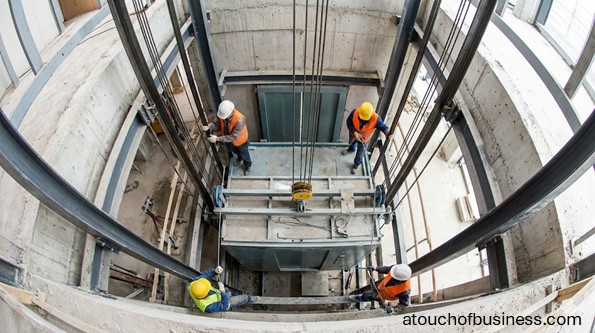
Key Steps for Legal Setup, Equipment, and Service Scope
If you want a startup that feels “serious” from day one, this is it.
Elevator work is high responsibility. You are dealing with safety systems, strict access rules, and real liability.
The upside is simple. Many buildings cannot function without working elevators, so demand can be steady when you build trust.
Is Running This Kind of Business Right for You?
Before you buy tools or print business cards, do a fit check.
Decide if owning and operating a business is right for you. Then decide if an elevator installation and repair business is the right fit for you.
If you want a broader reality check, read Points to Consider Before Starting Your Business and skim Business Inside Look.
This trade looks clean from the outside. But in real buildings, you will deal with shutdowns, trapped passenger calls, strict security, and long walks to machine rooms.
If that sounds like a challenge you want, keep going.
Passion Under Pressure
Passion matters here because pressure shows up fast.
When you care about the work, you keep solving problems. Without that, many people look for an exit instead of solutions.
If you want to think deeper about it, read Passion: An Important Key You Need to Succeed in Business.
The Motivation Test You Can’t Skip
Ask yourself this exact question: “Are you moving toward something or running away from something?”
If you’re starting mainly to escape a job or a financial bind, that pressure may not sustain motivation when the work gets tough or slow.
Responsibility and Readiness Check
Elevator work can mean uncertain income at first.
It can also mean long hours, difficult tasks, fewer vacations, and full responsibility when something goes wrong.
Ask yourself if your family and support system are on board, because this business can pull you into urgent calls and tight deadlines.
Then ask the practical questions.
Do you have the skills, or can you learn them? Can you secure the funds to start and operate until cash flow becomes steady?
Learn From Owners (Only Non-Competing)
Before you commit, talk to owners who already run this type of business.
But only talk to owners you will not be competing against. Choose a different city, region, or service area.
Here are smart questions to ask:
- What licensing and approvals slowed you down the most in your area?
- What types of elevator calls did you accept early, and what work did you refuse until you had more experience or staff?
- What equipment or tools did you think you needed at first, but didn’t actually need until later?
Elevator Business Overview (What You’re Really Starting)
An elevator installation and repair business works on vertical transportation systems inside buildings.
Your jobs may include installation, repairs, troubleshooting, modernization work, and supporting testing and inspection fixes.
The work is technical and safety-driven. Most jurisdictions tie elevator work to building code requirements, inspections, and licensing rules.
What Services Can You Offer at Launch?
You do not need to start with every service on day one.
In fact, starting with a tight menu can help you stay safe, legal, and profitable.
Common startup services include:
- Diagnostic service calls (identify the problem and confirm the safe fix)
- Door system repairs (operators, rollers, tracks, interlocks)
- Basic electrical troubleshooting (within your training and authorization)
- Component replacement (approved parts and verified procedures)
- Modernization planning and proposals (fixture updates, door upgrades, controller planning)
- Corrective work after an inspection report (when allowed)
How Does a Elevator Installation and Repair Business Generate Revenue?
This business usually earns income in a few main ways.
You can start with one stream and add others as you grow.
- Service calls (diagnosis and repairs)
- Time-and-material work (labor plus approved parts)
- Maintenance agreements (recurring service and inspections support)
- Modernization projects (upgrades with a defined scope)
- New installation projects (larger construction-based contracts)
Who Pays for Elevator Work?
Your customers are usually organizations, not walk-in shoppers.
That changes how you sell, how you invoice, and how you build trust.
Common customer types include:
- Commercial building owners
- Property management companies
- Facility managers and building engineers
- Hospitals and healthcare systems
- Hotels and hospitality groups
- Universities and school districts
- General contractors (installation and renovation projects)
- Municipal facilities and public buildings
- Residential customers (private residence elevators or accessibility lifts, when offered)
Pros and Cons You Should Know Up Front
This business has strong demand in many areas, but it is not easy work.
Be honest about both sides before you invest money and time.
Pros
- Buildings often depend on elevators to operate normally
- Strong barriers to entry can reduce casual competition
- You can mix project work with recurring service agreements
Cons
- High safety risk and high liability exposure
- Licensing and approval rules vary widely by location
- Parts access can be difficult for certain equipment lines
- Some customers require fast response expectations that are hard for a small startup
Step 1: Pick Your Startup Model and Staffing Plan
Start by choosing a model you can actually support.
Elevator installation work can require a crew, specialty tools, and tight project coordination.
Repair work can sometimes be launched smaller, but it still requires licensing, safety controls, and deep skill.
Choose one of these realistic starting paths:
A mobile service contractor focused on repair calls and small corrective work.
A subcontractor supporting a larger elevator contractor on installs or modernization projects.
A niche specialist, like residential lifts or door-system work, if allowed in your area.
Now decide if you will run this full time or part time.
Elevator work often demands quick scheduling and building access coordination, so many owners treat it as full time from the start.
Step 2: Confirm You Have the Skill Coverage (Or a Plan to Get It)
This is not a business where you “learn on the job” with live safety systems.
You need verified competence in both electrical and mechanical troubleshooting.
If you don’t have that background, your safest path is to work under experienced supervision and build a documented training path.
Many people enter the trade through apprenticeship and formal training programs.
If you want an example of how structured training works in the industry, review the National Elevator Industry Educational Program apprenticeship information and how recruitments work.
Step 3: Validate Demand in Your Exact Area
Do not assume demand just because elevators exist.
You need demand that you can reach, get approved for, and service safely.
Start by listing the building types in your service radius that typically have elevators.
Then identify who controls vendor decisions for those buildings, because it is often a property manager or facility director, not the building owner.
To keep the research grounded, compare your area’s building stock to your intended service menu.
A startup that only does modernization proposals will need different customers than a startup focused on emergency repairs.
If you want a clean way to think about demand, read Supply and Demand.
Step 4: Validate Profit Potential Before You Commit
You are not just trying to “get work.”
You are trying to build a business that can pay you and cover expenses.
Start by listing your fixed costs and the minimum monthly income you need to stay stable.
Then pressure test your pricing with real-world expectations in your market.
Elevator customers often expect detailed documentation, proof of compliance, and fast scheduling.
That takes time, and time must be priced correctly.
Step 5: Choose Your Launch Coverage Area and Access Plan
Most elevator startups are mobile businesses.
Your “location” is your service radius, your vehicle setup, and your ability to reach sites on time.
If you plan to lease a shop, it should be convenient for your travel routes and secure for tool storage.
If you want help thinking through location choices, use business location planning guidance as a checklist.
Step 6: Build Your Essential Equipment List and Get Real Quotes
This business is tool-heavy, but you still need to prioritize.
Build your essentials list first, then price it out using real supplier quotes and realistic shipping lead times.
Scale matters. A service-only startup can look very different from an installation-focused startup.
If you want a structured way to build totals, use estimating startup costs as your framework.
Essential Equipment for Elevator Installation and Repair (Startup List)
This list focuses on essential items needed to legally and practically launch.
Your exact list depends on your services and the elevator types you work on.
Personal Protective Equipment
- Hard hats
- Safety glasses and face shields
- Cut-resistant gloves
- Electrical-rated insulated gloves (when required)
- High-visibility vest (jobsite dependent)
- Steel-toe boots
- Hearing protection
- Respiratory protection (when required by conditions)
- Fall protection harness and lanyards (when required)
Lockout and Electrical Safety
- Lockout and tagout kit (locks, tags, hasps)
- Voltage tester
- Non-contact voltage detector
- Insulated hand tools (as needed for the work)
Electrical Diagnostic Tools
- Digital multimeter
- Clamp meter
- Insulation resistance tester
- Portable work lights and headlamps
Mechanical Hand Tools
- Metric and SAE socket sets
- Combination wrench sets
- Torque wrench
- Allen key sets
- Adjustable wrenches
- Screwdriver sets
- Pliers (needle-nose, locking, channel style)
- Hammer and mallet
- Pry bars
- Punch and chisel set
Cutting, Drilling, and Fastening
- Cordless drill and driver
- Impact driver
- Rotary hammer drill (scope dependent)
- Metal drill bits and step bits
- Hole saw kit
- Reciprocating saw or portable band saw
- Angle grinder with correct guards
- Rivet tool (as needed)
Measurement and Alignment
- Tape measures
- Calipers
- Spirit levels
- Laser level
- Plumb bob
- Feeler gauge set
- Straight edge
Access and Worksite Control
- Trade-rated step ladder
- Trade-rated extension ladder
- Barricade tape and warning cones
- Landing and hoistway barricade gear (as needed)
Rigging and Lifting (Scope Dependent)
- Chain hoists and lever hoists
- Come-alongs
- Rigging straps and slings (rated)
- Shackles and hooks (rated)
- Material handling dolly
- Load-rated anchor hardware (application-specific)
Vehicle and Storage
- Service van or enclosed truck
- Lockable tool storage system
- Parts bins and organizers
- Load securement straps
Documentation and Admin
- Field tablet or rugged laptop
- Camera or phone for jobsite photos
- Label maker for parts and wires
- Tool and equipment tracking checklist
Step 7: Set Your Pricing Structure and Service Rules
Elevator work needs clear pricing and clear boundaries.
You are often entering restricted areas, handling shutdowns, and coordinating with building staff.
Start with a simple structure.
A diagnostic service call rate, a labor rate, and a parts policy you can explain in plain words.
Then define when you charge travel time and what counts as after-hours service.
If you want help setting prices in a structured way, review pricing your products and services.
Step 8: Choose Your Suppliers and Parts Sourcing Plan
Suppliers matter more than most new owners expect.
Parts lead times can decide whether you finish a job this week or next month.
Start by building a list of common wear items that match your service menu.
Then confirm which suppliers can deliver reliably, and how they handle returns and warranty items.
Step 9: Write a Business Plan That Matches How This Industry Buys
You should write a business plan even if you are not seeking funding.
It forces you to define your scope, your customer type, and your financial targets.
It also helps you avoid signing work you are not ready to support.
If you want a clear structure to follow, use how to write a business plan.
Step 10: Decide on Partners, Investors, and Hiring Timing
Some elevator businesses can start small, but many grow into team-based operations.
Installation projects often require multiple people on site, plus a strong back-office process.
Start by deciding if you will be solo, have partners, or bring in investors.
Many small businesses begin as sole proprietorships and later form a limited liability company as they grow and want more structure.
Others form a limited liability company from the beginning, especially when liability risk is higher and contracts require it.
Next, decide how you will handle staffing.
You can do most tasks yourself early and hire later, or you can hire early if the work requires it.
When you are ready to plan hiring, use how and when to hire as a guide.
Step 11: Form the Business and Set Up Tax Registrations
This is the step that makes you “real” in the eyes of customers and regulators.
You will usually form your business through your state, then set up tax registrations based on what you sell and where you operate.
A simple starting point is how to register a business.
For the federal level, many businesses need an Employer Identification Number from the Internal Revenue Service.
Step 12: Handle Licensing, Permits, and Elevator-Specific Rules
Elevator work is regulated differently across the country.
Some states license elevator contractors and mechanics, and some require device permits and inspection reporting.
Your job is to find out what applies before you bid jobs or step on site.
A reliable starting place is the U.S. Small Business Administration overview on how to apply for licenses and permits.
For elevator-specific examples of how some states manage regulation, review a state program site like the Texas Department of Licensing and Regulation elevator safety program.
Varies by Jurisdiction
Elevator rules are not universal across the country.
Use this short checklist to verify your local requirements before you launch:
- Confirm elevator contractor licensing rules with your state licensing agency or building safety agency.
- Confirm elevator mechanic licensing rules, including any experience or exam requirements.
- Ask your city or county licensing office if a general business license is required where you operate.
- Ask the local building department if installation or modernization work requires permits and inspections.
- If you plan a shop location, confirm zoning and whether a Certificate of Occupancy is required for the space.
Step 13: Get Insurance Set Up Before You Sign Contracts
Insurance is not optional in this line of work.
Many customers will not approve you without proof of coverage.
At a minimum, plan for general liability coverage.
Then look at business-relevant coverage like tools and equipment coverage and commercial auto coverage for your service vehicle.
If you want a simple overview, review business insurance basics.
Step 14: Set Up Your Money System and Banking
Before your first job, set up clean financial accounts at a financial institution.
Separate business money from personal money so records stay clean from day one.
If you plan to seek funding, prepare your paperwork early.
Some owners explore credit options or loans to cover tools and vehicle needs, and you can review how to get a business loan to understand common requirements.
Step 15: Choose Your Name and Secure Your Online Presence
Your name should be easy to say, easy to spell, and easy to remember.
Then secure a matching domain name and basic social profiles, even if you keep them simple.
If you want a step-by-step naming process, use selecting a business name.
Step 16: Build Basic Brand Assets That Help You Look Legit
This industry runs on trust.
Basic brand assets make you look established, even as a new business.
Start with the essentials: a clean logo, business cards, and a simple website that explains your service scope and coverage area.
If you want guidance, review corporate identity basics, what to know about business cards, and how to build a business website.
If you use vehicle signage or jobsite signage, confirm local rules first, then review business sign considerations.
Step 17: Set Up Your Vehicle, Tools, and Job Documentation
This is where your business becomes functional.
Your vehicle is your mobile shop, and your documentation protects you in commercial environments.
Build a standard service report format so every job is recorded the same way.
Include what you found, what you tested, what you replaced, and the results.
That consistency is what property managers and facility directors respect.
Step 18: Build Your Pre-Launch Customer Pipeline
You can have the best tools in the world and still fail without customers.
Your early focus should be relationships with the people who control vendor access.
That usually means property managers, facility managers, and building engineers.
It can also mean general contractors for modernization work.
Start by introducing your service scope and your coverage area.
Then ask what they require for vendor approval, because many organizations have checklists.
Step 19: Run a Controlled Soft Launch
A soft launch is your test phase.
You take limited work that matches your tools, skills, and approvals.
You tighten documentation, confirm parts sourcing, and confirm access procedures.
This is also where you learn how your area handles inspections and corrective work timelines.
Step 20: Use a Pre-Opening Checklist Before You Announce Availability
This is the “no surprises” step.
Before you start accepting regular calls, do one last readiness check.
It helps you avoid avoidable delays and unsafe work situations.
- Confirm business registration is active and in good standing
- Confirm tax registrations are complete for your state and activity type
- Confirm any required elevator contractor or mechanic licensing is approved
- Confirm insurance policies are active and proof documents are ready
- Verify your vehicle is stocked with essentials and organized for safe work
- Verify lockout and tagout supplies are complete and accessible
- Confirm your invoicing and accept payment system works end to end
- Prepare a standard service report template and photo process
- Schedule your first outreach round to property managers and facility teams
Skills You’ll Need to Launch Strong
This business is technical, but it also demands communication and documentation.
At launch, these are the core skill areas to cover:
- Electrical troubleshooting and safe power verification
- Mechanical troubleshooting (door systems, alignment, wear items)
- Lockout and tagout safety procedures and verification
- Reading wiring diagrams and technical manuals
- Using diagnostic tools like multimeters and clamp meters
- Documenting work clearly for commercial customers
- Coordinating access with building staff and security rules
Day-to-Day Work You Should Expect (Reality Preview)
This is what your workdays often look like once you are active.
Seeing it now helps you decide if you want this lifestyle.
- Review your schedule and confirm building access requirements
- Travel to sites and coordinate machine room access
- Set up safety controls before any work begins
- Diagnose faults and confirm the safe corrective action
- Replace approved parts and verify function
- Document the work, tests performed, and results
- Order parts for follow-up visits when needed
- Send reports and invoices to the correct contact person
A Day in the Life of an Owner (What It Feels Like)
Your day may start with a call about an elevator shutdown.
You coordinate access, arrive on site, and confirm safety steps before troubleshooting.
If the issue is simple, you may restore service quickly.
If parts are needed, you document the failure, order what’s required, and schedule the return visit.
Later in the day, you might meet a property manager to discuss a modernization plan.
Then you finish with documentation, scheduling, and prep for tomorrow’s calls.
Red Flags to Watch for Before You Accept Work
In elevator work, the wrong job can damage your reputation fast.
Use these red flags as a filter before you say yes.
- A customer pressures you to skip safety steps or documentation
- You cannot verify the local licensing requirement for the work being requested
- The job scope is beyond your training, tools, or staff capacity
- You cannot get reliable parts access for the equipment involved
- The site cannot provide safe access or proper shutdown coordination
- The customer cannot confirm who approves work orders and payments
Professional Help You Can Use Without Feeling Overwhelmed
You do not need to do every task alone.
Many new owners hire help for the parts that slow them down.
You can get support from a bookkeeper, an accountant, a business attorney, and an insurance professional.
If you want a clean framework, read building a team of professional advisors.
Final Reminder Before You Start
This business can be built, but it must be built correctly.
Start with a tight scope, verify the legal steps in your area, and build trust through clean work and clean documentation.
If you stay patient and consistent, you can grow into installs, modernization projects, and long-term service agreements over time.
101 Everyday Tips for Running Your Elevator Installation and Repair Business
The tips you’re about to see touch many parts of the business.
Use them like a menu, not a checklist. Take what fits your current stage and ignore the rest.
Bookmark this page and come back when you’re ready to improve one small thing at a time.
What to Do Before Starting
1. Choose a narrow service scope first, like repairs and door work, before offering full installation and modernization projects.
2. Verify your state and local licensing rules for elevator contractors and mechanics before you quote any work.
3. Build a simple “yes list” and “no list” for the jobs you will and will not take in your first 90 days.
4. Create a basic safety plan that covers fall protection, electrical hazards, and controlled access to hoistways and machine spaces.
5. Set up a standard service report template before your first call so every job is documented the same way.
6. Price your work using real time estimates, including travel, access delays, and documentation time, not just wrench time.
7. Build your supplier list early and confirm lead times for common wear parts you expect to replace.
8. Decide your response model up front, including whether you can support after-hours calls without rushing or cutting corners.
9. Get your insurance in place before you approach commercial accounts, because many will ask for proof right away.
10. Plan your cash buffer so you can cover slow-paying invoices, parts deposits, and re-visit work without panic.
Safety and Code-Driven Work Habits
11. Treat every service call like a safety job first and a repair job second, because the risk is the same either way.
12. Use a lockout and tagout routine every time you de-energize equipment, and document that you verified isolation.
13. Never work in an open hoistway without proper barricades and clear control of who can access the area.
14. Keep fall protection gear inspected, ready, and easy to reach so you do not “save it for later.”
15. Verify power with a tester before touching conductors, and verify the tester works before and after the check.
16. Use the right personal protective equipment for the task, not the minimum you think you can get away with.
17. Maintain clean walking paths in machine spaces and pits to reduce slips and trips during urgent work.
18. Do not bypass safety circuits, interlocks, or door protection devices to “get it running” for a customer.
19. Follow the manufacturer’s procedures when available, especially for controllers, drives, and door operators.
20. If you are not trained and authorized for a specific system, stop and bring in qualified help instead of guessing.
21. Keep a written checklist for pit access so you confirm lighting, drainage, safe footing, and hazards before entry.
22. Treat every moving component as a pinch point risk, especially doors, car tops, and linkage areas.
23. Document any unsafe building conditions you find, like missing guards or poor access control, and notify the site contact.
24. Build a habit of test-and-verify after repairs, not just “it seems fine,” before returning an elevator to service.
25. Learn the basics of the ASME A17.1 Safety Code for Elevators and Escalators and follow adopted local rules that apply to your work.
Field Service Workflow That Keeps You Efficient
26. Start every call by confirming the exact issue, when it began, and whether the elevator is currently in service or shut down.
27. Ask the site contact who has authority to approve repairs and parts, so you do not lose time waiting for permission.
28. Take clear photos before you touch anything, especially wiring positions, settings, and mechanical alignment markers.
29. Use a repeatable diagnostic order: safety checks, power checks, symptoms, fault codes, then mechanical inspection.
30. Keep your troubleshooting notes short and structured so another tech can pick up the job without starting over.
31. Label wires and components when you disconnect them, even if you are “sure you’ll remember.”
32. Carry a “first response kit” with common hand tools, meters, lighting, and basic door parts so you can restore service faster.
33. If a job will require a return visit, schedule it before you leave the site and confirm building access rules in writing.
34. Track repeat failures by address and elevator unit so you can spot patterns instead of treating each event as random.
35. Build a standard closeout process: clean up, remove barricades, run final checks, and get a signature for the report.
36. Communicate repair status in plain language, including what you fixed, what you did not fix, and what comes next.
37. Keep your tools organized the same way every day so you do not waste time searching while a building waits.
Running the Business (Operations, Staffing, SOPs)
38. Write short standard procedures for your most common jobs, like door adjustments, leveling checks, and basic fault response.
39. Create a daily dispatch routine that confirms access, keys, escort needs, and shutdown approval before travel.
40. Use a simple priority system so outages and trapped passenger reports are handled first, without chaos.
41. Track every job by a ticket number so invoices, parts, photos, and notes stay tied to the same record.
42. Do a 10-minute end-of-day review to confirm nothing is left open, like missing reports, pending approvals, or unbilled work.
43. Keep a clean list of approved parts for each common elevator type you service so ordering is faster and more accurate.
44. Set clear rules for emergency calls, including minimum charges and what counts as a true emergency.
45. Build a “no surprises” policy: you do not install parts or expand scope without documented customer approval.
46. Use a consistent naming system for photos and files, like address-date-unit number, so your records stay searchable.
47. If you hire helpers, assign them repeatable tasks with checklists so quality stays stable while they learn.
48. Never leave training to memory. Track what each team member is qualified to do and what they still need supervision for.
49. Keep your service reports professional and factual, because property managers may share them with owners and inspectors.
50. Create a policy for “parts on order” jobs so the customer knows what is delayed and when you will return.
51. Schedule preventive work during lower-traffic building hours when possible to reduce access conflicts.
52. Build a relationship with one strong office support person, even part-time, to keep scheduling and invoicing from falling behind.
53. Keep your tools and safety gear checklists tied to your vehicle so your truck is always ready for the next call.
Parts, Tools, and Vehicle Readiness
54. Maintain a minimum stock of high-failure items you replace often, based on your real job history, not guesses.
55. Use labeled bins by category, such as door hardware, electrical connectors, fuses, and fasteners, to speed up repairs.
56. Keep calibrated and working test instruments, and replace leads and probes when they show wear.
57. Store parts securely and keep them clean, because contaminated components can create repeat failures.
58. Keep a dedicated “inspection-ready” kit with barricades, lighting, and documentation tools for controlled access areas.
59. Use load-rated rigging gear only, and retire slings and hardware that show damage or unknown history.
60. Track serial numbers or unique identifiers on critical tools so loss and replacement are easier to manage.
61. Keep a daily restock routine for consumables like tags, gloves, batteries, tape, and fasteners.
62. Maintain your service vehicle like a piece of safety equipment, because breakdowns create rushed decisions and missed calls.
63. Keep a clean, current list of supplier contacts and after-hours numbers for urgent parts sourcing.
Dealing With Customers (Trust, Access, Retention)
64. Learn the building’s rules before you arrive, including sign-in procedures, elevator shutdown approvals, and escort requirements.
65. Confirm who can authorize work at that site, because the person reporting the issue may not control the budget.
66. Explain your plan before you start, including expected downtime and the safest way you will approach the repair.
67. Use plain words when describing problems, like “door lock is not confirming closed,” instead of only technical terms.
68. Give customers two clear options when you can: a safe minimum repair and a longer-term fix, with documented pros and limits.
69. Ask for access to prior service records when possible, because history can reduce diagnosis time and repeat calls.
70. Keep your arrival and departure times accurate, because many buildings track vendor time closely.
71. Provide a short “what to watch for” note after repairs so building staff knows when to call back.
72. When you must return for parts, set expectations on lead time and schedule the next visit window immediately.
73. Do not argue with building staff about rules. Document restrictions and work within them or reschedule.
74. Keep your work areas clean and controlled, because a professional site presence builds trust faster than marketing.
75. Follow up after a major repair with a quick check-in to confirm performance and strengthen retention.
Marketing (Local, Digital, Relationships)
76. Start marketing by building relationships with property managers and facility managers, because they control repeat work.
77. Prepare a simple capabilities sheet that lists your services, coverage area, and response model in plain language.
78. Keep your website focused on service calls and contract support, with clear contact details and business hours.
79. Ask satisfied customers for permission to use a short testimonial, because trust signals matter in this trade.
80. Join local building and facility groups where decision-makers gather, such as facility management associations and property networks.
81. Treat general contractors as a long-term pipeline, especially for modernization and renovation work that repeats over time.
82. Track where each lead came from so you keep investing in the sources that actually bring profitable jobs.
83. Respond fast to quote requests, because commercial customers often choose the vendor who is clear and timely.
Staying Informed (Rules, Tech, Cadence)
84. Review your local elevator regulatory updates at least quarterly, because requirements can change by state and city.
85. Keep a reference folder for key rules you rely on, like safety procedures, documentation templates, and adopted code notes.
86. Stay current on lockout and tagout expectations, because hazardous energy mistakes can cause serious harm and enforcement action.
87. Learn how accessibility rules affect elevator expectations in public facilities so you can spot issues early.
88. Track common parts and system trends by brand and building type so you can predict what you will need next month.
89. Invest in training for new technology carefully, starting with the systems you already service the most.
90. Keep your documentation process up to date, because customers often compare contractors by report quality.
91. Build a habit of post-job learning: one thing you did well, one thing you can tighten next time.
Financial Controls and Risk Protection
92. Use written approvals for parts and labor before you start extra work, so invoices do not turn into disputes.
93. Invoice quickly while details are fresh, because delays increase errors and slow payment.
94. Set clear payment terms for new customers, especially when parts are expensive or lead times are long.
95. Keep general liability insurance active and ready to show, because many accounts will not place you on the vendor list without it.
96. Use a separate business bank account and consistent bookkeeping categories so you always know where your money goes.
97. Price your work to cover labor, travel, tools, insurance, and downtime, not just parts and hours on site.
What Not to Do
98. Do not accept work you are not trained and licensed to perform, even if the customer is pushing for a quick fix.
99. Do not skip documentation, because missing records can hurt you during disputes, inspections, and repeat failures.
100. Do not promise response times you cannot safely support, because rushed work is where accidents happen.
101. Do not rely on memory for critical steps like lockout and tagout verification, wiring changes, and final safety checks.
FAQs
Question: Do I need a license to start an elevator installation and repair business?
Answer: Many states and cities regulate elevator work through contractor and mechanic licensing, but the exact rules vary by jurisdiction.
Check your state elevator safety program or building safety agency before you advertise or bid work.
Question: Where do I verify elevator contractor rules in my state?
Answer: Start with your state licensing agency, labor department, or building safety authority that oversees elevators and inspections.
If your state does not regulate it directly, your city or county building department may have local requirements.
Question: What business structure should I use when starting?
Answer: Many small businesses start as sole proprietorships and later form a limited liability company as they grow.
Choose based on your risk exposure, contracts, and how you plan to hire and scale.
Question: Do I need an Employer Identification Number to launch?
Answer: Many owners get an Employer Identification Number from the Internal Revenue Service when forming an entity, hiring, or opening business accounts.
If you are unsure, confirm with the Internal Revenue Service guidance for your situation.
Question: What permits might apply to elevator installation or modernization work?
Answer: Installation, alteration, and modernization work may require building permits and inspections depending on local rules.
Verify with the city or county building department before starting any project work.
Question: Do I need a shop location, or can I run this as a mobile business?
Answer: Many elevator service businesses operate as mobile contractors, using a service vehicle as the primary setup.
If you lease a shop, confirm zoning rules and whether a Certificate of Occupancy is required for the space.
Question: What insurance do I need to get started?
Answer: General liability coverage is a common requirement for commercial accounts and vendor approval.
You may also need commercial auto coverage and coverage for tools and equipment based on how you operate.
Question: What safety rules matter most for elevator repair work?
Answer: You need strong hazardous energy control practices, including lockout and tagout procedures, when servicing equipment.
OSHA’s hazardous energy control standard is a key reference when you have employees.
Question: What codes and standards should I know before taking work?
Answer: Elevator work often references the ASME A17.1 Safety Code for Elevators and Escalators and building codes adopted locally.
Your local building department or elevator authority can tell you which editions and rules apply in your area.
Question: What equipment do I need on day one to run service calls?
Answer: Most startups need personal protective equipment, lockout and tagout gear, electrical test tools, and basic mechanical tools.
Your list should match your service scope, not the most advanced work you might do later.
Question: How do I estimate startup costs for this business?
Answer: Build a list of essentials first, then get real quotes for tools, vehicle setup, insurance, and licensing fees.
Your startup total will change a lot based on whether you focus on service calls or larger installation projects.
Question: How do I pick suppliers for parts and materials?
Answer: Choose suppliers based on availability, lead times, and return policies for the parts you replace most often.
Confirm what you can source reliably before you promise turnaround times to customers.
Question: How should I set up pricing for elevator repair work?
Answer: Start with a diagnostic fee, an hourly labor rate, and a clear parts policy so approvals are simple.
Price to cover travel, access delays, documentation time, and follow-up visits.
Question: What does a strong service workflow look like day to day?
Answer: A good workflow includes access confirmation, safety setup, structured diagnostics, verified repairs, and consistent documentation.
Standard service reports reduce confusion and help you get paid faster.
Question: When should I hire my first technician or helper?
Answer: Hire when your schedule forces rushed work or when the job scope requires more than one person to stay safe.
Start with clear task checklists so training is consistent from day one.
Question: How do I win commercial accounts as a new elevator contractor?
Answer: Focus on property managers, facility managers, and building engineers because they control repeat service decisions.
Be ready with proof of insurance, licenses, and clean service documentation examples.
Question: What systems help with cash flow in a service-based elevator business?
Answer: Use written approvals, invoice quickly, and track parts on order so jobs do not sit unfinished.
Set clear payment terms for new accounts before you install parts or expand scope.
Question: What should I track each week to run the business better?
Answer: Track response time, first-visit fix rate, job profitability, parts lead times, and days to collect payment.
These numbers help you spot problems early and protect your schedule.
Question: What are common mistakes new elevator business owners make?
Answer: Taking work outside their licensing or skill level is a fast way to create risk and damage trust.
Skipping documentation and safety steps can also lead to repeat failures, disputes, and serious hazards.
Related Articles
- How to Start an Electrician Business: Essential Guide & Tips
- Start a Plumbing Business: Step-By-Step Launch Guide
- Starting a HVAC Business: A Straightforward Startup Guide
- How to Start a Fire Safety Business: Step-by-Step Guide
- Starting a Sprinkler Installation Service the Right Way
- Step-by-Step Plan to Launch Your Home Automation Business
- Start a Home Theater Installation Business Step-by-Step
- Start Your Garage Door Business: Key Strategies for Success
- How to Start a Gutter Installation Business
Sources:
- ASME: Safety code elevators escalators
- ICC Digital Codes: IBC Chapter 30 elevators
- Internal Revenue Service: Employer identification number
- National Elevator Industry Educational Program: Apprenticeship opportunities, Apprenticeship frequently asked questions
- Occupational Safety and Health Administration: Control hazardous energy, 1910.147 lockout tagout
- Texas Department of Licensing and Regulation: Elevator safety program, Elevator laws rules
- U.S. Access Board: Elevators platform lifts
- U.S. Small Business Administration: Apply licenses permits, Register your business