
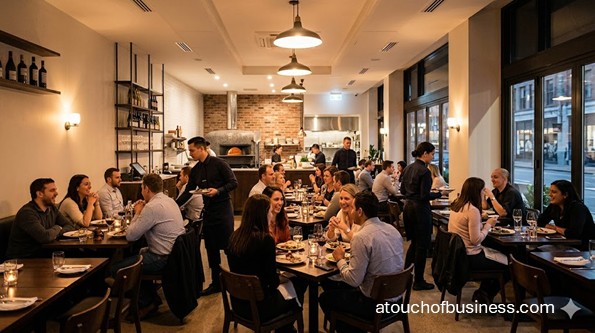
Italian Restaurant Overview For Opening Preparation
An Italian restaurant is a food-service business built around preparing and serving Italian-style food to the public. In most cases, that means dine-in service first, with takeout, direct online ordering, delivery, or catering added only if the setup supports it.
This is a regulated business. You are not just picking recipes and signing a lease. You are dealing with food safety, health approvals, building issues, staffing, sanitation, payment systems, and a kitchen that must work under pressure.
That matters from the start. An Italian restaurant can look simple from the dining room, but the real work begins in the back. You need a layout that supports receiving, storage, prep, cooking, plating, dishwashing, cleanup, and reordering without slowing service or creating food-safety problems.
Common offers include pasta dishes, appetizers, salads, desserts, wine, beer, and, if the concept calls for it, pizza. A pizza-led restaurant needs different equipment from a pasta-led one. If you skip that decision early, the rest of the setup gets harder.
Your customers usually care about the same core things: taste, consistency, speed, cleanliness, value, and the overall experience. That sounds obvious, but it shapes everything from your site choice to your station setup.
Before you move any further, remember what this business really is. You are not starting a menu on paper. You are building a working food operation that must hold up during a lunch rush or a busy Friday night.
Is An Italian Restaurant The Right Fit For You
Owning an Italian restaurant can be a good fit if you like the daily work, not just the idea of owning a place. That means food prep, problem-solving, vendor issues, staffing gaps, cost control, cleaning standards, and long days during setup.
You also need to decide whether business ownership itself fits you. Some people enjoy cooking but do not enjoy hiring, paperwork, compliance, scheduling, and financial responsibility. Those are different things.
Ask yourself one honest question: Are you moving toward something or running away from something? Do not start an Italian restaurant just to escape a hated job, solve immediate financial pressure, or chase the image of being a business owner.
Passion still matters. If you do not have real passion for the work, the hard weeks will feel even heavier. This kind of business asks a lot from you before it gives much back.
You also need a reality check. Restaurant work can mean early deliveries, prep before opening, equipment problems, staff call-offs, customer complaints, and constant attention to food safety. If that sounds draining instead of engaging, stop here and think harder.
Talk to owners before you commit. Speak only with restaurant owners you will not compete against, in another city, region, or market area. Use those conversations to ask real questions about startup costs, permit delays, staffing, prep flow, slow nights, and what they wish they knew before opening. That kind of firsthand owner insight is hard to replace.
It also helps to review the tough side of ownership before you go further. An Italian restaurant can be rewarding, but only if you can handle the pressure that comes with opening and running it.
Step 1: Decide What Kind Of Italian Restaurant You Are Opening
Start with the concept. Is this a full-service Italian restaurant, a fast-casual pasta place, a pizzeria with dine-in seating, a family-style spot, or a wine-forward neighborhood restaurant?
This decision affects almost everything: the kitchen line, staffing level, table count, liquor needs, service speed, startup costs, and even the permits you may need. A pizza-led concept may need a pizza oven, dough prep space, dough boxes, and more dry and cold storage. A pasta-led concept may need different prep tools and a different line design.
If you keep the concept vague, you create problems later. Your lease, layout, equipment list, and menu pricing all depend on this first choice.
Step 2: Study Local Demand And Competitive Reality
Before you commit to an Italian restaurant, look at the local market the way a customer would. How many similar places are already in the area? What do they serve? Are they full-service, takeout-focused, family-focused, upscale, or price-driven?
You are checking more than competition. You are checking local supply and demand. If your area already has too many similar restaurants and weak traffic, the problem starts before you open.
Visit competitors. Look at wait times, menu size, pricing, parking, reviews, dining-room condition, and how they handle takeout. The point is not to copy them. The point is to see what the market already supports and where a new Italian restaurant might fit.
If you skip this, you can end up building the wrong offer for the wrong area.
Step 3: Define Your Customer And Keep The Offer Tight
An Italian restaurant can serve families, couples, office workers, tourists, takeout customers, event guests, or late-evening diners. You do not need every group on day one.
Pick the customer you want most and shape the opening offer around them. A family-focused restaurant may need a different layout, pricing approach, and service rhythm than a date-night restaurant with wine service. A lunch-driven location may need speed and easy check averages more than a broad dinner list.
Keep the opening offer tight. Too many dishes create waste, prep problems, and uneven execution. This business punishes overcomplication early.
Step 4: Choose A Legal Structure And Register The Business
Once the concept is clear, choose your legal structure and register the business properly. That could mean comparing a sole proprietorship, limited liability company, partnership, or corporation based on ownership, liability, taxes, and how you want the business organized.
If you need help sorting that out, start with guidance on choosing your legal structure. If the operating name will be different from the legal entity name, you may also need to file a Doing Business As registration, depending on your state or county.
Do this before you sign documents in the wrong name, open accounts, or start permit applications. Those details need to match.
Step 5: Get Your Tax ID And Basic Tax Setup In Place
Your Italian restaurant may need an Employer Identification Number from the Internal Revenue Service, especially if you will hire employees, open a business bank account, or need one for tax or filing purposes. You may also need state tax registration for sales tax, withholding, employment taxes, or other state-level requirements.
This step matters early because you usually need the tax setup in place before you can open a business bank account, apply for certain licenses, hire employees, or set up payroll.
Keep the records clean from the start. Restaurants deal with sales, tips, payroll, vendor invoices, and inventory purchases fast. A messy setup creates problems quickly.
Step 6: Build A Real Startup Budget For The Restaurant
An Italian restaurant usually needs a larger startup budget than many first-time owners expect. The biggest cost categories often include lease deposits, build-out, permits, inspections, hood and suppression work, plumbing, electrical upgrades, refrigeration, cooking equipment, smallwares, furniture, initial inventory, payroll before opening, signage, and working capital.
Do not force a narrow number too early. Restaurant startup costs vary widely based on location, site condition, service level, alcohol service, seat count, and how much construction the space needs.
This is where a written budget and forecast help. If you have not done one before, spend time putting your business plan together and estimating what the first stage actually costs. Guessing here is expensive.
Step 7: Pick A Site Only After Feasibility Checks
A restaurant location is not just about traffic and visibility. For an Italian restaurant, the space has to work for food service. That means checking restaurant use, zoning, utility capacity, grease handling, ventilation needs, dishwashing space, storage, and accessibility before you commit.
A second-generation restaurant space can reduce cost and speed up opening, but only if the old systems still fit your concept and local requirements. A raw shell gives you more freedom, but it can drive construction costs much higher.
Do not sign a lease before you know the address can support a restaurant legally and physically. If you skip this, you may inherit a site that needs major work just to reach opening condition.
Step 8: Confirm Permits, Health Approval, And Local Rules
This is one of the most important startup steps for an Italian restaurant. Restaurants are usually regulated by state and local agencies, not by a single nationwide restaurant permit.
You may need some combination of a food service establishment permit, health department approval, zoning sign-off, building permits, fire review, and a certificate of occupancy. If you plan to serve alcohol, you may also need state and local liquor approvals.
Local rules vary, so keep this part practical. Start with the city or county health department, building department, planning or zoning office, and state food or health agency. Ask what approvals apply to this exact address and this exact service model.
Opening before approvals are in place can delay the launch or force expensive rework. That is not a small detail. It can change your entire startup timeline.
- Confirm whether restaurant use is allowed at the address.
- Ask whether a certificate of occupancy is required for this setup.
- Find out what pre-opening inspections must happen before you serve food.
- Ask whether food protection manager certification is required in your area.
- Verify if alcohol service adds separate permits, training, or inspections.
Step 9: Design The Kitchen Around Food Flow
An Italian restaurant needs a kitchen that works from receiving to plating. Think through the physical path: delivery, cold storage, dry storage, prep, line cooking, finishing, service, dish return, warewashing, and cleanup.
The wrong layout slows service and raises labor costs. It can also create sanitation issues if clean and dirty work overlap too much or if prep stations are cramped.
For a pizza-forward restaurant, dough prep, cold fermentation storage, oven access, and pizza assembly space matter. For a pasta-driven operation, prep flow around sauces, portioning, pasta cooking, and finishing matters more. Your setup process should reflect the food you plan to offer.
Step 10: Buy The Right Equipment For Your Italian Restaurant
Equipment should match the concept, the menu, and the expected volume. Do not buy a generic package and hope it fits later.
Most Italian restaurants need commercial refrigeration, prep tables, a range, ovens, warewashing equipment, stainless prep surfaces, hand sinks, storage shelving, smallwares, thermometers, and cleaning tools. Pizza concepts may also need a pizza oven, dough mixer, dough boxes, and peels. Larger-volume pasta concepts may need a pasta cooker or other dedicated prep tools.
Look for equipment that is normal for commercial food service and recognized by inspectors. That helps during approval and makes day-to-day cleaning and maintenance more manageable.
- Cooking line equipment
- Cold holding and refrigeration
- Prep tables and prep tools
- Dishwashing and sanitation setup
- Dry storage shelving and ingredient bins
- Front-of-house furniture and service tools
- Packaging for takeout or delivery if offered
Step 11: Set Up Suppliers Before You Need Them
An Italian restaurant depends on supplier consistency. That includes broadline distributors, produce, dairy, proteins, dry goods, beverages, chemicals, linen, waste service, grease pickup, pest control, and equipment service if needed.
You also may need specialty suppliers for imported ingredients, cured meats, cheeses, olive oil, or wine. Do not wait until the final week to sort this out. Your first orders affect recipe testing, food costs, storage needs, and prep timing.
Think through receiving, too. Where do deliveries come in? Who checks them? Where do cold items go first? In a food-service business, receiving mistakes turn into spoilage, waste, and bad prep flow fast.
Step 12: Build The Menu Around Execution And Cost Control
Your opening menu for an Italian restaurant should be wide enough to attract customers, but tight enough to execute well. A smaller list done consistently is better than a large list that creates waste and slow tickets.
Recipe costing matters here. You need to know portion sizes, ingredient cost, plate cost, packaging cost for off-premise orders, and whether the item can be produced reliably during a rush.
Ask a simple question with every item: can the kitchen produce this cleanly during busy service without hurting speed or consistency? If the answer is no, it should not be on the opening menu.
Step 13: Set Prices With Math, Not Hope
Pricing an Italian restaurant means more than checking what nearby restaurants charge. You need to look at food cost, labor, overhead, service style, portion size, and the customer you want to attract.
Common approaches include cost-plus pricing, standard à la carte pricing, bundles, and prix fixe offers. The right choice depends on your concept, ticket size, and how the menu is built.
If you underprice to look busy, you can create a full dining room with weak margins. If you overprice without the experience to support it, you can lose traffic early. Spend time on setting your prices before you print anything.
Step 14: Arrange Funding, Banking, And Payment Processing
Once your startup costs look real, decide how you will fund them. That may mean owner cash, outside investors, equipment financing, or funding through a loan.
You also need a business bank account and a payment setup that fits restaurant service. That includes POS-linked card processing, deposits into the business account, and a clear process for tips or service charges if your restaurant uses them.
Keep this simple at first. Choose a bank that understands small business needs, then get the restaurant ready to take payments smoothly. If you are still sorting through the financial side, review options for getting your business banking in place and basic card payment processing.
Step 15: Set Up Your Point Of Sale And Basic Restaurant Systems
Your point of sale system needs to match how the Italian restaurant will work in real life. That means menu entry, modifiers, tax setup, ticket routing, payment devices, and if needed, printer or kitchen display setup.
Beyond the point of sale, you need internal documents that keep the place organized. Think prep sheets, cleaning checklists, opening and closing lists, temperature logs, receiving logs, vendor contacts, recipe sheets, and allergy references.
If you skip this, your team will make up the system on the fly. That usually leads to inconsistency and wasted time.
Step 16: Handle Insurance And Risk Planning Early
An Italian restaurant has basic startup risks that need attention before opening. Property damage, liability claims, kitchen incidents, employee injuries, food-safety issues, and alcohol-related exposure all belong on your radar.
Some insurance may be required by a landlord, lender, or state rules, and some may be a practical need even when it is not specifically required. Start early so coverage lines up with your lease, construction period, and opening date.
This is not the place to guess. Review your options for insurance coverage for the business and confirm what applies to your restaurant, your staff, and your location.
Step 17: Build The Dining Room, Signage, And Brand Basics
Your dining room should support the kind of Italian restaurant you are opening. A family-style place needs different spacing and traffic flow than a smaller date-night concept. The front of house should feel clear, comfortable, and easy for staff to work in.
You also need the basics: name, domain, logo, menus, printed materials if used, and storefront signs that fit local rules. Do not ignore the sign process. Exterior signage often needs local approval, and delays there can hurt the opening.
Keep the brand simple at first. The goal is not to impress a designer. The goal is to look professional and consistent when customers first see the business.
Step 18: Hire The Opening Team And Train For Real Service
Most Italian restaurants need help before launch. Even if you want tight labor control, a storefront food-service business is usually not practical as a one-person operation.
Think through who you need for opening: cooks, prep staff, servers, hosts, dishwashers, bartenders if applicable, and shift leads if the setup calls for them. Then decide when you actually need them. Hiring too early increases startup payroll. Hiring too late hurts training.
Training should match live service. Teach station setup, cleanliness, food handling, allergy communication, illness reporting, payment steps, side work, and how your specific menu is supposed to be executed. If teen workers are part of the plan, confirm job restrictions before assigning tasks.
For first hires, it helps to think through when to bring in staff so payroll does not get ahead of the opening schedule.
Step 19: Put Food Safety And Labor Compliance In Writing
An Italian restaurant needs written procedures before opening, not after the first problem. That includes illness reporting, handwashing expectations, cleaning routines, temperature checks, allergy response, and who is responsible for food safety during each shift.
You also need employment paperwork and labor compliance in order. That can include Form I-9 records, payroll setup, required posters, tip handling rules, and recordkeeping.
Keep it grounded. You do not need a thick manual on day one. You do need working rules that staff can follow during real service.
- Illness and exclusion policy
- Temperature and sanitation logs
- Allergy handling reference sheet
- Opening and closing checklists
- Employee onboarding paperwork
- Tip and payroll process
Step 20: Test The Operation Before The Public Opening
Do not let the public be the first real test of your Italian restaurant. Run a mock service, a training night, or a soft opening. Use it to see where orders back up, which dishes slow the line, whether the point of sale works properly, and how the front and back of house move together.
This is where small problems show up clearly. Maybe a station is missing tools. Maybe the host stand blocks traffic. Maybe a pasta dish takes too long during a rush. Better to find that now than on opening night.
If you skip this, your grand opening becomes a paid stress test.
Step 21: Get Ready For The First Weeks Of Service
The first weeks of an Italian restaurant are not about perfection. They are about stability. You want permits cleared, equipment working, staff trained, vendors scheduled, food costs understood, and basic customer service under control.
Watch the details that matter most: prep flow, waste, wait times, ticket timing, customer complaints, and whether the opening menu is working the way you expected. Do not expand the offer too fast.
This is also where you need strong owner attention. Early problems in a restaurant do not sit quietly. They show up in labor cost, spoilage, guest experience, and cash flow almost at once.
Daily Work Before And Right After Opening
If you are opening an Italian restaurant, your early daily work will probably include checking deliveries, confirming prep levels, reviewing temperatures, making sure stations are ready, following up on vendors, helping with staffing gaps, watching service speed, and solving problems as they come up.
Some days will be spent at the site with contractors or inspectors. Other days will be about payroll, menus, supplier calls, and training. You need to be comfortable switching between kitchen details and business details without losing track of either.
That is the reality of this kind of startup. You are not just opening a place to eat. You are building a working system that has to perform under pressure.
Common Red Flags Before You Open
There are a few warning signs that deserve real attention before launch. One is choosing a location because it looks attractive, even though the restaurant-use issues are not clear. Another is opening with too many menu items. A third is underestimating labor, training time, or working capital.
You should also pause if the kitchen layout is weak, supplier timing is uncertain, the payment system is not fully tested, or required approvals are still vague. These are not small startup mistakes. They can delay opening or create immediate operating problems.
It helps to review a few common startup mistakes and compare them against your own setup before you move ahead.
Pre-Opening Checklist For An Italian Restaurant
Before you open the doors, make sure the Italian restaurant is actually ready to function as a food-service business.
This is where a practical checklist helps.
- Business formation completed and names registered properly.
- Employer Identification Number and any needed state tax registrations in place.
- Site cleared for restaurant use and major local approvals confirmed.
- Certificate of occupancy handled if required.
- Health, building, and fire inspections passed or scheduled for final sign-off.
- Liquor approvals handled if alcohol will be served.
- Kitchen equipment installed, tested, and matched to the opening menu.
- Cold storage, hot holding, sinks, sanitation tools, and thermometers ready.
- Supplier accounts active and first inventory orders scheduled.
- Point of sale, taxes, modifiers, printers, and payment devices tested.
- Recipes, portions, pricing, and prep sheets finalized.
- Employee paperwork, payroll, training, and food-safety procedures in place.
- Menus, signs, and dining-room basics ready for service.
- Soft opening or mock service completed and reviewed.
FAQs
Question: What licenses and permits do I usually need to start an Italian restaurant?
Answer: Most owners need business registration, tax setup, food-service approval, and local site approvals. If you plan to serve alcohol, add the state and local alcohol license process.
Local rules change by address, so confirm everything with the city or county health, building, and zoning offices before you spend money on build-out.
Question: Do I need an Employer Identification Number before I open?
Answer: In most cases, yes. You usually need it to handle taxes, open a business bank account, and hire staff.
Question: Does a restaurant need FDA registration?
Answer: Usually no. A typical restaurant is generally treated as a retail food business and is mostly overseen by state and local regulators.
Question: Should I form the company before I sign a lease?
Answer: Many owners do, because the legal name often needs to match the lease, bank records, and permit applications. If the paperwork starts under the wrong name, fixing it later can slow everything down.
Question: How do I know if a location can legally be used for my restaurant?
Answer: Ask the local zoning or planning office if restaurant use is allowed at that address. Also ask the building department whether a use change, construction permit, or certificate of occupancy is required.
Question: Do I need a certified food manager before opening day?
Answer: Many places require one, but not all. Your health department can tell you if your city, county, or state requires an accredited food protection manager for your setup.
Question: What insurance should I line up before the doors open?
Answer: Start with general liability, property coverage, and workers’ compensation if you have employees. A landlord, lender, or alcohol license may also create extra insurance requirements.
Question: Should I open in a former restaurant space or build from a raw space?
Answer: A former restaurant can save time if the kitchen systems, utilities, and approvals fit your concept. A raw space gives you more control, but it often costs more and takes longer.
Question: How much equipment should I buy before opening?
Answer: Buy for the launch menu, not for every future idea. You need reliable cooking, cold storage, prep, warewashing, handwashing, and service equipment that fits the way your kitchen will actually work.
Commercial pieces that meet recognized sanitation standards can make approval and cleaning easier.
Question: How should I set menu prices before opening?
Answer: Start with recipe cost, portion size, labor needs, overhead, and the kind of customer you want to attract. Local competitor pricing matters, but it should not be your only guide.
Question: How much cash should I keep for the first month?
Answer: Keep enough to cover payroll, rent, food orders, utilities, and surprise fixes while sales are still uneven. The first month often moves slower and costs more than a new owner expects.
Question: How many people should I hire for opening week?
Answer: Hire for the service style, the menu, and the hours you plan to keep. Most Italian restaurants need enough people to cover prep, cooking, dishwashing, and guest service without forcing the owner to plug every hole alone.
Question: What paperwork do I need when I hire my first employees?
Answer: You need employment eligibility verification, payroll setup, and the records required by your tax and labor agencies. If your team will earn tips, make sure your pay setup matches federal and state tip rules.
Question: What systems should be ready before the first real service?
Answer: Your point-of-sale system, payment setup, tax settings, ticket routing, and basic logs should be ready before opening. You also need simple working forms for cleaning, temperatures, receiving, and shift routines.
Question: What daily checks matter most in the first few weeks?
Answer: Watch cold holding, hot holding, prep levels, cleanliness, staffing gaps, and ticket speed every day. Early problems usually show up first in food safety, wasted product, slow service, or cash burn.
Question: Should I do a soft opening before the grand opening?
Answer: Yes, in most cases it is a smart move. A practice service can expose timing issues, training gaps, and equipment problems before the public launch.
Question: What owner mistakes delay a restaurant opening most often?
Answer: Common problems include signing a lease before site checks are done, opening with too many dishes, and underestimating labor and working cash. Another big one is waiting too long to confirm local approvals.
Advice From Restaurant Owners Who Have Been There
One of the best ways to prepare for an Italian restaurant launch is to learn from people who have already opened, funded, staffed, and operated restaurants.
The resources below can help you think more clearly about startup money, hiring, timing, legal prep, and the problems that usually show up before and right after opening.
- Eater — Starting a Restaurant or Food Business? Take This Advice
Useful owner guidance on launch timing, cash planning, passion, and early founder pay from chefs, restaurateurs, and advisers. - Eater — We Asked: “How Did You Fund Your Restaurant?”
A smart read if you are still figuring out how to pay for the build-out, equipment, and opening runway. It gathers funding advice from restaurant owners. - Food & Wine — This Is the Worst Thing You Can Do When You’re Opening a New Restaurant
An interview with hospitality lawyer Jasmine Moy on due diligence, partner problems, permit delays, and the paperwork issues that can drain time and money. - 7shifts — Danny Meyer on How to Hire the Right People For Your Restaurant
A practical hiring resource built around a fireside chat with Danny Meyer. Strong pick if you want better early staffing decisions. - RestaurantOwner.com — Corner Booth Podcast
A large library of interviews with independent restaurateurs sharing how they built their concepts, handled operations, and learned through real experience. - Restaurant Rockstars — A Super Fresh Restaurant Startup Success Story
An interview with the co-founders of Alfalfa about starting from a farmer’s market and growing into a restaurant brand. - UpFlip — How to Open a Restaurant
A broad startup guide that also pulls in lessons and interviews from restaurant owners, including funding, planning, equipment, and early operating choices.
Related Articles
- Starting a pasta restaurant
- How to Start a Pizza Shop
- Starting a Mexican Restaurant Business
- Starting a Lebanese Restaurant
- Start a Moroccan Restaurant
- Start a Korean Restaurant
- How To Start Your Successful Korean Barbecue Restaurant
- Start a Seafood Restaurant
- How To Start Your Breakfast Restaurant
- How To Start Your Delicatessen
- How To Start a Café
Sources:
- SBA: register your business, state tax ID numbers, small business loans, open a bank account
- IRS: employer identification number, tip recordkeeping, Form 8027 instructions
- FDA: starting a food business, Food Code 2022, state food code adoption, retail food protection
- U.S. Department Of Labor: Fair Labor Standards Act, tipped employee rules, youth rules in restaurants
- USCIS: employment verification
- ADA.gov: public business access rules, accessible design standards
- TTB: retail alcohol rules
- CDC: food worker illness rules, restaurant allergy practices
- NSF: food equipment certification
- WebstaurantStore: commercial kitchen equipment, pizza shop equipment
- Toast: restaurant menu pricing, restaurant point of sale, Italian dish examples
- RestaurantOwner: benefits of a soft opening