
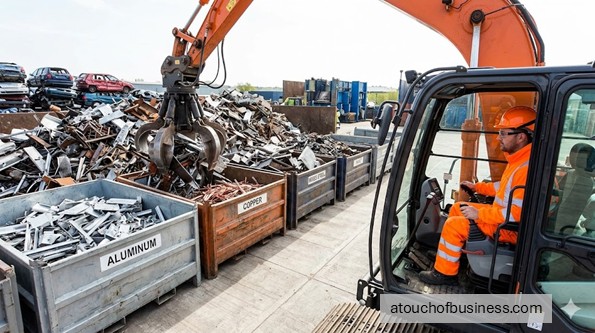
Starting a Scrap Metal Business
A scrap metal business buys metal, sorts it, stores it, and sells it to larger buyers. In a warehouse-based setup, your site becomes the center of operations.
You are not just picking up junk. You are handling material, weighing it, grading it, documenting it, and moving it safely.
This business can handle many types of metal, such as steel, aluminum, copper, brass, stainless steel, and cast iron. Some businesses also handle batteries, appliances, vehicles, or catalytic converters. Those items can add rules, risk, and cost.
A simple launch may focus on clean scrap from local trades and small businesses. A more complex launch may add roll-off bins, truck pickups, cutting, baling, or shearing.
The warehouse model needs careful planning. You need room for receiving, storage, sorting, scale use, truck movement, safety zones, and outbound loads.
You also need strong records. Scrap metal is often bought and sold by weight. That means your scale, tickets, pricing, and payment records matter from day one.
Do You Have an Interest in Running a Business?
A scrap metal business can be viable and rewarding. But it is not clean, quiet, or simple.
Before you move ahead, ask whether business ownership fits your life.
You may deal with sharp material, weather, trucks, price swings, compliance checks, equipment problems, and sellers who bring mixed loads. You may also need to say no to material that looks profitable but creates legal or safety risk.
Ask yourself:
- Can you stay calm under daily pressure?
- Do you like hands-on work?
- Can you follow rules and keep records?
- Can you work around trucks, tools, noise, and rough material?
- Can you handle uncertain margins?
You also need to like the business itself. That does not mean every task is fun. It means you have a real interest in the value the business provides.
Scrap metal recycling helps move useful material back into the supply chain. If that interests you, the work may feel more worthwhile.
Are you building toward something you care about, or are you mainly trying to get away from a job, a boss, or financial problems?
That question matters. Escape is a weak reason to start a business. So are status, prestige, and the image of being an owner. Those motives may not carry you through long days, regulation, cash flow strain, and hard decisions.
Better reasons include real interest in the work and staying connected to the business long term.
Talk to Scrap Metal Owners First
Before you lease space or buy equipment, talk to people who already run this kind of business.
Only speak with owners you will not compete against.
Look for owners in another city, region, or market area. Prepare real questions before you contact them.
Ask about:
- What they wish they had known before opening
- Which materials caused the most trouble early on
- What permits or inspections slowed them down
- Which equipment mattered most at launch
- How they avoided bad loads and poor records
These conversations matter because the owners have direct experience. Their path may not match yours. But firsthand owner insight can reveal issues a checklist may miss.
Check Local Demand Before You Move Forward
A scrap metal business needs steady incoming material and reliable buyer outlets ready to take material out.
Do not assume every area can support another yard.
Look at local demand from both sides. First, ask who will bring you scrap. Then ask who will buy it from you.
Possible supply sources include:
- Machine shops and fabricators
- Plumbers, electricians, roofers, and HVAC contractors
- Demolition and construction contractors
- Auto repair and fleet shops
- Small manufacturers and public sellers
Next, check the buyer side. You need downstream buyers for steel, aluminum, copper, brass, stainless steel, and other grades you plan to accept.
Weak demand can mean the location is wrong. It can also mean the business idea needs a smaller launch scope.
Use local supply and demand as an early filter. If there is not enough scrap volume or buyer access, pause before spending more.
Compare Starting, Buying, and Franchising
You can start from scratch. You may also look for a scrap metal business already in operation.
Franchising is not the usual path for this business, so do not force it.
Starting from scratch gives you more control. But you must build the location, permits, buyer network, supplier network, equipment setup, and workflow yourself.
Buying a business may give you a permitted site, equipment, seller relationships, and buyer outlets. It may also come with old problems, poor records, bad equipment, or environmental issues.
Compare:
- Your budget
- Your timeline
- Your need for support
- Your risk tolerance
- Your desire for control
If a suitable scrap business is for sale, study it with care. Buying a business already in operation can make sense, but only after legal, financial, equipment, and environmental checks.
Understand the Basic Business Model
A scrap metal business generates revenue from the spread between what it pays for scrap and what buyers pay for sorted or prepared material.
That spread must cover handling, labor, storage, transport, equipment, compliance, and loss from mixed or dirty loads.
Your model may focus on one or more of these paths:
- Public drop-off sellers
- Commercial and contractor accounts
- Industrial scrap programs
- Pickup or roll-off bin service
- Prepared loads for larger buyers
Public sellers may bring many small loads. That can create more records, more payment activity, and more grading decisions.
Commercial accounts may bring steadier material. But they may expect scheduled service, clear tickets, and reliable payment.
Industrial accounts may offer cleaner recurring scrap. They may also require stronger documentation and consistent containers.
Know What You Will Accept
Your scrap metal business should not accept every item on day one.
Some material creates special risk.
Start with clean, common metals if you are new to the industry. Steel, aluminum, copper, brass, and stainless steel are easier to sort than mixed or regulated material.
Be careful with:
- Batteries
- Vehicles
- Catalytic converters
- Appliances with refrigerant
- Electronics or unknown industrial material
These items may need special storage, records, handling, buyer outlets, or permits. They may also create fire, theft, or environmental concerns.
Decide your acceptance rules before opening. Train staff to reject material that does not fit those rules.
Write a Practical Business Plan
Your plan does not need elaborate language. It needs to show how the scrap metal business will work before you commit capital.
Use it to test the setup.
Your plan should explain:
- Which metals you will buy
- Who will supply them
- Where the material will go after sorting
- What equipment you need at launch
- Which permits and approvals must be in place
Also include your startup costs, working capital, buy-price method, buyer relationships, and expected first-stage volume.
Do not write the plan as a wish list. Write it as a working document. If you need help shaping it, use a clear plan for the business before you commit to a lease.
Choose the Right Location
A warehouse-based scrap metal business depends on the site.
The wrong location can stop the launch.
Look for industrial property with room for trucks, bins, scales, storage, loading, and safe movement. A small warehouse may look affordable but fail once loads start arriving.
Check for:
- Industrial zoning
- Truck access
- Outdoor storage approval
- Drainage and stormwater needs
- Space for a legal-for-trade scale
You also need to know whether the site can receive a certificate of occupancy for this use.
Do not rely on the landlord’s word alone. Verify zoning and approval for that use with the city or county before signing.
Plan the Warehouse Layout
Your scrap metal warehouse needs a clear path from receiving to outbound shipment.
Confused movement creates delays, damage, and safety risk.
Set up separate areas for:
- Inbound inspection and weighing
- Ferrous and nonferrous storage
- High-value metals such as copper and brass
- Rejected or questionable material
- Outbound staging
Use labels, bins, barriers, and signs. Keep public sellers away from forklift paths and loader zones.
A good layout also protects records. The scale area, payment area, and material drop-off area should be easy to monitor.
Set Up the Scrap Metal Workflow
The startup process should make the daily flow clear.
Do not open until the team can run a test load from start to finish.
A simple workflow looks like this:
- Seller arrives at the yard or warehouse.
- Staff checks the material before purchase.
- The load is weighed on the correct scale.
- Material is graded and sorted.
- A scale ticket or purchase record is created.
- The seller is paid under allowed payment rules.
- Material is stored for buyer shipment.
This flow needs discipline. One missed step can create bad records, poor pricing, or unsafe storage.
Buy the Right Startup Equipment
Equipment choices change your startup cost and risk.
Start with what the business needs to open safely and legally.
Common launch equipment includes:
- A legal-for-trade truck scale, floor scale, or platform scale
- Forklift, pallet jack, skid steer, or loader
- Bins, hoppers, pallets, racks, and roll-off boxes
- Magnets, files, grade labels, and sorting tools
- Cameras, fencing, lighting, and locked storage
You may also need a wire stripper, shear, baler, or torch cutting station. Do not add processing equipment before checking electrical, fire, safety, air, and permit needs.
A large shredder or advanced processing line is not a basic first step for most new operators.
Use the Right Scale and Tickets
Scrap metal is often bought and sold by weight.
That makes the scale a core part of the business.
A standard scale is not enough. You may need a legal-for-trade scale. This means the scale is approved for commercial weighing.
Plan for:
- Scale selection
- Installation and foundation work
- Inspection or sealing where required
- Printed or digital scale tickets
- Scale service records
Keep tickets tied to seller records, material grades, payments, and buyer shipments. This protects the business if a transaction is questioned later.
Build Your Safety Setup
A scrap metal business has real safety risks.
Sharp metal, moving equipment, dust, fumes, cutting, and stacked material can injure people quickly.
Plan for safety before the first load arrives.
Basic safety needs include:
- Cut-resistant gloves, eye protection, hard hats, and steel-toe boots
- High-visibility vests and hearing protection
- Fire extinguishers, first-aid supplies, and spill kits
- Lockout/tagout supplies for equipment service
- Machine guards and emergency stops where needed
Forklift and loader training also matters. So does clear traffic control.
Do not treat safety as a later upgrade. Safety is part of launch readiness.
Prepare for Environmental Rules
Scrap metal recycling can trigger environmental requirements.
The most common early issue is stormwater.
If scrap, equipment, fluids, batteries, dust, or processing activity is exposed to rain or runoff, industrial stormwater rules may apply. A facility may need permit coverage and a Stormwater Pollution Prevention Plan.
If all industrial material and activity stays under storm-resistant shelter, a no exposure option may be possible. The site must meet the rule. You still need to verify it with the right authority.
Ask the state environmental agency about:
- Industrial stormwater coverage
- No exposure certification
- Battery and universal waste handling
- Air permits for cutting, shredding, or dust
- Spill control and inspection records
Do this before you build the yard. It is easier to plan drainage and storage early than fix them after inspection.
Handle Legal Setup and Permits
A scrap metal business may need several layers of approval.
Rules vary by state, city, and county.
At the federal level, you may need an Employer Identification Number. You may also need to follow OSHA rules if you have employees.
At the state level, check entity formation, tax registration, employer accounts, weights and measures, and scrap metal dealer rules.
At the city or county level, check:
- Business license
- Zoning approval
- Certificate of occupancy
- Building and electrical permits
- Fire marshal review
Some states regulate scrap buyers as scrap metal dealers or secondary metals recyclers. These rules may cover seller identification, transaction records, payment methods, restricted items, and law enforcement access.
Use local license and permit requirements as a checklist topic. Then confirm the exact rules with your state and local offices.
Ask the Right Compliance Questions
Do not ask only, “Can I open?”
Ask questions that match the way your scrap metal business will work.
Ask local officials:
- Is scrap metal recycling allowed at this address?
- Is outdoor storage allowed?
- Do I need a certificate of occupancy for this use?
- Will a truck scale, fence, or yard change need permits?
- Does the fire marshal need to inspect the site?
Ask state agencies:
- Do I need scrap dealer registration?
- What seller records must I keep?
- Are there payment limits or holding rules?
- Does the scale need inspection?
- What stormwater rules apply to this site?
The answers can change your location, layout, equipment, budget, and launch date.
Plan Insurance and Risk Controls
Insurance does not replace good setup.
But a scrap metal business has risks that should be discussed before opening.
Talk with a commercial insurance broker who understands recycling, warehouse, vehicle, and equipment exposures.
Ask about:
- General liability
- Commercial property
- Commercial auto
- Workers’ compensation
- Pollution or environmental coverage
Workers’ compensation is required in many employee situations. Other coverage may be required by lenders, landlords, buyers, or contracts.
Use insurance coverage for the business as a planning topic. Then get quotes tied to your actual site and activities.
Plan Startup Costs Carefully
There is no useful universal startup cost for a scrap metal warehouse.
The range changes too much by site, equipment, storage method, and working capital.
Your largest cost drivers may include:
- Lease or property purchase
- Scale purchase and installation
- Forklift, loader, bins, and containers
- Fencing, lighting, cameras, paving, and drainage
- Working capital to buy scrap before resale
Processing equipment can raise costs fast. So can trucks, roll-off boxes, environmental work, and site changes.
Build your estimate from quotes. Do not rely on a generic online estimate.
Also plan for delayed payment from buyers. You may buy material today and get paid weeks later. That gap can strain cash flow.
Choose Funding Options
A scrap metal business may need funding for equipment, vehicles, working capital, and site setup.
Match the funding to the asset.
Common options include:
- Owner savings
- Equipment financing
- Commercial vehicle financing
- A bank line of credit
- An SBA-backed loan through a lender
A line of credit may help with scrap purchases. Equipment financing may fit scales, forklifts, loaders, and processing tools.
Before applying, prepare your plan, lease details, equipment quotes, buyer information, startup budget, and personal financial statements.
For a loan path, review what lenders may expect when funding through a loan.
Set Prices Before Opening
Pricing in a scrap metal business is tied to grade, weight, market prices, and buyer quotes.
You need a pricing method before the first seller arrives.
Do not pay the same price for every load. Clean copper is different from mixed wire. Prepared steel is different from dirty mixed scrap.
Price factors include:
- Metal type and grade
- Cleanliness and contamination
- Buyer quote and market movement
- Freight and processing cost
- Expected loss from mixed material
Use standard grade terms when possible. ReMA and ISRI specifications help buyers and sellers use common scrap language.
Post buy prices only after you know your buyer outlet and margin. For broader pricing planning, use the idea of setting your prices, then adapt it to scrap grades.
Set Up Banking, Taxes, and Records
Keep business transactions separate from personal ones from the start.
This matters even more when you buy and resell material daily.
Set up:
- A business bank account
- Bookkeeping software
- Scale ticket records
- Purchase and payment logs
- Buyer invoice and shipment records
Some states limit cash payments or require certain records for scrap transactions. Confirm this before choosing your payment process.
Open the bank account after forming the business and getting your tax ID. If you need a practical starting point, review getting your business banking in place.
Build Supplier and Buyer Relationships
A scrap metal business needs both supply and outlet partners.
You need material coming in and buyers ready to take it out.
Potential suppliers include:
- Contractors and trades
- Fabricators and machine shops
- Auto repair and fleet shops
- Small manufacturers
- Public sellers
Potential buyers include larger scrap processors, mills, foundries, brokers, and specialty buyers.
Confirm buyer details before opening. Ask about grades, minimum loads, preparation rules, freight, rejected material, payment timing, and documentation.
Do not buy material you cannot resell. Storage fills fast when the buyer side is weak.
Name the Business and Set Up Your Digital Presence
Your name should make the business clear.
Scrap buyers and sellers often search for practical terms, not clever names.
Check whether the name is available with your state, domain registrar, and trademark search tools. If you use an assumed name, check whether a DBA filing is needed.
Set up a simple website with:
- Accepted metals
- Address and receiving hours
- Basic seller requirements
- Commercial account contact details
- Items you do not accept
Add business signage, truck markings if needed, and clear yard signs. Signs should help sellers find the scale, office, drop-off area, and restricted zones.
Create Forms and Internal Documents
Good records protect a scrap metal business.
They also help staff follow the same process every time.
Prepare these before opening:
- Purchase tickets and scale tickets
- Seller records and ID procedures
- Grade sheets and price sheets
- Rejected-material logs
- Stormwater and safety inspection logs
You may also need bin service agreements, commercial account forms, pickup records, equipment inspection forms, training logs, and buyer shipment files.
Keep forms simple. Staff should be able to use them under busy yard conditions.
Hire and Train Before the First Load
Even a small scrap metal business may need help.
Receiving, weighing, sorting, loading, and records can overlap quickly.
Early roles may include:
- Scale operator
- Yard worker
- Forklift or loader operator
- Driver
- Office and records support
Training should cover metal grades, safety, seller records, payment steps, equipment use, rejected materials, and emergency procedures.
Do not let untrained people operate forklifts, loaders, shears, balers, or cutting equipment. The risk is too high.
If you are unsure when to add staff, think through hiring your first employee before opening.
Know Your First-Day Responsibilities
Owning a scrap metal business is active work.
You will make decisions throughout the day.
A normal early day may include checking the price board, walking the yard, reviewing stormwater controls, testing the scale, receiving loads, checking seller records, approving grades, and staging buyer shipments.
You may also deal with rejected items, equipment problems, payment questions, and buyer calls.
Before opening, ask yourself if you want this daily rhythm. It is physical, detailed, and rule-driven.
Plan Inventory and Storage Capacity
Scrap metal takes space quickly.
Poor storage can block trucks, confuse grades, and slow shipments.
Plan capacity by material type. Ferrous metal may need large open areas. Copper, brass, and stainless steel may need secure indoor storage.
Use separate bins and labels for each grade. Mixed bins reduce value and create more sorting work.
Plan for outbound shipment size too. If a buyer wants a minimum load, you need space to hold material until that load is ready.
Also plan a quarantine area. Questionable material should not be mixed into regular inventory.
Prepare Your Sales and Marketing Approach
Your first marketing goal is simple.
Reach the people and businesses that generate scrap you can legally and profitably handle.
For public sellers, make the location easy to find. Show accepted metals, hours, ID needs, and payment rules.
For commercial accounts, focus on reliability. Contractors and shops care about convenient drop-off, clear tickets, fair grading, and dependable pickup if you offer it.
Start with:
- A clear website and local business profile
- Direct outreach to trades and shops
- Basic yard signs and truck signs
- Commercial account forms
- Clear documentation for recurring sellers
Do not promise pickup, bins, or pricing you cannot support. Convenience matters, but only if the process works.
Check Launch Readiness
A scrap metal business should not open just because the sign is up.
Open when the system works.
Before launch, confirm:
- Zoning, licenses, and certificate of occupancy are handled
- Stormwater and environmental steps are ready
- The scale works and tickets print correctly
- Staff know grading and rejection rules
- Buyer outlets are confirmed by material type
Run a test load. Follow it from arrival to payment and storage. Then test an outbound shipment.
If records, traffic flow, payment steps, or storage labels fail during testing, fix them before opening.
Watch for Red Flags
Some warning signs should make you slow down.
They do not always mean stop, but they do mean think harder.
Main red flags include:
- The site is not clearly allowed for scrap recycling
- You have no stormwater plan for exposed material
- You do not know state scrap dealer rules
- You lack a legal-for-trade scale plan
- You have not confirmed downstream buyers
Other warning signs include weak grading knowledge, too little working capital, poor security, unsafe equipment, and no plan for rejected materials.
Be cautious if your plan depends on buying restricted or higher-risk items right away. Batteries, vehicles, catalytic converters, appliances, and electronics can add rules and liability.
Also be careful with market price assumptions. Scrap prices move. If your margins only work under perfect conditions, the launch may be too fragile.
Common Questions About Starting a Scrap Metal Business
These questions come up often before launch.
Use them to test your plan.
Do I need a license to start?
Maybe. Requirements vary by state, city, and county. Check business licensing, zoning, scrap dealer registration, environmental permits, and scale rules before opening.
Can I start with only public drop-off sellers?
Yes, if the location and rules allow it. But public buying can create more records, ID checks, payment controls, and small-load sorting.
Can I start with only commercial accounts?
Yes. This may reduce public traffic. But it requires strong relationships with contractors, shops, and manufacturers before opening.
Do I need a truck scale?
Not always. The right scale depends on your load size. If payment is based on weight, the scale may need to be legal for trade.
Should I accept batteries right away?
Only after checking storage, safety, buyer, fire, and environmental rules. Batteries can create fire and compliance concerns.
Is a warehouse enough, or do I need outdoor yard space?
It depends on your volume and materials. Outdoor space may help storage, but it can also create zoning, stormwater, and security issues.
How do I set buy prices?
Use buyer quotes, metal grades, freight costs, market movement, and your margin. Do not price every load the same way.
What is the safest first launch scope?
Start with clean, common metals, a compliant location, trained staff, buyer outlets, a working scale, and clear rejection rules.
Final Pre-Opening Checklist
Use this checklist before you officially open.
Keep it practical and site-specific.
- Business entity and tax ID are complete.
- Local license, zoning, and certificate of occupancy are confirmed.
- Scrap dealer or recycler registration is handled if required.
- Stormwater, no exposure, or environmental steps are ready.
- Scale is installed, tested, and documented.
- Seller records and payment logs are ready.
- Accepted and rejected materials are listed.
- Bins, labels, storage zones, and security are in place.
- PPE, spill kits, fire extinguishers, and first-aid supplies are stocked.
- Staff training is complete.
- Downstream buyers are confirmed.
- A full receiving-to-shipping test has been run.
Open only when the basics are stable. In this business, weak setup can cost more than a delayed launch.
FAQs
Question: What should I decide first when starting a scrap metal business?
Answer: Decide what kinds of metal you will buy and where those materials will go after you collect them. Your first plan should match your space, equipment, permits, and buyer contacts.
Question: Can I start a scrap metal business from a warehouse?
Answer: Yes, but the building must fit the work. You need enough room for trucks, weighing, sorting, storage, safety zones, and outgoing loads.
Before signing a lease, ask the local zoning office if scrap recycling is allowed at that address.
Question: Do I need special permits to buy scrap metal?
Answer: Many states and local areas regulate scrap metal buyers. You may need a scrap dealer registration, local license, or other approval before buying from sellers.
Check with your state agency, city licensing office, and local law enforcement before opening.
Question: What legal steps should I handle before opening?
Answer: Form the business, get a tax ID, register for state taxes, and check local licensing. You should also confirm zoning and whether a certificate of occupancy is needed.
Question: Does a scrap metal business need environmental approval?
Answer: It may. If metal, fluids, equipment, or work areas are exposed to rain or runoff, stormwater rules may apply.
Ask your state environmental agency about industrial stormwater coverage before storing material outside.
Question: What equipment do I need to start small?
Answer: A small setup may need a commercial scale, sorting bins, handling equipment, safety gear, cameras, lights, and basic office systems. Larger setups may need a loader, roll-off boxes, shears, or a baler.
Question: Do I need a legal-for-trade scale?
Answer: If weight decides what you pay or charge, you may need a legal-for-trade scale. Your state weights and measures office can tell you what inspection or sealing rules apply.
Question: How much does it cost to start a scrap metal business?
Answer: There is no reliable single startup number. Costs depend on the property, scale, equipment, trucks, permits, security, and starting cash for buying material.
Get quotes before you build a budget. Guessing can leave you short before the first month ends.
Question: How do I set buying prices for scrap metal?
Answer: Start with quotes from your downstream buyers. Then account for grade, weight, transport, sorting time, contamination, and your margin.
Do not use one flat price for all material. Mixed loads can hide lower-value scrap.
Question: Should I accept batteries, catalytic converters, or appliances at launch?
Answer: Only if you understand the rules and have safe handling in place. These items can add fire risk, record rules, buyer limits, or environmental concerns.
Many new owners are safer starting with cleaner metal grades first.
Question: What insurance should I look into before opening?
Answer: Speak with a broker who knows recycling, warehouse, equipment, and vehicle risks. Ask about liability, property, commercial auto, workers’ compensation, and pollution coverage.
Landlords, lenders, or buyers may also require certain policies.
Question: What are common startup mistakes in a scrap metal business?
Answer: Common mistakes include leasing the wrong site, skipping local approvals, buying poor equipment, and taking material with unclear rules. Weak records are another early problem.
A new owner should test the full process before taking public loads.
Question: How should I organize the first work area?
Answer: Keep incoming loads, sorted metal, high-value material, rejected items, and outgoing shipments in separate spaces. Use clear labels so staff do not mix grades.
A confused layout can lower value and create safety issues.
Question: What records should I keep during the first month?
Answer: Keep seller details, scale tickets, material grades, payments, buyer shipments, rejected items, and daily cash or bank records. Also keep permit, inspection, and safety files in one place.
State scrap rules may require specific records, so confirm those before buying.
Question: What does the daily workflow look like after opening?
Answer: A basic day includes checking the yard, receiving loads, weighing material, sorting grades, creating tickets, paying sellers, and staging material for resale. The owner may also review prices and call buyers.
Question: When should I hire help for a scrap metal business?
Answer: Hire before the workload becomes unsafe or records start slipping. A scale operator, yard worker, driver, or equipment operator may be needed early.
Do not let untrained workers use forklifts, loaders, cutting tools, or processing machines.
Question: How should I market a new scrap metal business?
Answer: Start with local trades, repair shops, small manufacturers, and contractors that create scrap often. Make your accepted materials and account process easy to understand.
A simple website, local profile, signs, and direct outreach can be enough for the first stage.
Question: How much cash should I keep available after opening?
Answer: Keep enough cash or credit to buy material before you get paid by buyers. Scrap resale timing can create a gap between paying sellers and receiving buyer funds.
If that gap is not planned, a busy first month can still cause financial strain.
Question: What software or systems help at the start?
Answer: You need a way to track purchases, seller records, weights, grades, payments, inventory, and buyer invoices. Accounting software and scale-ticket records should connect to your daily process.
The system does not need to be complex. It does need to be accurate.
Question: What policies should I write before the first load arrives?
Answer: Write clear rules for accepted metals, rejected items, seller ID, payments, safety gear, traffic flow, and material storage. Staff should know when to stop a transaction and ask for approval.
Scrap Metal Business Insights From the Field
Advice from people already in the scrap metal business can help you see the work more clearly before you open.
These resources include interviews, podcasts, videos, and operator-led articles that cover yard life, pricing, customers, safety, buying decisions, and the realities of running a scrap recycling business.
- Tom Buechel, Rockaway Recycling – Owner
- Day in the Life of a Scrap Yard Owner
- Tips & Must-Haves for Starting a Scrap Yard
- A Scrap Life: Jake Bronstein of Merrillville Recycling
- A Scrap Life: Matt Venuto of CRC Scrap Metal Recycling
- Born Scrappy: Pablo Colucci of Compass Metal Trading
- Turning Scrap Metal Into Business and Personal Success
- Interview With a Cohen Scrap Buyer
- The Scrap Show by Recycling Today
Related Articles
- How To Start a Recycling Business
- How To Start an E-Waste Recycling Business
- Starting a Battery Recycling Business
- Start an Auto Salvage Business Before Opening Day
- Starting a Demolition Business
- Start a Tow Truck Service
- How To Start Garbage Pickup Service
- How To Start a Welding Business
- How To Start a Dump Truck Business
- How To Start a Blacksmith Business
- Starting a Paper Shredding Business
Sources:
- EPA: Stormwater Fact Sheet Series, Industrial Stormwater Guidance, Sector N Scrap Recycling, No Exposure Exclusion, Recycling Regulatory Exclusions, Universal Waste, Used Lithium-Ion Batteries
- eCFR: 40 CFR 261.4 Exclusions
- OSHA: Metal Scrap Recycling
- ReMA: ISRI Specs, Ferrous Scrap Specs
- USGS: Iron and Steel Scrap
- IRS: Get an EIN
- SBA: Register Your Business, Licenses and Permits, Pick Your Location, Calculate Startup Costs, Fund Your Business, Open Business Account, Hire and Manage Employees
- FMCSA: Need a USDOT Number, Who Needs USDOT, Commercial Drivers, Get Operating Authority
- NIST: Handbook 44, Legal Metrology Device, Weights and Measures
- Florida Department of Revenue: Secondary Metals Recyclers
- Ohio Laws: Scrap Dealer Records