
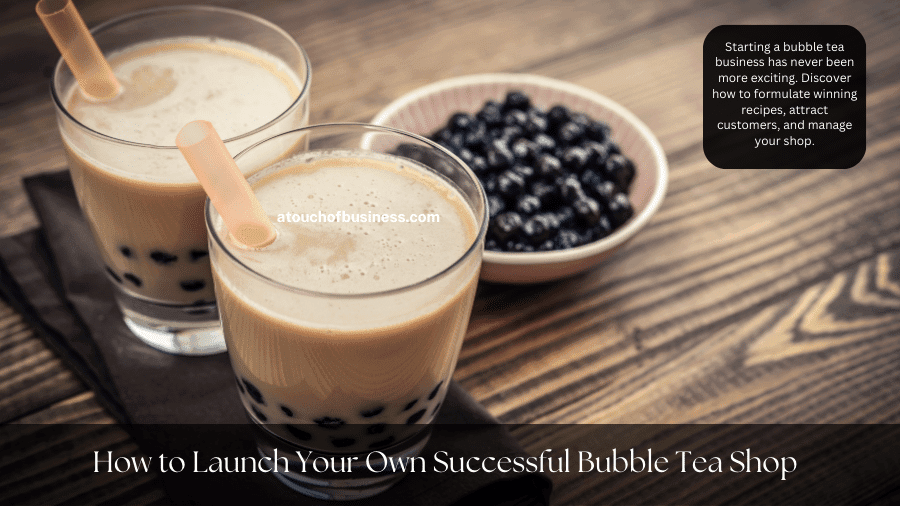
Starting a Bubble Tea Shop: Steps, Gear, and 101 Tips
Is Owning a Bubble Tea Shop Right for You?
Before you think about recipes or equipment, start with you. Owning a business means long hours, tough choices, and full responsibility. It’s exciting, but it’s also demanding in ways a regular job isn’t.
Ask yourself if you’re ready to trade a steady paycheck for uncertainty and risk. Are you comfortable making decisions when there’s no boss to tell you what to do? Will your family support you when you’re working late or skipping vacations to get the shop open?
It helps to step back and look at the bigger picture. A helpful place to start is this guide on key points to consider before starting a business. You can also think through whether you’re drawn to daily contact with customers, handling food, and managing staff in a retail setting.
Check Your Motivation and Passion
Next, look at why you want to open a bubble tea shop. Are you moving toward something you care about, or just trying to escape a job you dislike? That difference matters when things get hard.
It’s tough when sales are slow, equipment breaks, or a permit takes longer than expected. Without genuine interest in the product and the business, it’s easy to walk away instead of solving problems. With passion, you’re more likely to push through and find answers.
If you’re not sure how passion fits into the big picture, read more about how passion affects your business. Use that to be honest with yourself. Do you enjoy food and drink service? Do you care about giving people a place to relax and enjoy a treat?
Get an Inside Look Before You Commit
One of the best ways to avoid surprises is to talk to people already running bubble tea shops. The key is to talk to owners in areas where you won’t be competing. That way they’re more likely to be open and honest.
Prepare a few questions about daily routines, staffing, permits, and what they wish they knew before starting. Listen carefully when they talk about stress, long days, and costs. That real-world view helps you see beyond the cute drinks and social media photos.
For ideas on what to ask and how to approach owners, see this guide on getting critical information and an inside look at a business. The more you learn now, the fewer painful surprises you’ll face later.
Understand the Bubble Tea Business
At its core, a bubble tea shop sells tea-based drinks with toppings like tapioca pearls, jellies, and flavored boba. Many shops also offer fruit teas, blended drinks, and light snacks. The product is simple on the surface, but timing, consistency, and food safety matter.
Your main customers are usually students, young adults, office workers, and families. They want a fun drink they can customize, grab quickly, and share on social media. Locations near schools, malls, and busy streets tend to see more traffic.
Most new bubble tea shops start as small or medium operations. Think one location, a compact kitchen, and a small team. You can start with a modest budget compared to a full restaurant, but you still need enough capital for equipment, build-out, permits, and working funds.
What a Bubble Tea Shop Involves Day to Day
Before you invest money, picture a normal day. You’ll have early prep, busy rush times, and lots of cleaning. You’ll also deal with suppliers, staff issues, and customer questions.
A typical day starts with brewing tea, cooking tapioca pearls, and getting toppings ready. During service, drinks need to be made fast and consistently, while you keep an eye on quality and cleanliness. At closing, you’ll handle cleaning, waste, and basic paperwork.
Some owners enjoy being behind the counter making drinks. Others prefer focusing on planning, numbers, and staff. You can design your role either way, but you’ll still need to understand what’s happening in the shop.
Pros and Cons of Starting a Bubble Tea Shop
Every business has advantages and challenges. Looking at both helps you decide if this is a good fit for you. It also gives you a clear view when you build your plan.
On the plus side, bubble tea shops can work in smaller spaces than many restaurants. Menu ingredients are flexible and can be combined in many ways. Demand has grown, especially among younger customers who like customizable drinks.
On the tougher side, you’ll face competition in high-traffic areas, and the business depends heavily on foot traffic. Ingredients like dairy and cooked tapioca don’t last long. That means waste if sales are lower than expected. You’ll also handle evening and weekend rush periods when most people want their drinks.
Research Your Local Market and Demand
Once you feel this business might be right for you, it’s time to look at the numbers around you. Does your area actually need another drink shop? Are people already buying bubble tea nearby?
Walk the neighborhoods where you might open. Count how many similar shops are already in place. Look at their traffic at different times of day. Note who their customers are, and how they price their drinks.
To learn the basics of matching what you offer with what people want, take a look at this guide to understanding supply and demand. Your goal is simple. You want enough demand at a high enough price to pay your bills and pay yourself.
Decide on Your Business Model and Role
Now think about how you want to structure your bubble tea business. Will you create your own independent brand, or look into a franchise? Do you want a full storefront, a small kiosk, or even a mobile unit if allowed in your area?
Then decide how you’ll run the business. Will you operate solo at first, or bring in a partner or investor? Will you hire staff from day one, or do most of the work yourself until sales grow?
Be honest about your skills and energy. You don’t need to be good at everything. You can learn many skills over time, and you can hire or contract for things you don’t want to do. For example, you might run the front counter and drinks, while a bookkeeper or accountant helps with the numbers.
Estimate Your Startup Costs and Funding Needs
A bubble tea shop is usually a small to medium startup. You may be able to fund some or all of it with savings, a loan, or a mix of both. Large investors are usually needed only if you’re building multiple locations or a very large shop.
Start by listing everything you’ll need before you can open. This includes equipment, lease deposits, design and construction, permits, starting inventory, and a safety cushion for the first few months. Don’t forget items like furniture, signage, and your website.
You can use this guide on estimating startup costs to build your list. Once you have a rough total, you can decide if you’ll use savings, bring in a partner, or look for a loan. If you’re considering a loan, this guide to getting a business loan can walk you through the basics.
Choose a Location and Space
Location is a big factor for this kind of business. You want to be where people already walk, shop, study, or work. A bubble tea shop tucked away on a quiet side street is much harder to build.
Look at areas near schools, campuses, shopping centers, and busy streets. Visit at different times of day and on different days of the week. You want to see regular traffic, not just one busy afternoon.
For more help on choosing a spot, see this guide to picking a good business location. Once you’ve narrowed your options, check with your city or county to confirm zoning and use rules. You’ll also want to confirm that the space can be permitted for food and drink service.
Plan Your Legal Setup and Registrations
As you decide on your location and costs, you also need to set up the legal side of your business. Many small businesses start as sole proprietorships by default. As the business grows, some owners form a limited liability company for added protection and structure.
At a minimum, plan to choose a structure, register your business name if needed, and get tax and license registrations in place. Exact rules depend on your state and city, so you’ll need to check locally rather than guessing.
A good starting point is this guide on how to register a business. From there, you can contact your Secretary of State for entity formation, your state’s tax department for sales tax, and your local municipality for business licenses, health permits, and a possible Certificate of Occupancy (CO).
If this feels overwhelming, you can work with an accountant, attorney, or local small business advisor to walk you through it.
Write a Simple Business Plan
Even if you never show it to a bank, a business plan helps you stay focused. It’s your place to pull together what you’ve learned and what you intend to do. The plan does not have to be complex.
At a basic level, cover your concept, target customers, menu outline, pricing, startup costs, and how you’ll get customers in the door. Add realistic sales and expense estimates to see if the numbers still make sense.
If you need a structure to follow, see this guide on how to write a business plan. You can start small and refine it as you learn more from research, advisors, and potential customers.
Plan Your Menu, Equipment, and Software
Your menu drives your equipment list and your layout. Start with a simple set of drinks you can do well. You can always add items later once you’re open and know what sells.
Think in categories: milk teas, fruit teas, blended drinks, and toppings. Decide whether you’ll also offer light snacks like pastries or waffles. Each extra menu item may require more equipment and more permits.
Below is a sample list of equipment you might need for a bubble tea shop. Use it as a starting point, then adjust for your exact menu and space.
- Tea brewing and preparation
- Commercial tea brewer or hot water boiler
- Tea steeping containers and kettles
- Measuring cups, scoops, and digital scales
- Syrup pumps and squeeze bottles
- Shaker cups and strainers
- Water filtration system sized for your equipment
- Food thermometers to check temperatures
- Tapioca and toppings preparation
- Countertop range or burner for cooking tapioca pearls
- Stock pots for boiling pearls
- Colanders for draining
- Mixing bowls and utensils
- Food-grade storage containers with lids for pearls and toppings
- Refrigeration and storage
- Reach-in refrigerator for dairy, creamers, and perishable toppings
- Undercounter refrigerator near the drink line
- Freezer if you use frozen fruit or ice cream
- Refrigerated prep table for toppings
- Dry storage shelving for tea, powders, cups, and lids
- Specialty bubble tea machines
- Cup sealing machine
- Automatic shaker machine (if you don’t shake by hand)
- Sweetener or fructose dispenser (optional but common)
- Blending and ice
- Commercial blenders with sound covers
- Ice machine with bin
- Ice scoops and storage containers
- Front counter and service
- Point-of-sale system (terminal, cash drawer, receipt printer)
- Customer display and order screen (optional)
- Work tables and counters suited for food service
- Menu display boards or digital screens
- Sinks and sanitation
- Handwashing sinks in all required locations
- Three-compartment sink or dishmachine, depending on your setup
- Mop or service sink
- Drying racks for clean utensils
- Food-service cleaning supplies and labeled spray bottles
- Disposables and packaging
- Cold cups in several sizes
- Lids or sealing film rolls
- Wide boba straws
- Napkins and cup carriers
- Takeout bags
- Safety and facility
- Fire extinguishers as required
- First aid kit
- Non-slip floor mats
- Basic security system if needed
You’ll also need software to run the back end of your business. Keep it simple at first. Focus on what helps you take payments, track sales, and keep records.
- Point-of-sale software that supports custom drink options and toppings
- Basic accounting or bookkeeping software
- Scheduling software if you have staff
- Inventory or recipe cost tools if you want to track ingredient use in detail
Choose a Name, Brand, and Corporate Identity
Your shop’s name and look need to match your concept and your customers. A playful name might fit a student-heavy area. A more simple name might fit a business district. Whatever you choose, make sure it’s easy to say and spell.
Check that your name is not already taken in your state, and that a matching domain and social media handles are available. A name conflict can cause headaches when you try to register or promote your shop.
You can use this guide to choosing a business name as a checklist. When you’re ready to build your look, use resources on creating a corporate identity, business cards, and business signs. If design isn’t your strength, you can hire a designer to create your logo, menu boards, and other branded pieces.
Plan Your Website and Online Presence
Even with a walk-in shop, people will search for you online first. They’ll look for your hours, location, menu, and photos. A simple website is often enough to start.
Decide whether you’ll build the site yourself or work with a web designer. Either way, you’ll want clear pages for your story, your drinks, your location, and your contact details. Make sure your site is easy to view on a phone.
If you want a structure to follow, review this guide on planning and building a website. You don’t need every advanced feature at launch. Focus on a clean, accurate site that reflects your brand and makes it easy for customers to find you.
Set Your Pricing and Check Profit
Pricing isn’t just picking a number that sounds good. You need to cover ingredients, cups, rent, wages, and other costs, with enough left over to pay yourself. Bubble tea uses small amounts of ingredients, but costs add up quickly when you include labor and waste.
Start by calculating the cost of one drink, including tea, toppings, cup, straw, and a share of your overhead. Then look at what similar shops in your area charge. If you aim far below them, you may not cover your costs.
To learn a step-by-step approach, use this guide on pricing products and services. You can adjust your menu and drink sizes as you run the numbers. The goal is to find a price range that customers accept and that keeps your business healthy.
Line Up Suppliers and Professional Support
Your shop depends on reliable suppliers. You’ll need steady sources for tea, pearls, toppings, sweeteners, dairy and non-dairy options, cups, and straws. Look for vendors who can provide consistent quality and clear delivery schedules.
Request samples, check shelf life, and ask for storage instructions. Make sure your refrigerator and storage areas can handle what you order. It’s better to start with a small, trusted supplier list than to juggle too many vendors.
You’ll also want a small group of professional advisors. An accountant, an attorney, and possibly a business coach can help you avoid costly errors. For ideas on who to include, see this guide on building a team of advisors. Remember, you don’t have to do everything alone.
Think About Skills, Hiring, and Insurance
Running a bubble tea shop takes several skills. You’ll need basic food safety knowledge, customer service, simple bookkeeping, and the ability to follow schedules and checklists. If you don’t have all of these yet, you can learn or bring in help where needed.
At some point, you’ll likely need staff for the counter, prep, and cleaning. Hiring too early raises costs. Hiring too late can hurt service. Planning this ahead of time helps you balance both sides.
You can use this guide on how and when to hire to think through timing. Also, consider your insurance needs. Many owners look at general liability, property and equipment coverage, and specific policies their landlord or city might require. For an overview, review this article on business insurance basics, then speak with a licensed insurance professional in your area.
Set Up Banking and Money Systems
Separating your business and personal money from the start keeps your records clean. It also makes taxes easier and gives you a clearer view of how the shop is doing. Most banks will ask for your business formation documents and your tax identification number.
Open a business checking account and, if helpful, a savings account for taxes and reserves. Connect your point-of-sale system to your bank accounts so deposits are simple. You can also set up a basic bookkeeping system to track income and expenses.
If this isn’t your area, an accountant or bookkeeper can help you choose software and set things up correctly from the beginning. You don’t have to become a financial expert, but you do need accurate records.
Plan Your Physical Layout and Setup
Your layout should make it easy to move from order to payment to pickup. You want a logical flow for both customers and staff. That reduces confusion and helps you handle busy times more smoothly.
Work with your contractor, architect, or designer to place sinks, counters, refrigerators, and machines in the right spots. Your local health and building departments will have rules about where certain equipment can go and what materials you can use.
As you plan the interior, think about seating, lighting, and how people will line up. For ideas on attracting walk-in customers, see this guide on getting customers through the door. When you’re ready to plan your launch, the article on grand opening ideas can help you shape an event that matches your budget and style.
Build Your Website, Cards, and Local Awareness
As your opening day gets closer, you’ll want people to know you’re coming. Your website and social media will show your progress. Simple “coming soon” signage on your windows can also create interest.
Order business cards and flyers you can leave with nearby offices, schools, and community centers. Keep the message simple. Focus on what you are, where you’ll be, and when you expect to open.
You can use guides on what to include on a business card and sign ideas to finalize these pieces. If you’re not comfortable doing your own marketing, a freelance designer or marketer can help you pull it all together.
Your Step-by-Step Startup Plan
By now, you’ve seen that starting a bubble tea shop is more than picking flavors. To keep everything organized, it helps to lay out your steps in order. You don’t have to follow this list perfectly, but it gives you a clear path.
Remember, you can bring in professional help at any step. You don’t have to know how to draft every document or design every layout yourself. Your job is to guide the process and make decisions.
Here’s a simple sequence you can adapt to your situation.
- Decide whether owning a business is right for you and whether a bubble tea shop fits your goals.
- Study passion, motivation, and lifestyle fit using the guides mentioned above.
- Get an inside look by talking to owners in other areas who won’t see you as competition.
- Research your local market, competitors, and customer base.
- Choose your business model: independent, kiosk, storefront, or mobile (if allowed).
- Estimate startup costs and check if the numbers make sense.
- Explore funding options, from savings to loans and partners.
- Select a location and check zoning and food service rules with your local authorities.
- Choose a legal structure and register your business as required in your state.
- Register for tax accounts and apply for licenses and permits with your city, county, and state.
- Develop your menu concept and refine your equipment and software list.
- Design your layout and work with professionals to prepare plans for approvals.
- Order equipment, furniture, and initial inventory.
- Set up banking, accounting, and basic recordkeeping systems.
- Build your brand identity, logo, cards, signage, and website.
- Line up suppliers and professional advisors.
- Hire and train staff if you won’t be working alone.
- Prepare test batches, practice drink recipes, and run internal trials.
- Complete final inspections and approvals.
- Launch with a soft opening, then a grand opening once you’re confident in your flow.
Pre-Launch Readiness and Final Checks
As you approach opening day, it’s easy to get caught up in small details. A simple checklist helps you see what’s done and what’s left. You want to open feeling prepared, not rushed.
Think about your shop from three angles. First, compliance and safety. Second, gear and supplies. Third, customers and marketing. Each one needs attention before you welcome your first guest.
Use the outline below and adjust it to your situation.
- Compliance and safety
- All required licenses and permits issued
- Health inspection completed and approved
- Certificate of Occupancy (CO) issued if required
- Fire and building inspections passed
- Food safety training completed for you and key staff
- Gear, systems, and supplies
- All equipment installed and tested
- POS, banking links, and receipt printing working
- Initial stock of ingredients, cups, lids, and cleaning supplies on hand
- Checklists for opening, during service, and closing in place
- Basic backup plans for equipment or delivery delays
- Customers and marketing
- Website live with accurate hours, address, and contact information
- Social profiles set up and updated
- Grand opening or launch promotions planned at a realistic scale
- Nearby businesses informed and invited to visit
Red Flags to Watch Before You Sign or Spend
Sometimes the smartest move is to pause or walk away. It’s better to see warning signs now than to discover them after you’ve signed a long lease or ordered equipment. Paying attention to red flags can save a lot of stress and money.
Pay close attention to what your research tells you. If the numbers don’t work on paper, they won’t magically work in real life. If a landlord or official can’t give clear answers about what’s allowed, that’s a signal to slow down.
Here are a few warning signs to keep on your radar.
- Several bubble tea or similar drink shops already operating close by with steady traffic and similar pricing.
- A location with low foot traffic and no nearby schools, offices, or attractions.
- Lease terms that prevent needed plumbing, electrical work, or signage.
- A space that cannot easily meet health code rules for sinks, storage, and ventilation.
- Permitting offices warning of major upgrades needed for water, wastewater, or fire safety.
- Startup costs that stay far above your budget, even after you adjust the plan.
- A feeling that you are rushing decisions just to “get open” instead of making sure things are right.
If you see several of these signs, step back and review your options. You can look for a different location, scale down your first shop, or choose a different business. For help avoiding common problems, see this article about mistakes to avoid when starting a small business. Sometimes the most powerful decision is to adjust your plan before you commit.
101 Insider Tips for Opening and Operating Your Bubble Tea Shop
These tips bring together ideas from planning, operations, and customer experience so you can see what really matters when you open a bubble tea shop. Some will line up perfectly with your situation, others might be useful later. Save this page and come back as your shop evolves.
You do not have to use every idea at once. Pick one tip that fits your next step, apply it, learn from the results, and then return for the next tip when you are ready.
What to Do Before Starting
- Write down why you want to open a bubble tea shop and how it fits your life for the next five years so you can see if your motivation is strong enough to carry you through tough stretches.
- Visit several bubble tea shops as a customer and take notes on lines, menu layout, flavor balance, and how the staff handles busy periods to clarify what you want to copy or avoid.
- Talk to bubble tea shop owners in other cities or areas where you will not compete and ask about their hardest challenges, true startup costs, and what they would change if they were starting again.
- Walk potential neighborhoods at different times of day to see whether students, office workers, and families are actually present and spending time nearby.
- Estimate how many drinks you need to sell in a day to pay rent, wages, and other fixed costs so you can see whether your location and pricing ideas are realistic.
- Start with a small core menu of best sellers instead of trying every flavor at once, because a focused menu keeps training easier and reduces waste.
- Decide if you want a full storefront, a mall kiosk, or a counter inside another business, because each option has different rent, permit, and equipment needs.
- Check with your city or county planning and zoning office to confirm that a bubble tea shop is allowed in any space you are considering before you sign a lease.
- Contact your local health department to learn what type of food establishment license applies, what inspections are required, and whether they need to review your plans before construction.
- Think about whether you want to build your own independent brand or join a franchise, and compare how that affects control, fees, training, and supplier options.
- Review your personal finances and calculate how many months you can cover living costs without taking a paycheck from the shop so you do not put yourself under immediate financial pressure.
- Talk openly with your family or close partners about the time demands, evening and weekend work, and financial risk so you know they are prepared to support you.
- List the skills you already have, such as customer service or food handling, and the ones you lack, such as bookkeeping or design, so you can plan what to learn and where to hire help.
- Read basic small business startup guidance for food businesses so you understand the overall steps from idea to opening, instead of jumping straight into menu decisions.
What Successful Bubble Tea Shop Owners Do
- Set clear daily and weekly sales targets and check them consistently so decisions about hours, staffing, and promotions are based on numbers instead of feelings.
- Use standard recipes and portion sizes for every drink so product quality stays consistent and cost per cup is predictable.
- Watch ingredient waste closely, especially cooked pearls and toppings, and reduce batch sizes or adjust prep times before waste becomes normal.
- Step into the front of house regularly to observe how customers move, how long they wait, and where confusion happens, then adjust layout or procedures based on what they see.
- Invest in staff training on tea, toppings, and equipment so every team member can explain the menu and prepare drinks correctly without constant supervision.
- Pay suppliers on time and keep communication open about delivery schedules and product changes to build trust and preferred treatment when supplies are tight.
- Keep personal and business finances separate, with dedicated accounts for the shop, so performance is clear and tax time is easier.
- Review sales reports to identify top sellers and underperforming items, then adjust menu placement, pricing, or remove items that do not earn their space.
- Visit other successful cafes and beverage shops in different areas to see new layouts, serving ideas, and customer flows that you can adapt to your own concept.
- Watch online reviews and social media mentions calmly and look for patterns rather than reacting to single comments, then make practical improvements where you see repeated issues.
Running the Business (Operations, Staffing, SOPs)
- Create a written opening checklist that covers brewing tea, cooking pearls, preparing toppings, stocking stations, and checking equipment so every shift starts the same way.
- Write a closing checklist that includes discarding items past safe holding time, cleaning surfaces and machines, restocking disposables, and securing cash.
- Set specific holding times for brewed tea, cooked tapioca, and perishable toppings based on food safety guidance and train staff to discard items when time is up.
- Cross-train team members so each shift has at least two people who can handle both the register and drink preparation in case someone is late, sick, or overwhelmed.
- Build a simple weekly schedule that matches staff hours to known rush periods, such as after school or early evening, rather than spreading hours evenly across the day.
- Use a basic cleaning calendar showing which tasks must be done daily, weekly, and monthly so deep-clean tasks like behind equipment and ceiling vents are not forgotten.
- Label all ingredient containers with the product name, date received, and use-by date so you can rotate stock easily and avoid using expired items.
- Arrange your workstations in the order of your drink-making steps so staff can move in a straight, efficient line instead of constantly crossing the counter.
- During slow periods, time how long it takes to prepare common drinks and look for steps you can combine or shorten without hurting quality.
- Keep a simple inventory sheet and update key items at least weekly so you know when to reorder tea, pearls, toppings, and disposables before you run out.
- Separate the roles of accepting cash and counting cash when possible, or use spot checks, to reduce the risk of errors or loss.
- Train staff on how to handle spills, broken glass, and minor injuries using clear steps so they can act quickly without panic.
- Create straightforward written procedures for handling refunds, drink remakes, coupons, and discounts so staff do not need to guess at the counter.
- Store employee contact details, emergency numbers, and key safety procedures in a central folder or digital file that supervisors can reach quickly.
What to Know About the Industry (Rules, Seasons, Supply, Risks)
- Recognize that a bubble tea shop is treated as a food service business, which means you must follow health department rules for retail food establishments.
- Expect your busiest times to cluster around after-school hours, evenings, and weekends, and understand that your schedule will likely revolve around those peaks.
- Know that some toppings and specialized ingredients may be imported, so shipping delays and customs issues can affect availability and delivery times.
- Plan for cost changes in tea, dairy, sweeteners, and packaging, because global supply and transportation costs can raise or lower your cost per drink over time.
- Understand that many state and local health departments base their rules on the Food and Drug Administration Food Code, but they add their own requirements that you must learn locally.
- Check whether your state and city require a certified food protection manager or food handler training for you or specific staff positions.
- Confirm that your menu and preparation methods are allowed in your chosen type of facility, because many bubble tea shops must operate from approved commercial kitchens, not home kitchens.
- Review local building and fire safety rules for small restaurants before planning where to place electrical panels, appliances, and any gas equipment.
- List potential risks such as power outages, water supply problems, or supplier failures and think through simple backup plans for each scenario.
Marketing (Local, Digital, Offers, Community)
- Choose a clear concept and visual style for your shop so customers can quickly say what makes you different, such as classic flavors, bold toppings, or a calm study space.
- Design menu boards that are easy to read at a distance, with logical sections and limited special graphics, so people can decide quickly even during rushes.
- Claim your business on major online listing and review platforms early so basic information like address, hours, and contact details is consistent everywhere.
- Share photos of your build-out, signage installation, and test drinks on social media as you get closer to opening to build curiosity in your neighborhood.
- Offer simple loyalty rewards, such as every tenth drink free or points toward a free topping, to encourage repeat visits without creating a confusing system.
- Reach out to nearby offices, schools, and community centers to introduce your shop and offer group order options or periodic specials tailored to their schedules.
- Create limited-time flavors around holidays, school events, or local festivals to give regular customers a reason to come back and try something new.
- Make sure your exterior sign is visible from down the street and clearly shows that you serve bubble tea so people can recognize your shop at a glance.
- Use small, well-designed tabletop signs or counter displays to highlight new drinks or seasonal combinations without crowding your main menu.
- Deliver simple flyers or menus to nearby apartments and businesses during slower times and include an opening offer that encourages a first visit soon.
- Set up a basic email or text list and collect addresses from interested customers so you can announce new drinks, specials, or changes in hours.
- Track which marketing efforts bring in paying customers by noting offer codes or asking guests how they heard about you, then focus money on what works.
- Support community activities, such as youth events or local fundraisers, with gift cards or sample vouchers when the audience matches your customer base.
- Keep your logo, colors, and tone the same across menus, cups, social media, and signage so your brand feels familiar wherever people see it.
Dealing with Customers (Trust, Education, Retention)
- Coach staff to describe toppings and drink styles using everyday comparisons, such as explaining texture and flavor, so new customers feel confident ordering.
- Create a short list of recommended first-time drinks so guests who feel overwhelmed by choices can pick quickly and still enjoy a good experience.
- Train staff to repeat each order back to the customer, including sweetness level and toppings, so errors are caught before you start making the drink.
- Be honest about sweetness, caffeine, and dairy content when customers ask so they can make choices that suit their health needs or preferences.
- Set a simple policy for adjusting drinks that are not to someone’s taste, such as offering one remake or minor change, and apply it consistently.
- Encourage staff to note regulars’ usual orders and greet them warmly so guests feel recognized and valued, not just processed.
- Teach your team to listen fully when a customer is upset, repeat the concern back, and focus on solving the specific problem rather than defending the shop.
- After resolving a complaint, thank the customer for speaking up and, when appropriate, tell them what change you will make so they see that their input mattered.
Customer Service (Policies, Guarantees, Feedback)
- Write a brief refund and remake policy that defines when you will replace a drink, when you will offer a partial credit, and when you will decline, then apply it fairly.
- Keep key customer service policies in a simple handbook or digital note where staff can check them quickly instead of inventing solutions at the counter.
- Decide in advance how far you will go with special requests, such as extra toppings or custom flavors, so staff know when to say yes and when to offer alternatives.
- Set up a straightforward way for customers to share feedback, such as a printed comment card or a link on receipts, and review the responses regularly.
- Choose a reasonable response time for email and social messages and let your team know who is responsible for answering so inquiries do not get ignored.
- Maintain a private log of serious complaints and how they were resolved so you can spot patterns in training gaps, equipment issues, or product problems.
- When you adjust a rule or improve a process because of recurring feedback, let customers know through a small sign or post so they see you are listening.
- Train shift leaders to step in quickly when a disagreement escalates so front-line staff never feel alone handling difficult situations.
Sustainability (Waste, Sourcing, Long-Term)
- Measure how much tea, pearls, and toppings you throw away each day for at least a week so you can adjust batch sizes and prep times to reduce waste.
- Learn your local recycling and waste rules and label bins clearly so staff can sort trash, recyclables, and food waste correctly during busy periods.
- Check whether local health and food safety rules allow reusable cups and, if they do, design a clear process to handle them safely at the counter.
- Use at least two reliable suppliers for critical items like tea, pearls, and cups so a single shortage or delay does not stop your service.
- Look for energy-efficient options when you purchase refrigeration, ice machines, and hot water equipment, because these run for long hours every day.
- Review your packaging at least once a year and look for options that maintain drink quality while using fewer materials or more recyclable components.
- Schedule regular maintenance for refrigeration and ice equipment so they run efficiently and comply with safety and environmental requirements.
Staying Informed (Trends, Sources, Cadence)
- Subscribe to at least one reputable food service or restaurant industry newsletter so you can see broader trends that might affect your bubble tea shop.
- Follow a few experienced cafe or beverage operators who share operational lessons, not just photos, so you can learn from their experience.
- Set aside time each month to review your own sales, costs, and customer feedback alongside industry news instead of reacting to every new idea immediately.
- Join a local small business or restaurant association so you hear about local rule changes, grants, or programs that might benefit your shop.
- Ask your suppliers what flavors, toppings, and sizes are selling well in other accounts so you can spot rising trends early.
- Check your state and local health department websites periodically for updates to food safety or inspection requirements that apply to your business.
Adapting to Change (Seasonality, Shocks, Competition, Tech)
- Adjust your menu by offering more hot drinks and comfort flavors during colder months and lighter, fruit-forward drinks during warmer weather to match customer preferences.
- Build a small financial cushion dedicated to the business so you can handle short-term sales drops from weather, road work, or local events without panic.
- Test new flavors or toppings with short runs and clear start and end dates so you can measure response without confusing regular ordering patterns.
- When a new competitor opens nearby, visit and observe calmly, then focus on strengthening your own strengths rather than copying every detail.
- Stay open to adding online ordering, curbside pickup, or delivery if your customers start asking and the numbers support the extra work and fees.
- After any major disruption, such as a supply shortage or equipment failure, hold a short review with your team to discuss what worked well and what you will change next time.
What Not to Do
- Do not sign a lease before checking with your zoning, health, and building departments to confirm that a bubble tea shop is allowed in that space and that needed upgrades are realistic.
- Do not treat food safety as something you only think about when an inspection is scheduled, because one serious incident can damage your shop’s reputation and finances.
- Do not launch with an oversized menu that overwhelms customers and staff; too many combinations slow service and increase ingredient waste.
- Do not rely only on friends and family for feedback about your drinks and service, because they may be reluctant to tell you what needs improvement.
- Do not mix business cash and personal spending in the same wallet or account, because it hides the true performance of your shop and complicates taxes.
- Do not assume that opening week excitement will last forever; plan for steady everyday habits in quality, service, and marketing instead of living on initial buzz.
Sources: U.S. Food & Drug Administration, U.S. Small Business Administration, WebstaurantStore, NextGen Boba, LollicupStore, Association of Food and Drug Officials, IRS, Missouri Secretary of State, Missouri Department of Revenue, U.S. Department of Labor