
Permits, Insurance, Pricing, and Systems to Plan First
You’ve probably had that moment where you look at a dog that needs help and think, “I could do better than this.” Then you remember: it’s not just a bath. It’s handling, safety, tools, water, hair, noise, cleanup, and a paying customer who expects a clean, calm result.
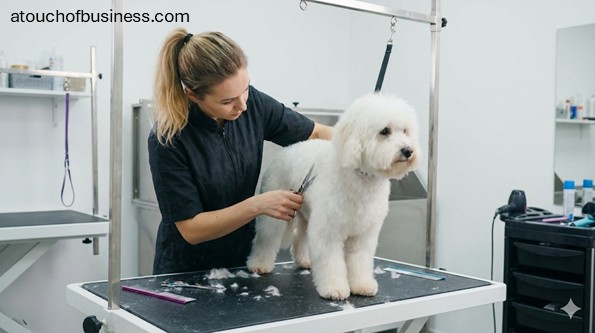
A dog grooming business provides non-medical grooming services for dogs. It can be run from a storefront salon, a home-based setup (when allowed), or a mobile unit that goes to the customer’s address.
Dog grooming work overlaps with the duties described for animal care and service workers, such as feeding, grooming, and exercising animals. Grooming also involves direct customer service, appointment scheduling, sanitation, and safe handling.
Most first-time owners start small. A solo groomer with a single workstation is a common startup path. A multi-groomer salon or mobile fleet is a higher-scale version that usually needs more funding, more staff, and more compliance checks.
If you want a broader view of startup planning, start here: business start-up considerations. If you want to pressure-test your commitment, read why passion matters in business. And if you want a reality-based look at ownership, use this business inside look.
Products and Services Offered
Grooming services are usually sold as packages, with add-ons based on coat type, condition, and customer requests. Your final menu should match your skill level, your equipment, and what local customers ask for.
Services vary by groomer and location, but common offerings include the items below.
- Bath and blow-dry
- Brush-out and de-shedding
- Haircut (clipper or scissor finish, based on coat type)
- Nail trim (and nail grinding, if offered)
- Ear cleaning (non-medical)
- Teeth brushing (non-medical)
- Sanitary trim and paw pad trim
- Dematting (when safe and appropriate)
- Specialty shampoos (for odor, shedding, or coat goals)
How Does a Dog Grooming Business Generate Revenue
Revenue typically comes from service fees tied to time, coat condition, size, and complexity. Some businesses charge a base service price and add line items for extra labor or specialty services.
Depending on your model, revenue may also come from travel charges (mobile), priority scheduling, or selling grooming-related products that support the service.
Typical Customers
Most customers are dog owners who want routine grooming help or coat maintenance they can’t (or don’t want to) do at home. Customers also include people with large dogs, high-shedding breeds, or dogs that need regular coat work.
Some groomers also serve customers with show dogs or working dogs, but that usually requires deeper breed-specific skill and a clear service scope.
Pros and Cons of Owning a Dog Grooming Business
This business can be started small, but it is hands-on and physically demanding. Before you spend money, be honest about the upsides and the hard parts.
Here are common advantages and drawbacks people should evaluate early.
- Potential advantages: Can start as a solo owner; steady repeat-customer potential; flexible models (shop, home-based where allowed, mobile).
- Potential drawbacks: Bites, scratches, and animal handling risk; wet work and chemical exposure from shampoos and disinfectants; loud equipment and long standing periods; liability if a pet is injured or a customer claim occurs.
Occupational research on animal-related work notes injury and health risks in animal work settings, and research on professional grooming dryers has examined high noise exposure concerns. Noise is also specifically addressed in an Occupational Safety and Health Administration (OSHA) interpretation related to high-velocity dryer nozzles and workplace noise exposure standards.
Is This the Right Fit for You?
Start with fit, not gear. If you don’t like handling dogs, cleaning messes, and working in a loud environment, the business will feel heavy fast.
Passion matters because this business tests patience. That’s why it helps to read this breakdown on passion and persistence before you commit.
Ask yourself this, and answer it in a full sentence: “Are you moving toward something or running away from something?”
Now do a quick personal check. You need comfort with hands-on work, customer communication, and being responsible for someone else’s animal.
You should also talk to owners in the same business, but only in a non-competing area. Pick a different part of your state or a nearby city where you are not fighting for the same customers.
Use questions like these when you speak with them.
- What did you set up before opening that saved you later?
- Which license, permit, or inspection surprised you in your area?
- What do you wish you knew about equipment and space needs before signing a lease or buying tools?
If you want a structured way to think about ownership and responsibility, use the business inside look as your baseline.
Step 1: Choose Your Business Model and Scale
Decide if you are building a solo owner-operated service, a small shop with one or two groomers, or a larger salon with multiple stations and staff. Your model affects your financial needs, your space needs, and your compliance checks.
For many first-time owners, a solo model is the most realistic place to start. A storefront with multiple groomers or a mobile fleet usually needs more capital and more staffing early.
Step 2: Define Your Services Based on Skills and Safety
Write a short service menu that matches what you can do safely and consistently. Keep it simple at launch, then expand later when your skills, tools, and workflow are stable.
If you need skill development, plan for training before you accept your first appointment. Some owners learn through grooming schools, mentorship, or prior employment in grooming settings. Your goal at launch is safe handling and consistent results.
Step 3: Prove Demand and Profit Potential in Your Target Area
Pick a service area and check real demand. Look at local groomers, their wait times, their pricing approach, and what services they highlight.
Use the basics of supply and demand to test whether the area can support another groomer at your planned price point. If the market is crowded and prices are low, your numbers may not work unless you have a clear niche or a better location.
Step 4: Decide on a Location Strategy
You have three common paths: storefront salon, home-based (when allowed), or mobile. Each has different zoning and permitting issues, so pick the model first and verify rules second.
If you’re considering a commercial space, use this guide on choosing a business location to think through traffic, access, parking, and layout needs.
Step 5: Estimate Startup Costs and Set a Realistic Budget
List what you must buy before opening day. Include equipment, build-out items (if any), software, insurance, deposits, and initial supplies.
Use this startup cost estimating guide to keep your list organized. Scale changes cost fast, so be clear if you’re launching with one station or several.
Step 6: Write a Business Plan
You don’t need a long document to start, but you do need a plan you can follow. Your plan should cover your model, pricing, startup costs, break-even needs, and your launch timeline.
If you want a simple structure, use this guide to writing a business plan and adapt it to grooming.
Step 7: Choose a Legal Structure and Registration Path
Decide how you will legally operate: sole proprietor, partnership, limited liability company, or corporation. The U.S. Small Business Administration and the Internal Revenue Service both explain that your structure affects taxes, registration, and liability exposure.
If you start as a sole proprietor, many owners later move to a limited liability company when revenue and risk increase. For a step-by-step view, use this business registration overview and confirm details with your state and city.
Step 8: Get Tax IDs and Set Up Your Tax Accounts
If you need an Employer Identification Number (EIN), the Internal Revenue Service provides an official EIN process, including an online option. Your need for an EIN often depends on your structure and whether you will have employees.
Also plan for state tax accounts. Sales tax rules on services vary by state, so you must verify how your state treats grooming services before you open.
Step 9: Handle Licenses, Permits, and Zoning Checks Early
Licenses and permits depend on your location and your activities. The U.S. Small Business Administration notes that requirements vary across federal, state, and local levels.
If you are home-based or mobile, zoning and parking rules may be the difference between a legal launch and a forced shutdown. Verify early, before you buy equipment or wrap a vehicle.
Step 10: Set Up Banking and Funding
Open a business bank account once you have the documents your bank requires for your structure. The U.S. Small Business Administration provides guidance on opening a business bank account as part of the launch process.
If you need funding, start with clear numbers. Use this overview on business loans to learn common funding routes and what lenders often ask for.
Step 11: Build a Pricing Plan Before You Set Your Menu
Your prices must match your time, skill, and overhead. Grooming is labor-heavy, and coat condition can turn a simple appointment into a long one.
Use pricing guidance to build a clear structure before you publish your menu.
Step 12: Choose Insurance Coverage and Document Risk Controls
Insurance needs depend on your model. A storefront and a mobile unit have different exposure points, and having staff can change what coverage is required or expected.
For a basic overview, use this insurance guide, then confirm exact requirements with your state and an insurance professional.
Step 13: Buy Essential Equipment and Set Up Your Work Area
Buy tools that match your service plan. A safe, clean setup matters more than fancy add-ons at launch.
If you will use high-velocity dryers, plan for noise exposure. OSHA has published an interpretation letter related to high-velocity dryer nozzles and workplace noise exposure rules, which is relevant when you choose equipment and set your safety practices.
Step 14: Set Up Your Customer Paperwork and Payment Tools
Before you accept your first booking, create your customer documents. That usually includes a service agreement, a pet profile, a check-in form, and a policy for late pickup, aggression, and matted coats.
Also set up invoicing and a way to accept payment. Test your payment method before launch so you are not fixing it during a real appointment.
Step 15: Lock Your Name, Online Presence, and Basic Brand Assets
Choose a name you can actually use in your state and online. The U.S. Small Business Administration explains basic naming and registration considerations, and your state’s business registry will confirm name availability.
Reserve your domain and social handles. Then build a simple website using this website overview and create basic materials like business cards if you will hand them out locally.
Step 16: Plan a Simple Pre-Launch Marketing Push
At launch, you need proof and clarity. Post your service list, your policies, your service area, and how bookings work.
If you have a storefront, plan signage using business sign considerations, and think about a soft opening or launch event with grand opening ideas.
Essential Equipment You Need
This list covers core equipment to operate a grooming service. Your exact list depends on whether you are a storefront, home-based (when allowed), or mobile.
Start with the basics that support safe handling, coat work, drying, cleaning, and customer service.
Grooming Station and Furniture
- Grooming table (manual or electric, sized for your target dogs)
- Table arm and grooming loop(s)
- Anti-fatigue floor mats
- Tool storage (drawers, rolling cart, or cabinet)
- Stool or adjustable chair (optional, based on grooming style)
Bathing and Water Setup
- Grooming tub (size and material based on dog sizes and budget)
- Non-slip tub mat
- Shower hose and sprayer
- Water temperature control plan (based on local plumbing and safety)
- Drain management items (hair catchers, strainers)
Drying Equipment
- High-velocity dryer
- Stand dryer or finishing dryer (optional, based on services)
- Dryer nozzles and attachments
- Drying towels (large quantity for turnover)
Clippers, Blades, and Scissoring Tools
- Professional grooming clippers
- Blade set (common lengths used for your service menu)
- Blade oil and cleaning solution
- Clipper comb attachments (optional)
- Shears (straight, curved, thinning)
- Comb set
Brushing, Coat Work, and Nail Tools
- Slicker brushes
- Pin brushes
- Deshedding tools (breed and coat dependent)
- Dematting tools (used carefully and within your policy)
- Nail clippers
- Nail grinder (optional service)
- Styptic powder (for nail quick incidents)
Cleaning, Sanitation, and Laundry
- Disinfectant suitable for animal environments (used per label)
- Spray bottles and cleaning tools
- Trash cans with liners
- Laundry plan (washer/dryer on site or service)
- Lint rollers and hair cleanup tools
Safety and Handling
- Proper restraints and backup loops
- Muzzles (used only when appropriate and with clear policies)
- First aid kit (human and pet-focused items as appropriate)
- Personal protective equipment (PPE) such as gloves and ear protection when needed
Business and Customer Setup
- Appointment and customer record system (software or structured files)
- Payment processing device or terminal
- Printer or digital document tools for forms and invoices
- Phone number and voicemail setup
Mobile-Specific Items (If You Are Mobile)
- Grooming van or trailer designed for animal service work
- Freshwater tank and wastewater tank
- Generator or power system (as required by your setup)
- Ventilation and climate control plan
- Secure pet holding areas designed for transport safety
Pricing Estimates and Cost Drivers
Equipment prices change often, so treat numbers as planning inputs and confirm with current vendor listings and quotes. Your final cost depends on new versus used, the size of dogs you serve, and whether you are building a shop or mobile setup.
Examples from U.S. vendors show that big-ticket items like electric tables, tubs, and mobile units can vary widely by model and features.
- Electric grooming tables: Listed across multiple models and features; pricing varies by lift type and accessories.
- Professional clippers: Pricing varies by brand, motor type, and included blade set.
- Stainless grooming tubs: Pricing varies by size, door options, and plumbing features.
- High-velocity dryers: Pricing varies by motor power, noise rating, and included attachments.
- Mobile grooming vans: Some manufacturers publish starting prices; final pricing depends on build, equipment, and vehicle options.
For a budgeting method that keeps everything organized, use this startup cost estimating guide.
Skills You Need to Run a Dog Grooming Business
You need technical grooming skill and strong safety habits. You also need basic business setup skills so you can launch legally and accept customers without confusion.
Plan to build or bring help for the skill areas below.
- Safe dog handling and restraint
- Coat and skin basics for grooming decisions (non-medical)
- Clipper and scissor technique
- Nail trimming safety
- Sanitation and disinfection routines
- Customer communication and policy enforcement
- Scheduling, recordkeeping, and basic bookkeeping setup
If you don’t have all skills yet, plan for training before launch. If you don’t want to do certain tasks, plan for support, but keep your early staffing realistic.
Day-to-Day Activities You Should Expect
Even a small grooming setup has many daily tasks. Knowing the routine helps you decide if this is the right business before you commit.
These activities are common in a grooming day.
- Confirm appointments and review pet notes before arrival
- Customer check-in and service confirmation
- Bathing, drying, brushing, clipping, and finishing work
- Cleaning and disinfection between dogs
- Tool cleaning, blade care, and restocking supplies
- Customer pickup, invoicing, and accepting payment
- End-of-day laundry and deep cleaning
A Day in the Life of a Dog Grooming Business Owner
A typical day starts with confirming your schedule and prepping your tools. If you are mobile, it also starts with route planning and checking water, power, and safety systems.
Most of your day is hands-on grooming. Between dogs, you reset the area, clean, and document notes so the next visit is smoother.
The day ends with cleanup, tool care, and making sure tomorrow’s schedule is ready. If you ignore cleanup, it catches you the next morning.
Business Models You Can Use
Your model drives your setup, your legal needs, and your staffing plan. Choose the model that fits your budget and your skill level at launch.
Common models include the options below.
- Solo groomer (owner-operated): One workstation, limited daily appointments, controlled service menu.
- Small salon: One owner plus one or more groomers, often with a receptionist or bather as growth allows.
- Mobile grooming: Service delivered at the customer’s location using a specialized van or trailer.
- Hybrid: Small shop plus limited mobile service, if local rules and logistics allow.
If you plan to hire within 90 days, review when to hire and build that cost into your plan.
Legal and Compliance
Legal setup is location-aware. Requirements can change by state, city, and even neighborhood. The goal is to follow universal steps and verify local rules before you spend money on space or a vehicle.
Use your state and local government portals as your source of truth. The U.S. Small Business Administration also provides a structured overview of launch steps and reminds owners that licensing and permit needs vary by location and activities.
Federal
- Employer Identification Number (EIN): What to consider: A federal tax ID used for many business and employer functions; When it applies: Commonly needed for many entity types and if you have employees; How to verify locally: Internal Revenue Service -> search “Get an employer identification number” and use the official EIN application guidance.
State
- Entity formation: What to consider: Forming a legal entity and keeping the status active; When it applies: When you form a limited liability company, corporation, or partnership that requires filing; How to verify locally: State Secretary of State (or similar business registry) -> search “business entity search” and “form an LLC” (wording varies by jurisdiction).
- State tax registration: What to consider: State income tax withholding (if you have employees) and sales/use tax rules (service taxation varies by state); When it applies: Before you start selling taxable services or goods, and before running payroll; How to verify locally: State Department of Revenue -> search “sales tax services grooming” and “withholding tax employer registration.”
- Employer accounts: What to consider: Unemployment insurance and other employer registrations; When it applies: If you hire employees; How to verify locally: State workforce agency or labor department -> search “unemployment insurance employer registration.”
- Workers’ compensation (Varies by jurisdiction): What to consider: Coverage requirements are set by state law and often depend on employee count and role; When it applies: Usually when you have employees; How to verify locally: State workers’ compensation agency -> search “workers’ compensation requirement” plus your state name.
City-County
- General business license (Varies by jurisdiction): What to consider: Some cities and counties require a general license to operate; When it applies: Often before opening or before advertising services; How to verify locally: City or county business licensing portal -> search “business license apply.”
- Assumed name / doing-business-as name (DBA) (Varies by jurisdiction): What to consider: If you operate under a name different from your legal name or entity name; When it applies: Before you market or sign contracts under that name; How to verify locally: Secretary of State or county clerk (varies) -> search “assumed name” or “DBA filing.”
- Zoning and home occupation rules (Varies by jurisdiction): What to consider: Whether grooming is allowed at your address and what limits apply; When it applies: Before signing a lease or setting up at home; How to verify locally: City or county planning/zoning department -> search “home occupation grooming” and “zoning lookup.”
- Certificate of Occupancy (Varies by jurisdiction): What to consider: Whether your commercial space is approved for your use type; When it applies: Often when opening in a commercial unit or changing use; How to verify locally: City or county building department -> search “Certificate of Occupancy requirements.”
- Mobile parking and right-of-way rules (Varies by jurisdiction): What to consider: Where a commercial grooming unit can park and operate; When it applies: If you groom from a van/trailer at customer addresses or public streets; How to verify locally: City parking enforcement or public works -> search “commercial vehicle parking permit” and “mobile business permit.”
- Wastewater and stormwater rules (Varies by jurisdiction): What to consider: Proper disposal of wash water and preventing discharges to storm drains; When it applies: If you bathe dogs on site or in a mobile unit; How to verify locally: City sewer authority, pretreatment program, or stormwater program -> search “wash water disposal” and “storm drain illicit discharge.”
Varies by Jurisdiction
Use this section as a fast local verification list. The goal is not to guess. The goal is to confirm the rules that apply to your exact model and address.
These checks change by location, so confirm them before you commit to a lease or a vehicle build.
- Is dog grooming allowed at your address under zoning and home occupation rules?
- Does your city or county require a general business license to operate?
- Are grooming services taxable in your state?
- If mobile, are there restrictions on parking or operating a commercial service vehicle at customer locations?
- What are the local rules for wash water disposal and stormwater protection?
- If you will have staff, what employer registrations are required before payroll?
Use questions like these to decide what applies.
- Will you operate from a storefront, from home, or as mobile?
- Will you have employees in the first 90 days?
- Will you bathe dogs in a way that creates wastewater on site or on the road?
Pre-Opening Checklist
Do this before you book real appointments. A calm launch usually comes from preparation, not luck.
Keep the checklist short and complete.
- Confirm your legal structure and registrations are complete for your model
- Confirm zoning approval for your address and model
- Confirm licensing and permit requirements with your city/county portal
- Confirm your tax accounts are set up (state requirements vary)
- Confirm your insurance coverage is active and matches your model
- Run test appointments with friends or family dogs to validate timing and workflow
- Test your payment system and invoicing from start to finish
- Stock essential supplies and backup consumables (towels, shampoo, disinfectant)
- Set your policies in writing and make them visible on your site
- Set a soft opening date and a public launch date
Red Flags to Watch For
Red flags matter because they signal risk. Some risks are financial, and some involve animal safety and customer trust.
Watch for warning signs like these before you launch or when you evaluate space, equipment, or partners.
- Choosing a location before confirming zoning and Certificate of Occupancy rules
- Operating mobile without confirming parking, right-of-way, and wastewater rules
- Buying tools before you define your services and the dog sizes you will serve
- No written policies for aggression, matting, late pickup, and no-shows
- No clear sanitation plan for tubs, tools, and surfaces between dogs
- Ignoring noise exposure risks when selecting high-velocity dryers
- Not keeping business and personal funds separate from day one
If you want a broader startup sanity check, read business start-up considerations again and compare it to your plan.
101 Tips to Consider for a Dog Grooming Business
You’ll find a wide mix of tips here that touch many parts of starting a dog grooming business.
Use what fits your plan and skip what does not.
Consider bookmarking this page so you can come back when you are ready for the next step.
The simplest way to use this list is to pick one tip, apply it, and then move to the next.
What to Do Before Starting
1. Choose a clear startup path first: storefront, home-based (if allowed), or mobile, because each one changes your permits, equipment, and budget.
2. Write a short description of the exact services you will offer at launch, so you do not buy tools for services you are not ready to perform.
3. Pick a service area and compare at least 10 local competitors by services, wait times, public reviews, and hours to see what customers expect.
4. Validate demand by checking how far out competitors are booked and whether customers mention “can’t get an appointment” in reviews.
5. Decide what dog sizes and coat types you will accept at launch, because your tub, table, dryer, and time per appointment depend on it.
6. If you are new to grooming, get hands-on training before you accept customers, because mistakes can injure a dog and trigger liability claims.
7. List the top five risks you will face on day one (bites, slips, heat stress, noise, chemical exposure) and plan how you will reduce each risk.
8. Draft your “no” list early (for example, services you won’t do, dogs you won’t accept, or coat conditions you won’t handle), so you can stay consistent under pressure.
9. Decide how you will schedule work to avoid rushing, because rushed handling is a common root cause of cuts, clipper burns, and customer complaints.
10. Plan your startup timeline backward from your opening date, including registration, permits, equipment delivery, setup, and test runs.
11. Build a simple supplier list for shampoos, blades, cleaning products, towels, and replacement parts, so you are not scrambling when something breaks.
12. Talk to dog groomers in non-competing areas and ask what they would do differently if starting again.
13. Ask non-competing owners what local approvals slowed them down, because the biggest delays often come from local zoning or building requirements.
14. Ask non-competing owners which equipment purchase they regret, so you can avoid buying the wrong size or low-durability tools.
15. Decide whether you will start solo or with help, because staffing changes your payroll registrations, insurance needs, and daily workflow.
Legal, Tax, and Compliance Setup
16. Confirm your business structure before you register anything, because your filings and tax setup depend on whether you are a sole proprietor, partnership, limited liability company, or corporation.
17. Check your state’s Secretary of State website for name availability and filing rules, because every state uses its own process and terminology.
18. If you will use a name different from your legal name or entity name, verify whether you must file an assumed name or doing-business-as registration in your state or county.
19. Get an Employer Identification Number if you need one, using the official Internal Revenue Service process, and keep your confirmation document with your core business records.
20. Verify whether your state taxes grooming services, because sales tax treatment of services varies and affects pricing and registration.
21. If you will sell retail products (shampoo, brushes, accessories), confirm whether you need a sales tax permit and how you must collect and report tax.
22. Apply for any required city or county business license before you open, because many jurisdictions require registration to operate locally.
23. Confirm zoning for your exact address before you sign a lease or buy major equipment, because some zones restrict animal services or customer traffic.
24. If you plan to operate from home, confirm home occupation rules, including limits on signage, customer visits, parking, and equipment.
25. If your space needs inspections or approvals, verify whether a Certificate of Occupancy is required for your use, especially if you are changing how the space is used.
26. If you will remodel a space, check local building permit requirements early, because plumbing and electrical changes often trigger permits and inspections.
27. If you plan to operate a mobile unit, verify local rules on where you can legally park and operate, because street restrictions and time limits vary.
28. For mobile grooming, confirm how wash water must be handled and where it can be discharged, because storm drain discharge is often prohibited under local stormwater rules.
29. If you will hire employees, register for state employer accounts (withholding and unemployment insurance) before your first payroll run.
30. If you will have employees, confirm your state’s workers’ compensation rules and when coverage becomes mandatory, because thresholds and exemptions vary by state.
Facility, Equipment, and Safety Setup
31. Design your layout to separate clean towels and tools from used ones, because cross-contamination creates odor, skin issues, and customer complaints.
32. Install non-slip flooring or mats where water will be present, because wet floors increase slip-and-fall risk for you and your staff.
33. Use ground-fault protection where required and keep cords managed, because water and electrical tools will share the same space.
34. Choose a tub height and table height that protect your back, because repetitive lifting is a common injury risk in animal care work.
35. Buy a table that safely supports the largest dog you plan to accept, and do not rely on “close enough” weight ratings.
36. Keep a second restraint option available (such as a backup loop) so you can safely secure a dog without improvising.
37. Choose clippers designed for professional use and keep spare blades, because downtime during an appointment can trigger refunds and rework.
38. Create a blade cleaning and disinfection routine and follow manufacturer instructions, because dirty blades can irritate skin and spread contamination.
39. Use labeled, pet-safe products and store chemicals away from dogs, because accidental exposure can become a medical emergency.
40. Keep Safety Data Sheets for the chemicals you use, because they guide first aid steps and safe handling.
41. Plan ventilation for dryer heat and humidity, because high heat and moisture can damage equipment and stress animals.
42. Treat dryer noise as a safety issue and plan hearing protection options, because high noise exposure can exceed safe limits.
43. Stock a first aid kit and write down emergency contacts, including nearby veterinary clinics, because emergencies happen even with good handling.
44. Create a safe holding plan for dogs between steps, because unsecured dogs can slip, fall, or fight.
45. Run test grooms on friendly dogs before opening to verify your timing, your layout, and whether your equipment actually fits your workflow.
Pricing and Service Menu Design
46. Price based on time and complexity, not just dog size, because coat condition and behavior often drive labor time more than weight.
47. Set clear add-on charges for extra brushing, dematting, and special handling, so your pricing stays fair and predictable.
48. Define what is included in each package in plain language, because vague packages lead to disputes at pickup.
49. Build a written “coat condition” standard for extra time, so you can explain pricing changes without sounding random.
50. Use deposits for high-labor appointments if your area supports it, because it reduces last-minute cancellations that block your schedule.
51. Set a cancellation and no-show policy before you open, and keep it consistent, because inconsistent enforcement triggers arguments and bad reviews.
52. Decide how you will handle late pickup and waiting time, because your day can collapse if one customer delays the rest.
53. Decide whether you will offer express service, because it can improve dog comfort but it can also reduce daily capacity.
54. Keep a limited launch menu to protect quality, because adding too many options too early increases errors and rework.
55. Review prices against your fixed costs (rent, insurance, utilities, supplies) and your realistic daily appointment count, because low prices can fail even with full bookings.
Marketing and Local Visibility
56. Create a simple brand name and logo plan, but prioritize clarity over cleverness, because customers want to quickly understand what you do.
57. Set up a Google Business Profile if you have a public-facing location or service area, because it is a key driver of local discovery.
58. Publish your service area, hours, and booking steps on your website, because customers leave when they cannot find basic details fast.
59. Add real photos of your space or mobile setup, because customers use visuals to judge cleanliness and professionalism.
60. Ask for reviews after a successful first appointment, because early review volume helps you compete against established groomers.
61. Build relationships with non-competing pet businesses (trainers, pet sitters, boarding facilities), because referrals often start with trust.
62. Introduce your business to local veterinary clinics and ask about referral etiquette, because some clinics have preferred processes.
63. Partner with shelters or rescues when appropriate, because it can build visibility and demonstrate care standards.
64. Keep your social posts focused on outcomes and education, because customers share practical tips and “before and after” results more than generic updates.
65. Always get written permission before posting dog photos, because customers may not want their pet shared publicly.
66. Use a simple offer for your first month, but make it time-limited and easy to understand, because complicated offers create confusion at checkout.
67. Plan a soft opening period with limited bookings, because it lets you fix problems before you scale your marketing.
68. Track where each new customer came from using one question at booking, because it helps you stop spending time on marketing that does not work.
Dealing with Customers
69. Use a consistent check-in script that confirms the requested trim, the customer’s expectations, and any sensitive areas, because assumptions create rework.
70. Ask about behavior triggers and past grooming experiences, because prior issues often predict what you will face today.
71. Confirm contact methods and get permission to text, because you may need quick answers during the appointment.
72. Use photo references for haircut expectations when possible, because words like “short” mean different things to different people.
73. Explain what is realistic for the dog’s current coat condition, because severe matting can limit style options and increase risk.
74. Offer a clear option to stop and call the owner if the dog shows distress, because forcing a full groom can cause injury.
75. Rebook the next appointment before the customer leaves, because grooming often follows a predictable cycle.
76. Use reminders and confirmations, because no-shows are often a communication problem, not a customer problem.
77. Keep customer notes detailed and specific (coat, behavior, preferred style), because good notes reduce future appointment time and errors.
78. Teach customers basic at-home care that supports your work, because it reduces matting and improves results over time.
79. Treat every complaint as a documentation moment, because a written record helps you respond calmly and fairly.
Customer Service Policies and Risk Control
80. Put your core policies in writing before you open, because you need a consistent standard when emotions run high.
81. Create a vaccination policy only if you can apply it consistently, and be clear about what proof you accept, because inconsistent enforcement causes conflict.
82. Define what you will do if you find fleas or ticks, because that situation impacts sanitation and the next dogs scheduled.
83. Set a senior and special-needs policy that prioritizes the dog’s safety over finishing a style, because health can change quickly.
84. Define your approach to aggressive behavior, including when you will stop a groom, because safety comes first for people and pets.
85. Establish a policy for severely matted coats that explains the safety risks and the likely outcome, because dematting can be painful and time-consuming.
86. Document any nicks, clipper irritation, or unusual findings immediately and notify the owner, because transparency reduces disputes later.
87. Use a written incident log for bites and injuries, because it supports follow-up care and protects your business if a claim occurs.
88. Confirm your refund and redo policy, because unclear remedies can turn a small issue into a public complaint.
89. Set a clear boundary for medical issues and referrals, because grooming is not veterinary care and some problems require a veterinarian.
90. Keep a calm, professional pickup process, because many disputes happen at pickup when the owner is stressed or rushed.
Sustainability and Sanitation
91. Choose cleaning products that are effective and labeled for the job, and follow label directions, because overuse can irritate skin and underuse can fail to disinfect.
92. Build a towel and laundry plan that matches your booking volume, because running out of clean towels creates delays and hygiene issues.
93. Keep a daily cleaning checklist for tubs, tables, tools, floors, and drains, because small missed tasks compound into odor and safety problems.
94. For mobile grooming, plan wash water handling so it does not enter storm drains, because local stormwater rules often prohibit non-stormwater discharge.
95. Reduce waste by buying concentrates when practical and using refillable bottles, because it lowers storage needs and packaging volume.
96. Use durable, washable materials where you can, because disposable items can raise costs and create more waste over time.
97. Keep a preventive maintenance plan for dryers, clippers, and pumps, because breakdowns often lead to rushed work and unhappy customers.
What Not to Do
98. Do not sign a lease or buy a van before you confirm zoning and local requirements, because a wrong location can stop your launch.
99. Do not underprice just to fill the schedule, because grooming is labor-heavy and low pricing can trap you in long days with weak margins.
100. Do not skip safety controls like non-slip flooring, proper restraints, and clear emergency steps, because a single incident can cause injury and claims.
101. Do not rely on memory for key details; write policies and keep records, because documentation protects you and improves consistency.
Use these tips as a working checklist, not a rulebook you must follow in order.
Start with the few items that reduce legal and safety risk, then build the rest around a simple service menu you can deliver well.
If you stay consistent with policies, cleanliness, and documentation, you give yourself a stronger base to grow from when you are ready.
FAQs
Question: What kind of dog grooming business should I start with: shop, home-based, or mobile?
Answer: Start with the model that matches your budget and your local rules, because location and permits can limit what you can do.
A storefront can be simpler for utilities, while mobile adds vehicle, parking, and wash-water planning.
Question: Do I need a special “dog groomer license” to operate?
Answer: Many areas do not issue a groomer-specific license, but most businesses still need some mix of registrations, licenses, or permits.
Verify requirements through your state and your city or county licensing portal, because rules vary by jurisdiction.
Question: What licenses and permits should I check before opening a grooming shop?
Answer: Expect local requirements like a general business license, zoning approval, and possible building approvals tied to your use of the space.
Check city or county rules first, because local approvals often decide whether you can legally operate at an address.
Question: Can I legally run a dog grooming business from my home?
Answer: It depends on local zoning and home occupation rules, which can limit customer visits, parking, signage, and equipment.
Confirm in writing with your city or county planning or zoning office before you invest in major gear.
Question: What extra compliance issues come with mobile dog grooming?
Answer: Mobile setups can trigger rules about where you can park and operate, plus how you handle wash water.
Confirm right-of-way or parking limits and local stormwater rules so you do not risk illegal discharge to storm drains.
Question: Do I need an Employer Identification Number for a dog grooming business?
Answer: You may need one based on your business structure, whether you have employees, and what your bank or vendors require.
Use the official Internal Revenue Service process to apply and avoid paid third-party sites.
Question: What legal structure should I choose for my grooming business?
Answer: Your structure affects taxes, liability, and the forms you file, so choose based on your risk level and growth plans.
If you are unsure, use official guidance and consider a short consult with an accountant or attorney.
Question: How do I register my business the right way in my state?
Answer: Use your state’s Secretary of State business portal for entity formation and name checks if you are forming a limited liability company or corporation.
For local licensing, use your city or county business licensing portal because state registration does not replace local requirements.
Question: Do I have to collect sales tax on grooming services?
Answer: Some states tax services and others do not, so you must verify your state’s rules before you publish prices.
If you sell retail products, you may also need sales tax registration even if services are not taxed.
Question: What insurance should I have before I open?
Answer: At minimum, plan for coverage that matches your risks, like general liability and property coverage if you have a location or valuable equipment.
If you run mobile, confirm the right auto coverage for business use and ask your insurer about animal-related exclusions.
Question: What do I need to open a business bank account for a grooming business?
Answer: Banks often ask for formation documents (if you formed an entity), an Employer Identification Number when applicable, and ownership identification.
Ask your bank for a checklist early so you do not delay your launch.
Question: What NAICS code should I use for dog grooming?
Answer: Dog grooming commonly fits under pet care services (except veterinary) in the North American Industry Classification System.
Use the code that best matches your main activity and confirm when you apply for registrations or accounts.
Question: What equipment do I need to open a dog grooming business?
Answer: Plan for a safe workstation, bathing setup, drying equipment, grooming tools, sanitation supplies, and a basic record and payment system.
Your final list depends on dog sizes served and whether you operate in a shop, at home, or mobile.
Question: What are the biggest startup cost drivers in dog grooming?
Answer: The biggest cost drivers are usually build-out or plumbing, tubs and tables, dryers, clippers and blades, deposits, and insurance.
Mobile grooming adds major vehicle and build costs, plus ongoing vehicle-related expenses.
Question: How should I set up pricing so I do not lose money on difficult grooms?
Answer: Build pricing around time and complexity, and set clear add-ons for coat condition, dematting, and special handling.
Write your pricing rules down so you can apply them the same way for every customer.
Question: What systems should I put in place before I get too busy?
Answer: Set up written policies, check-in notes, cleaning routines, and a repeatable grooming workflow.
Even simple written steps reduce errors when you are tired or rushed.
Question: What should my daily workflow look like as an owner-operator?
Answer: Use a consistent sequence like check-in, coat assessment, prep, bathe, dry, finish work, cleanup, and record notes.
Standard order helps you estimate time better and keeps quality steady.
Question: How do I reduce injury risk for me and my staff?
Answer: Plan around common hazards like bites, scratches, lifting strain, and wet floors by using safe handling, proper equipment, and non-slip surfaces.
Injury risk is a known issue in animal care work, so safety steps should be part of your startup plan.
Question: Do I need to worry about noise from high-velocity dryers?
Answer: Yes, because dryers can create high noise exposure and workplace noise limits can apply.
Choose equipment carefully and consider hearing protection and exposure time controls.
Question: When should I hire help, and what role usually comes first?
Answer: Many owners add a bather or assistant first when grooming demand exceeds what the owner can finish safely in a day.
Before hiring, confirm your employer tax registrations and any required workers’ compensation coverage in your state.
Question: What marketing should I focus on first as a new grooming business?
Answer: Focus on local visibility: clear service details online, consistent contact info, and a steady process for asking for reviews.
Track where each lead came from so you can repeat what works.
Question: What numbers should I track weekly to know if the business is healthy?
Answer: Track completed appointments, average time per service, average sale per appointment, rebook rate, and no-show rate.
Add supply spend per week so you can spot waste and pricing gaps.
Question: What are common mistakes new grooming business owners make?
Answer: Common mistakes include signing a lease before zoning approval, underpricing time-heavy grooms, and skipping written policies.
Another common mistake is operating mobile without confirming wash-water rules and parking limits.
Related Articles
- How to Start a Successful Dog Training Business
- How to Start a Profitable Dog Kennel Business
- How to Start a Dog Walking Business Beginner’s Guide
- Start a Pet Sitting Business: Complete Step-by-Step Guide
Sources:
-
- U.S. Small Business Administration: Pick business location, Choose business structure, Choose business name, Register business, Federal state tax IDs, Apply licenses permits, Open business bank account, Get business insurance
- Internal Revenue Service: Employer ID numbers, Get employer ID number, Business structures
- U.S. Bureau of Labor Statistics: Animal care service workers
- Occupational Safety and Health Administration: Noise high-velocity dryers
- U.S. Environmental Protection Agency: Stormwater BMP menu
- PubMed Central (NCBI): Noise impacts grooming dryers, Occupational health animal workers
- Waggz: Electric grooming tables
- Andis: Pet grooming clippers
- Flying Pig Grooming: High velocity grooming dryer
- Wag’n Tails: Mobile grooming van FAQs
- U.S. Census Bureau: NAICS pet care services