
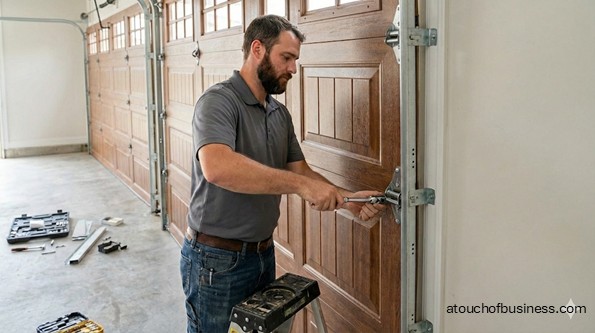
Permits, Insurance, Tools, Suppliers, and Pricing Plan
If you are thinking about starting a garage door business, start with a blunt question: are you ready to be the person everyone calls when a door will not open, a spring breaks, or a job turns into a surprise?
Fit matters first. Owning a business is not a side hobby. If you want a deeper reality check before you commit, read Points to Consider Before Starting Your Business.
Passion is not a poster on the wall. It is the fuel that helps you keep solving problems when you are tired, behind, or dealing with a tough customer. If you want to test your drive, read How Passion Affects Your Business.
Now ask the question that exposes bad reasons fast: “Are you moving toward something or running away from something?” If you are only trying to escape a job or financial stress, you are setting yourself up for a rough start.
Reality check. Income can be uncertain at first. Hours can run long. Some jobs are physically demanding. Vacations can shrink. You carry the risk, the schedule, and the outcomes. Your family has to be on board. You also need the skills and funding to start and to keep operating until cash flow settles.
Before you spend real money, talk to owners who already do this work. Only talk to owners you will not be competing against. Choose a different city, a different county, or a different service area. Use Business Inside Look to guide those conversations.
Ask questions that reveal the truth fast.
- What services actually brought in enough work to pay you and cover expenses in year one?
- What surprised you most about permits, inspections, or customer expectations in your area?
- What jobs did you stop taking because the risk or callbacks were not worth it?
A garage door business is usually a mobile service business. Many owners start solo with a service vehicle and tools, then add a helper or crew later. A larger setup is possible, but you do not have to start with a warehouse, a showroom, or a big staff.
Is This The Right Fit For You?
This business can be a good fit if you like hands-on work, can stay calm when something goes wrong, and can communicate clearly with customers. You will be working at homes and job sites. People expect you to be professional, careful, and prepared.
This is not a good fit if you avoid physical work, dislike driving to multiple stops, or struggle with safety discipline. Garage door systems include parts under high tension. If you cut corners, you can get hurt or damage property.
Quick self-check. If you cannot answer “yes” to most of these, slow down and rethink your plan.
- Can you follow safety steps every time, even when you are rushed?
- Can you explain a repair clearly without getting emotional?
- Can you handle uncertain income for a while without panic?
- Do you have a plan to learn what you do not know or bring in help?
How Does A Garage Door Business Generate Revenue?
Most garage door businesses earn revenue from service calls and installations. The core income usually comes from labor plus parts, with clear pricing for common jobs.
Many owners also add revenue from opener installation, door replacement, accessory sales, and repair parts. Some build recurring work through commercial accounts, property managers, and builders.
Products And Services You Can Offer
Your service list should match your skills, your tools, and your risk tolerance. Start narrow if you are new. Expand after you can deliver consistent quality.
- New garage door installation (residential and commercial, if trained)
- Garage door replacement and removal of old doors
- Garage door opener installation and replacement
- Repair services (rollers, hinges, tracks, cables, sensors, hardware)
- Spring replacement (torsion and extension, if trained and equipped)
- Door alignment, balance checks, and safety adjustments
- Weather seal replacement and insulation upgrades
- Remote controls, keypads, and smart opener add-ons
- Commercial rolling door service (only if properly trained and equipped)
- Preventive inspections (often requested by property managers)
Who Your Customers Are
Your customers are usually people who need fast help and want a safe, reliable outcome. Many calls come from urgent problems like a door stuck closed, a door stuck open, or an opener that stopped working.


- Homeowners
- Landlords and property managers
- Real estate agents and home inspectors (referrals)
- Builders and remodelers
- Commercial property owners
- Warehouses, small factories, and service businesses with bay doors
- Municipal facilities and schools (vendor approval may apply)
Step 1: Choose Your Launch Model And Scale
Decide if you are starting solo, with a partner, or with outside funding. A solo start is common in this field. It keeps overhead lower while you prove demand.
Be honest about staffing. If you plan to install full doors right away, you may need a helper sooner. If you start with service and opener replacements, you may be able to start alone and add help later.
So ask yourself: do you want a mobile service business first, or are you trying to build a larger operation immediately? Your answer changes your costs, your licenses, your space needs, and your risk.
Step 2: Validate Demand And Profit Potential
Demand is not a guess. You need proof that people in your service area will call you and pay enough to cover parts, fuel, insurance, tools, and your time.
Start by studying local supply and demand. Use Supply and Demand to pressure-test what you see. Then check competitors in your area. Look at their services, response times, and how they position themselves.
Confirm profit potential using real inputs. Call suppliers for typical door and opener pricing. Build a simple quote sheet for common jobs. Make sure the numbers cover expenses and still leave room to pay yourself.
Step 3: Define Your Service Area And Job Types
Pick a service radius you can handle without burning your day in traffic. Long drive times can destroy your schedule and your margins.
Decide which jobs you will take at launch. You can start with residential service and opener installs, then add full door installs, commercial work, or specialty doors later.
If you want help thinking through location decisions, use Business Location. Even mobile businesses have location issues, like where you store doors, where you park, and where you handle waste.
Step 4: Choose Your Offer And Safety Boundaries
Your offer needs to be specific. “Garage doors” is vague. “Same-week service and opener installs in a defined service area” is clearer.
Set safety boundaries now. Some work involves components under extreme tension. If you are not trained and equipped for spring work or commercial rolling doors, do not list it at launch.
If you plan to work in older homes, you also need to understand lead-safe renovation rules. Work that disturbs painted surfaces in pre-1978 housing can trigger federal requirements for firms and renovators.
Step 5: Build Supplier Relationships Before You Take Calls
Suppliers are not optional in this business. You need reliable access to doors, openers, tracks, rollers, hinges, seals, fasteners, and specialty parts.
Set up accounts with distributors and identify back-up sources. Ask about delivery times, return policies, warranty handling, and how they support technical questions.
If you plan to offer multiple door styles or insulated doors, make sure you can get them consistently. Do not promise what you cannot source on time.
Step 6: Estimate Startup Costs And Cash Needs
Your startup budget is not just tools. It includes a service vehicle setup, initial stock, licensing and registration fees, insurance, marketing basics, and working cash.
Use Estimating Startup Costs to build a line-item list. Get quotes instead of guessing. Your costs change based on scale, job types, and whether you stock doors or order per job.
Also plan for the gap between starting and steady cash flow. If your cash runs out, your “great plan” ends fast.
Step 7: Write A Simple Business Plan
You need a plan even if you never seek a loan. A business plan forces you to define your offer, service area, startup budget, and how you will get customers.
Keep it clear and usable. If you need a guide, use How to Write a Business Plan. Focus on the parts that matter for launch: pricing logic, startup needs, and your first 90 days.
So ask yourself: what will you do in week one to get your first paid job?
Step 8: Decide How You Will Fund The Launch
Match funding to your scale. A solo mobile start may be funded with savings and careful purchasing. A larger setup may require financing, especially if you plan to stock doors or lease space.
If you want a loan, learn the basics first so you do not waste time. See How to Get a Business Loan. Even if you do not borrow, you still need a funding plan.
Open separate accounts at a financial institution for the business so you can track business income and expenses cleanly from day one.
Step 9: Choose A Business Name And Claim Your Digital Footprint
Your name should be easy to say, easy to spell, and easy to remember. It also needs to be available for registration where you live and for a matching domain.
Use Selecting a Business Name to avoid common traps. Claim your domain and your main social handles early, even if your website comes later.
Set up a basic website and business email. If you need a starting point, see How to Build a Website.
Step 10: Choose Your Business Structure And Register The Business
Many owners start as a sole proprietorship because it is simple. As the business grows, many move to a limited liability company (LLC) for legal and tax reasons. Your situation may be different, so verify what fits your plan.
Registration steps vary by state. Use How to Register a Business to understand the flow, then confirm your state’s exact requirements through the state’s official business registration portal.
If you need an employer identification number, get it directly from the Internal Revenue Service. Do not pay a third party for it if you can avoid it.
Step 11: Handle Licenses, Permits, And Local Approvals
Garage door work can touch building rules, permits, and inspections, especially for replacements and structural changes. Requirements vary by jurisdiction. You must verify locally.
Start with universal steps, then confirm local rules. Check state contractor licensing, local business licensing, and whether permits are required for the work you plan to perform.
Varies by jurisdiction checklist. Use this to verify locally before you launch.
- State Secretary of State or business registration portal: search “business registration” + your state name.
- State department of revenue or taxation: search “sales and use tax registration” + your state name.
- State workforce agency: search “unemployment insurance tax registration” + your state name.
- City or county business licensing portal: search “business license” + your city or county name.
- Local building department: search “building permit” + your city or county name + “garage door replacement.”
- Zoning office: search “home occupation permit” + your city or county name if you plan to run the business from home.
Step 12: Set Up Insurance And Risk Controls
Insurance is not just a checkbox. It is part of your launch plan because one bad incident can end your business early.
Start with coverage that fits the work. General liability is common. Commercial auto matters if you use a vehicle for business. Workers’ compensation can be legally required if you hire employees. Verify your state rules.
If you want a plain-language guide to coverage types, see Business Insurance.
Step 13: Build Your Core Job Paperwork And Payment Setup
Before you take your first call, prepare the documents you will use on every job. This includes estimates, invoices, and written terms. Keep it simple and clear.
Set up how you will accept payment. Make sure customers know what you accept and when payment is due. Prepare a process for deposits if you order custom doors.
Also plan your proof assets. Take clean photos of completed work (with permission). Save product manuals and warranty info so you can provide them quickly.
Step 14: Buy Tools, Safety Gear, And Starter Inventory
Buy what you need to launch safely and professionally. Do not overbuy random stock. Focus on parts that support the services you are offering in the first phase.
Set up your vehicle so tools and parts are secured, organized, and protected from weather. A messy vehicle wastes time and raises risk.
If you feel unsure about tool choices, slow down and talk to experienced owners in other areas. Do not try to “figure it out” around high-tension parts.
Step 15: Set Pricing Rules Before You Quote Anyone
Your pricing must cover labor, parts, travel, disposal, overhead, and warranty risk. If your pricing ignores any of those, you will feel it later.
Use Pricing Your Products and Services to build a consistent approach. Decide how you price service calls, common repairs, and new installs.
Set a rule for surprises. If a job changes after you arrive, you need a clear way to update the customer before you proceed.
Step 16: Build A Simple Marketing Plan For Launch
Marketing is not a late step. If customers cannot find you, you cannot validate your plan.
Start with basics you can control: a clean website, a business profile on major platforms, clear service area coverage, and simple messaging. Add business cards if you will network locally. See What to Know About Business Cards.
If you use vehicle or yard signage, check local rules first and review Business Sign Considerations.
Step 17: Do A Final Pre-Opening Check And Start Booking Jobs
Do a final compliance and readiness review before you say “yes” to jobs. This is where you prevent preventable problems.
If you want a guide for common startup errors to avoid, see Avoid These Mistakes When Starting a Small Business. Most early failures come from skipping basics, not from bad luck.
Then start booking jobs with rules in place: what you offer, where you work, what you charge, and how you handle changes.
Business Models That Work For This Business
Your model should match your skills and capital. Start with the model you can execute well, then expand.
- Mobile repair-first model (service calls, opener installs, common repairs)
- Mobile install model (door replacements and new installs with a helper)
- Retail and showroom model (inventory, displays, higher overhead)
- Commercial service model (accounts, scheduled maintenance, vendor compliance)
- Subcontractor model (work for builders or larger door companies)
- Hybrid model (residential plus selected commercial work)
Essential Equipment And Tools
This is a practical starter list. The exact items depend on your service offer and the door systems you work on. If you are new, prioritize safe tools and professional training before taking high-tension work.
Vehicle And Jobsite Setup
- Service vehicle with secure storage
- Tool storage system (bins, racks, organizers)
- Work lights and portable lighting
- Extension cords and cord management
- Portable ladder options sized for your common job sites
- Protective floor coverings and drop cloths
- Trash bags and debris containment supplies
Hand Tools
- Socket set and ratchets
- Wrench set (standard sizes used in door hardware)
- Screwdrivers (multiple sizes)
- Pliers (standard, locking, needle-nose)
- Adjustable wrench
- Hammer and mallet
- Pry bar
- Tape measure
- Level
- Utility knife
- Clamps
Power Tools
- Cordless drill and driver
- Impact driver
- Drill bit set and driver bits
- Reciprocating saw (for removal work when appropriate)
- Angle grinder or cutting tool (as needed for specific hardware)
- Battery system and chargers
Testing And Diagnostics
- Multimeter (basic electrical checks)
- Non-contact voltage tester
- Stud finder (as needed for mounting)
Safety Gear
- Safety glasses
- Work gloves
- Hearing protection
- Hard hat (as needed for job sites)
- High-visibility vest (as needed for roadside or active sites)
- First aid kit
- Fire extinguisher for the vehicle
Door And Opener Installation Tools
- Track alignment tools (as needed)
- Fasteners and anchors suited to common mounting surfaces
- Weather seal tools and supplies
- Opener mounting hardware (as needed)
- Sensor alignment tools (as needed)
Spring And High-Tension Tools (Only If Trained And Equipped)
- Winding bars designed for the spring system you service
- Proper locking tools for securing components during adjustments
- Manufacturer-approved tools required for specific systems
Starter Parts Inventory
- Rollers (common sizes)
- Hinges (common types)
- Cables (common types)
- Bottom seals and weather stripping
- Fasteners (assorted)
- Photo-eye sensors (compatible with common openers you install)
- Remote controls and keypads (compatible with your supported brands)
Skills You Need To Launch Strong
This work rewards competence and punishes sloppy habits. If you lack a skill, you can learn it or bring in help, but you cannot ignore it.
- Mechanical aptitude and safe tool use
- Basic electrical knowledge for opener installation and troubleshooting
- Jobsite safety discipline and hazard awareness
- Accurate measuring and alignment skills
- Clear communication with customers
- Basic estimating and pricing discipline
- Recordkeeping for invoices, warranties, and permits when required
- Customer service skills under pressure
Day-To-Day Activities In This Business
This section is here to help you understand what you are signing up for before you launch. It is not a guide for long-term management.
- Answer calls and schedule jobs
- Drive to job sites and inspect door systems
- Create estimates and get customer approval
- Perform repairs or installations with safety steps followed every time
- Test safety features and door operation before leaving
- Collect payment and provide receipts and warranty details
- Order parts and restock the vehicle
- Document jobs with notes and photos (with permission)
A Day In The Life Of A Garage Door Business Owner
Your day usually starts with calls and scheduling. You are often reacting to urgent problems. A door stuck closed can stop someone from leaving for work. A door stuck open can be a security issue.
You drive, inspect, quote, repair, test, and move to the next job. Some days you finish early. Some days a “simple fix” turns into a longer job because of worn hardware or a damaged track.
At the end of the day, you restock parts, return missed calls, and review tomorrow’s schedule. If you skip this, tomorrow gets harder.
Pros And Cons Of Owning This Business
There are real advantages here, but there are real tradeoffs too. If you only see the upside, you are not ready yet.
Pros
- Work can be local and demand can be steady
- Many owners can start small and scale over time
- Clear customer problems with clear solutions
- Repeat work potential through property managers and commercial accounts
Cons
- Safety risks if you rush or take work beyond your training
- Physically demanding tasks and awkward work positions
- Uncertain income early on
- Emergency calls can disrupt your schedule
- Vehicle and tool costs can add up fast
Red Flags To Watch For Before You Commit
These are warning signs that your launch plan is not ready. Treat them as stop signs, not speed bumps.
- You plan to offer spring work without proper training and correct tools
- You do not have a clear service area and drive-time plan
- You have no supplier accounts and plan to “figure it out” after customers call
- Your pricing is based on what competitors charge without knowing your costs
- You are relying on “word of mouth” with no plan for how customers will find you
- You are ignoring permits, licensing, or inspections because they seem annoying
- You have no written estimate and invoice process
- You are starting only to escape a job or financial stress
Pre-Launch Checklist You Can Use This Week
This is a practical final check before you start taking jobs. Keep it simple. Verify what must be verified where you live.
- Business structure selected and business registered where required
- Tax registrations complete where required
- Local license and permit requirements confirmed
- Supplier accounts created and backup suppliers identified
- Tools and safety gear ready and organized
- Estimate, invoice, and terms ready to use
- Payment method set up to accept payment
- Basic website and contact method live
- Pricing rules set for common jobs and job changes
- First week marketing plan ready to run
When To Get Professional Help
You do not get extra points for doing everything alone. You get results by doing things correctly. If you need help with legal structure, taxes, bookkeeping, or insurance, bring in a professional.
If you want a guide to building support around you, see Building a Team of Professional Advisors. If you plan to add staff soon, review How and When to Hire before you commit to payroll.
101 Tips for Operating a Profitable Garage Door Business
In the next section, you’ll find practical tips pulled from real-world situations garage door owners run into.
Use what fits your goals right now, and save the rest for later.
Bookmark this page so you can come back when you need direction without starting from scratch.
To avoid overwhelm, pick one tip, apply it this week, and only then add the next change.
What to Do Before Starting
1. Decide which jobs you will take at launch (repairs, opener replacements, full door installs) and which ones you will decline until you are ready.
2. Confirm whether your state or local area treats garage door work as contractor-regulated work, and do not accept jobs you are not permitted to perform (rules vary by jurisdiction).
3. Build a written estimate template that separates labor, parts, disposal, and any after-hours fees so customers can see what they are paying for.
4. Set a minimum charge for small repairs so short jobs still cover travel time, setup time, and basic overhead.
5. Write a simple change-order rule: if the scope changes after inspection, you pause and get approval before additional work starts.
6. Open supplier accounts before you advertise, and confirm lead times on common door sizes and the opener models you plan to support.
7. Create a standard safety checklist for every visit, including ladder placement, tool condition checks, and opener safety tests after work is complete.
8. Stock a starter set of common wear parts (rollers, hinges, sensors, remotes) so you can finish common jobs in one visit.
9. Choose a scheduling method that prevents double-booking and makes it easy to confirm addresses, gate codes, and parking access before you arrive.
10. Put insurance in place before you take paid work, and verify when workers’ compensation coverage becomes legally required in your state.
What Successful Garage Door Business Owners Do
11. Confirm the customer’s main problem before you arrive so you bring the right parts and reduce wasted trips.
12. Follow the manufacturer’s installation and adjustment instructions for every opener and door system you touch, even when you think you already know it.
13. Measure and document door size, track type, and hardware condition before ordering parts so you do not eat the cost of wrong items.
14. Check door balance and smooth travel before and after repairs because a poorly balanced door can shorten opener life and increase callbacks.
15. Use a final checklist at every job: hardware tight, sensors aligned, reversal test passed, and customer understands how to operate it safely.
16. Take clear before-and-after photos (with permission) to protect yourself if a customer questions what was done later.
17. Keep the vehicle organized by job type, with labeled bins, so you do not waste time digging for parts on-site.
18. Provide warranty and care guidance in writing so customers do not rely on memory and blame you later for what they forgot.
19. Follow up after major installs to catch small adjustments early, before they become complaints or poor reviews.
20. Review job profitability every week, not every year, so you can correct pricing and process problems while they are still small.
Running the Business (Operations, Staffing, SOPs)
21. Use a call script to classify requests into safety emergencies, access emergencies, and routine work so scheduling stays sane.
22. Group appointments by area to reduce drive time and increase the number of jobs you can complete without rushing.
23. Tie every part used to a specific job on the invoice so your inventory and job costing stay accurate.
24. Set reorder points for high-use items like rollers and sensors so you do not lose profit on reschedules and second trips.
25. Assign a unique job number to every call so notes, photos, parts, and invoices never get mixed up.
26. Document approvals in writing, especially for scope changes, because verbal memory is unreliable when money is involved.
27. Require a signed change order before any additional chargeable work starts, even if it feels awkward in the moment.
28. Create a reschedule and cancellation policy, then apply it consistently so your calendar does not become chaos.
29. Write standard operating procedures for your core jobs (opener install, track repair, panel replacement) and keep them short enough that people actually use them.
30. Set a two-person handling rule for doors and components above your safe lifting limit to prevent injuries and property damage.
31. Train every technician on ladder safety and jobsite hazard control before you let them work independently.
32. Inspect safety-critical tools on a set cadence, including ladders, power tools, and spring winding tools, and retire anything questionable.
33. Use ride-alongs plus checklists for onboarding so new technicians learn your standards instead of inventing their own.
34. Avoid pay structures that reward speed alone, because rushed work increases callbacks and kills profit.
35. Block time weekly for vehicle maintenance so breakdowns do not wipe out your schedule and your reputation.
36. Protect focused office time for billing, supplier ordering, and permit follow-ups, or those tasks will pile up and create cash flow stress.
What to Know About the Industry (Rules, Seasons, Supply, Risks)
37. Know that automatic residential garage door operators sold in the United States are covered by a federal safety standard in Title 16 of the Code of Federal Regulations, Part 1211, so avoid installing questionable units.
38. After opener work, verify safety features and document the test so you can show what you checked if a dispute occurs.
39. Treat springs, cables, and high-tension components as high-risk work and follow established safety guidance, not improvised techniques.
40. In some cities and counties, door replacement or structural changes can require a building permit and inspection, so confirm requirements before you commit to the job (rules vary by jurisdiction).
41. If you disturb painted surfaces in housing built before 1978, the Environmental Protection Agency lead renovation rule may apply, which can trigger firm certification and work practice rules.
42. Wind-load requirements and door ratings can change by region, so verify the needed rating before you sell a replacement door.
43. Expect seasonality: storms can spike emergency calls, and cold weather can expose weak lubrication, warped tracks, and sensor alignment issues.
44. Keep at least two distributors for key product lines so one supply disruption does not shut down your work.
45. Commercial sites may require vendor onboarding, insurance certificates, and safety documentation before you are allowed on-site, so plan for longer sales cycles.
46. Treat every garage as a safety zone where children, pets, and clutter create risk around moving doors and tools.
Marketing (Local, Digital, Offers, Community)
47. Set up and verify your business profile on Google, and follow platform guidelines so your listing is not suspended.
48. Keep your business name, address, and phone number consistent across every directory and page so local visibility does not get diluted.
49. Build service pages around specific problems people search for, and keep each page focused on one problem and one solution path.
50. State your service area clearly so customers know whether you cover their city, and you do not waste calls outside your radius.
51. Use real photos of your completed work (with permission) because proof builds trust faster than slogans.
52. Ask for reviews right after a successful job while the customer’s satisfaction is fresh, and keep the request simple.
53. Do not offer gifts or discounts in exchange for reviews without understanding review and advertising rules, because it can create compliance and reputation problems.
54. Build referral relationships with real estate agents, home inspectors, and property managers, and make it easy for them to connect customers to you.
55. Use short “storm surge” messaging when emergencies spike, then turn it off when capacity returns so you do not keep promising what you cannot deliver.
56. Track where each new customer came from using one question on every invoice, then invest more in the channels that produce profit.
57. Pick one community group with lots of homeowners and show up consistently so your name becomes familiar before emergencies happen.
58. Keep offers simple and tied to clear scope, like a tune-up bundle with defined checks, so you do not create confusion or price disputes.
Dealing with Customers (Trust, Education, Retention)
59. Start every appointment by confirming the customer’s goal in plain language, then repeat it back so you are aligned.
60. Explain safety risks clearly when springs, cables, or damaged tracks are involved, and describe what failure could look like.
61. When you can, present two options: repair and replacement, with a short explanation of tradeoffs for each.
62. Quote the full price before work starts, including disposal and after-hours fees, so the invoice does not feel like a surprise.
63. When you discover additional issues, pause and get approval before you proceed, even if you are sure the customer “will want it.”
64. Confirm who has decision authority before scheduling large installs, so you do not waste a trip when the real decision-maker is absent.
65. Set expectations about noise, time on site, and space needed, then protect floors and walls so the home is left clean.
66. Demonstrate how to use wall controls, remotes, and safety sensors, then have the customer repeat the steps to confirm understanding.
67. For rentals, confirm who approves, who pays, and who receives warranty paperwork so you are not caught between tenant and owner.
68. Keep your tone calm when customers are stressed, because access problems often feel urgent even when the fix is simple.
Customer Service (Policies, Guarantees, Feedback)
69. Provide a written warranty policy that states what is covered, how long coverage lasts, and what is excluded.
70. Set a callback process that prioritizes safety-related problems first, and document what you did to resolve each callback.
71. Use a standard safety test checklist after every opener job and record the results on the invoice or work order.
72. Offer appointment windows you can actually meet, and communicate delays early to reduce frustration and cancellations.
73. Publish your emergency fee policy so customers can choose knowingly instead of feeling trapped in a crisis.
74. Handle complaints with a script: listen, restate the issue, propose next steps, and confirm the plan in writing.
75. Track repeat complaints by job type and technician so you fix the root cause instead of repeating the same repair pattern.
76. Follow up within a week after major installs to confirm smooth operation and adjust early if needed.
77. Use feedback to tighten estimates and procedures, not to argue, because patterns usually point to process issues.
78. Ask once for a review, thank the customer either way, and move on so the relationship stays respectful.
Sustainability (Waste, Sourcing, Long-Term)
79. Separate old metal components for recycling when local facilities accept them to reduce waste and disposal cost.
80. Ask distributors about packaging reduction or recycling options, especially for bulky door shipments.
81. Choose replacement parts that match the correct rating and fit so you do not create early failures and unnecessary waste.
82. Use reusable drop cloths and protective blankets to cut down on single-use materials.
83. Dispose of seals, adhesives, and damaged electronics according to local waste rules, which can vary by city and county.
84. Keep a spill kit in the vehicle and clean lubricants promptly to protect property and prevent slip hazards.
Staying Informed (Trends, Sources, Cadence)
85. Subscribe to safety and technical updates from the Door and Access Systems Manufacturers Association so you see changes in guidance and standards.
86. Monitor Consumer Product Safety Commission recalls so you can identify affected products and respond responsibly.
87. Read installation manuals and service bulletins for the opener lines you install, because product details can change without warning.
88. Review Occupational Safety and Health Administration requirements that affect your work, especially ladder safety and fall risks.
89. Hold a monthly skills session where your team reviews one technical topic and one customer communication skill.
Adapting to Change (Seasonality, Shocks, Competition, Tech)
90. Create a storm-response plan for parts, hours, and customer messaging, then return to normal once demand stabilizes.
91. When certain doors or openers go out of stock, offer a short list of equivalent options you already know how to install and support.
92. During peak weeks, prioritize work by impact: safety hazards first, access issues second, upgrades third.
93. Decide which smart-home systems you support and say no to the rest, because unsupported systems can create endless troubleshooting calls.
94. Review competitors on a schedule and adjust your offer based on clear differences, like response time, written warranty clarity, or specialty services.
95. If you expand into more commercial work, prepare for stricter site rules, paperwork, and scheduling constraints that can slow down cash collection.
What Not to Do
96. Do not take spring or high-tension work without proper training and the correct tools, because the injury risk is immediate and severe.
97. Do not quote without basic diagnostics, because guessing creates disputes, callbacks, and lost profit.
98. Do not skip safety testing after opener work, and do not leave without documenting the result.
99. Do not promise tight arrival times you cannot keep, because missed times trigger rushed work and angry customers.
100. Do not let inventory drift without tracking, because lost parts quietly destroy margins and cause delays.
101. Do not rely on memory for pricing, warranties, approvals, or safety checks; write it down every time.
If you want profit that lasts, focus on repeatable habits: safety checks, written approvals, consistent pricing rules, and clean documentation.
Pick one weak spot in your business, fix it this week, and let that improvement compound before you chase the next idea.
FAQs
Question: Do I need a contractor license to install or repair garage doors in my state?
Answer: It depends on your state and sometimes your city or county, because some places treat garage door work as contractor or home improvement work. Check your state contractor licensing board site before you advertise or quote jobs.
Question: Do I need a permit to replace a garage door or install a new opener?
Answer: Permits can be required for certain replacements or structural changes, and rules vary by local building department. Call the local building office and ask what triggers a permit for “garage door replacement” in that jurisdiction.
Question: Can I start a garage door business from home?
Answer: Many owners start as mobile service businesses and run admin work from home, but zoning and home occupation rules vary by location. Ask your local planning or zoning office what is allowed for vehicle parking, storage, and signage.
Question: What business structure should I start with?
Answer: Many first-time owners start as a sole proprietorship for simplicity, then form a limited liability company as the business grows. Use the Small Business Administration’s structure guide, then confirm filing steps with your state’s Secretary of State site.
Question: Do I need an Employer Identification Number?
Answer: You may need an Employer Identification Number based on your business setup, especially if you hire employees or form certain entities. The Internal Revenue Service lets you apply directly and free on its official site.
Question: What taxes do I need to register for before I start taking jobs?
Answer: Most owners must handle federal taxes and may need state sales and use tax registration depending on what they sell and how their state taxes labor. Verify requirements with your state department of revenue or taxation and ask if garage doors, parts, and installation labor are taxable.
Question: What insurance should I have before my first job?
Answer: Start with coverage that matches the risks of jobsite work and driving, such as general liability and commercial auto. If you hire employees, workers’ compensation rules can become a legal requirement, and that varies by state.
Question: What equipment do I need to start a garage door business?
Answer: You need a service vehicle setup, ladders, hand and power tools, safety gear, and a starter set of common parts like rollers and sensors. For any high-tension work, use the correct tools and follow safety guidance from industry sources instead of improvising.
Question: How do I choose door and opener suppliers when I’m new?
Answer: Start with distributors that offer reliable lead times, clear warranty handling, and parts support for the product lines you will install. Ask what they stock locally and what requires special order so you do not promise timelines you cannot meet.
Question: What safety standards should I know before selling or installing garage door openers?
Answer: Automatic residential garage door operators sold in the United States must comply with a federal safety standard in Title 16 of the Code of Federal Regulations, Part 1211. Use reputable brands and document your safety checks after installation.
Question: Does the lead renovation rule affect garage door work?
Answer: It can apply if your work disturbs painted surfaces in housing or child-occupied facilities built before 1978. Review the Environmental Protection Agency guidance so you know when certification and work practices are required.
Question: How do I set up pricing for service calls and installs?
Answer: Build pricing from your real costs: labor time, parts, travel, disposal, insurance, and warranty risk. Set a minimum charge and a written change-order rule so surprises do not turn into unpaid work.
Question: What paperwork should I have ready before I take my first customer?
Answer: Have a written estimate, invoice, and job terms that cover scope, warranty, and what triggers extra charges. Keep a basic job checklist so you can document what you inspected, what you replaced, and what you tested.
Question: What is a simple workflow for a service call from start to finish?
Answer: Confirm the problem on the phone, inspect on-site, present options, get approval, do the work, then test and document results before you leave. Close the job with photos and notes so you can defend your work if questions come up later.
Question: How do I reduce callbacks and warranty work?
Answer: Use a final checklist every time, including balance checks, hardware inspection, and opener safety tests after adjustments. Follow manufacturer instructions and document the results so you can spot patterns and tighten your process.
Question: When should I hire a helper or first technician?
Answer: Hire when job volume and door handling demands make solo work unsafe or force rushed installs. Set training standards first, because speed without quality creates callbacks that erase profit.
Question: What numbers should I track weekly to know if I’m making money?
Answer: Track booked jobs, completed jobs, average ticket, parts cost per job, labor hours, and callbacks. Add cash collected versus cash spent so you see problems before your bank balance drops.
Question: How do I manage cash flow on custom door orders?
Answer: Use written deposits and clear payment terms so you are not funding special orders out of pocket. Align ordering with confirmed approvals and supplier lead times to reduce cancellations and restocking fees.
Question: How do I market a new garage door business without wasting money?
Answer: Start with a clear service area, proof photos, and a strong local business profile that follows platform policies. Build relationships with property managers and real estate pros, and track where each lead came from so you stop spending on weak channels.
Question: How do I ask for reviews the right way and avoid trouble?
Answer: Ask after a successful job and keep the request simple, without pressure or tricks. If you use endorsements or incentives, review Federal Trade Commission guidance so you do not create disclosure problems.
Related Articles
- Start a General Contracting Business – Step-by-Step Guide
- Starting a Home Renovation Business: Beginner’s Guide
- Start a Construction Business: Step-by-Step Guide
- Roofing Business Startup Guide: From Idea to Launch
- Start Your Siding Business: A Step-by-Step Beginner’s Guide
- How to Start a Gutter Installation Business: Key Steps
- Electrician Business Startup Overview: Key Steps Plan
- Start a Plumbing Business: Practical Startup Guide
- Start a HVAC Business: Permits, Gear, Pricing Basics
- How to Start a Kitchen Cabinet Installation Business
- Start a Pressure Washing Business: Plan, Gear, Pricing
- How to Start a Garage Organizing Business: Step-by-Step Guide
Sources:
- Consumer Product Safety Commission: Garage door operators
- DASMA: TDS 151 inspection guidelines, TDS 284 winding bars, Spring-winding tools, Safety tips garage doors
- eCFR: 16 CFR Part 1211
- Employment and Training Administration: State UI tax contacts
- Environmental Protection Agency: Renovation repair painting
- Federal Register: Garage door operators rule
- Federal Trade Commission: Endorsements reviews
- Google: Business Profile Guidelines, Business Profile policies
- Internal Revenue Service: Employer identification number
- Occupational Safety and Health Administration: OSH Act Section 5 duties, 1910.23 ladders
- Small Business Administration: Choose business structure, Register your business, Apply licenses permits
- UL Solutions: UL 325 key safety issues