
Startup Checklist for Ginger Farming: Legal and Setup
You see fresh ginger at the store and think, “I could grow that.” Then you picture neat rows, clean crates, and quick sales.
That picture is nice. The real question is whether you want the work and the risk that comes with it.
Start with fit. Decide if owning a business is right for you, and if this business is the right match. If you want a broader readiness check, read Points to Consider Before Starting Your Business.
Now ask yourself the exact question: “Are you moving toward something or running away from something?” If you’re starting only to escape a job or a financial bind, that usually won’t hold your drive for long.
Next is passion. Problems will show up. Passion helps you stay in it long enough to fix what’s broken. Without it, people often look for a way out instead of solutions. Read how passion affects your business and be honest with yourself.
Then do a reality check. Are you ready for uncertain income, long hours, difficult tasks, fewer vacations, and full responsibility? Is your family or support system on board? Do you have (or can you learn) the skills and secure funds to start and operate?
Before you spend a dollar, talk to people already doing this. Only talk to owners you will not be competing against. Use Business Inside Look to guide what you ask and what you watch for.
Here are a few smart questions to ask those owners:
- What surprised you most in your first season, and what would you do differently if you started again?
- Which sales channel worked first for you, and what made customers say “yes”?
- What was your biggest startup risk: land, water, disease, sales, or compliance?
Step 1: Decide Your Scale and Time Plan
This can start small, especially if you focus on direct sales and keep your first footprint tight. A solo owner can often begin with a modest plot and expand after proof shows up.
It can also become a larger operation fast if you aim for wholesale volume, multiple plantings, and packaged supply. That path usually means more land, more labor, and more cash early on.
Decide if this will be full-time or part-time. Also decide if you want to stay solo, bring in a partner, or plan for investors later. Your structure and funding plan should match the scale you choose.
Step 2: Confirm Your Region Can Support the Crop
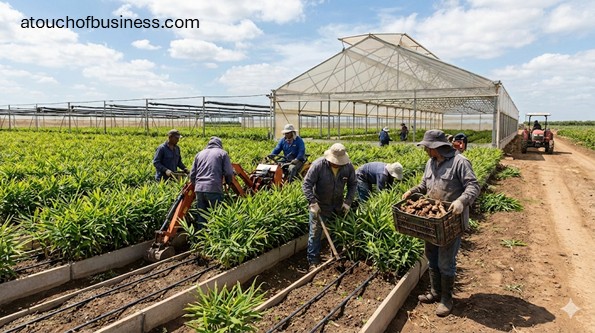
Ginger is grown in different parts of the United States, including in protected systems such as high tunnels. That’s one reason this can work outside warm climates.
Start by learning what local growers do in your area. Contact your local Cooperative Extension office and ask what growing system is realistic where you live.
Step 3: Pick a Simple Revenue Path First
Choose your first “lane” and keep it simple. Fresh rhizomes sold direct to customers is often the cleanest startup path.
Value-added food products and selling planting stock can add revenue later, but they can also add rules, equipment, and risk. Decide what you will sell in year one, then expand only after you have stable demand.
Step 4: Prove Demand Before You Build Anything
You need proof, not hope. Start by checking demand in your area and how customers currently buy ginger.
Use Supply and demand to guide your research. Then confirm that pricing can cover your costs and still pay you.
Step 5: Choose Sales Channels That Match Your Life
Direct sales can mean farmers markets, a small farm stand, community supported agriculture shares, or local delivery. Wholesale can mean larger orders, stricter specs, and tighter timing.
Ask yourself what you can handle early on with your time, vehicle, and storage space. If you plan any customer pickup, consider how location affects convenience and traffic.
Step 6: Secure Land and Water With Fewer Surprises
Land and water are not “details.” They are the base of the business. Don’t commit to a site until you understand access, drainage, and year-round water reliability.
Also confirm land-use rules early. If you are leasing, make sure your lease allows your planned structures and sales activity.
Step 7: Run Soil Testing and Plan Your Layout
Get a soil test through a reputable lab, often available through land-grant university labs and Extension programs. You want a clear view of soil condition before you invest in amendments or infrastructure.
Then sketch your growing footprint, access paths, and irrigation lines. Keep the plan simple enough to run without extra staff in the first season.
Step 8: Treat Disease Risk as a Startup Constraint
Ginger can face serious disease pressure, including bacterial wilt. Disease can spread through contaminated soil, water, tools, and planting material.
Your startup plan should include how you will source planting stock, handle it, and keep tools and bins clean. If you do not have a disease plan, you do not have a real plan.
Step 9: Decide If You Need Protected Growing Structures
Protected systems can help in some regions and seasons. They also add upfront build needs and, in some places, permitting steps.
Before you buy materials, check local rules for agricultural structures. You want to know if the county treats a tunnel as a permitted structure in your zone.
Step 10: Build a Startup Essentials List and Price It Out
List the items you must have to plant, irrigate, harvest, wash, pack, store, and deliver. Then price each item so you know what “ready” costs for your chosen scale.
Use Estimating startup costs to make sure you don’t miss key categories. Scale drives total startup cost, so keep your first season size realistic.
Step 11: Write a Business Plan Even If You Aren’t Borrowing
A plan keeps you focused and reduces random spending. It also forces you to state your assumptions about yield, pricing, and sales channels.
If you want a simple structure to follow, use how to write a business plan and keep it practical. Your plan should match your scale and your first sales path.
Step 12: Choose Funding and Set Up Your Financial Setup
Decide how you will fund startup needs and early operating costs. That can be personal savings, a partner, or financing through a financial institution.
However you fund it, open dedicated business accounts and keep transactions separate from personal spending. If you may need financing, review how to get a business loan so you know what lenders tend to look for.
Step 13: Pick a Business Name and Claim Your Online Space
Choose a name you can actually register and use long term. Confirm the name is available in your state and does not confuse people with an existing business.
Use how to choose a business name and then secure a matching domain and social handles. Even a simple website can help buyers find you, trust you, and place orders.
Step 14: Form the Business and Register for Taxes
Many small businesses start as a sole proprietorship, then form a limited liability company (LLC) as the business grows and risk increases. Your best structure depends on your risk, partners, and growth plan.
To understand the typical registration path, read how to register a business. Then follow your state’s Secretary of State portal and your state tax agency for the exact steps in your area.
Step 15: Get Your Employer Identification Number If You Need One
An Employer Identification Number (EIN) is a federal tax ID used for many business tasks. You may need it based on your structure, banking needs, and whether you will hire.
Use the Internal Revenue Service page on getting an employer identification number to confirm when it applies and how to apply.
Step 16: Handle Key Compliance Areas
If you sell produce, confirm whether the Food Safety Modernization Act Produce Safety Rule applies. Ginger is listed as produce that is rarely consumed raw, so farms growing only ginger may be excluded, but the rule can apply if you also grow covered produce.
Start with the Food and Drug Administration overview of the FSMA Final Rule on Produce Safety. If you plan to make shelf-stable ginger foods, confirm whether your activity triggers food facility registration.
If you will use pesticides commercially, learn your state’s rules for applicator certification. Start with the Environmental Protection Agency page on certification standards for pesticide applicators and then find your state regulator through State Pesticide Regulatory Agencies.
Step 17: Confirm Local Land-Use and Building Rules
Local rules decide what you can build and how you can sell. This is where many new owners get stuck, so check early.
Call your city or county planning and zoning office. Ask about agriculture uses, on-site sales, signs, and whether a packing or retail area needs a Certificate of Occupancy (CO).
Step 18: Buy Only What You Need and Set Up the Site
Install irrigation, prepare beds, and set up any protected structures you are using. Build a wash and pack area that supports clean handling, even if it starts small.
Choose suppliers for planting stock, packaging, and basic farm materials. Keep supplier relationships professional from day one.
Step 19: Build Your Brand Basics and Sales Tools
You don’t need a fancy brand to start, but you do need clarity. Customers should quickly understand who you are, what you sell, and how to order.
Start with a simple website plan using how to build a website. If you want a consistent look across labels, invoices, and signs, review corporate identity packages, along with business cards and company signs.
Step 20: Set Prices and Confirm How You Will Accept Payment
Pricing decides if the business works. You need pricing that covers inputs, packaging, labor, and overhead, with room to pay yourself.
Use pricing your products and services as a guide. Then confirm how you will accept payment at markets, on-site, and online.
Step 21: Plan Staffing Only When the Work Demands It
Many farms start with the owner doing most tasks. That can work early, especially when you keep the first season small.
If workload or sales volume grows, plan the first role you would add and what it would solve. Use how and when to hire to think through timing and cost.
Step 22: Run a Pre-Launch Test Before Your First Sale Day
Do a dry run of harvest, washing, packing, storage, and delivery. The goal is to find weak spots while the stakes are still low.
Create simple records for harvest lots, inputs, and sales. If you ever need to trace a product issue, you’ll be glad you started this on day one.
How Does a Ginger Farm Generate Revenue?
Most new growers start with fresh rhizomes sold direct to customers. That can include farmers markets, community supported agriculture shares, and local delivery.
Some growers also sell “young” ginger, which is harvested earlier and often marketed as a premium fresh item. Others move into wholesale after they can meet steady volume and consistent quality.
Value-added foods can add revenue, but they can also trigger new compliance steps. Treat processing as a separate startup path with its own research and facility rules.
Typical Customers to Plan For
Direct-to-consumer customers want freshness, clear handling, and simple ordering. They often buy smaller amounts but can become repeat customers if your quality is consistent.
Restaurants and specialty grocers may buy larger amounts and want consistent sizing, clean packaging, and reliable delivery. Distributors may require even tighter specs and stronger volume.
Pros and Cons to Weigh Before You Commit
This business can be started in a focused way, but it is not “set it and forget it.” It rewards planning, cleanliness, and careful sourcing of planting stock.
Here are practical upsides and downsides to weigh early:
- Pros: Can begin small with direct sales; can use protected systems in some regions; clear local-food story for direct customers.
- Cons: Disease risk can cause major losses; infrastructure and water access can become expensive; wholesale scale often pushes staffing and cash needs higher.
Essential Equipment Checklist (Startup Focus)
Your exact list depends on your scale and whether you use protected structures. Start by listing what you need to plant, irrigate, harvest, wash, pack, store, and deliver.
Below is a practical starter checklist, grouped by category. Excluding costs is on purpose, because pricing varies widely by scale and condition.
Site Prep and Bed Building
- Soil sampling probe or auger, sample bags, permanent marker
- Tractor or two-wheel tractor (scale-dependent)
- Tiller or rotary cultivator (scale-dependent)
- Bed shaping tools (bed former, rakes, shovels, hand tools)
- Wheelbarrows or carts for moving soil, compost, and mulch
Protected Growing (If Used)
- High tunnel or hoophouse kit (frame, cover film, hardware)
- Ventilation parts (roll-up sides or vents)
- Thermometers and basic weather monitoring tools
- Shade cloth (optional, if used in your region)
Planting Stock Handling and Propagation
- Clean bins and totes for planting stock
- Cutting tools that can be cleaned and sanitized
- Work surface that can be cleaned and sanitized
- Nursery trays or pots (if producing starts)
Irrigation and Water Control
- Water source connection (well or municipal, as applicable)
- Backflow prevention device (if required by your water authority)
- Filter for drip systems
- Pressure regulator and pressure gauge
- Mainline tubing, drip lines, valves, fittings, repair parts
- Timers or controllers (optional)
Harvest and Post-Harvest Handling
- Digging forks, spades, broadforks (or a digger, scale-dependent)
- Harvest totes or bins
- Wash tubs, hoses, spray nozzles, cleanable tables or racks
- Food-grade containers for clean product handling
- Scale for selling by weight (check local “legal for trade” rules)
- Packaging supplies (bags, boxes, labels)
Storage and Delivery
- Clean storage bins and shelving
- Temperature and humidity monitoring tools for storage areas
- Cooling or refrigeration (only if your sales plan requires it)
- Delivery vehicle (if delivering)
Admin, Records, and Basic Safety
- Recordkeeping system for planting dates, inputs, and harvest lots
- Label printer or labeling tools (if used)
- Handwashing setup and basic sanitation supplies for handling areas
- Personal protective equipment required by pesticide labels (if applicable)
Skills You’ll Need (And What You Can Outsource)
You don’t need every skill on day one. You do need enough skill to run the core work safely and to judge whether outside help is doing the job right.
Here are the key skill areas to plan for:
- Basic crop planning: soil testing, fertility planning, irrigation planning
- Clean handling habits: keeping tools, bins, and work areas clean
- Disease awareness: spotting early warning signs and acting fast
- Basic equipment use and upkeep
- Sales readiness: packing, labeling, order tracking, delivery timing
- Recordkeeping for compliance and traceability
If you don’t want to do certain tasks, build a support team. A bookkeeper, tax pro, and insurance agent can reduce errors and stress. A simple overview is in building a team of professional advisors.
What a Normal Day Can Look Like
Even though this guide is startup-focused, you should understand the work rhythm before you commit. This helps you decide if the lifestyle fits.
A typical day often includes:
- Check irrigation and water flow
- Walk the crop and look for wilt, rot, and pest pressure
- Weed control and bed upkeep
- Prep orders, wash and pack product, label and store
- Deliver to customers or prepare for market day
- Update records for inputs and harvest lots
A Day in the Life of the Owner
Mornings are often for field checks and irrigation. If anything looks off, you deal with it early because problems spread fast.
Midday might be harvest prep, washing, packing, and admin. Late day is often deliveries, customer messages, and lining up tomorrow’s tasks.
Red Flags to Watch for Before You Sign a Lease or Buy Land
Most bad farm deals look fine at first glance. The risk hides in water access, land-use rules, and disease history.
Watch for these red flags:
- Unclear water access, restrictions, or unreliable supply
- Poor drainage or signs of frequent flooding
- No proof of soil testing or soil condition that is far from what you need
- History of wilt or severe disease on the site, especially if the same crop was grown there
- Structures that appear unpermitted where permits are required
- Land-use rules that block on-site sales, signs, or needed structures
- If importing any plant products, unclear import steps or missing documentation
Varies by Jurisdiction
Rules change by state, city, and county. Don’t guess. Use local offices and official portals to confirm what applies to your exact site and sales plan.
Use this checklist to verify requirements locally:
- Business registration: Your state Secretary of State site → search “business entity search” and “register LLC” (or “assumed name” if using a trade name).
- State taxes: Your state Department of Revenue (or Taxation) site → search “sales tax permit” and “withholding account” (if hiring).
- Local licensing: Your city or county site → search “business license” and “farm stand permit” (if you will sell on-site).
- Zoning: City or county planning and zoning office → search “zoning agriculture permitted uses” plus your county name.
- Building approval: City or county building department → search “building permit agricultural structure” and “Certificate of Occupancy.”
- Food safety: Review the Food and Drug Administration pages for the Produce Safety Rule and food facility registration if you process foods.
- Pesticides: Start with pesticide applicator certification standards, then find your state regulator through State Pesticide Regulatory Agencies.
- Organic claims: If you plan to market as organic, start with Organic Certification and Accreditation.
- Imports: If importing plants or plant products, follow How To Import Plants and Plant Products into the United States.
When you contact offices, keep it simple. Ask a few clear questions and write down the answers.
For zoning and building, ask: Is my planned use allowed on this parcel, and do any structures need permits? For food rules, ask: Do my products and sales volume place me under the Produce Safety Rule, and what records will I need? For pesticides, ask: Does my state require certification for the products I plan to apply?
Final Self-Check Before You Start
Can you name your first sales channel, your first season size, and your top three risks? Can you prove demand, secure water, and follow local rules before you build?
If not, slow down and fill the gaps. If yes, take the next step and write your first-season plan in plain words.
101 Proven Tips For Your Ginger Farm
These tips look at your business from multiple angles, from planning to customer trust.
Some will fit what you’re building right now, and some won’t apply to your setup.
Save this page and come back to it as your season, sales channels, and workload change.
Move faster by picking one tip, doing it fully, and then stacking the next.
What to Do Before Starting
1. Write down your exact first product: fresh ginger, young ginger, planting stock, or a processed item. Clarity here prevents wasted equipment purchases.
2. Choose one primary sales channel for your first season. Direct-to-consumer, restaurants, and wholesale each require different packing, timing, and volume.
3. Validate demand with real conversations and a simple pre-commitment. Ask prospects what size, how often, and what price range they can accept.
4. Compare local competition by visiting markets and stores as a customer. Note pricing, quality, packaging, and how often ginger is in stock.
5. Confirm your region can support ginger production with your planned growing method. Your local Cooperative Extension office can tell you what growers are doing nearby.
6. Secure a reliable water source before you sign a lease or buy land. Ask about seasonal restrictions, well capacity, and any irrigation district rules.
7. Get a soil test early and keep the results on file. It guides your site choice and prevents random spending on amendments.
8. Decide whether you will use protected growing structures. If you plan a high tunnel, ask your county building office what permits apply.
9. Treat disease risk as a startup requirement, not an afterthought. Plan how you will source clean planting material and keep tools and bins clean.
10. Choose your first-year scale based on what one person can run well. Expand only after you prove demand and protect quality.
11. Build a startup essentials list and then price it line by line. The fastest way to underestimate is to “rough guess” equipment and supplies.
12. Separate startup costs from early operating costs. You need cash for both, especially during the first sales cycle.
13. Pick a legal structure that matches your risk and growth plan. Many small businesses start as a sole proprietorship and later form a limited liability company (LLC) for structure and liability.
14. If you need a federal tax identifier, apply for an Employer Identification Number (EIN) directly from the Internal Revenue Service. Avoid paid middle sites.
15. Open a dedicated business checking account before your first purchase. Keep transactions separate so your records stay clean.
16. Write a simple business plan, even if you are not borrowing. It forces you to define volume, pricing, and how you will get repeat orders.
17. Decide your brand basics early: name, logo, and how your labels will look. Consistency builds trust when customers see you in multiple places.
18. Set a basic recordkeeping system from day one. Track planting dates, input use, harvest lots, and every sale.
What Successful Ginger Farm Owners Do
19. They protect planting material like it is inventory and insurance at the same time. One bad batch can cost a season.
20. They keep a written sanitation routine for tools, bins, and work surfaces. Consistency reduces disease spread.
21. They walk the crop on a schedule and write down what they see. Early detection beats late panic.
22. They standardize harvest and washing steps so product looks the same every time. Consistency is what earns repeat orders.
23. They keep a backup plan for irrigation failures. A spare fitting and a repair kit can save a week.
24. They store ginger in conditions that protect quality and minimize damage. Small handling errors add up fast in customer complaints.
25. They use simple lot tracking for harvested product. If a problem is reported, they can isolate what was affected.
26. They plan packaging around the buyer’s use. Restaurants often want bulk; direct customers often want smaller, clean packs.
27. They keep buyer communication short and reliable: availability, pack sizes, pricing, and pickup or delivery windows. That makes reordering easy.
28. They set clear order cutoff times. It protects your schedule and prevents last-minute chaos.
29. They document “how we do it here” for repeating tasks. Even a two-page standard procedure helps when you add help later.
30. They track which channels actually pay them well. Revenue is not the same as profit, so they watch both.
What to Know About the Industry (Rules, Seasons, Supply, Risks)
31. Food safety rules may apply depending on what you grow, how you handle it, and your sales level.
Note: Ginger is listed as produce that is rarely consumed raw, so farms growing only ginger may be excluded from the Food Safety Modernization Act Produce Safety Rule, but the rule can apply if you also grow covered produce.
32. If you process ginger into shelf-stable food products, different rules can apply than for selling fresh produce. Confirm whether food facility registration applies to your activity.
33. Pesticide rules can change based on product type and use. If restricted use pesticides are involved, certification may be required in your state.
34. “Organic” is a regulated claim in the United States. If you want to market as organic, learn the certification path and the transition timeline before you print labels.
35. Importing plants or plant products can trigger federal requirements. If you plan to import ginger planting material, confirm the USDA Animal and Plant Health Inspection Service steps first.
36. Disease pressure can be severe for edible ginger, including bacterial wilt. Plan your crop around prevention, clean sourcing, and rapid response to symptoms.
37. If you use protected growing structures, check how your local government classifies them. Some counties treat high tunnels differently than greenhouses or barns.
38. Your sales tax duty depends on your state and what you sell. Fresh produce, packaged goods, and prepared foods can be treated differently.
39. Labor rules are not optional when you hire. Confirm wage, payroll withholding, unemployment insurance, and workers’ compensation requirements in your state.
40. Farmers markets and wholesale accounts often have their own vendor rules. Ask for the vendor packet and read it before you commit to product volume.
41. Buyers may require product liability insurance or proof of coverage. Ask for insurance requirements early so you can price and plan correctly.
42. Weather volatility affects both yield and timing. Your planting schedule should include buffer time for delays and rework.
43. Ginger quality varies by harvest stage and handling. Decide what quality standard you will sell and do not drift from it.
44. Consistent supply is often more valuable than occasional large supply. Build your sales plan around what you can deliver reliably.
45. The fastest way to lose trust is to promise product you can’t deliver. Use “availability updates” instead of guarantees you can’t control.
Running the Business (Operations, Staffing, SOPs)
46. Start with a weekly operating calendar that covers planting, scouting, harvest, packing, and delivery. A stable rhythm reduces mistakes.
47. Create a simple “open and close” checklist for your work area. It keeps sanitation, tools, and supplies consistent.
48. Write standard procedures for three high-risk tasks: handling planting material, washing and packing, and storage. Those steps influence both losses and customer complaints.
49. Keep a dedicated area for clean product and a separate area for field-dirty items. Physical separation is an easy control that prevents contamination.
50. Use a maintenance log for irrigation, tools, and any powered equipment. Small issues become expensive when they hit during harvest week.
51. Keep spare parts you know you will need: connectors, clamps, drip line repair pieces, and filters. Waiting for shipping can stop production.
52. Track your time by activity for two weeks each month. It shows where your workload really goes and where help will matter.
53. If you hire, train with checklists and observe the work once before you leave someone alone. Skill gaps are normal, but unmanaged gaps create losses.
54. Set clear safety rules for tools, lifting, and chemical handling. Make sure every worker knows where protective gear is stored and when it is required.
55. Decide how you will accept payment across channels before your first sale day. Make it easy for customers to pay and easy for you to reconcile.
56. Use invoicing even for small wholesale orders. It prevents “we forgot what we agreed to” conversations.
57. Set a minimum order size for delivery so you don’t lose money on driving time. If you cannot set a minimum, set a delivery day and route to batch stops.
58. Build a simple inventory routine for packaging and supplies. Running out of bags during harvest creates last-minute work and quality risk.
59. Store tools in a consistent place and label the storage areas. It reduces downtime and prevents lost equipment.
60. Use a simple customer list with notes: what they buy, how often, and what they care about. Relationship details help retention without extra marketing spend.
61. Decide your returns and complaint process before you need it. A clear process keeps problems from becoming arguments.
62. Schedule one admin block per week for records, taxes, and planning. Avoid letting paperwork pile up for months.
63. Review your pricing quarterly, not daily. Adjust based on costs, quality, and demand, not on emotion.
64. If you expand, expand one constraint at a time: land, labor, or sales volume. When you expand everything at once, it’s hard to see what worked and what didn’t.
Marketing (Local, Digital, Offers, Community)
65. Lead with a clear message: what you sell, when it’s available, and how to order. Most customers do not want a long story first.
66. Use consistent product naming in every place you sell. If you use “young ginger,” explain it the same way each time.
67. Create one simple product sheet for restaurants. Include pack sizes, pricing, lead time, and delivery days.
68. Use photos that show scale and freshness: the root, the cut surface, and the packed product. Clear images reduce pre-sale questions.
69. Collect customer emails at every sale point with permission. Email is useful when harvest timing shifts and you need to update quickly.
70. Offer pre-orders during the weeks you expect peak harvest. Pre-orders reduce waste and help you plan labor.
71. If you sell at markets, bring signage that answers the top questions. “How to store it” and “how to use it” are often the first two.
72. Build one signature offer for first-time customers, such as a small sampler pack. It lowers risk for new customers without discounting everything.
73. Partner with one local business that shares your audience, like a chef, a specialty grocer, or a local meal prep service. Start with a short pilot collaboration.
74. Use customer testimonials only if they are specific and truthful. Vague praise does not help new customers decide.
75. Set a consistent posting rhythm on one platform instead of trying to be everywhere. Reliability beats volume.
76. Teach customers one simple use per week, like tea, stir-fry, or marinades. Education drives repeat sales without pressure.
77. Track which marketing actions lead to sales. If you cannot connect an activity to orders, reduce it and focus on what works.
Dealing with Customers (Trust, Education, Retention)
78. Explain what customers can expect from your product and what they should not expect. Clear expectations prevent returns.
79. Use plain language when you answer questions about growing methods. Most customers want simple, honest answers.
80. Create a short storage and handling guide you can hand out or include with orders. It reduces “it went bad” complaints.
81. If a customer is unhappy, ask one clarifying question before you defend anything. “What did you notice when you opened it?” leads to better outcomes.
82. Keep promises small and specific. “Available Friday after 2 p.m.” is better than “available this week.”
83. Build repeat business by remembering preferences, not by pushing extras. “Do you want the same pack size as last time?” is a simple retention tool.
84. When you cannot fulfill an order, communicate early and offer alternatives. Late surprises are what damage trust.
85. Put customer notes in your system right after the interaction. Waiting even one day increases forgotten details.
Customer Service (Policies, Guarantees, Feedback)
86. Create a clear policy for refunds and replacements that you can follow every time. Consistency keeps you fair and reduces stress.
87. Set delivery windows and stick to them. A predictable schedule is part of good service.
88. Use a simple feedback prompt after first purchase, such as “What would make this easier next time?” One question is enough.
89. Treat complaints as a signal to check your handling steps. Many quality complaints come from harvest, washing, packing, or storage issues.
90. Document repeat issues and the fix you used. A small log prevents the same problem from returning every month.
91. If you sell to restaurants, confirm preferred communication method. Some want text updates; others want one weekly email.
92. Do not promise “perfect” product. Promise your process and your response if something goes wrong.
Sustainability (Waste, Sourcing, Long-Term)
93. Reduce waste by matching harvest volume to confirmed orders and pre-orders. “Harvest to demand” is a simple control.
94. Choose packaging that protects quality first, then reduce waste where you can without harming product. Damaged product is the worst kind of waste.
95. Build soil health with a long view, not quick fixes. Use soil tests and measured changes rather than guesswork.
Staying Informed (Trends, Sources, Cadence)
96. Follow your local Cooperative Extension updates for crop issues and regional timing. It’s one of the most practical sources for growers.
97. Review federal updates for food safety and labeling rules once per quarter. Rules can change, and you want to notice changes before they hit your customers.
98. If you use pesticides, stay in contact with your state pesticide regulatory agency. They can clarify certification rules and product restrictions in your state.
What Not to Do
99. Do not buy planting material from unknown sources without a clear quality history. It is a common entry point for problems you cannot “fix later.”
100. Do not start processing ginger products in a home or shed without confirming food rules. Fresh produce and processed foods can be treated very differently by regulators.
101. Do not scale up volume before you can protect quality and delivery reliability. Growing more is not helpful if customers stop reordering.
If you feel overwhelmed, that’s normal.
Pick one tip that removes risk or saves time, do it this week, and then choose the next.
FAQs
Question: Do I need a business license to start a ginger farm?
Answer: Many cities and counties require a general business license, even for small farm sales. Call your city or county business licensing office and ask what applies to on-farm and off-site sales.
Question: Should I start as a sole proprietor or form an LLC?
Answer: Many owners start as a sole proprietor and form a limited liability company (LLC) later as risk and sales grow. Check your state Secretary of State site for the steps and fees in your state.
Question: Do I need an Employer Identification Number?
Answer: You may need an Employer Identification Number (EIN) based on your business structure, banking needs, or plans to hire. Apply directly with the Internal Revenue Service to avoid paid middle sites.
Question: What taxes do I need to register for before I sell?
Answer: This depends on what you sell and where you sell it, because sales tax rules vary by state. Check your state tax agency for sales and use tax rules, and register employer accounts if you will hire.
Question: How do I confirm zoning allows farming and any structures I need?
Answer: Call your city or county planning and zoning office and ask if your parcel allows agriculture, on-site sales, and signage. If you plan a high tunnel, ask the building office whether permits or inspections apply.
Question: Do I need permits for a wash and pack area or a farm stand?
Answer: It varies by jurisdiction and by how the space is built and used. Ask the local building department if you need permits and whether a Certificate of Occupancy is required for the space.
Question: When does the Food Safety Modernization Act Produce Safety Rule apply to my farm?
Question: If I dry, pickle, or candy ginger, do I need to register with the Food and Drug Administration?
Answer: If you manufacture, process, pack, or hold food, food facility registration may apply, with some exceptions. Review the Food and Drug Administration registration guidance and confirm with your state food regulator before you produce for sale.
Question: Do I need a pesticide license to run a ginger farm?
Answer: If you apply restricted use pesticides, certification is required under federal standards, and states run the certification programs. Check your state pesticide regulatory agency for exact requirements and training.
Question: What insurance should I have before I sell my first ginger?
Answer: General liability is common, and some sales venues require proof of coverage before you can sell. If you deliver, ask your agent about commercial auto coverage, and if you hire, confirm workers’ compensation rules in your state.
Question: What equipment is essential before I plant?
Answer: At minimum, plan for soil testing, bed prep tools, reliable irrigation, and clean bins and tools for handling planting stock. If you will wash and pack, set up cleanable surfaces, a water supply, and a storage plan that protects quality.
Question: How do I source planting stock without importing problems into my field?
Answer: Ask suppliers about the source and handling of planting material and what steps they take to reduce disease risk. If you import plants or plant products, confirm USDA Animal and Plant Health Inspection Service requirements before you order.
Question: Should I get a USDA farm number, and when does it matter?
Answer: A farm number can be needed to access many USDA programs, including some loans, disaster assistance, and conservation programs. Contact your local USDA Service Center to see what you need to register.
Question: How do I estimate startup costs without guessing?
Answer: Build an itemized list and price everything, including tools, irrigation parts, planting material, packaging, and any structures. Your total depends heavily on scale and whether you add protected growing and wash and pack space.
Question: How do I set up pricing so the business can pay me?
Answer: Start with your true costs, including labor time, packaging, delivery, and losses from damage or disease. Then test pricing with your target accounts and adjust pack sizes or channels if the numbers do not work.
Question: What should my weekly workflow look like during the season?
Answer: Most operators build a steady rhythm around irrigation checks, crop scouting, weeding, and harvest and packing days. Put admin work on the calendar too, so records and invoices do not pile up.
Question: What systems should I document first?
Answer: Document the steps that protect product and reduce losses, such as sanitation, harvest, washing and packing, and storage handling. A simple checklist is often enough to keep work consistent.
Question: What metrics should I track to know if I’m winning?
Answer: Track yield, loss rate, labor hours by task, and sales by channel so you can see what pays. Also track repeat orders and how long it takes accounts to pay invoices.
Question: When should I hire help, and what role should I add first?
Answer: Hire when the work volume puts quality or delivery at risk, not just when you feel tired. The first role is often harvest and packing help, because it protects product and time.
Question: How do I handle cash flow when sales are seasonal?
Answer: Plan for weeks with expenses before you have steady sales, and avoid locking all cash into equipment too early. Use a monthly cash plan that shows when you will buy supplies and when you expect payments.
Question: What are common mistakes in the first year?
Answer: Common mistakes include scaling before demand is proven, underbuilding the irrigation plan, and skipping basic recordkeeping. Another common problem is weak disease prevention steps for planting material and tools.
Question: How do I market to restaurants and local stores as a new farm?
Answer: Start with a short product sheet and a clear ordering process, and keep availability updates reliable. Focus on a small set of accounts you can serve consistently before you expand outreach.
Question: What should I do if I suspect ginger wilt or rot?
Answer: Treat it as urgent and limit spread by isolating affected plants and tightening sanitation for tools and bins. Contact your local Cooperative Extension office or state plant health program for diagnosis steps and next actions.
Related Articles
Sources:
- A Touch of Business: Critical Points Consider Before, Passion Business Matters Before, Inside Look Business Considering, Market Demand Practical Checkup, Choose Best Location Business, Estimating Startup Costs – You, Write Practical Business Plan, Get Business Loan Tips Best, Choose Business Name Using Prove, U S Business Registration Simple, Start Website Plan Guides Every, Complete Introduction Corporate, Everything Know About Creating B, Here You Need Know About, Small Business Pricing Guide Pro, When Hire New Employee, Building Team Professional Advis
- Farmers.gov: USDA Service Centers Farm Number
- Food and Drug Administration: FSMA Final Rule Produce Safety, Registration Food Facilities Oth
- Internal Revenue Service: Get employer identification numb
- Minnesota Department of Agriculture: Ginger Wilt
- National Pesticide Information Center: State Pesticide Regulatory Agenc
- North Carolina A&T State University: Ginger Production North Carolina
- Small Business Administration: Register Business
- U.S. Small Business Administration: Choose Business Structure
- University of Hawai‘i CTAHR: UH CTAHR Bacterial Wilt Edible
- University of Minnesota Extension: There’s new ginger disease Minne
- US Environmental Protection Agency: Certification Standards Pesticid
- USDA Agricultural Marketing Service: Organic Certification Accreditat
- USDA APHIS: Import Plants Plant Products Uni