
How to Start a Greenhouse: Permits, Taxes, Insurance
Greenhouse Business Overview
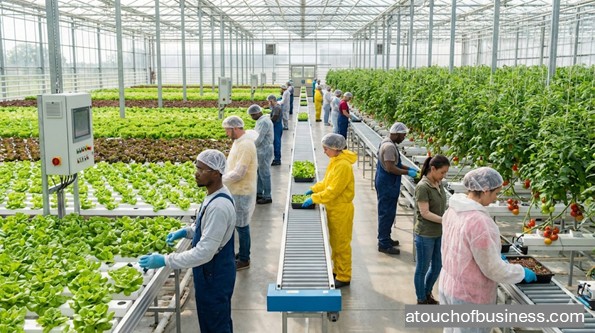
A Greenhouse Business grows plants under protective cover so you can control temperature, light, humidity, and water. That control lets you produce plants outside the normal outdoor season and deliver consistent quality.
In the North American Industry Classification System (NAICS), Greenhouse, Nursery, and Floriculture Production (NAICS 1114) covers greenhouse crops grown under cover (greenhouses, cold frames, shade houses, and lath houses) and related nursery and floriculture production.
This can be small enough to start solo with a modest structure and a focused product line. It can also be large enough to require partners, investors, and staff if you’re building a big facility, running multiple growing zones, or adding a retail storefront.
How Does A Greenhouse Business Generate Revenue
You can earn revenue by producing and selling plants and plant-related products, and by offering services tied to plant production and seasonality.
Common revenue streams include seasonal plant sales, wholesale supply to retailers and landscapers, specialty crops grown under cover, custom growing for clients, and value-added offerings like planted containers or starter kits (if allowed by your local rules).
Products And Services You May Offer
What you offer depends on your space, climate controls, and how you plan to sell (retail, wholesale, or both). Keep your first offering tight so you can launch cleanly and build from a stable base.
- Annuals and perennials (bedding plants, potted flowering plants)
- Vegetable starts and herb starts
- Hanging baskets and planted containers
- Cut flowers or foliage plants (model-dependent)
- Succulents and houseplants
- Seedlings, plugs, and liners (wholesale model)
- Custom growing (contract growing for landscapers, retailers, or farms)
- Seasonal pre-orders (spring starts, holiday plants, fall planters)
Who Your Customers Typically Are
Your customer mix is one of your biggest early decisions because it impacts your location, pricing, packaging, and how you prepare orders.
- Home gardeners shopping retail
- Landscapers and landscape designers (repeat orders)
- Garden centers and retail stores (wholesale supply)
- Community groups, schools, and local organizations (seasonal orders)
- Small farms that need starts or specialty plants
- Restaurants or specialty markets (only if you grow items for human consumption and meet applicable requirements)
Pros And Cons Of Owning And Operating A Greenhouse
This business can be rewarding, but it can also be demanding. You’ll do better if you walk in with open eyes.
Pros
- Ability to grow outside the normal outdoor season
- Product consistency from controlled conditions
- Multiple selling paths (retail, wholesale, contract growing)
- Strong repeat customer potential (especially in wholesale and seasonal retail)
Cons
- High upfront needs if you build a full commercial setup (structure, utilities, controls)
- Seasonality can create uneven cash flow if you rely on one peak season
- Utility and compliance needs can be complex (water, electrical, permits, pesticide safety rules)
- Quality issues can scale fast if environment controls are wrong
Skills You’ll Need (Or Need To Learn Or Hire For)
You don’t need every skill on day one. But you do need a plan to cover them—either by learning, hiring, or getting professional help.
- Plant production fundamentals (propagation, transplanting, spacing, crop timing)
- Environmental control basics (temperature, ventilation, humidity, lighting)
- Irrigation setup and monitoring (uniform watering, leak control)
- Sanitation and pest prevention practices
- Basic equipment maintenance (fans, heaters, irrigation lines)
- Order prep and packaging (especially for wholesale)
- Pricing and margin math (so you can pay yourself and cover expenses)
- Customer service and sales process (retail or account-based)
- Recordkeeping for taxes, payroll (if any), and compliance
Day-To-Day Activities You Should Expect
This section is here for one reason: fit. If you don’t like the daily work, the business will feel like a trap.
- Checking temperature, ventilation, and irrigation performance
- Watering, spacing, potting up, and moving plants as they grow
- Scouting for pests and plant health issues
- Cleaning benches, tools, and work areas
- Receiving supplies and organizing storage
- Preparing orders for pickup or delivery
- Helping customers (retail) or confirming orders (wholesale accounts)
- Updating your availability list and production schedule
A Day In The Life For The Owner
You usually start early, especially in peak season. The first job is a walk-through to spot problems before they spread.
You check temperature and airflow, look at irrigation results, and scan for pests or plant stress. Then you prioritize the day—propagation work, potting, spacing, pulling orders, or customer pickup.
If you sell retail, you also spend time answering questions, organizing displays, and keeping the checkout flow smooth. If you sell wholesale, you spend more time pulling orders, packing, staging, and confirming delivery or pickup times.
Near the end of the day, you reset: clean up, prep trays and supplies for tomorrow, and log notes that help you stay consistent.
Red Flags To Watch For Before You Commit
Some problems are normal. Others are signals that your plan needs a hard reset before you spend more time or funds.
- Local zoning does not allow the structure, retail traffic, signage, or parking you need
- Utility limits (power, water, drainage) that make your intended scale unrealistic
- No clear customer demand for your first product line in your local area
- Pricing that cannot cover your expenses and still pay you
- Facility design that creates workflow bottlenecks (no staging, no storage, no clean work area)
- No plan for pest and pesticide safety compliance where it applies
- Relying on one sales channel with no backup (for example, only one short season)
Fit, Passion, And Readiness Checks
Before you price a single plant, stop and make two decisions. First, do you even want to own and operate a business? Second, if you do, is this the right business for you?
Passion matters because it helps you push through problems. Without it, people often look for an exit instead of solutions. If you’re unsure, read How Passion Affects Your Business.
Now check your motivation. Ask yourself: “Are you moving toward something or running away from something?” If you’re starting only to escape a job or patch a short-term financial bind, that motivation may fade fast.
Next, check the risk and responsibility side. Income can be uncertain. Hours can be long. Some tasks are repetitive and physically demanding. Vacations can be limited in peak seasons.
Also ask: do you have the skills (or can you learn them) and can you secure funds to start and operate? If your family relies on your time or income, make sure the people around you are aligned.
Finally, talk to experienced owners—but do it the right way. Only talk to owners you will not be competing against.
If you want a structured approach, use Business Inside Look as your guide for what to learn from real operators.
Ask questions like:
- What product line drove your first steady sales, and what did you stop offering early?
- What surprised you most about permits, inspections, or local rules for your site?
- Which early purchases mattered, and which ones could have waited?
Before you move forward, it also helps to review Points to Consider Before Starting Your Business so you don’t skip core startup decisions.
Startup Steps For Launching
The steps below are written in a startup order you can follow. Keep your focus on getting legally set up, physically ready, and able to earn revenue—without piling on extras too early.
If you want help staying organized, build a simple checklist as you go. The goal is progress with fewer surprises.
Step 1: Choose Your Scale And Business Model
Start by deciding what you’re building. A small grow space with a narrow product line is a different business than a retail greenhouse with multiple houses, parking, signage, and staff.
Pick your model first: retail, wholesale, contract growing, or a mix. Then decide if you’ll operate solo, bring in partners, or seek investors. Also decide if you will run it full time or part time.
This step matters because it drives everything else—location, startup list, permits, staffing, and how you reach customers.
Step 2: Define Your First Products And Your Target Customers
Choose a focused first offering that matches your model and your local demand. The goal is to launch with a product line you can produce consistently and sell confidently.
Then confirm demand and confirm profitability. Demand alone isn’t enough—you need enough profit to pay yourself and cover your bills and expenses. If you want a simple way to think about market pressure, review supply and demand basics.
Step 3: Validate Demand With Real-World Signals
Don’t rely on hope. Look for proof: pre-orders, wholesale account interest, seasonal waitlists, and repeat purchase patterns in nearby markets.
Call garden centers, landscapers, and plant retailers and ask what they struggle to source locally. If you plan to sell retail, visit competitors in peak season and watch what moves fast.
Step 4: Study Competitors And Choose Your Differentiator
Competitors tell you what customers already accept as “normal.” Your job is to decide how you will stand out without creating complexity you can’t handle at launch.
Your differentiator might be reliability for wholesale, a tight specialty niche, cleaner plant quality, a better pickup process, or a stronger pre-order system.
Step 5: Choose A Location That Matches How Customers Will Access You
If you sell retail, convenience matters. Think parking, safe entry, and visibility. If you sell wholesale, focus on loading access, staging space, and easy pickups.
Location also drives zoning, utilities, and inspections. Use business location considerations to guide what to check before you sign anything.
Step 6: Build Your Startup Items List (Then Price It Out)
This is where you get specific. Write a detailed list of what you must have to open your doors and produce your first sellable inventory. Then research pricing item by item.
Size and scale drive costs. A smaller structure with basic systems is a different cost profile than a multi-house facility with automation and retail buildout. If you need a method, use estimating startup costs.
Essential Equipment List (Organized By Category)
Structures And Coverings
- Greenhouse structure (frame and glazing or film)
- Doors and vents designed for greenhouse use
- Shade cloth or shade system (as needed for your region)
- Benches or growing tables (fixed or rolling)
- Ground cover or floor surface suited to wet areas
Environmental Controls
- Heating system (unit heaters or other greenhouse-appropriate heat source)
- Thermostats and environmental sensors
- Ventilation fans and shutters
- Air circulation fans
- Cooling method as needed for your climate (for example, evaporative cooling equipment)
- Dehumidification approach if required for your crops and climate
- Supplemental lighting (if your product line and season require it)
Irrigation And Water Handling
- Water source connection and shutoff controls
- Hoses, hose reels, and spray nozzles
- Drip irrigation lines (if used in your system)
- Timers or controllers (manual or automated)
- Backflow prevention device (where required by local water authority)
- Filtration system (as needed based on water quality and equipment requirements)
Propagation And Potting
- Propagation trays and inserts
- Seed starting flats
- Pots and containers (sizes matched to your product line)
- Propagation dome covers (as needed)
- Heat mats or germination support tools (as needed)
- Potting workstation or potting bench
- Soilless growing media storage bins
Fertility And Plant Protection
- Fertilizer storage and measuring tools
- Mixing containers and dedicated measuring cups
- Sprayers for approved plant protection products (if used)
- Personal protective equipment appropriate for products used
- Safety Data Sheet binder or digital access method
Material Handling And Storage
- Plant carts
- Dollies and hand trucks
- Shelving for supplies and packaging materials
- Label storage and organizing bins
- Waste and recycling containers
Retail And Customer-Facing Setup (If You Sell Retail)
- Checkout counter or workstation
- Point-of-sale hardware (tablet or terminal) and receipt printer (as needed)
- Price signage and plant information signage
- Bagging and carry-out supplies
Office And Recordkeeping
- Computer or tablet for ordering, bookkeeping, and compliance records
- Printer and label printer (as needed for plant tags and shipping labels)
- Secure storage for business records
Site Safety And Compliance Basics
- First-aid kit
- Fire extinguisher (type and placement as required by local rules)
- Eye wash station (as required for chemicals used)
- Handwashing supplies and designated cleaning tools
Once your list is written, price it out using quotes from suppliers, local contractors, and reputable retailers. That pricing research is what turns your idea into a real budget.
Step 7: Set Pricing For Products And Services
Pricing has to cover your direct costs, your overhead, and your time. If it doesn’t, demand won’t save you—you’ll just stay busy without building stability.
Use pricing your products and services to guide how to set price points with intention.
Step 8: Write A Business Plan (Even If You Don’t Need Funding Yet)
A business plan keeps you on track. It forces you to define your model, your customers, your numbers, and your launch timeline.
If you want a simple structure, use how to write a business plan and keep it practical. You can refine it as your real-world numbers get sharper.
Step 9: Choose Your Legal Structure And Register Your Business
Many small businesses in the United States start as sole proprietorships because it’s the default when you operate under your legal name. Many later form a limited liability company for liability separation and a clearer structure for banks or partners.
You’ll register based on your structure and your location. The Small Business Administration explains the basics of how registration varies by structure and location. Register your business
If you need a step-by-step overview, use how to register a business and verify the exact steps on your state’s Secretary of State portal.
Step 10: Get Your Employer Identification Number And Set Up Tax Accounts
You may need an Employer Identification Number for banking, hiring, and tax filing depending on your setup. The Internal Revenue Service provides the official tool and guidance to get one. Get an employer identification number
If you will sell taxable goods, register for sales and use tax where your state requires it. If you will have employees, you’ll also need employer tax registrations and related accounts.
Step 11: If You Will Hire, Set Up Employer Requirements Early
Even one hire changes your setup. You’ll need payroll planning, proper worker classification, and required reporting.
The Internal Revenue Service provides a starting point for employer responsibilities and related forms. Hiring employees
Unemployment insurance taxes are a federal-state system, and state rules can differ. The Employment and Training Administration provides a federal overview and links to state agencies. Unemployment Insurance Tax Topic
Step 12: Identify Licenses, Permits, And Inspections That Apply
Permits and inspections depend on your activities and your location. Start with a universal checklist, then verify locally.
The Small Business Administration provides a federal and state starting point for licenses and permits by activity type. Apply for licenses and permits
If you build a new structure or disturb land for construction, stormwater rules can apply. The Environmental Protection Agency explains when a Clean Water Act permit is required for stormwater discharges from construction activity. Stormwater discharges from construction
If you use agricultural pesticides in plant production, worker protection requirements can apply to farms, nurseries, and greenhouses. The Environmental Protection Agency provides the official overview of the Worker Protection Standard. Agricultural Worker Protection Standard
If you grow covered produce for human consumption, federal produce safety standards may apply. The Food and Drug Administration’s Produce Safety rule is the federal reference point. FSMA Produce Safety rule
If you plan to label or represent products as organic, certification requirements may apply. The Agricultural Marketing Service provides the official overview for organic certification. Organic certification
Varies by jurisdiction
Use this quick checklist to confirm rules where you live. This keeps you out of guessing and helps you document what you verified.
- Entity formation: Verify on your state Secretary of State site. Search for “business entity search,” “start a business,” and “file articles” (label varies by state).
- Assumed name or DBA: Check your county clerk or state business filing portal. Search for “assumed name,” “fictitious name,” or “doing business as” (label varies by state).
- Sales and use tax: Check your state Department of Revenue (or Taxation) site. Search for “sales tax permit” or “sales and use tax registration” (label varies by state).
- Local business license: Check your city or county business licensing portal. Search for “business license application” or “business tax certificate” (label varies by jurisdiction).
- Zoning and home-occupation rules: Call your city or county planning and zoning office. Search your city site for “zoning,” “home occupation,” and “greenhouse” (label varies by jurisdiction).
- Building permits and inspections: Check the city or county building department portal. Search for “building permit,” “commercial greenhouse,” and “Certificate of Occupancy (CO)” requirements (label varies by jurisdiction).
- Sign permits: Check planning and zoning or building department rules. Search for “sign permit,” “freestanding sign,” and “temporary sign” (label varies by jurisdiction).
- Water, backflow, and utility approvals: Check your water authority and utility providers. Search for “backflow preventer,” “irrigation,” and “commercial service” (label varies by provider).
If you’re stuck, ask your local offices these questions: What approvals are required for a greenhouse structure at this address? Are retail sales allowed on-site? What inspections are required before opening?
Step 13: Put Insurance In Place Before You Open
Start with general liability. Then match coverage to your risks—property coverage for structures and equipment, and other policies based on your activities.
Some coverage can be required by law or contract. For example, workers’ compensation rules often depend on your state and whether you have employees. A landlord, lender, or event partner may also require proof of coverage.
Use business insurance guidance to understand what to discuss with a qualified insurance agent.
Step 14: Set Up Your Banking And Financial Setup
Open business accounts at a financial institution and keep transactions separate from day one. This protects your records, simplifies taxes, and keeps your reporting clean.
Choose how you will accept payment (in person, invoice, online) based on your model. If you sell wholesale, clarify payment terms before you deliver product.
Step 15: Choose Suppliers And Lock In Availability
Your suppliers impact quality, consistency, and timing. Depending on your model, you may need seeds, plugs, liners, pots, trays, growing media, fertilizer, labels, and packaging.
Before you rely on a supplier, confirm lead times and minimum order rules. In peak season, availability can change fast.
Step 16: Design Your Site For Workflow And Compliance
Before you open, confirm you have space to receive deliveries, store supplies, stage orders, and keep a clean work area. A layout that looks fine on paper can still create bottlenecks in real life.
If you need expert support, this is a smart place to hire it out—contractors, electricians, and greenhouse specialists can help you avoid expensive rework.
Step 17: Build Your Brand Basics And Your Online Presence
Choose a business name, then secure a matching domain and social handles (as available). Use selecting your business name as a guide.
Then handle the basics: logo, business cards, a simple website, and signage if you’re customer-facing. If you want structure, review the corporate identity package overview.
If you need a starting point for your site, use an overview of developing a business website. If you will print cards, review what to know about business cards. If you will install signage, review business sign considerations and confirm local sign permit rules.
Step 18: Plan How You’ll Get Customers
How you get customers depends on your model. Retail often relies on convenience, visibility, and seasonal timing. Wholesale depends on relationships, reliability, and clear ordering.
If you sell from a physical location, use how to get customers through the door as a starting point. If a grand opening fits your model, use ideas for a grand opening to shape your first push.
Step 19: Staffing Plan (Now Or Later)
Decide what you will do yourself and what you will hire for. Many owners start by doing most tasks personally and hiring later as sales become steady.
If you plan to hire early, confirm you can support payroll during slow weeks, not just peak weeks. Use how and when to hire to think through timing and role priorities.
Step 20: Funding And Loan Readiness (If Needed)
If your scale requires significant buildout, funding may be part of the plan. Get your numbers organized first—startup list, pricing, sales projections, and your timeline.
If you plan to pursue financing, use how to get a business loan so you understand what lenders commonly expect.
Step 21: Pre-Opening Checklist
This is your final pass before you open. The goal is simple: no missing approvals, no missing essentials, and a clear plan to get your first customers.
- Confirm zoning approval and any required inspections are complete
- Confirm Certificate of Occupancy (CO) status if required for your space
- Confirm sales tax registration (if required) and employer accounts (if applicable)
- Confirm your essential equipment is installed and working (heat, ventilation, irrigation)
- Confirm safety items are in place (first aid, fire extinguisher, required postings)
- Confirm suppliers are scheduled and first deliveries are planned
- Confirm pricing is finalized and visible for customers
- Confirm your payment method works end-to-end
- Confirm your website basics are live and your contact info is accurate
- Start your opening marketing plan and confirm hours and pickup rules
Recap And Is This The Right Fit For You?
A Greenhouse Business can be started small or built into a large facility. The winning approach is the one that matches your budget, your skills, and your local demand.
This is a strong fit if you like hands-on work, enjoy plant production, and can stay consistent through seasonal pressure. It’s also a better fit when you can handle responsibility, plan ahead, and stick with the work even when results are not immediate.
Do a quick self-check: do you want the day-to-day work, not just the idea of ownership? Can you secure the funds to start and operate? And do you have a clear first product line that people in your area will actually pay for?
101 Steps and Tips for Your Greenhouse Business
In this section, you’ll find practical tips that touch strategy, setup, and the daily work.
Some tips will fit your situation right now, and others will make more sense later.
Save or bookmark this page so you can come back when you hit a new stage.
The simplest way to see progress is to pick one tip, act on it, and then move to the next.
What to Do Before Starting
1. Decide if you want retail, wholesale, contract growing, or a mix—your model drives location, permits, staffing, and cash needs.
2. Pick a tight first product line (for example, vegetable starts and herbs) so you can nail consistency before expanding.
3. Validate demand with real signals like pre-orders, waitlists, or written interest from landscapers and garden centers.
4. Confirm profitability early by estimating per-unit costs (plant material, pot, media, label, labor time) and comparing them to realistic prices.
5. Choose a location based on how customers will access you—retail needs parking and visibility, wholesale needs easy loading and staging space.
6. Call the city or county zoning office before you sign anything and ask if greenhouse use and on-site sales are allowed at that address.
7. Walk the site at different times of day to check sun exposure, wind, and drainage so you don’t get surprised after setup.
8. Confirm utilities capacity (water supply, electrical service, heating fuel availability) before you commit to a structure size.
9. Build a startup item list first, then price it line by line—this prevents underestimating what it takes to open.
10. Ask suppliers for lead times on plants, seed, trays, pots, and media so your production schedule matches what you can actually get.
11. Decide if you’ll start solo or with help, and be honest about what you can do safely and consistently without burnout.
12. Write a simple month-by-month launch timeline that includes construction, permits, ordering, and your first sale date.
13. Separate your “must-have to open” purchases from “nice to have later” so you keep the first launch lean.
14. Identify your top three risks (weather, pests, utility failure) and write a basic plan for each before you grow your first crop.
15. If you plan to ship plants across state lines, research plant pest quarantines and shipping restrictions early so you don’t lose shipments.
What Successful Greenhouse Business Owners Do
16. They track what sells fast and what sits, then use that data to shape next season’s product choices.
17. They standardize repeat tasks with simple checklists so quality stays steady even when things get busy.
18. They keep clean zones for propagation and handling to reduce disease spread and plant losses.
19. They set clear ordering rules for wholesale accounts (lead time, minimum order, pickup windows) to protect the schedule.
20. They build supplier relationships early and keep backups for critical items like trays, media, and plant labels.
21. They label everything—variety, date, and batch—so problems can be traced and fixed quickly.
22. They plan staffing around peak weeks and train helpers before the rush hits, not during it.
23. They price with confidence because they know their costs and they review them each season.
24. They keep basic safety practices in place (chemical handling rules, protective gear, clear walkways) so injuries don’t derail the season.
25. They protect cash flow by promoting pre-orders and deposits (where legal and practical) so production is funded before peak weeks.
What to Know About the Industry (Rules, Seasons, Supply, Risks)
26. Greenhouse crop timing is seasonal even when you grow under cover—your local climate still affects heating, cooling, and scheduling.
27. Utility costs can swing sharply by season, so track monthly energy and water use and plan pricing with that reality in mind.
28. Many local rules depend on whether you sell to the public on-site, so define “retail vs. wholesale” clearly before you apply for permits.
29. If you use agricultural pesticides, the Worker Protection Standard may apply to your greenhouse—know what triggers it before any application.
30. If you grow produce for human consumption, food safety rules may apply even in a greenhouse, so verify coverage and exemptions early.
31. If you plan to market plants or crops as organic, learn what certification requires before you use “organic” in labels or advertising.
32. Plant pests and quarantines can restrict movement of certain plants, so confirm shipping rules before offering out-of-state delivery.
33. Construction and land disturbance can trigger stormwater permitting in some cases, so verify requirements before grading, graveling, or expanding.
34. Local building departments may treat greenhouses differently based on size and use, so ask what inspections apply before you start building.
35. Seasonal demand can shift with weather, so plan a mix of early, mid, and late-season products instead of relying on one short window.
36. Plant quality issues can spread fast in enclosed spaces, so your cleaning and scouting habits matter as much as your growing skill.
37. Wholesale customers often care more about reliability and uniformity than novelty, so keep your wholesale offering consistent and predictable.
Running the Business (Operations, Staffing, SOPs)
38. Create a daily opening checklist: temperature, vents, irrigation check, visible plant stress scan, and safety walk-through.
39. Set “minimum acceptable conditions” for each crop (temperature range, watering frequency, light needs) so decisions aren’t guesswork.
40. Assign a standard labeling system for flats and pots so every batch can be traced to a date and source.
41. Write a simple propagation routine (seed, cuttings, transplant timing) so you can repeat it without relearning each time.
42. Store growing media, pots, and trays in a dry, clean place so you don’t lose inventory to moisture damage and contamination.
43. Standardize how you mix and measure fertilizers and amendments so you don’t accidentally overfeed or underfeed crops.
44. Keep a log for environmental issues (heat spikes, cold nights, fan failures) so you can troubleshoot patterns instead of reacting blindly.
45. Create a clear “plant health response” rule: isolate, identify, treat or discard, then document what happened.
46. If you use any chemicals, keep Safety Data Sheets accessible and train anyone who handles them on safe use and protective gear.
47. Use a dedicated staging area for orders so retail browsing and wholesale packing don’t collide.
48. Define your retail flow (parking, entry, checkout, carry-out) so customers can move easily without blocking work areas.
49. For wholesale accounts, use order forms with required fields (product, quantity, pickup date) so you reduce back-and-forth.
50. Set quality standards for what you will and will not sell (rooted well, pest-free, properly labeled) and stick to them.
51. Train helpers with task videos or photo guides so instruction is consistent and faster to repeat.
52. Cross-train at least one person on critical systems (irrigation shutoff, heater reset) so you’re not the only one who can respond.
53. Keep spare parts on hand for high-failure items like hose fittings, timers, fuses, and fan belts so downtime is shorter.
Marketing (Local, Digital, Offers, Community)
54. Claim and complete your business listings with accurate hours, photos, and directions so people can find you without confusion.
55. Post a simple weekly availability update during peak season so customers know what’s ready without having to call.
56. Use clear product signage that answers the top questions (sun, water, spacing) to reduce staff time and build trust.
57. Offer pre-orders for popular items so you can plan production and reduce last-minute demand spikes.
58. Partner with local landscapers and garden clubs by offering a consistent pickup process and reliable supply dates.
59. Create one signature seasonal offering (like a spring starter bundle) so you’re easier to remember and refer.
60. Take photos in consistent lighting and show true plant size, because mismatched expectations cause returns and complaints.
61. Use short educational posts (how to harden off starts, how to water new transplants) to attract the right customers.
62. Put your policies in writing (pickup windows, refunds, special orders) so you don’t negotiate rules at the counter.
63. Run a simple referral system (thank-you coupon or small add-on) to encourage repeat visits without heavy discounts.
64. Track which marketing channels bring real paying customers so you stop spending time on what doesn’t work.
65. If you host events or pop-ups, confirm insurance requirements with the venue or municipality before you commit to dates.
Dealing with Customers (Trust, Education, Retention)
66. Set expectations at purchase by explaining what happens in the first 7–10 days after transplanting and what “normal stress” looks like.
67. Teach customers how to transport plants (keep out of hot cars, protect from wind) so plants survive the trip home.
68. Offer care cards for your top sellers so customers succeed and come back instead of feeling disappointed.
69. Ask questions before recommending a plant: “Where will it live—full sun, part shade, or inside?” It prevents wrong fits.
70. Keep a “new gardener” section with forgiving plants so beginners feel confident and keep shopping.
71. Use clear special-order terms (lead time, deposits if used, what happens if they don’t pick up) so the relationship stays clean.
72. For wholesale accounts, confirm the delivery or pickup window in writing to reduce last-minute changes.
73. Handle complaints with a calm process: listen, verify the purchase details, and offer the option that matches your written policy.
74. Collect customer emails at checkout with permission and send only useful updates (availability, pre-order windows, seasonal reminders).
75. Track repeat customers and offer early access to peak-season items so loyalty feels rewarded without constant discounting.
Customer Service (Policies, Guarantees, Feedback)
76. Write a clear return policy that matches the reality of living plants and post it at checkout and online.
77. Avoid open-ended guarantees on plants unless you can verify care conditions—limit guarantees to what you can support.
78. Create a simple escalation rule so staff knows when to call you versus handling it on the spot.
79. Use a short feedback question at checkout during peak season: “Did you find what you came for?” It reveals gaps fast.
80. Keep a log of top customer questions and turn them into signage or a quick handout to save time.
81. If you deliver, document plant condition before loading and at drop-off to reduce disputes.
82. Build a standard response for out-of-stock items: offer the closest alternative or a future pickup date, not a vague promise.
83. When customers ask for advice outside your comfort zone, point them to local extension resources rather than guessing.
Sustainability (Waste, Sourcing, Long-Term)
84. Reduce plastic waste by offering tray return or pot return systems when you can sanitize and reuse safely.
85. Choose growing media and inputs from suppliers with consistent quality so you reduce crop losses and rework.
86. Prevent runoff issues by managing irrigation carefully and keeping walkways and work areas clean of loose media.
87. Plan for plant waste by setting a routine for culls and composting where allowed, so you don’t pile problems in corners.
88. Use energy-saving habits that don’t risk crop quality, like sealing drafts and maintaining heaters and fans for proper function.
89. Buy durable tools and carts once rather than replacing cheap gear repeatedly, because replacement costs add up over time.
Staying Informed (Trends, Sources, Cadence)
90. Follow your state cooperative extension updates for pest alerts and seasonal timing guidance in your region.
91. Review your state Department of Agriculture site at least once per season for licensing, inspection, and pest notices that affect plant sales.
92. If you grow produce, keep an eye on Food and Drug Administration updates and your state produce safety program guidance.
93. If you use pesticides, stay current on Worker Protection Standard requirements and training materials so your safety program stays compliant.
94. Schedule a quarterly “numbers review” to check pricing, costs, and what sold best so you make decisions based on facts.
Adapting to Change (Seasonality, Shocks, Competition, Tech)
95. Build a backup plan for extreme weather days (early closures, order pickup changes) and communicate it clearly to customers.
96. Keep a shortlist of alternative suppliers so you can pivot quickly when trays, pots, or plant material go out of stock.
97. Watch new competition without panic—track what they offer, compare prices, and stay focused on your quality and reliability.
98. Add technology only when it solves a real problem (like irrigation timers to prevent missed watering), not because it looks impressive.
What Not to Do
99. Don’t expand your product line just because customers ask—expand only when you can produce it consistently and profitably.
100. Don’t ignore permits and inspections until the last minute—delays can push your opening past peak season.
101. Don’t treat pricing as a guess—if you don’t know your costs, you can’t know if you’re building a business or a hobby.
- If you’re new, don’t try to apply all 101 tips at once.
- Pick the category that matches your current stage, choose one tip, and put it into action this week.
- Progress in a greenhouse is built the same way plants grow—steady effort, good habits, and consistent follow-through.
FAQs
Question: What business structure should I start with for a greenhouse?
Answer: Many new owners start as a sole proprietorship or form a limited liability company, depending on liability risk and how they want to be taxed.
Check your state’s Secretary of State site and compare setup steps before you decide.
Question: Do I have to register my greenhouse business with the state?
Answer: It depends on your structure and whether you operate under a name that is different from your legal name.
The Small Business Administration outlines when registration and licensing steps come into play, but you still need to verify your state’s exact process.
Question: Do I need an Employer Identification Number to start?
Answer: Generally, you need an Employer Identification Number if you hire employees or operate as certain entity types.
The Internal Revenue Service provides the official rules and a free application process.
Question: Where do I apply for an Employer Identification Number?
Answer: Apply directly through the Internal Revenue Service to avoid paid third-party sites.
If approved, the Internal Revenue Service issues the number immediately online in many cases.
Question: What licenses and permits are common for a greenhouse business?
Answer: Many businesses need a combination of state and local registrations, plus any activity-based permits tied to retail sales, labor, or construction.
Start with the Small Business Administration’s licenses and permits guide, then confirm requirements with your city, county, and state agencies.
Question: Do I need zoning approval before I build or sell plants on-site?
Answer: Yes, you should confirm zoning and allowed land use before you sign a lease, buy land, or invest in a structure.
Ask your local planning and zoning office if greenhouse use and on-site retail sales are allowed at the address.
Question: Do I need building permits to put up a greenhouse structure?
Answer: Often yes, especially for permanent structures, utility work, and customer-access areas.
Verify requirements with your local building department and ask whether a Certificate of Occupancy is required before you open.
Question: Could construction stormwater rules apply when I build?
Answer: Yes, stormwater permitting can apply to some construction activities, depending on site conditions and the scope of disturbance.
The Environmental Protection Agency explains how stormwater discharges from construction activities are regulated under the National Pollutant Discharge Elimination System framework.
Question: Do I need a state nursery license to sell plants?
Answer: Many states regulate the sale of nursery stock and may require licensing or inspection, but the trigger rules vary.
Check your state Department of Agriculture site for “nursery stock license” and “plant inspection” requirements.
Question: If I use pesticides in my greenhouse, what federal rules should I know?
Answer: The Worker Protection Standard can apply to farms, nurseries, and greenhouses where agricultural pesticides are used.
The Environmental Protection Agency explains who is covered and what employer responsibilities can be triggered.
Question: If I grow produce for human consumption, what food safety rules might apply?
Answer: The Food and Drug Administration’s Produce Safety rule sets minimum standards for covered produce, and coverage depends on your activities and exemptions.
Use the Food and Drug Administration’s rule page to confirm whether your greenhouse produce activities fall under the rule.
Question: Can I label my greenhouse products as organic right away?
Answer: If you plan to market products as organic, certification requirements may apply before you use that claim in many cases.
Start with the USDA Agricultural Marketing Service organic certification guidance and confirm whether an exemption applies to your situation.
Question: What insurance should I have before I open?
Answer: General liability is a common baseline, and you may also need property coverage for structures, equipment, and inventory.
Some coverage is driven by contracts, lenders, landlords, or state rules, so ask for a policy checklist that matches your model.
Question: What equipment is essential to open a greenhouse?
Answer: At minimum, plan for a structure, environmental controls, irrigation, benches or growing surfaces, and basic handling tools.
Build an itemized list first, then price it line by line so your startup budget reflects your true scale.
Question: How do I set up suppliers for plants and growing inputs?
Answer: Identify suppliers for seed or plugs, pots and trays, growing media, labels, fertilizer, and irrigation parts.
Ask each supplier about lead times, minimum orders, and seasonal availability so you can plan production dates realistically.
Question: How do I set pricing for my plants so I can pay myself?
Answer: Start with your true per-unit cost and add overhead and labor time, then compare the result to what your market will support.
Test pricing on a small set of products first and adjust based on sell-through and margin.
Question: What daily workflow should I build for running the greenhouse?
Answer: Build a short routine that covers environment checks, irrigation verification, and a quick plant health scan.
Daily consistency helps you catch issues early before they spread in a covered growing space.
Question: What records should I track to run the business well?
Answer: Track batches, dates, inputs used, losses, and what sold, so you can repeat what works and fix what does not.
Keep separate records for compliance items like pesticide training and safety documents if those rules apply to you.
Question: When should I hire help, and what role comes first?
Answer: Hire when your sales volume or production schedule is at risk without help, not just when you feel busy.
Many owners start with part-time help for watering, potting, and order staging during peak weeks.
Question: How do I handle cash flow when sales are seasonal?
Answer: Plan for slow months by building a cash reserve during peak season and tightening purchases to only what supports sales.
Pre-orders and scheduled wholesale commitments can also reduce uncertainty if your model supports them.
Question: What are common compliance triggers as I grow or expand?
Answer: Adding employees, expanding construction, shipping across state lines, using pesticides, or growing produce can add new requirements.
Use official agency pages to confirm what changes apply before you scale.
Question: What safety rules should I keep in mind when running a greenhouse?
Answer: Agriculture work has real hazards, so build safety into training, chemical handling, and equipment use.
Review Occupational Safety and Health Administration agriculture resources to understand common hazards and controls.
Related Articles
- Start a Composting Business
- Start a Sprinkler Installation Service
- How to Start a Farm Equipment Repair Service Business
- Starting an Olive Oil Business
- Egg Farm Startup Checklist
- Start a Chicken Farm
Sources:
- U.S. Census Bureau: NAICS sector 11 archives
- U.S. Department of Labor (ETA): Unemployment insurance tax
- U.S. Environmental Protection Agency (EPA): Worker Protection Standard, Stormwater construction permits
- U.S. Food and Drug Administration (FDA): FSMA produce safety rule
- U.S. Internal Revenue Service (IRS): Get employer ID number, Hiring employees
- U.S. Occupational Safety and Health Administration (OSHA): Agricultural hazards
- U.S. Small Business Administration (SBA): Register your business, Apply licenses permits
- USDA Agricultural Marketing Service (AMS): Organic certification, National Organic Program