
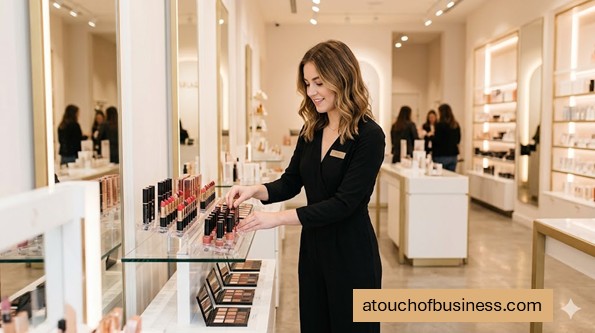
Starting a Makeup Line and Choosing an Opening Path
A makeup line business creates cosmetic products people use to change or improve appearance. Your first release might include lip products, face makeup, powders, blush, or eye makeup. In a manufacturing setup, you are not just choosing colors and packaging. You are also managing ingredients, batch records, storage, labeling, quality checks, and order fulfillment.
A makeup line depends on trust and consistency. Customers want products that look good, feel clean, work the same way each time, and make them confident enough to buy again. The customer sees a simple path from discovery to purchase to repeat order. Behind that simple path is a production business with supplier files, lot control, retain samples, and a clear way to handle complaints.
The biggest early decision is scope. A focused launch is usually easier to control than a wide line with many formulas, shades, and packaging types. For a makeup line, every extra product adds more labeling work, more inventory pressure, more testing questions, and more chances for a delay before opening.
Is A Makeup Line The Right Fit For You?
Owning a makeup line can fit you well if you like product quality, brand presentation, cleanliness, repeatable work, and careful decisions. It is a poor fit if you mostly want the image of owning a beauty brand but dislike documentation, supplier follow-up, production routines, or the pressure of getting details right.
Ask, Are you moving toward something or running away from something? Do not start a makeup line only to escape a hated job, solve immediate financial pressure, or chase prestige. This business asks for patience, accuracy, and real passion for the work, because hard periods feel very different when you still care about the products and the people using them.
You also need to enjoy the day-to-day work. Early on, that often means checking incoming materials, reviewing labels, testing packaging, logging batch details, storing samples, answering product questions, and fixing problems without panic. A makeup line may look stylish from the outside, but startup life is usually controlled production mixed with steady follow-through.
Think about your pressure tolerance too. Packaging delays, testing issues, local approvals, or ingredient shortages can push the launch back. Before you commit, be honest about the common ownership challenges and whether this kind of pressure fits your lifestyle and responsibilities.
One of the smartest things you can do is talk to owners you will not compete against. Pick people in another city, region, or market area and use those conversations to ask real questions about formulas, packaging minimums, shade counts, quality problems, and what they would do differently. That kind of firsthand owner insight is valuable because it comes from people who have already lived the work, even if their path was not exactly the same as yours.
What Should You Sell First?
Your first startup step is to decide what your makeup line will launch with and who it is for. Most first-time owners are better off starting with a small release instead of trying to cover every category at once. A compact line is easier to test, easier to label, easier to store, and easier to explain to the customer.
Start with clear customer groups. For a makeup line, that is usually direct retail buyers first. In some cases, it can also include makeup artists, boutique retailers, or local beauty businesses, but each extra channel changes your packaging, pricing, and volume planning. The wrong product mix can weaken the whole launch, even if the formulas are good.
Before you buy equipment, look at your local market. Are people already flooded with the same type of makeup? Is there room for your line based on style, finish, ingredient choices, price level, or brand feel? A quick review of local supply and demand can save you from building a line that looks nice but enters the wrong market.
This is also the time to put first-stage goals on paper. Your plan does not need to be fancy, but it should cover the first products, target customer, sales channel, startup budget, production setup, and what a solid opening looks like. If you need help shaping that, start with putting your business plan together before you spend heavily.
How Will You Keep The Product In Cosmetic Territory?
A makeup line can become more complicated the moment the claims drift too far. If you describe a product as treating acne, providing sun protection, changing body structure, or doing something therapeutic, you may move beyond a cosmetic-only product. That changes the regulatory picture fast.
Keep your first release simple and disciplined. Beauty claims about appearance are one thing. Drug-type claims are something else. This matters even more for eye-area products, lip products, and anything that sounds like treatment instead of appearance support.
Do not leave this to guesswork. Write your intended use in plain language before you finalize product names, packaging, or ad copy. A makeup line can get into trouble long before the first sale if the label and the marketing promise the wrong thing.
Which Legal Structure And Brand Setup Make Sense?
Once the offer is clear, choose the legal structure and decide who will own the brand. For a makeup line, this decision affects taxes, liability, banking, contracts, and how you show up on product labels. It also affects who will act as the responsible person for the line if that role falls on your company.
For many first-time owners, the practical question is not just which structure sounds official. It is which one fits your risk level, ownership plan, and paperwork tolerance. A small one-person launch and a shared manufacturing venture do not carry the same setup needs.
At the same time, settle the brand basics. Make sure the business name, domain, and social handles are available before you print packaging or order labels. A makeup line depends on repeat recognition, so name confusion can cost you time and money before opening day.
Where Will You Make The Products?
The next step is choosing the facility. For a makeup line with a manufacturing model, the site affects zoning, permits, insurance, workflow, storage, shipping, and the cost of opening. A space that looks affordable can still be wrong if production, warehousing, or shipping use is not allowed there.
Do not sign a lease until you know the local rules. Depending on the site and the city, you may need local business licensing, building approval, fire review, or a certificate of occupancy before opening. If you store alcohols, powders, aerosols, or other materials that trigger extra review, that can add time and cost.
Your layout matters too. A makeup line needs more than a pretty room. You may need space for receiving, raw-material storage, quarantine or hold areas, batching, filling, labeling, finished goods, retain samples, and shipping. Poor layout creates bottlenecks that raise labor time and make early quality problems harder to spot.
How Will You Build The Formula And Supplier File?
Now you can move into ingredients, formulas, and suppliers. For a makeup line, this is where presentation and product quality meet the less glamorous side of startup work. You need to know what is in the formula, what each material is for, where it came from, and whether it fits the intended use.
Screen ingredients early. That includes restricted ingredients, prohibited ingredients, and color additives. Color rules matter a lot in makeup because some colors are allowed only for certain uses, and eye-area use can have its own limits. Do not assume a color works everywhere just because it is common in another category.
Your supplier file should be more than an invoice folder. Collect specifications, lot information, packaging details, and any safety information you will rely on. A makeup line that starts with weak vendor records is harder to defend, harder to troubleshoot, and harder to keep consistent when reorder time comes.
This is also where offer mix affects inventory planning. Every new shade or packaging style adds more parts to track, more chances of delay, and more cash tied up in packaging minimums. Keep the line tight until the production routine is stable.
What Production System Will You Open With?
A makeup line needs a production system before it needs scale. That means deciding how materials move through the space, how a batch is documented, how cleaning is handled, and how finished product gets released. The goal is not to look big. The goal is to make a small launch repeatable.
Your setup may include calibrated scales, compatible mixing vessels, mixers or agitators, temperature tools, pH tools where relevant, filling tools, a label station, lot coding, shelving, and a simple inventory system. You may also need separate areas for approved, rejected, and in-process materials. Clear status control matters when products, labels, and ingredients are all moving at once.
Put the paperwork in place early. A makeup line should have master formulas, batch records, cleaning logs, label review checks, complaint logs, and a release check before products go out the door. Retain samples are also worth planning from the start because they help when a complaint comes back later.
If your process creates solvent waste, cleanup waste, or other hazardous waste, remember that the rules can depend on how much waste you generate in a month, not how small the brand feels. That is the kind of detail that is easier to manage before opening than after you are already producing.
How Will You Show The Products Are Safe Enough To Sell?
A makeup line does not get a free pass on safety just because most cosmetics do not need preapproval before they go to market. You are still responsible for making sure the products are safe under labeled or expected use. That responsibility sits with you even if a lab, consultant, or outside formulator helps with the work.
Start with pilot batches. Then review stability, packaging compatibility, contamination risk, preservative needs where relevant, and any other technical issue that fits the formula. Different products need different support, so do not force the same test plan onto every item just to move faster.
Safety substantiation is one of the quiet foundations of a makeup line. If you cannot explain why the formula is safe, why the packaging works, and why the product stays stable, you are not really ready to launch. A fast launch that skips this step can cost more later in returns, complaints, and rework.
What Has To Be Ready For Labels And FDA Filing?
Labels are not the part to rush. For a makeup line, the package needs the right identity, net quantity, business name and address, ingredient declaration, and any warnings that apply. Claims also need to stay accurate and not drift into drug language.
This is also where many regulated startup tasks come together. If your facility must register under current cosmetic rules, that filing needs to happen. If your products must be listed, the responsible person has to handle that and keep the listing updated each year. A facility registration that applies must be renewed every two years.
Do not count on a small-business exemption until you read the details carefully. Some makeup products, including products that regularly contact the eye’s mucous membrane, can fall outside the exemption people assume will protect them. For a makeup line, reading that fine print early can prevent expensive delay later.
Set up your complaint path before launch too. If a serious adverse event is reported after the product is on the market, the response cannot be improvised. Write the intake process, decide who reviews it, and make sure your records are organized enough to act quickly.
How Will You Plan Startup Costs, Pricing, Funding, And Banking?
A makeup line has more startup cost drivers than many first-time owners expect. The obvious ones are ingredients, packaging, equipment, rent, and label printing. The less obvious ones are testing, compliance work, rejected materials, packaging minimums, freight, software, samples, and the cash tied up in slow-moving shades or extra components.
Do not lean too hard on generic cost ranges. This business swings widely based on formula type, shade count, packaging choice, facility condition, and how much technical support you need before launch. One tight lip-and-face release can look very different from a broader makeup line with powders, eye products, and several packaging systems.
Pricing needs the same level of honesty. Your price has to cover the formula, fill weight, waste, packaging, freight, payment fees, and the time built into your process. If you need help thinking through the numbers, spend time on setting your prices before you promise a retail price that looks good on paper but fails in real production.
Open your business banking before transactions begin. A makeup line should separate personal and business transactions from the start, with a business account, bookkeeping routine, and clear recordkeeping for purchases, sales tax, payroll if you hire, and lot-linked production records. That is boring work, but it keeps the business readable when something needs to be traced.
What Brand Basics And Sales Setup Should Be Ready Before Opening?
A makeup line does not need a giant launch campaign, but it does need a clear first impression. Customers notice the name, packaging feel, shade clarity, product descriptions, and whether the brand looks trustworthy enough to try. Clean identity matters in beauty because people are buying confidence as much as color.
Keep the first message simple. Who is the product for? What kind of finish, style, or look does it support? Why would someone choose your line instead of the next one? A makeup line with vague positioning often gets ignored, even if the formula is solid.
Your sales setup should also match the opening stage. Direct online sales are easier to control than trying to chase too many channels right away. Make the buying path easy, write clear product pages, explain shade or use details honestly, and prepare a clean follow-up process for questions, returns, and repeat orders.
Early customer handling matters more than big marketing talk. Inquiry, purchase, shipment, follow-up, and repeat order should feel natural. In beauty, weak customer experience can damage trust faster than almost anything else.
Who Will Help You Open, And How Will You Protect The Business?
Some makeup line owners open alone. Others need help with production, packing, customer messages, or shipping right away. If you hire before opening, make sure the work is clear enough to train properly. A confused employee in a production business can create quality problems faster than a slow launch ever would.
If employees handle hazardous chemicals, your startup plan needs more than job descriptions. You may need a written hazard communication program, safety data sheets, workplace labels, training, and personal protective equipment based on the hazards in the facility. This is one area where waiting until the last minute creates unnecessary risk.
Insurance belongs in the startup plan too. A makeup line should look closely at product liability, general liability, property coverage, and any other coverage that fits the facility and team. The exact mix depends on your setup, but opening without the right protection is a gamble you do not need to take.
Are You Ready To Launch The Makeup Line?
Before the first sale, stop and walk through the business like an owner, a regulator, and a customer. A makeup line is ready when the production routine makes sense, the records are organized, the labels are final, the site is approved for use, and the first batches can move out without guesswork.
A realistic pre-opening day might include receiving ingredients, checking paperwork, making a small batch, reviewing fill weights, checking label placement, storing retain samples, logging issues, and confirming the release decision. If that daily work sounds draining instead of satisfying, pay attention. That feeling tells you something about fit.
Use this final checklist before you open:
- The business structure, tax ID, bank account, and core registrations are in place.
- The site has been cleared for the intended use, and local approvals needed for opening have been handled.
- Formulas, batch records, release checks, and storage controls are ready to use.
- Ingredient, packaging, and supplier files are organized and current.
- Labels, claims, and lot coding are final before packaging is printed or applied.
- FDA registration and product listing tasks that apply to your makeup line have been completed.
- Safety substantiation and product testing support are in place for the launch products.
- Complaint handling and serious adverse event response steps are written and assigned.
- Inventory, fulfillment, returns, and customer contact routines are ready.
- Staff training, chemical safety steps, and insurance are in place if your setup requires them.
And watch for these red flags. You are rushing to open before approvals are done. You are still changing claims after labels were drafted. You are depending on one supplier with no backup plan. You cannot explain your pricing. You built too many shades too early. You are opening on hope instead of on a clean process. For a makeup line, those problems are easier to fix before launch than after customers start buying.
FAQs
Question: Do I need an LLC to start a makeup line?
Answer: No. You can begin under several legal structures, but many owners use an LLC because it can separate business risk from personal assets.
The right choice depends on ownership, taxes, and how much protection you want. It is worth deciding this before signing contracts or opening accounts.
Question: When should I get an EIN for my makeup business?
Answer: Get it early if you plan to hire, open a business bank account, or operate through a partnership or corporation. Many owners get it right after forming the business.
It is easier to set up tax records and vendor paperwork once the EIN is in place. Getting one from the IRS is free.
Question: Does every makeup line have to register with the FDA?
Answer: Not every business has the same filing duties. Whether you must register depends on your role, your products, and whether your setup falls under the current cosmetic rules.
Do not assume you are exempt just because you are small. Review the FDA registration and listing rules before launch.
Question: Do I have to list each product with the FDA before I sell it?
Answer: Many makeup products must be listed by the responsible person under current federal rules. The filing is product-based, so this is not just a one-time business form.
If you are launching several shades or formulas, confirm how the FDA wants those items handled. That step is easier before the line goes live.
Question: Can I make makeup at home and still sell it?
Answer: Sometimes, but local zoning and home-occupation rules can block or limit that setup. Your city or county may also care about storage, traffic, waste, and the type of production happening on site.
Even if home production is allowed, the space still has to support clean work, safe storage, and consistent output. A spare room is not always enough.
Question: What permits should I check before I rent a space?
Answer: Start with zoning, local business licensing, and building or fire approval if the site needs changes. Some locations may also require a certificate of occupancy before opening.
If you plan to store flammable liquids, aerosols, or other risky materials, ask about extra review before you sign. Fixing a bad location choice after the lease starts can get expensive fast.
Question: What is the biggest labeling mistake new makeup brands make?
Answer: Many new owners focus on design and forget that labels are legal documents too. Missing or inaccurate identity, net contents, ingredient details, or business information can create trouble before the first reorder.
Another common problem is making claims that sound like drug claims instead of cosmetic claims. That can change the rules that apply to the product.
Question: Can I say my makeup treats acne or works like sunscreen?
Answer: Be careful. Claims like that can move the product outside ordinary cosmetic territory and into drug rules.
That is why claim review should happen before packaging, ads, or product pages are finalized. Marketing language can create compliance problems even when the formula seems simple.
Question: What equipment do I really need before the first production run?
Answer: Start with tools that help you measure, mix, fill, label, store, and track product correctly. That often includes accurate scales, mixing containers, filling tools, shelves, lot control, and a basic record system.
You do not need a giant setup to open. You do need tools that let you make the same product the same way more than once.
Question: How should I figure out startup costs for a makeup line?
Answer: Break the budget into formulas, ingredients, packaging, equipment, rent, testing, filings, insurance, software, and working cash. The hidden costs are usually reorders, freight, samples, and wasted materials.
A small launch can still tie up a lot of capital in packaging and slow-moving shades. Build your budget around the first real selling period, not just the opening day.
Question: How do I price makeup when I only make small batches?
Answer: Start with the full cost of each unit, not just ingredients. Include packaging, labor, testing, waste, payment fees, and shipping-related costs that come with each order.
Small batches often look profitable until owners count every part of the cost. Price too low early on, and you may stay busy while losing money.
Question: What insurance should I look at before opening?
Answer: Most new owners look at product liability, general liability, and coverage for the space and equipment. The exact mix depends on where you work, what you store, and whether you have staff.
Insurance should match the real risk of the setup, not just the cheapest quote. A makeup line has exposure tied to both products and production activity.
Question: What records should I keep from day one?
Answer: Keep supplier files, ingredient details, batch paperwork, label versions, sales records, and customer complaint notes from the start. Those records help with traceability, tax work, and problem solving.
You should also keep copies of permits, insurance papers, and safety documents that relate to the facility. Good records save time when something goes wrong.
Question: What should my first-week workflow look like after opening?
Answer: Keep it simple and controlled. Receive materials, confirm counts, make small runs, review finished goods, ship orders, and log issues the same day.
The first week is not the time to chase volume. It is the time to prove the process works without confusion.
Question: When should I hire my first employee for a makeup line?
Answer: Hire when one clear role is pulling you away from critical owner work. That could be packing, production help, customer support, or order handling.
Do not hire just because opening feels busy. Hire when the task is steady enough to train, repeat, and measure.
Question: What basic software or systems should I have before launch?
Answer: You need a way to track inventory, sales, batches, customer messages, and accounting. Simple systems are fine if they stay organized and can be used every day.
A shared folder full of random files is not a system. If you cannot find a label version or match a batch to an order, the setup is too loose.
Question: How much cash should I keep for the first month after opening?
Answer: Keep enough to cover rent, payroll if you have it, packaging reorders, materials, shipping, and surprise fixes. The first month often brings uneven sales and extra spending at the same time.
New owners usually underestimate how much money gets tied up in inventory and replacement supplies. A cushion gives you time to fix problems without rushing into bad decisions.
Question: What should I do if a customer reports a bad reaction in the first month?
Answer: Take it seriously, document it right away, and pull together the batch and sales details connected to that item. Some reports can trigger formal reporting duties, so do not treat them like ordinary customer service.
You also need a clear internal process for who reviews the complaint and what gets saved. That system should exist before the first unit ships.
Question: What early marketing usually works best for a new makeup line?
Answer: Clear product pages, honest product claims, strong photos, and a focused first offer usually beat broad promotion. People need to understand what the product is, who it is for, and why they should trust it.
Early marketing works best when it matches a small, controlled launch. Selling a few products clearly is better than talking about a full beauty empire you have not built yet.
Question: What is the most common early mistake makeup founders make?
Answer: Many start with too many products, too many shades, or too much packaging variety. That creates extra cost, slower decisions, and more chances for errors.
Another common problem is opening before the paperwork, labels, and process controls are ready. A rushed start can create cleanup work that lasts longer than the launch itself.
Expert Tips From People In The Beauty Business
Learning from founders and operators who have already built beauty brands can help you make better early decisions before you spend too much money or lock yourself into the wrong setup.
The links below lean toward interviews and founder conversations that touch product development, lab selection, brand positioning, funding, and early marketing, and I mixed sites where possible so the section feels varied.
- Wondery — Advice Line With Maureen Kelly Of Tarte Cosmetics
- Shopify — 3 Reasons This Beauty Founder Focuses On Great Product
- Shopify — How The Founder Of ByREDD Beauty Left A Six-Figure Job To Launch A Skin Care Empire
- Makeup.com — Interview With Tower 28 Beauty Founder Amy Liu
- Create & Cultivate — Remi Founder Freck Beauty Interview
- Create & Cultivate — Jamila Powell Founder Naturally Drenched Interview
- Byrdie — 11 Successful Beauty Entrepreneurs Share Their Best Advice For Starting Over
Related Articles
- Starting a Makeup Artist Business the Right Way
- How To Start Your Perfume Line
- Starting a Nail Polish Manufacturing Business
- How To Start a Korean Cosmetics Store
- How To Start a Bridal Makeup Business
- How To Start Your Eyelash Extension Business
- Start a Beauty Salon
- How To Start a Nail Salon the Right Way
- Start a Soap Making Business Without Guesswork
- Starting and Grow Your Wig Shop
- Starting a Fashion Accessories Store From Scratch
Sources:
- FDA: Modernization Cosmetics Regulation, FDA Authority Over Cosmetics, Summary Cosmetics Labeling, Color Additives Permitted Use, Product Testing Cosmetics, GMP Guidelines Inspection Checklist, Report Cosmetic Product Complaint, Prohibited Restricted Ingredients, Registration Listing Cosmetic Products
- SBA: Choose Business Structure, Pick Business Location, Apply Licenses Permits, Calculate Startup Costs, Open Business Bank Account
- IRS: Employer Identification Number, Hiring Employees
- OSHA: Hazard Communication
- EPA: Hazardous Waste Generators