
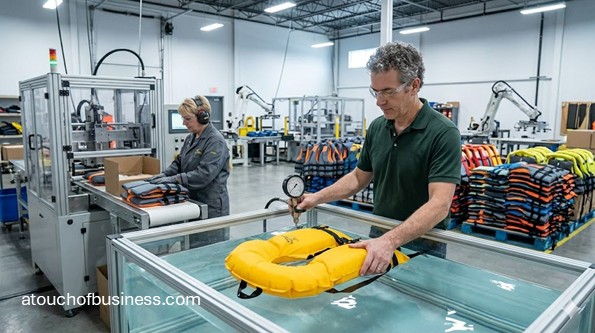
What To Plan For When Starting A Life Jacket Brand
A life jacket manufacturing business creates flotation products for boating and marine safety use. You are building a physical product that must be made with care, tested properly, labeled correctly, and produced with strong quality control.
This is a production business. Your early success depends on materials, equipment, floor layout, storage, safety, inspection, and clean records.
Is This Business The Right Fit For You?
This business can fit you if you like detailed production, careful quality checks, and solving setup problems. It is a poor fit if you only like the idea of owning a company but not the daily factory responsibilities.
You also need patience. Product approval, sample changes, supplier delays, and facility setup can all slow the opening.
Ask yourself one honest question. Are you drawn to this because you want to build a real product business, or are you trying to escape a job, solve short-term financial pressure, or chase the image of being an owner?
Passion for the business matters here because the launch can take time. If you do not like the day-to-day side of production, the hard parts will feel even harder.
Talk to owners in another city or region. Ask about approvals, floor layout, scrap, staffing, and how long it took to get ready. Firsthand owner insight can save you from blind spots.
Do not move ahead until you know there is enough demand in the market you plan to serve. If demand is weak, the problem may be the location, the product choice, or the whole plan.
Also compare starting from zero with buying a business already in operation. For this kind of business, an existing plant, equipment base, and supplier list may reduce startup risk.
Understand The Product You Will Make
Your first product choice shapes almost everything else. It affects testing, materials, labeling, equipment, and how hard the launch will be.
- Buoyant models: These use foam or other buoyant material.
- Inflatable models: These are more technical and often bring added service rules.
- Commercial models: These can follow different standards and buyer expectations.
Keep the first launch simple. A narrow product line is easier to control, inspect, store, and ship.
Check Demand Before You Commit
Demand is a gate, not a side note. Before you lease a building or order machines, make sure there is enough buyer interest for the product you want to make.
Look at marine retailers, boat dealers, commercial safety suppliers, and online buyers. Then study what they already buy, what price levels they accept, and where current products fall short.
It helps to review local supply and demand before you move forward. A weak market can turn a good production setup into a bad business choice.
Choose Your Entry Path
You have more than one way to enter this field. The right path depends on your budget, speed, skill level, and comfort with risk.
- Start from scratch: This gives you more control, but it also brings more setup time and more unknowns.
- Buy an operating company: You may gain equipment, processes, and supplier ties.
- Buy selected assets: You may buy machines or inventory without taking the whole company.
Franchising is not a common route here. Most people compare a new launch with buying an existing manufacturer.
Write A Clear Business Plan
Your plan should focus on the startup stage only. Keep it practical and tied to the first product you want to launch.
Cover the product type, target buyers, approval path, equipment needs, facility size, staffing, startup costs, pricing decisions, and how much cash you need to get through delays.
If you need structure, start with putting your business plan together around real numbers and real operating needs.
Choose The Approval Path First
For a life jacket manufacturing business, one of the first major steps is identifying the correct approval path for the product. Do not build the plant around guesses.
Many life jackets intended to meet carriage requirements for recreational boating in the United States need U.S. Coast Guard approval. That usually involves testing under the applicable standard through an accepted laboratory, along with required production controls and follow-up oversight.
This comes before many other decisions. If you get the product path wrong, you can waste time on the wrong materials, labels, and samples.
Lock Down Materials Early
Once the product path is clear, define the exact materials. That may include shell fabric, buoyant material, thread, webbing, closures, labels, and reflective components.
Do not keep changing these once testing and sample review begin. In a life jacket manufacturing business, too many material changes can create confusion, extra cost, and weak records.
Keep your first product simple. Fewer options mean easier purchasing, cleaner storage, and more consistent production.
Plan The Production Sequence
Your floor layout needs to support the actual order of production. Poor flow creates wasted motion, bottlenecks, delays, and inconsistent output.
- Receiving and checking raw materials
- Cutting and preparing parts
- Sewing or assembly
- Inspection and label review
- Packing, storage, and shipping
Think through the path before you move into a space. Can materials move cleanly from one stage to the next without crossing over finished stock?
Choose The Right Facility
A life jacket manufacturing business usually needs a light industrial or manufacturing site. You need room for machines, raw materials, work tables, inspection space, packaged inventory, and outbound shipping.
Confirm the use is allowed before signing a lease. You also need to know whether the building will require tenant improvements, fire review, signage approval, or a new certificate of occupancy.
This is where many new owners get trapped. A cheap unit is not a bargain if the use is wrong or the approval process is slow.
Register The Business Properly
You need a legal business structure before you open accounts, hire staff, or sign vendor agreements. Your choice affects taxes, paperwork, and liability.
If you are comparing options, review choosing your legal structure before you file. Then complete the state registration, get an Employer Identification Number, and handle any required tax registrations.
If you will use a different trade name, you may also need a Doing Business As filing. Local rules vary, so keep the city and county steps on your list too.
Handle Licenses And Local Rules
This business has more setup rules than many first-time owners expect. Some are federal. Others depend on your state, city, county, and building.
Common areas include product approval, tax registration, local business licensing, zoning, building permits, and use approval for the facility. It helps to review your likely local permit and license requirements before you commit to the site.
Do not assume one city handles this the same way another does. Keep local verification short, direct, and early.
Build Quality Control Before Opening
Quality control is part of the launch, not something to add later. In this business, one weak batch can create returns, lost trust, and serious liability exposure.
Your system should cover incoming material checks, lot tracking, in-process review, finished product inspection, and a hold area for anything that does not pass. Keep the records simple, but complete.
This is one reason a life jacket manufacturing business should not start too big. A smaller first run is easier to watch closely.
Set Up Plant Safety
Your production area should be safe before the first real run begins. That means clear machine use, safe walkways, proper storage, and basic staff training.
Depending on your setup, you may also need machine guards, hearing protection, first-aid supplies, lockout steps, and safe handling rules for any chemicals or adhesives. Deal with these early, not at the last minute.
Buy Equipment For The First Stage
Do not fill the plant with machines you may not need yet. Buy for the first product, the first batch size, and the first phase of output.
- Cutting tables and cutting tools
- Industrial sewing machines
- Inspection tools and measuring devices
- Storage racks and shelving
- Packing and shipping stations
If you start with inflatable products, your equipment needs may become more technical. That is one more reason many owners start with a simpler design.
Set Up Suppliers And Storage
Suppliers affect quality, timing, and startup costs. A poor supplier choice can slow the whole opening.
You may need sources for fabric, foam, thread, webbing, buckles, reflective material, labels, cartons, and freight services. Ask about lead times, minimum order sizes, and backup options.
Then plan storage. Raw materials, in-process units, rejected parts, and packed goods should not end up mixed together.
Plan Startup Costs Carefully
Startup costs will depend on your product choice, plant size, equipment list, approval path, inventory level, and staffing plan. There is no useful one-size-fits-all number here.
Define the setup first. List what you need. Get quotes. Then decide how you will fund the business.
Main cost areas often include the facility, machines, sample development, testing, first inventory, packaging, software, insurance, and reserve cash. That last item matters because delays are common when launching a regulated product.
Set Prices With Full Costs In Mind
Your price must cover more than raw materials and direct labor. It also needs to support inspection time, scrap, packaging, freight effect, and channel margins.
Many new owners start with a cost-plus approach. If you need help framing the numbers, review setting your prices before printing sales materials.
Be careful with low pricing. A cheap quote can hurt fast if your early production takes longer than expected.
Arrange Funding, Banking, And Records
You need enough cash to get through setup, testing, first inventory buys, payroll, and delayed orders. Funding may come from savings, investors, equipment financing, or a loan.
If borrowing is part of the plan, learn about getting a business loan before you apply. Lenders will want a clear plan and realistic numbers.
You also need to set up your business account early. Keep business transactions separate from personal ones from the start, and use a basic bookkeeping system you can follow.
Create Your Name And Digital Basics
Your business name should be easy to use on labels, invoices, cartons, and a website. Before you settle on it, make sure the name is available where you need it.
Then secure the domain and create a simple website. You do not need a fancy launch site. You need a clear one.
Basic brand pieces may include a logo, product sheet, simple business cards, and clean packaging. In a life jacket manufacturing business, clarity and trust matter more than flashy design.
Build The Core Documents And Systems
Have the paperwork ready before real orders arrive. A small plant still needs structure.
- Purchase orders and supplier records
- Material receiving logs
- Product specifications and revision control
- Inspection forms and defect logs
- Invoices, packing lists, and shipping records
You may also need warranty language, return handling notes, and change approval rules. Keep the system clean and easy to teach.
Decide When To Hire
You may start lean, but a life jacket manufacturing business usually needs help once production begins. Sewing, inspection, packing, purchasing, and shipping can pile up fast.
Hire when one weak point keeps slowing the rest of the operation. For many small plants, early hires support sewing, quality checks, or shipping.
If you need guidance, think through when it makes sense to hire based on bottlenecks, not guesswork.
Know The Daily Responsibilities
Before launch, your day may move between supplier calls, sample review, floor setup, paperwork, and machine planning. Once production starts, you may shift between receiving, assembly, inspection, storage, and shipping several times a day.
This is a hands-on startup. If you do not want that kind of daily involvement, that is worth facing now.
Get The Right Customers Early
You do not need every possible buyer at the start. You need the right first buyers for the product you can make well.
That may mean marine retailers, boat dealers, commercial safety suppliers, or a focused direct sales channel. Keep the message simple. What do you make, who is it for, and why should someone trust your product?
Your early sales process should also be clear. Inquiry, quote, order approval, production, shipping, and payment should all be easy to follow.
Watch For Red Flags Before Launch
Some warning signs deserve immediate attention. Do not brush them off because you are eager to open.
- No clear approval path for the first product
- Weak demand in the target market
- Too many product versions too early
- Poor floor layout that creates delays
- Not enough reserve cash for setbacks
Another warning sign is rushing into equipment purchases before your product, building, and process are settled. That can leave you with the wrong setup in the wrong space.
Run A Real Launch Test
Do not treat opening day as the first full test. Run a practice batch through the whole process before you announce the business widely.
Move materials through receiving, cutting, assembly, inspection, packing, storage, and shipping. That test will show where the delays, errors, and communication problems are hiding.
Fix those issues before you start taking real orders. A controlled opening gives your life jacket manufacturing business a better start.
Use A Simple Opening Checklist
Before the first sale, make sure the product, plant, records, and people are ready to operate together. A missing step can slow the whole launch.
- Product path and approvals confirmed
- Materials and labels finalized
- Facility cleared for use
- Machines installed and tested
- Inspection system ready
- Supplier and shipping accounts active
- Tax and registration items complete
- Safety steps and training in place
- Practice batch finished
- Order and payment process ready
If one of those areas still feels weak, pause and tighten it up before the opening.
FAQs
Question: Do I need product approval before I can sell life jackets in the United States?
Answer: In many cases, yes. Life jackets intended to meet carriage requirements for covered boating use usually need U.S. Coast Guard approval under the applicable standard, with testing handled through an accepted laboratory.
Question: What is the best first product for a new life jacket company?
Answer: Many new owners start with a simpler buoyant model instead of an inflatable one. Fewer parts and fewer service issues can make the first launch easier to control.
Question: Can I start this business from home?
Answer: Usually, no for a true production setup. You often need space for machines, raw materials, finished stock, shipping, and safe employee movement.
Question: What legal setup do I need before I open?
Answer: You usually need a legal business structure, an Employer Identification Number, and state tax registration. Your city or county may also require local licensing, zoning approval, or building sign-off.
Question: What permits should I ask about before I sign a lease?
Answer: Ask about zoning, local business licensing, tenant improvement permits, fire review, and whether the space needs a new certificate of occupancy. Those items can delay the opening if you leave them until later.
Question: What insurance should a new life jacket manufacturer look into?
Answer: Start with general liability, product liability, property coverage, and workers’ compensation if you hire staff. A local insurance broker can help match the policy list to your equipment, inventory, and production risk.
Question: What equipment do I need first?
Answer: Most shops begin with cutting tables, industrial sewing machines, inspection tools, storage racks, and packing stations. Buy for the first product and batch size, not for a future factory you do not have yet.
Question: How should I estimate startup costs for this business?
Answer: Build the number from your own setup. The biggest variables are the facility, machine list, testing path, first material order, labor, and the cash you need to survive delays.
Question: How do I set prices if I do not have sales history yet?
Answer: Start with unit cost, labor time, scrap, packaging, shipping, and the margin you need to stay healthy. Then compare that number with what your target market can realistically support.
Question: What are common startup mistakes in this industry?
Answer: New owners often launch too many styles, buy machines before the product is locked down, or skip strong records for materials and inspections. Another common problem is not leaving enough cash for testing changes and slow early sales.
Question: What does the daily workflow look like in the first phase?
Answer: A typical day can move from receiving materials to cutting, sewing, checking finished units, packing orders, and fixing small production issues. In a new shop, the owner may touch every step until the process settles down.
Question: When should I hire my first employees?
Answer: Hire when one weak point starts slowing the whole line. For many small plants, the first hires support sewing, inspection, or shipping.
Question: What systems should I have in place before the first batch goes out?
Answer: You need a clean way to track materials, production lots, inspection results, invoices, and shipments. Even a simple system is fine if it is consistent and easy to follow.
Question: How do I handle first-month cash flow?
Answer: Keep a close watch on material purchases, payroll, rent, and order timing. The first month can feel tight because cash often leaves before finished goods are paid for.
Question: What should my early marketing focus on?
Answer: Keep it clear and narrow. Show what type of life jacket you make, who it is for, and why a retailer, dealer, or buyer should trust your product.
Question: Do I need written policies before opening?
Answer: Yes, at least for inspections, defects, returns from dealers, shipping damage, and who can approve changes to materials or labels. Clear rules help prevent small mistakes from turning into costly batch problems.
Question: What records matter most at the beginning?
Answer: Keep your supplier files, material details, inspection logs, payroll records, tax records, and shipping paperwork organized from day one. Good records make problems easier to trace and fix.
Question: How do I know I am ready to open?
Answer: You are close when the site is cleared for use, the product path is in order, the machines run well, your team knows the process, and a full test run exposes no major gaps. If one of those areas is shaky, opening early can create avoidable trouble.
Expert Advice From People In The Business
You can save time and avoid blind spots by learning from founders, executives, and product experts who already know this field.
The resources below can help you think more clearly about product design, approval, testing, comfort, factory decisions, and what real users care about.
- Partner Profile: Salus Marine Wear — Interview with Steve Wagner on how Salus started, market gaps, and what matters in approved PFD design.
- CM Marine Aims for Better Life Jacket — Founder interview with Ben Collins-MacKay on solving real user problems for commercial fishers and shaping a safer product around how people actually work.
- Building Better Buoyancy – Developing Innovative Life Vests for Commercial Fishermen — NIOSH explains how worker feedback led to a better vest design and why comfort and task fit matter in product development.
- Spinlock’s History Of Innovation: We Speak To CEO Chris Hill — Interview on product development, engineering detail, and how innovation thinking is built into a marine safety company.
- Profiles In Leadership: Dave Marlow — Marine industry leadership interview with useful perspective on safety-led product design, standards, and compliance culture.
- The World Of Life Jacket Testing — UL overview of how life jackets are tested, which is helpful for understanding certification pressure before launch.
Related Articles
- Start a Marine Supply Business
- How To Start a Kayak Manufacturing Business
- Starting a Lifeguard Training Business
- How To Start a Backpack Manufacturing Business
- Start a Handbag Manufacturing Business
- How To Start Your Jute Bag Manufacturing Business
- Start a Jeans Manufacturing Business
- How To Start Your Scuba Diving Shop
- How To Start Your Boat Rental Business
- Starting a Canoe and Kayak Rental Business
- How To a Jet Ski Rental Business the Right Way
Sources:
- U.S. Coast Guard: Personal Flotation Devices, Recreational PFD Approval, Lifesaving Equipment Approval
- Electronic Code Of Federal Regulations: Production Inspection Tests, Inflatable Lifejackets, Thread For PFDs
- Internal Revenue Service: Employer Identification Number, Get An EIN
- Occupational Safety And Health Administration: Machine Guarding Rules, Apparel Hazard Solutions
- Federal Trade Commission: Textile Fiber Rule, Clothing And Textiles
- U.S. Small Business Administration: Register Your Business, Tax ID Numbers, Licenses And Permits