
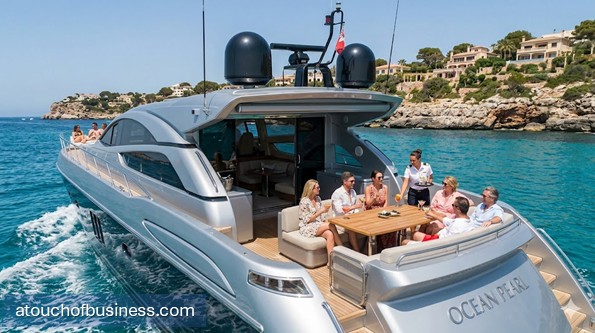
Starting A Yacht Charter Business: What To Plan For
A yacht charter business rents out a yacht for private trips, events, sightseeing, or longer bookings. In this model, the yacht is the core asset, so your startup decisions affect risk, cost, guest experience, and legal requirements from day one.
This is not just a travel business. It is also a marine asset business, a booking business, and in many cases a passenger-carrying business.
Guests usually care about a few things right away. They want an easy booking process, a clean yacht, clear communication, smooth boarding, and a trip that matches what was promised.
If any of those break down early, your reputation can take a hit fast.
- Common offers include private day charters, sunset trips, celebration bookings, sightseeing trips, and, in some cases, bareboat rentals.
- Typical customers include vacationers, local groups, event clients, and small corporate parties.
- Main risks include high startup costs, weather cancellations, damage claims, marina restrictions, poor scheduling, and weak documentation.
- Common early failures include opening before the guest experience is ready, using weak contracts, underestimating turnaround time, and choosing the wrong charter model.
Is This Business The Right Fit For You?
Start with yourself before you start with the yacht. Does owning a business fit you, and does a yacht charter business fit you?
You will deal with bookings, deposits, contracts, maintenance, safety checks, guest expectations, and schedule changes. That is the real day-to-day picture.
You also need to be honest about pressure. Weather can ruin a perfect booking day. A guest can show up late. A mechanical issue can force a cancellation.
If that kind of pressure drains you, this business may be harder than it looks from the outside.
Ask yourself this once and answer it honestly: Are you moving toward a real opportunity, or are you just trying to escape a bad job, solve money problems, or chase the image of owning a business?
A yacht charter business is a poor fix for short-term financial pressure. It usually needs serious capital, careful planning, and patience.
You also need real interest in the business itself. If you do not enjoy boats, guests, scheduling, maintenance, and service standards, hard periods will feel even harder.
That is why passion for the work matters so much.
Before you move further, talk to owners who are outside your market. Pick people in another city, region, or boating area.
Ask real questions. Write them down first. Their path will not match yours exactly, but firsthand owner insight can save you from expensive assumptions.
Then look at your area. Is there enough demand for private charters where you want to operate?
If local demand is weak, the business may be wrong for that location. Sometimes the idea is fine, but the market is not.
Do not treat your entry path like a side note. Compare starting from scratch with buying a business already in operation.
In some cases, buying a business already in operation may be a better fit if it comes with a vessel, berth, permits, vendor relationships, and booking history.
Understand The Business Model Before Anything Else
Your first major decision is not the logo, the website, or the marina. It is the charter model.
Choose the operating model first. If you get this wrong, your legal requirements, costs, and risks can change fast.
Most yacht charter startups fall into one of these basic paths:
- A captained charter where you provide the captain or crew.
- An uninspected passenger vessel model, often called a six-pack, with six or fewer passengers for hire.
- An inspected passenger vessel model for larger passenger operations.
- A true bareboat charter where the customer takes full possession and control of the yacht.
This choice shapes almost everything else. It affects captain credentials, passenger limits, vessel inspection needs, contracts, and insurance.
It also affects the guest experience. A luxury captained trip and a true bareboat rental are not the same business in practice.
Decide Whether This Business Will Be Local, Seasonal, Or Destination-Based
A yacht charter business lives or dies by location fit. Pick your market with care.
A beautiful yacht in the wrong area can sit idle for long stretches. Idle assets hurt profitability.
Look at how people in your area use the water. Are they booking leisure trips, private celebrations, sightseeing outings, or corporate events?
Look at tourism patterns too. Some waterfront markets are strong only for a short season.
You also need to study local supply and demand. Too many similar charters, weak tourism flow, poor marina access, or limited parking can make launch much harder.
If you need help thinking through this, spend time on local supply and demand before you commit to a vessel or berth.
Confirm Whether The Vessel Fits Your Charter Model
Do not buy a yacht first and ask legal questions later. Confirm the vessel path before you commit.
The yacht has to fit your guest count, charter style, route, and operating model.
A few things matter right away:
- Passenger count.
- Whether you provide a captain or crew.
- Whether the vessel will be used as a bareboat charter.
- Whether the vessel is U.S.-built or foreign-built.
- Whether you need documentation, endorsements, or a waiver.
If the yacht is foreign-built and you want to use it in passenger trade between U.S. points, that can raise extra federal issues.
That is not something to discover after the purchase closes.
Choose Your Legal Structure Early
Set up the business structure before you sign major contracts. That includes the vessel deal, marina agreement, financing documents, and payment setup.
The structure affects taxes, liability, ownership records, and how you operate from day one.
Many first-time owners compare a sole proprietorship, limited liability company, partnership, or corporation. The right fit depends on ownership, risk, tax treatment, and how formal you want the setup to be.
If you need a plain-English starting point, review how to choose your legal structure before you file anything.
If you will operate under a trade name that differs from the legal entity name, you may also need to register that name or file a Doing Business As registration.
Write this down early. Name decisions affect contracts, banking, signage, and digital setup.
Register The Business And Get The Tax ID
Once the structure is chosen, register the business with your state. Then get your Employer Identification Number.
You will need these basics for banking, taxes, payment processing, and many vendor relationships.
Your setup may also involve a business name filing, state tax registration, and employer accounts if you hire staff or crew.
Keep the paperwork clean from the start. It saves time later.
- Register the entity with the state.
- File any assumed name if needed.
- Apply for the tax ID.
- Set up state tax accounts if required.
- Open employer accounts if you will have employees.
If you want more detail on the paperwork side, these guides on registering the business and getting a business tax ID fit naturally at this stage.
Pick The Home Marina And Operating Base
A yacht charter business needs more than a slip. It needs a workable boarding location.
Confirm the marina setup before you promise any trips. Guests judge the business before they ever step on the yacht.
Look at practical issues first:
- Commercial-use approval.
- Guest boarding access.
- Parking.
- Fueling access.
- Pump-out access.
- Dockside power.
- Restroom access.
- Cleaning and turnover support.
A marina can be great for private boat ownership and still be a poor fit for a charter operation.
If boarding is awkward, parking is limited, or customer pick-up is restricted, your guest experience suffers right away.
Resolve Federal Charter Rules Before Launch
This is one of the biggest decision points in a yacht charter business. Do not guess your regulatory status.
Your federal obligations depend on how passengers are carried and who controls the vessel.
If you provide the captain or crew, your operation may fall under passenger-for-hire rules. If the business is a true bareboat charter, the customer must really take possession and control of the yacht.
A contract that only uses the word bareboat is not enough by itself.
You also need to confirm whether the captain must hold an Operator of Uninspected Passenger Vessels credential, often called an OUPV, or whether the vessel falls into a different class.
This is where many new owners make expensive mistakes.
When you speak with the Coast Guard or a qualified maritime professional, keep your questions simple:
- Will we provide the captain or crew?
- How many passengers will we carry?
- What class does this vessel fall into for our planned service?
- Does this vessel need inspection for our intended operation?
Handle State And Local Requirements For Your Exact Location
Federal rules are only part of the picture. A yacht charter business can also face state and local requirements that depend on where you operate.
That is why your launch plan has to be location-aware.
You may need to look into:
- State sales and use tax on charter transactions or related charges.
- Local business licenses.
- Marina commercial-use approval.
- Zoning or harbor restrictions for boarding guests.
- Sign permits if you use dockside or office signage.
- Employer registrations if you hire staff.
- Workers’ compensation coverage if state law requires it.
If you lease an office, lounge, or customer-facing shore space, a certificate of occupancy may also matter. That usually does not apply to a vessel-only setup, but it can apply once you add land-based space.
This is where local licenses and permits need careful attention.
Get Insurance In Place Before You Take Bookings
Insurance is not the last box to check. It can affect whether you can launch at all.
Start this early. Marine commercial coverage can take time to place.
Your policy needs will depend on the vessel, crew model, passenger use, route, and marina requirements.
Many operators look at hull coverage, marine liability, protection and indemnity, pollution-related coverage where needed, and workers’ compensation if they have employees.
Do not rely on a standard recreational boat policy for a commercial charter setup.
That can leave a dangerous gap.
If you want a broader primer before you speak to a broker, this page on insurance coverage for the business is a useful companion.
Set Up The Yacht For Safe Operations And A Clean Guest Experience
A yacht charter business has two launch standards to meet at once. The yacht must be safe, and it must feel ready for guests.
If either side is weak, bookings become harder to keep.
Start with marine safety and navigation basics. Then move to comfort, cleanliness, and presentation.
- Required life jackets and throwable devices.
- Fire extinguishers and distress signals where required.
- VHF radio, chartplotter, depth sounder, and current chart access.
- First-aid supplies and emergency gear.
- Dock lines, fenders, shore-power gear, and boarding equipment.
- Sanitation supplies, trash handling, and cleaning tools.
- Guest seating, shade, towels, and simple comfort items.
Cleanliness matters more than many owners expect. Guests notice odors, dirty surfaces, clutter, and worn soft goods right away.
That is a service issue, not just a housekeeping issue.
Build A Booking System That Keeps The Experience Smooth
Booking needs to feel easy. That is a basic requirement in hospitality.
If customers struggle to book, confirm details, or pay deposits, some will leave before they ever reach the dock.
Your booking system should cover the full path from inquiry to payment:
- Inquiry response.
- Availability check.
- Quote or package details.
- Deposit collection.
- Confirmation.
- Arrival instructions.
- Pre-trip reminders.
- Final payment.
- Post-trip follow-up.
Keep it simple. Confirm dates, times, guest count, marina location, weather policy, and what is included in writing.
Clear booking flow builds trust before the trip begins.
Write Strong Contracts, Policies, And Internal Forms
Weak paperwork causes real problems in a yacht charter business. Write down the rules before the first customer books.
This protects the business and makes customer handling more consistent.
Your starter document set may include:
- Charter agreement.
- Bareboat charter agreement if that model applies.
- Passenger manifest.
- Safety briefing checklist.
- Damage checklist.
- Fuel policy.
- Cancellation and weather policy.
- Incident report form.
- Pre-departure inspection form.
- Cleaning and turnover checklist.
Good documents do more than protect you in a dispute. They also make your service feel more organized and professional.
That matters when guests are deciding whether to trust you with a premium booking.
Plan Startup Costs The Smart Way
There is no useful one-size-fits-all startup cost for a yacht charter business. The numbers can swing wildly.
The main drivers are the vessel, the marina, the charter model, the insurance terms, and the condition of the yacht.
So how do you estimate startup costs in a practical way? Define your setup first. Then list what you need, get quotes, and calculate the total.
That is far better than copying a generic range from somewhere else.
Your list will often include:
- Vessel purchase, lease, or management-entry cost.
- Survey, legal, and closing costs if buying.
- Slip deposits and berth fees.
- Insurance down payment.
- Safety and navigation equipment.
- Maintenance catch-up.
- Cleaning and guest-readiness supplies.
- Legal drafting for contracts.
- Website, booking software, and payment setup.
- Brand basics and dockside materials.
- Licensing and registration costs that apply in your area.
If you need help thinking through the math, start with estimating profit before launch instead of guessing from hope.
Set Prices With The Real Costs In Front Of You
Price from your actual setup, not from what a competitor posts online. Their vessel, marina, staffing, and insurance costs may be very different from yours.
Set prices after you know your cost structure. Otherwise you may book trips that look busy but lose money.
Pricing often depends on:
- Trip length.
- Passenger count.
- Whether a captain or crew is included.
- Fuel policy.
- Cleaning and turnaround time.
- Season and day of week.
- Pickup location.
- Add-ons such as catering or water items.
You may use hourly rates, half-day packages, full-day packages, or flat charter blocks. Some operators also add deposits or damage holds, especially in higher-risk setups.
If you want extra help with the basics, here is a practical guide to setting your prices.
Choose Your Funding And Banking Setup
A yacht charter business can require a large amount of upfront capital. That means you need a funding decision early, not after the yacht is secured.
Your funding path may include owner capital, marine financing, investor money, or a business loan if you qualify.
Then set up the banking side before launch. You need a business bank account, payment processing, deposit handling, refund handling, and clear bookkeeping categories.
Separate business transactions from personal ones from the start. Clean records matter.
At this stage, also consider: funding through a loan, picking the right business bank, and getting your business banking in place.
If you plan to take deposits and card payments online, make sure your processor can handle larger tickets, refunds, and signed customer agreements.
A weak payment setup can create avoidable friction.
Line Up Suppliers And Service Vendors Early
No yacht charter business launches well without reliable support. Even a single-vessel operation depends on outside vendors.
Choose them before the first public trip.
Your early vendor list may include:
- Marina or slip provider.
- Fuel dock.
- Pump-out service.
- Marine mechanic.
- Service yard.
- Cleaning and detailing vendor.
- Safety equipment supplier.
- Marine insurance broker.
- Maritime lawyer or business lawyer familiar with charters.
Slow vendor response can delay departures, hurt cleanliness, and increase cancellations.
That becomes a customer problem very quickly.
Name The Business And Build A Simple Digital Presence
Your name should be easy to say, easy to remember, and easy to use in bookings and referrals.
Before you settle on one, make sure it works with your legal setup and digital presence.
At a minimum, line up:
- Business name availability.
- Website domain.
- Business email.
- Phone number.
- Simple online booking or inquiry path.
- Clear location and boarding information.
Keep the brand simple at launch. A yacht charter business needs trust more than flashy branding.
Clean photos, accurate descriptions, and clear terms go further than fancy design.
Create Basic Brand Materials That Match The Offer
Brand basics still matter. They help your business look organized, trustworthy, and easy to deal with.
That matters in hospitality, where customers judge quality before they book.
Your first-stage materials may include:
- Logo and color basics.
- Simple website visuals.
- Booking confirmations.
- Dockside or office signage if allowed.
- Printed business cards.
- Guest handouts or boarding instructions.
Do not overbuild this part. Make sure the look of the brand matches the level of comfort and service you can actually deliver.
If your brand promises luxury, the yacht and service need to support that promise.
Decide What You Will Handle Yourself And What You Will Delegate
Some owners want to keep the yacht charter business very lean at first. Others need help right away.
Decide early which roles you will handle and which ones need outside support.
You may be able to manage inquiries, scheduling, vendor coordination, and paperwork yourself at the start.
But if you provide crew, handle many bookings, or run frequent trips, staffing needs can grow fast.
- Captain or crew, if your model requires them.
- Dockside help for boarding days.
- Cleaning and turnover support.
- Bookkeeping support.
- Customer communication support if volume rises.
Understaffing can hurt service consistency. Overstaffing can add financial strain before demand is proven.
That balance matters.
Know The Skills And Owner Responsibilities Before Opening
You do not need to know everything on day one, but you do need a realistic view of the owner role.
A yacht charter business blends service, logistics, paperwork, and asset care.
Important startup skills include:
- Clear customer communication.
- Scheduling and calendar control.
- Contract handling.
- Vendor coordination.
- Basic financial tracking.
- Attention to safety and cleanliness.
- Good judgment under changing conditions.
Early owner responsibilities usually include managing the vessel, confirming legal status, handling bookings, collecting deposits, checking readiness, and solving problems fast.
If that sounds draining rather than energizing, take that seriously.
See The Day-To-Day Reality Before You Commit
Picture a launch-stage day in a yacht charter business. You review the weather, confirm the booking, check the guest count, inspect safety gear, check fuel status, coordinate the marina, and make sure the yacht looks clean and ready.
Then you handle boarding, payments, customer questions, and turnover after the trip.
It can be a great business for the right person. But it is not passive.
The yacht, the guests, and the schedule all need attention.
Write A Business Plan That Reflects The Real Setup
Your plan should not be full of vague hopes. It should describe the real business you are building.
That means your actual vessel path, booking model, pricing, guest type, marina base, startup costs, and legal questions.
A useful plan for a yacht charter business should answer:
- Who will book this service?
- What kind of charter will you offer?
- Where will you operate?
- How will you handle demand swings and weather cancellations?
- What will launch cost?
- How many bookings do you need to cover fixed costs?
If you need a structured way to build it, this guide on writing a plan for the business fits here.
Plan How You Will Get The Right Customers
Not every booking is a good booking. Decide which customers you want before you launch.
That keeps your offer, pricing, photos, and booking language more focused.
For example, are you targeting:
- Private celebration groups?
- Tourists who want a day on the water?
- Small luxury groups?
- Corporate clients?
- Customers looking for self-operated bareboat rentals?
Your message should match the real offer. Do not promise a luxury charter if the yacht, location, or service level does not support it.
That kind of mismatch causes complaints and refund pressure.
Set Up A Simple Launch Marketing Plan
Your first marketing goal is not reach. It is clarity.
Make it easy for the right customer to understand what you offer, where you operate, how to book, and what the experience includes.
Your launch plan may include:
- A simple website with clear booking steps.
- Good photos of the yacht and boarding area.
- Direct inquiry handling.
- Clear package descriptions.
- Policies shown before payment.
- Local tourism or marina networking where appropriate.
Keep the first version clean and accurate. A yacht charter business gets more from trust and clear expectations than from flashy promotion.
Watch For Red Flags Before You Open
Some warning signs should stop you or slow you down. Do not ignore them because you are eager to launch.
A fast opening with a weak setup can create bigger problems than a delayed opening.
- You have not confirmed whether the operation is bareboat, captained, uninspected, or inspected.
- You bought the yacht before confirming regulatory fit.
- You still do not know your real startup costs.
- You do not have strong contracts and policies.
- You have no reliable marina arrangement.
- You have not secured proper insurance.
- Your booking system still feels messy.
- Your yacht is not guest-ready in cleanliness, comfort, or safety.
- Demand in your area looks weak.
Any one of those can hurt the launch. Several together are a serious warning.
Use A Pre-Opening Checklist Before The First Public Booking
Do one full readiness review before launch. Then do a soft run before you open to the public.
This helps you catch timing problems, paperwork gaps, and guest-experience problems while the stakes are still low.
- Business registered and tax ID in place.
- Banking and payment processing ready.
- Vessel ownership or control documented.
- Marina berth secured.
- Federal, state, and local requirements reviewed.
- Insurance active.
- Captain credentials confirmed if needed.
- Safety gear checked.
- Navigation systems tested.
- Contracts and internal forms ready.
- Cancellation and damage policies written.
- Cleaning and turnover process tested.
- Vendor contacts confirmed.
- Website and booking path tested.
- Arrival instructions written clearly.
- Trial charter completed.
A yacht charter business should feel smooth before the first customer arrives. If it still feels rough behind the scenes, keep working on the setup.
The guest will notice more than you think.
Take The First Steps In The Right Order
The order matters. First decide whether this business fits you and whether your area has enough demand.
Then choose the charter model, confirm the vessel path, set up the business, secure the marina base, resolve compliance, build the guest experience, and test everything before launch.
That is the practical path. It is also the safer path.
If you want a broader look at early setup decisions, keep a short list of basic startup steps and common mistakes nearby.
FAQs
Question: Do I need to choose between bareboat and captained service before I buy a yacht?
Answer: Yes. That choice affects licensing, insurance, paperwork, and how regulators may view the operation.
It can also change what kind of vessel makes sense for your launch. Picking the yacht first can box you into the wrong setup.
Question: Can I start a yacht charter business with one boat?
Answer: Yes. Many new owners begin with a single vessel and a narrow offer.
The trade-off is concentration risk. If that boat is down for repair, your revenue can stop right away.
Question: What legal setup should I handle first for a yacht charter company?
Answer: Start with the business entity, tax ID, and the name you plan to use in public. Those items affect banking, contracts, and payment processing.
Then sort out the vessel requirements, local licensing, and any state tax accounts that apply in your area.
Question: Do I always need a captain’s license to open this business?
Answer: Not always. It depends on whether you provide the captain, how many passengers you carry, and how the charter is structured.
If your model involves passengers for hire, get the answer from the Coast Guard before launch. Do not rely on dock talk.
Question: What permits or approvals should I verify before taking my first booking?
Answer: Check business registration, local license rules, marina approval, vessel documentation status, and any passenger-carrying requirements that fit your setup.
You should also confirm whether your city, county, or state taxes charter activity. That part varies by location.
Question: Is marine insurance harder to get than regular small business insurance?
Answer: It often is. Underwriters usually want details about the vessel, routes, crew, passenger use, and safety procedures.
Start early. Insurance delays can push back your opening date.
Question: What equipment matters most before opening day?
Answer: Focus on safety gear, navigation tools, communication equipment, boarding items, and cleaning supplies first. Those are the basics that support both compliance and guest comfort.
After that, add items that improve the onboard experience without making the startup budget spiral.
Question: How should I figure out startup costs for a yacht charter business?
Answer: Build the number from your real setup instead of using a generic estimate. List the boat, slip, insurance, maintenance, legal, cleaning, and software costs, then get quotes.
This type of business can vary a lot by vessel, market, and operating model. A copied budget can mislead you fast.
Question: What is the biggest pricing mistake new charter owners make?
Answer: They copy competitor rates without knowing their own fixed and trip-based costs. That can fill the calendar while draining cash.
Set your prices after you know your fuel policy, cleaning burden, marina costs, staffing plan, and cancellation terms.
Question: What systems should I set up before the first month of operations?
Answer: You need a booking calendar, payment process, signed agreement workflow, customer message templates, and a simple bookkeeping system.
Add checklists for departure, return, cleaning, and damage review. Small systems prevent messy days.
Question: What does the daily workflow look like in the first phase?
Answer: Expect a mix of confirming trips, checking weather, preparing the boat, handling guests, closing out payments, and resetting the vessel for the next use.
On non-charter days, you will still deal with vendors, paperwork, maintenance, and schedule changes.
Question: Should I hire help before I open, or wait?
Answer: Hire early only if the service level, vessel size, or trip volume clearly requires it. Many owners begin lean, then add help once the first demand pattern becomes clear.
What you do not want is a nice-looking launch with weak coverage on cleaning, guest handling, or dockside support.
Question: How do I handle first-month cash flow when bookings are uneven?
Answer: Keep a reserve for fixed costs like slip fees, insurance, loan payments, and urgent repairs. Early booking volume can be uneven even in a good market.
Do not assume deposits alone will carry the business. Boats can create surprise costs quickly.
Question: What policies should be written before launch?
Answer: Put your cancellation terms, weather rules, damage process, boarding standards, late-arrival handling, and payment timing in writing. Clear rules reduce conflict.
Make sure the documents fit the way you actually operate. A policy that looks good on paper but fails on the dock will not help you.
Question: How should I market the business in the first few months?
Answer: Start with clear offers, accurate photos, direct inquiry handling, and simple booking steps. Early marketing should focus on trust, not hype.
It also helps to be precise about who the service is for. Broad messaging can bring weak leads.
Question: What early warning signs tell me I am opening too soon?
Answer: Watch for missing documents, unclear legal status, weak insurance, a messy booking process, or a boat that is not truly guest-ready. Any of those can turn into a costly first impression.
If the business still feels patched together, slow down. A delayed opening is often cheaper than a rough one.
Expert Tips From People In The Business
You can save yourself time, money, and bad assumptions by learning from owners, operators, and founders who have already built charter businesses.
Their interviews can help you spot real startup issues like vessel choice, booking flow, customer experience, compliance blind spots, and what early-stage growth actually looks like.
- 35 Years Building a Yacht Chartering Business: Tim Alden Interview
- How He Started His Own Charter Boat Business
- These Friends Started a Yacht Rental Service During the Pandemic, and Business Is Booming
- How Marko Lakic Turned His Love of the Sea Into a Successful Charter Operation
Related Articles
- How To Start Your Boat Rental Business
- How To Start Your Charter Fishing Business
- Starting a Jet Charter Business
- How To Start Your Houseboat Rental Business
- Starting a Luxury Travel Agency
- Start a Marine Supply Business
- Start a Boat Cleaning Business from Scratch
- How To Start Your Jet Ski Rental Business the Right Way
- How To Start Your Luxury Car Rental Business
- Starting a Tugboat Business
- Starting an Outboard Motor Repair Business Successfully
Sources:
- SBA: Choose Business Structure, Open Business Bank Account, Apply Licenses Permits, Calculate Startup Costs, Business Loan Options, Get Business Insurance
- IRS: Employer Identification Number
- U.S. Coast Guard National Maritime Center: Charter Boat Captain, Drug Testing
- eCFR: 46 CFR Part 2 Vessel Inspections, 46 CFR Part 67 Documentation Vessels
- U.S. Coast Guard: NVIC 7-94 Full Version, National Vessel Documentation Center
- Maritime Administration: Small Vessel Waiver Program
- NOAA: NOAA ENC Electronic Navigational
- National Weather Service: Marine Tropical Tsunami Services
- U.S. Department of Labor: State Workers Compensation Officials