
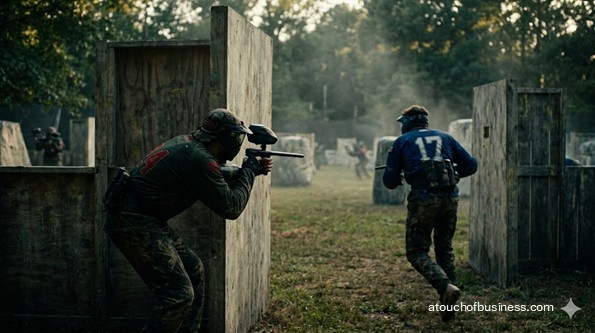
What You Can Expect From This Guide
This guide walks you through the key decisions and practical steps involved in starting a fixed paintball venue, from judging personal fit and local demand to planning the site, safety systems, equipment, finances, and opening preparations. The points below highlight selected areas covered.
Inside the guide, you will find:
- Startup roadmap: Follow an ordered path from evaluating the opportunity and venue model through setup, testing, and opening checks.
- First-hand insights: Learn from field owners discussing startup realities, facility decisions, seasonality, equipment, safety, and operating challenges.
- Startup FAQs: Review concise answers about fit, site choices, local approvals, equipment, safety, staffing, and buying an existing field.
- Business fit: Consider weekend demands, rule enforcement, customer pressure, cleanup, facility tasks, financial uncertainty, and household support.
- Market and finances: Examine demand validation, startup cost categories, funding choices, payment systems, and seasonal or weather-related pressure.
- Facility requirements: Compare venue models while reviewing zoning, occupancy, permits, layout, parking, drainage, and emergency access.
- Safety and opening: Plan equipment, air-fill systems, waivers, training, test-day flow, insurance, and red flags that may delay opening.
Begin by considering whether the responsibilities, pressure, and risks of operating a supervised paintball venue suit you.
Planning a Paintball Venue Before You Welcome Players
A paintball business gives customers a supervised place to play paintball using markers, masks, paintballs, bunkers, field rules, and trained staff. This guide focuses on a fixed paintball venue, such as an indoor arena, outdoor field, or hybrid facility.
This is a fun business on the surface, but the startup process is serious. You are planning a recreation venue where safety, customer flow, staffing, equipment, insurance, and local approvals all matter before anyone plays.
First, think about whether ownership fits you. Do you want to spend weekends managing check-in, waivers, safety briefings, rental gear, field marshals, air fills, cleanup, and customer questions? Do you have enough savings or funding to cover startup costs and personal living expenses while the business gets off the ground?
A paintball business is not a safe escape from job stress if you haven’t tested demand, checked zoning, priced startup costs, and accepted the risk of failure.
Then speak with paintball field owners you won’t compete against. Prepare questions before those calls. Ask about zoning, insurance, field layout, rental gear, staffing, slow seasons, customer safety, and what they wish they had known before opening. Their path may not match yours, but firsthand owner experience is hard to replace.
It may also help to review the broader startup process before you commit. Just keep in mind that a paintball venue has its own safety, facility, and equipment issues that need special attention.
In Plain Terms: A paintball field is the play area where games happen. A staging area is where players wait, gear up, and prepare before games. A chronograph area is where markers are checked for safe velocity before play.
Red Flags Before You Start
Look for signs that this paintball business may need to be delayed, changed, or avoided.
- Zoning problems: If the location doesn’t allow indoor recreation, outdoor recreation, commercial amusement, or a similar approved use, pause before signing anything.
- Insurance trouble: If you can’t get suitable coverage for a paintball venue, the business model may not be workable at that site.
- Weak local demand: If nearby demand is thin or stronger recreation venues already serve the same groups, rethink the location or scale.
- Poor owner fit: If you enjoy playing paintball but dislike enforcing rules, handling complaints, cleaning gear, or managing risk, this may not be the right fit.
- Facility limits: Poor parking, weak emergency access, drainage problems, noise issues, or bad customer flow can make a site unsuitable.
- Funding gaps: If equipment, build-out, insurance, and permit costs exceed realistic funding, reduce the plan or wait.
- Compressed gas concerns: If you don’t understand air-fill setup, tank handling, and safety procedures, get help before opening.
A red flag doesn’t always mean stop forever. It may mean choose another site, lower capacity, change the model, buy an existing field, or delay opening until the risk is clearer.
Step 1: Check Owner Fit First
A paintball business is a customer experience business, a recreation venue, and a safety-controlled activity site. You need to enjoy more than the game itself.
Your daily tasks may include checking netting, cleaning masks, handling waivers, solving gear problems, training field marshals, monitoring player behavior, and managing groups that arrive excited or nervous.
This business may fit you if you can stay calm, enforce rules, and handle weekend pressure. It may not fit if you avoid conflict or dislike hands-on facility work.
- Can you tell a player to leave the field for unsafe behavior?
- Can you handle injury concerns or disputes without losing control?
- Can your household support the time, risk, and income uncertainty during launch?
- Can you stay organized when several groups arrive at once?
Owning the venue means accepting the less exciting parts too—cleanup, repairs, paperwork, permits, staffing, and safety checks.
Step 2: Test Your Motivation and Reality
Be honest about why you want this business. Loving paintball helps, but it isn’t enough.
You’re planning a facility where people expect fun, safety, clear rules, easy payment, working gear, and a smooth visit. If those basics fail, the experience breaks down before the first game ends.
A paintball owner must also accept risk. There may be injury claims, no-shows, weather problems, equipment breakdowns, staff shortages, and slow demand during certain seasons.
Think about the full owner role. You may be the person who arrives early, opens the gate, checks the field, tests the payment system, reviews waivers, answers calls, and solves problems before customers notice them.
Step 3: Talk to Non-Competing Owners
Learn from people who already operate paintball fields—but speak only with owners you won’t compete against.
Look outside your city, region, or market area. Prepare your questions before the conversation so you don’t waste their time.
- Which approval took longest before opening?
- What did insurance companies ask for?
- Which rental markers and masks held up best?
- How many referees were needed for different group sizes?
- What caused the most problems on busy days?
- What would they change about the staging area, field layout, or check-in flow?
These owners have firsthand experience. Their exact path may differ from yours, but their lessons can help you avoid costly early mistakes. You can also draw on broader advice from real business owners to sharpen your questions.
Step 4: Choose the Venue Model
A paintball business can take several forms, and the model affects nearly every startup decision.
First, decide whether the venue will be indoor, outdoor, or hybrid. Each option changes facility needs, customer flow, weather risk, permits, equipment, staffing, and insurance review.
- Indoor arena: Focus on lease terms, building use, fire review, exits, lighting, floor surface, ventilation, cleaning, and certificate of occupancy requirements.
- Outdoor field: Focus on land use, zoning, parking, drainage, restrooms, emergency access, neighbor impact, weather, and field boundaries.
- Hybrid venue: Plan for both building requirements and outdoor-site issues.
Then decide what kind of play you’ll support. Standard paintball, low-impact paintball, walk-on play, private groups, birthday parties, corporate events, and tournament-style play can each require different gear, rules, capacity, and staff coverage.
In Plain Terms: Low-impact paintball is a lighter version of the activity designed for newer or younger players. It still requires masks, safety rules, field control, and trained supervision.
Step 5: Compare Starting, Buying, or Franchising
A paintball business can be started from scratch, purchased as an existing field, or explored through a franchise or support system if one fits your goals.
Starting from scratch gives you the most control. You choose the site, layout, rental fleet, field design, safety process, and customer flow. The tradeoff is that you must build every system before opening.
Buying an existing field may save time, but it requires due diligence. Review permits, lease rights, equipment condition, insurance history, safety records, tax records, customer base, and any unpaid obligations.
Franchising may offer structure, but review the franchise documents before paying or signing. The right path depends on your budget, timeline, need for support, desired control, and risk tolerance. A deeper look at whether to start from scratch or buy a business can help you compare the tradeoffs.
Step 6: Validate Local Demand
Before you commit to land, a lease, or equipment, check whether the local market can support a paintball venue.
This isn’t a full marketing plan—it’s a go-or-no-go check. You’re trying to learn whether enough people nearby want this type of recreation at the kind of venue you plan to open.
- How many paintball fields already serve the area?
- Are there airsoft fields, laser tag venues, escape rooms, trampoline parks, axe throwing venues, or other group activities nearby?
- How far will customers likely drive?
- Does the area have youth groups, adult groups, birthday demand, and team-event demand?
- Will weather or seasonality reduce use of an outdoor field?
Local demand should shape the venue size, number of fields, rental fleet, staffing plan, and private-group capacity. A good guide to local supply and demand can help you work through this stage without guessing.
Step 7: Check Zoning Before You Commit
A paintball business can be blocked before it starts if the site isn’t approved for the planned use.
Zoning and land-use rules vary by U.S. jurisdiction. Check with the city or county planning and zoning office before signing a lease, buying land, building fields, or announcing an opening date.
Your paintball venue may be reviewed as indoor recreation, outdoor recreation, commercial amusement, a sports facility, or a conditional or special use. The exact classification depends on the local code.
- Ask whether paintball is allowed at the address.
- Ask whether a conditional use or special use approval is needed.
- Ask about parking, restrooms, signs, lighting, noise, drainage, and emergency access.
- Ask whether outdoor netting, structures, grading, or field improvements require approval.
Don’t treat a friendly landlord answer as zoning approval. Confirm the use with the local office that has authority over the site.
Business Plan
Your business plan should turn the paintball startup path into a practical opening plan. Keep it focused on decisions you must make before launch.
Start with the venue model. State whether you’re planning an indoor arena, outdoor field, or hybrid site. Then describe the customer types you expect to serve, such as walk-on players, private groups, birthday parties, youth groups, corporate teams, or equipment owners.
Include the core setup decisions:
- Number of fields and expected player capacity.
- Staging area, check-in, safe zone, chronograph area, and emergency access.
- Rental markers, masks, tanks, hoppers, barrel covers, and paintball inventory.
- Compressed air or carbon dioxide setup.
- Staffing roles, including field marshals, check-in staff, rental counter staff, and supervisors.
- Waiver process, safety briefing, field rules, and incident reporting.
- Pricing structure, payment setup, and deposit process.
- Permits, inspections, insurance, and opening-readiness checks.
The plan should also list startup cost items to price out. Don’t rely on rough estimates. Get quotes, compare suppliers, and confirm costs before committing to major spending.
A focused business plan can help you organize those decisions, especially if you need funding.
Step 9: Plan the Facility Layout
A paintball venue needs a layout that supports fun, safety, supervision, cleaning, and smooth customer movement.
Think through the visit from arrival to exit. Customers need to park, check in, sign waivers, receive gear, hear the safety briefing, enter the field, return safely, clean up, pay, and leave without confusion.
- Playing fields.
- Staging area.
- Check-in counter.
- Rental counter.
- Safe zone.
- Goggle-on zones.
- Chronograph area.
- Target range.
- Air-fill station.
- Storage area.
- Restrooms.
- Parking.
- Spectator area.
- First-aid point.
- Emergency access route.
For outdoor fields, also consider weather shelter, ground conditions, drainage, and neighbor impact. For indoor arenas, think about exits, lighting, cleaning, floor surface, and occupancy approval.
Step 10: Verify Permits and Occupancy Rules
Paintball compliance depends on the exact location, building, land use, and services offered.
Rules vary by U.S. jurisdiction. Consult local officials before you build, renovate, order signs, serve food, or open to customers.
- Federal: Apply for an Employer Identification Number if needed, follow employment rules if hiring, and understand worker safety responsibilities.
- State: Check entity registration, sales tax, employer accounts, workers’ compensation, and any state-level business requirements.
- City or county: Check business license, zoning, certificate of occupancy, building permits, fire inspection, sign permits, food permits, and site approvals.
If you plan to serve prepared food or concessions, contact the health department before adding that service. Food service can trigger its own permit and inspection requirements.
If outdoor construction disturbs enough land, stormwater rules may also apply. Ask the local building, planning, or environmental office before grading, clearing, or altering the site.
For a broader overview, use business licenses and permits as a general guide, then verify the paintball-specific details locally.
Step 11: Register the Business
Once the basic model and location path are clear, set up the legal identity of the paintball business.
Choose a structure, register with the state if required, and file an assumed name or Doing Business As name if you’ll operate under a trade name.
Then apply for an Employer Identification Number when needed. Most businesses use it for tax accounts, banking, hiring, and payment setup.
This is also the stage to separate business transactions from personal ones from the start. That will keep banking, taxes, insurance, and recordkeeping cleaner going forward.
Step 12: Set Up Tax Accounts
A paintball venue may collect revenue from admissions, rentals, paintballs, equipment sales, snacks, private group bookings, and other sources.
Sales and use tax rules vary by state and sometimes by local jurisdiction. Verify how your state treats admissions, rental gear, paintball sales, merchandise, food, and event packages before you begin collecting payments.
If you hire employees, verify employer registration, payroll withholding, unemployment insurance, workers’ compensation, and new-hire reporting requirements.
Handle this step before opening, not after your first busy weekend.
Step 13: Price Out Startup Costs
Don’t guess what a paintball business will cost to open. Build a startup budget from real quotes and local verification.
Your startup costs will depend on the venue type, facility size, field count, rental fleet, compressed air setup, build-out needs, approvals, insurance, staffing, and supplier choices.
- Land purchase or lease.
- Indoor facility lease or outdoor site preparation.
- Build-out, permits, and inspections.
- Field netting and supports.
- Bunkers and obstacles.
- Rental markers, masks, tanks, hoppers, and barrel covers.
- Paintball inventory.
- Compressed air or carbon dioxide system.
- Check-in, waiver, booking, and payment systems.
- Restrooms, utilities, cleaning supplies, and maintenance tools.
- Insurance, legal review, and staff training.
Some choices raise startup costs quickly. Indoor build-out, fire review, large rental fleets, new equipment, compressor systems, parking work, restrooms, and netting can all move the budget significantly.
Price these items before signing major agreements. Cost planning is part of the start-or-stop decision.
Step 14: Secure Funding Before Major Commitments
Funding should be in place before you commit to land, a lease, build-out, or large equipment purchases.
Options may include owner savings, bank financing, SBA-backed lending, equipment financing, seller financing when buying an existing field, investor funding, or landlord support for tenant improvements.
The right option depends on your budget, risk tolerance, credit, available collateral, business plan, and the size of the venue you’re planning.
Before you borrow, compare the full repayment burden against your expected opening costs and personal living expenses. A paintball venue can face seasonal demand, weather disruptions, and slow early bookings.
Step 15: Open Banking and Payment Systems
A paintball business needs clean banking and payment systems before opening day.
Open a business bank account after registration and tax ID setup. Then set up payment processing for admissions, rental packages, paintballs, deposits, private groups, and refunds.
Your payment setup should match the way customers will arrive and pay. A slow check-in process can bottleneck the entire venue.
- Business checking account.
- Card reader or payment processor.
- Deposit process for private groups.
- Refund process.
- Sales tax settings where applicable.
- Cash handling process if you accept cash.
Payment readiness affects customer flow, staff stress, and the first impression of the venue—not just back-office operations.
Step 16: Buy Equipment and Set Up Suppliers
A paintball venue can’t open with partial gear and unreliable supplier access. The rental fleet, safety gear, paint supply, and air-fill setup must all be ready before paid play begins.
Start with the equipment that supports safe play:
- Paintball markers.
- Paintball masks.
- Hoppers or loaders.
- Compressed air or carbon dioxide tanks.
- Barrel covers or barrel blocking devices.
- Chronographs.
- Paintballs.
- Barrier netting.
- Bunkers and field structures.
- First-aid supplies.
- Referee radios, whistles, and team identifiers.
You’ll also need cleaning and repair supplies. Masks need regular cleaning. Markers need maintenance. Tanks, hoppers, O-rings, barrel swabs, and spare parts need organized storage.
Set up suppliers for paintballs, rental gear, repair parts, air systems, netting, bunkers, cleaning supplies, payment systems, waiver software, and insurance support.
In Plain Terms: A marker is the standard paintball term for the device players use to launch paintballs. It’s more accurate—and more appropriate—than calling it a gun in business writing.
Step 17: Build the Safety System
Safety must be designed before the paintball business opens. It shouldn’t be improvised during the first group session.
Create written rules, staff procedures, and customer-facing instructions. Everyone should know what happens before, during, and after play.
- Player waiver process.
- Safety briefing script.
- Mask rules.
- Barrel cover rules.
- Chronograph rules.
- Field marshal procedures.
- Emergency procedures.
- Incident report forms.
- Equipment inspection logs.
- Posted field rules.
Paintball safety depends on consistency. Customers need clear rules before play, and staff must enforce those rules throughout.
Don’t open if the safety briefing, mask rules, field boundaries, and emergency process aren’t fully in place. A fun experience still requires firm control.
Step 18: Set Up Insurance and Risk Planning
Check insurance before you sign major agreements. A paintball business carries more liability exposure than many recreation businesses.
Some insurance requirements depend on state law. If you hire employees, verify workers’ compensation, unemployment, and disability insurance rules where they apply.
For risk planning, work with an insurance broker who understands recreation facilities or paintball venues. Ask about coverage for general liability, participant accident risk, property, equipment, commercial auto if used, umbrella coverage, and payment or cyber risks.
If minors will participate, ask what the insurer expects for waivers, supervision, staff training, and safety procedures.
Don’t assume coverage is in place because you requested a quote. Wait until policies are bound and effective before opening.
Step 19: Hire and Train Opening Staff
A paintball venue needs enough trained staff to keep customers moving and games safe.
Roles may include field referees, check-in staff, rental counter staff, air-fill staff, maintenance help, and supervisors. The exact staffing plan depends on capacity, field count, group size, and services offered.
- Train staff on check-in and waiver flow.
- Train field marshals on rules and player control.
- Train rental staff on masks, markers, tanks, and cleaning.
- Train supervisors on incidents and emergency response.
- Verify youth employment rules before hiring minors.
Understaffing creates pressure fast. Customers may wait too long, safety briefings may be rushed, rental gear may pile up, and field control may weaken.
Step 20: Run a Controlled Test Day
Before public opening, test the paintball venue with staff or invited test players.
This is where you find weak points in the real customer experience. Don’t test only the field—test the full visit.
- Parking and arrival.
- Check-in and waiver signing.
- Payment processing.
- Gear issue and mask fitting.
- Safety briefing.
- Chronograph checks.
- Air fills.
- Field entry and exit.
- Restroom flow.
- Cleaning and gear return.
- Emergency access.
- Incident reporting.
If the test day feels messy, fix the problems before paid opening. Timing, staffing, and customer flow matter as much as the field itself.
Step 21: Open Only When the Venue Is Ready
Don’t open the paintball business until approvals, insurance, equipment, staff, safety systems, and customer flow are all in place.
Before launch, confirm the core items:
- Zoning approval is complete.
- Business registration and tax setup are ready.
- Required local permits and inspections are complete.
- Certificate of occupancy is in place if required.
- Insurance is active.
- Netting, bunkers, fields, and staging areas are ready.
- Rental markers, masks, tanks, hoppers, and barrel covers are tested.
- Paintballs, air-fill setup, cleaning supplies, and first-aid supplies are stocked.
- Waivers, field rules, safety briefing, and incident forms are ready.
- Staff are trained.
- Payment systems work.
A paintball venue should feel controlled before it feels busy. If the basics aren’t ready, delay the opening.
Opening-Day Red Flags
These warnings are different from start-or-stop red flags. They don’t mean the business idea is bad—they mean the venue may not be ready to open yet.
- Unfinished approvals: Delay opening if zoning, inspections, business license, or certificate of occupancy items are unresolved.
- Unbound insurance: Don’t open to players if coverage isn’t active.
- Untested netting or field boundaries: Fix field-control issues before customers arrive.
- Weak waiver flow: If customers can skip forms or staff can’t track them, the process isn’t ready.
- Rushed safety briefing: An unclear briefing can create unsafe play from the first game.
- Insufficient rental gear: Too few working masks, markers, tanks, or barrel covers can cause delays and unsafe substitutions.
- Payment problems: If deposits, card payments, refunds, or tax settings aren’t working, customer flow can break down.
- Understaffing: If one person must cover check-in, rentals, air fills, and field supervision, delay or reduce capacity.
Opening day is not the time to find out the venue can’t handle real customers. Fix these issues first.
Frequently Asked Questions
These questions focus on startup decisions for a paintball business owner, not customer-facing details.
Is a paintball business a good fit for a first-time owner?
It can be, but only if you’re serious about safety, local approvals, equipment care, insurance, staffing, and customer flow.
What should I verify before spending money?
Check zoning, certificate of occupancy requirements, insurance availability, local demand, facility suitability, supplier access, startup cost items, and funding.
Is indoor or outdoor paintball easier to start?
Neither is automatically easier. Indoor venues may face building, fire, lease, and occupancy issues. Outdoor fields may face zoning, parking, restroom, drainage, weather, and neighbor concerns.
Does a paintball field need a special license?
It varies by U.S. jurisdiction. The venue may be classified as indoor recreation, outdoor recreation, commercial amusement, a sports facility, or a conditional or special use.
Does a paintball business need a certificate of occupancy?
It depends on the location and building. Indoor venues and changed-use buildings often require occupancy review before opening.
What safety items should I understand before opening?
Know your safety briefing, mask rules, barrel cover rules, chronograph checks, field boundaries, netting, waiver process, and incident reporting process.
What equipment is essential before opening?
Core items include rental markers, masks, tanks, hoppers, barrel covers, paintballs, chronographs, netting, bunkers, fill equipment, first-aid supplies, signs, waivers, payment systems, and maintenance tools.
Can I sell snacks or food at the venue?
Possibly, but prepared food or concessions may trigger health department permits and inspections. Verify locally before adding food service.
Should I use field-paint-only rules?
That’s a business-model and safety-control decision. It can help manage paint quality and inventory, but it affects pricing, customer expectations, and supplier planning.
Can minors work at a paintball field?
Possibly, but federal and state youth employment rules must be checked before assigning duties, hours, or equipment-related tasks.
Is buying an existing paintball field easier than starting one?
It may reduce some setup work, but you still need to review permits, lease rights, equipment condition, safety records, insurance history, tax records, and liabilities.
Is a paintball franchise realistic?
It may be possible. Review the franchise documents, speak with current and former franchisees, and get legal and financial advice before signing or paying.
What belongs in the business plan?
Include the venue model, site, zoning path, field layout, equipment plan, safety system, staffing plan, pricing setup, supplier setup, insurance plan, funding plan, and opening-readiness checklist.
What is the biggest early decision?
Zoning, insurance, and safety readiness are the biggest early filters. If any one of them fails, pause before moving forward.
Expert Tips From Paintball Field Owners
Learning from people who have owned, operated, or built paintball fields can help you see the business more clearly.
These resources offer firsthand insight into field setup, safety, insurance, location issues, equipment decisions, seasonality, and the difference between enjoying paintball and running a paintball venue.
- Starting an Indoor Paintball Field
- Owner of Humboldt Paintball Interview
- Action Star Games Owner Interview
- Field Owner Podcast Interview
Related Articles
- How To Start a Laser Tag Business
- How To Start Your Axe Throwing Business
- How To Start a Go-Kart Business
- Starting a Family Entertainment Center
- How To Start Your Escape Room Business
- How To Start Your Rock Climbing Gym
- Starting an Indoor Playground
- Starting a Sporting Goods Store
- Start an Outdoor Gear Retail Business
- Start an ATV Rental Business
- Start a Party Rental Business
Sources:
- ASTM International: Paintball Game Site Operation, Paintball Barrier Netting, Player Safety Briefing, Paintball Projectiles, Paintball Equipment Standards
- U.S. Small Business Administration: Register Your Business, Licenses and Permits, Pick Business Location, Get Business Insurance
- Internal Revenue Service: Get an EIN
- Occupational Safety and Health Administration: Compressed Gases Rule, Compressed Gas Overview
- Environmental Protection Agency: Construction Stormwater
- U.S. Department of Labor: Youth Employment Rules, Child Labor Recreation, Workers’ Compensation Officials
- Federal Trade Commission: Buying a Franchise, Franchise Rule
- Fairfax County Health Department: New Food Establishments
- Virginia Department of Health: Food Permit Application
- Paintball Gear Canada: Shop Field Supplies
- Badlands Paintball: Fill Stations Scales, Field Items
- Nuvair: Paintball Air Solutions