
Is Running a Seed Business Right for You?
You’ve probably had this thought while holding a fresh seed packet in your hand. “This is small. I could sell this.” Then you look closer and realize seeds are not just smll products. They come with labeling expectations, plant health rules, and quality claims that can get you in trouble fast.
A seed business can start small. You can begin solo by reselling finished, labeled packets online. But if you plan to repackage bulk seed, create custom mixes, import seed, or sell into wholesale, the complexity goes up. That’s when you start thinking about a dedicated workspace, tighter records, and possibly staff.
Before you go further, skim these resources and get your head in the right place: startup considerations, why passion matters, and an inside look at business ownership.
Now do the reality check.
- MUST ask yourself if this business fits you. Are you comfortable being exact, patient, and consistent with labels and records?
- MUST do the motivation check: “Are you moving toward something or running away from something?”
- MUST face the responsibility. Seed quality claims and shipping rules are real. If something is mislabeled, you own that problem.
- MUST talk to seed business owners in a different region so you are not direct competitors. Ask for the honest version, not the highlight reel.
Use questions like these with non-competing owners:
- What did you underestimate before your first sale?
- Which seed category caused the most compliance work at the start?
- What would you do differently with suppliers and lot records?
Step 1: Choose Your Seed Focus and Keep It Narrow
Start by deciding what you will sell at launch. You might choose vegetable seed packets, flower seed packets, lawn seed, cover crop seed, native seed, or sprouting seed. You can also sell seed in bulk by weight, but that usually raises the bar on handling and recordkeeping.
Pick a lane. Narrow makes it easier to build clean labels, keep lots separate, and avoid stocking products that trigger extra rules you are not ready for yet.
Step 2: Pick a Business Model That Matches Your Time and Risk
Your model changes your workload. Reselling finished packets is usually the simplest start. Packaging your own brand from bulk seed can work, but it demands stronger lot tracking, label control, and a workspace that stays clean and organized.
Decide how you will work in the first 90 days. Solo is realistic for a small online launch. If you plan wholesale, large bulk orders, or many stock keeping units, plan for help sooner. That’s also when people often move from a sole proprietorship to a limited liability company (LLC) as the business grows.
Step 3: Prove Demand and Profit Before You Buy Inventory
Seeds can feel like an easy sell, but you still need proof. Look for clear demand in the niche you picked. Pay attention to how people shop, what sizes they want, and what they complain about.
Then do the math. Keep it simple. Estimate your landed inventory cost, packaging cost, shipping materials, and platform fees. If the margin is thin, fix that now. You can use supply and demand basics as a quick check on whether your niche has room for you.
Step 4: Decide Where You Will Work and Store Seed
Some seed businesses can start from home. That works best when you resell finished packets or package small volumes with tight storage. If you plan higher volume, you may need a dedicated room, a small warehouse, or light industrial space.
Location is not only about convenience. It affects zoning, licensing, storage conditions, and how deliveries work. Review the practical tradeoffs in location planning guidance so you choose a setup you can actually run.
Step 5: Build a Simple Startup Budget and Cost Range
You do not need perfect numbers, but you do need realistic ranges. The scale you choose drives your costs. A small online reseller can launch with limited gear and modest inventory. A bulk packaging and wholesale model usually means more equipment, more packaging materials, and more space.
Use startup cost estimating to organize your list and avoid forgetting basics like labels, shipping supplies, and recordkeeping tools.
Step 6: Learn the Rules That Apply to Your Seed Categories
Seed is regulated in specific ways. If you ship agricultural or vegetable seed across state lines, the Federal Seed Act sets truth-in-labeling expectations for certain seed types shipped in interstate commerce. If you import seed, federal plant import rules may apply. If your seed could spread regulated weeds, restrictions can apply.
This is not the step you rush. Your goal is to know what applies to your exact products and where to verify it.
Step 7: Set Up Lot Tracking Before You Touch Product
Every seed lot needs to stay identifiable from receiving to storage to packaging. That means clear lot labels, separate containers, and records that match what you ship. If you ever need to answer a question about a seed lot, you want that answer in minutes, not days.
Even if you start small, build the habit now. It is harder to add later when you have more products and more orders.
Step 8: Decide How You Will Support Your Quality Claims
Seed claims like germination and purity are not guesswork. If you are reselling finished packets, you will usually rely on the supplier’s labeling and documentation. If you are repackaging bulk seed, you may need test results that support what you put on your label.
Make your plan early. You may use supplier documentation, or you may use third-party seed testing services depending on your model and risk tolerance.
Step 9: Write a Business Plan That Matches Your Launch
You do not need a long document. You do need a clear plan. Include your niche, model, channels, startup budget, compliance checkpoints, supplier standards, and what “ready to launch” looks like.
If you want structure, use business plan guidance and keep it focused on the first version of the business.
Step 10: Set Up the Financial Side the Clean Way
Open a separate business bank account as early as you can. Keep business transactions separate from personal spending so your records are clear. If you plan to accept payment online, pick a payment provider that matches your sales channels and product types.
If you need outside funding, start with a plan and real numbers. Learn what lenders expect using business loan basics so you know what is realistic.
Step 11: Register the Business and Set Up Tax Accounts
Your exact registrations depend on your state and local rules. Start with entity formation if you are forming an LLC or corporation. Then get an Employer Identification Number (EIN) if you need one for your structure, banking, hiring, or filings.
Use business registration steps as your checklist. Then verify your state’s sales and use tax requirements through your state tax agency because rules vary by product and state.
Step 12: Lock in Your Name, Domain, and Basic Brand Assets
Pick a business name that you can legally use and that customers can remember. Check your state’s business registry, then check domains and social handles.
Use name selection guidance to avoid choosing a name you cannot register or protect.
Step 13: Build a Simple Identity Customers Can Trust
You do not need fancy. You do need consistent. Your labels, website, and basic graphics should look like they belong together. That consistency helps customers trust what they are buying.
For a starting point, review a corporate identity package overview. If you sell in person, you may also want business card basics.
Step 14: Set Pricing Before You Order Packaging in Bulk
Price is not only about what competitors charge. Your price has to cover seed, packaging, labels, shipping materials, returns, and your time. If you set pricing too low, you will feel it immediately.
Use pricing guidance to build a simple price structure you can defend with real numbers.
Step 15: Choose Suppliers and Confirm Documentation Up Front
Your supplier choice can make or break your launch. You want consistent seed lots, clear documentation, and a reliable reorder process. If you import seed or sell special categories like sprouting seed or treated seed, confirm the extra requirements before you commit.
Do not rely on vague promises. Ask what documentation comes with each lot and how they handle quality issues.
Step 16: Set Up Your Workspace and Do a Small Test Run
Build your receiving, storage, and packaging workflow before you launch. Set clear spots for incoming lots, labeled storage, packaging, and finished goods staging. Keep lots separated the entire time.
Then do a test run with a small batch. Package, label, and ship a few orders to yourself or a small pilot group. Fix label errors, packing gaps, and recordkeeping issues now.
Step 17: Cover Basic Risk and Required Insurance
Some insurance is optional and some may be required depending on your setup. For example, workers’ compensation rules are set by states and often depend on whether you have employees. Local rules can also affect what coverage is required for certain spaces and activities.
Use business insurance basics to understand common coverage types, then verify what is required in your state.
Step 18: Prepare Your Pre-Launch Proof and Your Opening Plan
Before you open the doors, make sure you have what you need to operate cleanly from day one. That includes product pages that match your labels, a clear return policy, a way to issue invoices if you sell wholesale, and a basic customer service workflow.
If you will have a storefront, you also need to plan how you will bring people in. Review grand opening ideas and, for brick-and-mortar only, ways to get customers through the door.
What You Are Starting
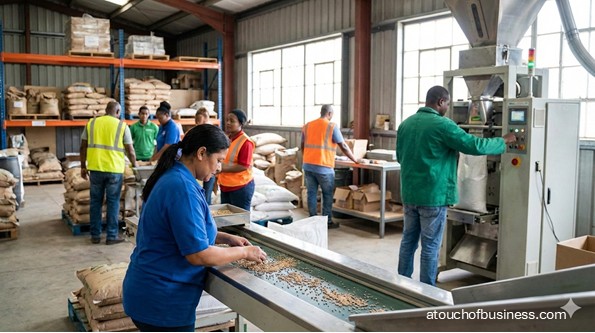
A seed business sells seed intended for planting. Some businesses resell finished packets. Others buy bulk seed and package it under their brand. Some focus on specialty categories like native seed mixes, cover crop blends, or sprouting seed.
Your launch can be simple or complex. The more you handle the seed yourself, the more you need a system for lot control, labeling accuracy, and documentation.
How a Seed Business Generates Revenue
You can generate revenue through direct-to-consumer sales, wholesale accounts, or both. The simplest start is often direct-to-consumer online sales of finished packets. Wholesale typically requires tighter inventory planning and consistent reorders.
Some seed businesses also offer private-label packaging or custom mixes, but those models usually require stronger lot controls and clearer documentation.
- Packaged seed packets sold online
- Bulk seed sold by weight to farms, landscapers, schools, and restoration projects
- Custom mixes with documented ingredients (wildflower mixes, cover crop blends, lawn blends)
- Wholesale supply to garden centers and farm supply stores
- Subscription assortments built around seasons (only if you can keep labels accurate for every included seed)
Typical Customers for a Seed Business
Your customer type depends on what you sell and how you sell it. Small packets attract home gardeners and schools. Bulk seed can attract farms, landscapers, and habitat restoration work.
Define your first customer group. It will guide your packaging sizes, your labeling approach, and your sales channels.
- Home gardeners
- Community gardens and schools
- Market gardeners and small farms
- Landscapers and turf installers
- Habitat restoration groups and conservation projects
- Garden centers and farm supply stores (wholesale)
- Sprout producers (if you sell seed for sprouting)
Pros and Cons You Should Know Up Front
This business has real upside, but it also demands precision. If you like working with details and you can follow a system, that’s a good sign. If you hate recordkeeping and label checks, you will feel that quickly.
Think like a business owner, not a hobbyist. The work is manageable, but you need structure.
- Pros: Can start small; multiple sales channels; products can be shipped; strong seasonal demand in many categories.
- Cons: Label accuracy matters; seed viability depends on storage and handling; extra rules apply for imports and special categories; contamination risk can create serious problems.
Essential Equipment for Launch
You do not need everything on day one. What you need depends on your model. Reselling finished packets requires less equipment. Packaging from bulk seed usually requires more tools and stronger controls.
Start with the basics that protect lot identity and keep your labeling accurate.
- Receiving and Storage: Shelving, sealable bins or containers, lot labels, basic temperature and humidity monitors, staging area for incoming lots
- Measuring and Checks: Bench scale, counting tray or seed counting tool, inspection light or magnifier, basic germination test supplies if you plan in-house checks
- Packaging and Labeling: Heat sealer or bag sealer, packaging materials (packets or pouches), label printer, label stock, lot coding method, printer for packing slips
- Shipping and Fulfillment: Shipping scale, shipping label printer, mailers or boxes, tape and dispensers, packing table, staging bins
- Recordkeeping: Inventory tracking system, document storage for supplier paperwork, backup storage for records
Typical Price Ranges for Essential Items
Costs vary based on scale, quality, and whether you buy new or used. A solo online launch can stay lean. A bulk packaging model typically costs more because you need more packaging supplies, more storage, and tighter tools.
Use these ranges as a starting point. Then confirm prices from vendors before you finalize your startup budget.
- Label printer: $100–$500+
- Shipping label printer: $100–$300+
- Bench scale: $25–$150+
- Heat sealer: $30–$300+
- Packaging materials: $0.05–$1.00+ per unit depending on style and volume
- Storage bins and shelving: $50–$500+ depending on size and quantity
- Basic inventory software: $0–$200+ per month depending on tools and volume
Suppliers and Sourcing Rules You Cannot Ignore
Your supplier is part of your compliance system. You need clear lot identification and documentation. If a supplier cannot tell you what lot you received, you have a problem before you start.
If you plan to import seed, confirm import requirements early. If you plan to sell treated seed or seed for sprouting, confirm the extra expectations that apply to those categories.
- Ask what documentation comes with each lot (test results, treatment disclosure if applicable, lot codes).
- Confirm how they handle quality complaints and what replacements look like.
- Confirm whether the seed type triggers special import rules, weed restrictions, or food safety expectations.
Legal and Compliance Basics for a Seed Business
This section stays high level on purpose. Rules change by state and city. Your job is to know what applies, then verify it with the right agency portals.
At the federal level, seed labeling expectations can apply to certain seed types shipped in interstate commerce. Importing seed can trigger federal plant import rules. States often have their own seed laws and weed lists that affect what can be sold into that state.
- Entity formation: File your business structure with your state if you form an LLC or corporation. Verify through your Secretary of State portal.
- Employer Identification Number: Apply through the Internal Revenue Service if you need one.
- Sales and use tax: Verify requirements through your state tax agency. Taxability of seed can vary by state and product type.
- Local licensing: Many cities or counties require a general business license. Verify through your city or county licensing portal.
- Zoning and occupancy: Home-based and commercial setups can have different rules. Verify through your city or county planning and building departments, including whether a Certificate of Occupancy is required.
- Seed and plant rules: Verify federal seed labeling expectations, import requirements, and noxious weed restrictions when they apply.
Varies by Jurisdiction
You will see the same categories of rules almost everywhere, but the names and portals change. Do not guess. Use the official portals for your state and your city or county.
Here is a tight verification checklist you can use in any location.
- State: Secretary of State site for entity filings and name checks
- State: State tax agency for sales and use tax registration
- State: State labor or workforce agency for employer accounts if you hire
- City or county: Business licensing portal for general business license requirements
- City or county: Planning and zoning site for home occupation rules
- City or county: Building department site for Certificate of Occupancy rules if you use commercial space
- State agriculture: State Department of Agriculture for seed law and seed program requirements when applicable
Ask these questions when you verify locally:
- Am I packaging seed at home, or only reselling finished packets?
- Will I ship seed across state lines from day one?
- Will I import seed, sell treated seed, or sell seed for sprouting?
Red Flags to Watch Before You Launch
Most early problems come from suppliers, labeling, and lot control. If you catch issues early, you can fix them before your first sale. If you ignore them, they follow you into launch.
Use this list as a filter before you commit inventory dollars.
- Supplier cannot provide clear lot identification or basic documentation.
- Seed lots arrive with unclear labeling, mixed containers, or missing paperwork.
- You cannot connect your label template to a specific lot record every time.
- Your workspace does not allow you to keep lots separated during packaging.
- You plan to import seed but have not confirmed import requirements for your seed types.
- You plan to sell treated seed but do not understand the limits on treatment claims and labeling.
- You plan to sell seed for sprouting but have not reviewed the food safety expectations for that category.
What Your Day Looks Like in the Early Stage
Most of your time goes into handling product the same way every time. You receive lots, verify paperwork, store seed under stable conditions, and package in small runs. You check labels before anything goes out the door.
You also spend time answering questions, updating product pages, and fixing small issues you did not see until you ran real orders. That is normal. The goal is to build a repeatable process you can trust.
Pre-Opening Checklist
This is your final gate. If you do these items before you launch, you reduce the chance of avoidable errors. Keep it simple and be strict with yourself.
Finish these before you announce an opening date.
- Business registration complete and tax accounts set up as required
- Local zoning and licensing confirmed for your location
- Lot tracking method in place and used consistently
- Label templates reviewed for accuracy and tied to lot records
- Supplier documentation stored and easy to retrieve
- Workspace set up for receiving, storage, packaging, and staging
- Payment method configured so you can accept payment securely
- Basic website live using website planning guidance
- Brand basics ready (labels, simple graphics, and consistent look)
- Insurance reviewed, and any required coverage confirmed
- Basic policies ready (returns, shipping, customer contact method)
- If you will use signage, review business sign considerations and verify local sign rules
Simple Self-Check Before You Spend More
If you had to explain your lot tracking and label process to an inspector or a large wholesale customer tomorrow, could you do it without scrambling? If not, slow down and tighten your system first.
Get the foundation right. Then grow.
101 Insider-Style Tips for Your Seed Business
Seed businesses look simple from the outside, until you have 40 varieties, three pack sizes, and five “Is this still good?” emails before lunch.
That’s normal.
Not every tip below will matter today, and that’s fine.
Bookmark this page, pick one tip, and apply it before you move on.
What to Do Before Starting
1. Pick a lane (vegetable, flower, native, cover crop, lawn, or sprouting seed) and write it down so your decisions stay consistent.
2. Decide if you will grow seed, resell seed, or do both, because each path changes space, labor, and compliance needs.
3. Start with a small variety list and a clear pack size, because every added item increases record work and packing time.
4. Define your core customer in one sentence (home gardeners, small farms, landscapers, schools, or sprout growers) so you stock the right seed types.
5. Match your initial catalog to your region’s planting calendar so you are not pushing varieties that struggle locally.
6. Call two local garden centers or farm stores and ask what seed categories sell out first in spring to validate demand with real answers.
7. Compare three direct competitors and note pack sizes, claims, and shipping policies so you can avoid copying weak patterns.
8. Decide what facts you will publish for every listing (germination percent and test date are strong basics) before you accept orders.
9. Build a supplier checklist that requires lot identification, test results, and treatment status for every lot you purchase.
10. Decide early if you will sell chemically treated seed, because it can change storage separation, labeling, and customer expectations.
11. Decide early if you will sell seed intended for sprouting, because food safety controls and documentation matter more in that niche.
12. Create a simple pricing rule that covers seed cost, packaging, labor, and testing so you do not underprice your workload.
13. Set up a system that traces every packet back to a seed lot before you print labels or pack your first order.
14. Choose packaging that protects against moisture and light and can be sealed consistently, because packaging is part of seed quality.
15. Plan storage for cool, dry, dark conditions and separate areas for incoming lots, active stock, and hold lots.
16. If you ship, learn mailing restrictions and build a packing standard that protects packets from crushing and humidity swings.
17. Make product listings specific (variety name, packet contents, and key growing notes) because vague listings drive support issues.
18. Put a seasonal calendar in front of you for ordering, packing, and peak shipping so you can plan help before you are buried.
What to Know About the Industry (Rules, Seasons, Supply, Risks)
19. If you ship agricultural or vegetable seed across state lines, plan to meet Federal Seed Act truth-in-labeling requirements and keep records that support your label.
20. Make every label match the lot by pulling variety, lot identification, and germination information from the same record source.
21. Treat noxious weed risk seriously, because a contaminated lot can create legal exposure and lasting trust damage.
22. Use the germination test date as a control point, and set a rule for when older results trigger retesting.
23. Remember that seed life varies by crop, so plan ordering and sell-through with viability in mind.
24. Plan for the seasonal rush, because many customers buy in late winter and early spring even if they plan earlier.
25. Build flexibility for weather shifts, because late frosts and wet springs can change what customers want to plant.
26. Keep varieties separated at every step, because a small mix-up can turn a whole lot into scrap.
27. If you import seed, check USDA Animal and Plant Health Inspection Service requirements before you order, because some seeds are prohibited and others need permits or certificates.
28. If you use the USDA “small lots of seed” import pathway, follow the packet and shipment limits and do not assume overseas sellers know them.
29. If you sell seed intended for sprouting, use Food and Drug Administration guidance to reduce microbial hazards and document what you do.
30. If you sell treated seed, label it clearly as treated and name the treatment substance or process so customers can handle it safely.
31. Learn the basics of Plant Variety Protection so you can spot protected varieties and avoid selling seed you are not authorized to market.
32. Keep claims conservative and provable, because terms like “organic,” “heirloom,” and “non genetically engineered” can create compliance and trust issues if you cannot support them.
What Successful Seed Business Owners Do
33. Track inventory by seed lot, not just by product name, so you can isolate issues without pulling everything.
34. Use consistent naming across labels, listings, and invoices so packing and support stay aligned.
35. Publish the same key facts on every listing (growing notes and test date) so customers know what they are getting every time.
36. Keep a small trial plot or trial trays for new varieties before you scale them, so you are not learning on customers.
37. Save a retention sample from each lot you pack, because it helps when questions show up months later.
38. Do a simple monthly check of stored packets for moisture, pests, and seal quality so problems do not spread quietly.
39. Review supplier performance after each season and keep notes on documentation quality, fill rate, and customer complaints.
40. Ask returning customers what performed well and what struggled, then adjust your catalog with real-world feedback.
41. Keep short sowing notes ready for common crops so you can respond fast without guessing.
42. Document your packing process step-by-step and train anyone helping you to follow it exactly.
43. Build your busy-season schedule around shipping cutoffs and carrier pickup times, because late deliveries create avoidable disputes.
44. Keep a clear line between seed intended for eating sprouts and seed intended for planting, because they are not managed the same way.
Running the Business (Operations, Staffing, SOPs)
45. Verify lot identification and paperwork as soon as seed arrives, before it touches your main stock.
46. Put new lots into a hold area until you confirm germination data and treatment status.
47. Use clean, dedicated scoops and containers for each variety so cross-mixing does not happen by accident.
48. Calibrate your counting and weighing tools on a schedule, because small errors add up across many packets.
49. Print labels from a locked template so required fields do not drift mid-season.
50. Use batch sheets for each packing run that record date, lot identification, and quantity packed.
51. Seal every packet the same way and spot-check seals, because moisture leaks can quietly ruin inventory.
52. Keep packets off floors and away from heat sources so temperature and humidity swings do not shorten viability.
53. Pack shipments to prevent crushing and rubbing, because damaged seed coats can reduce germination.
54. Include a packing slip that matches product names exactly to the order, because it speeds up issue resolution.
55. Track returns by reason (late delivery, wrong item, low germination) so you fix root causes instead of guessing.
56. Set a daily cutoff time for same-day shipping during peak season and publish it so expectations stay realistic.
57. If you bring in seasonal help, assign one person to pack and one to check orders so errors drop fast.
58. Write a short procedure for handling treated seed and keep it at the packing table so it is followed every time.
59. Back up your lot records in two separate places, because lost records mean lost traceability.
60. If you repackage bulk seed into smaller packets, keep the original container label or a photo in your records for proof.
Marketing (Local, Digital, Offers, Community)
61. Organize your product pages the way customers shop (crop type, days to maturity, sun needs) so browsing feels easy.
62. Use photos that show plant habit and results, not just packets, because customers are buying the harvest or bloom.
63. Create region-specific planting window content and keep it current, because timing drives seed decisions.
64. Use email reminders for key moments (planning season, last frost window, fall planting) so customers buy when they are ready.
65. Offer bundles that solve a goal (salsa garden, pollinator patch, cut-flower bed) and list exactly what is included.
66. Partner with garden clubs, community gardens, and schools for events and small programs if you can support them reliably.
67. If you sell at markets, protect seed from sun and heat all day, because display conditions can damage viability.
68. Collect reviews that mention germination and plant performance, because those details reduce hesitation for new customers.
69. State shipping timelines clearly during the rush, because uncertainty is a support message generator.
70. Use pre-orders for limited varieties so you can fund inventory without overstocking slow items.
71. If you run a storefront, claim and maintain your Google Business Profile so hours and location details stay accurate.
72. Keep promotions simple and consistent, because frequent price swings train customers to wait.
73. Publish a seed-start checklist and reuse it in emails and social posts so your marketing stays practical.
74. Keep social content instructional (spacing, sowing depth, transplant size) so followers learn and trust your guidance.
Dealing with Customers (Trust, Education, Retention)
75. Ask one clarifying question before you recommend a variety (climate zone, sun exposure, or harvest timeline) so advice fits real conditions.
76. Explain that germination depends on conditions, because viable seed can still fail in cold soil or dry media.
77. Include a simple “how to store seed at home” note with orders, because storage mistakes cause avoidable complaints.
78. When someone reports low germination, collect lot identification, sowing date, temperature, and method before you choose a remedy.
79. Offer substitutions based on days to maturity and growth habit, not just color, so customers get similar performance.
80. For bulk orders, confirm packet contents, delivery deadlines, and acceptable substitutions in writing so expectations match reality.
81. Keep your tone factual and calm when teaching, because customers should feel supported, not corrected.
82. Encourage customers to trial a new variety in a small section first, because it reduces disappointment and builds confidence.
83. Send a reorder prompt after typical harvest windows so customers remember fall crops and next season planning.
Customer Service (Policies, Guarantees, Feedback)
84. Post a return and replacement policy before you launch, and make sure it accounts for seed as a time-sensitive product.
85. Set a standard window for reporting issues and require lot identification so decisions stay consistent.
86. Use a simple troubleshooting script for germination complaints so your responses are fair and repeatable.
87. During peak season, send a same-day acknowledgment even if resolution takes longer, because silence increases frustration.
88. Turn your top questions into a short help page and a packing insert so support load drops over time.
89. When you make a mistake, fix it fast and document what changed so the same error does not repeat next week.
Sustainability (Waste, Sourcing, Long-Term)
90. Use packaging that reduces plastic without losing moisture protection, because failed packaging creates more waste than it saves.
91. Reuse shipping boxes only if they are clean, dry, and still protect seed from crushing.
92. Source from regional growers when documentation and quality match, because shorter shipping reduces heat risk.
93. Dispose of expired or unsellable seed in a way that prevents accidental planting, especially where invasive species are a concern.
Staying Informed (Trends, Sources, Cadence)
94. Bookmark the USDA Agricultural Marketing Service Federal Seed Act page and check it before each season for updates and resources.
95. Follow your state Department of Agriculture seed program updates, because inspection priorities and state rules can differ.
96. If you import, review USDA Animal and Plant Health Inspection Service guidance before you place orders, because requirements can change.
97. Learn the basics of Plant Variety Protection so you recognize when permissions or restrictions may apply to a variety you stock.
Adapting to Change (Seasonality, Shocks, Competition, Tech)
98. Keep at least two suppliers for your top crops so a single grower issue does not wipe out your catalog.
99. If a lot’s germination drops, stop packing it, retest, and relabel or pull it, because hiding the problem costs more later.
100. Plan for heat waves and carrier delays with stronger packaging or short shipping holds, because extreme conditions can damage seed in transit.
101. Add simple automation like barcode scanning or batch labels when volume grows, because it reduces human errors without adding staff right away.
Seed businesses that last keep their labels accurate and their lot records tight.
Pick three tips above that would remove the most stress this season, then set a date to complete them.
FAQs
Question: Do I need a business license to start a seed business?
Answer: Many cities and counties require a general business license, even for home-based work. Check your city or county licensing portal and your zoning office before you set up inventory.
Question: Can I start as a sole proprietor, or should I form an LLC?
Answer: Many owners start as a sole proprietor for a small launch, then form an LLC as risk and volume grow. Your state’s filing office can show the steps and fees for each option.
Question: Do I need an Employer Identification Number to open and run the business?
Answer: You may need an Employer Identification Number for banking, hiring, and certain tax filings. The Internal Revenue Service lets you apply online at no cost.
Question: Do I need a sales tax permit to sell seed?
Answer: It depends on your state and the product type you sell. Confirm rules with your state revenue agency before you collect sales tax.
Question: What rules apply if I ship seed across state lines?
Answer: The Federal Seed Act is a key starting point for truth-in-labeling when certain agricultural and vegetable seed is shipped in interstate commerce. Plan to keep records that support what your label says.
Question: Do states have their own seed rules beyond federal rules?
Answer: Yes, many states run seed programs and enforce state seed laws and noxious weed lists. Check your state Department of Agriculture seed program page for what applies where you sell.
Question: What information should I put on my seed packet label?
Answer: Your label should match the lot you are packing and include the facts you can prove with records. If you ship seed in interstate commerce, review the federal rules for what must be shown for covered seed types.
Question: Do I need seed testing before I sell?
Answer: Testing needs depend on your model and claims. If you repackage bulk seed or make germination claims, have current test results from a qualified source and keep them on file.
Question: What equipment do I need to launch with a small online seed business?
Answer: At minimum, you need secure storage, a scale, a consistent sealing method, a label printer, and a clean packing station. You also need a lot tracking method that ties each packet back to a seed lot.
Question: How do I choose suppliers without getting burned?
Answer: Require lot identification, germination data, and treatment status for every lot you buy. If a supplier cannot provide clear documentation, treat that as a stop sign.
Question: Can I import seed and sell it in the United States?
Answer: Some seeds are prohibited, and others have special requirements like permits, certificates, or specific shipping conditions. Check USDA Animal and Plant Health Inspection Service guidance before you place any import order.
Question: Can I sell seed intended for sprouting as a business line?
Answer: Yes, but sprout seed has higher food safety risk, and guidance exists for controls across the supply chain. Review Food and Drug Administration guidance and document the steps you take.
Question: Can I sell treated seed without registering as a pesticide business?
Answer: Some treated seed may qualify for the federal treated articles exemption when specific conditions are met, but treated seed and treated-seed sellers may still have federal labeling duties and state pesticide dealer or seed-law requirements. Verify the requirements for your products and sales channels before you sell.
Question: Can I label my seed as organic?
Answer: “Organic” is a regulated claim, and the National Organic Program has rules for seeds and planting stock. If you want to use the word, learn the requirements first and avoid using it loosely.
Question: What startup costs should I plan for first?
Answer: Your biggest early costs are inventory, packaging, labeling tools, shipping supplies, and testing or documentation. Your costs rise fast when you add bulk packaging, custom mixes, or wholesale volume.
Question: What systems should I build first so daily work does not turn into chaos?
Answer: Start with lot tracking, label control, and a repeatable packing workflow. Keep one record source for each lot so you do not copy details by hand.
Question: What metrics should I watch each week once I am running?
Answer: Track sell-through by variety, backorders, error rate in packing, and customer issues tied to a lot. Watch cash on hand and reorder lead times so you do not run out at the worst time.
Question: When should I hire help for packing and shipping?
Answer: Hire when errors rise, shipping falls behind, or you cannot keep up with labeling checks. Train to one written process so quality stays stable as volume grows.
Question: How do I plan inventory around seasons without overbuying?
Answer: Build a seasonal calendar and order based on expected sell-through and supplier lead times. Keep a tighter list of top sellers and treat slow movers as limited runs.
Question: How do I market the business without making risky claims?
Answer: Stick to clear facts and growing guidance you can support, and avoid promises about results. Keep your label facts and your product page facts aligned.
Question: What are the most common mistakes new seed business owners make?
Answer: They lose lot traceability, let labels drift from records, and add too many varieties too fast. They also ignore storage conditions until viability drops and complaints start.
Question: Do I need special rules for mailing seeds from quarantined areas?
Answer: Mailing restrictions can apply when plant quarantines limit movement of certain items. Use United States Postal Service guidance as a starting point and confirm any USDA quarantine rules that apply to your area.
Related Articles
- Start a Garden Supply Business: Key Steps for Success
- Start a Plant Nursery| Setup, Plant Selection & More Tips
- How to Start a Greenhouse Business Using This Guide
- Start a Microgreens Farm: Step-by-Step Guide for Beginners
- Start a Fertilizer Production Business: Complete Setup Guide
- How to Start a Landscaping Business: Tips and Startup Steps
- Starting a Lawn Care Business: Checklist, Costs & Gear
- How to Start a Landscape Design Business | Complete Guide
- Start a Gardening Class Business: A Clear How-To Guide
- How to Start a Gardening Blog and Share Your Passion
- Start a Fruit Orchard: Complete Step-by-Step Guide
- How to Start a Rose Farm | Beginner’s Step-by-Step Guide
Sources:
- USDA Agricultural Marketing Service: Federal Seed Act, Seed Testing Program, State Noxious-Weed Requirements, Plant Variety Protection, Apply Plant Variety Protection
- eCFR: 7 CFR Part 201 Requirements, 7 CFR Part 205 Organic, 40 CFR 152.25 Exemption, 7 CFR 205.204 Seeds Stock
- USDA Animal and Plant Health Inspection Service: Seeds Special Requirements, Federal Noxious Weeds
- Food and Drug Administration: Seed Sprouting Guidance
- United States Postal Service: Publication 14 Mailing Rules
- Internal Revenue Service: Get Employer ID Number
- U.S. Small Business Administration: Choose Business Structure, Apply Licenses Permits
- US EPA: Treated Seed Petition Response
- LII / Legal Information Institute: 40 CFR 152.25 Exemptions, 7 CFR 205.204 Seeds, 7 CFR 360.200 Noxious, 7 CFR Part 201, 7 CFR Part 361