
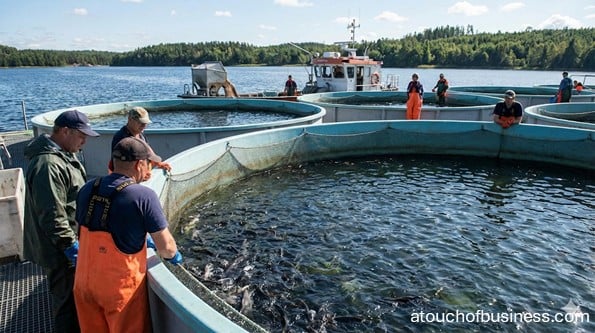
Startup Permits, Equipment, Insurance, and Cost Planning
A fish farming business raises fish under controlled conditions so you can sell them as food fish, fingerlings, bait fish, or ornamental fish. That “controlled conditions” part is the whole game. You’re not just raising an animal—you’re managing water, containment, and rules at the same time.
You can build a small, owner-run setup in the right niche. You can also build a large operation that takes serious capital, specialized gear, and staff. The path you choose changes your permits, your site needs, and what you can sell.
What You’re Really Starting
People hear “fish farm” and picture ponds and feed. Then the real questions show up. Where does your water come from? Where does it go? What happens if fish escape? What happens if you process fish for food?
Before you pick a species, get clear on your model. Pond-based, flow-through raceways, cage systems, or a recirculating tank system all come with different startup requirements.
How Does a Fish Farming Business Generate Revenue
Fish farming can produce income in more than one way. Your revenue plan depends on what you raise, what stage you sell, and whether you sell live, whole, chilled, or processed.
Common revenue paths include selling food fish, selling fingerlings or juveniles to other farms, selling bait fish, and selling ornamental fish for aquariums. Some operations also offer stocking services or on-site fee-fishing where local rules allow it.
Products And Services You Can Offer
Keep this simple at first—pick one main product path you can legally deliver well. You can expand later after you’ve proven demand and you’ve learned the rule set in your area.
- Food fish sold live, whole, or chilled (depending on your setup and approvals)
- Fingerlings or juveniles sold to other farms, stocking programs, or fee-fishing operations
- Bait fish sold to tackle shops and related outlets (where allowed)
- Ornamental fish sold to aquarium stores or direct customers
- Stocking services for private ponds (where allowed)
- Farm tours or education visits (only if zoning allows public access)
Who Your Customers Might Be
Fish farming isn’t automatically “sell to the public.” Many farms sell into channels that already move fish—wholesalers, distributors, and processors. Others sell directly, but that usually means more handling, more customer contact, and sometimes more facility requirements.
- Seafood distributors and wholesalers
- Processors and packing facilities
- Grocery and specialty seafood retailers
- Restaurants with direct purchasing programs
- Other aquaculture farms (fingerlings, juveniles, broodstock)
- Pond owners and fishing clubs (stocking)
- Bait and tackle shops (bait fish)
- Aquarium stores and ornamental fish customers
Pros And Cons You Need To Face Early
This business has real upside. It also has real responsibility. If you want “simple,” fish farming may not be your match. You’re managing living inventory and water systems, and you may be dealing with multiple regulators depending on your setup.
- Pro: Multiple product paths are possible (food fish, fingerlings, bait, ornamental), depending on local rules and your system.
- Pro: You can choose land-based or water-based models, which changes your footprint and your approvals.
- Con: Permitting can involve environmental, wildlife, and food safety requirements depending on discharge, species, and product form.
- Con: Water quality, disease risk, and escape risk can change outcomes fast.
- Con: If you process fish for human food, your facility and compliance needs can increase.
Mindset And Readiness Check
Before you price a tank or rent land, get honest about fit. Is owning a business right for you? And is fish farming the right kind of business for you?
Passion matters here. When equipment fails, fish get stressed, or permits drag on, passion keeps you looking for solutions. Without it, people tend to look for an exit.
If you want a fast reset on what that means, read How Passion Affects Your Business.
Motivation Check
Ask yourself this exact question: “Are you moving toward something or running away from something?”
If you’re starting fish farming mainly to escape a job or patch a short-term financial bind, that may not carry you through the slow parts. And there will be slow parts—permits, build-out, learning curves, and waiting for fish to reach sale size.
Risk And Responsibility Check
Be straight with yourself. Income can be uncertain at first. Hours can be long. Some tasks are unpleasant. Vacations can be fewer. And the responsibility sits with you.
Now ask the harder question—does your household support this? If your family or support system isn’t aligned, the pressure shows up fast.
You also need to ask if you have the skills (or can learn them) and if you can secure enough funds to start and operate until sales become consistent.
Talk To Experienced Owners (Non-Competing Only)
You can learn a lot in one honest conversation. Talk to people already running fish farms—but be smart about it.
Only talk to owners you will not be competing against. Look for someone in a different city, region, or market channel.
Bring real questions, not vague ones. Here are a few that can save you from bad assumptions:
- What approval or inspection surprised you most, and what would you do earlier next time?
- Which product form was easiest to sell at first—live, whole, chilled, or something else?
- What single equipment failure caused the biggest problem, and what backup did you add afterward?
To make those conversations more useful, use the framework from Business Inside Look.
Business Models And Scale Choices
You have to choose how you’ll operate, because that decision touches everything—your legal setup, your funding needs, and how fast you can move.
A small owner-run farm is possible in certain niches, especially if you keep the system simple and the product path focused. A larger food-fish operation often needs more land, more infrastructure, and more hands—especially once you add processing, deliveries, or multiple production units.
- Solo owner: You do most tasks yourself early and add help later.
- Partners: You split skills and capital, but you need clear agreements.
- Investors: More capital for build-out, but expectations and reporting usually increase.
Also decide if you’ll operate full time or part time. Fish and water systems don’t always respect your schedule, so a part-time plan needs a serious reality check.
Day-To-Day Work Snapshot
This is not a full operations guide, but you should understand what the work tends to include once you’re stocked. If the basics turn you off, that’s information you need before you commit.
- Checking fish condition and removing mortalities according to your disposal plan
- Monitoring water basics like dissolved oxygen, temperature, and related measures
- Feeding and keeping records of what you fed and when
- Inspecting pumps, aeration, and backup power readiness
- Preparing orders and coordinating pickup or delivery, depending on your channel
A Day In The Life For A New Owner
Most days start with the system, not your inbox. You check water conditions and equipment status first because that’s what protects your fish.
Then it’s feeding, basic maintenance, and planning. After that comes the paperwork side—permits, logs, supplier coordination, and lining up customers and delivery details.
Red Flags To Watch For Before You Commit
Some problems are fixable. Others are deal-breakers. The smartest move is spotting them early—before you sign a lease or dig a pond.
- Water supply is unreliable, or you can’t document it well enough for approvals.
- You can’t clearly explain where water discharges and what rules apply.
- The species you want is restricted, hard to permit, or difficult to transport legally in your state.
- Your sales plan depends on one account that hasn’t actually committed.
- Your system design has no real backup power plan for life-support equipment.
- You don’t have a clear plan for mortalities and waste that matches local requirements.
Essential Startup Equipment Categories
Your equipment list depends on your model. Don’t buy gear first and try to “figure it out” later. Start with your system choice, your product path, and your approvals.
Use this as a practical checklist of categories. You’ll customize the exact items once you lock in species, system, and scale.
- Site and water control: intake screening, valves, plumbing, discharge routing as needed
- Culture system: ponds, raceways, cages, or tanks depending on your model
- Water monitoring: dissolved oxygen meter, temperature tools, pH testing, and related kits
- Feeding and storage: feed storage bins, feeders, scales, inventory tools
- Handling and harvest: nets, graders, transfer containers, harvest bins
- Biosecurity basics: sanitation stations, isolation capacity where feasible
- Cold chain items if selling chilled or processed: refrigeration, ice storage, temperature logs
- Safety and support: backup power, maintenance tools, protective equipment
- Transport items if delivering: live-haul capacity or insulated containers as needed
Step 1: Decide If This Business Fits You
Start with fit before you start with gear. You’re choosing a business where living animals and water systems are central. If you prefer work that stays predictable, this may test you.
So ask yourself—do you want responsibility like this? And do you have the patience to build slowly while you line up approvals and a workable sales path?
Step 2: Choose Your Fish Farming Model
Pick the model before you pick the species. Pond-based, flow-through systems, cages, and recirculating tanks are not interchangeable. Each has different site needs, different risks, and different approval paths.
If you’re new, aim for clarity. Choose one model you can explain in plain language and one product path you can execute without guessing.
Step 3: Pick A Species You Can Legally Raise And Sell
Species choice is not just “what sells.” It’s also “what’s allowed.” States often regulate what you can possess, raise, import, transport, and stock.
Before you fall in love with a species, confirm your state’s fish and wildlife rules and any state aquaculture program requirements. If you can’t verify it, don’t build your plan around it.
Step 4: Validate Demand And Profit
Demand is not a feeling. You need evidence that customers will purchase your product in the form you plan to sell it.
Then check profit. Can your pricing cover feed, utilities, packaging, transport, labor, and compliance costs—and still pay you? If you want help thinking through demand signals, review Supply and Demand.
Step 5: Decide Your Scale, Ownership, And Staffing Plan
This is where you stop daydreaming and start committing. Will you run solo, bring in partners, or involve investors? Your answer affects your funding, your legal structure, and your timeline.
Also decide staffing. You can start by doing most tasks yourself and hire later, or you can hire early for specialized work. If you’re unsure, plan for a lean start and build a hiring plan you can trigger when sales and workload justify it.
Step 6: Choose A Site That Works For Water, Access, And Rules
Fish farming is location-dependent, even if your customers aren’t local. Your site has to support your water source, your discharge reality, and your ability to move fish safely.
Before you commit to a property, check zoning and whether the site can legally support your plan. If you need a framework for thinking through location decisions, use this business location guide.
Step 7: Varies by Jurisdiction
Fish farming rules change by state and even by county or city. Don’t rely on what someone “heard.” Verify your requirements through official channels.
Use this checklist to confirm locally: check your state Secretary of State for business registration rules, check your state revenue department for tax registration, check your local planning office for zoning and occupancy requirements, and check your state fish and wildlife agency for aquaculture permissions.
If you’re unsure which permits apply, start with the U.S. Small Business Administration page on applying for licenses and permits, then follow the links to your state and local portals.
Step 8: Form The Business And Set Up Tax Accounts
Many small businesses start as sole proprietorships by default because no state formation filing is required. But you may still need licenses, permits, and an assumed business name filing if you don’t use your legal name.
Many owners later form a limited liability company for liability separation and structure, and it can also help with banking and partnerships. If you want a step-by-step overview, see how to register a business.
Step 9: Get An Employer Identification Number If You Need One
An employer identification number is used for federal tax identification in many situations, including certain business structures and hiring. Your financial institution may also ask for it.
To verify what applies and apply through the official process, start with the Internal Revenue Service page on getting an employer identification number.
Step 10: Identify Environmental And Water-Related Permitting Triggers
This step can decide whether your plan is realistic. Discharges, pond construction, and work near regulated waters can trigger approvals. The details depend on your design and location.
For discharge questions, review the Environmental Protection Agency overview on aquaculture discharge permitting and then find your state permitting authority.
If your site work could affect wetlands or other regulated waters, learn the basics of Section 404 on the U.S. Army Corps of Engineers page for Section 404 of the Clean Water Act, then contact the relevant district office for your site.
Step 11: Confirm Food Safety Rules If You Will Process Fish
Here’s the clean dividing line: raising fish and selling live or whole fish is not the same as processing fish for human food. Processing can change your facility needs, your inspections, and your compliance responsibilities.
Start by confirming who regulates your processing. For most fish and fishery products, processors follow FDA’s Seafood HACCP regulation (Title 21 CFR Part 123). If you process Siluriformes (catfish) or products derived from them, FSIS has jurisdiction and inspection requirements apply instead.
Step 12: Write A Business Plan That Matches Reality
Write a business plan even if you’re not seeking funding today. It keeps you on track, forces you to define your model, and helps you spot gaps before they become expensive.
If you want a guide to keep it simple and useful, use how to write a business plan.
Step 13: Build Your Startup Item List And Price It Out
You need a detailed list of essential startup items before you can estimate startup costs. Make it a real list, not a vague outline.
Create a detailed bullet list of everything you must have to open: equipment, tanks or ponds, pumps, aeration, monitoring tools, feed storage, backup power, storage, office basics, and any cold storage or processing needs if you’re going that route.
Once the list exists, research pricing for each item and build a total. Size and scale drive startup costs, so don’t compare your budget to someone running a completely different model. For help building the numbers, use estimating startup costs.
Step 14: Secure Funding And Set Up Banking
Now match funding to your plan. Some owners self-fund small setups. Larger systems often require loans, partners, or investors.
Set up business accounts at a financial institution early so personal and business expenses stay separate. If you want a starting point for loans, review how to get a business loan.
If you want broader agricultural support context, start with the U.S. Department of Agriculture overview on aquaculture and follow program links that fit your situation.
Step 15: Choose A Business Name And Lock Down Online Handles
Pick a name you can stand behind and that you can actually use. Then secure a matching domain name and social handles as available.
If you need a practical naming process, use this guide to selecting a business name.
Step 16: Set Up Insurance And Risk Coverage
At minimum, plan for general liability insurance. Then look at business-relevant coverage based on your setup—property coverage for buildings and equipment, and coverage for transport if you’re moving fish.
Some venues, distributors, and facilities require proof of coverage before they work with you. Use business insurance guidance to understand common coverage types and what questions to ask providers.
Step 17: Line Up Suppliers And Professional Support
You’ll likely rely on suppliers for fingerlings or juveniles, feed, packaging, and equipment maintenance. Don’t wait until the last second. A weak supplier relationship shows up as delays and quality problems.
Also be realistic about your gaps. If accounting, permitting, design, or legal setup is not your strength, bring in professional help. You don’t win points for doing everything alone. If you want a framework, review building a team of professional advisors.
Step 18: Build The Physical Setup And Get Approvals Signed Off
Now you move from plan to physical reality. Install the system, confirm water control, test monitoring tools, and verify backup power. Document what you built so you can explain it during inspections or permitting reviews.
This is also where local approvals can stop you if you skipped them. Verify zoning compliance, building permits if you built or renovated, and any occupancy requirements for structures used for business purposes.
Step 19: Set Pricing And Sales Terms
Pricing isn’t just “what others charge.” Your costs depend on your model, your survival rates, your feed needs, and your handling requirements.
Set pricing for your products and services, then define basic sales terms like minimum order size, pickup windows, delivery fees, and payment timing. If you need a pricing framework, use pricing your products and services.
Step 20: Build Brand Basics And Customer-Facing Assets
You don’t need a huge brand package to start, but you do need basic credibility. Think logo, business cards, a simple website, and clear signage if customers visit your site.
Use corporate identity package guidance for core brand assets, what to know about business cards for print basics, and business sign considerations if you need signage.
If you’ll have a website, start with an overview of developing a business website.
Step 21: Pre-Launch Readiness And Marketing Plan
You need a clear plan for how customers will find you and how orders will work. That means knowing your sales channel, your ordering process, and how you’ll accept payment.
Also get your admin basics ready: invoicing, simple agreements if needed for stocking or recurring accounts, and a recordkeeping system that supports any permit requirements and customer expectations.
Step 22: Pre-Opening Checklist
This is your final pass before you stock or sell. Don’t rush this step. Fixing problems after fish arrive is harder and often more expensive.
- Confirm all required permits, approvals, and local sign-offs are complete.
- Test backup power and verify critical equipment runs as expected.
- Confirm monitoring tools are working and logs are ready.
- Confirm supplier deliveries and fish sourcing timelines.
- Confirm pricing, sales terms, ordering, invoicing, and payment setup.
- Kick off marketing outreach to your chosen customer channels.
If you want a broader set of startup factors to sanity-check, review Points to Consider Before Starting Your Business.
Short Recap
Fish farming can be a smart business when the model fits your site, your approvals, and your sales channel. But it’s not a “set it and forget it” idea. Water, containment, and compliance shape what’s possible.
Your best move is picking one clear model, proving demand, confirming profit, and verifying your permit path before you spend big.
Is This The Right Fit For You?
This business tends to suit you if you like structured systems, you can handle responsibility, and you don’t mind learning rules and documentation. It also helps if you’re calm under pressure, because equipment issues can happen at inconvenient times.
So ask yourself—are you willing to build slowly and correctly? Do you have support at home? Can you secure the funds to start and operate until sales stabilize?
If your honest answers are shaky, pause. Talk to non-competing owners again. Re-check your site and permit assumptions. And adjust the plan before you commit.
101 Tips for Operating a Profitable Fish Farming Business
In this section, you’ll find practical tips that cover the daily realities of running a fish farm.
Use the tips that match where you are today, and come back when you hit the next challenge.
If you want results, pick one tip, apply it this week, and then move to the next.
Small improvements compound fast when you measure, adjust, and stay consistent.
What to Do Before Starting
1. Write down your exact product form—live, whole, chilled, or processed—because your facility needs and rules can change with that choice.
2. Pick one species and one system style to start. A focused plan is easier to permit, finance, and run than a mixed setup you can’t explain clearly.
3. Confirm your state allows you to possess and raise the species you want, especially if it is not native to your area.
4. Check whether your site will discharge water off-property. Discharge questions can trigger environmental approvals, and you need answers before you build.
5. Document your water source reliability with simple evidence you can show later (well test results, flow records, or supplier statements where relevant).
6. Choose a site with room for access, deliveries, and emergency service. If a truck cannot reach your system safely, routine work gets harder and losses get more likely.
7. Decide whether you will sell direct to the public or mainly to wholesale accounts. The sales path affects packaging, handling, and staffing.
8. Set a minimum cash runway and stick to it. Fish growth cycles can take longer than your optimism.
9. Get a written biosecurity plan before the first fish arrives, including rules for visitors, tools, and quarantine.
10. Create a basic recordkeeping system now—stocking dates, feed, mortalities, water readings, and sales—so you are not scrambling when a regulator or customer asks.
What Successful Fish Farming Business Owners Do
11. They run the system from a daily checklist, not memory. A checklist turns “I thought I did that” into “I know I did that.”
12. They calibrate meters on a schedule and replace probes before they fail. Bad data can be worse than no data.
13. They keep “critical spares” on hand for anything that can kill fish quickly, like pump parts, aeration components, and key fittings.
14. They practice emergency drills, including power loss and low dissolved oxygen scenarios, until the response is automatic.
15. They treat records as a profit tool, not paperwork. Good logs help you find patterns in growth, feed cost, and survival.
16. They insist on health documentation from fish suppliers and avoid sources that cannot explain their disease controls.
17. They set clear stop points for expansion. Growth is a choice, not an accident.
18. They review water quality trends weekly, not just daily, to catch slow problems early.
19. They standardize cleaning and disinfection steps so every worker does it the same way.
20. They keep a tight definition of “acceptable loss” and investigate anything outside that range immediately.
Running the Business (Operations, Staffing, SOPs)
21. Start every day by checking dissolved oxygen and temperature before you feed. Feeding into bad water conditions can compound stress.
22. Feed based on fish size, water temperature, and observed appetite, not habit. Overfeeding turns into water quality problems and wasted money.
23. Store feed dry, sealed, and off the floor. Damp or old feed can reduce growth and increase waste.
24. Use a consistent feeding schedule and document it. Consistency improves planning and helps you spot changes in behavior.
25. Keep nets and handling gear dedicated to specific units when possible. Shared gear spreads disease.
26. Limit handling events. Every capture, grading, and transfer is stress that can increase mortality.
27. Set a quarantine routine for new fish and never skip it, even when you are excited to stock.
28. Create a written cleaning schedule for tanks, raceways, and pipes, including who does what and how you verify it got done.
29. Test backup power under load, not just at idle. A generator that starts but can’t carry the system is a false comfort.
30. Label every breaker, valve, and shutoff. In an emergency, clarity saves time.
31. Install alarms or remote monitoring where feasible for dissolved oxygen and power status. Early warnings prevent overnight losses.
32. Keep aeration redundancy. If one unit fails, fish should still have a survivable oxygen path.
33. Use separate tools for dead fish handling and dispose of mortalities promptly according to your local requirements.
34. Track feed conversion and growth rates by unit. If one unit is falling behind, fix the cause before you restock.
35. Schedule routine maintenance for pumps, blowers, and filters, then log it. Preventive work is cheaper than emergency repairs.
36. Write standard operating procedures for the top ten tasks: feeding, measuring water, cleaning, grading, harvesting, packing, shipping, visitor control, chemical handling, and emergency response.
37. Train staff with demonstrations and then observe them doing the task. A signed training record helps consistency and accountability.
38. Define who can change settings on feeders, pumps, and treatment systems. Too many hands on the controls creates chaos.
39. Use a simple shift handoff note if more than one person works the farm. Most costly mistakes happen between shifts.
40. Build a simple inventory system for feed, test kits, packaging, and spare parts. Stockouts cause rushed decisions and higher costs.
What to Know About the Industry (Rules, Seasons, Supply, Risks)
41. Rules on live fish transport, stocking, and species restrictions vary by state, and they can change. Verify before every major move or shipment.
42. If you discharge to surface waters, environmental rules may apply differently depending on your system and scale. Do not assume your neighbor’s permit situation matches yours.
43. Processing fish for human food can introduce food safety requirements that are different from raising fish alone. Decide early whether processing is part of your business.
44. Some species have stronger seasonal demand. Build your stocking and harvest plan around customer timing, not your preferred calendar.
45. Water temperature drives growth and risk. Know the safe range for your species and plan for heat waves and cold snaps.
46. Low dissolved oxygen events often happen at night or early morning. Plan monitoring around when risk is highest, not when it’s convenient.
47. Predator pressure is real, and prevention is easier than chasing losses. Design physical barriers and routines before fish arrive.
48. Escapes can create regulatory and reputation problems. Build containment and screen points where fish could leave your property.
49. Chemical and treatment products have legal use limits in aquaculture. Use only products labeled or approved for your species and purpose.
50. Supply chain gaps happen—feed delays, equipment backorders, and truck problems. Keep buffer inventory for items that stop production.
51. Fingerling availability can be seasonal and regional. Secure your source well ahead of your stocking window.
52. Different sales channels expect different documentation, including harvest dates and handling logs. Ask what your customers require before the first sale.
53. Insurance requirements can show up through contracts with wholesalers, processors, or landowners. Confirm coverage expectations before you sign agreements.
54. Financial risk is lumpy in aquaculture. Many costs arrive early while revenue arrives later, so cash planning matters more than hype.
55. Disease outbreaks can spread through water, equipment, people, and new fish. Biosecurity is not optional if you want stability.
Marketing (Local, Digital, Offers, Community)
56. Choose one clear promise for your product—freshness window, consistent size, or reliable delivery—and build your message around it.
57. Create a simple spec sheet for your fish: species, average size range, harvest method, handling steps, and availability schedule.
58. Build relationships with chefs and seafood managers by offering predictable supply, not vague enthusiasm. Consistency is the sales advantage.
59. Use high-quality photos of your facility cleanliness and handling setup to build trust. Show what you do, not just what you say.
60. Start with a short list of target accounts and track every contact attempt. A simple pipeline beats random outreach.
61. Offer samples only when you can repeat the same quality at scale. Sampling a product you can’t replicate backfires.
62. Join local food networks and agricultural groups that align with seafood. Partnerships often open doors faster than cold calls.
63. Make ordering easy with a standard order form and clear cutoff times. Friction kills repeat orders.
64. Use seasonal promotions tied to holidays or local events, but do not promise availability you cannot meet.
65. If customers visit your site, create a basic visit policy and signage so tours do not compromise biosecurity.
Dealing with Customers (Trust, Education, Retention)
66. Set expectations in writing for size variation and availability. Fish are biological, and honest communication prevents disputes.
67. Explain handling instructions clearly for live or chilled product, including time and temperature limits. Your product quality depends on what happens after pickup.
68. Offer a consistent delivery or pickup schedule so customers can plan. Reliability often matters more than a small price difference.
69. Track customer feedback by lot or harvest day. If something goes wrong, you need to isolate the cause quickly.
70. Use traceability basics: match sales records to harvest records and storage logs. It protects you when questions come up.
71. Be proactive when you have a shortfall. Give alternatives early rather than canceling late.
72. Teach customers what “fresh” looks and smells like for your species. Education reduces unnecessary complaints and returns.
73. Do not over-explain problems. Share what you are doing to prevent repeats and what the customer can expect next time.
74. Offer contract terms for recurring accounts once you can deliver reliably. Simple agreements reduce last-minute confusion.
75. Know when to say no to a customer request that threatens quality or legality. One bad deal can create ongoing trouble.
Customer Service (Policies, Guarantees, Feedback)
76. Create a clear policy for returns and quality claims, including time limits and what evidence you need. Consistency protects margins.
77. Use a standard process for temperature checks when product leaves your control. Documenting it helps resolve disputes fairly.
78. Keep customer communication in one place, like a shared inbox or customer log, so messages do not get lost.
79. Ask for feedback after the first three orders, not just the first. Early patterns reveal whether the account is a good fit.
80. Build a simple complaint form that captures date, product form, storage details, and photos when relevant. Details speed up resolution.
81. Thank customers for reporting issues and close the loop with what changed. Responsiveness is part of your brand.
Sustainability (Waste, Sourcing, Long-Term)
82. Reduce waste by feeding precisely and removing uneaten feed where your system allows. Waste becomes water quality risk.
83. Plan solids and wastewater handling to meet local requirements and protect nearby waters. Good stewardship also reduces regulatory risk.
84. Choose feeds and suppliers with consistent quality and documented storage practices. Reliable inputs lead to predictable outputs.
85. Use energy planning to lower cost and risk—efficient aeration, insulation where relevant, and right-sized pumps.
86. Prevent escapes with physical screens and routine checks at every water exit point. Ecological harm can become a business-ending issue.
87. Manage predator interactions legally and humanely, and document your actions. Some controls are restricted by wildlife rules.
88. Maintain vegetation buffers and good drainage control around ponds to reduce runoff. It helps water quality and shows responsible management.
89. Plan for long-term asset life by budgeting for replacements of pumps, meters, nets, and liners before they fail.
Staying Informed (Trends, Sources, Cadence)
90. Set a monthly routine to review state agency updates for aquaculture and fish health notices. Rules and disease alerts can change quickly.
91. Follow federal food safety updates if you process or pack fish for human food. Requirements evolve and guidance gets revised.
92. Review environmental permit conditions annually and verify renewal dates. A missed renewal can stop sales.
93. Use university extension publications for practical, science-based updates on water quality and fish health.
94. Keep a file of your key reference documents and train staff on where to find them. Knowledge that lives in one person is a risk.
Adapting to Change (Seasonality, Shocks, Competition, Tech)
95. Build a contingency plan for extreme weather, including aeration capacity, shade or temperature control where feasible, and emergency water management.
96. Design your pricing and production plan so you can shift between channels when a restaurant or distributor slows down.
97. Test small technology upgrades in one unit first, then expand only after results prove out. Controlled trials prevent expensive surprises.
98. Revisit your species and product form each year based on performance and customer demand, but change one major variable at a time.
What Not to Do
99. Do not scale up before your records prove stable survival, growth, and sales. Scaling chaos just creates bigger chaos.
100. Do not skip biosecurity steps because you “trust the source.” Most outbreaks start with one shortcut.
101. Do not rely on verbal agreements for recurring sales. Put key terms in writing so everyone remembers the same deal.
Profit in fish farming usually comes from consistency: stable water conditions, disciplined records, and repeat customers who trust your handling.
Use these tips to tighten daily routines, prevent avoidable losses, and improve decision-making one small step at a time.
Keep learning, keep measuring, and change one major thing at a time so you can see what truly improved results.
FAQs
Question: What kind of fish farm should I start—ponds, tanks, or cages?
Answer: Start with the system that matches your site, water source, and permit path. Tanks and recirculating systems can fit smaller sites, while ponds and cages can require more land or water access.
Question: How do I confirm a fish species is legal to raise in my state?
Answer: Check your state fish and wildlife agency rules for possession, culture, import, and transport. If the rules are unclear, call the agency and ask what permit or license applies to your exact species and system.
Question: Do I need an environmental permit for water discharge from my fish farm?
Answer: You might, depending on whether your operation discharges from a point source to waters of the United States and your system type. Start with your state environmental agency and ask how aquaculture discharges are handled in your state.
Question: What if I want to build ponds—do wetlands rules apply?
Answer: They can, especially if you place dredged or fill material into waters of the United States, including wetlands. Before you move dirt, check with the U.S. Army Corps of Engineers district office that covers your site.
Question: What business structure should I choose for a small fish farm?
Answer: Many small businesses start as a sole proprietorship by default, then shift to a limited liability company as risk and complexity grow. Your Secretary of State website is the fastest way to confirm what filings apply in your state.
Question: When do I need an Employer Identification Number?
Answer: You may need one based on your business structure, hiring plans, and what your financial institution requires. The Internal Revenue Service page on Employer Identification Number eligibility is the best place to confirm.
Question: What local permits should I expect from my city or county?
Answer: Many areas require a general business license and zoning approval for your site and buildings. If you build or convert structures, you may also need inspections and a Certificate of Occupancy.
Question: Do I need special permits just to move live fish?
Answer: Often yes, because states commonly regulate transport, import, and stocking of live aquatic animals. Ask your state agency what paperwork is required for every shipment, not just for the first one.
Question: What insurance should I line up before I stock fish?
Answer: Start with general liability insurance, then add property and equipment coverage based on your system and assets. If you hire, workers’ compensation rules can apply, and requirements vary by state.
Question: What equipment is non-negotiable on day one?
Answer: You need reliable life-support equipment for water movement and oxygen, plus backup power if a failure could kill fish quickly. You also need water testing tools, secure feed storage, and basic handling gear.
Question: How do I estimate startup costs without guessing?
Answer: Build a line-by-line equipment and build-out list based on your chosen system, then price each item from multiple vendors. Add permits, utilities, site work, and a cash buffer for the first production cycle.
Question: How do I choose a fish supplier I can trust?
Answer: Ask for health records, mortality history, and how they manage disease risk. Avoid suppliers who can’t explain their biosecurity steps or who pressure you to buy fast.
Question: How do I set up feed and supply ordering so I don’t run out?
Answer: Create reorder points for feed, test kits, and key parts based on your burn rate and vendor lead times. Keep extra inventory for anything that can shut down the system or harm fish fast.
Question: Do I need food safety compliance if I sell fish for people to eat?
Answer: If you process fish, food safety rules apply to processors.
For most fish and fishery products, FDA Seafood HACCP (Title 21 CFR Part 123) applies. If you process Siluriformes (catfish) or products derived from them, FSIS inspection requirements apply. If you only sell live or whole fish and someone else processes, confirm your exact role with regulators.
Question: What changes if I process fish on-site?
Answer: Processing can trigger facility, sanitation, training, and recordkeeping requirements that go beyond farming. If you handle Siluriformes fish, inspection rules can involve the U.S. Department of Agriculture Food Safety and Inspection Service.
Question: What should my daily workflow look like once the farm is running?
Answer: Start with system checks like dissolved oxygen, temperature, and equipment status before feeding. Use a written daily checklist so the same steps happen even on busy days.
Question: What numbers should I track each week to stay profitable?
Answer: Track survival rate, growth rate, feed use, and key water readings by unit. Compare results to your plan so you spot problems early and don’t repeat losses.
Question: When should I hire my first employee?
Answer: Hire when your system needs coverage you can’t reliably provide, especially for weekends, emergencies, and routine checks. Start with roles that protect fish health and system uptime before you hire for admin tasks.
Question: How do I market to restaurants or wholesalers as a new farm?
Answer: Lead with reliability and specs, not big claims, and show you can deliver consistent size and handling. Build a simple outreach list and follow up on a schedule so you create repeat orders.
Question: How do I manage cash flow when costs hit early and sales come later?
Answer: Budget around the production cycle and keep a cash buffer for feed, utilities, and repairs before harvest. Avoid expanding until your records show stable survival and steady sales.
Question: What are the most common owner mistakes that cause big losses?
Answer: Skipping biosecurity, overfeeding, and failing to plan for low oxygen events are common causes of preventable losses. Another big one is scaling up before your numbers prove the system is stable.
Question: How do I prepare for power outages and low oxygen emergencies?
Answer: Test backup power under real load and keep oxygen support redundancy for critical units. Write a simple emergency response plan and train anyone who might be on-site to follow it.
Related Articles
- Start a Charter Fishing Business: Step-by-Step Guide
- Start a Seafood Restaurant: Step-by-Step Guide & Tips
- Start an Aquarium Maintenance Business: Startup Guide
Sources:
- Internal Revenue Service: Get employer identification number
- U.S. Small Business Administration: Apply licenses permits
- U.S. Environmental Protection Agency: Aquaculture NPDES Permitting, Aquatic animal compliance
- U.S. Army Corps of Engineers: Section 404 Clean Water
- U.S. Food and Drug Administration: Seafood HACCP, Fish fishery hazards
- eCFR: 21 CFR Part 123
- Food Safety and Inspection Service: Inspection Siluriformes
- NOAA Fisheries: Marine aquaculture rules, Marine permitting guide
- U.S. Department of Agriculture: Aquaculture, Aquaculture health plan
- Farmers.gov: Beginning Farmers
- Southern Regional Aquaculture Center: Dissolved oxygen measurement