
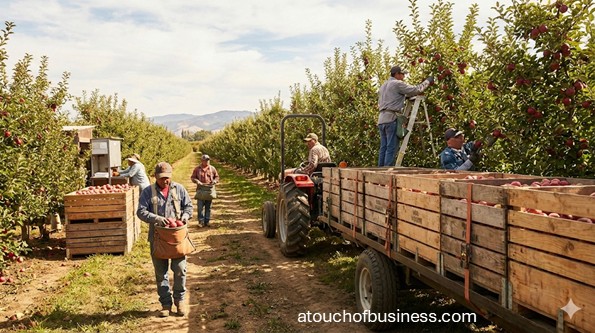
Fruit Orchard Startup Checklist: Land, Water, Rules
A fruit orchard is a farm business that grows perennial fruit crops like apples, peaches, cherries, pears, plums, citrus (region-dependent), or specialty fruit. You plant trees or shrubs, then wait for them to mature before you can sell meaningful harvests.
That timeline changes how you launch. You can start small and build, but you still need land, water, and a clear sales plan long before the first full crop.
Before you go further, decide two things: do you want to own and run a business at all, and is a fruit orchard the right fit for you? Start with these three pages and read them like a reality check: business start-up considerations, why passion matters in business, and how to get an inside look.
Passion matters because orchard work will test you. When problems hit, passion helps you persist and solve them. Without it, many people look for an exit instead of solutions.
Ask yourself this exact question: “Are you moving toward something or running away from something?” If you are starting mainly to escape a job or a financial bind, that may not hold your motivation when the work gets long and the payoff comes later.
Also face the responsibility up front. Income can be uncertain. Hours can be long. Tasks can be difficult. Vacations can be fewer. You carry full responsibility.
Are the people close to you on board? Do you have the skills (or can you learn them)? Can you secure enough funds to start and to keep going until the orchard can support you?
One more move that pays off early: talk to orchard owners you will not be competing against. Only talk to owners in a different city, region, or market area so you are not a direct competitor.
Ask questions like these: What surprised you most about getting from planting to selling fruit? What would you do differently before buying land or ordering trees? Which sales channel became your best fit, and why?
Common Fruit Orchard Business Models
Your business model is the engine of your orchard. It shapes your land needs, equipment list, permits, staffing, and how soon you can sell.
- Wholesale fruit sales: Sell to packers, distributors, processors, or large retailers (often needs larger acreage and consistent volume).
- Direct-to-consumer farm sales: On-farm stand or on-farm market sales, often tied to local traffic and signage rules.
- Pick-your-own sales: Customers harvest on your property (adds parking, customer safety planning, and clear on-site rules).
- Farmers market sales: Sell at markets where multiple vendors sell directly to customers.
- Community Supported Agriculture shares: Pre-sell seasonal shares and deliver or schedule pickup (often called CSA).
- Mixed orchard plus events: Add tours, seasonal activities, or small events (often triggers extra local permits and insurance requirements).
- Value-added products: Cider, jams, dried fruit, baked goods, or frozen fruit (often triggers additional food processing rules and inspections).
How Does a Fruit Orchard Generate Revenue
A fruit orchard can earn income from more than one stream. Your best mix depends on your region, your crop, your harvest window, and how close you are to customers.
- Fresh fruit sales: Retail, wholesale, or direct-to-consumer.
- Pick-your-own fees: By the pound, by the basket, or by the bag.
- Farm stand or on-farm market sales: Fruit plus complementary farm products when allowed.
- Farmers market sales: Direct sales at recurring markets.
- CSA shares: Seasonal subscriptions paid ahead of time.
- Online orders and local pickup: Depends on your packaging and food safety needs.
- Value-added products: Only if you meet the food processing rules that apply to your state and county.
- Agritourism add-ons: Tours or seasonal activities when local rules allow.
Typical Customers for a Fruit Orchard
Your customer type depends on your sales channel. A wholesale orchard serves business customers. A direct orchard serves local households.
- Local households: Families buying fresh fruit, seasonal shoppers, and local food supporters.
- Farmers market shoppers: People who prefer direct farm sales and local produce.
- Pick-your-own visitors: Families, groups, and seasonal activity seekers.
- Restaurants and bakeries: Often want consistent supply and predictable quality.
- Grocery retailers: Usually require volume, labeling, and reliable delivery schedules.
- Processors: Cideries, jam makers, or other processors that buy fruit in bulk (requirements vary).
Pros and Cons to Know Before You Start
There are real benefits here, but there are real tradeoffs too. You want both sides in front of you before you commit land and money.
- Pros: Long-term asset building with perennial crops; multiple sales channels (wholesale, direct, pick-your-own); local community visibility; potential to layer revenue streams over time.
- Cons: Time delay from planting to meaningful harvest; weather and freeze risks; land and water needs; food safety and pesticide compliance may apply; customer-facing models add liability and local rules.
Skills You Will Need
You do not have to be perfect at every skill. But you do need a plan for how each skill will be covered, either by learning it or bringing in help.
- Crop selection and site evaluation (climate, soil, drainage, frost risk)
- Basic farm financial planning and cash flow timing
- Regulatory awareness for food sales, labor, and pesticide use
- Equipment selection and maintenance planning
- Sales channel setup (wholesale relationships or direct customer systems)
- Basic recordkeeping for taxes, sales, and required compliance
- People and safety management if customers or workers are on-site
Day-to-Day Work Looks Like This
This is not a desk business. Even in startup mode, you will be outside, meeting vendors, and coordinating site work.
- Site visits and property evaluation
- Calls and meetings with nurseries, irrigation suppliers, fence vendors, and contractors
- Soil and water planning tasks
- Paperwork for entity setup, taxes, licenses, and permits
- Building your sales plan and testing demand
- Ordering long-lead items (trees, posts, irrigation, storage items)
- Setting up accounts, payment tools, and basic systems
A Day in the Life of a Fruit Orchard Owner
In startup season, your day can look like a mix of field time and paperwork. You might start with a site walk to evaluate drainage, access roads, and where utilities will run.
Then you shift into calls: nursery availability, delivery timing, irrigation design, and whether local rules allow on-farm retail signage. After lunch, you might review your startup cost estimates and update your plan before you meet your local USDA Service Center team.
Later, you might spend an hour on your online presence, then end the day reviewing the timeline from planting to first sale so you know what income gap you must fund.
Red Flags to Watch for Before You Commit
Most orchard problems start before you plant. Watch for red flags that can trap you in a bad site or a bad timeline.
- Unclear water access: No reliable irrigation source, uncertain water rights, or restrictions you cannot confirm locally.
- Poor drainage or high frost risk: Land that stays wet or sits in a frost pocket (verify with local experts and site data).
- Soil limits you cannot fix: Soil type, slope, or depth issues that do not match your crop plan (confirm with soil survey and testing).
- No viable customer path: You want direct sales, but the site is far from customers or local access is limited.
- Local restrictions: Zoning, signage, parking, event limits, or retail rules that block your model.
- Unrealistic cash timeline: A plan that assumes quick harvest income without proof.
- Labor and safety gaps: You plan pick-your-own but have no plan for parking, customer flow, or basic risk controls.
Startup Steps for a Fruit Orchard
The steps below focus on pre-launch only. They are ordered to help you avoid buying land or trees before you confirm the model, the rules, and the money.
Each step is simple on purpose. If you need deeper help in a step, that is where professional services can keep you from getting overwhelmed and help you do it correctly.
Step 1: Choose Your Orchard Model, Scale, and Time Commitment
Start by picking the model: wholesale, on-farm sales, pick-your-own, farmers markets, CSA shares, or a mix. Your model decides your land needs, staffing needs, and local rule exposure.
Then choose scale. A small orchard can be started by one person with outside help as needed. A larger orchard often needs partners or investors because land, planting material, and infrastructure add up fast.
Decide if this will be full-time or part-time. Be honest about what you can carry for several seasons while trees mature.
Step 2: Validate Demand Before You Buy Land or Trees
Do not assume demand. Prove it. Start by checking how people in your area already buy fruit and what fruit is locally available in season.
Use the USDA Agricultural Marketing Service Local Food Directories to see how many farmers markets and on-farm markets already serve your area. That helps you spot competition and gaps.
Then work through basic supply and demand thinking using supply and demand basics so your plan is built on reality, not hope.
Step 3: Validate Profit Potential, Not Just Interest
Demand is not enough. You need profit potential that can pay you and cover expenses. Orchards can have a long runway from planting to meaningful harvest, so your funding plan must cover the gap.
Start with simple pricing research using pricing guidance. Compare wholesale pricing options versus direct pricing options in your area.
If you cannot see a path to cover your costs and still pay yourself, adjust the model, adjust the crop, or adjust the scale before you spend money.
Step 4: Pick a Location That Fits Your Customers and Your Crop
If your plan includes on-farm retail, pick-your-own, or seasonal visitors, location matters for customer access. You want a site people can reach without friction, with safe entry and enough space for basic flow.
Work through the location thinking in location considerations. Then check what your county allows on that land before you commit.
Even if you sell wholesale, you still need to think about access for deliveries, seasonal labor, and equipment transport.
Step 5: Match Your Crop to Local Climate Using Verified Tools
Do not guess on climate fit. Use the USDA Plant Hardiness Zone Map to check your zone, then match crops and varieties that fit your region.
USDA updated the Plant Hardiness Zone Map, so use the current map and confirm with local extension resources when you pick varieties. Your local county extension office can help you sanity-check your plan for your specific area.
Step 6: Confirm Soil Fit With Web Soil Survey and On-Site Testing
Use the USDA Web Soil Survey to review soil types on a specific property before you buy or lease. This helps you spot drainage and soil concerns early.
Then confirm with real sampling. Follow Penn State’s Agricultural Analytical Services Lab soil sampling instructions as a practical example of how to collect samples correctly, then use your state university lab or a reputable lab in your area for testing.
Step 7: Confirm Water Access and Water Rules
An orchard usually needs reliable water for establishment and drought periods. Before you commit, confirm the water source, the delivery method, and any limits on use.
How you verify depends on your state and county. Start with your county water resources office or your state agency that manages water rights and permits.
If you plan any wastewater, stormwater, or significant land changes, ask your county and your state environmental agency what permits apply.
Step 8: Build Your Essential Items List and Get Real Quotes
Now build your startup list and price it. Use estimating startup costs as your structure.
Do not rely on online averages. Get estimates from local suppliers and contractors. Scale drives your totals, so decide acreage and sales model before you finalize your budget.
This is also the moment to decide what you will buy new, what you will buy used, and what you will rent.
Step 9: Decide What You Will Do Yourself and What You Will Outsource
List the tasks you can handle and the tasks you should not do alone. Orchard site prep, irrigation design, and legal setup are common areas where the right professional help can prevent expensive errors.
If you expect to hire, read how and when to add staff. If you want a stronger support bench, use building a team of advisors to decide who you need early.
Step 10: Write a Business Plan Even If You Are Self-Funding
A plan is not just for lenders. It forces you to face your timeline, your cash needs, and your sales model.
Use how to write a business plan to keep it structured. Your plan should show when you expect first sales, when you expect meaningful harvests, and how you will cover the gap.
Step 11: Prepare for Funding and Set Up Your Money Structure
If you need funding, prepare like a lender will review your plan. Keep clean records, clear assumptions, and a realistic timeline.
Use how to pursue a business loan as a reference point for what lenders look for.
Whether you borrow or not, set up business accounts at a financial institution so your business financial transactions are separate from your personal ones.
Step 12: Choose a Business Name and Lock Down Your Online Basics
Pick a name that fits your market and will not confuse customers. Then check availability in your state and online.
Use business name selection guidance to work through it. Buy a matching domain and secure social handles early.
When you are ready, use an overview of building a website to set up a simple web presence customers can find.
Step 13: Form the Business and Register Tax Accounts
Many U.S. small businesses start as sole proprietorships and later form a limited liability company as they grow. That shift can add liability protection and structure, but it depends on your situation.
For a simple overview of the process, review the Small Business Administration guidance on how to register a business, then verify the exact steps on your state’s Secretary of State site.
Use how to register a business to keep your checklist organized.
Step 14: Get an Employer Identification Number When You Need One
If your business structure or payroll needs require an Employer Identification Number, get it directly from the Internal Revenue Service. The Internal Revenue Service page explains when and how to apply.
This step is also a trigger for other registrations, like state employer accounts if you hire workers.
Step 15: Work Through Licensing, Permits, and Land-Use Rules Early
Orchards are location-based, so local land-use rules can decide what you are allowed to do. Zoning, on-farm retail, signage, parking, and event rules can vary widely by county and city.
Use the Small Business Administration licensing and permits guidance as a starting point, then confirm every requirement on your state and local portals. Do not assume rules are the same from one county to the next.
Step 16: Decide If Federal Produce Safety Requirements Apply
If you grow produce for sale, federal produce safety requirements may apply depending on what you grow, how you sell, and your sales level. The Food and Drug Administration’s Produce Safety Rule page is the official starting point for understanding coverage and exemptions.
This is not a step to guess on. Read the rule summary, then verify your status with your state Department of Agriculture produce safety program or the agency your state uses for produce safety oversight.
Step 17: Plan for Pesticide Compliance Before You Buy or Apply Anything
If you will use pesticides, you need to follow federal and state rules. The Environmental Protection Agency Worker Protection Standard sets protections for agricultural workers and pesticide handlers on farms.
If restricted use pesticides are involved, federal law requires certification for applicators. Environmental Protection Agency guidance explains the federal certification standards, while states run the licensing program.
Even if you plan to outsource pesticide applications, you still need to understand how compliance affects your site, your staff, and your records.
Step 18: Establish Your Farm Record With USDA If You Plan to Use USDA Programs
If you plan to use USDA programs, meet with your local USDA Service Center team early. Farmers.gov explains how a new farmer can visit a service center and get help registering a farm record, including a farm number, which may be needed for some USDA programs.
This step is also a practical checkpoint because your local team can point you to program requirements and required documentation.
Step 19: Order Planting Stock and Long-Lead Items
Planting stock can be a long-lead item. Some varieties and rootstocks can sell out. Order after you confirm the site and the model, not before.
Do the same with long-lead infrastructure items like irrigation components, posts, fencing materials, and cold storage components if your model needs them.
Step 20: Prepare the Site and Install Core Infrastructure
Site preparation can include access roads, drainage improvements, irrigation setup, fencing, and planting layout. What you do depends on your land and your crop plan.
If your model includes customers on-site, plan safe customer flow, basic parking, and clear boundaries. If you need buildings, confirm your building permits and whether a Certificate of Occupancy is required for the way you plan to use that space.
Step 21: Set Up Pricing, Sales Channels, and Supplier Relationships
Finalize your pricing structure based on your channel. Wholesale pricing will look different than direct-to-consumer pricing.
Build supplier relationships for items you will reorder at launch, like packaging, labels, and cleaning supplies. If you plan direct sales, review the USDA Agricultural Marketing Service Local Food Directories to understand how customers search for farms and markets in your area.
Set up your payment tools so you can accept payment smoothly from day one.
Step 22: Build Brand Basics and Customer-Facing Materials
Keep brand basics simple at launch. You need a clean logo, clear signage, and a website that shows location, season, hours, and how you sell.
Use corporate identity package basics to think through brand assets. If you plan in-person sales, review sign considerations and business card basics.
Step 23: Set Up Insurance and Risk Basics Before the Public Arrives
Plan for risk early, especially if customers will be on your land. General liability coverage is a common baseline, and many markets, landlords, and contracts require proof of coverage.
If you have buildings, equipment, or stored product, consider property and equipment coverage that matches your exposure. If you hire workers, workers’ compensation requirements are set by state law, so verify it with your state labor agency.
Use business insurance guidance to build a simple coverage checklist to discuss with a licensed agent.
Step 24: Plan Your First Launch Season and Marketing Approach
Your “opening day” depends on your model. If you are starting a new planting, your first public season might be limited until trees mature. That is normal.
Pick a launch plan that matches your reality. If you sell on-farm, learn the basics of getting customers to show up using how to get customers through the door. If you plan a kickoff event, use grand opening ideas to shape the plan.
Keep your early message simple: what you grow, when it is available, where to buy, and how to contact you.
Essential Equipment and Startup Items
This list focuses on essentials you commonly need to launch a fruit orchard. Your exact list depends on acreage, crop, and whether customers will visit the farm.
Use this as a starting checklist, then price each item locally. Scale drives totals, so match your list to your chosen model and size.
- Land and Site Infrastructure
- Access road materials and basic driveway improvements (as needed)
- Fencing materials (perimeter or wildlife control, as needed)
- Gates and boundary signage materials
- Drainage materials (as needed)
- Windbreak materials (as needed)
- Posts, anchors, and wire for supported training systems (if your system uses support)
- Water and Irrigation
- Water source connection components (well or municipal connection parts as applicable)
- Pump and controls (if needed)
- Filtration (if needed)
- Mainline and submain pipe or tubing
- Drip lines or micro-sprinklers (as applicable)
- Valves, fittings, clamps, pressure regulators
- Backflow prevention device (when required by local code)
- Water storage tank (as needed)
- Planting Materials
- Fruit trees or shrubs (varieties and rootstocks matched to region)
- Tree shelters or trunk guards (as needed)
- Planting stakes and ties (as needed)
- Mulch or ground cover materials (as applicable)
- Field Tools and Basic Equipment
- Shovels, digging tools, and post hole tools
- Hand pruners and loppers
- Hand saws for pruning
- Ladders (if your crop and system require them)
- Measuring tools for layout (tape measures, flags, markers)
- Tool storage (lockable shed or secure storage)
- Pest and Weed Control Equipment
- Backpack or small sprayer (if you will apply approved products)
- Calibration tools and measuring tools for mixing (as applicable)
- Personal protective equipment matched to labels (gloves, eye protection, respirators when required)
- Secure chemical storage cabinet or locked storage area (as required)
- Spill kit materials (as applicable)
- Harvest and Handling Basics
- Harvest bins, picking bags, or picking containers
- Field totes and transport carts (as needed)
- Handwashing station supplies (when required by your food safety setup)
- Cleaning and sanitation supplies (as needed for your sales channel)
- Packaging (bags, clamshells, boxes) and labels (as applicable)
- Basic scales (when selling by weight and required by your state rules)
- Cold Storage and Storage (Model-Dependent)
- Refrigeration units or coolers (if needed)
- Thermometers for storage monitoring (as applicable)
- Racking and pallets (as needed)
- Direct Sales Setup (If Customers Buy From You)
- Point-of-sale system or mobile card reader
- Cash box and lockable storage for cash handling (if you accept cash)
- Customer signage (pricing, directions, rules)
- Farm stand fixtures (tables, canopy, display bins)
- Parking markers and basic safety cones (as needed)
- Public restroom plan (portable units or facilities when required locally)
- Office and Administration
- Business email and domain
- Basic accounting software or bookkeeping system
- Invoice templates and receipt system
- Record storage (digital and physical)
Varies by Jurisdiction
Orchard rules can change across state lines and even county lines. Do not assume. Verify locally using official portals and offices.
Use this checklist to confirm what applies to your exact location and model.
- Start with your state’s Secretary of State: Confirm entity formation steps and name availability.
- Check your state Department of Revenue: Confirm sales tax rules for your products and whether you must register for sales and use tax.
- Check your state labor and workforce agency: Confirm employer registration steps if you will hire, including unemployment insurance registration.
- Check your county or city business licensing portal: Search “business license,” “business tax receipt,” or “occupational license.”
- Check county planning and zoning: Search “zoning,” “farm stand,” “agritourism,” “temporary events,” “sign permit,” and “parking requirements.”
- Check building and fire code offices: If you build or change a structure used by staff or the public, ask about building permits and a Certificate of Occupancy.
- Check your state Department of Agriculture: Ask about produce safety oversight, packing or labeling rules, and any state agriculture permits tied to your model.
- Check your state pesticide regulatory agency: Ask about applicator licensing, recordkeeping rules, and any state-specific requirements that sit on top of federal rules.
Legal and Compliance Basics for a Fruit Orchard
You can use federal guidance for the big picture, but most of your day-to-day legal requirements will come from your state and local agencies. Use these official starting points, then confirm locally.
- Business registration: Review the Small Business Administration guidance on registering a business, then complete the exact steps on your state Secretary of State portal.
- Licenses and permits: Use the Small Business Administration licensing and permits guide as a starting list, then verify on your city and county portals.
- Employer Identification Number: If needed, apply directly through the Internal Revenue Service guidance page.
- Federal produce safety: Use the Food and Drug Administration Produce Safety Rule page to understand whether the rule applies and what exemptions may exist, then verify status through your state produce safety program.
- Pesticide worker protections: If you have workers and use pesticides, review the Environmental Protection Agency Worker Protection Standard materials and confirm state enforcement rules.
- Restricted use pesticide certification: If restricted use pesticides are involved, review Environmental Protection Agency certification standards and verify how your state implements testing and licensing.
Pre-Opening Checklist
Use this checklist before you sell your first fruit, invite customers on-site, or show up at your first market. Adjust it to your model.
- Confirm your business registration status and tax registrations are complete.
- Confirm local zoning allows your planned activities (on-farm sales, pick-your-own, signage, events if any).
- Confirm building approvals if you built or changed structures used by staff or the public.
- Confirm produce safety requirements and your state contact for farm status verification.
- Confirm pesticide compliance plan and any required licensing status.
- Confirm insurance documents needed for markets, landlords, or contracts.
- Confirm pricing, payment setup, and a receipt system.
- Confirm signage, customer directions, and basic safety flow if the public will visit.
- Confirm your online basics: website, hours or seasonal updates, contact methods.
- Confirm your first marketing push and a realistic launch date for your model.
A Simple Self-Check Before You Commit
If you had to pick only one sales channel for the first two seasons, which would it be, and why? If you cannot answer that clearly, pause and go back to demand validation and profit validation before you buy land or trees
101 Helpful Tips to Start & Run Fruit Orchard
These tips give you options, not a strict sequence.
Use the ideas that match your orchard plan and ignore what does not fit.
Save this page so you can come back when a new decision pops up.
For best results, try one change at a time and watch what improves.
What to Do Before Starting
1. Write down your primary sales channel first (wholesale, farm stand, pick-your-own, farmers markets, or a mix) because it drives land needs, permits, staffing, and equipment.
2. Decide whether you can wait for trees to mature; many orchard plans have a multi-year gap between planting and meaningful harvest.
3. Build a cash plan that covers the gap between planting and reliable sales, including living expenses if this will be your main income.
4. Talk to orchard owners you will not be competing against in another city or region, and ask what they would change before planting their first block.
5. Ask non-competing owners which sales channel surprised them most and what they wish they knew about harvest labor and storage.
6. Choose your crop focus (apples, peaches, cherries, pears, berries, or mixed fruit) based on local climate fit and local customer demand, not personal preference alone.
7. Decide whether you will buy land, lease land, or partner with a landowner, and put the terms in writing before you spend on trees or irrigation.
8. Confirm year-round access for equipment and delivery vehicles so your site does not become unusable during wet seasons.
9. List your top risks early (freeze, hail, drought, pests, labor, and access) so you can design the orchard around them, not react later.
10. Create a simple startup timeline with “must-do” deadlines like soil testing, tree ordering lead times, irrigation installation, and permit approvals.
11. Pick a recordkeeping method before you start (spreadsheet or accounting software) and commit to using it for every purchase and labor hour.
12. Identify the skills you lack (equipment use, bookkeeping, food safety, marketing, or compliance) and decide whether you will learn, hire help, or outsource those tasks.
13. Create a decision folder for local rules (zoning notes, permits, insurance requirements, and inspection contacts) so you do not lose time repeating research.
What to Know About the Industry (Rules, Seasons, Supply, Risks)
14. Treat fruit trees as a long-term investment; planting mistakes can take years to correct.
15. Plan for weather volatility, including late frosts and heat events, and do not assume last year’s season will repeat.
16. Learn your crop’s pollination needs before you plant; some varieties need compatible pollinizers and reliable pollinator activity to set fruit.
17. Expect short harvest windows; if you cannot harvest quickly, your quality and sales can drop fast.
18. Know your post-harvest handling needs early; some fruit requires rapid cooling or careful handling to reduce bruising and decay.
19. Understand that direct-to-consumer channels can bring higher margins but also bring customer flow, safety planning, and more local rules.
20. Wholesale channels can reduce customer-facing workload but often demand consistent volume, quality standards, and predictable delivery.
21. If you sell produce for human consumption, federal produce safety rules may apply depending on what you grow, how you sell, and your sales level.
22. If pesticides are used and workers are present, the Worker Protection Standard may require annual safety training and specific protections.
23. If you plan agritourism (pick-your-own, tours, events), expect added liability exposure and more local approvals.
24. Build a risk strategy early, including evaluating USDA crop insurance options that may apply to specialty crops.
Site, Water, and Crop Planning
25. Screen candidate properties using USDA Web Soil Survey so you can spot major soil limits before you pay for detailed testing.
26. Collect soil samples correctly and use a reputable lab so your lime and nutrient plan is based on reliable data.
27. Evaluate drainage and low spots; standing water can damage roots and increase disease pressure.
28. Walk the site at different times of day and after rain to see where water flows and where equipment will struggle.
29. Verify irrigation water availability and delivery rate; a water source is not helpful if flow cannot meet peak needs.
30. Confirm well drilling feasibility and local rules if you plan to install a well; requirements vary by state and county.
31. Choose varieties with a staggered harvest window if you want to spread labor demand and reduce peak-day pressure.
32. Match rootstock and spacing to your soil and management style so you are not forced into expensive redesign later.
33. Lay out rows with equipment access in mind, including turning space, spray paths, and harvest vehicle routes.
34. Plan wind exposure; windbreak planning can protect blossoms, reduce fruit drop, and improve working conditions.
35. Plan wildlife pressure early; deer and rodents can destroy young trees quickly without barriers or controls.
36. Confirm access for delivery trucks if you plan wholesale or bulk sales, including safe entry, turning, and loading zones.
37. If you will store fruit on-site, plan utilities and building placement so cold storage and packing space can function safely.
38. If you will wash, pack, or hold produce, plan how you will manage clean water, handwashing, and sanitation from the start.
Legal and Compliance
39. Choose a business structure based on risk, taxes, and future plans; many small businesses start as sole proprietorships and later form a limited liability company as they grow.
40. Register your business name correctly, and file an assumed name when you operate under a name that is not your legal name (varies by state).
41. Get an Employer Identification Number when it applies to your situation, such as hiring employees or forming certain entity types.
42. Open a business bank account and keep orchard transactions separate so taxes and reporting are easier and cleaner.
43. Verify sales and use tax requirements with your state Department of Revenue; some states exempt certain farm products, and rules vary.
44. If you sell by weight, check with your state weights and measures office to confirm whether your scale must be inspected or approved.
45. If you hire workers, register for state employer accounts and follow wage, tax withholding, and reporting rules (varies by state).
46. Confirm workers’ compensation requirements with your state labor agency before your first hire; requirements vary by state and job type.
47. If you apply restricted use pesticides, verify your state applicator licensing requirements before purchasing or applying.
48. If federal produce safety requirements apply, contact your state produce safety program to confirm coverage and inspection expectations.
49. Verify zoning for your intended activities (orchard production, farm stand, parking, signage, events, and customer access) with county or city planning.
50. If you build or convert a structure for public or employee use, verify building permits and whether a Certificate of Occupancy is required.
51. If you produce value-added foods (jams, cider, baked goods), contact your state or local food regulatory agency to confirm licensing and inspection needs.
52. If you host activities beyond selling fruit (tours, seasonal festivals, group events), verify special event permits, occupancy limits, and traffic rules with local offices.
Essentials and Startup Cost Build
53. Build your startup list in phases: land prep, planting, water, protection, harvest handling, and sales setup.
54. Get written quotes for trees and shipping early; tree availability can be limited and lead times can be long.
55. Include soil amendments and lime in your budget because correcting soil chemistry can be foundational for tree health.
56. Price irrigation components as a complete system (pump, filtration, main lines, valves, emitters, and fittings) so you do not underestimate totals.
57. Price fencing as a full perimeter plan including gates, posts, wire, and installation, not just materials.
58. Decide whether you will buy, lease, or hire out equipment work for land prep and mowing; choose what fits your acreage and cash plan.
59. Budget for pesticide application equipment only if you plan to apply products yourself, and include required personal protective gear matched to product labels.
60. Stock core hand tools early (pruners, loppers, saws, shovels, and measuring tools) so planting and early training work is not delayed.
61. Choose harvest containers and field transport tools that protect fruit from bruising, especially for direct-to-consumer sales.
62. If you need cold storage, price refrigeration, insulation, temperature monitoring, and electrical upgrades as a single project.
63. Price packaging and labeling based on your channel; wholesale and retail often require different pack styles.
64. If you sell direct, budget for a point-of-sale system, a card reader, and a reliable internet or cellular plan.
65. If customers visit your site, include customer-facing basics like parking markers, directional signs, and clear boundary signs.
66. Set aside budget for repairs and replacements because orchard tools, irrigation parts, and storage systems break at the worst times.
Running the Business (Operations, Staffing, Systems)
67. Write simple standard operating procedures for repeat tasks like harvest handling, sanitation, customer flow, and end-of-day closing routines.
68. Track labor hours by activity (pruning, mowing, spraying, harvest, packing, and sales) so you can see what truly drives your costs.
69. Maintain block records that include variety, rootstock, planting date, and input history so you can trace issues and plan replacements.
70. Build a preventive maintenance schedule for mowers, sprayers, refrigeration units, and irrigation so breakdowns do not land on harvest day.
71. If you have workers, document safety training, including pesticide safety when it applies, and keep records organized for inspections or audits.
72. If you offer pick-your-own, create written rules for children, pets, ladders, and parking so customers know expectations before entering.
73. Use a scheduling approach for pick-your-own during peak weeks so you can control traffic and protect the orchard.
74. Set cash-handling rules if you accept cash, including who counts, where it is stored, and how deposits are recorded.
75. Keep a ready folder for proof documents that third parties request, such as insurance certificates for markets or venue agreements.
76. If you sell wholesale, use written terms that cover grades, delivery timing, rejected loads, and payment timing.
77. Use harvest and packing checklists so quality is consistent even when seasonal workers rotate in and out.
78. Build a complaint log that records what happened, what you offered, and what you changed so issues do not repeat.
79. Create backup plans for critical needs like refrigeration failure, vehicle breakdowns, and unexpected labor shortages during harvest.
Marketing (Local, Digital, Offers, Community)
80. List your orchard in USDA Agricultural Marketing Service Local Food Directories so local customers can find you by location and product type.
81. Set up and verify a Google Business Profile so your hours, phone, and location details show up correctly in local searches.
82. Use a simple email list for seasonal updates, including opening dates, crop timing, and weather-related closures.
83. If you offer CSA shares, open sign-ups before the season so you can forecast demand and cash needs.
84. Build partnerships with local schools, community groups, and nonprofits to create steady seasonal foot traffic where allowed.
85. If you want restaurant sales, create a short product sheet with harvest windows, pack options, and delivery days, then follow up consistently.
86. Treat signage as a compliance item; confirm local sign rules before you install roadside signs or banners.
87. Put your pricing and picking rules in plain language so customers are not surprised when they arrive.
88. Use variety education as marketing by explaining taste, best uses, and storage life so customers feel confident choosing.
89. Post crop updates during the season, including what is available now, what is coming next, and any picking conditions customers should expect.
Dealing With Customers (Trust, Education, Retention)
90. Set expectations on ripeness and shelf life so customers know what “ready today” means and how long it will last.
91. Provide basic storage guidance at purchase so fruit quality stays high after customers take it home.
92. If customers enter your orchard, use clear entry points and simple flow instructions to reduce confusion and protect trees.
93. Plan parking like a safety project, including clear entrances, safe walking paths, and a plan for peak weekends.
94. Offer multiple payment options and state them clearly at the point of sale to reduce checkout friction.
95. Create a repeat-visit reason, such as “next variety starts next week,” so customers have a reason to come back.
Staying Informed (Trends, Sources, Cadence)
96. Subscribe to your state Cooperative Extension updates and pest alerts so you are not late to emerging issues in your region.
97. Check federal updates at least once a year if rules apply to you, especially produce safety and pesticide worker protections.
98. Meet your local USDA Service Center staff early so you know which programs, reporting steps, and deadlines apply to your farm record.
What Not to Do
99. Do not plant trees before you verify zoning, water access, and your sales model; fixing those after planting is expensive and slow.
100. Do not build your plan around a single sales channel; test at least one backup option in case a market, wholesaler, or traffic pattern changes.
101. Do not apply any pesticide without following the product label and verifying whether training, licensing, or Worker Protection Standard steps apply to your situation.
Pick the few tips that match your orchard model and apply them with consistency. If you stay organized, verify local rules early, and design around risk, you give yourself a much better chance to build a stable orchard business.
FAQs
Question: What are the first legal steps to start a fruit orchard business?
Answer: Pick a business structure, register it with your state if required, and set up your tax accounts based on how you will sell and hire.
Confirm local licenses, zoning, and building rules before you invest in site work or customer access.
Question: Should I start as a sole proprietor or form a limited liability company?
Answer: Many small businesses start as sole proprietors, then form a limited liability company later as risk and complexity grow.
Talk to your state filing office and a qualified tax professional so the structure fits your risk level and plans.
Question: When do I need an Employer Identification Number?
Answer: You may need one if you hire employees, form certain entity types, or need it for banking and tax filings.
Use the Internal Revenue Service guidance to confirm whether your situation requires it.
Question: Do I need a business license to run a fruit orchard?
Answer: Licensing varies by location and by activities like on-site retail, events, or processing.
Check your city or county business licensing portal and search for “business license” requirements for farm retail or agricultural sales.
Question: What local approvals do I need for a farm stand or pick-your-own?
Answer: You may need zoning approval and permits related to parking, signage, and public access, and the rules can change by county or city.
Call planning and zoning first and ask what is allowed on your parcel before you build or advertise.
Question: Do I need building permits or a Certificate of Occupancy for a packing shed or farm store?
Answer: You may if you build, remodel, or change how a structure is used, especially if workers or the public will use it.
Verify with your local building department and ask what triggers inspections and a Certificate of Occupancy.
Question: How can I check if my land is suitable for an orchard before I buy it?
Answer: Start with the United States Department of Agriculture Web Soil Survey to review soil types and limits, then confirm with a lab soil test.
Also walk the site after rain to check drainage, access, and low spots.
Question: How do I pick fruit varieties that fit my climate?
Answer: Use the United States Department of Agriculture Plant Hardiness Zone tool to check cold tolerance in your area, then confirm with local extension guidance.
Variety choice also depends on chill needs, pollination, and harvest timing in your region.
Question: What is the biggest startup cost driver for a new orchard?
Answer: Scale drives cost, especially land control, irrigation, planting stock, fencing, and any cold storage or customer facilities.
Your sales model can add major costs if you need parking, retail space, or event-ready areas.
Question: What essential equipment do I need to start an orchard?
Answer: At minimum, plan for planting tools, pruning tools, irrigation components, and a way to mow and maintain rows.
If you sell direct, add harvest containers, a point-of-sale setup, signage, and safe customer flow items.
Question: Do federal produce safety rules apply to my orchard?
Answer: They might, depending on what you grow, how you handle it, and how you sell it.
Start with the Food and Drug Administration Produce Safety Rule and confirm coverage with your state produce safety program.
Question: What pesticide rules should I plan for if I have workers?
Answer: If pesticides are used and workers are present, the Worker Protection Standard can require training and safety protections.
Confirm state enforcement details with your state pesticide regulatory agency or state Department of Agriculture.
Question: Do I need a license to apply restricted use pesticides?
Answer: If restricted use pesticides are involved, certification is required and states run the licensing program.
Use federal standards as your baseline and verify your exact state requirements before you buy or apply anything.
Question: Should I visit a United States Department of Agriculture Service Center before I start?
Answer: Yes if you plan to use United States Department of Agriculture programs, since you may need a farm record and a farm number.
Going early helps you understand what documents and deadlines apply to your plan.
Question: What records should I keep to stay organized and inspection-ready?
Answer: Keep a simple system for purchases, sales, labor hours, and orchard block details like variety, planting date, and inputs.
If produce safety or pesticide worker rules apply, keep those training and compliance records in a dedicated folder.
Question: How do I plan staffing for harvest and busy weekends?
Answer: Build a harvest calendar by variety and estimate labor needed per day, then hire or contract based on peak demand windows.
Verify wage, tax, and worker requirements with your state labor agency before anyone starts work.
Question: What systems help run pick-your-own safely?
Answer: Use clear entry points, posted rules, simple traffic flow, and a plan for parking and walking paths.
Train staff on crowd control, basic safety, and how to handle injuries and emergencies.
Question: What are practical ways to market a new orchard?
Answer: List your business in the United States Department of Agriculture local food directories, keep your online business listing accurate, and post crop updates consistently.
Focus on clear details: season timing, how to buy, and what to expect on-site.
Question: What numbers should I track to know if the orchard is performing?
Answer: Track yield by block, pack-out rate, spoilage, labor hours per task, and sales by channel.
Also track cash on hand and upcoming bills so you do not get surprised during slow months.
Question: How do I manage cash flow when revenue is seasonal?
Answer: Build a monthly cash plan that includes the off-season and set aside reserves during peak sales periods.
Match large purchases to your timeline and avoid committing to payments you cannot cover in low-revenue months.
Question: What crop insurance options should I look into?
Answer: Some specialty crop coverage options exist through the United States Department of Agriculture Risk Management Agency.
Confirm what is offered in your county and what records you need before the sales closing date.
Question: What are common mistakes new orchard owners make?
Answer: Starting with land or trees before confirming zoning, water access, and a realistic sales plan is a major mistake.
Another common issue is ignoring compliance triggers until late, such as produce safety coverage, worker safety rules, and local building requirements.
Related Articles
- How to Start a Raspberry Farm: Complete Step-by-Step Guide
- Start a Fig Farm: Complete Guide to Planning and Growing
- How to Start a Kiwi Farm – Complete Beginner’s Guide
- Start a Ginger Farm: Complete Beginner’s Guide
- How to Start a Hydroponic Farm | Step-by-Step Guide
- Start an Olive Oil Business: Essential Steps for Long-Term Success
- Dried Fruits Business FAQs: Licenses, Labels, FSMA Rules
- Start a Jam Business – Step-by-Step Guide for Beginners
Sources:
- Internal Revenue Service: Employer Identification Number
- U.S. Food and Drug Administration (FDA): Produce Safety Rule, Farm Exemptions
- U.S. Environmental Protection Agency (EPA): Worker Protection Standard, Applicator Certification Standards
- U.S. Department of Agriculture (USDA): Plant Hardiness Zones, Web Soil Survey, Getting Started Soil Survey, Local Food Directories, Farmers Market Directory, On-Farm Market Directory, Community Supported Agriculture, Specialty Crops Insurance
- Farmers.gov: Visit Service Center
- U.S. Small Business Administration: Register Your Business, Licenses and Permits
- Penn State College of Agricultural Sciences: Soil Sampling Instructions
- UC Agriculture and Natural Resources (UCANR): Fruit Trees Fail to Bear
- University of Minnesota Extension: Start Apple Orchard
- U.S. Bureau of Labor Statistics: Agricultural Managers Outlook