
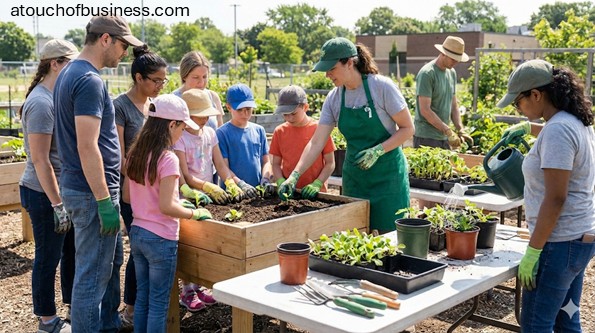
Overview of A Gardening Class Business
Before you touch a seed packet, check your readiness. Business ownership is a full-responsibility deal, even when the business looks simple from the outside.
So ask yourself: is owning a business right for you, and is a gardening class business right for you? If you don’t like teaching, repeating yourself, or handling people problems, this may not be your lane.
Passion matters here more than people admit. Passion doesn’t replace skill, but it helps you keep working when your first class flops or the venue cancels—see why passion supports persistence.
Now the hard question you can’t dodge: “Are you moving toward something or running away from something?” If you’re doing this only to escape a job you hate or financial stress, you can rush into a bad setup and regret it.
Reality check—income can be uncertain at first. Hours can be long, tasks can be hard, vacations can shrink, and you’re the final decision maker. You also need family support, skills you can use right now, and enough funding to start and operate until cash flow becomes steady.
Before you commit, talk to owners who run gardening classes. Only talk to owners you will not be competing against. That usually means a different city, county, or region.
Ask a few direct questions, like: What did you underestimate when you launched? What class topics actually filled seats fast? What would you do differently before your first paid class?
Now the business itself. A gardening class business teaches people how to garden through workshops, series, private lessons, or online sessions. It’s often something you can start on your own, part time, and scale as demand grows.
Most first-time owners start small—one class topic, one location plan, and simple tools. If it grows, you add more class topics, more dates, and maybe another instructor later.
Is This The Right Fit For You?
This is a good fit if you like teaching and you enjoy helping people who are brand new. You can explain simple steps without getting impatient, and you don’t mind being “on” in front of a group.
It may not be a good fit if you dislike planning, setting rules, or dealing with cancellations. If you avoid admin work, you’ll feel pressure fast—because even one class needs a clean setup, clear rules, and a way to accept payment.
Quick self-check. Can you teach the same basic idea three different ways? Can you stay calm when someone shows up late and wants special treatment? Can you keep your standards when a partner venue changes the room at the last minute?
If you’re unsure, don’t guess. Use a small pilot class as your test run and keep your risk low. You can also review startup considerations so you don’t skip the basics.
How Does A Gardening Class Business Generate Revenue
You’re not selling “gardening.” You’re providing learning, confidence, and a clear result in a set time. That’s why people pay.
Most new owners start with one or two income paths, then expand. Keep it simple at launch so you can deliver well.
- Paid workshops: Single sessions with a fixed price per seat.
- Multi-week series: A structured set of classes priced as a bundle or per session.
- Private lessons: One-on-one teaching at a client site or a venue you control.
- Hosted classes: A garden center, library, or community group pays you a fee or shares revenue.
- Online classes: Live sessions or pre-recorded lessons.
- Add-ons: Optional starter kits or printed guides when it fits your plan and local rules.
If you plan to sell or ship plants, seeds, or kits—especially across state lines—pause and verify rules on interstate plant movement and any quarantine restrictions through USDA APHIS Plant Protection and Quarantine guidance and your state agriculture agency. Not every plan needs this, but the wrong plan can create headaches.
Customers You Can Serve
You can teach almost anyone, but you should not try to serve everyone at launch. Pick one or two groups and build your first classes around what they want.
Think about what those people struggle with and what results they want in a short time. That’s your starting angle.
- New homeowners: Want a simple plan and fewer beginner mistakes.
- Apartment or condo residents: Need container and indoor gardening skills.
- Busy parents: Want kid-friendly activities and simple wins.
- Retirees: Often want deeper learning and community.
- Community groups: Garden clubs, community gardens, and local programs.
- Organizations: Schools, senior centers, and corporate groups for private sessions.
Pros And Cons To Weigh
This business can be simple to launch, but it still demands planning. If you want fewer surprises, look at both sides.
Be honest with yourself. You’re building a service business where trust and clarity matter from day one.
- Pros: You can start solo, test demand fast, and teach in-person or online.
- Pros: Partner venues can reduce your need for your own space.
- Cons: Demand can change with seasons and weather, especially outdoors.
- Cons: Hands-on classes add setup, cleanup, and supply planning.
- Cons: Venue rules can limit class size, timing, and activities.
Step 1: Decide Your Business Model And Scale
Start by choosing how you will run this—solo, with a partner, or with outside funding. Most first-time owners can start solo and keep risk low.
Also decide your early staffing plan. Will you teach every class yourself at first, then add another instructor later? Or do you want a helper on day one for setup and student support?
If you expect large classes, multiple locations, or a full schedule right away, you may need more help and more cash early. If you’re starting with one class per week, you can usually handle it on your own.
Step 2: Validate Demand And Confirm Profit Potential
Don’t guess that people will pay. Prove it.
Start with a simple test: a waitlist and a few proposed class times. Use clear wording and a clear result, then see if people sign up.
You also need profit potential, not just interest. Price has to cover your time, supplies, venue cost, marketing, and administration. If you can’t see a path to pay yourself, you’re building a hobby.
If you need a fast refresher on how demand works, read supply and demand basics and apply it to your local area and your class topics.
Step 3: Choose Your Class Focus And Delivery Format
Pick one core topic to launch with. “Beginner vegetable gardening” or “container gardening for small spaces” is easier to sell than “everything gardening.”
Then pick your format. A single workshop is simple. A multi-week series can create better results, but it takes more planning.
Online is possible, but you still need structure. In-person is more hands-on, but you need a space plan and a cleanup plan.
Step 4: Choose Your Location Plan And Confirm Site Rules
Where you teach changes everything. It affects customer trust, travel time, setup needs, and local rules.
Your options usually include home-based teaching, rented rooms, partner sites like garden centers, public venues, or on-site private lessons at a client location.
If your model depends on foot traffic, location matters more. If customers register online and show up on class day, the “best” location is often the one with easy parking, clear access, and a simple setup.
To think through location trade-offs, use a location planning guide and match it to how students will actually find you.
Step 5: Define What You Teach And What Students Get
You need a clear offer. What exactly will students learn, and what will they walk out able to do?
Be specific about what you provide and what they bring. For example, you may provide soil and seeds, while students bring gloves and a small trowel.
If you include tools, plan for safety and supervision. If you do not include tools, make that clear before anyone registers.
Step 6: Set Pricing That Matches Your Costs And Your Time
Pricing is not a guess. It’s math and positioning.
Start by listing your class length, materials per student, venue cost, and your prep time. Then decide how many seats you can handle well.
Once you have those basics, use pricing guidance to build a price that covers both costs and your time.
Step 7: List Startup Essentials And Build A Real Cost Plan
Your startup needs depend on your format. A small indoor workshop can launch with basic tools, printed handouts, and a way to accept payment.
A hands-on outdoor class may require more: tables, bins for transport, safety supplies, and weather backup plans.
Make a cost plan before you spend. Start with the categories that apply to you and compare options. Use a startup cost estimating guide so you don’t forget items like permits, deposits, and basic marketing.
Step 8: Write A Business Plan Even If You’re Not Seeking Funding
You don’t need a thick document. You need clarity.
A basic plan helps you define your target customer, your offer, pricing logic, startup costs, and launch timeline.
If you want a simple structure, use a business plan guide and keep it focused on what you must decide before launch.
Step 9: Choose A Funding Plan And Set Up Banking
Many people start this business with personal savings and a small first-class budget. That’s common when you start solo and keep your first classes small.
If you need more cash for venues, equipment, or a marketing push, compare funding options and the obligations that come with them. Review business loan basics so you understand what lenders tend to look for.
Regardless of funding, set up a business bank account plan early. A financial institution can walk you through account options based on your structure and needs.
Step 10: Pick A Legal Structure And Register Your Business
Most first-time owners start as a sole proprietor because it’s simple. As the business grows, many owners form a limited liability company for separation and structure.
Your best choice depends on your state rules, tax situation, and risk tolerance. If you want the official overview, the Internal Revenue Service business structures page is a good starting point.
When you’re ready to register, your state’s Secretary of State is a key stop for entity formation rules. The U.S. Small Business Administration registration guide explains the general path and what may be required.
If you want a step-by-step overview of the process, see how to register a business and then verify steps with your state and local offices.
Step 11: Get Tax Identification And Set Up Your Tax Accounts
You may need an Employer Identification Number depending on your setup. The IRS explains when and how to apply on Get an employer identification number.
State tax registration depends on your state and what you sell. Some states tax certain types of classes, and product sales rules can differ too.
Use the SBA tax identification overview and then go to your state Department of Revenue for the correct registration path.
Step 12: Confirm Licenses, Permits, And Local Rules
This is where many new owners get sloppy. Don’t.
Whether you need a general business license, a home occupation approval, zoning clearance, or a Certificate of Occupancy depends on where and how you teach.
Start with the SBA licenses and permits guide, then verify with your city and county offices.
If you plan to apply or supervise use of restricted use pesticides as part of your teaching, certification is required under federal standards. Confirm your state certifying authority using the Environmental Protection Agency certification standards.
Step 13: Choose Insurance Coverage That Matches Your Risk
Insurance is part of risk planning. It’s also sometimes required by a venue contract.
General liability insurance is a common starting point for a teaching business, especially with hands-on activities. If you have employees, workers’ compensation requirements vary by state, so verify with your state agency.
For a simple overview of what to consider, see business insurance guidance.
Step 14: Lock In Your Name And Digital Footprint
Name decisions become paperwork. So don’t rush it.
Confirm your business name options in your state, then secure a matching domain and social handles. Use a business name selection guide to avoid common issues.
When you build your site, your goal is simple: explain the class, show dates, answer common questions, and make registration easy. If you want a walkthrough, review how to build a business website.
Step 15: Build Your Brand Basics And Proof Assets
Brand identity is not about looking fancy. It’s about being clear and consistent.
At launch, you usually need a logo, basic colors, a simple website, and clean printed pieces. If you plan to use business cards or signage, do it with purpose.
You can review corporate identity considerations, along with what to know about business cards and business sign considerations.
Step 16: Prepare The Customer Experience Before You Launch
Before you sell a seat, set your rules. Refunds, rescheduling, weather plans, and what students must bring should be clear.
Set up your registration and invoicing flow. Decide how you will accept payment and how you will confirm attendance.
If you don’t want to do this alone, build your support team early. A bookkeeper, attorney, or insurance agent can reduce errors. See how to build a team of professional advisors so you know who to contact and when.
Step 17: Create A Simple Marketing Plan And Schedule Your First Dates
Marketing is just how people find you. That’s it.
Choose two or three channels that fit your audience. Examples include community boards, partner venues, local groups, email lists, and social posts with clear class dates.
If you’re planning a bigger launch event at a physical site, use grand opening ideas. If not, keep it simple and focus on getting your first class filled.
Step 18: Do A Final Pre-Opening Check
This is where you stop guessing and start confirming. Check your permits, your venue agreement, your insurance, and your class supplies.
Then do a small pilot run with a few people. You’re not looking for compliments—you’re looking for problems you can fix before paying students show up.
If you plan to hire help soon, learn the basics now. Use how and when to hire so you know what changes when you bring people on.
Startup Essentials And Cost Snapshot
You asked for facts, not hype—so here’s the truth. Startup cost ranges can vary a lot because your venue and class style drive spending.
A small, indoor workshop with limited supplies can cost far less than a hands-on class where you provide tools, containers, and take-home materials.
- Teaching setup: Printed materials, basic audio, and simple presentation tools. If you teach online, plan for a stable camera and microphone.
- Hands-on supplies: Soil, seeds, trays, pots, labels, and sanitation items. Quantity changes with class size.
- Venue costs: Room rental fees, deposits, and any required insurance certificates.
- Business setup: Registration fees, licenses, and permits based on your location.
- Marketing basics: A simple website, local listings, and basic printed items if needed.
If you want to be more precise, build a list of everything you need and price each item. Use startup cost estimating steps and adjust for your class size and frequency.
Essential Equipment And Supplies
Your equipment list should match what you teach. Don’t buy tools for topics you won’t offer at launch.
Start with the basics, then add specialty items as your classes expand.
Teaching And Presentation
- Laptop or tablet for notes and visuals
- Portable projector (only if needed)
- Screen or display surface (only if needed)
- Portable speaker and microphone for larger groups
- Tripod or camera stand for online teaching
- Extension cords and power strips
- Printed handouts or laminated reference sheets
- Check-in method (paper sign-in or digital check-in)
Hand Tools For Demonstrations
- Hand trowels
- Hand cultivators
- Pruning shears
- Loppers (topic-based)
- Measuring tape and garden twine
- Plant labels and permanent markers
Soil, Containers, And Propagation
- Potting mix and seed-starting mix
- Compost for teaching examples
- Containers and pots in your chosen sizes
- Seed trays, cell packs, or small nursery pots
- Seeds aligned to your class topic
- Cuttings or starter plants (topic-based)
Watering And Irrigation Basics
- Watering cans
- Spray bottles for seedlings
- Hose and nozzle (only if you have water access and teach outdoors)
- Sample drip irrigation parts (topic-based)
Setup, Storage, And Transport
- Folding tables and chairs (if the venue does not provide them)
- Storage bins and totes
- Drop cloths or tarps to protect floors
- Clipboards (if using paper handouts)
- Pop-up canopy for outdoor shade (weather-based)
Safety And Cleanup
- First-aid kit
- Disposable gloves for soil handling when needed
- Eye protection when tools are used
- Hand sanitizing supplies or a handwashing option
- Trash bags and basic cleanup tools
- Disinfectant wipes for shared tools and surfaces
Skills You Need Before You Teach
You don’t need to know everything about gardening. You do need to know enough to teach your chosen topic with confidence and safety.
If you’re missing a skill, you can learn it or hire support. Don’t pretend you have it and hope no one notices.
- Subject skill: Practical knowledge in the topics you will teach first
- Teaching skill: Explaining steps clearly and handling questions
- Planning skill: Lesson timing, supply planning, and setup flow
- Safety awareness: Tool handling rules and basic hygiene around soil
- Customer communication: Clear instructions, reminders, and policies
- Basic business skills: Pricing math, scheduling, and simple recordkeeping
If you want structured learning resources, cooperative extension programs can be a good option. The USDA explains the extension system on What We Do: Extension.
Pre-Launch Day-To-Day Tasks
This is what your days often look like before launch. It’s not glamorous, but it’s what builds a clean start.
If you want more clarity on what running a business really feels like, read a business inside look and compare it to your expectations.
- Confirm class topics and write simple lesson outlines
- Build a supply list per class and check quantities
- Coordinate with venues on access times, rules, and cleanup
- Set up registration, reminders, and customer questions handling
- Prepare handouts and any take-home materials
- Run a pilot class and adjust timing and supplies
- Schedule your first public class dates and begin marketing
A Day In The Life Before Launch
You wake up and check registrations. Did the class hit your minimum seat count, or do you need to move the date?
Then you prep. You pack tools, materials, and handouts. You confirm the venue, the room, and the setup time—because a “small change” can throw off your whole plan.
After the pilot or practice session, you review what broke. Where did students get confused? Which supplies ran out faster than expected?
Then you fix it and repeat. That’s what launch looks like—testing, adjusting, and making sure your first paid class feels solid.
Red Flags To Catch Early
Most problems show warning signs before they become disasters. You just have to pay attention.
So ask yourself—what are you ignoring because you want this to work?
- A venue cannot clearly confirm occupancy rules, access rules, or cleanup rules in writing
- You plan hands-on tool use without a clear safety plan and supervision approach
- You plan to use or supervise restricted use pesticides without verifying certification rules through the Environmental Protection Agency certification standards
- You plan to sell or ship regulated plant materials without checking USDA APHIS Plant Protection and Quarantine guidance on interstate movement and quarantines
- Your pricing does not cover supplies, venue costs, and your time
- Your offer is vague and your class result is unclear
Quick “Varies By Jurisdiction” Verification Checklist
Local rules can change by state, city, and county. Don’t copy what someone else did in another place and assume it applies to you.
Your job is simple: verify your requirements with the right office before you open registrations.
- Entity formation and business registration: Check your Secretary of State website for rules and filings. Use Register your business as a general guide, then confirm locally.
- Employer Identification Number: Confirm whether you need an EIN using Get an employer identification number.
- State tax registration: Check your state Department of Revenue for sales tax and employer accounts. The SBA tax identification overview can point you in the right direction.
- Local business license: Search your city or county site for “business license” and “business tax” rules.
- Zoning and home occupation: If you teach at home or store supplies at home, contact your city or county planning and zoning office.
- Building approval: If you use a dedicated commercial space, ask the building department about the Certificate of Occupancy and any inspection rules.
- Public property use: If you teach in a park or public facility, ask the parks department about permits and paid class rules.
Two or three questions to ask your local offices: Do I need a general business license for teaching classes? Are there zoning limits if students come to my home? If I teach in a rented room, what approvals does the building department require?
If your classes are open to the public, confirm basic accessibility expectations with Businesses That Are Open to the Public so you understand the general standard.
If you use testimonials or endorsements in marketing, keep disclosures clear. The Federal Trade Commission endorsement guidance is a starting point.
If you need a directory to find your state tax agency fast, use the Federation of Tax Administrators tax agency list.
101 Tips to Plan, Start, and Run Your Gardening Class Business
You’ll find tips here that cover a wide range of real startup and early-stage decisions.
Take what fits your situation and ignore what doesn’t.
You may want to bookmark this page so you can come back when you’re ready.
The best way to use this list is simple—pick one tip, apply it, and move to the next when it makes sense.
What to Do Before Starting
1. Choose one class topic and define the end result in plain words, like “start a container herb garden” or “build a simple compost system.” A clear outcome makes planning and marketing easier.
2. Write down who the class is for by skill level and living situation, such as first-time gardeners with a patio. This keeps your content tight and prevents mixed expectations.
3. Decide whether you’ll teach in-person, online live, or both before buying equipment. Each format needs a different setup, support plan, and customer experience.
4. Test demand with a waitlist and a proposed date before you commit to a venue. If people won’t sign up for updates, they probably won’t pay.
5. Ask potential students what they struggle with most and turn the top answers into class titles. You’re building classes around real pain points, not guesses.
6. Scan local competition including cooperative extension programs, garden centers, community education, and independent instructors. Note what they teach, where they teach, and what seems to fill.
7. Pick a class length you can deliver well without rushing. Most beginner topics work better when you leave room for questions.
8. Set a class size limit based on how many people you can safely supervise during hands-on work. Quality and safety matter more than squeezing in extra seats.
9. Decide what you provide and what students bring, then state it clearly before registration opens. Missing supplies on class day turns into frustration fast.
10. Build a break-even calculation for each class: seats times price minus venue fees, supplies, travel, and your time. If the numbers don’t work, adjust the offer or the format.
11. If any part of the class is outdoors, decide your weather rule before you sell a seat. Make it clear what happens when it rains, gets too hot, or the site becomes unsafe.
12. Make a shortlist of venues and ask about capacity, cleanup rules, accessibility, and insurance requirements. Getting these answers early prevents last-minute cancellations.
13. If you plan to teach from home, check home occupation and zoning limits before advertising. Some areas restrict client visits, parking, and signage.
14. Outline your first three class topics before launch so you’re not scrambling after the first successful session. A simple pipeline reduces stress and keeps momentum.
15. Create a materials checklist for each class and run a full dry run in your own space. You’ll quickly see what you forgot and what takes longer than expected.
16. Price your class using a minimum attendance target that still pays you and covers costs. If you can’t realistically hit that number, change the format or offer.
17. Pick a business name that matches how people search and confirm it’s available where you live. A name that’s easy to spell and say will save you time later.
18. Secure your domain name and matching social handles early, even if your website is simple at first. Consistency prevents confusion and copycats.
19. Choose a business structure that fits your risk and growth plans. Many owners begin as a sole proprietor and later move to a limited liability company when the business expands.
20. Register your business where required and secure needed tax accounts before you start taking registrations. Waiting until after sales begin can trigger messy fixes.
21. Set up a separate business banking plan and keep business transactions separate from personal ones. Clean separation makes recordkeeping and tax time easier.
22. Run a pilot class with a small group and treat it like a real session. Collect feedback, fix timing, and adjust your supply list before your public launch.
What Successful Gardening Class Business Owners Do
23. Treat every class like a product with a clear promise and clear steps. Students pay for a result, not a lecture.
24. Start every hands-on class with a short safety talk that covers tools, lifting, and hygiene. It lowers risk and sets a professional tone.
25. Use a standard agenda so your class runs on time and students feel progress. Consistency builds trust and referrals.
26. Teach in layers by covering the basics first and offering optional “next steps” for experienced people. This keeps beginners from feeling lost.
27. Build reusable handouts that answer the same top questions you hear every session. It improves learning and reduces repetition.
28. Create a seasonal calendar of topics so you’re not inventing classes under pressure. Seasonal planning also helps your marketing feel timely.
29. Partner with a garden center, community group, or local venue to reach people who already care about gardening. A partner can shorten the time it takes to fill seats.
30. Send a pre-class message that covers what to bring, where to park, and what will happen. Good instructions reduce no-shows and confusion.
31. Keep your class supplies organized in labeled bins so setup stays predictable. When setup is fast, you have more energy for teaching.
32. Take photos of your setup and student work with permission. Real visuals are more convincing than stock images.
33. Track where students heard about you and which topics sold best. This tells you what to repeat and what to drop.
34. Keep class sizes small enough that you can watch hands-on work and correct mistakes. A crowded room creates safety and learning problems.
35. Build a simple frequently asked questions section and update it after every class cycle. Each update reduces future customer questions.
36. Include accessibility checks in your venue screening. If people can’t comfortably attend, they won’t return or refer.
37. Save improvements in a single “master class notes” document so you don’t lose progress. Small upgrades add up over time.
Running the Business (Operations, Staffing, SOPs)
38. Write a step-by-step setup checklist for each venue so you can repeat success. A checklist also makes it easier to train help later.
39. Standardize your tool kit so every class uses the same core items. This keeps teaching consistent and reduces confusion.
40. Use the same sign-in process for every class so you always know who attended. Good records help with follow-ups and customer issues.
41. Schedule buffer time for setup and cleanup instead of stacking sessions too tightly. Tight timing increases mistakes and stress.
42. Decide how early you arrive and how late you stay, then build that time into your pricing. If you ignore your time, you underprice yourself.
43. Keep a backup kit for predictable problems like dead markers, missing labels, or forgotten handouts. Small failures can derail the start of class.
44. Create a late-arrival rule and apply it consistently. The rest of the group should not lose learning time.
45. Publish a rescheduling rule for weather, low enrollment, or venue issues. A clear rule reduces arguments and protects your calendar.
46. Use a registration system that collects contact information and skill level. This helps you tailor instruction and communicate quickly if plans change.
47. Set payment rules that cover when payment is due, what happens if payment fails, and how refunds work. Clear payment rules prevent awkward conversations.
48. If you teach online, test your camera, sound, lighting, and internet in the exact setup you’ll use. A shaky online experience ruins trust fast.
49. Store class files in a consistent structure: slides, handouts, supply list, and follow-up message. Organization saves hours over time.
50. If you bring in another instructor, use a shared outline so students get a consistent experience. You want your brand to feel stable, not random.
51. Decide early whether helpers will be employees or independent contractors and confirm state rules. Misclassification can create legal and tax problems.
52. Create a basic incident log for injuries, conflicts, or property damage. Documenting early keeps details accurate.
53. Keep sanitation supplies for shared tools and indoor surfaces. Clean tools support safety and professionalism.
54. Store soil and plant materials to prevent pests, odors, and spills. A messy storage area becomes a risk and a time drain.
55. Send a post-class follow-up with a short recap and next steps. It helps students act and increases repeat business.
56. Set a simple bookkeeping routine from the start, even if it’s just weekly updates. Good records make taxes and decisions easier.
57. Review your schedule monthly and remove class topics that consistently fail to fill. Keeping weak classes on the calendar wastes time and energy.
What to Know About the Industry (Rules, Seasons, Supply, Risks)
58. Build your class topics around your local seasons, not generic internet advice. Gardening success depends on climate and timing.
59. Learn your area’s typical planting windows so you teach advice people can use immediately. When advice doesn’t work locally, trust drops.
60. Avoid recommending invasive plants and verify your state’s invasive species guidance. What seems “easy to grow” can be illegal or harmful in some areas.
61. If you demonstrate pesticide use, confirm whether certification is required, especially for restricted use pesticides. Do not assume a demonstration is exempt.
62. If you sell plants, seeds, or kits, verify rules for plant movement and restricted items before you ship. Some items can be prohibited or require special handling.
63. If you teach in a public park or public building, ask whether you need a permit for paid classes. Public property rules vary by city and county.
64. If you lease a space for classes, ask the building department whether a Certificate of Occupancy is required for your use. This can affect whether you can legally host the public.
65. If you teach from home, verify home occupation limits related to student visits, parking, and outdoor activity. A neighbor complaint can shut you down.
66. Keep your positioning clear: you are teaching general gardening education, not offering licensed agricultural consulting. Clear positioning reduces confusion and risk.
67. Plan for heat, sun exposure, and allergies in outdoor sessions. Provide basic warnings and encourage students to prepare appropriately.
68. Treat tool safety as a core part of class design, not an afterthought. Beginners need rules and supervision when sharp tools are involved.
69. Expect seasonal demand spikes in spring and early fall. Add more dates then instead of forcing year-round volume.
70. Build relationships with suppliers for soil, seeds, containers, and printed materials. Reliable suppliers reduce last-minute scrambles during peak season.
71. If you partner with a venue, confirm who controls the attendee list and who handles refunds. Unclear roles create customer-service conflict.
72. Design your cancellation rules to protect both you and the customer. Weather and venue issues are predictable, so plan for them.
73. If you take photos during class, get permission and explain how images may be used. Clear consent prevents problems later.
74. If you use testimonials or endorsements in marketing, follow truth-in-advertising rules and disclose relationships. A hidden connection can damage trust.
Marketing (Local, Digital, Offers, Community)
75. Name classes with a clear result, not a vague theme. People enroll faster when they understand what they’ll learn.
76. Use local wording in your class descriptions so nearby students can find you. Local search matters for most in-person classes.
77. Create a simple page for each class with date, time, location, skill level, and what’s included. Clarity prevents questions and increases signups.
78. Make your schedule easy to scan and keep it current. Confusing schedules cause people to abandon registration.
79. Start with two marketing channels you can sustain, then expand after you see results. Consistency beats scattered effort.
80. Ask partner venues to promote your class to their audience. A warm audience often converts better than cold outreach.
81. Offer a beginner series that builds confidence over a few sessions. A series can reduce cancellations because people commit to a path.
82. Collect emails and send a monthly calendar of upcoming classes. People forget, and your reminder keeps you top of mind.
83. Use short videos that show what class looks like. When people can picture it, they’re more likely to enroll.
84. Ask for reviews right after class while the experience is fresh. Reviews can become a major trust signal for new customers.
85. Create a simple referral perk that is easy to track, like a discount on the next class. Complex programs often get ignored.
86. Use limited-seat early sessions as your learning lab, not your profit engine. Then adjust pricing once you know your real costs.
87. Offer private sessions to organizations by focusing on the outcome and time commitment. Busy groups want simple choices.
88. Keep marketing claims specific and verifiable and avoid promises you can’t control. Honest expectations protect your reputation.
Dealing with Customers (Trust, Education, Retention)
89. Set expectations before purchase: skill level, physical requirements, and what students will do during hands-on time. Clear expectations prevent refunds and complaints.
90. Demonstrate first, then guide students through the activity step by step. Many beginners learn better by seeing and then doing.
91. Build question time into planned moments so you don’t get interrupted every minute. This helps the class stay on track.
92. Handle different skill levels by offering optional challenge steps instead of slowing down the whole group. Everyone leaves feeling supported.
93. If children attend, define age ranges, supervision rules, and tool limits before registration. Safety and clarity protect everyone.
94. Teach alternatives for small spaces and small budgets so more people can succeed. When students succeed at home, they come back.
95. Send a simple next-step checklist after class so students apply what they learned. Follow-through is where your reputation is built.
96. Protect customer information and use it only for class communication and business records. Trust includes privacy.
Customer Service (Policies, Guarantees, Feedback)
97. Publish refund and rescheduling policies before checkout, not after a problem occurs. Customers should know the rules before they pay.
98. Use a minimum enrollment rule and notify people early if you must cancel or move a class. Late notices create anger and refunds.
99. When a customer is upset, listen first and restate what you heard before offering a solution. People calm down faster when they feel understood.
100. Ask for feedback using specific questions, like what confused them and what they want next. Specific feedback improves your next class faster.
101. After each class cycle, update your handouts, supply list, and timing notes. Small updates make the next session smoother and more profitable.
If you’re brand new, don’t try to apply all 101 tips at once. Pick the few that remove the biggest uncertainty and act on those first.
When your first classes run smoothly and customers get results, the rest of your decisions get easier—and your business gets stronger one solid step at a time.
FAQs
Question: Do I need a business license to teach gardening classes?
Answer: It varies by city and county, and sometimes by state. Check your city or county business licensing portal and search for “business license” plus “instruction” or “classes.”
Question: What permits do I need if I teach from home?
Answer: Many areas have home occupation rules that can limit student visits, parking, signage, and outdoor activity. Contact your local planning or zoning office and ask what is allowed for paid classes at a residence.
Question: Do I need permission to teach paid classes in a public park or public building?
Answer: Often yes, and the rules vary by location. Ask the parks department or facility manager what permit is required for paid instruction and group gatherings.
Question: Do I need a Certificate of Occupancy for a rented classroom or studio?
Answer: It depends on the building’s approved use and local code rules. Ask the venue owner which approved occupancy applies to your use, then confirm with the local building department if you are unsure.
Question: What business structure should I choose for a gardening class business?
Answer: Many owners start as a sole proprietor because it is simple, then switch to a limited liability company as the business grows. Use the Internal Revenue Service guidance on business structures, then confirm state filing options with your Secretary of State.
Question: Do I need an Employer Identification Number for this business?
Answer: You may need one based on how your business is set up and whether you will hire employees or open certain accounts. The Internal Revenue Service explains when you need an Employer Identification Number and how to apply.
Question: Will I need to collect sales tax on classes or kits?
Answer: It varies by state and sometimes by local rules. Ask your state Department of Revenue whether instruction, digital classes, and add-on goods are taxable in your state.
Question: What insurance do I need before I teach paid classes?
Answer: Venues often require proof of general liability insurance before they will rent you space. If you have employees, workers’ compensation rules vary by state, so verify with your state agency.
Question: What equipment do I need to launch my first gardening class?
Answer: Start with a minimal teaching kit: handouts, basic demo tools, labels, and a safe way to manage soil and water. Build a class-specific supply checklist and run a full dry run before your first paid session.
Question: Where can I find credible gardening education material to build my lessons?
Answer: Cooperative Extension programs and land-grant universities publish research-based gardening guidance. Use local Extension resources so your advice fits regional climate and seasons.
Question: Can I demonstrate pesticides in class, and what rules apply?
Answer: If you apply or supervise the use of restricted use pesticides, certification rules apply under federal standards and state programs. Check federal guidance, then confirm your state’s certifying authority and requirements before you plan any demonstration.
Question: Can I sell plants, seeds, or starter kits alongside my classes?
Answer: You may face rules for regulated plant materials and restrictions on movement across boundaries. Check United States Department of Agriculture Animal and Plant Health Inspection Service guidance before you sell or ship plant products.
Question: What accessibility rules should I think about for in-person classes?
Answer: Businesses open to the public generally have obligations under the Americans with Disabilities Act. Choose venues with accessible entry and seating, and be ready to provide effective communication when needed.
Question: What basic systems should I set up before I open registration?
Answer: Set up registration, payment acceptance, attendee tracking, and a written cancellation policy. Create a repeatable class checklist for setup, safety talk, teaching flow, and cleanup.
Question: What records do I need to keep for taxes and reporting?
Answer: The Internal Revenue Service expects records that clearly show your income and expenses. Pick a simple system you will use weekly, and store receipts and class-related documents consistently.
Question: What metrics should I track to know if my classes are working?
Answer: Track signups, attendance rate, refund rate, cost per class, and profit per class session. Also track which topic and venue fill fastest so you can repeat what works.
Question: How do I reduce no-shows and last-minute cancellations?
Answer: Send a reminder sequence with clear directions, what to bring, and your cancellation rule. Keep class times and locations simple so people do not get confused or drop out.
Question: When should I add another instructor or helper?
Answer: Add help when class size creates safety risk, setup time squeezes your schedule, or student questions overwhelm the flow. Decide whether help will be an employee or an independent contractor, and confirm your state rules before you pay anyone.
Question: What are common mistakes new gardening class business owners make?
Answer: Overbooking classes before they have a repeatable setup, underpricing by ignoring prep time, and skipping local permit checks. Another common issue is unclear policies, which leads to disputes and refunds.
Question: What do I need to know about testimonials and endorsements in my marketing?
Answer: Endorsements must be truthful and not misleading, and you should disclose relationships that could affect credibility. If you offer discounts or free seats for reviews, make that connection clear.
Related Articles
- How to Start a Gardening Blog and Share Your Passion
- Start a Garden Supply Business: Key Steps for Success
- Start a Seed Business: A Practical Step-by-Step Guide
- How to Start a Garden Ornament Store: Complete Guide
- Start a Plant Nursery| Setup, Plant Selection & More Tips
- How to Start an Orchid Nursery: A Practical Beginner’s Guide
- Start a Plant Rental Business: Step-by-Step Success Guide
- Starting a Lawn Care Business: Checklist, Costs & Gear
- How to Start a Landscaping Business: Tips and Startup Steps
- How to Start a Landscape Design Business | Complete Guide
- Start a Cooking Class Business with Clear Simple Steps
- How to Start an Art Class Business: Checklist & Steps
Sources:
- ADA.gov: Businesses open public
- Animal and Plant Health Inspection Service: Plant product imports, Plants special requirements
- Environmental Protection Agency: Certification standards
- Federal Trade Commission: Advertisement endorsements
- Federation of Tax Administrators: Tax agencies
- Internal Revenue Service: Business structures, Get employer ID, State websites, Record keeping
- National Institute of Food and Agriculture: Extension
- U.S. Small Business Administration: Apply licenses permits, Register business, Get tax ID, Open bank account, Get business insurance