
Key Setup Steps and Owner FAQs for Heavy Equipment Rental
Overview of the Business
You’ve probably seen it. A crew is ready to start, but the right machine is not on-site. The day stalls. Everyone gets frustrated. That gap is exactly where equipment rental companies fit.
A heavy equipment rental business is a company that rents or leases construction, mining, and forestry machinery and equipment without an operator.
The North American Industry Classification System (NAICS) lists this activity under NAICS 532412.
How This Business Generates Revenue
Your core revenue comes from renting or leasing machines and attachments for set time periods. The NAICS definition focuses on renting or leasing equipment without operators, which is the key distinction for this business type.
If you plan to provide operators with the equipment, that is typically classified elsewhere depending on the service. The NAICS sector notes that renting or leasing equipment with operators is excluded from this sector. NAICS exclusions
Products and Services You’ll Offer
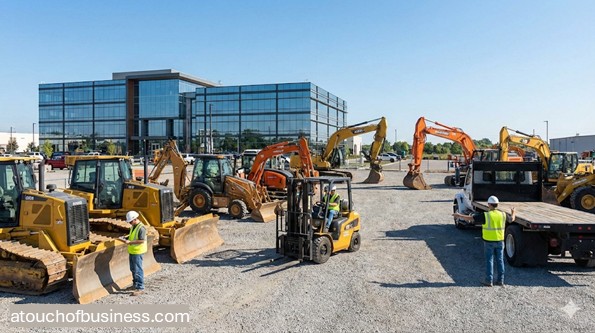
Start with what you plan to rent or lease. The NAICS examples include bulldozers, earthmoving equipment, well-drilling machinery, and cranes (without operators). Illustrative examples
Most startups also include attachments that match the machines they carry, because attachments change what a machine can do and affect demand in your area.
Who Your Customers Are
This sector is tied to business customers. The NAICS sector notes that rental and leasing services generally cater to a business clientele.
In plain terms, expect most demand to come from contractors, trades, site work crews, and project-based companies that need machines for a job window, not forever.
Pros and Cons to Know Up Front
This business tends to be asset-driven. You’ll tie up capital in machines, transport, storage, and compliance. That reality should shape how you plan, fund, and structure the company.
- Pros: Clear, defined service (rent/lease); demand is tied to project work; the fleet can be expanded in stages as capacity grows.
- Cons: High startup needs (machines, transport, storage); real safety and environmental compliance exposure; damage, theft, and liability risks must be addressed before launch.
Can You Start This on Your Own?
You can start small with a tight fleet and a narrow service area, especially if you can handle scheduling, customer calls, and coordination yourself. But this is not a low-lift startup. Even a small launch usually requires outside funding, strong insurance planning, and a storage location that fits local rules.
Many owners start owner-managed, then add staff once rentals and deliveries justify it. If you plan a larger yard and a larger fleet from day one, expect investors or lenders and earlier hiring.
Skills You’ll Need Before You Launch
You do not need every skill personally, but you do need coverage for each area. If you lack a skill, learn it or pay for it.
- Equipment knowledge: Matching machines and attachments to job needs, reading spec sheets, and spotting obvious wear or safety issues.
- Risk awareness: Contract basics, damage responsibility, and documentation habits.
- Scheduling and coordination: Delivery timing, pickups, and availability control.
- Compliance awareness: Knowing when environmental, transportation, or workplace safety rules apply and where to verify them.
- Basic business planning: Budgeting, pricing structure, and recordkeeping.
Day-to-Day Activities (So You Know What You’re Signing Up For)
Even though this guide focuses on startup, you should understand what the work looks like once you open. That helps you decide if the business fits you before you invest.
- Confirm availability, schedule deliveries and pickups, and document condition before and after each rental.
- Coordinate basic checks, cleaning, and readiness so equipment can be rented again.
- Manage contracts, deposits (if used), invoices, and disputes.
- Track compliance items tied to your yard, fuel storage, waste handling, and workplace safety.
A Day in the Life of the Owner
You start with the calendar. Deliveries, pickups, and any deadline jobs are first, because timing is the value you sell.
Midday is usually customer calls, availability checks, and paperwork. Later, you’re verifying returns, documenting condition, and lining up the next day’s moves.
Red Flags to Watch For Before You Commit
Use these as startup screening checks. If you can’t resolve them before launch, they can cause delays or liability.
- No clear local path for yard use (zoning, Certificate of Occupancy (CO), site rules).
- No plan for transport compliance if you will deliver machines using trucks or trailers.
- Fuel, oil, or wash-down plans that ignore spill prevention or stormwater requirements.
- No written rental agreement plan, especially around damage responsibility and documentation.
- Buying machines without a way to verify condition, service history, or title status.
Step 1: Do a Fit Check Before You Spend
Start with your personal readiness. Use these business start-up considerations as your baseline.
Ask yourself one blunt question: “Are you moving toward something or running away from something?”
- MUST: Decide if you can handle responsibility, uncertainty, and problem-solving pressure.
- MUST: Check your motivation and whether you can stay consistent when results are slow.
- MUST: Read why passion matters before you start, because persistence is part of the startup cost.
Step 2: Talk to Owners in Non-Competing Areas
Do not skip this. Talk to people who already run an equipment rental company, but only outside your competitive area. You want real answers without creating conflict.
Use this inside-look guide to structure what you ask and what you observe.
- “What did you underestimate before you opened?”
- “What would you do differently with your first fleet purchase?”
- “What local rules slowed you down the most?”
Step 3: Choose a Simple Business Model and Launch Scale
Decide how you will start: solo, with a partner, or with investors. Tie this to your fleet size, delivery plan, and location plan.
If you plan a larger yard and multiple machines, you’ll likely need financing and early staffing. If you plan a smaller launch, you may be able to stay owner-managed longer.
- MUST: Define your first service area and what equipment types you will carry.
- MUST: Decide if you will deliver equipment or require pickup.
- SHOULD: Decide staffing timing now, even if you start solo. Hiring timing guide
Step 4: Prove Demand and Profit Potential
You need proof before you buy machines. Start with demand signals and competitive reality in your area.
Use a simple supply-and-demand check so you’re not relying on hope. Market demand checkup
- MUST: Identify direct competitors, their fleet focus, and their availability patterns.
- MUST: Confirm who rents most in your area (business customers) and what equipment types are requested.
- SHOULD: Confirm seasonality and project cycles that affect demand.
Step 5: Decide Where You Can Legally Store and Stage Equipment
Your location decision is not just “where is it cheap.” It is “where is it allowed” and “can customers and trucks access it safely.”
Use this location planning guide to think through access, visibility, and rule checks. Choosing a business location
- MUST: Check zoning and site use rules before signing a lease.
- MUST: Confirm whether a Certificate of Occupancy (CO) is required for your site use.
- SHOULD: Plan security basics (fencing, lighting, controlled access) before equipment arrives.
Step 6: Build Your Essential Items List
Start with the minimum you need to launch safely and legally. Then scale up as demand proves itself.
Keep your list specific, because this is what drives your budget and funding plan.
- Rental fleet (examples from NAICS): bulldozers, earthmoving equipment, well-drilling machinery, cranes (without operators), plus attachments matched to your fleet. NAICS 532412 examples
- Transport and loading: truck(s) appropriate for towing, equipment trailers, tie-down chains/straps, binders, ramps, wheel chocks.
- Yard and storage: fencing, gates/locks, lighting, cameras, signage, storage container or secure parts area.
- Maintenance readiness: basic tools, grease gun and grease supplies, fluid storage in appropriate containers, spill cleanup supplies.
- Safety and documentation: fire extinguishers, first-aid supplies, cones, warning labels, inspection forms, camera or phone for condition photos.
- Office and systems: computer, printer/scanner, business phone line, email domain, recordkeeping method, invoicing and payment tools.
Step 7: Estimate Startup Costs and Tie Them to Scale
Now turn your items list into a working budget. This is where scale matters most. A larger yard and larger fleet changes everything: funding, insurance, and staffing.
Use a structured process so you don’t miss categories. Estimating startup costs
- MUST: Separate one-time startup needs (site setup, initial fleet acquisition) from recurring monthly commitments (lease, insurance, software).
- MUST: Get written quotes for the largest categories (fleet, transport, insurance, site lease).
- SHOULD: Build a buffer for delays tied to permits, delivery, and inspections.
Step 8: Set Pricing and Rental Terms Before Launch
Pricing is part structure and part local reality. You need a clear rate structure (time periods, included hours, overage rules) and clear written terms.
Use this pricing guide to build a method that fits your market and risk. Pricing products and services
- MUST: Define what the customer gets, what counts as damage, and how condition is documented.
- MUST: Decide how you will accept payment and what proof you require before releasing equipment.
- SHOULD: Confirm whether your state applies sales or use tax to rentals and how you must collect and remit it.
Step 9: Write a Business Plan (Even If You Don’t Borrow)
You need a plan because this business can consume cash fast. A written plan forces clarity on fleet decisions, location constraints, and compliance timing.
If you want a practical structure, use this guide. How to write a business plan
- MUST: Document your launch scale, target customer type, and first fleet list.
- MUST: Document your compliance checks and timeline.
- SHOULD: Document your break-even assumptions and what triggers expansion.
Step 10: Plan Funding and Your Banking Setup
Once your plan and budget are real, you can talk to lenders or partners with specifics. If you need a loan, start with a clear request tied to the fleet and site plan.
Use this guide to understand what lenders usually look for. How to get a business loan
- MUST: Open business bank accounts and keep transactions separate from personal use.
- MUST: Set up a clean system to accept payment, issue invoices, and track deposits if you use them.
- SHOULD: Build a relationship with a local bank or credit union if you plan to expand the fleet.
Step 11: Choose a Legal Structure and Register the Business
Liability is real in this industry. Many owners choose a limited liability company for separation, but your best choice depends on your risk profile, taxes, and growth plan.
Start with the basics, then verify your state’s rules. How to register a business
- MUST: Register your entity (or file as a sole proprietor, if appropriate) through your state’s business filing office.
- MUST: Register any assumed name or “doing business as” name if you operate under a name that differs from your legal entity.
- SHOULD: If you start as a sole proprietor, understand the pathway to form a limited liability company later as risk and assets grow.
Step 12: Get Your Tax Identifiers and Accounts Set Up
You’ll usually need a federal Employer Identification Number (EIN) to open bank accounts and run payroll if you hire. The Internal Revenue Service provides EIN applications online. Apply for an EIN online
You also may need state tax accounts, including sales and use tax registration and employer accounts if you hire. The U.S. Small Business Administration summarizes these common steps and points you to state agencies. Get federal and state tax ID numbers
Step 13: Check Licenses, Permits, and Site Approvals
Many startups get delayed here. The approvals you need depend on your exact location and your activities (yard use, signage, fuel storage, wash-down, waste handling).
Start with the Small Business Administration’s overview, then verify locally. Apply for licenses and permits
- MUST: Confirm local business licensing and site approvals (zoning and Certificate of Occupancy (CO) when required).
- MUST: Confirm environmental rules that apply to your yard activities if you store oil, fuel, or manage used oil.
- SHOULD: Confirm stormwater requirements for industrial activities if your site triggers them. EPA stormwater overview
Step 14: Confirm Transportation Requirements If You Deliver Equipment
If you deliver machines with trucks or trailers, you may fall under federal or state motor carrier rules. Start by checking whether you need a U.S. Department of Transportation number and what triggers apply to your operation.
The Federal Motor Carrier Safety Administration provides a starting point for this check. Do you need a USDOT number
Step 15: Set Up Safety Compliance Basics Before You Open
Do not wait until your first rental to think about training and workplace safety. If you use forklifts or similar powered industrial trucks at your site, training requirements apply.
Use the Occupational Safety and Health Administration’s standard page as your reference point. OSHA powered industrial trucks standard
Step 16: Build Your Environmental Compliance Plan for Oil and Fluids
If you store, transfer, use, or generate oil-based fluids on site, you need a plan that fits the rules that apply to your facility. Used oil handling has federal management standards, and states may add stricter requirements.
Start with the Environmental Protection Agency’s used oil guidance for businesses. Managing used oil guidance
- MUST: Decide where and how you will store used oil and contaminated fluids in approved containers.
- MUST: Identify your state environmental agency rules that add to federal requirements.
- SHOULD: If you store fuel or oil on-site, check whether the Spill Prevention, Control, and Countermeasure rule applies to your facility and capacity. EPA SPCC overview
Step 17: Line Up Insurance and Risk Controls Before You Deliver Anything
You need coverage before a machine leaves your yard. This is the point where a broker and legal review can save you from launching with gaps.
Use this insurance overview to identify common policies and the questions to ask your provider. Business insurance overview
- MUST: Confirm what coverage is required in your state if you hire employees.
- MUST: Match policy limits and exclusions to your fleet, site risks, and delivery plan.
- SHOULD: Ask your agent how theft, vandalism, and off-site damage are handled.
Step 18: Lock In Your Name, Domain, and Brand Basics
Get your naming right before you print signs or file registrations. You want a name you can legally use and a domain you can own.
Use this guide for a practical naming process. Choosing a business name
- MUST: Check name availability with your state business filing office.
- MUST: Secure a matching domain and consistent social handles.
- SHOULD: Build a basic corporate identity package before launch materials. Corporate identity packages
Step 19: Build Your Launch-Ready Customer Assets
Before your first customer call, you need proof assets: a simple website, clear contact info, and documents that support clean rentals.
Start with a basic website plan and build only what you need to launch. Build a business website
- MUST: Prepare rental documents (agreement, condition report, photo process, and return checklist).
- MUST: Prepare basic printed materials for local relationships. Business cards
- SHOULD: Plan signage only after you confirm local sign rules. Business sign considerations
Step 20: Plan Your Marketing Kickoff and Opening
You do not need a giant launch. You need a clear first push: who you serve, what you carry, and how to contact you.
If you will have a customer-facing site, use these ideas for local launch planning. Get customers through the door and plan a grand opening
Step 21: Run Your Pre-Opening Compliance and Readiness Check
This is your final gate. Your goal is simple: no legal gaps, no unclear paperwork, and no equipment leaving the yard without documentation.
If you want to avoid common startup errors, review this list and correct weak spots now. Avoid common startup mistakes
- MUST: Confirm entity registration, tax accounts, and local approvals are complete.
- MUST: Confirm insurance is active and matches your fleet and delivery plan.
- MUST: Confirm your rental agreement and inspection documentation are ready to use.
- SHOULD: If you feel unsure, build a small advisor bench (attorney, insurance broker, accountant). Team of professional advisors
Varies by Jurisdiction
Some steps are universal. The details are not. Use this checklist to verify your exact requirements where you live.
When in doubt, start with the Small Business Administration’s guidance on where to verify and then confirm with your state and local offices. Register your business overview
- Entity filing and assumed name: Verify with your state business filing office (search: “Secretary of State business entity search” and “assumed name filing”).
- Sales and use tax on rentals: Verify with your state department of revenue (search: “sales tax equipment rental”).
- Local licensing, zoning, and Certificate of Occupancy (CO): Verify with your city or county business licensing and building department (search: “business license application” and “certificate of occupancy”).
- Yard environmental rules: Verify with your state environmental agency (search: “used oil generator requirements” and “industrial stormwater permit”).
- Delivery compliance: Verify with your state transportation agency and the Federal Motor Carrier Safety Administration if you cross state lines. USDOT number check
Quick owner questions that decide what applies: Will you have employees in the first 90 days? Will you store fuel or oil on-site? Will you deliver equipment using your own trucks and trailers?
Recap and Is This the Right Fit for You?
This is a startup that rewards clear planning and punishes vague assumptions. You’re building a system around assets, timing, and compliance.
A Heavy Equipment Rental Business tends to suit you if you like logistics, documentation, and solving practical problems under deadlines.
- Best fit: You want a defined service, you can plan in detail, and you can handle responsibility.
- Not a fit: You want a low-cost, low-risk startup, or you dislike paperwork and compliance checks.
Simple self-check: Can you clearly explain your first fleet, your legal location plan, and your compliance checklist in plain language? If not, go back to Step 4 and tighten it before you spend.
One last reminder: a Heavy Equipment Rental Business is easiest to launch when you keep the first version small, document everything, and expand only after demand proves itself.
101 Tips to Organize and Run Your Heavy Equipment Rental Business
You start the day thinking you’re set.
Then a customer calls because a machine won’t start, a trailer is late, or a return shows up damaged.
This list is built for those moments.
Pick the tips that fit your stage, save the rest, and come back when you’re ready for the next improvement.
What to Do Before Starting
1. Pick a clear launch lane: earthmoving, lifting, compaction, or a tight mix you can support without scrambling for parts.
2. Choose a service radius you can reliably deliver to and pick up from without breaking your schedule.
3. Decide early if you will deliver machines or only offer yard pickup, because delivery changes licensing, insurance, and transportation rules.
4. Select a yard location based on what’s allowed, not just what’s cheap; verify zoning and whether a Certificate of Occupancy is required.
5. Build a “minimum fleet” list that matches local demand, then add attachments that expand use without adding a whole new machine type.
6. Create a standard condition report before you buy anything; if you can’t describe condition consistently, you can’t defend it later.
7. Set your rental time blocks up front (daily, weekly, monthly) and define exactly when the clock starts and ends.
8. Decide what “ready to rent” means for each machine type, including fuel level, cleanliness, basic checks, and required paperwork.
9. Confirm your Employer Identification Number plan and state tax registrations before you open accounts or hire staff.
10. If you will store fuel, oil, or other fluids onsite, learn whether spill prevention planning applies to your facility and activities.
11. If you will wash equipment onsite, check local wastewater and stormwater rules so you don’t build a setup you can’t use.
12. Create a simple launch checklist that ends with “first rental ready,” not “everything perfect.”
What Successful Heavy Equipment Rental Business Owners Do
13. They keep fleet choices boring at first and win by being dependable, not by having every machine under the sun.
14. They standardize attachments and wear parts across the fleet to reduce downtime and simplify stocking.
15. They keep a written rule for who can approve exceptions, like late returns, off-route delivery, or softening damage charges.
16. They treat inspection photos like receipts: clear, dated, and taken the same way every time.
17. They use simple tags for equipment status (ready, reserved, out, hold for repair) so no one guesses.
18. They match promises to capacity; if the schedule is tight, they stop accepting new reservations instead of hoping it works out.
19. They build repeat business with consistency: same pickup process, same paperwork, same expectations.
20. They protect the yard with layered security: fences, lighting, controlled access, and an “end-of-day lockup” routine.
21. They run a tight delivery plan with time buffers, because one delay can ruin the whole day.
22. They keep training simple but strict: new people move machines only after you’ve tested them on your property.
23. They track common damage types by machine and adjust deposits, rules, or customer education based on real patterns.
24. They build relationships with local repair shops and parts sources before the first emergency.
25. They keep their paperwork plain and enforce it evenly, even with friendly customers.
Running the Business (Operations, Staffing, SOPs)
26. Create a single intake path for every reservation: who, what, when, where, delivery or pickup, and who is authorized on site.
27. Use one calendar system that everyone can see, and make it the only source of truth.
28. Assign a unique asset number to every machine, trailer, and attachment, even if you already track serial numbers.
29. Keep a “reservation holds” rule so equipment isn’t blocked by vague promises or unpaid deals.
30. Require a signed agreement before equipment leaves your yard, no exceptions for “we’ll sign later.”
31. Set a rule for identification and verification for new accounts, especially for high-theft items and first-time renters.
32. Standardize your pickup process: customer check-in, paperwork review, walk-around, photos, then release.
33. Standardize your return process: check-in time stamp, walk-around, photos, fuel check, and damage notes before the customer leaves.
34. Build a “damage decision” flow: what counts as normal wear, what triggers a charge, and who approves disputed items.
35. Keep an “out-of-service” tag system that physically blocks a machine from being rented when it’s unsafe or incomplete.
36. Use a written cleaning standard so “clean enough” means the same thing every time.
37. Create a quick-start guide for each machine with your rules, basic safe use reminders, and emergency contact steps.
38. If you use forklifts in the yard, follow powered industrial truck training requirements and document evaluations.
39. Limit who can move machines on your property, and require spotters for tight spaces and loading areas.
40. Establish a secure key and code policy; lost keys and shared codes become a security problem fast.
41. Keep a daily yard walk routine that checks gates, lighting, high-theft storage, and any equipment parked near exits.
42. Put your most stolen attachments and small items in locked storage, not in open racks.
43. Keep maintenance logs simple: date, hours, work done, parts used, and who approved the return to service.
44. Create a preventive maintenance schedule by hours or time and stick to it, even when you’re busy.
45. Store fluids in clearly labeled containers and keep spill cleanup supplies where the work happens, not in a back room.
46. If you generate used oil, follow used oil handling rules and keep containers closed, labeled, and protected from leaks.
47. Build a parts reorder point system for the few items that stop rentals most often (filters, pins, teeth, hoses).
48. Use checklists for repetitive work so new staff can follow your standards without guessing.
49. Write a short standard operating procedure for the top ten tasks: check-out, return, delivery, pickup, damage review, cleaning, and lockup.
50. Train staff to document first, fix second; photos and notes should happen before repairs or cleaning hide evidence.
51. Use a delivery checklist that includes address verification, site contact, access notes, and load securement checks.
52. Make one person responsible for dispatch decisions; too many voices create late trucks and missed promises.
53. Keep a “late return” plan that includes customer contact timing, fees, and how you protect the next reservation.
54. Define how you handle breakdowns: who the customer calls, how fast you respond, and when you swap equipment.
55. If you take calls after hours, set a narrow emergency definition so your phone doesn’t become a 24/7 help desk.
What to Know About the Industry (Rules, Seasons, Supply, Risks)
56. Treat transportation compliance as a core risk area if you deliver; check whether you need a U.S. Department of Transportation number and whether your state has added intrastate requirements.
57. Know that permit rules for oversize or overweight loads vary by state; verify before hauling a load that may exceed limits.
58. Build a storm plan for your yard: where machines park, how you handle flooding risk, and how you protect paperwork and keys.
59. Expect seasonal swings; plan your fleet around the work your region can do in winter, rainy months, or extreme heat.
60. Watch local construction signals like new developments, road work, and utility projects; they often predict rental demand shifts.
61. Understand that licensing and permitting needs depend on location and activity; do not assume your county rules match the next county.
62. If you store significant amounts of oil onsite, learn when spill prevention planning applies and who is responsible for maintaining the plan.
63. Treat used oil and oily waste as a regulated responsibility, not a trash problem; set up compliant storage and a reputable pickup method.
64. Build a theft prevention mindset from day one; high-value equipment attracts organized theft, not just opportunistic crime.
65. Know which equipment types are most often damaged in your area and adjust your training and contract language to match reality.
66. Plan for supply chain delays on parts and tires; stock the few items that routinely stop a machine from renting.
67. Learn the difference between normal wear and damage that affects safe operation, and write it down in your policy.
68. Watch weather forecasts like a scheduler, not a spectator; storms change delivery timing, site access, and safety risks.
69. Assume customers will use equipment hard; your pricing and inspections should reflect real use, not best-case behavior.
70. If you expand into new equipment categories, confirm training needs, yard space needs, and transport requirements before purchase.
71. Keep records organized for audits and claims; insurance and disputes often come down to documentation quality.
72. Build a local professional support team early (insurance agent, attorney, accountant) so you can get answers fast when things change.
Marketing (Local, Digital, Offers, Community)
73. Make your website simple: fleet list, service area, delivery options, hours, and a phone number that’s answered.
74. Use clear equipment naming and common search terms; customers often search by machine type, not brand or model.
75. Photograph each machine and attachment in good light and keep photos current so customers know what to expect.
76. Post your rental requirements plainly (identification, deposits if used, business documents) so you filter out bad-fit calls early.
77. Build partnerships with contractors outside your direct competition, like material suppliers and repair shops, for referrals.
78. Join local builder and contractor groups and show up consistently; familiarity often wins over cheaper pricing.
79. Create a “first rental” page or handout that explains pickup, return timing, and what triggers damage charges.
80. Track which marketing sources bring reliable customers, not just calls; quality matters more than volume.
81. Offer delivery windows you can hit reliably, then market that reliability as your differentiator.
82. Use business cards and jobsite signage where allowed, but verify local sign rules before you install anything.
83. Highlight attachments and add-ons that solve common job problems; customers often don’t know what’s available unless you show them.
84. Encourage repeat customers to reserve early for peak season, and reward planning with smoother scheduling, not vague discounts.
Dealing with Customers (Trust, Education, Retention)
85. Start every new relationship by setting expectations: what’s included, what isn’t, and what “return condition” means.
86. Ask where the equipment will be used and how it will be transported; those answers help you prevent predictable problems.
87. Confirm the site contact person and phone number for every delivery so your driver is not guessing at the gate.
88. Use a short safety briefing at pickup; it reduces damage and protects customers from preventable injuries.
89. Make customers sign off on condition with photos at pickup and return; it keeps disputes about facts from becoming arguments.
90. Be firm on unauthorized use rules; if only certain people can operate, document it and enforce it.
91. When a customer is late, communicate early and give options (extend, swap, reschedule delivery) instead of waiting for the deadline.
92. If a machine fails, respond fast with a clear plan: troubleshoot steps, swap timing, and how billing is handled.
93. Keep a simple system for customer notes (site access, preferred delivery times, recurring needs) so service improves over time.
94. Thank reliable customers with consistency and priority availability when possible; predictability is often the best retention tool.
Customer Service (Policies, Guarantees, Feedback)
95. Write your policies in plain language and show them before checkout; surprises at return create conflict.
96. Create a dispute process with a clear timeline: when customers must report issues and when you review damage claims.
97. Use a single point of contact for customer issues so problems do not bounce between staff and escalate.
98. Track complaints by category (late delivery, breakdown, billing, damage disputes) and fix the system behind the complaint.
99. Ask for feedback right after the first rental, when details are fresh and customers are most likely to respond.
100. Keep refunds and credits tied to written rules so staff decisions are consistent and defensible.
101. Treat every checkout as a service moment: clear instructions, clean equipment, and a calm process make customers feel in control.
FAQs
Question: What counts as an equipment rental business versus a service business with operators?
Answer: In U.S. industry classification, renting or leasing construction equipment without an operator is treated as a rental and leasing activity. If you provide operators, your business may fall under a different category and can trigger different rules and insurance needs.
Question: Can I start without a yard, or do I need a dedicated location right away?
Answer: You can start smaller, but you still need a legal place to store and stage machines and trailers. Zoning and building approvals often decide what’s allowed, not your business plan.
Question: What registrations should I complete before my first rental goes out?
Answer: At minimum, you need your business registered under your state’s rules and a federal Employer Identification Number if you need it for banking, taxes, or payroll. Then you register for state and local tax accounts and licenses that apply to your location and activities.
Question: Do I need an Employer Identification Number if I’m starting solo?
Answer: Not every sole owner needs one right away, but many banks and vendors expect it. If you plan to hire employees or file certain tax forms, you will need it.
Question: Do I need to collect sales tax on rental charges?
Answer: Many states tax rental receipts, but the exact rules and registration steps vary by state. Confirm with your state Department of Revenue before you set up invoices and payment workflows.
Question: What licenses and permits should I expect to research?
Answer: Requirements depend on your business activities and location, so you need to check federal, state, county, and city rules. Start with your state business portal and your local licensing and zoning offices for the site where you store equipment.
Question: Do I need a U.S. Department of Transportation number to deliver equipment?
Answer: It depends on how you operate, including vehicle type and whether you move property in interstate commerce. Use the Federal Motor Carrier Safety Administration guidance to decide if you must register and what else applies.
Question: What if I only deliver within one state?
Answer: Federal rules focus heavily on interstate commerce, but states can add intrastate requirements. Check both your state transportation agency and the Federal Motor Carrier Safety Administration guidance before you start deliveries.
Question: What environmental rules apply if I store fuel, oils, or hydraulic fluids?
Answer: If you store oil and could discharge to navigable waters, Spill Prevention, Control, and Countermeasure planning may apply based on your site and storage. You also need a plan for spill response supplies and basic containment where fluids are handled.
Question: What rules apply to used oil from maintenance?
Answer: Used oil has federal management standards and states can add stricter rules. Set up labeled, closed containers and a documented disposal or recycling method before you do routine service work.
Question: Do I need an industrial stormwater permit for my yard?
Answer: Some industrial activities require stormwater coverage under National Pollutant Discharge Elimination System permits, but it depends on your site and activities. Verify with your state permitting authority before you assume you are covered or exempt.
Question: What insurance should I have in place before opening?
Answer: You typically need coverage that matches your fleet, yard risks, and delivery plan, plus any legally required coverage in your state for employees. A licensed insurance agent can confirm what policies and limits fit your exact exposure.
Question: What should my rental agreement and condition report include at a minimum?
Answer: You need clear start and end times, who is authorized to use the equipment, and how damage and loss are handled. Pair that with a standard walk-around checklist and time-stamped photos at checkout and return.
Question: What daily workflow should I lock in first once I’m operating?
Answer: Standardize checkout, return, and “out of service” decisions so no one guesses. When your paperwork and photos are consistent, disputes and downtime drop fast.
Question: What training is required if we use forklifts in the yard?
Answer: Powered industrial truck operators must be trained and evaluated under the Occupational Safety and Health Administration standard. Keep written records of training and evaluation for each operator.
Question: When should I hire my first employee, and what role comes first?
Answer: Hire when your schedule shows repeat strain, like late deliveries, rushed returns, or missed calls. The first role is often yard and driver support, because it protects availability and turnaround time.
Question: What systems do I need to run the business without chaos?
Answer: Use one system to track reservations, availability, and billing, and treat it as the only source of truth. Also assign internal asset numbers so machines, trailers, and attachments are easy to track.
Question: What numbers should I review weekly to stay in control?
Answer: Track utilization, downtime, damage rates, and aging invoices. These show whether your fleet mix, maintenance pace, and billing process are working.
Question: What are the most common mistakes new owners make in this industry?
Answer: Buying too much equipment too fast, launching without consistent paperwork, and underestimating compliance tied to delivery and onsite fluids. Another common problem is weak yard security, which can turn into major losses.
Related Articles
- Dumpster Rental Business Plan
- Dump Truck Business
- Demolition Business
- How to Start a Farm Equipment Repair Service Business
- How To Start Your Towing Business
- Start a Car Rental Business
- Starting a Boat Rental Business
- How to a Party Rental Business
- Start a Tugboat Business
- Self-Storage Startup Guide
- Start a Charter Bus Company
Sources:
- California Department of Tax and Fee Administration: California Department Tax Fee Ad
- Federal Motor Carrier Safety Administration: Do I Need USDOT Number
- Internal Revenue Service: Apply Employer Identification Nu, Get Employer Identification Numb
- Occupational Safety and Health Administration: 1910 178 Powered Industrial Truc
- U.S. Census Bureau: North American Industry Classifi, North American Industry (naics)
- U.S. Small Business Administration: Register Business, Get Federal State Tax ID, Apply Licenses Permits
- US EPA: Stormwater Discharges Industrial, Managing Used Oil Answers Freque, Overview Spill Prevention Contro, Spill Prevention Control Counter