
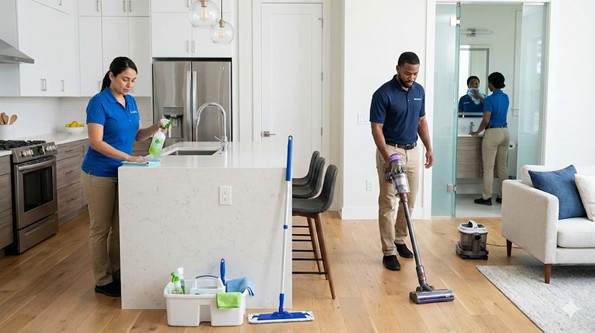
Home Cleaning Service Launch Checklist: Legal to Gear
Residential Cleaning Business Overview
If you’re thinking about starting a Home Cleaning Service, start with two decisions: do you really want to own and operate a business, and is this business the right fit for you?
It sounds simple, but it saves you pain later. Before you rush into a name, a logo, or gear, slow down and review these points to consider before starting your business.
Now think about pressure. Passion matters because it keeps you in problem-solving mode when things get hard. Without it, many people start looking for an exit instead of solutions. If you want a clear way to test this, read why passion matters before you start.
And ask yourself this exact question: “Are you moving toward something or running away from something?” If you’re starting mainly to escape a job or a financial bind, that motivation may not last when the first hard week hits.
Be honest about the trade-offs. Income can be uncertain. Hours can be long. Some tasks will be unpleasant. Vacations can get harder. The responsibility is on you.
Is your family or support system on board? Do you have the skills (or can you learn them)? Can you secure funds to start and operate until income becomes steady?
Before you commit, learn from owners. Only talk to owners you will not be competing against (different city, region, or area). A helpful guide is how to get an inside look before you start.
Ask non-competing owners questions like these: What did you underestimate before you opened? What do new customers care about most in the first call? What does the first 90 days really look like in hours and stress?
Common Business Models And Staffing Paths
This is usually a business you can start on your own with basic gear and a reliable vehicle. It can also grow into a multi-crew company with supervisors, office support, and higher overhead.
Decide early which path you’re building toward, because it affects licensing, insurance, scheduling, and how you price.
Common models include:
- Owner-operator (solo): You handle sales, cleaning, scheduling, and billing. Lowest overhead. Slowest growth.
- Owner-led team: You clean early on, then add one cleaner, then a small crew. You shift into quality checks and customer service.
- Partners: One partner sells and manages, the other leads the field work. Works best with clear roles in writing.
- Employees vs. independent contractors: Either path has legal and tax rules. Classification errors create risk, so verify before you hire.
- Niche focus: Move-in/move-out, recurring maintenance cleaning, short-term rental turnovers, or post-construction light cleaning (not specialized remediation).
You also need a time commitment decision. Will this be full time or part time? Part time can work if your service area, schedule, and customer expectations match your availability.
Staffing choice is next. Do you hire right away, or do most tasks yourself and hire later? Hiring early can speed growth, but it adds payroll, training, and compliance work.
Step 1: Define Your Service Scope And Boundaries
Start by listing what you will do and what you will not do. Residential cleaning can mean different things to different customers, so you need your own clear definition.
Decide which jobs you’ll accept at launch: recurring maintenance, deep clean resets, move-in/move-out, short-term rental turnovers, or a limited set of add-ons.
Set boundaries for risky tasks. If a job involves biohazards, major mold issues, hoarding cleanup, or sewage, that can cross into specialized work with different rules and training. If you’re not set up for that, say no.
Step 2: Choose Target Customers And A Service Area
Residential cleaning customers often include homeowners, renters, landlords, property managers, real estate agents, and short-term rental hosts. Each group has different timing and expectations.
Pick a service area you can reach without burning your day on driving. Even though you work in customers’ homes, your “location” still matters because travel time becomes a real cost.
If you plan to store supplies at home, confirm you can do that safely and legally in your space. Some neighborhoods and buildings have rules about commercial activity and storage.
Step 3: Validate Demand Before You Spend Much
Don’t assume demand. Verify it. Look for signs that people already pay for similar services and that they complain about pain points you can solve.
A simple way to pressure-test your idea is to use a demand check like this practical market demand checkup.
Then talk to owners you will not be competing against. Keep it respectful and specific. Ask what kinds of services sell fastest, what customers ask for most, and what causes cancellations or conflicts.
Step 4: Prove The Numbers Can Work For You
Demand alone is not enough. You need profit that can cover expenses and still pay you. If the numbers only work when you work nonstop, that’s not a plan. That’s burnout.
Estimate your weekly capacity in real hours, including driving, setup, and communication. Then estimate how many cleanings you can complete without rushing and losing quality.
Think about the flip side: if you get sick or your vehicle is down, what happens to income? Build a starting plan that can survive normal life problems.
Step 5: Build A Startup Essentials List And Get Price Estimates
Make a detailed list of what you need to legally and practically launch. Then get price estimates from real suppliers. This is where many people fool themselves with vague guesses.
Use a structured approach like this startup cost estimating guide to make sure you’re not skipping key items.
Remember: your scale drives your totals. A solo setup needs basics. A multi-crew setup needs duplicate equipment, storage, and more insurance.
Step 6: Choose A Pricing Method You Can Explain
Pricing is a startup decision because it shapes who you attract, what you can afford, and how fast you can grow. You can price by the job, by the hour, or by a defined checklist and size.
Pick a method you can explain clearly. If you can’t explain your price, customers won’t trust it, and you will end up discounting under pressure.
For a practical framework, see how to price for profit.
Step 7: Decide On Ownership Structure And Future Growth
Choose whether you will start solo, with a partner, or with outside investment. Most small service businesses start lean and owner-run. A larger plan with several crews may require more capital and staff sooner.
Many small businesses begin as sole proprietorships and later form a Limited Liability Company (LLC) as they grow and want clearer structure and liability separation.
To compare structures, use official guidance like SBA guidance on choosing a business structure and IRS business structure basics.
Step 8: Write A Simple Business Plan You Will Actually Use
Write a business plan even if you are not seeking funding. The point is clarity: who you serve, what you offer, how you price, what you need to launch, and what you will do first.
If you want a practical outline, use this step-by-step business plan overview.
Keep it simple at launch. The plan should help you make decisions, not impress someone.
Step 9: Set Up Your Financial Setup And Funding Options
Open business accounts at a financial institution so you can keep business and personal transactions separate. That makes recordkeeping cleaner and helps if you later apply for credit.
If you need an Employer Identification Number for banking, taxes, or hiring, use the IRS process to get an EIN.
If you plan to pursue a loan, prepare your documents and numbers early. A starting point is how to prepare for a business loan.
Step 10: Choose A Name And Secure Online Basics
Pick a name you can say clearly, spell easily, and use on a website. Check for conflicts in your state and confirm the matching domain and social handles are available.
A practical approach is in these business name selection tips.
Next, build a simple website and a business email so customers can verify you are real. If you want a structured approach, use this website build overview.
Step 11: Legalize The Business And Confirm Licensing
Your exact requirements depend on where you operate and what you offer. In general, you’ll work through business formation or registration, tax registration, and any required local licenses.
If you want a plain-language starting point, see how business registration works in the United States.
For a universal overview of licensing and permitting, use the SBA licenses and permits guide, then verify with your state and local portals.
Varies By Jurisdiction
Rules change by state, city, and county. Your job is not to guess. Your job is to verify before you launch and before you hire.
Use this checklist to verify locally: confirm whether you need a general business license, whether a home occupation rule applies, whether a Certificate of Occupancy (CO) is required for any workspace, and whether you must register for sales and use tax or employer accounts.
Two quick owner questions that change what applies: Will you run this from home or lease a small space for storage? Will you have employees in the first 90 days?
Step 12: Insurance And Risk Basics Before Your First Job
General liability insurance is a common requirement in customer contracts and property manager agreements, even when it is not legally required. It is also a practical protection when you work inside someone else’s home.
Depending on your setup, you may also need coverage for tools and equipment, commercial auto if you use a vehicle for business, and workers’ compensation if you hire. Use this insurance overview to understand common coverage types.
If you hire, verify wage and hour rules and hiring requirements before day one. Federal wage basics are covered under the Fair Labor Standards Act, and federal employment verification guidance is summarized on I-9 Central.
Step 13: Build Your Pre-Launch Customer Experience
Before you market, decide how customers will interact with you. How do they request a quote? How do they approve the scope? How do they accept payment?
Set up your basic documents: a simple service agreement, a checklist of what’s included, and a clear rescheduling and cancellation policy. Keep it readable and consistent.
If you plan to hire soon, read how and when to hire so you understand what changes when you add staff.
Step 14: Create Brand Assets That Match Your Market
At launch, your brand is mostly trust. Customers want to know you will show up, respect their home, and fix problems fast if something goes wrong.
Start with basics: a simple logo, clean colors, a clear service description, and consistent contact info. If you want a structure for the pieces, see what a corporate identity package includes.
You may also want business cards for referrals and property manager contacts. A quick reference is what to know about business cards.
Step 15: Prepare A Launch Plan And A Pre-Opening Checklist
Service businesses do not always need a “grand opening” event, but you still need a launch plan. Decide what you will do in week one to get your first customers and your first reviews.
If an event makes sense for your area or niche, pull ideas from these grand opening planning tips and adapt them to a service-based launch.
Your pre-opening checklist should include: final compliance checks, an essentials and safety gear check, your customer documents ready, payment methods tested, and your first marketing push scheduled.
Products And Services You Can Offer At Launch
Your offer should be clear and limited at first. The goal is consistent quality, not doing every type of cleaning on day one.
Common service categories include:
- Recurring maintenance cleaning: weekly, biweekly, or monthly resets of kitchens, baths, floors, and surfaces.
- Deep cleaning: first-time or seasonal detail work, often used to reset a home before recurring service starts.
- Move-in and move-out cleaning: empty-home cleaning focused on cabinets, appliances, baseboards, and bathrooms.
- Short-term rental turnovers: fast resets between guests, often with checklists and tight time windows.
- Optional add-ons: inside oven, inside refrigerator, interior windows, laundry load, or linen changes (only if you can do them reliably).
If you market “disinfecting” services, use products correctly and follow label directions. For reference on disinfectants listed for use against SARS-CoV-2, review EPA’s List N overview and the List N tool.
Customer Types And What They Tend To Care About
Different customers buy for different reasons. Your launch offer should match one primary group, then expand later if you want.
Examples:
- Busy households: reliability, respectful cleaners, consistent results, and simple scheduling.
- Families with kids or pets: product preferences, clear communication, and trust.
- Seniors: safety, gentle products, predictable timing, and a calm experience.
- Property managers and landlords: speed, documentation, and consistent standards.
- Real estate agents: fast turnaround and detail work that photographs well.
- Short-term rental hosts: tight checklists, time windows, and photo confirmation.
Pros And Cons Of Owning This Type Of Business
There is no perfect business. This one has clear upsides and real downsides. Seeing both helps you choose with open eyes.
Common pros:
- Low barrier to entry compared to many businesses.
- Can start solo and grow at your pace.
- Recurring customers can create predictable demand.
- Direct control over quality and customer experience at launch.
Common cons:
- Physical work and repetitive movement can be hard on your body.
- Trust is everything, so one bad experience can hurt referrals.
- Travel time can quietly eat profits if you plan poorly.
- Hiring adds compliance, training, and quality control challenges.
Essential Equipment And Supplies
This is a gear-driven service. Your goal at launch is to own enough equipment to deliver consistent results and handle common household surfaces safely.
Keep your loadout simple and repeatable. If you build different kits for every job type, you will forget items and lose time.
Manual Cleaning Tools
These items cover most residential jobs and are easy to replace. Standardize brands and sizes where you can.
- Microfiber cloths (general and glass)
- Disposable wipes (as needed)
- Scrub sponges and non-scratch pads
- Detail brushes (grout brush, crevice brush, toilet brush)
- Extendable duster
- Squeegee (shower glass and windows)
- Mop handle and mop heads (microfiber options)
- Bucket and wringer or two-bucket system
- Cleaning caddy or tote
- Step stool (stable, non-slip)
- Trash bags (multiple sizes)
- Paper towels (as needed)
Machines And Powered Equipment
Choose reliable, serviceable equipment. If it breaks, your day breaks with it.
- Vacuum (upright, canister, or backpack based on your work style)
- Handheld vacuum or crevice tool set
- Carpet spot cleaner (optional but useful for many homes)
- Steam cleaner (optional, based on surfaces you plan to handle)
- Extension cords (heavy-duty, grounded)
Chemicals And Consumables
Stock products that match common surfaces and customer preferences. Follow label directions and store chemicals safely.
- All-purpose cleaner
- Glass cleaner
- Bathroom cleaner (tub, tile, and sink)
- Toilet bowl cleaner
- Degreaser (kitchens)
- Floor cleaner (matched to common floor types)
- Descaler (hard water buildup, if common in your area)
- Disinfectant (used according to label directions)
- Stainless steel cleaner (optional)
- Odor control product (optional and customer-sensitive)
- Spray bottles with labels
- Measuring cups or dilution tools (to mix safely and consistently)
Personal Protective And Safety Items
Safety is part of quality. Protect your skin, eyes, and lungs, and plan for small accidents.
- Disposable and reusable gloves
- Eye protection (as needed for chemicals)
- Masks or respirators (as needed for dust and product use)
- Knee pads (optional but helpful)
- Non-slip footwear
- Basic first aid kit
Transport And Storage
Your setup should keep supplies stable, prevent leaks, and make loading fast.
- Plastic bins with lids (sorted by job type)
- Secondary containment bin for liquids
- Vehicle liners or mats
- Spare towels and backup cloths
- Secure storage area at home or in a small leased space (if needed)
Admin And Customer-Facing Essentials
These items help you look legitimate and reduce back-and-forth with customers.
- Business phone number (mobile or virtual)
- Email address on your domain
- Scheduling and invoicing method (software or structured system)
- Payment method that lets you accept payment securely
- Service agreement and checklist templates
- Uniform shirt or simple branded appearance standard
Skills You Need To Launch And Run The Work
You do not need to be perfect at everything. But you do need a core set of skills to deliver consistent results and avoid preventable problems.
Key skills include:
- Cleaning knowledge: surface types, safe product use, and consistent results.
- Time planning: estimating job time, travel time, and reset time.
- Customer communication: clear scope, clear expectations, and calm problem-solving.
- Attention to detail: repeatable checklists and final walk-through habits.
- Basic business admin: scheduling, invoicing, records, and keeping transactions separate.
- Safety habits: chemical labeling, safe storage, and protective gear use.
Day-To-Day Activities
Even in a startup phase, your day is not just cleaning. Plan for the admin tasks that keep work stable.
Typical daily activities include:
- Reviewing the day’s schedule and customer notes
- Loading supplies and checking for missing items
- Driving and parking legally and safely
- Doing a quick walk-through and confirming the scope
- Cleaning using a consistent order (to avoid rework)
- Handling trash and supplies responsibly
- Final check and quick customer confirmation
- Sending an invoice and confirming payment status
- Restocking supplies and laundering cloths
- Returning messages and scheduling the next jobs
A Day In The Life Of An Owner
Your day often starts before you arrive at the first home. You check messages, confirm today’s addresses, and make sure you have the right supplies loaded.
You arrive, do a quick walk-through, and clarify priorities. Then you clean in a set order so you don’t bounce around and lose time.
Between jobs you drive, reset, and answer customer questions. At the end of the day, you restock, handle laundry, send invoices, and schedule the next set of cleanings.
Red Flags To Watch For
Some warning signs show up before you ever take the first customer. Notice them early, and you can adjust before they become expensive problems.
Common red flags include:
- Unclear scope: you cannot explain what is included, so every job turns into a debate.
- Prices that only work at full speed: the numbers require nonstop work with no buffer for delays.
- Unsafe chemical habits: unlabeled bottles, sloppy storage, or mixing products without rules.
- Too-wide service list at launch: you say yes to everything and lose consistency.
- No plan for trust: no consistent process for keys, alarm codes, or customer privacy.
- Hiring before you understand compliance: you add people without knowing wage rules, tax rules, or safety training basics.
Quick Industry Notes That Help With Classification
You may be asked for an industry code on forms, banking documents, or insurance applications. One common classification for cleaning companies is NAICS 561720 (Janitorial Services).
If you need to look up or confirm a code, use the NAICS search tools from the Census Bureau.
Safety Basics If You Store Or Use Chemicals
If you use workplace chemicals and hire, chemical hazard communication rules may apply. Even as a solo owner, labeling and safe storage still matter.
For a federal reference, review OSHA’s Hazard Communication standard.
Simple Self-Check Before You Launch
Before you spend more, pick one action that forces clarity this week. Call two non-competing owners. Or write your exact service scope on one sheet and see if a stranger can understand it.
And ask again: are you moving toward something you want to build, or running away from something you want to escape?
101 Tips to Consider for a Home Cleaning Service
You’re about to scan a wide range of tips that touch different parts of starting and running this kind of business.
Use what fits your situation and skip what doesn’t.
Bookmark this page so you can return when a new problem shows up.
For real value, pick one tip, apply it on purpose, and then come back for the next.
What to Do Before Starting
1. Decide if you want to own and operate a business, not just do the work. You’ll spend time on scheduling, payments, and customer issues from day one.
2. Choose a clear service scope before you buy supplies. Write down what you will do and what you will not do so customers don’t set the rules for you.
3. Pick a starting service area that limits drive time. Travel can quietly erase the time you thought you had for paid work.
4. Pressure-test your motivation with a direct question: Are you moving toward something or running away from something? If it’s mostly escape, your drive may drop when the first hard week hits.
5. Confirm there is real demand where you plan to work. Look for steady signals like recurring listings, consistent reviews for competitors, and property managers who use cleaners regularly.
6. Check whether customers in your area will pay enough to cover expenses and still pay you. A busy schedule is not the same as a profitable schedule.
7. Decide whether you will start solo, with a partner, or with investors. This business can start small, but a multi-crew plan can require more cash and staffing early.
8. Choose whether this will be full time or part time. Match your availability to the type of work you accept, especially if customers expect daytime access.
9. Build a first-pass equipment list for the exact services you plan to sell. Avoid buying specialty tools for work you are not offering at launch.
10. Get real price estimates before you commit. Call suppliers, check local store availability, and write down what replacements cost, not just the first purchase.
11. Decide your pricing method early and keep it explainable. If you can’t explain how you price, you’ll feel pressured to discount.
12. Choose a business name only after you know your service scope and customer type. A name that fits a luxury niche can confuse budget-focused customers, and vice versa.
13. Make a simple launch plan with a start date, a target number of first customers, and a weekly time budget. A start date creates focus and prevents endless “planning.”
What Successful Home Cleaning Service Owners Do
14. They standardize the work with written checklists. Consistency builds trust faster than fancy promises.
15. They set boundaries and stick to them. Clear “included” and “not included” rules prevent most conflicts.
16. They track time per job and adjust early. If you don’t measure time, you won’t know which jobs are quietly losing money.
17. They keep customer instructions documented. Notes like alarm codes, pet rules, and surface warnings reduce mistakes.
18. They start narrow and expand on purpose. It is easier to add services than to fix a reputation for being unreliable.
19. They build a simple system for quality checks. A short final walk-through catches issues before the customer finds them.
20. They treat safety as part of quality. Safe chemical use and safe lifting protect your body and your business.
21. They protect privacy like it is part of the product. Homes are personal spaces, and trust can be lost in a second.
22. They plan for supply replacements and backups. A spare vacuum belt or extra microfiber can save a job when something fails.
23. They keep learning from non-competing owners. A few honest conversations can prevent expensive trial-and-error.
Running the Business (Operations, Staffing, SOPs)
24. Create a standard arrival routine. A consistent entry, walk-through, and start point reduces missed tasks.
25. Use a room-by-room checklist for each service tier. Maintenance, deep clean, and move-out work should not share the same list.
26. Build a repeatable order of work, like top-to-bottom and dry-to-wet. This reduces rework and helps new helpers learn faster.
27. Use labeled bottles and keep product instructions available. If you ever hire, chemical hazard training can apply, so start clean habits now.
28. Separate your supplies into kits by job type. A deep clean kit should not depend on remembering extra items at the last minute.
29. Create a simple inventory routine that runs weekly. Running out of gloves or trash bags midweek causes delays and customer frustration.
30. Decide how you will accept payment and when it is due. Late payment is easier to prevent than to fix.
31. Use written policies for cancellations and rescheduling. State the deadline, the fee if any, and how customers can change appointments.
32. Write a basic service agreement customers can understand. It should cover scope, access, payment terms, and what happens if something breaks.
33. Document how you handle keys, lockboxes, and alarm codes. Create a single safe method and avoid improvising for each customer.
34. Keep business and personal transactions separate from day one. It makes taxes, recordkeeping, and future financing far easier.
35. Set a minimum job size or minimum charge that protects your schedule. Short jobs with long drive time can block better work.
36. Build travel time into your schedule on purpose. Overbooking causes late arrivals, rushed work, and unhappy customers.
37. Standardize how you confirm appointments. A simple confirmation message reduces no-shows.
38. Decide how you will handle special surfaces like natural stone, hardwood finishes, and delicate fixtures. If you are not sure, require the customer to confirm care instructions before you touch it.
39. If you hire employees, follow federal employment eligibility verification rules. Every hire needs proper documentation, and keeping it consistent protects you.
40. Learn the wage and hour basics before you hire. Overtime rules and required pay practices can apply even in small businesses.
41. Confirm workers’ compensation requirements in your state before you add staff. Rules vary widely, and penalties can be serious.
42. Train new workers with written steps, not verbal shortcuts. A standard training plan prevents “everyone does it differently” problems.
43. Use a simple incident log for breakage, injuries, and customer complaints. A short written record helps you fix patterns and respond fairly.
What to Know About the Industry (Rules, Seasons, Supply, Risks)
44. Sales tax on cleaning services varies by state. Verify with your state department of revenue before you quote customers.
45. Many cities and counties require a general business license. Check the local licensing office where you will operate, not just where you live.
46. If you run the business from home, confirm home occupation rules. Some places limit signage, storage, customer visits, or on-site employees.
47. If you lease a storage space, verify zoning and whether a Certificate of Occupancy is required. Building and zoning rules are local, so confirm before signing a lease.
48. Be careful with “disinfecting” language. If you advertise disinfecting results, follow product label directions and avoid claims you cannot support.
49. Treat chemical safety as a core risk area. Mixing products can create harmful fumes, so standardize what you use and how you use it.
50. Expect seasonal swings in demand. Spring cleaning, move seasons, and holidays can change the mix of one-time and recurring work.
51. Plan for weather disruptions if you drive between jobs. Snow, storms, and flooding can affect access, timing, and cancellations.
52. Property damage risk is real in residential work. Protect yourself by documenting fragile items and using a consistent pre-clean walk-through.
53. Theft accusations can happen even when you did nothing wrong. Reduce risk by limiting what you touch and documenting where you work.
54. Equipment failure can shut down your day. Keep basic backups or a plan to rent or replace quickly.
55. Know your likely industry classification for forms and insurance. A common category for this work is the janitorial services classification, but confirm what your applications require.
Marketing (Local, Digital, Offers, Community)
56. Choose one primary customer type for your first 90 days. Your message gets clearer when you are not trying to attract everyone.
57. Build a simple website with your service area, service types, and how to request service. Customers want to confirm you are real before inviting you into their home.
58. Create a consistent business name, phone number, and address format across your profiles. Consistency helps customers find you and trust the listing.
59. Ask for reviews after a successful first clean or after the second recurring visit. Timing matters, and satisfied customers are more likely to respond.
60. Use before-and-after photos only with written customer permission. Trust is your strongest marketing tool, so do not gamble with it.
61. Partner with non-competing local businesses that serve the same customers. Think real estate agents, property managers, and moving companies.
62. Offer a clear first-time service option that matches your process. A “first clean reset” can set expectations before recurring work starts.
63. Avoid complicated promotions that confuse customers. A simple, easy-to-explain offer is more likely to be used and remembered.
64. Track where each new customer comes from. If you do not measure it, you may keep spending time on channels that do not work.
65. Build a referral habit with existing customers. A simple “If you know someone, send them my way” can outperform paid ads early.
66. Create a short script for phone calls and messages. A consistent script reduces errors and makes you sound confident.
67. Be careful with pricing claims in ads. Focus on clear scope and reliability rather than trying to win only on low price.
Dealing With Customers (Trust, Education, Retention)
68. Start every new customer with a short intake call or message exchange. Confirm the home size, priorities, pets, and any special surfaces before you arrive.
69. Use a walk-through before the first cleaning when possible. It prevents surprises and helps you set expectations in plain terms.
70. Explain what “clean” means in your process. Customers may expect organizing, laundry, or dishes unless you state otherwise.
71. Ask customers to put away valuables and personal items. It protects them, and it protects you from misunderstandings.
72. Set clear rules for pets. Confirm where pets will be during the cleaning and what to do if a pet is anxious or aggressive.
73. Clarify access details in writing. Codes, keys, parking instructions, and alarm steps should be documented, not remembered.
74. Set expectations for tidy versus cluttered spaces. Cleaning around clutter takes longer and can limit what you can finish.
75. Use a customer preference sheet for recurring clients. Small notes like “no fragrance” or “use the blue cloth in the kitchen” reduce friction.
76. Confirm how customers want updates. Some want texts, some want a note left on the counter, and some want no contact at all.
77. Keep boundaries when customers request last-minute extras. Offer an add-on option or schedule a separate visit rather than rushing and missing core tasks.
Customer Service (Policies, Guarantees, Feedback)
78. Write a satisfaction process instead of making vague promises. Define how customers should report issues and the time window for doing so.
79. Use a consistent method for handling complaints. Listen, confirm the facts, and offer a clear next step instead of reacting emotionally.
80. Do not argue in the moment inside a customer’s home. If tension rises, step back, document the issue, and respond calmly after you review details.
81. Create a simple breakage policy and share it before problems happen. State how you handle accidental damage and what information you need from the customer.
82. Use a post-clean checklist summary for first-time customers. It helps them see what was done and reduces “I thought you would” confusion.
83. Ask for feedback in a specific way. “Was anything missed in the bathrooms or kitchen?” gets better answers than “How was it?”
84. Track repeat complaints and fix the system, not just the job. Repeated issues usually point to unclear scope or weak training.
85. Decide what you will do when you cannot finish a job on time. A clear policy helps you stay fair to the customer and to yourself.
Sustainability (Waste, Sourcing, Long-Term)
86. Use washable microfiber cloths and mop pads when possible. It reduces waste and often improves results.
87. Standardize a laundering routine to keep cloths hygienic. A consistent process protects customers and extends the life of your supplies.
88. Consider concentrated cleaners to reduce packaging and storage space. Follow dilution directions to avoid overuse and surface damage.
89. Choose products that match the surfaces you clean, not just what smells good. Surface damage is costly and avoidable.
90. If customers ask for “green” products, define what that means in your business. Consider third-party programs like safer product labeling, and keep your claims factual.
91. Reduce single-use plastics where you can without hurting hygiene. Refillable bottles and durable tools can lower restocking pressure.
Staying Informed (Trends, Sources, Cadence)
92. Keep a short list of official sources you check quarterly. Focus on taxes, labor rules, and safety guidance that can affect your obligations.
93. If you have employees or plan to hire, keep up with wage and hour updates. State rules can change, so verify with your state labor agency.
94. Review disinfectant guidance when public health concerns rise. Make sure your product use matches label directions and your marketing stays accurate.
95. If you expand into new services, research the rules before you sell them. A new service can trigger new training, equipment, or compliance needs.
Adapting To Change (Seasonality, Shocks, Competition, Tech)
96. Build a plan for seasonal shifts. Use slower periods for deep-clean specials, equipment maintenance, and training improvements.
97. Prepare for cancellations and schedule gaps. Keep a short call list of customers who want short-notice openings.
98. Avoid racing competitors to the lowest price. If pricing pressure rises, tighten your scope, improve your process, and sell reliability instead.
What Not to Do
99. Do not accept work that crosses into specialized remediation unless you are trained, equipped, and compliant. Saying yes to the wrong job can create legal and safety risk.
100. Do not store or use unlabeled chemical bottles. If you cannot identify what it is instantly, you should not be using it in someone’s home.
101. Do not hire fast just to fill your calendar. A rushed hire can create quality failures, safety issues, and customer trust problems that take months to fix.
FAQs
Question: What are the first legal steps to start a home cleaning business?
Answer: Start by choosing a business structure and registering the business where your state requires it.
Then confirm tax registration and local licensing rules for every city or county where you will work.
Question: Do I need a business license to run a residential cleaning business?
Answer: Many cities and counties require a general business license, even for home-based service businesses.
Rules vary, so check the local business licensing office for the places where you will operate.
Question: Should I start as a sole proprietor or form a limited liability company right away?
Answer: Many small businesses start as sole proprietors and later form a limited liability company as they grow.
Your choice affects liability, taxes, and paperwork, so compare options using official guidance and get help if you are unsure.
Question: When do I need an Employer Identification Number?
Answer: You may need one to hire employees, open certain business accounts, or complete some registrations.
You can apply directly with the Internal Revenue Service, and the official process does not require a paid service.
Question: Do I have to charge sales tax on cleaning services?
Answer: It depends on the state and sometimes the exact type of service.
Verify with your state department of revenue before you set prices or send invoices.
Question: What insurance should I have before my first job?
Answer: General liability coverage is a common starting point because you work inside someone else’s home.
You may also need coverage for tools, business vehicle use, and workers’ compensation if you hire employees.
Question: What equipment do I need to launch with the basics?
Answer: Plan for a reliable vacuum, a mop system, microfiber cloths, scrub brushes, gloves, and labeled spray bottles.
Bring a simple transport setup like bins or a caddy so you can load, unload, and reset fast.
Question: How do I choose cleaning products without damaging surfaces?
Answer: Match products to common surfaces and follow label directions every time.
When you are unsure, require the owner to confirm care instructions before you clean a specialty surface.
Question: If I advertise disinfecting, what do I need to know?
Answer: Use products as the label directs and avoid claims you cannot prove.
For certain disinfectant listings, the Environmental Protection Agency provides tools and guidance you can check.
Question: Can I pay cleaners as independent contractors instead of employees?
Answer: Worker classification depends on the full relationship, including how much control you have over the work.
Misclassification creates tax and legal risk, so review official guidance and verify state rules before you choose a model.
Question: What do I need to set up if I hire employees in the first 90 days?
Answer: You will need a payroll plan, employment tax handling, and a process to complete Form I-9 for each hire.
You also need to confirm wage rules and workers’ compensation requirements in your state.
Question: Do I need a home occupation approval if I run this from my house?
Answer: Many jurisdictions have zoning or home occupation rules that can limit storage, signage, and on-site employees.
Check your city or county planning and zoning office before you list your home as the business address.
Question: What safety rules apply if I have employees and use cleaning chemicals?
Answer: If employees are exposed to hazardous chemicals, hazard communication rules can apply.
That typically means you manage labels, safety data sheets, and training as part of your startup setup.
Question: How do I set pricing when I am just starting out?
Answer: Pick a pricing method you can explain, then test it against real time, travel, and supply use.
Make sure the price can cover expenses and still pay you, not just fill your calendar.
Question: How do I estimate startup costs without missing key items?
Answer: List every essential item and get real price estimates, including replacements and backups.
Add licensing, insurance, and a cash buffer so one slow month does not put you in financial stress.
Question: What should my standard workflow look like day to day?
Answer: Use a consistent routine: arrival, quick walk-through, top-to-bottom cleaning, and a final check.
Written checklists help you repeat quality and make training easier when you add help.
Question: What should I track each week to know if the business is healthy?
Answer: Track jobs completed, hours per job, travel time, and supply use.
Also track repeat customers, complaints, and how long it takes to accept payment after invoicing.
Question: How do I handle cancellations and no-shows as an owner?
Answer: Use a written policy with a clear cutoff time and apply it consistently.
Confirm appointments in writing so customers know the time window and access expectations.
Question: What marketing should I focus on first without overspending?
Answer: Start with a simple web presence, local listings, and a review process after successful jobs.
Focus on one customer type and one service area so your message stays clear.
Question: How do I protect cash flow when payments come in late?
Answer: Set payment terms upfront and make it easy to accept payment quickly.
Invoice the same day and follow a consistent reminder schedule so late payment does not become normal.
Related Articles
- Starting an Office Cleaning Business
- Starting a Window Cleaning Company
- Starting a Duct Cleaning Business
- Starting a Boat Cleaning Business
- Start a Pressure Washing Business
Sources:
- Centers for Disease Control and Prevention: Clean disinfect
- Internal Revenue Service: Business structures Internal, Get employer identification, Contractor employee, Employment taxes
- Occupational Safety and Health Administration: 1910 1200 Hazard Communication
- U.S. Census Bureau: North American Industry
- U.S. Citizenship and Immigration Services: Form I 9, I 9 Central
- U.S. Department of Labor: State workers compensation, Wages Fair Labor Standards Act, I 9 Central U S
- U.S. Environmental Protection Agency: List N Tool COVID 19, List N Disinfectants Coronavirus
- U.S. Small Business Administration: Apply licenses permits U S, Choose business structure U S