
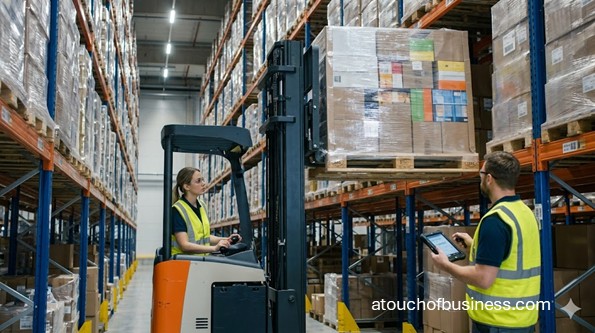
An Overview of Starting a 3PL Business
A 3PL business stores and handles inventory for other companies. In a warehouse and fulfillment-based setup, you receive goods, put them away, track stock, pick orders, pack them, ship them, and handle returns. Some operators also add labeling, kitting, relabeling, and other light value-added work.
This business sits inside transportation and logistics, but your starting point is not driving a truck. It is building a warehouse operation that runs on time, stays accurate, and gives clients confidence that their inventory is in the right place and their orders will leave when promised. That is why your early decisions around space, layout, systems, staffing, and safety matter so much.
Customers usually care about the same things. They want reliability, speed, clean inventory records, clear communication, tracking, and fewer shipping problems. If your service is late, inaccurate, or hard to understand, a client will notice fast.
There are real strengths here. A good 3PL business can serve ecommerce brands, wholesalers, retailers, and manufacturers. It can earn revenue from storage, receiving, pick and pack work, returns, and special projects. There are also real drawbacks. Startup costs can be high, safety and compliance matter from day one, and one weak part of the workflow can create expensive errors across the whole building.
A warehouse-based 3PL also has a few common failure points. Poor receiving flow, weak inventory control, underplanned space, bad slotting, late carrier pickups, and opening before your systems are stable can hurt you early. This is not a business where you “figure it out later” without paying for it.
Is This 3PL Business The Right Fit For You?
Before you go further, ask yourself two things. Do you want to own a business at all, and do you actually want to own this kind of business? A 3PL business is not just about getting warehouse clients. It is about solving daily operational problems, managing time pressure, keeping records clean, dealing with damaged goods, fixing order issues, and staying calm when the building gets busy.
You also need to like the day-to-day work. That does not mean you need to drive a forklift yourself forever. It means you should be comfortable with receiving, storage layout, shipping cutoffs, client questions, exception handling, and the pressure that comes with other companies trusting you with their inventory.
Take a hard look at your motivation. Are you moving toward a real opportunity, or just trying to get away from a bad job, financial problems, or the image of being a business owner? Those are not solid reasons to open a 3PL business. Passion for the work matters because it helps you stay steady during long weeks, expensive setup decisions, and the early problems every warehouse faces. That is why it helps to think about your passion for the work before you commit.
Talk to owners who already run this kind of business, but do it smartly. Speak with operators in another city, region, or market area so you are not calling a future competitor. Use those conversations to ask real questions about client onboarding, warehouse problems, staffing, software, pricing, damage claims, and what they wish they had fixed before opening. You will get the most useful firsthand owner insight from people who have already lived through the startup stage.
A 3PL business can fit you well if you like structure, timing, problem-solving, physical operations, and responsibility. It is a poor fit if you want a low-pressure startup, dislike operational detail, or want a business that can run casually from the start.
Step 1: Define Your 3PL Offer
Your first startup job is deciding what your 3PL business will actually do at launch. Keep the offer tight. Most warehouse-based operators start with storage, receiving, inventory control, pick and pack, shipping, and returns. You can add kitting, labeling, relabeling, or custom packaging later, but do not build your opening around every service you have ever heard of.
This step changes everything that follows. Your customer type, order volume, SKU count, packaging needs, warehouse layout, labor plan, pricing, and software setup all depend on what you promise. The clearer your launch offer is, the easier every other decision becomes.
Also decide what you are not offering. A warehouse-only 3PL is different from a business that also runs commercial vehicles, arranges freight as a broker, or operates as a freight forwarder. Those choices affect cost, risk, insurance, and federal compliance. The same is true if you plan to hold food, supplements, pet food, batteries, aerosols, or other goods that can bring extra rules into the picture.
- Choose your main service package.
- Choose your main customer type.
- Choose whether you are warehouse-only or adding transportation roles.
- Choose whether you will handle any regulated product categories.
Step 2: Check Demand And Build A Practical Plan
A 3PL business needs real demand in a real service area. That means you need to know who would use you, why they would switch, and whether your location makes sense for their shipping needs. Strong customer types often include ecommerce brands, wholesalers, retailers, and manufacturers that need storage and fulfillment without building it in-house.
Look at your local area with a clear eye. Are there enough brands, sellers, importers, or distributors nearby? Are there already strong fulfillment providers in the same market? What gaps do you see? You are not guessing here. You are checking local supply and demand before you sign a lease and buy equipment.
Your plan should stay focused on the first stage. Set targets for the number of clients you want at launch, the number of orders you can handle, the service types you will support, and the monthly revenue you need to cover the building, labor, software, and insurance. If you need structure, build it with a simple document that spells out your offer, customer profile, startup costs, pricing logic, and launch checklist. That is a solid start for building a business plan.
Do not skip the competitive reality. A 3PL business can look attractive from the outside, but the margin disappears quickly when you underprice storage, underestimate labor, or take on clients whose needs do not fit your building.
Step 3: Choose Your Legal Structure And Register The Business
Your 3PL business needs a legal structure before you open bank accounts, sign many contracts, or hire staff. Many owners compare an LLC, corporation, partnership, or sole proprietorship first, then choose the structure that fits their risk tolerance, tax situation, and ownership setup.
This is not a box-checking step. Warehousing creates contract exposure, employee exposure, and property exposure. You are handling other people’s goods inside a physical facility. That alone makes structure a serious decision. If you need a starting point, spend time choosing your legal structure before you file anything.
Once you decide, register the business with the state. If you plan to operate under a different public-facing name than the legal entity name, you may also need a Doing Business As filing, depending on your state or local rules. Lock the name down early so your bank, insurance, contracts, and website all match.
Step 4: Get Your Tax ID, Banking, And Financial Records Ready
As soon as your structure is in place, get your Employer Identification Number. You will use it for banking, taxes, payroll, and many business records. Then set up your business bank account so client payments, vendor bills, payroll, and operating funds are not mixed with personal transactions.
For a 3PL business, the financial side needs to be clean from the start. You will likely deal with recurring invoices, monthly storage charges, receiving fees, pick and pack fees, shipping-related charges, and project work such as labeling or kitting. If your records are messy, billing disputes will follow.
Choose the bank, bookkeeping process, and payment setup before launch. It helps to think through choosing a bank for the business and then get your business banking in place before the first client goes live.
If you need outside funding, decide that now. Warehousing costs hit early. Lease deposits, racking, forklifts, scanners, software, packaging stock, and payroll can show up before steady revenue does. Do not wait until the building is almost ready to start looking at funding options.
Step 5: Clear The Licenses, Permits, And Approval Questions Early
There is no single federal license that applies to every 3PL business. The rules depend on what your company actually does. A warehouse-only operator has one compliance profile. A business that also runs trucks, arranges freight as a broker, acts as a freight forwarder, stores food, or handles certain hazardous materials has a different one.
Start with the universal pieces. Your business formation, tax accounts, local business license rules, zoning review, and employer setup come first. Then move to the activity-based questions. If your 3PL business also acts as a broker or freight forwarder, federal transportation registration can apply. If you hold food, federal food facility registration can apply. If you offer certain hazardous materials for transport or generate regulated hazardous waste, other federal rules can come into play.
At the local level, your warehouse site can trigger zoning review, building review, fire review, and a certificate of occupancy requirement. Do not treat that as a last-minute item. Opening before approvals are in place can delay launch and force expensive rework. This is the stage where it helps to review the likely local licenses and permits for your city, county, and state.
Use direct questions when you call local offices. Is warehousing allowed at this address? Does your rack layout need review? Do your battery charging plans need approval? Will your commodity mix trigger fire department questions? Clear answers here save time and money later.
Step 6: Choose A Warehouse That Fits Fulfillment Work
A 3PL business should not pick a building based on rent alone. You need a warehouse that supports receiving, storage, picking, packing, staging, and outbound shipping without making the work harder than it needs to be. That means looking at dock access, trailer maneuvering, clear height, floor condition, internet reliability, parking, security, and how the site handles carrier pickups.
Your space also needs to match the type of inventory you will hold. Pallet storage, carton storage, small-item pick work, and returns each affect the layout. The same is true if you expect high SKU counts, fast-moving stock, or value-added services such as relabeling or kitting. One weak building choice can create daily delays for years.
This is also where transportation and logistics thinking matters. Even if you are starting as a warehouse-first operator, timing still runs the business. Can carriers get in and out easily? Can inbound shipments be unloaded without blocking outbound work? Can your team move inventory from the dock to the shelf without creating congestion? A 3PL business lives inside these details.
Step 7: Design The Physical Layout And Workflow
Once you have the site, build the layout around the actual order path. Your basic flow is receiving, checking, putaway, storage, picking, packing, staging, shipping, and returns. If the floor fights that sequence, the staff will lose time every day.
Set up separate zones for inbound, storage, picking, packing, and outbound staging. Think about slotting early. Fast-moving items should not be stored where every picker has to walk across the building to reach them. A poor slotting plan creates extra labor, slower orders, and more shipping pressure by the end of the day.
Receiving deserves special attention. Many startups obsess over shipping and overlook the front end. That is a mistake. If inbound receipts are not checked properly, labeled correctly, and placed in the right locations, every downstream step gets weaker. A warehouse-based 3PL business rises or falls on clean receiving and reliable inventory organization.
Step 8: Buy The Equipment, Systems, And Supplies You Need To Open
Your equipment list should match your service model, not your wish list. Common essentials include pallet racking, shelving, pack benches, pallet jacks, forklifts sized for your loads and aisles, barcode scanners, mobile devices, label printers, shipping software, and a warehouse management system that can handle more than one client.
Packaging and shipping supplies also need planning. Cartons, tape, poly mailers, thermal labels, pallets, stretch wrap, void fill, return labels, and packing slips are all basic launch items. If your clients need custom packaging or branded inserts, define that before you buy stock.
The software choice is a big one. A 3PL business needs a system that can track client inventory, receiving, locations, picking, packing, shipping, returns, and billing events. If the system cannot support the way you bill and operate, you will end up doing too much by hand. Keep your office setup simple, but complete. That can include printers, desktops, laptops, phones, and the office equipment you may need to run scheduling, billing, client communication, and records.
Step 9: Set Your Pricing, Contracts, And Internal Documents
Pricing a 3PL business is more detailed than many first-time owners expect. You are not just setting one monthly fee. You may charge for receiving, storage, pick and pack work, returns, special projects, packaging materials, account minimums, and onboarding or integration work. That is why you need a rate card before the first client signs.
Build pricing around the work you actually perform. Storage may be based on pallet positions, bins, square footage, or cubic space. Receiving may be billed by pallet, carton, or container. Pick and pack work may be billed per order, item, or shipment. Special handling should have its own pricing instead of being absorbed quietly.
Your contracts should cover service scope, billing terms, client responsibilities, claims handling, inventory rules, packaging instructions, and what happens when goods arrive damaged or without proper documentation. This is also the time to create your internal forms. A 3PL business should have receiving discrepancy forms, return disposition forms, damage reports, client onboarding checklists, and standard operating procedures. If you are still shaping your rates, work through pricing your services before you start quoting jobs.
Step 10: Put Insurance, Safety, And Compliance Into Daily Setup
Insurance is not just a startup checkbox for a 3PL business. You are working in a warehouse, using equipment, employing staff, and handling inventory that belongs to other companies. That creates real exposure. Review the coverage you need before opening, and make sure your policies match the services you actually provide. A broad overview of business insurance can help you frame the discussion with your broker.
Safety also needs to be built into the opening setup, not added later. Warehousing brings forklift rules, dock safety, walking-working surface hazards, battery charging concerns, and training duties. If you hire staff who will use forklifts or work around docks, training and evaluation need to be completed before live operations begin.
For a regulated warehouse setup, keep your compliance thinking grounded. Separate what is clearly required from what is simply wise. Required items depend on your exact activities and location. Smart protections include training records, equipment inspection logs, clean receiving records, clear storage rules, and written procedures for damaged goods, returns, and exceptions.
Step 11: Set Up Vendors, Carriers, And Inventory Control
A warehouse and fulfillment-based 3PL business depends on outside partners. You need packaging suppliers, racking vendors, forklift vendors or lessors, software providers, maintenance support, and carrier relationships. If your service depends on daily parcel pickups or scheduled freight pickups, get those arrangements in place before launch.
Your inventory control process also belongs here. Decide how stock is labeled, how locations are assigned, how cycle counts are done, how discrepancies are handled, and how returns are separated, reviewed, and placed back into stock or marked for another disposition. Inventory errors do not stay small in a 3PL business. They affect client trust fast.
Capacity planning matters too. Know how much storage you can really sell, how many orders your team can process in a normal day, and what happens when inbound receipts spike at the same time outbound orders are due. This is where a lot of warehouse startups get into trouble. They assume they will “make room” or “work faster” without measuring the real limit.
Step 12: Hire And Train The Opening Team
A small 3PL business can start lean, but it still needs coverage for receiving, inventory control, picking, packing, shipping, and client communication. Even if you are hands-on at the beginning, you need to decide where labor gaps would hurt the building most and fill those roles first.
Hire for reliability and attention to detail, not just speed. One rushed receiver or careless picker can create billing disputes, shipping errors, and damaged relationships with clients. A warehouse team also needs clear job duties, standard operating procedures, and training that matches the actual floor layout and equipment.
Think carefully before you under-hire. A 3PL business looks simple on paper, but the workload can stack up quickly near carrier cutoffs and when inbound goods arrive late. If you are unsure about timing, step back and think through deciding when to hire so you do not create a staffing problem before opening week.
Step 13: Build Your Name, Site, And Basic Brand Assets
Your 3PL business does not need fancy branding to open, but it does need a professional identity. Pick a name that fits the market you want to serve, secure the domain, create a simple website, and make sure your email addresses, contracts, invoices, and client documents all use the same business name.
At launch, clarity beats style. Your website should explain what you do, who you serve, what service area you cover, and how a prospect can contact you. A short capability summary, contact form, and clean presentation are enough to get started. If you meet prospects in person, basic printed materials can still help.
Keep your warehouse setup in mind. If local rules allow signage, make sure the business name on the building, paperwork, and online profiles is consistent. A 3PL business wins trust by looking organized before the first pallet arrives.
Step 14: Plan How You Will Get Clients And Handle Them Early
You do not need an advanced marketing machine to open a 3PL business. You do need a clear way to reach the right prospects and handle early conversations well. Focus on businesses that fit your building and service model. It is better to get a few well-matched clients than to say yes to anyone who needs warehouse space.
Your early sales process should feel practical. A prospect asks about your services, you gather the right details, you review order volume, SKU count, packaging rules, returns, and shipping needs, then you quote the work clearly. From there, onboarding should move into signed terms, inventory intake planning, system setup, and a live test.
Be careful with your promises. If you are still stabilizing receiving, slotting, billing, or carrier coordination, do not offer a level of service the warehouse cannot support yet. In a 3PL business, reputation starts forming before you feel fully settled.
Step 15: Test The Full Workflow Before You Open
Before your 3PL business goes live, run the whole operation with sample inventory and test orders. Receive goods, label them, put them away, release orders, pick them, pack them, print labels, stage them, hand them off to a carrier, process a return, and generate a sample invoice. Do this with the actual team, equipment, and software you plan to use.
This step exposes weak spots that are easy to miss on paper. Maybe receiving takes too long. Maybe the rack labels are confusing. Maybe the packing station runs short on supplies. Maybe the billing rules in your system do not match your rate card. Fix those issues now, before a paying client is watching.
Use the test run to spot red flags. A 3PL business is not ready if inventory counts keep changing, if staff do not know where goods belong, if outbound staging turns into a pile-up, or if your software does not support your core workflow. Those are not small issues. They are launch problems.
Step 16: Use A Pre-Opening Checklist And Open With Control
Your final step is simple. Make sure every major startup item is done before the first live day. That includes business registration, tax setup, banking, warehouse approvals, insurance, staffing, training, equipment installation, software setup, carrier arrangements, forms, contracts, and test runs.
A warehouse-based 3PL business should also confirm that receiving procedures, location labels, pick paths, packing supplies, shipping accounts, returns handling, and billing rules are all ready. This is the point where you stop planning and check what is real. If something important is still uncertain, fix it before inventory arrives.
Your first stage of success is not having a huge client list. It is opening with a warehouse that works, records that make sense, staff who know the process, and clients who understand exactly what you will do for them. Start there, and the business has a real foundation.
- Entity formed and tax ID in place.
- Business bank account open and bookkeeping ready.
- Local approvals, zoning questions, and certificate of occupancy issues cleared.
- Insurance active and matched to your services.
- Racking, lift equipment, scanners, printers, and pack stations installed and tested.
- Warehouse management system configured for clients, stock, and billing events.
- Carrier accounts live and shipping labels tested.
- Staff trained on receiving, storage, picking, packing, safety, and exception handling.
- Client agreements, rate cards, and onboarding documents ready.
- Full workflow test completed from inbound receipt to invoice.
FAQs
Question: Do I need a special federal license to open a 3PL warehouse?
Answer: Not always. A warehouse-only company usually starts with normal business registration, tax setup, and local approvals, while extra federal registration depends on what the business actually does.
If you also run commercial vehicles, arrange freight as a broker, act as a freight forwarder, store food, or handle certain hazardous materials, the rules change.
Question: What is the best first service mix for a new 3PL business?
Answer: Start with a narrow offer you can handle well. Storage, inbound receiving, inventory tracking, order fulfillment, and returns are a practical first package for many new operators.
It is easier to add extras later than to fix a weak launch built on too many promises.
Question: Should I focus on ecommerce clients or business-to-business accounts first?
Answer: Pick the one that fits your building, team, and systems best. Ecommerce usually means more small orders and parcel work, while business-to-business work often brings pallets, cases, and scheduled shipments.
Question: What legal steps should I finish before I sign a warehouse lease?
Answer: Decide on your business structure, make sure the name is available, and confirm the site can legally be used for warehousing. It also helps to understand local license, zoning, and occupancy requirements before you commit to the space.
Question: Do I need an EIN before I open my business bank account?
Answer: In many cases, yes. Banks commonly ask for your tax ID and formation papers before they open a business account.
Question: When does FMCSA registration matter for a 3PL startup?
Answer: It matters when your company steps beyond storage and fulfillment into regulated transportation roles. That can include operating certain commercial vehicles, brokering freight, or working as a freight forwarder.
Question: Does a 3PL warehouse need FDA registration if it stores food?
Answer: Often, yes. A facility that holds food for people or animals can fall under FDA food facility registration rules.
That question should be settled before launch, not after the first food client arrives.
Question: What if I want to store batteries, aerosols, or other risky goods?
Answer: Those products can trigger added safety, fire, transport, or waste rules. You need to sort that out early with the right agencies and your insurer so the building, storage method, and paperwork all match the risk.
Question: What equipment does a small 3PL operation usually need to open?
Answer: Most startups need racking or shelving, work tables, pallet jacks, lift equipment that fits the aisle width, barcode tools, label printers, shipping supplies, and a system to track stock and orders. The exact list changes with your product size, storage style, and order pattern.
Question: Can I run a 3PL business with spreadsheets at the beginning?
Answer: You can track very small activity that way, but it gets risky fast once you have more than one client or steady order flow. A real warehouse system helps you control stock, labor, billing, and order status with far fewer manual fixes.
Question: How should I set prices when I do not know my exact costs yet?
Answer: Break the work into billable units first. New operators usually price intake work, storage, order handling, returns, and special projects separately so they can see where time and space are being used.
Do not quote a flat rate just because it sounds simple. Simple pricing can hide expensive work.
Question: What startup costs surprise new 3PL owners most often?
Answer: Lease deposits, racks, forklifts, software, labels, cartons, labor, and working cash are common surprises. Many owners also underestimate setup time, insurance, and the cost of getting the building truly ready for live inventory.
Question: What insurance should I discuss before opening?
Answer: Start with the basics for the company, the building setup, and the work being done inside it. Then ask your broker how your client inventory, equipment use, employees, and any transport or regulated goods change the coverage needs.
Question: What are the most common early mistakes in a 3PL startup?
Answer: Saying yes to the wrong clients, renting a bad building, underpricing labor, and opening before the floor process is stable are big ones. Weak receiving control is another early problem because one bad inbound process can create errors all day long.
Question: What does a normal first-phase daily workflow look like?
Answer: Most days start with inbound checks, stock placement, and order release. The rest of the day usually moves into picking, packing, shipping cutoff work, exception handling, and end-of-day review.
Question: Who should I hire first for a new 3PL warehouse?
Answer: Hire for the work that protects accuracy and keeps freight moving. For many small operators, that means dependable people for inbound work, stock control, and order handling before adding more specialized roles.
Question: What basic policies should be written before the first client goes live?
Answer: Put your rules in writing for receiving problems, damaged goods, stock counts, returns, billing events, safety, and who approves exceptions. Written rules save time when the first odd situation shows up, and it will.
Question: How much cash should I keep for the first month or two?
Answer: Enough to cover rent, payroll, insurance, software, packaging, utilities, and other fixed bills while revenue is still uneven. A new 3PL business often spends before it collects, so thin cash reserves can turn a small delay into a serious problem.
Question: How should I get my first few clients?
Answer: Go after businesses that match your warehouse and service level instead of chasing every lead. Clear outreach, a simple website, direct conversations, and a clean onboarding process usually matter more than broad promotion at the start.
Question: What hiring paperwork and training should be ready before staff start work?
Answer: Every employer needs to handle Form I-9 correctly for each new hire. If workers will use forklifts or work around them, training and evaluation should be done before live operations begin.
Learn From 3PL Owners And Logistics Leaders
One of the best ways to get ready to open a 3PL business is to learn from operators who already do the work.
The resources below feature interviews and podcast episodes with founders and CEOs discussing customer fit, fulfillment strategy, labor, technology, and the real pressure points inside warehousing and third-party logistics.
- EP 290: 40 Years of DCL Logistics — The New Warehouse
- 537: Delta Fulfillment’s Approach to 3PL Partnerships and Growth — The New Warehouse
- Industry Insider: Interview With 3PL Lexington Logistics Founder — DC Velocity
- In Person Interview: Mark Cabrera of Saddle Creek Logistics Services — DC Velocity
- Navigating the 3PL Market: Meeting Shipper Demands While Balancing Business Success — Inbound Logistics
- Looking at the 2026 Freight Market With Echo Global Logistics CEO Doug Waggoner — Logistics Management
Related Articles
- Start a Trucking Company
- How To Start a Courier Business
- How To Start Your Master Expediting Business
- Starting an Import and Export Business
- Start a Profitable Amazon FBA Business
- How To Start a Dropshipping Business
- Starting an Automotive Fleet Maintenance Business
Sources:
- SBA: Register Business, Apply Licenses Permits, Open Business Bank Account, Federal State Tax ID Numbers, Fund Your Business, Pick Business Location, Get Business Insurance
- IRS: International EIN Applicants
- OSHA: Warehousing Know Law, Powered Industrial Trucks Training, Warehousing Hazards Solutions
- FMCSA: Getting Started Registration, Motor Carrier Broker Definitions
- FDA: Registration Food Facilities, Food Facilities Compliance Guide
- PHMSA: Registration Information
- EPA: Hazardous Waste ID Form
- USCIS: Completing Form I-9
- Inbound Logistics: 3PL Meaning Benefits Challenges, Warehousing Process Steps Role, Pick Pack Ship Benefits, 3PL Market Research Report
- Extensiv: Private Warehouse To 3PL, 3PL Pricing Guide, 3PL WMS Right System
- MHI: Conveyor Sortation Systems