
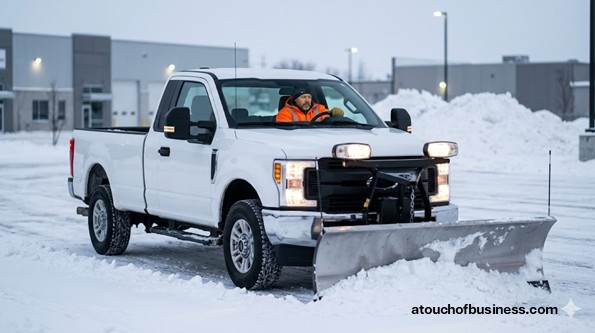
What to Expect From This Guide to Starting a Snow Removal Business
Readers are guided through the key decisions and practical steps involved in starting a snow removal business, from testing personal fit and winter demand to building routes, preparing equipment, and completing pre-storm checks. The bullets highlight selected parts of the full guide.
Inside the guide, you will find:
- Startup roadmap: Follow 20 ordered steps from service selection and territory planning through rules, pricing, safety, route testing, and opening preparation.
- Industry interviews: Hear owners and industry professionals discuss route planning, pricing, contracts, equipment choices, staffing, insurance, and storm pressure.
- Startup FAQs: Check practical answers about licenses, taxes, home-based operations, equipment, customer types, pricing, records, and startup risks.
- Business fit: Consider seasonal income, unpredictable hours, cold-weather driving, physical demands, household support, and pressure during storms.
- Demand and routes: Evaluate snowfall, ice patterns, customers, competition, service radius, travel delays, route density, suppliers, and snow-disposal options.
- Equipment and finances: Plan trucks, plows, spreaders, tools, backup equipment, suppliers, funding, payment systems, and weather-sensitive cost assumptions.
- Rules and safety: Verify local permits, tax treatment, vehicle requirements, insurance, contracts, documentation, worker training, and opening-delay warnings.
Start by deciding whether the storm-driven schedule and local winter demand fit your circumstances.
As a snow removal business owner, you might provide snow clearing, plowing, deicing, and related winter property services for homes, businesses, and other private properties. You or your crew travel to each site, often during storms, early mornings, nights, weekends, and holidays.
This business concept is simple, but execution has many details. A truck, a plow, and a snowy driveway may seem like enough. But the startup decision is really about timing, safety, equipment readiness, route planning, local rules, insurance, pricing, and whether you can handle pressure when the weather controls your schedule.
If you want a broader view of the startup process, use a general startup checklist as a companion. Then come back to the snow removal steps below, because this business has its own risks and setup needs.
Do Your Interests Fit This Business
A snow removal business is a good fit only if you can handle the lifestyle. Storms don’t wait for your preferred schedule.
You may need to drive in bad weather, clear snow before sunrise, answer calls during a storm, repair equipment in the cold, and work when other people are staying inside. That’s part of the business.
Ask yourself what draws you to this business. Do you like winter property service, equipment, driving routes, hands-on jobs, and helping customers keep access open?
Is there something you’re running toward, or just something you need to get away from?
Don’t start only because you want to escape a job, financial pressure, or status anxiety.
You also need to think about household support and living expenses. Snow removal can be seasonal. Weather can be uneven. Startup costs can arrive before steady income does.
That doesn’t mean the business is wrong for you. It means you need a clear-eyed decision before you buy equipment, sign contracts, or promise storm response times.
Owner Advice
A snow removal business becomes easier to understand when you speak with people who already run one. Talk only with owners you won’t compete against—such as owners in another city, county, or service area.
Prepare questions before each conversation. Ask about route density, truck breakdowns, salt supply, customer disputes, contracts, insurance, local permits, and pricing mistakes.
Firsthand advice matters because those owners have lived through real storms, real equipment failures, and real customer expectations. Their path won’t match yours exactly, but their insight can save you from avoidable problems.
Before you commit, spend time getting an inside look from real business owners. It’s one of the best reality checks you can do.
Demand Check
Success depends heavily on local winter demand. Before buying a plow, study whether your area gets enough snow and ice to support the service you want to offer.
Look at local snowfall patterns, freeze-thaw cycles, winter storm frequency, and how often property owners need help. A market with light snow may not support the same setup as a market with frequent storms.
You also need to study the local customer base. Homeowners, landlords, property managers, small retail sites, medical offices, churches, apartment properties, and industrial lots may all need different service levels.
Competition matters too. Landscapers, property maintenance companies, solo plow drivers, and larger snow and ice management firms may already serve the area.
Use the idea of local demand and competition to decide whether your route, pricing, and service model make sense before you spend heavily.
Red Flags Before You Start
A snow removal business isn’t worth starting in every area or for every owner. Some warning signs should make you pause, change the model, or walk away.
- Weak winter demand: If your area has limited snow or ice events, verify whether customers need enough service to support the business.
- Poor route density: If properties are too far apart, travel time may eat up your capacity and profit.
- No backup plan: If one truck failure would stop every job, delay the launch or reduce your promises.
- Unclear local rules: Some cities require snow-plow contractor licenses, decals, or permits. Check before offering service.
- Sales tax confusion: Snow removal tax treatment varies by state and sometimes by service type.
- Vehicle rule uncertainty: Truck weight, trailer use, and commercial vehicle rules can affect your setup.
- No salt supply: If you can’t get or store deicing material reliably, narrow your service model.
- Home-based limits: Local rules may restrict commercial vehicles, trailers, salt storage, or employee activity at home.
- Insurance gaps: If your policy doesn’t cover snow plowing, salting, commercial lots, or subcontractors, pause.
- Unsafe service ideas: Roof snow management can involve serious fall and collapse hazards. Don’t add it casually.
The biggest red flag isn’t any single issue. It’s starting before you know what your service model, rules, equipment, insurance, and route really require.
Step 1: Check Fit
A snow removal business should start with an honest fit check. You’re not just choosing a business idea. You’re choosing a winter schedule, a physical routine, and a storm-driven service.
Can you handle overnight calls, cold exposure, early mornings, equipment issues, and customers who expect fast service after a storm?
You also need pressure tolerance. A snowstorm can create many customer needs at once. Your route, truck, tools, and communication habits must hold up when everyone wants help.
Think about physical stamina too. Snow removal can include shoveling, snow blowing, spreading deicer, lifting materials, clearing stuck equipment, and walking on icy surfaces.
If you don’t like cold weather, mechanical problems, unpredictable hours, or hands-on service, this may not be the right business.
Step 2: Talk to Owners
A snow removal business has details that are hard to learn from the outside. Speak with non-competing owners before you buy equipment or accept customers.
Ask about storm response, route planning, equipment breakdowns, salt storage, pricing, insurance, and local permit checks. Also ask what they wish they had verified before starting.
Good questions include:
- Which customer types created the most service pressure?
- Which equipment failed first?
- How did you choose your service radius?
- What contract wording prevented disputes?
- What local rules surprised you?
These conversations help you compare your expectations with reality. That’s the point.
Step 3: Choose Your Path
A snow removal business can be started from scratch, purchased from another owner, or entered through a franchise-style property service model when one fits your area.
Starting from scratch may make sense if you already have a suitable truck, basic tools, and a small service area. You keep more control, but you also build every system yourself.
Buying an existing snow removal business may give you equipment, route history, customer records, contracts, or trained workers. But you must review the equipment condition, claims history, customer concentration, unpaid obligations, and whether contracts can transfer.
A franchise may be possible in the broader property-service space. Before you consider one, verify that it supports snow and ice service in your region.
The right path depends on your budget, timeline, support needs, risk tolerance, and how much control you want. Compare the idea of starting from scratch or buying a business before you decide.
Step 4: Pick Services
Don’t start by offering every winter service. Choose a clear service model first.
You might focus on residential driveways, sidewalks, small commercial lots, deicing, snow relocation, snow hauling, or commercial snow and ice management. Each choice changes your equipment, pricing, insurance, route, and risk.
For example, driveway plowing may need a pickup and plow. Sidewalk service may need snowblowers, shovels, walk-behind spreaders, and more physical labor. Commercial lots may need tighter documentation, deicing material, and stronger insurance review.
Be careful with roof snow management. It can involve fall hazards, roof damage risk, and added safety planning. Don’t include it unless you have the right training, equipment, and insurance support.
Use precise service language. Snow clearing may mean moving snow off a surface but keeping it on the property. Snow hauling means removing snow from the site.
Step 5: Study Demand
A snow removal business must be built around local weather and local customers. A route that works in one area may fail in another.
Review typical snowfall, ice conditions, freeze-thaw patterns, and winter storm frequency. Also look at how many homes, rental buildings, small commercial lots, medical offices, churches, and industrial properties are inside your target area.
Then compare that demand with existing competition. If many operators already serve the same routes at low prices, you need to know that before you buy equipment.
Local sidewalk rules can also affect demand. In some places, property owners must clear sidewalks after storms, which may create more need for reliable help.
Keep this step practical. You’re not trying to predict every storm. You’re deciding whether the market can support your startup plan.
Step 6: Map Territory
A scattered route can ruin your schedule even when every customer pays.
Choose a realistic service radius. Test travel time during bad weather, not only on clear roads. Snow, ice, traffic, blocked streets, and slow loading can all reduce capacity.
Map fuel stops, repair shops, salt suppliers, staging areas, and snow-disposal options if you plan to haul snow away.
Route density matters because mobile service loses time between properties. A tight route helps you serve customers faster and reduces travel waste.
This is also the point to say no to areas that look tempting but don’t fit your timing, equipment, or storm response capacity.
Business Plan
A snow removal business plan should turn your startup decisions into a clear launch path. It shouldn’t be a generic document that sits unused.
Use the plan to organize what you’ll offer, where you’ll offer it, what equipment you need, which rules apply, how you’ll price jobs, and what must be ready before the first storm.
Your plan should cover:
- Service model and customer types.
- Service area and route assumptions.
- Trigger depth and service expectations.
- Equipment, vehicle, and supplier needs.
- Permit, tax, zoning, and insurance checks.
- Startup cost items and funding options.
- Pricing method and payment setup.
- Safety, records, and opening-readiness checks.
For more planning structure, use a practical guide to writing a business plan, then tailor it to snow removal.
Step 7: Verify Rules
You may need different registrations, licenses, tax accounts, and permits depending on where you operate. Don’t assume the rules are the same everywhere.
Start with your business structure. You may operate as a sole proprietor, limited liability company, corporation, or partnership. The structure affects taxes, liability, filings, and banking.
You may need to register the business name or a Doing Business As name if your public name differs from your legal name. You may also need an Employer Identification Number for tax, banking, hiring, or entity reasons.
Sales tax is another key check. Snow removal is treated differently by different states. Some states may not tax general snow removal. Others may tax it, or tax certain related services.
Verify before invoicing customers. Contact your state revenue department and ask how snow plowing, deicing, salting, roof snow removal, and materials are treated.
Then check the city or county. Some local governments require a general business license, snow-plow contractor license, contractor permit, vehicle decal, or proof of insurance.
Use a cautious approach to business licenses and permits. For this business, local verification matters.
Step 8: Check Your Base
You may start from home, a garage, a storage unit, a yard, or a rented shop. The right choice depends on vehicles, tools, salt storage, loading space, and local rules.
If you plan to operate from home, check zoning and home occupation rules. Local rules may limit commercial vehicles, trailers, outdoor storage, employee activity, noise, deliveries, or signs.
If you rent a yard, garage, office, or shop, check zoning before signing. You may also need a certificate of occupancy or other local approval before using the space for business.
Salt and deicing material storage deserve special attention. Some areas have rules around runoff, storm drains, wells, waterways, and covered storage.
Don’t commit to a space until you know it can legally support your truck, equipment, materials, and loading routine.
Step 9: Check Vehicles
A snow removal business depends on vehicles that can handle the route, the plow, the spreader, and loaded materials. Vehicle setup isn’t just a buying decision.
Check truck capacity, front axle rating, plow compatibility, trailer use, loaded spreader weight, and commercial vehicle rules. A truck that looks capable may still be a poor fit for the equipment.
Federal or state commercial motor vehicle rules may apply depending on weight, vehicle combination, and whether you cross state lines. Commercial driver’s license rules may also apply for heavier vehicles.
Verify with your state Department of Motor Vehicles or Department of Transportation before buying a truck, trailer, plow, or large spreader.
This step protects you from buying equipment that creates legal, insurance, or safety problems before you open.
Step 10: Plan Costs
Startup costs for a snow removal business can vary widely depending on the model. Don’t rely on a generic estimate.
Price out the exact items you need for your route and service level. That may include the truck, plow, spreader, snowblower, shovels, safety gear, deicing materials, storage, permits, insurance, payment systems, repairs, and backup equipment.
Cost drivers include:
- Residential versus commercial service.
- New versus used vehicle and equipment.
- Plow type and spreader size.
- Sidewalk tools and snowblower needs.
- Storage, salt supply, and repair access.
- Insurance and local permit requirements.
Snow hauling, larger commercial lots, liquid deicing, and roof snow management can all raise complexity. They may also require more equipment, stronger safety planning, and more insurance review.
Base your startup budget on quotes, local rules, supplier terms, and your service model. Don’t spend as if every winter will be perfect.
Step 11: Secure Funding
A snow removal business needs funding in place before major purchases. Trucks, plows, spreaders, tools, storage, insurance, and materials can all require cash before the first storm.
Funding may come from personal savings, equipment financing, a business loan, a line of credit, investors, or seller financing if you buy an existing business.
Before you apply, collect quotes and list your startup cost categories. Lenders and investors will want to know how the funds are allocated.
You also need to protect your personal living expenses during launch. Seasonal income and uneven weather can create financial stress if you depend on fast cash flow.
If borrowing is part of your plan, review what’s involved in getting a business loan before you commit to equipment.
Step 12: Set Up Payments
Have banking and payment systems ready before you start. Don’t wait until after the first storm to organize this.
Open a business bank account after your registration and tax documents are ready. This keeps business transactions separate from personal ones from the start.
Set up invoicing and payment options. Depending on your model, you may accept checks, card payments, automated payments, deposits, seasonal payments, or per-event payments.
Your records should track service charges, material charges, retainers, refunds, and customer payments clearly.
Payment setup is part of launch readiness. It also helps you price and collect in a more organized way.
Step 13: Prepare Equipment
Choose equipment after the service model is clear. The wrong equipment can limit your route before you start.
For driveway and small-property service, you may need a suitable pickup, plow, snowblower, shovels, ice scrapers, snow pushers, hand spreaders, and safety gear.
For larger lots, you may need a tailgate spreader, hopper spreader, V-box spreader, containment plow, snow pusher, skid steer, loader, or trailer. Only add heavier equipment if the model supports it.
Useful setup items may include:
- Plow mount, wiring, controls, hydraulics, and cutting edges.
- Warning lights, backup lights, and reflective markings.
- Winter tires, emergency tools, jumper cables, and spare fluids.
- Snow stakes, site markers, and hand tools for tight spaces.
- High-visibility clothing, insulated boots, gloves, and headlamps.
Test the equipment before the first storm. A plow that fails during setup is a problem. A plow that fails on route is worse.
Step 14: Line Up Suppliers
You need reliable suppliers in place before bad weather arrives. Salt and deicing materials can become harder to find during storms.
Arrange suppliers for rock salt, treated salt, sand, calcium chloride, magnesium chloride, salt brine, plow parts, hydraulic fluid, cutting edges, snow stakes, and safety supplies.
Ask about minimum orders, delivery timing, storage needs, and availability during storm periods. Don’t assume materials will be there when everyone else is buying too.
Also line up service support. You may need a plow dealer, truck repair shop, tire shop, insurance broker, contract reviewer, bookkeeper, or payroll provider if you hire.
Supplier setup is part of storm readiness—not a side detail.
Step 15: Write Documents
A snow removal business needs clear documents before accepting customers. Good records help prevent confusion and support you if disputes arise.
Prepare a service agreement, scope of work, site map, route sheet, property inspection checklist, service report, weather log, material log, damage report, equipment checklist, and invoice template.
The agreement should explain what’s included, what’s excluded, when service starts, where snow may be piled, how deicing is handled, and how damage or blocked access is reported.
Use terms such as trigger depth, level of service, scope of work, snow relocation, snow hauling, deicing, anti-icing, and service report correctly.
Documentation is especially important for commercial sites, sidewalks, and deicing jobs. It helps show what happened, when it happened, and what service was provided.
Step 16: Set Pricing
Price jobs based on the actual service, not guesswork. A low price becomes a problem once travel, materials, repairs, and storm timing are factored in.
Common pricing methods include per service, per event, per season, fixed seasonal fees, material-inclusive pricing, or materials billed separately.
Your pricing decisions should reflect:
- Property size, shape, slopes, and obstacles.
- Driveway length, lot layout, and surface type.
- Trigger depth and required completion time.
- Sidewalks, steps, entrances, ramps, and docks.
- Deicing material and snow pile locations.
- Travel time, equipment wear, labor, and documentation.
Commercial jobs may also require site maps, service reports, ice monitoring, and stricter timing. Price those demands into the job.
If you need more support, review how to think about pricing services before you send estimates.
Step 17: Arrange Insurance
A snow removal business carries real risk. Vehicle damage, property damage, slip-and-fall claims, worker injuries, and equipment loss can all affect the startup decision.
Legally required insurance depends on your location and setup. Vehicle liability rules come from the state. Workers’ compensation rules apply when you hire employees, but thresholds vary by state.
Some local snow-plow contractor permits may also require proof of insurance. Verify this with the city or county before opening.
Common risk-planning coverage may include commercial auto, commercial general liability, equipment coverage, workers’ compensation when applicable, and umbrella or excess liability.
Ask the insurer direct questions. Does the policy cover snow plowing? Salting? Commercial lots? Subcontractors? Damage claims? Don’t assume.
Step 18: Train for Safety
Prepare for safety before the first route. Winter service can involve cold stress, slips, falls, lifting injuries, vehicle backing, and powered equipment.
Train yourself, employees, or helpers on cold-weather gear, safe lifting, snowblower use, plow blind spots, deicer handling, and emergency communication.
If you offer sidewalk service, focus on slip risk and safe snowblower handling. If you offer commercial plowing, focus on vehicle movement, lighting, backing, and site hazards.
Roof snow management needs separate caution. It can involve ladder hazards, roof collapse risk, skylights, and fall exposure.
Safety planning doesn’t need to be complicated at launch, but it must be real. Everyone involved should know what to do before the storm starts.
Step 19: Test the Route
Run a pre-season test before accepting full storm responsibility. This test should cover equipment, route timing, documentation, and payment flow.
Mount the plow. Test lights, controls, hydraulics, spreader flow, snowblower startup, tires, batteries, chargers, and backup alarms.
Drive the planned route in order. Note tight turns, blocked areas, steep driveways, parking issues, poor lighting, low branches, hydrants, curbs, drains, and snow pile locations.
Test your service report process too. Take sample photos, record times, note materials, and create a sample invoice.
If something fails during the test, fix it before opening. That’s the point of the test.
Step 20: Prepare to Open
Open only when the essentials are ready. The first real storm is not the time to discover missing permits, weak insurance, or untested equipment.
Before launch, confirm that business registration, tax checks, local licenses, home or yard approval, insurance, equipment, supplier setup, contracts, payment systems, and safety tools are complete.
Your basic identity should also be ready. That may include the business name, phone number, email, basic contact page, invoice template, proof of insurance, and vehicle decals if required locally.
Keep this simple, but don’t skip it. Customers need to know who they’re dealing with, how to reach you, and what service you agreed to provide.
A snow removal business has a hard deadline: the first storm. Be ready before it arrives.
Opening-Day Red Flags
A snow removal business may be a good idea but still not ready to open. These are launch-delay warnings, not reasons to reject the business forever.
- Permits are not verified: Delay if local business licenses, snow-plow permits, or vehicle decals are unclear.
- Insurance is not confirmed: Don’t open if your policy hasn’t been checked for snow removal services.
- Equipment is untested: Plows, lights, hydraulics, spreaders, and snowblowers must work before the first storm.
- Salt supply is not ready: Don’t promise deicing if material access or storage is uncertain.
- Payment is not set up: Invoices, deposits, seasonal billing, and payment methods should be ready before service starts.
- Service documents are missing: Contracts, scopes of work, service reports, and site notes should be prepared.
- The route is not tested: If you haven’t checked timing, access, and hazards, delay or reduce the route.
- Safety gear is incomplete: Cold-weather clothing, high-visibility gear, lights, emergency kits, and communication tools matter.
Opening before these items are ready can turn the first storm into a scramble. A short delay may protect the business.
Frequently Asked Questions
Is a snow removal business a good fit for a first-time owner?
It can be, if you start with a narrow service model and verify the rules, equipment, insurance, pricing, and route first. It’s not a good fit if you need predictable hours.
What should I verify before buying a plow or truck?
Verify your service model, truck capacity, plow compatibility, local permits, commercial vehicle rules, insurance, supplier access, route density, and pricing assumptions.
Does every snow removal business need a special license?
No national rule applies. Some cities require a snow-plow contractor license or permit, while others may only require a general business license.
Is snow removal taxable?
It depends on the state and sometimes the service type. Check with your state revenue department before invoicing customers.
Can I run the business from home?
Often, yes, but you must verify zoning, home occupation rules, commercial vehicle parking, trailer storage, salt storage, signage, employee activity, and deliveries.
What equipment do I need to start?
That depends on the model. A residential route may need a truck, plow, snowblower, shovels, spreader, safety gear, and deicing materials. Larger commercial service may need more equipment and stronger documentation.
Should I start with residential or commercial customers?
Residential service may be simpler to enter, but it can involve more stops and travel. Commercial service can require stricter timing, deicing, contracts, records, and insurance review.
Should I offer roof snow removal?
Only if you have the right training, safety setup, equipment, and insurance. Roof snow work can create serious fall and property-damage risks.
What belongs in the startup plan?
Include your service model, service area, route, equipment, suppliers, legal checks, tax checks, insurance, pricing, contracts, payments, safety plan, and opening-readiness checklist.
How should I price snow removal jobs?
Base pricing on property size, trigger depth, completion time, travel, labor, equipment, deicing material, snow pile locations, documentation, and risk.
Is buying an existing snow removal business realistic?
Yes, but review equipment condition, contracts, route density, customer concentration, claims history, permits, insurance, and whether the contracts transfer.
Is franchising realistic?
Possibly, but verify that the franchise supports snow and ice services in your region. Don’t assume a property-service franchise is built for snow removal.
What records should be ready before opening?
Prepare service agreements, scopes of work, site maps, service reports, weather logs, material logs, equipment forms, invoices, payment records, and photo documentation.
What is the biggest startup risk?
The biggest risk is committing to equipment, contracts, or customers before verifying local rules, insurance, suppliers, route density, pricing, and launch readiness.
Advice From Snow Removal Pros
Learning from people already in the snow removal business can help you see issues that are easy to miss from the outside. Experienced owners and industry guests often talk about route planning, pricing, contracts, equipment choices, staffing, insurance, and storm pressure in a way that makes the business feel more real before you commit money.
The resources below include interviews, podcasts, videos, and owner-focused articles that can help you understand the practical side of starting and running a snow removal business.
- Setting Yourself Up For Success In The Snow Plowing Business – Interview with Kory Ballard of Perficut Site Management, covering snow plowing business setup, structure, and practical lessons from years in the field.
- Making The White Gold – Interview with Michaell Bedell of Bedell Property Management, focused on getting into snow plowing and understanding the business before jumping in.
- Cam Roberts: Leadership, Team Building, and Growing Without Bleeding Money – A Snowfighters Institute interview with Cam Roberts of Laser Pavement Solutions about building a pavement and snow removal business.
- The SnowJobs Podcast – A snow-focused podcast covering the business side of commercial and residential snow removal with industry professionals.
- Shaped by Snow – Coastal Companies – An owner profile from SIMA showing how a snow and ice business evolved, including lessons on mentorship, market focus, and shifting toward commercial work.
- Snow Talk With SIMA – A podcast from the Snow & Ice Management Association featuring interviews with industry leaders on snow and ice business topics.
Related Articles
- How To Start a Lawn Care Business
- How To Start a Tree Service
- How To Start a Gutter Cleaning Business
- How To Start a Pressure Washing Business
- How To Start a Parking Lot Cleaning Service
- How To Start a Holiday Light Installation Business
Sources:
- IRS: Get an EIN, Business structures, Recordkeeping, Hiring employees, Worker classification, Employment records
- SBA: Register business, Choose structure, Licenses and permits, Pick location, Buy or franchise, Startup costs, Fund business, Business bank account, Hire employees
- USA.gov: Start and fund business
- OSHA: Winter weather safety, Winter hazards, Cold stress, PPE requirements
- CDC/NIOSH: Cold and work
- FMCSA: USDOT number, USDOT criteria, CDL drivers
- NOAA: U.S. Climate Normals, Climate Data Online
- National Weather Service: Winter weather
- SIMA: Snow ice glossary
- EPA: Road salt impacts
- FHWA: Anti-icing program
- NH DES: Snow disposal
- Alaska DEC: Snow disposal sites
- City of West Seneca: Snow plow permits
- City of Buffalo: Snow contractor license
- City of Logan: Contractor snow rules
- Iowa Department of Revenue: Snow taxability
- Pennsylvania Department of Revenue: Snow sales tax
- Washington Department of Revenue: Taxable services
- Kentucky Department of Revenue: Sales tax facts
- NY DMV: Insurance requirements
- PennDOT: Vehicle insurance
- Bobcat: Snow equipment
- BOSS Snowplow: Plows and spreaders
- Ventrac: Sidewalk equipment
- Green Industry Pros: Snow equipment choices