
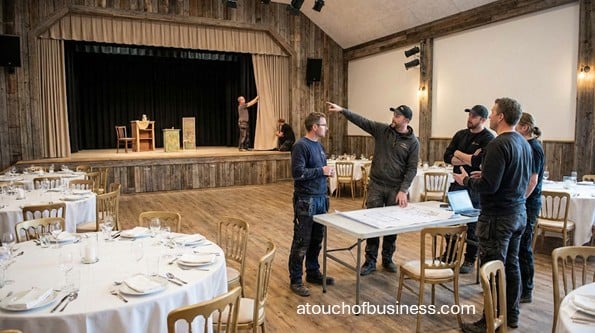
Dinner Theatre Business Overview
You’ve probably felt it before. You’re sitting at a table, the lights dim, and suddenly the room shifts from “dinner” to “show.” You start thinking, “Could I build something like this?”
You can. But before you fall in love with the idea, do the part most people skip—get honest about what you’re signing up for. If you want help thinking it through, start with these business startup considerations so you’re not guessing at the basics.
First, fit. Is owning a business right for you, and is this business right for you? A dinner theatre blends hospitality and live performance, which means you’re building two experiences at the same time.
Second, passion. Passion doesn’t replace skill, but it does keep you steady when problems show up. If you want a quick gut-check on that, read why passion matters in business before you commit.
Third, motivation. Ask yourself this exact question: “Are you moving toward something or running away from something?” If you’re starting mainly to escape a job or financial stress, the pressure of uncertain income can feel even heavier.
Now the reality check. Expect uneven cash flow, long days, hard tasks, fewer weekends off, and full responsibility. You’ll also need family support, enough skills (or a plan to learn), and enough funding to start and operate—not just open the doors.
One more step that helps a lot—talk to people who already own one. Only talk to owners you will not be competing against. That usually means a different city, a different region, or a different customer base.
Here are a few questions that get real answers fast. What surprised you most about opening? What would you do differently before signing your lease or booking your first show? Which approval or inspection slowed you down more than expected?
So what is a dinner theatre business? At its core, it’s a place where guests purchase admission for a live performance and also eat a meal as part of the experience. Some concepts bundle the meal into the ticket, while others sell the show ticket and offer dinner as an add-on.
Common Dinner Theatre Business Models
There isn’t one “correct” way to launch this business. Your model changes your permits, your buildout, your staffing, and your funding needs.
The biggest choice is whether you control the venue and kitchen, or you partner with someone who already has them. That decision can shrink your startup risk or multiply it.
Fixed Venue Dinner Theatre
This is the classic model—a dedicated location with a dining room, stage, and either an onsite kitchen or a permanent food setup. It’s usually a large-scale startup because you’re funding buildout, equipment, and staff from day one.
Venue Plus Licensed Food Partner
You control the show and the guest experience, but a licensed caterer or restaurant partner handles food production. This can reduce buildout needs and simplify early compliance, depending on your local rules.
Restaurant-Hosted Shows
You partner with an existing restaurant that has permits and kitchen capacity. You bring the performance, ticketing, and the “event” structure. It can be a smaller start, but you’ll need tight agreements so timing, space, and responsibilities are clear.
Pop-Up Or Limited-Run Productions
You rent venues for short engagements, often in spaces that already support events. This can be the most realistic “start smaller” path, especially if you’re testing a concept before committing to a lease.
A true fixed-venue dinner theatre typically requires performers, front-of-house help, and food support—even if you are the only owner. In larger models, owners may also choose partners or outside funding due to higher upfront commitments.
Startup Steps To Launch A Dinner Theatre Business
The steps below stay focused on startup and pre-launch. You’ll notice a theme—your choices have a domino effect. The show impacts the kitchen plan, the kitchen plan impacts permits, and permits can shape your location options.
If you want a quick view of how owners think day-to-day, you can also read a business inside look and compare it to your expectations.
Step 1: Choose Your Concept And Guest Experience
Start by defining what guests are buying. Is it “a meal with a show,” or is it “a show that happens to include dinner?” That difference changes your pacing, staffing, and layout.
Pick a format you can repeat with consistency. Mystery dinner, comedy, improv, seasonal shows, and scripted theatre all work, but each one asks for different rehearsal time, sound needs, and licensing.
Step 2: Decide Your Scale And Ownership Setup Early
Be clear about your starting scale before you spend serious money. A pop-up model can be tested with fewer commitments, while a fixed venue usually requires major buildout and a bigger team.
You’ll also want to decide if you’re going solo, bringing in partners, or raising funds from investors. For very small starts, some owners begin as a sole proprietorship and later form a limited liability company as the business grows. For a public venue with guests onsite, talk to a qualified attorney or accountant about liability and taxes before you pick a structure.
Step 3: Validate Demand And Confirm Profit Potential
Don’t assume demand just because the idea sounds fun. Validate it like a cautious buyer would—who will attend, how often, and why your option is better than restaurants, theatres, comedy clubs, and event spaces.
You’re not just checking if people will show up. You’re checking if the model can cover expenses and still pay you. If you want a simple way to think about that, review how supply and demand works and apply it to your local area.
Step 4: Draft A Practical Business Plan
Write a business plan even if you’re not seeking a loan. The point is clarity—your model, your staffing, your permits, and your opening timeline.
If you’d like a structured guide, use how to write a business plan to outline your concept, assumptions, and launch steps in plain language.
Step 5: Estimate Startup Costs And Build A Funding Plan
Costs vary widely in this business because space, buildout, food setup, and production needs can swing from modest to massive. List what you must pay before opening, and what you must pay during the first months while the schedule stabilizes.
Use estimating startup costs to organize your list and get quotes instead of guessing. If you need financing, review how to get a business loan so you understand what lenders usually want to see.
Step 6: Choose A Location Or A Partner Venue
For a brick-and-mortar dinner theatre, location matters because you’re asking people to commit time, money, and a full evening. You want easy access, safe parking, and a space that can support dining and performance without chaos.
If you’re weighing options, use business location planning to compare foot traffic, destination appeal, lease terms, and local approvals. If you’re partnering with a restaurant or venue, confirm what they’re legally allowed to host and what you’ll control.
Step 7: Secure Performance Rights And Show Agreements
Before you advertise a title, confirm your right to perform it. Many plays and musicals require licensing from the rights holder, and the terms can limit how you promote, how many shows you can run, and what you can change.
If you’re not using a copyrighted scripted work, you still need agreements—performer contracts, vendor contracts, and clear rules about recordings, photos, and promotional use.
Step 8: Form The Business And Register Your Name
Once your model is clear, register your business where your state requires it. If you need help understanding the process, use how to register a business as a starting point, then verify details with your Secretary of State.
Next, choose a name you can actually use. Confirm availability and plan your brand around it. A helpful guide is selecting a business name, especially if you’re balancing trademark concerns, domains, and signage.
Step 9: Get Your Tax Setup In Place
You’ll typically need a federal Employer Identification Number for banking, hiring, and tax filings. You’ll also need state tax registration if you sell taxable items in your state.
If you plan to hire early, make sure you understand payroll responsibilities. Even a small staff changes your compliance work fast.
Step 10: Plan Licenses, Permits, And Inspections
This is where dinner theatre gets real. You may be dealing with food rules, building rules, fire rules, and sometimes entertainment rules, depending on your city and county.
Start at the federal “where to look” level, then drill down locally. The Small Business Administration has a good starting point for licenses and permits, but your approvals will still be decided locally.
Step 11: Design The Space For Dining, Sightlines, And Safety
Your layout has to work for servers and performers at the same time. You need clean aisles, clear sightlines, and sound that doesn’t punish conversation or drown out the show.
Plan accessibility from the start—restrooms, entrances, seating, and paths. If you build or alter a facility, accessibility standards can apply, so it’s worth reviewing the basics through ADA design standards.
Step 12: Build Your Supplier And Vendor List
You’re not just choosing food vendors. You’re also choosing ticketing tools, payment processing, linens, waste handling, and production support.
Start with reliability. A missed delivery or a broken microphone on opening weekend can create a customer experience you can’t fix with good intentions.
Step 13: Set Up Ticketing, Reservations, And Payments
Decide how you will handle reservations, seat selection, and refunds before you sell the first ticket. A dinner theatre needs a seating chart that matches service timing, not just a generic “admission” model.
Also decide how you’ll accept payment. If you’re using a point of sale system, make sure it fits both dining and ticketing, or choose tools that integrate cleanly.
Step 14: Build Your Team And Rehearsal Plan
Even if you start small, you’ll need help. At minimum, you need performance talent, food service coverage, and someone who can keep the show running on time.
Decide what you’ll hire now and what can wait. If you want a simple way to think about first hires, see how and when to hire.
Step 15: Build Your Brand Identity And Digital Footprint
Branding is not just a logo. It’s how people recognize you, trust you, and decide if your show fits their night out.
Start with the basics—website, business cards, and consistent visuals. If you need help, use how to build a business website, review what to know about business cards, and consider a corporate identity package if you want a cohesive look from day one.
Step 16: Create Your Marketing Plan And Opening Strategy
Marketing starts before opening. People don’t buy tickets for a venue they don’t know exists, especially if it’s a full evening commitment.
For a physical location, focus on local visibility and partnerships. You can learn tactics in how to get customers through the door. If you’re planning an event-style launch, grand opening ideas can help you structure it.
Step 17: Run A Pre-Opening Readiness Check
Before you open, confirm approvals, train your team, and run a full rehearsal of the night—guest arrival, seating, service timing, cues, and cleanup.
This is also the time to review common startup errors and protect yourself from preventable headaches. A useful reminder list is avoid these startup pitfalls, then customize it to your venue and your rules.
Varies By Jurisdiction Checklist
Dinner theatre rules can change block by block. Your safest move is to verify your requirements directly with your city, county, and state offices.
Use this checklist to keep your calls and searches focused.
- Business registration: Contact your Secretary of State and ask what filings apply to your entity type and name.
- Local business licensing: Check your city or county business licensing portal and ask if a general business license is required before opening.
- Zoning and use approval: Call your planning or zoning department and ask if your address allows restaurant use, assembly use, and live entertainment.
- Certificate of Occupancy (CO): Ask your building department if you need a new Certificate of Occupancy (CO) due to a change of use, remodel, or capacity change.
- Food permits and inspections: Contact your health department and ask what permit category applies and what inspections are required before serving food.
- Alcohol licensing: Contact your state alcohol control agency and ask what license type fits on-premises service and what local approvals are required.
- Sign permits: Ask your city if you need a permit for exterior signage before installation. This pairs well with business sign considerations.
- Entertainment permits: Ask the city clerk or licensing office if live entertainment, amplified sound, or cabaret-style service needs a separate permit.
If you want to keep your questions tight, ask this: Which permits must be approved before inspections can be scheduled? Which department sets the maximum occupancy? Is there a public checklist for new restaurant or entertainment openings?
Products And Services You Can Offer
Your “product” is the full night—food, service, seating, and performance. Customers judge it as one experience, not separate pieces.
As you plan, keep offerings simple enough to execute cleanly on opening nights.
- Ticketed dinner-and-show experiences (set nights and times)
- Meal service bundled with admission or sold as an add-on
- Alcohol service (if licensed)
- Private events and group bookings
- Seasonal shows and themed productions
- Merchandise and printed programs (optional)
How Does A Dinner Theatre Business Generate Revenue
Most dinner theatres combine admission revenue with food and beverage revenue. The split depends on whether the meal is included, optional, or handled by a partner.
Before you pick a model, list every revenue stream you plan to rely on and tie it to the approvals you’ll need.
- Ticket sales: reserved seating, premium tables, and special event pricing
- Food sales: prix fixe menus, limited choice menus, desserts, and non-alcoholic beverages
- Alcohol sales: beer and wine service or a full bar, based on licensing
- Private bookings: corporate nights, birthdays, anniversaries, and tour groups
- Sponsorships: local business sponsorships for a season or show run (optional)
- Merchandise: shirts, posters, and souvenir items (optional)
Typical Customers
Dinner theatre customers are usually looking for a full evening out. They don’t just want entertainment. They want convenience, comfort, and something that feels worth planning for.
Your early marketing is easier when you know who you’re building for.
- Couples planning date nights and anniversaries
- Friend groups celebrating birthdays and milestones
- Tourists looking for packaged experiences
- Corporate groups and team events
- Community groups and clubs seeking organized outings
- Fans of theatre, comedy, mystery, or themed events
Pros And Cons
This business can be rewarding, but it’s not simple. You’re juggling live performance and food service, which means you need more coordination than most venues.
Reading the upside and downside side-by-side helps you decide if the trade-offs make sense for your life.
Pros
- Multiple revenue streams compared to a single-purpose venue
- Clear reasons for group bookings and private events
- Repeatable production runs once the model is stable
- Strong word-of-mouth potential when the experience is memorable
Cons
- More permits and approvals than many first-time businesses
- Higher liability exposure due to public guests onsite
- Staffing needs start earlier because service and performance overlap
- Timing pressure on opening nights because guests expect a smooth evening
Essential Equipment And Supplies
Your equipment list depends on your model. A fixed venue with an onsite kitchen needs far more gear than a partnered or pop-up model.
Use the categories below to build a complete list for quotes, ordering, and inspections.
Front-Of-House Dining
- Tables and chairs (layout based on sightlines and service aisles)
- Host stand and reservation check-in setup
- Tableware (plates, flatware, glassware), napkins, and service trays
- Payment devices and receipt printers (if needed)
- Bar stools and bar seating (if applicable)
Commercial Kitchen (If Preparing Food Onsite)
- Cooking equipment (range, oven, grill, fryer if used)
- Cold storage (reach-in refrigerators and freezers, prep coolers)
- Prep equipment (prep tables, cutting boards, mixers, food processors as needed)
- Warewashing (commercial dishwasher, sinks, handwashing sinks as required)
- Ventilation hood and fire suppression system (where required)
- Thermometers, labeling supplies, storage containers, and sanitation tools
Bar And Beverage (If Serving Alcohol Or Specialty Drinks)
- Back bar refrigeration and secure alcohol storage
- Ice machine or ice storage solution
- Bar tools and glassware appropriate to the menu
- Glass washer or bar dishwasher (as needed)
Stage And Backstage
- Stage platform or fixed stage elements
- Curtains, backdrops, and set pieces
- Props storage racks and secure storage
- Dressing area basics (mirrors, makeup stations, garment racks if used)
Lighting
- Stage lighting fixtures and mounting hardware
- Lighting control console or software
- Power distribution and cabling
- Safety cables and rigging accessories
Sound
- Mixing console and speakers
- Microphones (wired or wireless), stands, and cables
- Monitors and playback equipment (if used)
- Communication devices for cueing (headsets or radios if used)
Ticketing, Point Of Sale, And Office
- Ticketing software and scanners
- Point of sale system or payment terminals
- Computer, printer, and secure record storage
- Wi-Fi networking hardware
Safety And Facility Basics
- Fire extinguishers and emergency lighting (as required)
- First aid kits
- Cleaning tools, janitorial supplies, and waste handling setup
- Security tools for cash and staff areas (as needed)
Startup Essentials And Cost Drivers
Costs aren’t just “equipment.” In this business, your biggest cost drivers often come from approvals, buildout, and the need to staff both dining and performance.
The goal is not to guess a number. The goal is to identify what must be paid before opening and what must be covered until sales become predictable.
- Facility and buildout: lease deposits, renovations, accessibility upgrades, seating layout, kitchen buildout if applicable
- Permits and inspections: local licensing, food permits, possible entertainment permits, sign permits, and related inspections
- Equipment and smallwares: kitchen equipment, tableware, bar gear, sound and lighting systems, ticketing tools
- Show development: performance rights (if needed), casting, rehearsal space, costumes, sets, and props
- Professional services: legal review, accounting setup, architect or contractor help for buildout, and safety consultation if needed
- Insurance: required or recommended coverage based on your lease and risk profile, plus any special event coverage
- Pre-launch marketing: website, print materials, local outreach, and opening promotions
- Working cash: payroll, supplies, and vendor bills during the early weeks when sales fluctuate
If you want a clean way to organize these categories, revisit estimating startup costs and collect quotes before you commit to a model. A pop-up model with partners can lower buildout costs, while a fixed venue usually increases them.
Legal, Insurance, And Risk Basics
This business carries real risk because guests are onsite, food is involved, and live events can create unexpected situations. Your lease may also require specific coverage before you open.
Start with business insurance basics, then talk with a qualified insurance agent who understands public venues and food service.
- General liability insurance: common for customer-facing venues and often required by landlords
- Property coverage: for equipment, furniture, and improvements
- Workers’ compensation: required in most states once you have employees, often as soon as you hire your first employee (verify with your state)
- Liquor liability: often required or strongly recommended if you serve alcohol
- Special event coverage: sometimes used for pop-ups or offsite productions
Insurance requirements can be written into leases and permits. Always confirm what is legally required in your location and what your landlord requires in writing.
Pricing Your Tickets And Menu
Pricing is not just “what feels fair.” It has to cover food costs, labor, rights, marketing, and overhead, while still making sense to customers in your area.
Start by listing every direct cost tied to a single guest, then add your fixed monthly expenses and a realistic number of shows. If you need a framework, use pricing your products and services to build a simple pricing model you can defend.
If you offer bundled pricing, make sure you can still track what you’re earning on food versus admission. That clarity helps when you adjust menus, add alcohol service, or book private events.
Suppliers And Key Partners
You’ll rely on suppliers and partners more than you might expect. Food vendors, beverage vendors, linen providers, ticketing tools, and production support all affect the guest experience.
Your goal at startup is to choose vendors you can trust and document responsibilities clearly.
- Food suppliers: broadline food distributors, specialty vendors, local bakeries, and beverage suppliers
- Alcohol distributors: based on your state system and license type
- Linen and laundry services: if you’re not handling onsite
- Waste services: trash, recycling, grease handling if applicable
- Ticketing and payment providers: tools that handle seat selection, confirmations, and refunds
- Production support: lighting and sound installers, equipment rental, costume suppliers
- Licensed food partner: caterer or restaurant partner if you’re not preparing food onsite
Skills You Will Need
You don’t need to be an expert in everything. But you do need to know what the business demands so you can learn it, outsource it, or hire for it.
If you’re building your support team, building a team of professional advisors can help you decide who to bring in early.
- Basic business planning and budgeting
- Vendor negotiation and contract review awareness
- Food service readiness and safety planning
- Event coordination and timing control
- Performance production coordination (casting, rehearsals, cues)
- Customer experience planning (seating, accessibility, flow)
- Marketing fundamentals for local audiences
- Hiring basics, scheduling, and training prep
Day-To-Day Activities
Even though this guide focuses on startup, you should still understand what daily work looks like. This helps you decide if you’re choosing the right model and staffing plan.
Here’s what the work commonly includes once you’re open.
- Receiving deliveries and confirming supply levels
- Prep and setup for dining service and show timing
- Sound and lighting checks, stage resets, and prop checks
- Guest check-in, seating coordination, and accessibility support
- Managing timing between courses and performance cues
- Handling customer questions, refunds, and special requests
- Cleaning, sanitation, closeout, and reset for the next show
A Day In The Life Of The Owner
Your day often starts before guests arrive. You’re confirming staffing, checking deliveries, and walking the space to spot problems early.
Then you shift into coordination mode. You’re watching the front door, the dining room, the kitchen pace, and the show cues—all at once.
During the show, your job is to protect the guest experience. That might mean solving seating changes, smoothing timing issues, or making a quick decision when something unexpected happens.
After the lights come up, you’re not done. You’re reviewing sales and refunds, making notes about what needs to be fixed before the next performance, and confirming the next rehearsal or show schedule.
Red Flags To Watch For
Red flags are usually not dramatic. They’re quiet problems that become expensive later if you ignore them now.
Here are the ones that matter most at startup.
- No written confirmation of performance rights for copyrighted works you plan to present
- A venue that cannot be approved for your intended use under local zoning or building rules
- A lease that restricts buildout, signage, event use, or occupancy changes you need
- A food plan that does not match what local regulators will permit in that space
- Ticketing tools that cannot handle seat selection, timing, or clear refund policies
- Relying on verbal promises from partners instead of written agreements
- Opening without confirmed insurance requirements from your landlord and local rules
- No plan for accessibility, including paths, seating options, and restrooms
Pre-Opening Checklist
This is your final “ready to open” list. It keeps you focused on what must be true before guests arrive and tickets are scanned.
If you feel overwhelmed, remember you can bring in professional help for accounting, legal setup, buildout planning, and branding. The goal is to do it correctly, not to do it all yourself.
- Confirm your business registration and tax setup are complete
- Verify local permits, inspections, and approvals required to open
- Confirm your Certificate of Occupancy (CO) status if required
- Finalize written agreements with venues, food partners, and key vendors
- Confirm performance rights and show permissions in writing (when needed)
- Install and test ticketing, point of sale, and payment processing systems
- Build your website and confirm your business name is consistent across platforms
- Order print essentials: menus, signs, and business cards
- Train staff on guest flow, service timing, and basic emergency procedures
- Run a full rehearsal night: arrival, seating, meal timing, show cues, and closeout
- Launch your opening marketing and confirm your first schedule is visible online
101 Tips for Launching a Strong Dinner Theatre Business
These tips cover both the big setup choices and the small habits that keep a dinner theatre steady.
Use what fits your stage today, and let the rest wait until you’re ready.
Bookmark this page so you can return when a new question pops up.
Pick one tip, apply it this week, then come back for the next.
What To Do Before Starting
1. Write one clear sentence that explains your concept, like “mystery dinner with a set menu,” so every decision stays aligned.
2. Choose your “bundle” early—ticket includes the meal, or dinner is optional—because it affects permits, staffing, and customer expectations.
3. Decide if you’re building a destination night out or a local weekly habit, since that shapes location and marketing.
4. Identify your top three customer groups (date night couples, group outings, tourists, corporate events) and build around their needs.
5. Research direct competitors and substitutes like comedy clubs, live music venues, theatres, and event spaces—not just other dinner theatres.
6. Validate demand with real signals: venue calendars, sold-out shows nearby, group travel patterns, and local event listings.
7. Confirm profit potential by working backward from how many seats you can serve per show and how often you can realistically run shows.
8. Build a simple “one-night economics” worksheet: expected ticket revenue, food cost, labor, rights fees, and fixed overhead.
9. Pick a launch model that matches your resources: pop-up, restaurant-hosted, partner-catered venue, or a fully built fixed venue.
10. Treat a fixed venue as a large-scale startup in most cases because you’ll need buildout, equipment, and a larger team from day one.
11. If you start smaller, consider short engagements in a venue that already supports events and dining so approvals are less complex.
12. List the approvals you may trigger: food service, assembly occupancy, fire review, signage, and sometimes live entertainment permits (varies by city and county).
13. Ask your city or county what “use” category your concept falls under before you sign a lease.
14. Plan your layout around sightlines and server paths, not just how many tables you can squeeze in.
15. Decide if alcohol is part of the concept early because licensing timelines can affect your opening date.
16. Make a written “show pacing plan” (arrival, seating, courses, performance beats) so the kitchen and stage are designed to work together.
17. Build a startup timeline with hard gates like licensing, inspections, rehearsals, staff training, and first ticket sales.
18. Talk to owners who already run a dinner theatre, but only talk to owners you will not be competing against.
19. Ask those owners what surprised them most during opening approvals, what they would change before signing a lease, and what they wish they had budgeted for.
20. Decide what you will outsource early (legal review, accounting setup, design, buildout planning) so you don’t stall when it matters.
Legal, Permits, And Risk Basics
21. Choose an entity structure based on risk and complexity, then verify requirements with your Secretary of State.
22. If you begin very small, understand that some owners start as a sole proprietorship and later form a limited liability company as the business grows.
23. Apply for a federal Employer Identification Number early so you can open financial accounts and set up payroll if needed.
24. Register for state and local tax accounts based on what you sell, since tickets, food, and alcohol can be treated differently by state rules.
25. Contact your city or county business licensing office to confirm whether a general business license is required before opening.
26. Verify zoning approval for your exact address, including dining, assembly, and live entertainment uses if applicable.
27. Ask your building department if you need a new Certificate of Occupancy (CO) due to remodels, change of use, or capacity changes.
28. Contact your local health department early to confirm what food permit category applies and what inspections are required before serving.
29. If you serve alcohol, confirm your license type, posting rules, training expectations, and whether local approvals are required (state rules vary).
30. Review accessibility requirements during design, not after construction, so entrances, restrooms, seating, and paths are workable.
31. Ask your landlord what insurance is required in the lease, then confirm what your state or city may require for employees or alcohol service.
32. Put every partner arrangement in writing—venue access, kitchens, staffing responsibilities, and who holds which permits.
Facility, Kitchen, And Tech Setup
33. Prioritize spaces with existing restaurant infrastructure if you plan to cook onsite, because adding a commercial kitchen can change your entire budget.
34. Design the dining room so servers can move without blocking sightlines, and so guests can see and hear without strain.
35. Treat sound as a core system, not an add-on, because poor audio can ruin both the show and the dining experience.
36. Use lighting zones so you can keep the room safe for dining while still creating a performance mood.
37. Build a backstage plan for storage, quick changes, and prop security so chaos stays out of the dining room.
38. Choose seating you can clean fast and maintain, because heavy wear is normal in food-and-show venues.
39. If you are serving full meals, confirm your refrigeration and hot-holding capacity matches your menu plan.
40. Keep the opening menu simple enough to execute on show nights, because timing pressure is higher than in a typical restaurant.
41. Plan waste handling and grease handling early if you’re cooking onsite, since local requirements can affect buildout.
42. Choose a ticketing and reservation system that supports assigned seats, clear confirmations, and flexible group seating.
43. Set up a point of sale system that can handle both dining and tickets, or select tools that connect cleanly without manual workarounds.
44. Create a “single source of truth” seating chart that matches service timing, accessibility seating, and sightlines.
Show, Rights, And Creative Planning
45. Confirm you have the legal right to present a scripted show before advertising it, especially for copyrighted plays and musicals.
46. Keep a rights folder for each production with contracts, permitted marketing language, and allowed run details.
47. Decide whether you will use live music, recorded tracks, or no music, since that changes your audio setup and permissions.
48. Build a rehearsal calendar that ends with at least one full “service plus show” run-through in the actual space.
49. Design the show around the room, not the other way around, so entrances, exits, and audience interaction are controlled.
50. Create a cue sheet that includes service beats (course drops, dessert timing, check delivery) so stage and dining stay in sync.
51. Standardize prop storage and reset steps so every show starts from the same baseline.
52. Plan how you will handle late arrivals without disrupting the show, then set that expectation on the ticket confirmation.
53. Decide your photo and recording policy early, because it affects rights compliance and guest experience.
54. Build a backup plan for key roles (understudy, swing, or alternate casting) so you can keep dates you’ve sold.
Staffing, Training, And Systems
55. Separate “who runs service” from “who runs the show” so accountability is clear when timing gets tight.
56. Use a stage manager or show caller role, even if part-time, because one person must own cues and resets.
57. Train servers on show etiquette, not just food service, so they know when to move and when to hold.
58. Create a pre-show briefing routine that covers timing, special guests, allergies, accessibility needs, and any show changes.
59. Cross-train key front-of-house staff on the reservation system so you’re not stuck when one person is out.
60. Use written checklists for opening and closing so consistency doesn’t rely on memory.
61. Set a clear uniform and appearance standard that matches your brand and is practical for service work.
62. Train staff on guest conflict scenarios (refund requests, seating disputes, intoxication concerns) so they respond calmly.
63. If you use tips for staff compensation, set clear handling rules and comply with wage and tip laws that apply in your state.
64. Document basic safety routines, including emergency exits, incident reporting, and when to call for help.
Marketing And Sales
65. Build your marketing around “a full night out” so customers understand the time commitment and what’s included.
66. Sell the experience with specifics: show theme, meal format, start time, and how long the event runs.
67. Use professional photos that show the room, the stage, and plated food, because customers want to picture the whole evening.
68. Create a simple “first-time guest” page on your site that explains arrival time, seating, menu approach, and policies.
69. Develop group packages with clear minimums and deadlines, because group sales can stabilize early revenue.
70. Build relationships with hotels, tour operators, and local visitor bureaus if your market includes tourists.
71. Offer weekday or early-show options if your area has retirees, coach tours, or corporate groups that prefer earlier schedules.
72. Use email reminders that reduce no-shows: parking guidance, timing, and a clear “what to expect” summary.
73. Create a referral push for locals after your first few shows, because word-of-mouth can outperform paid ads in tight markets.
74. Test your messaging with small ad spends first, then scale only after you see consistent sales patterns.
75. Put your calendar and ticket links front-and-center, because friction kills ticket sales fast.
76. Track which channels bring group inquiries versus single ticket purchases so you don’t treat all marketing the same.
Customer Experience And Policies
77. Set expectations before guests arrive: when doors open, when the show starts, and when food is served.
78. Write a clear refund and exchange policy that matches your reality, then display it during checkout and in confirmations.
79. Create an allergy and dietary request process that is honest about what you can and cannot accommodate.
80. Offer accessible seating options and document how guests request them, so the process is respectful and consistent.
81. Establish a late arrival policy that protects the show and other guests, then train staff to enforce it politely.
82. Plan noise control and audience conduct rules for interactive formats, because one table can derail the room.
83. Make it easy for guests to celebrate (birthdays, anniversaries) with a simple add-on process that doesn’t disrupt timing.
84. Create a lost-and-found routine and a clear handoff process, because coats, phones, and wallets will be left behind.
85. Build a feedback loop that collects reviews right after the event while memories are fresh, then read them weekly.
86. When something goes wrong, use a standard service recovery approach: acknowledge, fix what you can, and document it for training.
Budget Management And Controls
87. Separate personal and business finances from day one so taxes and reporting don’t become a mess later.
88. Set up a basic chart of accounts that splits tickets, food, alcohol, and private events so you can see what actually earns revenue.
89. Use a weekly cash forecast during the first months because ticket sales and vendor bills often move on different timelines.
90. Build deposits and deadlines into group contracts so you’re not holding seats without commitment.
91. Treat production expenses like a project budget with a cap, or you can overspend before opening night.
92. Confirm how ticketing fees are handled and who absorbs them, then ensure the final customer price is clear.
93. Lock vendor pricing where you can, especially for core menu items, so your costs don’t swing wildly during a run.
94. Schedule a monthly review of labor versus sales by show night so you can adjust staffing levels responsibly.
What Not To Do
95. Don’t sign a lease before confirming zoning, use approval, and what inspections you’ll need to open.
96. Don’t advertise a copyrighted show title until you have the right to present it and you understand the licensing terms.
97. Don’t launch with a complicated menu that requires perfect timing, because early show nights are stressful enough.
98. Don’t rely on verbal promises from a venue or food partner—put responsibilities, access, and payment terms in writing.
99. Don’t ignore accessibility during design, because retrofits are expensive and can delay opening.
100. Don’t wait until opening week to train staff on timing and cues; do a full rehearsal with service and performance together.
101. Don’t treat customer complaints as “random”; track patterns and fix the root cause before it becomes your reputation.
If you’re new to this, remember the goal isn’t to build everything at once.
Choose a model you can actually support, verify requirements locally, and standardize your show-night routine before you scale.
When you improve one small part of the guest experience each week, the whole business gets easier to run.
FAQs
Question: What licenses and permits do I need to open a dinner theatre in my city?
Answer: Start with the Small Business Administration guide, then confirm requirements with your city or county licensing office, health department, building department, and fire authority. Rules vary by location and by whether you cook onsite, host live performances, or serve alcohol.
Question: Do I need separate approvals for food service and live entertainment?
Answer: Often yes, because food service and assembly-style events can involve different agencies and inspections. Ask your local licensing office which permits apply to “restaurant,” “theatre,” “live entertainment,” and “amplified sound” in your jurisdiction.
Question: Can I start without an onsite kitchen by using a licensed caterer or restaurant partner?
Answer: Sometimes, but you still need your local health department to confirm what is allowed in your space and who is permitted to prepare and serve the food. The Food and Drug Administration Food Code is a model, but your local rules control what you can do.
Question: What is a Certificate of Occupancy (CO), and when do I need it?
Answer: A Certificate of Occupancy (CO) is typically tied to how a building is approved for use and occupancy. Ask your building department early if a remodel, change of use, or seating capacity change triggers a new approval.
Question: Do I need a liquor license to serve beer, wine, or cocktails?
Answer: Yes if you sell alcohol, and the license type and process vary by state and sometimes by local option. Start with your state alcohol control agency for licensing steps. You can use the Alcohol Policy Information System (APIS) to compare state alcohol policy topics.
Question: Do I need permission to perform a play, musical, or scripted show?
Answer: If the work is copyrighted, you usually need a license from the rights holder before you advertise or sell tickets. Title 17 of the United States Code lists public performance among the exclusive rights of copyright owners.
Question: What accessibility rules should I plan for in a dinner theatre space?
Answer: If you are open to the public, you are typically treated as a public accommodation, which triggers accessibility duties under Title III. Use the ADA Accessibility Standards during design and buildout, and confirm details with your local building officials.
Question: When should I get an Employer Identification Number?
Answer: Get it early if you plan to open business financial accounts, hire employees, or file certain business tax forms. Apply directly with the Internal Revenue Service and avoid sites that charge a fee.
Question: What tax and payroll steps should I plan for if I hire staff?
Answer: If you have employees, you may need to withhold, deposit, report, and pay employment taxes, and you must give required forms to workers. Review the Internal Revenue Service guidance and also confirm state employer registration steps with your state agencies.
Question: What insurance should I have before opening night?
Answer: Many venues and landlords require general liability and property coverage before you operate, and additional coverage may be needed for employees or alcohol service. Use the Small Business Administration insurance overview as a baseline, then confirm exact requirements in your lease and state rules.
Question: What equipment should I prioritize first for a dinner theatre launch?
Answer: Prioritize what supports compliance and the core experience: safe food holding and sanitation gear (if serving food), reliable sound and lighting, and ticketing and point of sale tools. Build your list around your model so you do not buy kitchen gear you will not legally use.
Question: How do I run a smooth show night without service and cues colliding?
Answer: Build a written run-of-show that includes seating, course timing, and cue points, and assign one person to call cues and resets. Do at least one full rehearsal that combines service with performance so timing issues surface before guests arrive.
Question: What staffing roles do I need on show nights?
Answer: At minimum, you need clear owners for three lanes: front-of-house service, food production or food coordination, and show execution. Many new owners reduce risk by using part-time performers and tech staff at first, while keeping one accountable lead for each lane.
Question: What numbers should I track weekly to protect cash flow?
Answer: Track cash on hand, tickets sold by performance date, refund and exchange rates, labor cost, and food cost against each show night. Watch vendor payment timing versus ticket revenue timing so you do not run short between runs.
Question: What safety and emergency planning should I maintain while operating?
Answer: Occupational Safety and Health Administration rules cover exit routes and emergency planning for workplaces, so you should understand what is expected for staff safety. Coordinate your posting, training, and procedures with your local fire authority and building officials.
Sources and References
- Internal Revenue Service:
- U.S. Small Business Administration:
- U.S. Food and Drug Administration:
- ADA.gov:
- U.S. Access Board:
- Occupational Safety and Health Administration:
- eCFR:
- GovInfo & U.S. Copyright Office:
- National Institute on Alcohol Abuse and Alcoholism:
- Reference Resources: