
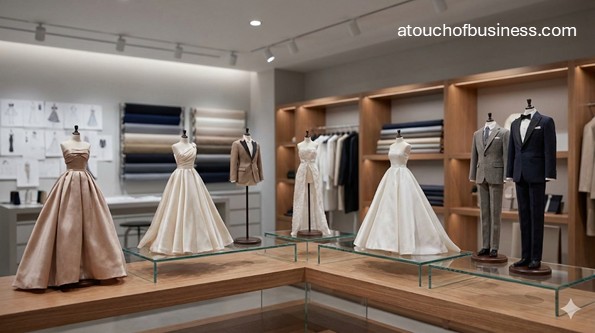
Doll Clothing Business Overview
A doll clothing business designs and sells outfits and accessories sized for specific dolls. You can launch it from a home sewing space, a small studio, or a shared workspace. Most first launches start small, with a tight product line for one doll size.
Your core job before launch is to get clear on fit, safety, and repeatable quality. If your items are marketed for children 12 or under, you also need to plan for consumer product safety rules that can include third-party testing and written certification.
Is This a Small-Scale or Large-Scale Business?
For most people, this is a small-scale startup. You can begin solo with a sewing setup, a small run of products, and online sales.
The large-scale version is different. That path usually includes bigger inventory, outside production help, warehouse space, and more cash tied up before launch. Think about the flip side: growth can be exciting, but it can also lock you into obligations before you have steady demand.
Common Products and Services
Your launch offer should be simple and clear. Most doll clothing brands start with a few outfits in one doll size, then expand later.
- Outfits and separates (dresses, tops, pants, jackets, uniforms)
- Accessories (hats, headbands, scarves, bags, aprons)
- Themed sets (seasonal, holiday, formal, character-inspired without using protected artwork)
- Custom sizing for a specific doll model (when you can verify fit)
- Digital sewing patterns (downloadable files)
- DIY kits (fabric and notions with instructions)
- Minor repairs or alterations to existing doll clothing (only if you choose to offer this)
Typical Customers
You are usually selling to a mix of shoppers. Your product line and your marketing choices will push you toward one group more than another.
- Parents and gift shoppers purchasing for children
- Adult collectors who want high detail and limited runs
- Hobby sewers who want patterns or kits
- Doll customizers who want wardrobe pieces for photos or displays
- Small retailers that carry doll-related items (wholesale or consignment)
- Local event shoppers (craft shows, doll shows, holiday markets)
Pros and Cons to Weigh Before You Start
This business can be a good fit if you like detail work and can stick with careful steps. It can be a rough fit if you hate repetitive sewing or you want fast results.
- Pros: Can start from home; small launch is possible; product line can be narrow; skill-based business with room to improve over time.
- Cons: Small sizes demand precision; quality control takes time; supply consistency matters; if marketed for children, safety compliance can add testing, labeling, and documentation requirements.
Intro: Decide If Ownership and This Business Fit You
Before you plan a single product, decide if owning and operating a business is for you. Then decide if a doll clothing business is the right fit for you.
Start here if you want a broader view of what new owners face: business start-up considerations. It can help you spot blind spots early.
Intro: Passion Under Pressure
Passion matters because it helps you persist and solve problems when challenges hit. Without it, many people look for an exit instead of solutions.
If you want to pressure-test your “why,” read why passion matters in business. Think about the flip side: passion is not a plan, but it can keep you steady while you build one.
Intro: Your Motivation Test
Ask yourself this exact question: “Are you moving toward something or running away from something?”
If you are starting only to escape a job or a financial bind, that may not sustain motivation. A doll clothing business can take time to dial in fit, quality, and demand.
Intro: Responsibility and Readiness
Be honest about uncertain income, long hours, difficult tasks, fewer vacations, and full responsibility. That is the trade you make for control and independence.
Is your family or support system on board? Do you have (or can learn) the skills and can you secure funds to start and operate?
If you want a reality check from the owner angle, review a business inside look and compare it to your life right now.
Intro: Learn From Owners (Only Non-Competing)
Talk to owners in the same business only when they are not direct competitors. Only talk to owners you will not be competing against.
Look for owners in a different city, region, or area. Keep it respectful and brief.
- “What surprised you most about preparing products for launch?”
- “If you were starting again, what would you test before spending on bigger inventory?”
- “What compliance or paperwork tasks took longer than you expected?”
Business Models for a Doll Clothing Business
Your model controls your cash needs, your workload, and your risk. Choose a model that matches your time and your budget.
Think about the flip side: the model that sounds fun is not always the model that is easiest to launch cleanly.
- Ready-to-ship: sew small batches and ship immediately
- Made-to-order: sew after the customer places an order
- Custom work: sizing or design changes for specific doll models
- Digital patterns: sell downloadable sewing patterns
- Kits: sell fabric/notions packs with instructions
- Wholesale: sell to shops in larger quantities (more planning and consistency)
- Consignment: place items in a shop and get paid after they sell
How Does a Doll Clothing Business Generate Revenue
Revenue usually comes from a mix of product sales and add-ons. Your first launch should keep it simple.
- Individual outfits and accessory pieces
- Bundles and themed sets
- Limited runs for collectors
- Custom sizing or upgrades (only when you can deliver consistently)
- Digital pattern sales
- DIY kits and gift-ready packages
- Event sales at craft markets or doll shows
Essential Equipment and Supplies for Launch
You can launch with a practical sewing setup and a tight set of tools. Your startup total depends on scale, quality level, and whether you need compliance testing.
Use this list to build your startup cost estimate, then collect price quotes. For help building your totals, see estimating startup costs.
Sewing and Construction Equipment
These are the core tools for producing consistent garments. Start with what supports your first product line.
- Sewing machine (straight stitch)
- Serger or overlock machine (optional but helpful for seam finishing)
- Machine needles in several sizes and types
- Presser feet set (zipper foot, buttonhole foot, edge or topstitch foot)
- Bobbins and bobbin storage
- Hand sewing needles
- Thread in core colors used in your launch items
Cutting and Pattern Tools
Precision cutting matters more than people expect. Small clothing amplifies small errors.
- Fabric shears
- Thread snips
- Rotary cutter
- Self-healing cutting mat
- Pattern paper or cardstock
- Clear rulers and seam gauge
- Fabric marking tools (chalk or washable marker)
- Seam ripper
- Pins and clips
Pressing and Finishing Tools
Pressing is part of building a professional look. Plan for it in your workspace.
- Iron
- Ironing board or pressing mat
- Pressing cloth
- Mini iron (helpful for small seams)
- Point presser or small pressing form
- Lint roller
Notions, Closures, and Trims
Closures and trims affect safety, durability, and appearance. Choose parts that match your target age group and quality level.
- Snaps (sew-on or press snaps)
- Hook-and-loop tape (as needed)
- Elastic (various widths)
- Zippers sized for small garments (if used)
- Buttons (only if appropriate for your age target and design)
- Trim (lace, ribbon, bias tape)
- Interfacing
Packaging and Shipping Essentials
Packaging protects the product and supports your brand. Keep it clean and repeatable.
- Protective sleeves or poly bags
- Tissue paper or wrapping paper
- Mailers or boxes sized for your items
- Packing tape and tape dispenser
- Shipping scale
- Label printer or printer with shipping labels
- Basic inserts (care note, thank-you card, return instructions)
Photos and Listing Setup
Good photos are part of the product. Plan a simple photo setup you can repeat every time.
- Camera or smartphone
- Tripod
- Backdrop (paper or cloth) and clamps
- Basic lighting (continuous lights or a light box)
Workspace and Storage Basics
Even at home, you need order. A cluttered space leads to lost parts and uneven output.
- Cutting table or stable work surface
- Chair with proper support
- Storage bins for fabric, thread, and notions
- Clear containers for small parts
- Labeling system for sizes and styles
Startup Steps to Launch Your Doll Clothing Business
The steps below follow a practical order: fit, validation, planning, legal setup, product readiness, and a controlled launch. Each step has a purpose. Do not skip steps that protect you from preventable problems.
If you want a general planning foundation, work in how to write a business plan as you go. A plan helps even if you never apply for funding.
Step 1: Choose Your Doll Size and Target Customer
Pick one doll size or model for your first launch. That keeps your patterns, photos, and product descriptions consistent.
Decide if you are focused on children or collectors. Think about the flip side: collectors may expect higher detail and premium materials, while children’s products can trigger added safety compliance work.
Step 2: Decide Your Owner Structure and Staffing Plan
Choose your starting setup: solo, partners, or investors. Most first launches work best as solo or with one partner, because decisions stay fast and costs stay controlled.
Also decide what you will do yourself and what you may outsource. You can learn many skills, but you do not have to do everything alone. A bookkeeper, accountant, or attorney can help you set things up correctly.
Step 3: Validate Demand Before You Build Inventory
Confirm that real customers want your style in your chosen doll size. Do not assume demand just because you like the idea.
Use simple tests like pre-launch signups, small sample listings, or feedback from collector groups. For the demand basics, review supply and demand and apply it to your niche.
Step 4: Validate Profit, Not Just Interest
You are not only checking if people want doll clothes. You are checking if the price can cover materials, packaging, fees, and your time, while still leaving room to pay the owner and cover expenses.
Think about the flip side: a popular product can still be a bad product if you cannot price it high enough to make the work worth it.
Step 5: Choose a Business Model That Matches Your Reality
Pick a model you can run cleanly before you scale. Ready-to-ship can simplify fulfillment, while made-to-order can reduce upfront inventory but can stretch your time.
Decide now if you will offer custom sizing at launch. Custom work can attract customers, but it can also slow you down and complicate quality control.
Step 6: Build a Tight Launch Product Line
Select a small set of items that look good together. Keep fabrics and trims consistent so you can source parts without scrambling.
Write clear product definitions for each item: size, fit assumptions, closures, materials, and what is included in the set.
Step 7: Create Patterns and Prototypes You Can Repeat
Prototype each item on the exact doll model you designed for. Document any adjustments so you can recreate the fit later.
Set a simple quality standard you can meet every time. This is where many new owners learn the hard lesson: the small size makes errors stand out fast.
Step 8: Source Materials and Set Supplier Standards
Choose suppliers for fabric, thread, trims, and closures. Your goal is consistency, not variety.
Build relationships with suppliers by being clear on what you need and ordering in a steady way. When supplier choices matter to product safety or durability, keep records of what you used and where it came from.
Step 9: Decide if Your Products Are Children’s Products
If you market your items primarily for children 12 or under, you may be in “children’s product” territory under federal consumer product safety rules. Review the guidance on children’s products and align your marketing and labeling choices with reality.
Think about the flip side: calling your items “for collectors” does not fix the issue if your marketing, packaging, and sales channels clearly target children.
Step 10: Plan Product Safety Compliance if You Market to Children
If your products are children’s products, plan for the compliance steps that can include third-party testing and a written Children’s Product Certificate. Start with the Consumer Product Safety Commission’s Children’s Product Certificate guidance.
If third-party testing is required for your product, you can locate a lab using the CPSC-accepted testing laboratories list.
Step 11: Design Choices That Reduce Safety Risk
If products are intended for young children, small detachable parts can become a choking hazard. Review small parts guidance and keep your closures and trims aligned with your intended age group.
Also review material rules that may apply to children’s products, such as total lead content, lead in paint, and phthalates guidance when your components make those rules relevant.
Step 12: Plan Your Tracking Labels if You Sell Children’s Products
Children’s products have a tracking label requirement that helps trace production. Review the Consumer Product Safety Commission’s tracking label guidance and decide how you will apply it to the product and packaging where practicable.
Even if you start small, plan a simple batch and date system. It can save you time if you ever need to identify a specific run.
Step 13: Build Your Startup Cost List and Collect Price Quotes
Use the essentials lists above to build your cost estimate. Get current pricing from suppliers, shipping vendors, and any service providers you will use.
Scale drives your totals. A tiny launch run and a simple photo setup cost less than a wide product line with premium packaging and outside production help.
Step 14: Write a Business Plan and Decide How You Will Fund the Launch
Write a simple business plan that matches your scale. You are not writing it to impress anyone. You are writing it so you can see the numbers and the steps clearly.
If you need funding, prepare early. Start with how to get a business loan so you understand what lenders look for and what documents you may need.
Step 15: Open Business Accounts at a Financial Institution
Separate business and personal finances early. It keeps records cleaner and makes tax time easier.
Ask your financial institution what documents they require to open business accounts based on your entity type and local registration rules.
Step 16: Choose Your Legal Structure and Register the Business
Many small businesses start as sole proprietorships and later form a limited liability company as they grow. The shift can help with liability separation and structure, but it depends on your situation.
For a structure overview, see the Small Business Administration page on choosing a business structure. For registration basics, see registering your business. You can also review how to register a business for a practical walkthrough.
Step 17: Get an Employer Identification Number if You Need One
An Employer Identification Number is a federal tax identification number used for many business tasks. Check the Internal Revenue Service overview of the Employer Identification Number and confirm if it applies to your setup.
Think about the flip side: even if you are not hiring right away, you may still want an Employer Identification Number for banking or vendor paperwork, depending on your situation.
Step 18: Register for Sales Tax and Other State Accounts
If you sell taxable goods, you may need to register for sales and use tax in your state. Requirements vary by state.
If you hire employees, you may need state employer accounts as well. Plan this before you hire, not after.
Step 19: Confirm Local Licensing, Zoning, and Building Rules
Local rules vary. If you work from home, confirm home occupation rules. If you use a commercial space, ask about inspections and a Certificate of Occupancy (CO) before you sign a lease.
The Small Business Administration has a helpful overview on licenses and permits, but your city and county are the source of truth.
Step 20: Choose a Name and Lock Your Online Presence
Pick a business name that fits your niche and is easy to say. Then check if the domain name and social handles are available.
Use selecting a business name for a structured approach. If you want trademark basics, review trademark basics and use the trademark database search as part of your screening.
Step 21: Build Your Brand Identity Basics
You do not need a full agency package to launch, but you do need consistent basics: logo, colors, fonts, and a clean look across your listings.
For help, review corporate identity considerations, business cards, and business sign considerations if you will sell in person.
Step 22: Set Your Pricing With Real Numbers
Price based on your true costs and the market range for your niche. If you underprice early, it is hard to correct later.
Use pricing your products and services to structure your pricing decisions and protect your margins.
Step 23: Choose Where You Will Sell and How Customers Will Find You
Decide if you will sell through your own site, a marketplace, local events, or a mix. If you will sell in person, your location needs to be convenient for customers and allowed by local rules.
For a location framework, see business location considerations. If you will build a site, start with how to build a business website.
Step 24: Plan Insurance and Risk Before You Start Selling
At a minimum, many owners look at general liability insurance. Also consider coverage for equipment and business property if you rely on tools and inventory.
If you sell at events, read vendor agreements carefully. Some events require you to show proof of insurance. For a simple overview, see business insurance.
Step 25: Set Up Your Workspace for Repeatable Output
Arrange your space so cutting, sewing, pressing, and packing flow in a clean order. You are building a small production line, even if you are the only one working it.
Plan storage for small parts so you do not lose time. The flip side is real: disorganization can slow you down more than lack of talent.
Step 26: Create Listings, Photos, and Proof Assets
Create product descriptions that match your chosen doll size and include clear fit notes. Take photos that show the full outfit and key details.
Set up your checkout and payment tools so you can accept payment smoothly. Also prepare your packing inserts, return instructions, and contact method.
Step 27: Do a Controlled Pre-Launch Run
Produce a small batch or a limited made-to-order slot count. Package items and run a test shipment to confirm packaging strength and label clarity.
Use this run to confirm how long each item takes to produce. This protects your pricing and your delivery promises.
Step 28: Plan Your Launch Marketing and Your Opening Push
Choose a marketing approach that matches your channel. For online launches, that can be a small email list, social posts, and a clear launch date with limited inventory.
If you want an “opening week” structure, use ideas for a grand opening and adapt it to online or event-based selling. If you are opening a storefront, you can also use how to get customers through the door.
Step 29: Run Your Pre-Opening Checklist
Do a final pass before you announce your launch. This is where you catch missing details that can cause returns, delays, or compliance problems.
Confirm your registrations, tax setup, and payment tools. Confirm your product specs, packaging, and shipping supplies. Confirm your marketing kickoff plan and your first-week production schedule.
Skills You Will Use to Launch Strong
You do not need every skill on day one. You need enough skill to produce a quality product and set up the business correctly.
Think about the flip side: if a task affects compliance, revenue, or contracts, it is often worth getting professional support.
- Sewing and garment construction for small-scale clothing
- Pattern drafting and fit testing for one doll model
- Material selection and basic durability choices
- Basic product photography and listing writing
- Pricing and cost tracking
- Basic recordkeeping for taxes and sales
- Comfort working with compliance documents if you sell children’s products
What Your Day-to-Day Will Feel Like
Before launch, your work is mostly product and setup. After launch, you will split time between making items, packing orders, and updating listings.
Use this section as a personal fit test. If you dislike these tasks, the business may not match you.
- Cutting fabric and preparing small parts
- Sewing, pressing, finishing, and quality checks
- Photographing items and writing product descriptions
- Packaging and shipping prep
- Tracking materials and batch notes for consistency
- Keeping compliance records organized when applicable
A Day in the Life of a Doll Clothing Business Owner
This is a simple example day. Your schedule will change based on whether you do made-to-order or ready-to-ship.
Notice the flip side: the more you customize, the more your day is driven by one-off details instead of repeatable batches.
- Morning: review orders and cut fabric for the day’s work
- Late morning: sew core seams and add closures
- Midday: press and finish, then run quality checks
- Afternoon: photos and listings for new items or restocks
- Late day: packaging, shipping labels, and record updates
Red Flags to Watch For
These issues can hurt you early. They also tend to cost more to fix later.
- Marketing items for children without understanding whether children’s product rules apply
- Using small detachable parts on items intended for very young children
- No system to track which materials were used for a given batch or run
- Pricing that ignores packaging, fees, and time
- Relying on a single supplier with no backup option
- Using protected characters or artwork on products without verified rights
- Skipping basic legal setup because “it’s just a hobby”
Varies by Jurisdiction
Registration, tax accounts, and local permissions change by state, city, and county. Use this checklist to verify locally instead of guessing.
When in doubt, ask the office that controls the rule. Get answers in writing when possible.
- Entity formation: State Secretary of State (or equivalent) -> search “business entity formation” + your state
- Business name and assumed name filings: State Secretary of State and/or county clerk -> search “assumed name” or “doing business as” + your state/county
- Employer Identification Number: Internal Revenue Service -> review Employer Identification Number
- Sales and use tax: State department of revenue or taxation -> search “sales tax registration” + your state
- Employer accounts: State workforce agency and state department of revenue -> search “employer withholding registration” and “unemployment insurance employer account” + your state
- General business license: City or county business licensing portal -> search “business license application” + your city/county
- Home occupation rules: City or county planning and zoning -> search “home occupation permit” + your city/county
- Commercial space approval: City or county building department -> search “Certificate of Occupancy requirements” + your city/county
Product Safety and Compliance Notes for Children’s Products
If your items are marketed for children 12 or under, start with the Consumer Product Safety Commission guidance on children’s products. That helps you understand how products are classified and what rules may apply.
If children’s product rules apply to you, review Children’s Product Certificate guidance, tracking label guidance, and small parts guidance.
Protecting Your Designs and Respecting Other Rights
Many doll clothing brands use original patterns and styling. Be careful with names, logos, and artwork that belong to others.
If you want a plain-language overview of copyright basics, review Copyright Basics (Circular 1). If you plan to register original creative work, start at the Copyright Office registration portal.
Professional Help Is an Option
If you feel overwhelmed, that is normal. You can learn many tasks, but you can also pay for help in areas that matter most.
Common support options include bookkeeping setup, tax registration help, legal entity setup, brand design, and product photography. If you plan to grow, you can also build a small advisor circle using building a team of professional advisors.
When to Bring in Help
You may start solo, then bring help later. The right timing depends on your demand, your cash, and how fast you can produce quality items.
If you want a hiring timing guide, review how and when to hire. If you want a caution list for early decisions, see avoid these mistakes when starting a small business.
101 Tips to Consider for a Doll Clothing Business
This section gathers tips that can help you at different stages, whether you’re planning your first launch or tightening things up.
Use the ideas that match your current goals and skip what doesn’t apply right now.
Bookmark this page so you can come back as your products, costs, and rules change.
Work through one tip at a time so you build steady momentum without getting overwhelmed.
What to Do Before Starting
1. Pick one doll size and one doll body type for your first launch, and commit to it. A focused start prevents fit confusion and reduces wasted materials.
2. Decide whether your core customer is a child, a gift shopper, or an adult collector. Your fit notes, photos, materials, and compliance needs can change based on that decision.
3. Write a short description of your “launch promise” in plain language, such as “classic outfits for 18-inch dolls with durable seams.” Use it to keep your product choices consistent.
4. Validate demand with simple checks before you sew a big batch. Compare similar products, track what sells, and note which doll sizes get the most attention in your target channel.
5. Confirm you can price your items high enough to cover materials, packaging, fees, and your time. If the math does not work, adjust the design or model before launch.
6. Choose a sales model early: ready-to-ship, made-to-order, custom work, digital patterns, kits, or a mix. Each model changes your cash needs and your time pressure.
7. Set a launch limit for how many items you will offer at once. A smaller offer is easier to photograph, describe, and quality-check.
8. Draft a simple bill of materials for each product, listing fabric, closures, trim, and packaging. This helps you spot weak supply points before you depend on them.
9. Confirm your supply plan for closures and trims. Small parts can disappear from the market, and replacements can change the look or safety profile of your product.
10. Decide if you are starting solo, with a partner, or with outside funding. The more people involved, the more you need clear roles and written agreements.
11. If you start solo, list tasks you will do yourself and tasks you may outsource. Common outsource options include bookkeeping setup, tax setup, and branding design.
12. Learn whether you need an Employer Identification Number (EIN) for your setup. Many owners get one early because it can help with banking and vendor paperwork.
13. Decide how you will track revenue from day one. Separate business and personal finances early so your records stay clean.
14. Check whether you must register for sales tax collection in your state before selling. Sales tax rules vary by state and can also vary by selling channel.
15. Confirm whether your city or county requires a general business license. Do this before you invest in signage, a lease, or a public launch.
16. If you will work from home, verify home occupation rules in your area. Pay attention to limits on signage, customer visits, and storage.
17. If you plan a studio or storefront, ask early about building approvals and a Certificate of Occupancy. This can affect how soon you can open and what you must change in the space.
18. Create a one-page pre-launch checklist for your first selling day. Include product readiness, photos, pricing, packaging, and all required registrations.
What Successful Doll Clothing Business Owners Do
19. They document doll measurements and fit notes instead of relying on memory. That makes repeat orders and product updates much easier.
20. They standardize seam allowances, stitch length, and finishing methods for each product. Consistency is the fastest path to predictable quality.
21. They reinforce stress points like waist seams, armholes, and closures. Small garments can rip easily if seams are not planned for real use.
22. They create a pattern revision log with dates and changes. When a customer asks for a repeat, you can recreate the same fit without guessing.
23. They keep a “fit model” doll in perfect condition and use it only for testing and photos. That helps you avoid stretched elastic or worn joints affecting fit.
24. They choose closures that match the customer and age group. The wrong closure can create frustration, safety concerns, or returns.
25. They pre-test fabrics for shrink, dye bleed, and fraying before committing to a product line. A fabric that looks great can still fail after handling and pressing.
26. They keep a small set of core fabrics and colors for launch. Too many fabric options make restocks harder and photos less consistent.
27. They build a simple quality checklist for every item. Even a short checklist helps catch uneven hems, loose threads, and weak closures.
28. They photograph products in a repeatable setup with consistent lighting and angles. Customers trust listings that look stable and professional.
29. They write clear compatibility notes for each listing. “Fits Doll X model” is stronger than vague size claims.
30. They test packaging before launch by doing a sample pack and shake test. Wrinkles, crushed trims, and bent accessories can ruin the first impression.
31. They keep backup suppliers for key items like snaps, elastic, and core fabric. A single supplier failure can stall your launch.
32. They treat recordkeeping as part of product quality. If you change materials or parts, you track it so you can trace issues later.
What to Know About the Industry
33. Doll sizing is not universal, even when two dolls share the same height. Fit depends on proportions, so you need model-specific notes.
34. “One size fits many” claims create returns unless you can prove fit across models. If you can’t verify it, do not promise it.
35. Small details matter more than you think in miniature clothing. A few millimeters can change how an outfit looks and closes.
36. Seasonal demand can be real, especially for gift periods and themed outfits. Plan launches around lead time for sewing and photos, not just the calendar.
37. Fabric availability changes, so plan for substitutions. If a fabric is core to your look, buy enough for a controlled first run.
38. Trims and closures often drive delays, not fabric. Always verify you can restock snaps, elastic, and specialty buttons.
39. Photo presentation is part of product positioning. A collector-focused listing often needs close-up detail photos and cleaner styling.
40. Craft fairs and doll shows can be useful for testing demand, but they add logistics. Before committing, confirm table rules, tax rules, and payment setup.
41. If you use a production partner, confirm they can follow small-scale specifications. Doll clothing needs tighter tolerances than many fabric products.
42. Shipping damages can be higher for small accessories. Plan packaging that prevents small parts from escaping or bending in transit.
What to Know About Compliance and Product Safety
43. Decide whether your items are a children’s product based on how you market and label them. If you market primarily to children 12 or under, children’s product rules may apply.
44. If children’s product rules apply, plan for third-party testing and a Children’s Product Certificate (CPC) when required. Treat testing as a launch task, not an afterthought.
45. If you need third-party testing, use a Consumer Product Safety Commission (CPSC) accepted laboratory for the required scope. Keep proof of the lab and the testing used.
46. Store your compliance records in a way you can retrieve quickly. Keep test reports and certificates organized and backed up.
47. If you sell children’s products, plan for tracking label requirements on the product and packaging where practicable. Decide how you will identify batches or runs.
48. If a product is intended for children under 3, treat small parts as a high-risk design choice. Avoid detachable trims that could become a choking hazard.
49. If you use paint or surface coatings on parts, check lead rules that may apply to children’s products. Do not assume a craft paint is safe for the intended use.
50. If you use flexible plastic parts, check whether phthalates restrictions apply based on product type and age group. Confirm the rules before you source large quantities.
51. If you import materials or finished goods, you still carry responsibility for compliance if you are the importer. Verify documentation before goods ship, not after they arrive.
52. Keep purchase records for fabrics, trims, closures, and packaging, including vendor and item descriptions. If a problem appears later, traceability helps you respond faster.
53. Write an internal “change rule” for materials. If you change fabric, closures, or coatings, you reassess whether compliance testing or documentation needs to change too.
54. Be careful with brand names, logos, and character references. If you use protected names or designs without rights, you can trigger takedowns or legal issues.
55. Run a basic trademark screening before you commit to a business name or product line name. It is easier to rename before customers know you.
56. If you offer custom work for children, keep written notes of the requested changes. Custom requests can change safety risks, so clarity matters.
Pricing and Money
57. Build a cost sheet for every product that includes fabric, trim, closures, packaging, and selling fees. If you can’t price with confidence, you’re guessing.
58. Track your production time honestly, even if you enjoy sewing. Time is part of cost, and ignoring it often leads to burnout.
59. Set pricing that supports quality, not just quick sales. If your price forces you to rush, your product quality will drift.
60. Plan for shipping costs and packing materials before setting your prices. A small item can still be expensive to ship once packaging is included.
61. Decide whether you will price shipping separately or build it into the product price. Pick one method and keep it consistent to avoid confusion.
62. Keep a small cash reserve for replacing tools, buying emergency supplies, and handling returns. Small businesses often fail from cash surprises, not lack of skill.
63. If you are collecting sales tax, treat it as money you hold for the state, not money you earned. Keep it separate so you are not short when it is due.
64. Keep receipts and invoices from day one, including shipping labels and packaging orders. These records support taxes, refunds, and warranty issues.
65. If you accept payment online, verify your identity and tax settings early. Payment processors can pause accounts when information is incomplete.
66. Get insurance quotes before you start selling, not after. General liability coverage is common, and you may also want property coverage for equipment and inventory.
Running the Business
67. Set up separate zones for cutting, sewing, pressing, and packing. A clear layout reduces errors and speeds up repeat work.
68. Store small parts in labeled containers with secure lids. Loose snaps and buttons are easy to lose and can become safety hazards around children.
69. Use a consistent method to label and store patterns by doll model and size. Pattern confusion is a common cause of fit complaints.
70. Create a “ready-to-ship” packing routine that you follow every time. Consistent packing reduces missed items and wrong sizes.
71. Maintain a simple inventory count for core fabrics, snaps, elastic, and mailers. Reorder early so you do not stall production.
72. Use a basic quality check before packing, even when you are busy. Look for loose threads, skipped stitches, and closure strength.
73. Keep a standard photo process so listings stay consistent. That makes your store look organized, even as products change.
74. If you bring in help, start with tasks that are easy to standardize, like cutting fabric or packing orders. Protect the tasks that require your highest skill until you can train someone well.
75. Write simple step-by-step instructions for repeated tasks like snapping closures, labeling, and packing. Clear instructions reduce mistakes when someone else helps you.
76. Set a production schedule that matches your real time, not your hope. Underestimating time leads to late shipping and stressed work.
Marketing
77. Pick one main channel for your first three months and focus on doing it well. Spreading across too many channels usually weakens results.
78. Use product names that describe the style and the doll size clearly. Clear names make it easier for customers to find and reorder.
79. Photograph at least one full outfit view and one close-up detail view. Customers want to see seams, closures, and trim quality.
80. Include a clear doll compatibility statement in every listing. If you don’t, customers will assume it fits their doll and hold you responsible.
81. Create a simple brand look: consistent fonts, colors, and photo style. Consistency builds recognition faster than constant redesign.
82. If you sell at events, prepare a small display that explains doll size fit in one glance. In-person shoppers decide quickly, so clarity matters.
83. Build an email list from day one, even if it is small. Email is useful when you launch limited runs and restocks.
84. Ask customers for permission before sharing their photos or comments. Permission protects trust and keeps your marketing clean.
85. Use seasonal releases carefully and plan production time backward from your target date. A rushed seasonal drop often creates quality problems.
86. Create one simple offer that fits your model, like bundles or sets, rather than constant discounts. Frequent discounts can train customers to wait.
87. Track which products and photos get the most saves, messages, or repeat questions. Those signals often reveal what customers value most.
88. Collaborate only with non-competing creators or communities when it makes sense. Partnerships work best when both sides share the same customer type and doll size focus.
Dealing with Customers
89. Use plain language to explain fit, including which doll model you tested on. Clear fit notes reduce frustration and refunds.
90. State exactly what is included in the listing, especially for sets. Customers often assume accessories are included unless you tell them otherwise.
91. Set realistic processing times and update them when your workload changes. Overpromising shipping speed is a common way to lose trust.
92. Provide basic care guidance that matches your materials, such as gentle handling and stain spot-testing. The goal is fewer damaged items and fewer complaints.
93. Confirm custom requests in writing before you start sewing. Include the doll model, materials, colors, and any special instructions.
94. Keep customer messages organized by order number or name. Clear records help when questions come up later.
95. Treat every complaint as data, even if you disagree. Look for patterns in fit, closures, and durability that you can fix in the next run.
96. Ask for feedback after delivery with one clear question, such as “How was the fit on your doll model?” Specific feedback is more useful than general praise.
Customer Service
97. Write a clear return and exchange policy that matches your model. If you offer made-to-order or custom items, define what is eligible and what is not.
98. Decide how you will handle damaged-in-transit issues before they happen. A simple process reduces stress and speeds resolution.
99. Use shipment tracking whenever practical. Tracking reduces “where is it” messages and protects you in disputes.
100. Keep customer data private and limit access to only what you need. A small business still has a responsibility to protect personal information.
101. Set a standard for how quickly you respond to messages and stick to it. Fast, consistent communication often prevents small problems from growing.
FAQs
Question: Is a doll clothing business usually small-scale, or do I need staff and a facility?
Answer: Most doll clothing businesses can start small from a home or small studio with one person.
If you plan high inventory, outside production, or wholesale volume, you may need more space, cash, and help.
Question: What’s the best way to pick a doll size for my first product line?
Answer: Start with one doll model or size and build fit notes for that exact body type.
A narrow focus reduces pattern changes, product confusion, and wasted materials.
Question: Do I need to register my business before I sell anything?
Answer: It depends on your state, your business structure, and your city or county rules.
Verify requirements through your state business filing office and your local business licensing portal before launch.
Question: Do I need a “doing business as” filing if I use a brand name?
Answer: Many places require an assumed name filing when your public name differs from your legal name.
Rules vary, so confirm with your state and, in some areas, your county clerk.
Question: Do I need an Employer Identification Number for a one-person startup?
Answer: An Employer Identification Number (EIN) is a federal tax identification number, and many owners get one early for banking and paperwork.
You can apply directly through the Internal Revenue Service website.
Question: Do I need to register for sales tax before I start selling doll clothing?
Answer: If your state taxes the goods you sell, you may need to register to collect and remit sales tax.
Confirm setup steps with your state tax agency, since rules vary by state.
Question: What licenses or permits should I check for this type of business?
Answer: Many locations require a general business license, and some businesses need extra approvals based on location and sales method.
The Small Business Administration can help you find the right offices, but your state and local agencies set the rules.
Question: Can I run this business from home legally?
Answer: Often yes, but home occupation and zoning rules vary by city and county.
Ask your local planning or zoning office about limits on signs, deliveries, customer visits, and storage.
Question: If I rent a studio or storefront, what approvals should I ask about first?
Answer: Ask the local building department whether the space needs inspections and a Certificate of Occupancy before you can operate.
Confirm rules before you sign a lease, since fixes can be expensive.
Question: What insurance should I consider before I launch?
Answer: General liability insurance is common, and many owners also consider coverage for equipment, inventory, and business property.
Some markets, landlords, and contracts require proof of insurance to participate.
Question: What equipment is truly essential to start?
Answer: Most launches require a sewing machine, cutting tools, measuring tools, pressing tools, and basic packaging supplies.
Buy specialty tools only when they directly support your first products and quality standard.
Question: How should I estimate startup costs for a doll clothing business?
Answer: Build a list of essentials by category: equipment, materials, notions, packaging, photos, and required registrations.
Scale drives the total, so estimate for your first product line and your first planned batch size.
Question: How do I choose suppliers and protect myself from supply problems?
Answer: Choose suppliers based on consistency, restock ability, and clear item descriptions.
Keep purchase records for fabrics, trims, closures, and packaging so you can trace changes later.
Question: How do I set pricing so I can pay myself and cover expenses?
Answer: Build a cost sheet per product that includes materials, packaging, selling fees, and your time.
If the price you need is not realistic for your market, adjust the design or the model before you launch.
Question: When is doll clothing treated as a children’s product under federal safety rules?
Answer: A children’s product is one designed or intended primarily for children 12 or under, based on factors like marketing and labeling.
Use the Consumer Product Safety Commission guidance to assess how your products are classified.
Question: When do I need third-party testing and a Children’s Product Certificate?
Answer: If your product is a children’s product and is subject to an applicable children’s product safety rule, third-party testing by a CPSC-accepted laboratory and a written Children’s Product Certificate (CPC) are required.
The domestic manufacturer or importer is responsible for issuing the CPC based on the required testing.
Question: How do I find an approved lab if testing is required?
Answer: The Consumer Product Safety Commission provides a public list of accepted testing laboratories.
Confirm the lab’s scope matches the testing your product requires.
Question: Do I need tracking labels on my products and packaging?
Answer: Tracking label requirements apply to children’s products and require identifying information on the product and packaging to the extent practicable.
Plan a simple batch or run identifier so you can trace production if issues arise.
Question: How do small parts rules affect closures and decorations?
Answer: Small parts can create choking hazards, and stricter rules apply to products intended for children under 3.
If you market to young children, avoid detachable small trims and review federal small parts guidance.
Question: What basic workflow keeps production consistent once I’m running?
Answer: Use a repeatable flow like pattern control, cutting, sewing, pressing, quality check, then packing.
A short checklist at each stage helps prevent defects and rework.
Question: What should I track each week to stay in control?
Answer: Track units completed, time per item, materials used, defect or rework count, and cash on hand.
These numbers help you see whether your pricing and schedule are realistic.
Question: When should I hire help, and what should I hand off first?
Answer: Hire when demand is steady and you have written steps for repeat tasks.
Start with low-risk tasks like cutting, labeling, packing, or inventory counts before delegating skilled sewing.
Question: How do I manage cash flow when materials must be bought upfront?
Answer: Plan purchasing around your selling model and keep a cash buffer for restocks and surprises.
If you do made-to-order, set clear limits so orders do not outpace your ability to produce.
Question: What are the most common owner mistakes in this business?
Answer: Common problems include unclear fit claims, weak closure choices, poor material tracking, and pricing that ignores time.
Fix them with standardized specs, a quality checklist, and a cost sheet for every product.
Related Articles
- How to Start a Profitable Doll Making Business
- How to Start a Successful Doll Repair Service
- How to Start a Dollhouse Business: Step-by-Step Guide
- How to Start an Educational Toy Store: Complete Step-by-Step Guide
Sources:
- CPSC: Children’s Products Guidance, Children’s Product Certificate, Tracking Label Guidance, Small Parts Ban Labeling, Accepted Testing Labs List, Total Lead Content, Lead in Paint, Phthalates Business Guidance
- Internal Revenue Service: Employer Identification Number
- U.S. Copyright Office: Register Your Work Portal, Copyright Basics Circular
- U.S. Small Business Administration: Choose Business Structure, Register Your Business, Apply Licenses Permits, Get Business Insurance
- USPTO: Trademark Basics Guide, Trademark Database Search