
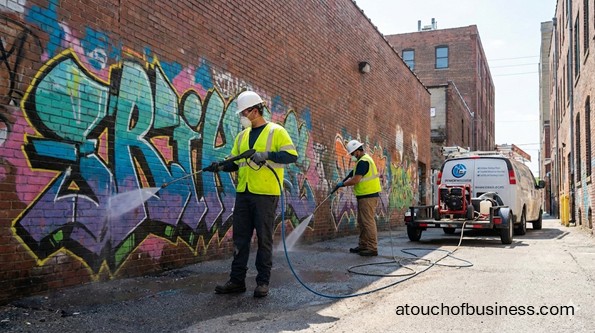
Permits, Gear, Insurance: What to Plan for First Steps
Graffiti Removal Business Overview
A graffiti removal service cleans unwanted paint, ink, and marker from walls, signs, fences, and other surfaces. The work is usually mobile, done at the customer’s site, and the method depends on what the surface is made of and what was used to write on it.
This is a business you can start on your own with the right tools and strong habits. But you need to be honest about the work and the risk, because the wrong method can damage a surface fast.
Before you do anything else, decide two things: do you want to own and operate a business, and is this the right business for you? If you want a clear reality check, start with Business Start-Up Considerations.
Now think about passion under pressure. Passion matters because challenges will show up, and without it many people look for an exit instead of solutions. Read why passion matters in business and be blunt with yourself.
Here is the motivation test. Ask yourself: “Are you moving toward something or running away from something?” If you are starting only to escape a job or a financial bind, that may not hold you steady when the work gets hard.
Also weigh the full responsibility. This can mean uncertain income, long hours, difficult tasks, fewer vacations, and full responsibility. Is your family or support system on board, and do you have (or can you learn) the skills and secure funds to start and operate?
One more smart move: talk to owners in the same business only when they are not direct competitors. Only talk to owners you will not be competing against, such as those in a different city or region.
- What jobs cause the most surface damage risk, and how do you avoid it before you start cleaning?
- What job types are easiest to start with, and what gear did you wish you bought sooner?
- What local rules surprised you the most, especially around wash water and jobsite setup?
What You Offer and Who Buys It
You are selling a result: a cleaned surface with minimal change to the underlying material. The work can include removal only, or removal plus protective steps that make future cleanup easier, if the surface and coating choice are a match.
The core idea is simple. Test first, use the least aggressive method that works, and protect the area around the work.
Common services you can launch with:
- Graffiti removal from masonry, painted walls, metal, and other exterior surfaces (method depends on surface and marking)
- Spot cleaning after removal, including controlled rinse or steam where appropriate
- Surface protection steps such as masking, shielding landscaping, and setting up containment to keep runoff out of storm drains
- Optional: anti-graffiti barrier coatings when the substrate and coating system are compatible and you have verified product guidance
Common customer types:
- Commercial property owners and property managers
- Apartment and condominium associations
- Municipal agencies and public facilities teams
- Schools, colleges, and parks departments
- Exterior cleaning and restoration contractors that subcontract removal work
Pros and Cons to Think Through
There are clear upsides here. You can often start as a mobile service, keep overhead lower than a storefront, and build proof of work with before-and-after results.
But think about the flip side. The risk of damage is real, and you also need a plan for chemical safety and wash water control.
Pros:
- Mobile startup path is realistic for many first-time owners
- Jobs can be scoped by surface area and surface type
- Strong demand can exist where vandalism is common and response time matters
Cons:
- Wrong methods can permanently damage masonry or coatings; testing is not optional for good work
- Chemicals and rinse water can trigger local rules, especially near storm drains
- Some customers require strict insurance and jobsite paperwork before you can start
Startup Steps
These steps stay focused on getting set up correctly before you launch. You are building a safe, legal, repeatable way to do the work, then proving you can deliver results.
If you want to see how other owners think about startup decisions across industries, scan Business Inside Look and pay attention to what surprises people after they begin.
Step 1: Choose Your Model and Time Commitment
Start by deciding how you will launch: solo, with a partner, or with outside funding. Most people can start solo and grow, but a partner can help if you want two skill sets from day one.
Be clear about your schedule. Will you run this full time, or part time while you build demand?
Decide how you will handle work in the early phase:
- Do most tasks yourself and hire later after you have steady work
- Bring in help only for what you cannot do well or safely
- Build a short list of pros you can call for legal, tax, and accounting help
If you want guidance on building that support bench, see how to build a team of professional advisors.
Step 2: Validate Demand in Your Area
Do not assume demand. Verify it. You are looking for signs that people and organizations will pay for fast cleanup, not just complain about graffiti.
Start simple: list your target customers, then prove they have an ongoing need.
Ways to verify demand before you launch:
- Search for local city graffiti reporting pages and see how complaints are handled
- Call property managers and ask how often they deal with graffiti and what they do today
- Check public procurement portals for “graffiti removal” or “exterior cleaning” solicitations
- Drive targeted areas and document the type of surfaces being tagged
If you need a clean way to think about the demand side, use this supply and demand guide to structure your research.
Step 3: Check Profit Potential Before You Buy Gear
Demand is not enough. You also need pricing that can cover supplies, travel, your time, and wear on equipment.
Your goal is simple: the work must be able to pay you and cover business expenses.
Build a rough profit check:
- Pick three common job scenarios (small wall, large wall, multiple tags on mixed surfaces)
- Estimate time on site plus drive time
- Estimate chemical use, water use, and cleanup effort
- Estimate waste handling steps if you must capture rinse water
Later you will refine pricing, but right now you are proving this can work on paper. When you are ready for pricing structure, use pricing guidance for services to set a method that fits your market.
Step 4: Define Your Services by Surface and Method
This business is not “spray and rinse.” The surface matters. The marking material matters. The right method changes from job to job.
Use trusted preservation guidance that stresses testing and least aggressive methods first, such as the National Park Service brief on removing graffiti from historic masonry.
Set a clear launch scope:
- Surfaces you will accept at launch (example: brick, block, painted walls, metal)
- Surfaces you will not accept until you have more training or tools (example: fragile historic stone, specialty coatings)
- Methods you will use (chemical, controlled low-pressure wash, steam, gentle mechanical tools)
For method planning and testing discipline, the General Services Administration guidance on removing graffiti from historic masonry is a solid reference point.
Step 5: Build Your Essential Equipment List
Now match tools to your launch scope. Do not buy tools you cannot use safely or legally in your area.
Also plan for containment and cleanup. Many job sites have storm drains nearby, and uncontrolled runoff can create real trouble.
Essential equipment categories to plan for:
- Vehicle and secure storage: lockable storage for chemicals, bins for tools, tie-downs
- Surface assessment and testing: small sprayers, brushes, test patch supplies, masking materials, camera
- Chemical application tools: chemical-resistant sprayers, mixing buckets, dedicated brushes
- Rinse and cleaning tools: adjustable pressure washer or steam unit, hoses, nozzles, fittings
- Containment and recovery: berms or diking, wet vacuum or recovery unit, filters or screens, sealable containers
- Access gear: ladder with stabilizer, basic scaffold where needed
- Personal protective equipment: gloves, eye protection, face shield for splashes, hearing protection, protective clothing
Next, get pricing estimates for each essential item. Use your list to create a realistic startup cost range. This is where size and scale drive totals, so keep your first version simple and honest.
If you want a clean method for cost planning, follow a structured startup cost estimate process.
Step 6: Set Up Your Safety and Chemical Paperwork
Even if you start solo, you should treat chemical safety like a system, not a casual habit. You will use products that come with Safety Data Sheets, and you need quick access to them.
If you hire employees, hazard communication requirements apply, including having Safety Data Sheets for hazardous chemicals in the workplace under the Occupational Safety and Health Administration standard at 29 CFR 1910.1200.
Build your safety basics before launch:
- Create a chemical list for what you will store and use
- Download and store the Safety Data Sheet for each product
- Set rules for labeling and storage so products stay secured
- Match personal protective equipment to what the Safety Data Sheet requires
Step 7: Plan for Wash Water and Waste Handling
Think about the flip side of cleaning. You may create rinse water that carries paint, solvents, or residue. Where does that go?
Rules vary, but the safest mindset is: assume you must prevent discharge to storm drains unless your local program says otherwise, and verify the local rules before you work near drains.
Use this as your pre-launch checklist:
- Decide how you will contain runoff at the job site
- Decide how you will collect and store recovered water and solids
- Ask your city or county stormwater program what disposal routes are allowed
- Review the Environmental Protection Agency overview of the National Pollutant Discharge Elimination System at NPDES Permit Basics so you understand the regulatory concept
If any waste stream might be regulated as hazardous waste, you need to follow hazardous waste determination and recordkeeping rules. Start with 40 CFR 262.11 and then confirm your state program steps.
Step 8: Choose a Name and Lock Down Your Online Basics
Pick a name you can use legally and that fits how you want to work. Then secure your domain name and social handles early so you do not have to compromise later.
If you want a structured approach, use a business name selection guide before you commit.
Your minimum online setup for launch:
- A simple website that states what you do, where you work, and how to request service
- A business email address tied to your domain
- A phone number customers can reach during stated hours
If you need a clear overview, follow an overview of developing a business website and keep it simple.
Step 9: Write a Business Plan and Build Your Financial Setup
You do not need a complex plan. You do need a written plan that matches your model, your launch services, and your cost reality.
Write it even if you are not seeking funding today. It helps you spot gaps before they become expensive problems.
Keep your plan focused:
- Your service scope and target customers
- Your pricing approach and how you will accept payment
- Your startup equipment list and startup cost range
- Your compliance plan for chemicals and wash water
If you want help with structure, use how to write a business plan.
Then set up business accounts at a financial institution and keep transactions separate from day one. If you need funding later, learn the basics of how business loans work before you apply.
Step 10: Decide on Entity Type and Register the Business
This is where many first-time owners freeze. Do not overthink it, but do it correctly. Your structure affects taxes, liability, and how you sign contracts.
The Internal Revenue Service overview of business structures is a good starting point.
Key reality: many small businesses start as sole proprietorships and later form a limited liability company as they grow. This can happen when risk rises, contracts get larger, or the owner wants more structure.
To register, follow the U.S. Small Business Administration guidance on registering your business, then file with your state business filing office.
When you need a federal Employer Identification Number, use the Internal Revenue Service guidance to get an employer identification number.
Step 11: Set Up Tax Accounts and Employer Accounts if Needed
Tax registration depends on your state and what you sell or provide. Some states treat services differently, and you may also sell taxable products in small amounts.
Use the U.S. government guide on state and local taxes to find your state tax agency and confirm what applies to your setup.
If you plan to hire soon, you will need state employer accounts for payroll taxes and unemployment insurance. A reliable starting point is the U.S. Department of Labor list of state unemployment insurance tax contacts.
Step 12: Confirm Licenses, Permits, and Local Rules
Licensing and permit rules are not uniform. Your city, county, and state may each have rules that apply, especially if you store chemicals, operate from home, or work near public streets.
Start with the U.S. Small Business Administration page on licenses and permits, then verify locally.
Common items to confirm locally:
- General business license requirements
- Home occupation rules if you operate from home
- Rules for storing chemicals at a home or small shop location
- Right-of-way rules if you set up cones or equipment in public spaces
- Stormwater rules when rinse water could reach a drain
Varies by Jurisdiction
Use this short checklist to verify local rules without guessing. You are looking for official sources and clear answers tied to your address and your work style.
Keep a simple log of who you contacted, what they said, and the link or rule they pointed you to.
- State business filing office: search “{State} Secretary of State business entity search” and “{State} business registration”
- State tax agency: search “{State} department of revenue sales tax registration” and “taxability of services”
- City or county business licensing: search “{City} business license” and “contractor license requirements”
- Planning or building department: search “home occupation permit” and “Certificate of Occupancy” for your address
- Stormwater program: search “{City} stormwater illicit discharge” and “pressure washing wash water”
Step 13: Set Up Insurance for Real-World Risk
You are working on other people’s property. That means risk is part of the deal. Do not treat insurance as an afterthought.
Start with general liability, then add coverage that matches your gear and vehicle use. Use business insurance guidance to understand common coverage types.
Coverage types to discuss with an insurance agent:
- General liability
- Commercial auto if you use a vehicle for business work
- Tools and equipment coverage if you own high-value gear
- Workers’ compensation if you hire employees (rules vary by state)
Also watch contract requirements. Some commercial and public customers require proof of coverage and specific limits before you can start.
Step 14: Build Basic Brand Assets That Support Trust
Your early goal is clarity, not fancy design. You want people to know you are real, reachable, and organized.
Start with a simple set of assets, then improve them as you learn what customers respond to.
Brand basics to prepare:
- Logo and simple brand style (colors and fonts)
- Business cards for property managers and contractors
- Simple signage for your vehicle or jobsite when allowed
- A one-page capability sheet for commercial buyers
If you want guidance, review a corporate identity package overview, plus what to know about business cards and business sign considerations.
Step 15: Set Pricing and Build Supplier Relationships
Pricing needs to reflect time, materials, risk, and cleanup. It also needs to be understandable to customers.
On the supply side, you need reliable products with clear Safety Data Sheets and consistent results.
Pre-launch pricing and supplier tasks:
- Define how you will price common job types (example: by surface area, complexity, or time)
- Choose a small set of reliable removal products and keep Safety Data Sheets on file
- Choose key suppliers for chemicals, protective materials, and replacement parts
- Set a reorder system so you do not run out mid-week
Step 16: Choose Your Base Location and Storage Plan
You may not need a storefront, but you do need a base. That base is for storage, loading, and keeping chemicals secured.
If you lease a space, confirm zoning and any Certificate of Occupancy requirements before you sign. If you work from home, confirm home occupation rules first.
If you want a structured way to think about location decisions, use business location planning guidance.
Step 17: Prepare Your Pre-Launch Paperwork and Tools
Good paperwork makes your first weeks smoother. It also helps you look credible with commercial buyers.
Keep it simple and focused on what you need to start.
Pre-launch documents to prepare:
- Service agreement template and scope of work template
- Work order form and a basic inspection checklist
- Before-and-after photo process and file naming system
- Invoice template and payment method setup so you can accept payment promptly
For registration steps and business setup guidance, you can also review how to register a business and align your paperwork to your structure.
Step 18: Plan How You Will Get Your First Customers
You do not need a giant campaign. You need a clear path to early customers who actually have the problem.
Focus on channels that match this service: property managers, local contractors, and public agencies.
Simple pre-launch marketing actions:
- Build a short list of target property managers and maintenance leads
- Contact exterior cleaning and restoration contractors about subcontract opportunities
- Set up your website with a clear service area and a request form
- Prepare a short email and a short phone script for outreach
A storefront “grand opening” is not required for a mobile service, but you can still do a launch push. If you want ideas, use grand opening ideas and adapt them into a “launch week” plan.
Step 19: Hire Only When It Helps and Only When You Are Ready
This is a business where training matters. If you bring help in too early, you can create risk instead of relief.
Start by documenting your method, your safety rules, and your cleanup steps. Then hire when work volume supports it.
If you want a clean decision framework, review how and when to hire and plan your first role carefully.
Step 20: Run a Pre-Opening Checklist and Launch
Before you take your first paid job, do a final check. You want to catch problems now, not after you are on someone’s property with chemicals and a pressure washer.
Then launch with a small set of jobs you can control and document well.
Pre-opening checklist:
- Verify you are registered correctly and have required licenses in your operating area
- Confirm your insurance is active and proof documents are ready
- Confirm your essential gear is complete and working
- Confirm Safety Data Sheets are stored and easy to access
- Confirm your runoff containment and recovery plan for sites near drains
- Kick off your outreach and website launch
Short Recap
This is a practical mobile service that can start small and grow. It rewards careful testing, safe chemical habits, and clean jobsite discipline.
The biggest risk is rushing. The surface you are cleaning may not forgive a bad method.
Is This the Right Fit for You?
This work can suit you if you like hands-on problem solving, you can follow safety steps every time, and you can handle customer expectations with calm communication.
It may not suit you if you hate detail work, avoid paperwork, or want a business with low responsibility for property damage risk.
Quick self-check:
- Can I handle uncertain income, long hours, difficult tasks, fewer vacations, and full responsibility?
- Is my family or support system on board?
- Do I have the skills now, or a real plan to learn them, and can I secure funds to start and operate?
- Will I test first and use the least aggressive method that works, even when I feel rushed?
If you answered “no” to more than one, pause and revisit your plan before you commit.
101 Practical Tips for Your Graffiti Removal Business
These tips are meant to help you get organized, avoid preventable problems, and launch with a clear plan.
Use what fits your current stage and skip what does not apply to your location or service style.
Save this page so you can come back when a new challenge shows up.
The best way to use this list is to pick one tip, act on it, and then move to the next.
What to Do Before Starting
1. Decide what surfaces you will accept at launch, such as brick, concrete block, painted walls, or metal.
2. Choose your startup model early: mobile-only, home-based with storage, or a small shop for equipment and staging.
3. Set a clear service area and travel limit so your schedule and fuel costs stay predictable.
4. Build a target list of customer types in your area, like property managers, schools, and municipal departments.
5. Look for proof of demand by checking how your city handles graffiti reports and how often it appears in public solicitations.
6. Study local competitors and note what surfaces they avoid, what response times they promise, and what they charge for minimum visits.
7. Learn basic surface differences before you touch a job: porous masonry behaves very differently than painted or sealed surfaces.
8. Commit to a “least aggressive first” approach so you reduce the risk of etching, discoloration, or damage.
9. Pick a small set of removal products and only use products that include a Safety Data Sheet.
10. Plan chemical storage that is locked, labeled, and kept upright in secondary containment during transport.
11. Decide how you will prevent runoff and how you will recover rinse water when a site is near a drain.
12. Call your city or county stormwater contact and ask what they allow for pressure washing wastewater disposal, because rules vary.
13. Build your core equipment list around your methods, not around what looks impressive on a store shelf.
14. Buy personal protective equipment that matches the Safety Data Sheet requirements for the products you plan to use.
15. Create simple forms now: site assessment, test patch record, customer approval, and a work order.
16. Do a basic profit check before you spend big: estimate time, materials, travel, and cleanup for three common job types.
17. Practice on a legal surface so you can learn dwell time, rinse technique, and cleanup without pressure.
18. Collect a few strong before-and-after photos from practice work to prove capability without exaggerating results.
19. Choose a business name that you can register and that you can use for a matching domain and email.
20. Start simple with structure if it fits your risk level; many owners start as a sole proprietor and later form a limited liability company as they grow.
21. Verify local requirements for licensing, home-based work, and zoning before you store chemicals or park a work vehicle at home.
22. Line up insurance early, starting with general liability, then add coverage that matches your vehicle use and equipment value.
What Successful Graffiti Removal Business Owners Do
23. Ask for photos and the exact address before you quote so you can plan for surface type and site risks.
24. Use a test patch on any new surface or coating and treat it as standard, not optional.
25. Keep a method log for each job: product used, dwell time, agitation method, rinse approach, and results.
26. Get the customer’s approval after the test patch so you both agree on what “good” looks like.
27. Protect landscaping, windows, and nearby finishes before applying chemicals or water.
28. Assume drains are a problem until you prove they are not, and set containment before you start rinsing.
29. Keep chemicals in their original containers whenever possible so labels stay intact and accurate.
30. Keep a Safety Data Sheet folder that you can access on every job, even when you are away from your office.
31. Start with lower-risk jobs while you learn, such as painted or sealed surfaces, before taking on delicate masonry.
32. Track total job time, including setup, containment, cleanup, and drive time, so you price based on reality.
33. Do a quick equipment check before each job: hoses, fittings, seals, sprayer triggers, and nozzle condition.
34. Build supplier relationships and keep a backup plan for key items like sprayers, hoses, and neutralizers.
35. Define a simple quality standard, such as “even appearance with no streaking,” and use it on every job.
36. Create steady referral sources by building relationships with exterior cleaning and restoration contractors.
37. If you want government work, register on local vendor systems early and learn how they request quotes.
38. Review results weekly and adjust your accepted surfaces list based on what you can do safely and consistently.
Running the Business (Operations, Staffing, SOPs)
39. Create a standard set of questions for new requests so you do not miss key details under pressure.
40. Ask about the marking type, the surface material, how long it has been there, and whether any drains are nearby.
41. Use a written site assessment before starting work so you catch hazards like traffic, power lines, and fragile finishes.
42. Take “before” photos from the same angles you will use for “after” photos, and include a fixed reference point.
43. Set a safe work zone with cones and clear warning signs when customers or traffic can enter the area.
44. Do a quick safety check for slip hazards, trip hazards, overhead risks, and nearby electrical equipment.
45. Mix and apply chemicals only as the manufacturer directs, and never guess ratios or blend products.
46. Work in controlled sections so products do not dry on the surface and create extra staining.
47. Use a timer for dwell time so your process is consistent and you can repeat success.
48. Rinse gently and evenly to avoid forcing water into cracks, joints, or behind coatings.
49. If a product calls for neutralizing, follow that step exactly and verify any checks the product requires.
50. When recovery is needed, collect rinse water with a wet vacuum or recovery setup instead of letting it spread.
51. Use filters or screens to capture solids, and keep collected solids in sealable containers.
52. End each job with a walk-through and confirm the customer agrees the scope was completed.
53. Take “after” photos right away, before weather or lighting changes, to keep documentation fair.
54. Send invoices promptly and make it easy to accept payment the same day when possible.
55. Keep a job file with photos, product names, customer approvals, and notes on site conditions.
56. Schedule with buffers so you have time for containment and cleanup, not just the cleaning itself.
57. For repeat clients, keep site notes so you can plan faster and avoid surprises on return visits.
58. Put your cancellation and reschedule rules in writing so you do not lose days to last-minute changes.
59. Use written change approvals when the scope grows, especially when the surface type changes mid-job.
60. If you hire, train new people on test patches and runoff control before you let them lead a job.
61. If you have employees, keep a written hazard communication process and make Safety Data Sheets easy to access.
62. Clean and dry tools after every job so seals last longer and chemical residue does not ruin equipment.
What to Know About the Industry (Rules, Seasons, Supply, Risks)
63. Treat stormwater rules as location-specific and verify requirements before using water near drains.
64. Treat recovered rinse water and residue as regulated until your local program tells you the approved disposal route.
65. When chemicals and paint residue are involved, determine whether your waste must be handled as hazardous waste under your state program.
66. If you store chemicals at home, zoning and fire codes may apply, and those rules vary by city and county.
67. If you set up on sidewalks or streets, you may need a right-of-way permit, especially if you block access or traffic.
68. Be extra careful on historic or fragile masonry, and refer the job out if you are not trained for it.
69. Cold weather can limit water use and affect chemical performance, so plan your service calendar around local seasons.
70. Heat and direct sun can dry products too fast, so work smaller sections and adjust timing.
71. Wind can push overspray and mist, so use shields and choose calmer conditions when possible.
72. Public agencies often require vendor registration, specific insurance limits, and strict job documentation.
73. Some sites require safety orientation or background checks, so ask about site access rules before you schedule.
74. Re-check product labeling and Safety Data Sheets as formulas and warnings can change over time.
75. Documentation matters in damage disputes, so keep test patch records and photos for every job.
76. Ask if a surface has a protective coating, because coatings can change both the method and the expected result.
77. Keep spare parts for sprayers and washers so a small failure does not cancel your day.
78. Track chemical inventory and rotate stock so you do not rely on expired or degraded products.
Marketing (Local, Digital, Offers, Community)
79. Build a simple website that clearly states what you remove, where you work, and how to request service.
80. Set up local listings with accurate hours, service area, and real photos so customers can confirm you are legitimate.
81. Use before-and-after photos that match the customer’s surface type, not generic images.
82. Create short service descriptions for your most common surfaces so people self-select before calling.
83. Reach out to property managers with a clear offer, like on-call response within a stated window.
84. Introduce yourself to exterior cleaning and restoration contractors who can refer or subcontract work.
85. If you want municipal work, complete vendor registrations early and watch for small quote requests.
86. Make your estimates easy to understand by explaining the test patch step and the site protection steps.
87. Ask for reviews right after a successful job and respond politely to every review you get.
88. Keep business cards ready for maintenance staff, security staff, and building engineers who see graffiti first.
89. Put clear contact info on your vehicle if local rules allow it and if your neighborhood rules permit it.
90. Track which outreach source produced each lead so you spend time where results are real.
Dealing with Customers (Trust, Education, Retention)
91. Set expectations early by explaining that results depend on the surface, the marking type, and how long it has been there.
92. Explain that a test patch protects their property and helps you choose the safest method.
93. Get written approval for the method after the test patch so there are no surprises later.
94. Define scope in plain language, including the exact area, the number of attempts, and the cleanup steps.
95. Tell customers what you need to work safely, such as clear access, gate codes, and permission to use water if required.
96. If someone demands same-day service, confirm you can still set containment and follow local runoff rules before you accept.
97. For repeat clients, propose a quick site walk to identify high-risk areas and surfaces before the next incident.
98. When results are questioned, use your photos and test patch record to guide a calm conversation about options.
What Not to Do
99. Do not start with the most aggressive method just to be fast, because that is how surfaces get damaged.
100. Do not let rinse water run into a storm drain unless your local program explicitly allows it and you can follow their required method.
101. Do not use a chemical you cannot identify, label, and support with a Safety Data Sheet.
- Use this list like a toolkit. Pick the tips that match your stage, your local rules, and the surfaces you want to serve.
- If you keep testing first, documenting your work, and verifying local requirements, you will launch with fewer surprises and stronger results.
FAQs
Question: Can I start a graffiti removal business as a one-person operation?
Answer: Yes, many owners start solo with a mobile setup and add help later when job volume is steady.
Plan your early services around surfaces and methods you can handle safely every time.
Question: What services should I offer first when I’m new?
Answer: Start with a narrow set of surfaces you can test and clean consistently, then expand as you gain proof and skill.
A test patch process should be part of every new surface or coating you have not handled before.
Question: What is the minimum equipment I need to launch?
Answer: You need basic surface testing tools, chemical application tools, personal protective equipment, and a controlled rinse method if you use water.
You also need containment and recovery gear when runoff could reach storm drains.
Question: How do I choose graffiti removal chemicals without guessing?
Answer: Use products that include a Safety Data Sheet and follow the label directions for the surface type you are treating.
Do not mix products unless the manufacturer explicitly allows it.
Question: Do I need special permits for wash water or runoff?
Answer: It depends on where the water goes and what it contains, so you must verify rules with your local stormwater program.
Discharging pollutants to waters can trigger permit requirements under the National Pollutant Discharge Elimination System, and sanitary sewer discharge rules are set by the local sewer authority.
Question: How do I find the licenses and permits I need in my city and state?
Answer: Start with your state business portal and your city or county licensing office, because requirements vary by location and activity.
Use the Small Business Administration licensing guidance as a checklist, then confirm the exact rules where you will operate.
Question: Should I start as a sole proprietor or form a limited liability company?
Answer: Many small businesses start as sole proprietorships and later form a limited liability company as risk and contract size grow.
Use the Internal Revenue Service business structure guidance and talk with a qualified professional if you are unsure.
Question: Do I need an Employer Identification Number to start?
Answer: You may need one depending on your structure and whether you hire employees or meet other Internal Revenue Service criteria.
Check the Internal Revenue Service Employer Identification Number guidance before you open tax accounts or run payroll.
Question: Will I need to collect sales tax on graffiti removal work?
Answer: It varies by state because some states tax certain services and others do not.
Confirm with your state tax agency and document what you learn for your records.
Question: What insurance should I line up before I take my first job?
Answer: General liability is a common baseline because you work on other people’s property.
You may also need commercial auto and equipment coverage depending on your vehicle use and tool value.
Question: What are the main startup cost drivers in this business?
Answer: The biggest cost drivers are your vehicle setup, cleaning and recovery equipment, containment gear, and personal protective equipment.
Costs rise quickly when you add hot water or steam capability and advanced recovery systems.
Question: What safety rules do I need if I hire employees?
Answer: If employees work with hazardous chemicals, the Occupational Safety and Health Administration hazard communication standard requires Safety Data Sheets to be accessible in the workplace.
You also need a simple training and labeling process so employees understand hazards and protective steps.
Question: What is a good workflow to avoid damaging surfaces?
Answer: Start with a site assessment, then run a test patch and use the least aggressive method that achieves the result.
Document the method, dwell time, and rinse approach so you can repeat what worked.
Question: What records should I keep for compliance and disputes?
Answer: Keep before and after photos, the test patch record, product names, and Safety Data Sheets for chemicals used.
If you generate waste that may be regulated, keep hazardous waste determination records and retention notes based on federal and state rules.
Question: When should I hire my first helper?
Answer: Hire when you have steady demand and you can train someone without cutting corners on safety and containment.
Start with a role that supports setup, protection, and cleanup before you hand off surface work.
Question: How do I find suppliers and choose products that hold up in the field?
Answer: Favor products with clear Safety Data Sheets and documented surface compatibility, then test them on controlled jobs.
Build a short list of reliable suppliers for chemicals, sprayers, hoses, and recovery filters so you can restock quickly.
Question: What marketing works best early for an owner-operator?
Answer: Focus on repeat buyers like property managers and maintenance teams, plus contractors who can send steady referrals.
Use real before and after photos, clear service boundaries, and a simple request process on your website.
Question: What should I track each week to keep control of the business?
Answer: Track leads, booked jobs, job time including setup and cleanup, chemical use, and rework rates.
Also track cash coming in versus bills due so you can plan purchases and avoid surprises.
Question: What are the most common owner mistakes in this industry?
Answer: Skipping test patches, using overly aggressive methods, and failing to control runoff are top causes of damage and compliance trouble.
Another common issue is poor documentation, which makes it harder to defend your work when results are disputed.
Related Articles
- Start a Pressure Washing Business
- Starting a Window Cleaning Company
- How to Start an Environmental Cleanup Business Plan
- Starting a Boat Cleaning Business
Sources
- U.S. Small Business Administration — Choose a business structure
- U.S. Small Business Administration — Apply for licenses and permits
- Power Washers of North America (PWNA) — Safe practices
- OSHA — Hazard Communication Standard: Safety Data Sheets
- U.S. Department of Transportation — “Check the Box: Is it Hazmat?”
- WSIB (Ontario) — Information you need to register your business
- Ontario.ca — Register your business online
- CICA Center — Lead Renovation, Repair and Painting (RRP) Rule overview