
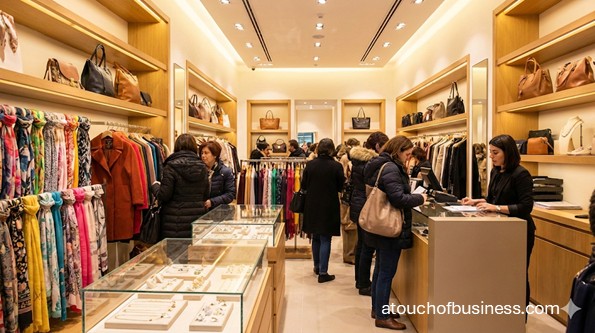
Fashion Accessories Store Setup: Inventory, POS, and Permits
Starting a Fashion Accessories Store can be a simple business to launch if you keep it focused. You can start small, test demand, and grow over time.
It’s tough when you’re excited about a store idea but you’re not sure where to begin. The good news is you can move step by step and build momentum with small wins.
Before you go deeper, review Points to Consider Before Starting Your Business. It helps you think through the big picture before you spend money or sign anything.
Most first-time owners can start this business solo, especially if they begin online, at pop-ups, or in a small space. A larger storefront with wide inventory selection usually needs more cash, more fixtures, and at least a little help during busy hours.
Your job at the start is simple. Pick the right products, price them correctly, set up a clean system, and make sure people can find you.
Read This First: Fit, Motivation, And Reality Checks
This part matters more than your logo or your store name. If the business is not the right fit, it will feel heavy fast.
Start with this question: Are you moving toward something or running away from something?
If you’re starting mainly to escape a job you hate or a money problem, that pressure may not last as motivation. You want a reason that can carry you through slow days, stress, and long weeks.
Next, ask yourself if owning a business is right for you, and if this business is the right fit. Then ask if you have real interest in accessories, trends, and customer service.
Passion does not replace planning, but it helps you push through problems. Without it, most people look for a way out instead of looking for solutions. If you want to explore this more, read How Passion Affects Your Business.
Now do the hard reality check. Are you ready for uncertain income, long hours, difficult tasks, fewer vacations, and full responsibility?
Are the people close to you on board with the time and risk? And do you have the skills, or can you learn them, and can you secure funds to start and operate the business?
One more thing that helps a lot: talk to store owners. But only talk to owners you will not be competing against.
That means a different city, region, or area. You want honest answers, not guarded answers.
Here are smart questions to ask:
- What surprised you most when you opened, and what would you do differently before launch?
- Which product categories sell consistently, and which ones were harder to move than you expected?
- What did you underestimate in your startup costs and setup work?
How Does A Fashion Accessories Store Generate Revenue
Most Fashion Accessories Stores earn revenue by selling items with strong visual appeal and clear customer value. Many purchases are quick decisions, especially near checkout or during gift seasons.
Your revenue can come from in-store sales, online orders, pop-up events, and seasonal promotions. Some stores also increase average order value with add-ons like gift wrapping and bundled sets.
Products And Services You Can Offer
Accessories stores usually focus on smaller fashion items that complete an outfit. Customers often shop for themselves, gifts, or a specific event.
Your product mix will shape everything else, including your suppliers, displays, pricing, and even your legal checks.
- Fashion jewelry (earrings, necklaces, bracelets, rings)
- Handbags and small goods (totes, clutches, wallets, card holders)
- Hair accessories (clips, headbands, scrunchies)
- Belts, scarves, hats, gloves
- Sunglasses and fashion eyewear (non-prescription)
- Seasonal and event items (holiday gifting, bridal, travel)
- Optional service: gift wrapping
Who Your Customers Usually Are
Your customers depend on your price point, style, and location. A mall boutique attracts different shoppers than an online-only store or a pop-up at weekend markets.
Start by choosing one clear customer group, then build your inventory around what they actually want.
- Gift shoppers looking for quick, easy wins
- Trend-driven shoppers who want fresh styles
- Event shoppers (weddings, parties, work events, travel)
- Value-focused shoppers who want affordable updates
- Outfit-completion shoppers looking for a match
Pros And Cons You Should Know Up Front
This business can be exciting because inventory is visual, seasonal, and fun to curate. It can also be stressful when trends shift or items walk out the door.
Seeing both sides now helps you plan smarter.
Pros
- Many products take less space than apparel
- You can start small and expand categories later
- Strong gifting potential year-round
- Easy to test new styles in small batches
Cons
- Higher theft risk because items are small
- Trends can change quickly
- Lots of product variations can complicate inventory setup
- Some categories have extra labeling or safety requirements
Startup Steps For A Fashion Accessories Store
These steps are written in a clean order, from idea to opening day. You can move faster or slower, but don’t skip the parts that protect your time and money.
If you want a clear snapshot of the whole business, review Business Inside Look before you commit.
Step 1: Choose A Simple Store Concept You Can Execute
Start with one clear idea. Choose your price range, style, and main product categories.
If you try to sell everything, your inventory gets messy and your message gets unclear.
Step 2: Pick Your Business Model And Time Commitment
Decide if you will run this business solo, with a partner, or with outside funding. Each one changes your control, risk, and paperwork.
Also decide if this will be full-time or part-time. A part-time launch can work, but you need realistic hours to source products and handle setup.
Step 3: Prove There Is Real Demand Before You Stock Up
It’s tough when you love a product but customers do not care yet. You need demand, not just excitement.
Use simple market checks like local competitor review, online search behavior, and small test batches. Learn more about demand signals in supply and demand basics.
Step 4: Confirm The Numbers Work For You
Your store has to produce enough profit to cover expenses and pay you. If the math does not work, it becomes a stressful hobby.
Focus on margins, average sale size, and how many sales you need each week to stay steady.
Step 5: Decide Where You Will Sell
Location can make or break a retail business. If you plan a storefront, think about foot traffic, parking, nearby stores, and how easy it is for people to stop in.
If you sell online, your “location” is your shipping speed, product photos, and how easy it is to check out.
For more help, read how to think about business location.
Step 6: Build Your Product Plan Around A Few Core Categories
Pick 3 to 6 categories that match your customer. Then decide how deep you will go in each category.
This helps you avoid ordering random items that do not match your brand or your store layout.
Step 7: Choose Suppliers And Confirm Lead Times
Suppliers set the tone for your whole store. You want reliable shipping, consistent quality, and clear invoices.
Start small, test orders, and document what sells so you can reorder without guessing.
Step 8: Create A Real Startup Essentials List And Price It Out
Don’t guess your startup costs. Write out the inventory you need, the fixtures you need, and the software you will use.
Then price each item so you can see your real number. Your scale drives your total startup cost, so a small launch is a different budget than a full boutique build-out.
If you want a structured method, use this startup cost estimating guide.
Step 9: Choose A Business Structure That Matches Your Risk
Many small businesses start as sole proprietorships because it is simple. As the business grows, many owners form a limited liability company (LLC) for liability protection and clearer structure.
This choice depends on your risk level, your assets, and how you want to handle taxes. If you are unsure, a business attorney or accountant can help you choose correctly.
Step 10: Register The Business And Set Up Tax Accounts
Business registration and tax setup are not “fun” steps, but they protect you. You may need to register the business with your state and set up sales tax accounts before you sell products.
If you want a walkthrough, start with how to register a business.
Step 11: Handle Licenses, Permits, And Location Rules
Local rules depend on where you operate. This is where you check zoning, signage rules, and any business license requirements.
If you lease a storefront, ask about any needed inspections and a Certificate of Occupancy (CO) before opening.
Step 12: Set Up Your Funding Plan And Business Banking
You need enough cash to start and enough to operate until sales stabilize. That includes inventory replenishment and basic bills.
Open a business bank account so your records stay clean from day one. If you need financing, review how business loans work.
Step 13: Lock In Your Business Name And Online Presence
Choose a name that fits your store and is easy to remember. Then check domain availability and social media handles before you print anything.
This step saves you from rebranding later. Use this guide to selecting a business name if you want a clear process.
Step 14: Build Your Brand Basics Before You Open
You do not need a big design budget to look professional. You do need consistency in your name, logo, signage style, and messaging.
If you want help planning brand items, review corporate identity basics.
Step 15: Set Pricing That Supports Profit And Reorders
Pricing is not just about competitors. It has to cover your costs, leave room for profit, and support future inventory orders.
Use pricing guidance for products to avoid underpricing your store from the start.
Step 16: Build Your Selling System And Pre-Launch Plan
Set up a point-of-sale system, inventory tracking, and a simple receiving process. You want clean product labels and consistent item records.
Then plan how customers will find you. If you have a storefront, learn how to drive traffic with ideas to get customers through the door.
If you want a strong opening week, review grand opening ideas and choose a simple plan you can execute.
Essential Equipment And Supplies To Launch
You do not need everything on day one. You do need the basics so you can display products, track inventory, and accept payment without chaos.
Start with the essentials, then upgrade as your store grows.
Store Fixtures And Displays
- Slatwall or gridwall panels
- Shelving units
- Display tables
- Peg hooks for hanging packaged items
- Jewelry display busts
- Jewelry trays and ring displays
- Sunglasses display stand
- Handbag stands or hooks
- Mirrors (full-length and countertop)
- Mannequin forms (optional)
Point-Of-Sale And Checkout
- Point-of-sale terminal or tablet-based system
- Payment card reader
- Barcode scanner
- Receipt printer (if using printed receipts)
- Cash drawer (if accepting cash)
- Customer-facing display (optional)
Inventory And Labeling
- Label printer
- Barcode labels and SKU labels
- Hang tags (as needed)
- Tagging tools (as needed)
- Backstock bins and dividers
- Stockroom shelving
Security And Loss Prevention
- Security cameras (system and storage)
- Locking display cases for high-risk items
- Anti-theft tags and detacher (if used)
- Door chime or entry alert (optional)
Packaging And Shipping (If Selling Online)
- Shopping bags
- Tissue paper
- Gift boxes and wrap supplies
- Poly mailers
- Shipping boxes
- Packing tape and dispenser
- Shipping scale
- Thermal label printer for shipping labels
- Protective packing material
Back Office Basics
- Computer or laptop
- Router and Wi-Fi equipment
- Basic office supplies
Cleaning And Safety
- Cleaning supplies for dust and glass
- Step stool or ladder
- First aid kit
Skills You Need Before You Open
You don’t need to be great at everything. You do need enough skill to set up the business and keep the launch under control.
If you’re weak in a key area, learn it or hire help. That is normal.
- Product selection and category planning
- Supplier communication and ordering
- Basic inventory organization and tracking
- Visual merchandising and display setup
- Pricing basics and margin awareness
- Customer service and checkout accuracy
- Loss prevention awareness for small items
If you need a support system, build one early. A bookkeeper, an accountant, and a business attorney can save you from expensive errors later.
You can learn more about building support in building a team of professional advisors.
Day-To-Day Activities In This Business
This is what your work usually looks like once you are open. It’s helpful to know now so you don’t walk into surprises.
The better your setup, the smoother these tasks go.
- Receiving and checking shipments
- Labeling products and updating inventory records
- Restocking displays and rotating featured items
- Helping customers find items and complete outfits
- Processing checkout and handling returns or exchanges
- Keeping high-risk items secured and monitored
- Reordering core bestsellers before you run out
A Day In The Life Of A Fashion Accessories Store Owner
You open the store and walk the floor first. You check your displays, fix what looks messy, and move seasonal items to the front.
Then you handle shipping or receiving, update inventory, and prepare your team for busy hours if you have help.
Midday is usually customer time. You answer questions, help people choose items, and keep the checkout area running smoothly.
Before closing, you organize backstock, log what sold, and list what needs reordering. Then you secure high-risk inventory and close out your payment totals.
Insurance And Risk Basics
Insurance needs depend on your location, your lease, and whether you have employees. Some coverage types can be required by law or required by a landlord or event venue.
If you are unsure, talk with an insurance agent who works with retailers and ask what is required for your situation.
For a deeper overview, read business insurance basics.
Varies By Jurisdiction
This is the part that changes by state, city, and county. The safest approach is to verify requirements directly with official offices before you open.
If something is unclear, do not guess. Ask the right office and get the answer in writing when possible.
- Business registration: Check your state’s Secretary of State website for entity rules and name availability.
- Employer Identification Number: Get it directly from the Internal Revenue Service website if you need one.
- Sales tax setup: Search your state Department of Revenue website for “sales tax permit” or “sales and use tax registration.”
- City or county business license: Search your local city or county site for “business license application.”
- Zoning approval: Contact your city planning or zoning department and confirm retail use is allowed at your address.
- Home-based rules: If you run it from home, search “home occupation permit” on your local municipality website.
- Certificate of Occupancy: Ask the local building department what is needed before opening in a commercial space.
- Sign permits: Ask the local permitting office what is needed for exterior signage.
Here are smart questions to ask your local offices:
- Do I need a local business license to sell retail products at this address?
- Is my store use allowed under current zoning, and do I need any approvals before opening?
- If I install a new sign, what permit steps apply and how long do approvals usually take?
Pre-Opening Checklist To Keep You On Track
It’s tough when you’re close to opening and you feel like you’re forgetting something. Use a final checklist so you can open with confidence.
Keep it simple and focus on the items that protect your launch.
- Business name and entity registration confirmed
- Tax accounts set up as required for your location
- Licenses and permits verified with state and local offices
- Point-of-sale system tested with real transactions
- Inventory labeled and organized for fast restocking
- Security basics installed and working
- Pricing finalized and consistent across products
- Brand basics complete (signage, cards, simple website)
- Marketing plan active and opening date announced
If you need help with your web presence, start with an overview of developing a business website.
If you need quick professional materials, review what to know about business cards and business sign considerations.
Recap And Is This The Right Fit For You
A Fashion Accessories Store can be a strong first business if you like products, customer interaction, and building a clean retail experience. It can also work well if you start small and scale with real demand.
The key is not trying to build a huge store on day one. Focus on a clear concept, smart inventory choices, and a setup you can manage.
This business may suit you if you want a store you can launch solo or with minimal help. It also fits you if you enjoy visuals, trends, and helping customers choose items quickly.
It may not suit you if you hate organizing inventory, tracking details, or handling the risk of retail theft and seasonal shifts.
Do one final self-check:
- Do I have a clear customer group and a simple product plan?
- Can I prove demand before I order a lot of inventory?
- Do I have the funds to start and operate until sales stabilize?
- Am I ready for long days and full responsibility during launch?
If your answers are mostly yes, you are in a good place to move forward. Start small, stay organized, and keep your decisions grounded in real demand.
If your answers are mixed, that’s fine too. Slow down, talk with owners you will not be competing against, and tighten the plan before you commit.
101 Tips to Launch and Run Your Fashion Accessories Store:
The tips you’re about to see cover different parts of owning a Fashion Accessories Store.
Treat them like a menu, not a checklist, and use what fits your current stage.
Bookmark this page so you can come back when you need a refresher.
To avoid overwhelm, apply one tip at a time when you’re ready.
What to Do Before Starting
1. Pick a clear store concept before you spend on inventory. Decide your style lane (classic, trend-driven, minimalist) so your products feel like they belong together.
2. Choose your main revenue channel early: storefront, online-only, pop-ups, or hybrid. Your choice will shape your costs, staffing, and setup tasks.
3. Define your primary customer in one sentence. When you know who you’re serving, product selection gets easier.
4. Write a short list of your “must-carry” categories and your “nice-to-have” categories. This prevents random ordering when you see something you like.
5. Do a competitor walk-through in your area. Take notes on price points, product mix, and what the stores do well.
6. Search your store idea the way customers would. If you can’t find similar shops or demand looks weak, adjust the concept before you commit.
7. Test demand with a small assortment at a pop-up or online launch. Small tests protect your cash and teach you what people actually purchase.
8. Decide if you will sell only new items or include resale and consignment. Resale requires stronger checks for condition and authenticity.
9. Build a startup cost list by category, not by guesswork. Include inventory, fixtures, point-of-sale setup, packaging, and basic security.
10. Plan your initial inventory in “collections” instead of random items. A coordinated display sells faster than scattered pieces.
11. Create your product receiving checklist before your first shipment arrives. Count items, check for damage, and confirm you received what you paid for.
12. Choose a stock-keeping unit system from day one. Even a simple code helps you track what sells and what stalls.
13. Decide how you will accept payment before opening. Cashless can simplify things, but confirm what your customers expect in your area.
14. Pick a location only after you confirm demand and your budget. Great rent deals still fail if customers won’t visit.
15. If you’re leasing a space, confirm retail use is allowed for that address. Local zoning rules can block you even if the unit looks perfect.
16. Ask your building department if a Certificate of Occupancy is needed before opening. This can affect your timeline and build-out costs.
17. Choose your business structure based on risk and simplicity. Many people start as a sole proprietor and later form a limited liability company as the business grows.
18. Open a business bank account as early as possible. Keeping business transactions separate makes taxes and tracking cleaner.
What Successful Fashion Accessories Store Owners Do
19. They focus on a narrow assortment at first and expand later. Starting small makes it easier to learn what customers want.
20. They use repeatable product standards. For example, they only stock items that meet a clear quality and style checklist.
21. They track bestsellers by category, not just by total sales. This helps them reorder what keeps the doors open.
22. They create a restock routine instead of relying on memory. A weekly reorder habit prevents empty shelves.
23. They protect cash by ordering in small batches until patterns are proven. Big inventory purchases can trap money in slow-moving items.
24. They label everything consistently. Clear labels reduce pricing errors and speed up checkout.
25. They keep a tight return policy that customers can understand. Simple policies reduce arguments and confusion.
26. They merchandise around customer “problems” like gifts, events, and travel. Shoppers buy faster when you solve a specific need.
27. They create a “grab-and-go” area near checkout. Small add-ons often increase the average sale.
28. They use secure displays for small high-risk items. A clean store can still have high theft if products are easy to pocket.
29. They build strong supplier relationships early. Reliable suppliers reduce stockouts and shipping surprises.
30. They verify reorder timelines before promoting products online. Marketing items you can’t restock frustrates customers.
31. They keep product descriptions consistent across tags, website listings, and receipts. Consistency helps with returns and customer trust.
32. They maintain a simple launch calendar and follow it. A timeline reduces last-minute chaos.
33. They document processes as they go. Even short checklists reduce errors when you’re tired or busy.
Running the Business (Operations, Staffing, SOPs)
34. Set your store hours around customer behavior, not your preference. Choose hours you can run consistently without burning out.
35. Create a daily opening checklist and a daily closing checklist. These routines prevent missed tasks like securing inventory and locking cash.
36. Use a dedicated receiving area for new stock. Separating new items prevents mix-ups and missing counts.
37. Tag and price items as soon as they arrive. Unlabeled products create checkout delays and pricing errors.
38. Assign a “home” location for every product type. When everything has a place, restocking gets fast.
39. Keep a backstock rule: only store what you will sell soon. Old backstock becomes forgotten inventory that ties up cash.
40. Run regular cycle counts on small, high-risk items. Frequent small checks beat rare full inventory counts.
41. Set a clear approval rule for markdowns. Discounts without controls can destroy margins quickly.
42. Use a consistent display rhythm. For example, refresh front tables weekly and wall displays monthly.
43. Train staff to greet customers fast but gently. A quick hello helps service and reduces theft risk.
44. Teach product knowledge in short sessions. Staff should know sizing, materials, and care basics so they can answer confidently.
45. Standardize gift wrapping and packaging steps. Consistency makes your store look more professional.
46. Create a return and exchange process staff can follow without debate. A clear workflow keeps it fair and fast.
47. Use a “customer issue log” to track repeated complaints. Patterns help you fix root problems early.
48. If you hire, keep job roles simple at first. One person can handle sales and stocking, while you handle ordering and admin.
49. Avoid overstaffing before demand is proven. Payroll is one of the fastest ways to create cash stress.
50. Use a scheduled cleaning routine, not random cleaning. Dusty displays make products look cheaper than they are.
51. Protect your payment systems by using strong passwords and limiting access. Basic security steps prevent costly problems later.
52. Follow the rules required by your payment processor. Payment security expectations are real, and ignoring them can cause penalties.
53. Keep your store signage readable and simple. Customers should understand pricing and offers without asking.
54. Create a simple reorder trigger for each key category. For example, reorder when stock hits a minimum count you set.
55. Set up a basic “what sold today” review. A five-minute check builds better ordering habits.
What to Know About the Industry (Rules, Seasons, Supply, Risks)
56. Accessories are often trend-driven, so demand can shift quickly. Build your inventory around a stable core plus a smaller trend section.
57. Plan for seasonal spikes like holidays, graduations, weddings, and travel periods. Your best-selling categories may change by season.
58. High product variety creates more labeling and tracking work. Keep your first launch assortment controlled so you can manage it.
59. Small items have higher theft risk. Use secure displays and staff awareness to reduce loss.
60. Vendor reliability matters more than vendor variety early on. A few strong suppliers beat a long list of unpredictable ones.
61. Always confirm vendor lead times before placing large orders. “Shipping delays” can destroy your launch plan if you ignore timelines.
62. Watch for quality drift across repeat orders. The same item can arrive different across batches, so inspect regularly.
63. Keep invoices and product records organized from day one. Clear records protect you when returns and supplier disputes happen.
64. If you sell children’s accessories, you may face product safety testing and certification requirements. Confirm requirements before you stock children’s items.
65. If you sell textile accessories, product labeling rules may apply. Confirm labeling expectations before you create custom tags or packaging.
66. Avoid selling items that appear counterfeit or unauthorized branded goods. The legal and reputation risk is not worth the short-term profit.
67. Treat customer allergies and sensitivities seriously, especially with jewelry. Stock clear material information when possible and train staff to answer calmly.
68. Put your most fragile items in packaging designed for handling. Breakage during shopping or shipping creates refunds and frustration.
69. Know that returns are common in fashion categories. Build your policies and pricing to handle this reality.
70. If you sell online, your photos and product descriptions act like your sales staff. Weak listings lower conversion and increase returns.
Marketing (Local, Digital, Offers, Community)
71. Choose one marketing channel to start and do it consistently. Trying five channels at once usually leads to none working well.
72. If you have a storefront, claim your business profile on major local search platforms. Accurate hours and photos help people find you.
73. Use clear signage outside and inside the store. Shoppers should know what you sell in seconds.
74. Plan your grand opening like an event with a simple offer. The goal is foot traffic and first-time customers, not complicated promotions.
75. Ask customers how they found you and track the answers. This tells you which marketing is actually working.
76. Use short videos to show products in motion. Accessories often sell better when customers see scale and shine.
77. Create a “gift-ready” message in your marketing. Many shoppers want fast gift solutions with minimal effort.
78. Build a seasonal calendar for content and promotions. Simple themes help you stay consistent all year.
79. Partner with nearby businesses that serve the same customers. For example, salons, boutiques, or event vendors can cross-promote.
80. Attend local markets and events if you’re new. Pop-ups can build brand awareness without a long lease.
81. Offer bundles that solve a customer need. A simple set can increase the sale without heavy discounting.
82. Promote your most reliable bestsellers, not your most personal favorites. Marketing works best when it matches proven demand.
83. Use clear product names and consistent descriptions online. This improves trust and reduces questions.
84. Track marketing results in simple terms like visits, messages, and purchases. You don’t need complex reports to make better choices.
Dealing with Customers (Trust, Education, Retention)
85. Train yourself and staff to ask one helpful question: “What’s the occasion?” Event-based selling makes accessory shopping easier.
86. Keep product care guidance simple and honest. Clear care tips can reduce damage and returns.
87. Never pressure customers into a quick decision. Accessories should feel fun, not stressful.
88. Offer easy pairing suggestions. Customers appreciate help matching colors, metals, and styles.
89. Treat complaints as feedback, not personal attacks. Stay calm and focus on solving the issue.
90. Remember that speed matters at checkout. A long line can cause people to abandon purchases.
91. Use loyalty tools only if you can maintain them. A simple points or punch program is better than a complex system you abandon.
92. Collect customer emails only with clear permission. Respecting privacy builds trust over time.
93. Make it easy for customers to contact you. A visible phone number or customer support email reduces frustration.
Customer Service (Policies, Guarantees, Feedback)
94. Put your return policy in writing and display it clearly. Customers feel safer purchasing when the rules are transparent.
95. Set clear rules for worn items, damaged items, and final-sale items. Clear boundaries prevent arguments later.
96. Handle refunds and exchanges fast when they are valid. A smooth resolution protects your reputation.
97. Ask for reviews at the right moment, right after a good experience. Timing helps customers respond.
98. Use negative reviews as a teaching tool. Fix recurring issues instead of trying to hide them.
What Not to Do
99. Don’t order a huge inventory selection before you prove demand. Cash trapped in slow products is hard to recover.
100. Don’t skip local licensing and zoning checks. A great store can still be blocked by local rules.
101. Don’t rely on memory for pricing, stock levels, or reorder decisions. Use simple systems so your business doesn’t depend on perfect recall.
Done right, a Fashion Accessories Store can be a steady business built on good product choices, clean systems, and consistent marketing.
Start small, learn fast, and tighten your process as you go so the business stays manageable and profitable.
FAQs
Question: Can I start a fashion accessories store by myself, or do I need staff?
Answer: You can start solo if you keep the product mix small and use simple systems. You may need part-time help once foot traffic or order volume grows.
Question: What legal steps do I need before I sell anything?
Answer: Choose a business structure, register it if your state requires it, and apply for an Employer Identification Number if you need one. Then set up any state tax accounts and local licensing that apply.
Question: Do I need an Employer Identification Number to start?
Answer: Not every owner needs one right away, but many banks and vendors prefer it. You will need it if you hire employees or form certain entity types.
Question: Do I need a sales tax permit to sell accessories?
Answer: In most states with sales tax, retail sellers must register to collect and remit it. Rules vary by state, so confirm with your state tax agency before launch.
Question: What licenses or permits are common for a retail accessories store?
Answer: Many locations require a general business license, and some require additional permits based on signage or location type. Confirm requirements with your city, county, and state licensing portals.
Question: What zoning issues should I check before signing a lease?
Answer: You need to confirm retail use is allowed at the address under local zoning rules. Ask if inspections or a Certificate of Occupancy is required before opening.
Question: What insurance do I need before opening?
Answer: Many owners start with general liability coverage, and a lease may require specific coverage types and limits. If you hire employees, workers’ compensation requirements can apply based on your state.
Question: What equipment do I need to open an accessories store?
Answer: You need displays, a point-of-sale system, tagging tools, and secure storage for small items. If you sell online, add packing supplies, a shipping scale, and a label printer.
Question: What is the simplest point-of-sale setup for a new owner?
Answer: Start with a point-of-sale system that tracks inventory and supports sales tax settings. Choose a setup that lets you scan barcodes and run basic sales reports.
Question: How do I choose suppliers without getting stuck with low-quality inventory?
Answer: Start with small test orders and inspect every shipment for damage and consistency. Keep vendor records so you can compare quality and reorder reliability over time.
Question: Should I start with private label products or resell brands?
Answer: Reselling established brands can be simpler at launch because product demand is easier to gauge. Private label can boost control and margins, but it adds more setup work and risk.
Question: How do I set prices that cover my costs and still make a profit?
Answer: Price with your product cost, packaging, and payment processing fees in mind. Make sure pricing leaves room for profit and future reorders, not just competitor matching.
Question: What compliance issues should I know about for children’s accessories?
Answer: Children’s products may require third-party testing and a Children’s Product Certificate. Confirm requirements before you stock items intended primarily for children age 12 and under.
Question: Do textile accessories like scarves need special labels?
Answer: Some textile and wool products have federal labeling rules for fiber content, country of origin, and responsible company identity. Confirm what applies before you create custom tags or packaging.
Question: How do I reduce theft in a fashion accessories store?
Answer: Keep small high-risk items in secure displays and train staff to greet customers quickly. Use cameras and clear store layout sightlines to reduce easy opportunities.
Question: What are the most important numbers to track each week?
Answer: Track total sales, gross profit, average sale amount, and your top-selling categories. These numbers guide reorders and help you spot problems early.
Question: How do I keep cash flow steady when inventory costs hit all at once?
Answer: Order in smaller batches until you know what sells consistently. Set reorder points so you restock bestsellers without overbuying slow items.
Question: When should I hire my first employee?
Answer: Hire when your store hours or order volume exceed what you can handle reliably. Start with part-time coverage for peak hours to protect payroll.
Question: What marketing works best for a new accessories store?
Answer: Pick one primary channel and do it consistently, like local search visibility or short product videos. Track what brings real visits and purchases, then double down.
Question: What systems should I set up so the business doesn’t depend on my memory?
Answer: Use written checklists for opening, closing, receiving inventory, and reorders. Keep product tagging and stock locations consistent so anyone can follow the process.
Question: What common mistakes cause new accessories stores to struggle?
Answer: Overbuying inventory before demand is proven is a top problem. Weak inventory tracking and unclear pricing also create avoidable losses.
Question: Do I need to worry about accessibility rules for a storefront?
Answer: Businesses open to the public generally must follow Americans with Disabilities Act requirements. If you lease a space, ask what changes you may be responsible for before signing.
Question: What should I do to protect customer payment data?
Answer: Use reputable payment providers and follow basic payment security requirements. Limit system access and keep your devices and passwords secure.
Question: Should I trademark my store name before opening?
Answer: A trademark can protect your brand name and logo, but it is optional at launch. If you plan to grow beyond one area, it can be worth exploring early.
Related Articles
- How to Start a Hat Store
- How to Start a Handbag Manufacturing Business
- How to Start a Leather Store
- How to Start a Successful Luxury Watch Store
- How to Start a Gemstone Store
- How to Start a Fashion Consulting Business: Step-by-Step Guide
- How to Start a Fashion Photography Business: Step-by-Step Guide
- How to Start a Fashion Magazine: Step-by-Step Guide
- Starting a Dress Rental Business: Planning Checklist
- Starting a Dancewear Business: Key Steps to Launch It
Sources
- Internal Revenue Service — Employer Identification Number
- Internal Revenue Service — Business Structures
- U.S. Small Business Administration — Licenses and Permits
- U.S. Small Business Administration — Business Insurance
- Federal Trade Commission — Textile and Wool Labeling
- Consumer Product Safety Commission — Children’s Product Certificate
- PCI Security Standards Council — PCI Data Security Standard
- ADA.gov — Businesses Open to Public
- United States Patent and Trademark Office — Trademark Basics