
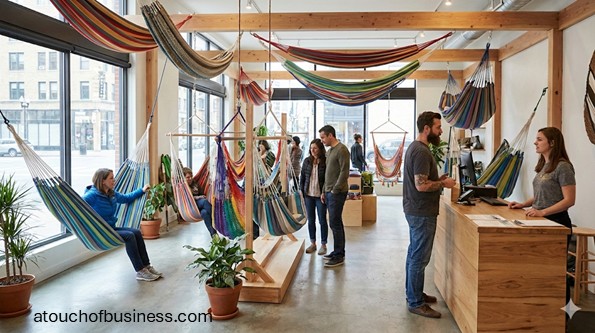
What to Plan for Before You Sell Your First Item
Hammock Shop Overview
We’ve all seen it. A hammock hanging in a store window, and for a second you think, “This looks simple.” Then you picture the space, the inventory, the safety details, the permits, and the reality hits.
If you’re thinking about starting a Hammock Retail Shop, the good news is you can keep the first version small. Many owners start online from home, test demand, then move into a small storefront or a pop-up setup once the numbers work.
This is a retail business built around comfort and lifestyle products. Your startup work is mostly about product selection, safe display, reliable supply, pricing, and getting legal basics handled before you open.
Products and Services You Can Offer
Your product mix can be narrow and focused or broad and gift-oriented. The best startup plan is usually a clear “core line” plus add-ons that raise the average sale without adding complex setup.
Keep services simple at launch. Any service that involves going on-site, using ladders, or attaching hardware can trigger extra insurance needs and local rules, so decide early what you will and will not offer.
- Hammocks: rope, fabric, quilted, spreader bar, camping, double, kid-sized (if you choose to sell children’s products)
- Hammock chairs and hanging seats: indoor and outdoor styles
- Stands: metal or wood; single and double; chair stands
- Suspension and hanging hardware: straps, carabiners, hooks, chains, anchors (for display and retail sale)
- Outdoor comfort add-ons: pillows, throws, covers, storage bags
- Care and protection: cleaning items and weather protection products (if you choose to stock them)
- Optional service choices: basic setup guidance, product fitting help, short in-store demos
Who Your Customers Are
Demand is usually tied to outdoor living, travel, gifting, and home comfort. In many areas, it can also be seasonal, so your startup plan should consider how you will sell when outdoor foot traffic dips.
Your early customers often come from people already shopping for patios, camping gear, beach gear, or home decor.
- Outdoor and patio shoppers: people upgrading backyards, porches, and decks
- Campers and travelers: customers who want lightweight, packable setups
- Gift shoppers: birthdays, housewarming, weddings, holidays
- Home comfort shoppers: people furnishing reading corners, sunrooms, and small spaces
- Property owners: short-term rentals and hospitality buyers (small bulk orders)
Pros and Cons to Weigh
This is a product business, so inventory choices matter. You can start lean, but you still need enough variety to make the shop feel real and to support different use cases.
Use the pros and cons to pressure-test fit before you spend on inventory.
Pros
- Can start small with online sales and a limited product line
- Clear product use cases that are easy for customers to understand
- Add-ons (stands, straps, covers) can raise the average sale
- Pop-ups and seasonal events can validate demand before a lease
Cons
- Inventory ties up cash and takes space
- Safe display and accurate product specs matter (load ratings, materials, intended use)
- Seasonality can impact walk-in demand in many regions
- Shipping can be bulky for stands and large products if you sell online
Before You Start
Start with fit. Owning a business is a responsibility, not a vibe. If you have not done a basic reality check yet, use this business start-up considerations guide as your starting point.
Next, get honest about passion. When things slow down or a supplier delays an order, passion is what keeps you problem-solving instead of quitting. If you are unsure what that looks like, read why passion matters before you start.
Now ask the motivation question you can’t dodge: “Are you moving toward something or running away from something?” If it’s mostly escape, slow down and fix the real issue first.
You also need real-world input. Talk to owners of similar shops only outside your competitive area. Use this inside-look approach to get straight answers without stepping on local competitors.
Ask non-competing owners questions like:
- What products sell fast, and what sits too long?
- What did you wish you knew before your first inventory order?
- What safety or quality issues show up most often?
Step 1: Pick Your Business Model and Start Size
Decide how you will sell first: online from home, pop-ups, a small storefront, or a mix. Your choice changes your inventory needs, space needs, and how soon you need staff.
Most first-time owners start lean. If you open a storefront with deep inventory on day one, you usually need more cash and at least part-time help.
Step 2: Define Your Core Product Line
Pick a simple “opening lineup” that covers the main use cases: indoor comfort, backyard lounging, and travel or camping. Build around a few clear categories instead of trying to stock everything.
For each product type, require clear specs from suppliers, including materials, weight limits, care instructions, and intended use.
Step 3: Validate Demand Before You Buy Deep Inventory
Start with proof, not hope. Look at local competitors, online search interest, and what customers already buy in nearby categories like patio furniture and outdoor gear.
If you can, run a small test: a pop-up booth, a limited online drop, or pre-orders with clear lead times. Your goal is to confirm which items move and what customers ask for most.
Step 4: Build a Supplier and Sourcing Plan
Decide whether you will buy wholesale, use distributors, or private-label products. Private-label can raise margin, but it increases responsibility for product specs, labeling, and safety.
If you plan to import, learn the basics early. Country-of-origin marking rules can apply to imported goods, so start with official guidance like country-of-origin marking information.
Step 5: Plan for Labeling and Product Compliance Triggers
Some requirements depend on what you sell and how you brand it. If you sell textile products, fiber content and labeling rules may apply.
The Federal Trade Commission has a practical guide, Threading Your Way Through the Labeling Requirements Under the Textile and Wool Acts.
If you plan to market anything as “Made in USA,” confirm the rule details before you print packaging or tags. The official regulation is published as 16 CFR Part 323.
Step 6: Estimate Startup Costs and Inventory Cash Needs
Retail can look affordable until you price out inventory, fixtures, packaging, and basic software. Use a line-item approach and get real quotes. A helpful walkthrough is Estimating Startup Costs For Your Startup.
Scale changes everything. An online launch may need less equipment and less space, while a storefront usually needs fixtures, signage, and more on-hand stock.
Step 7: Choose a Business Structure and Name Path
Your structure impacts taxes, liability, and paperwork. Start with a plain-English overview from the Small Business Administration, like Choose a business structure, then confirm your state’s rules.
Pick a name that can grow with you. Use this business name guide to avoid locking yourself into something too narrow.
Step 8: Register the Business and Get Your Tax Basics Set
Registration steps depend on your state, but the Small Business Administration outlines the common flow in Register your business. Use it as a checklist, then follow your state’s official portal.
If you need an employer identification number for taxes or banking, the Internal Revenue Service explains how to apply in Apply for an employer identification number online.
Step 9: Choose Your Location and Confirm Site Rules
If you plan a storefront, you need foot traffic, parking, and visibility to matter. If you plan online-only, you need affordable space for storage, packing, and shipping.
Use Choosing the Best Location for Your Business to compare options before you sign anything.
Step 10: Design a Safe Display and Customer Flow
A hammock display is not just decor. It is a load-bearing setup. If you hang products from ceilings or walls, you may need professional input to confirm the structure can handle it.
Many shops use freestanding stands for displays to reduce risk and keep the layout flexible.
Step 11: Set Pricing, Policies, and Proof Assets
Pricing is not guesswork. Start with your true costs, then compare the market. Use this pricing guide to set prices you can defend.
Write the basics before launch: returns, exchanges, warranties, and any “final sale” rules. Keep it readable and post it where customers will actually see it.
Step 12: Set Up Your Financial and Payment Systems
Open a dedicated business bank account as soon as your business is registered and your bank allows it. Set up a point-of-sale system or an online checkout so you can accept payment in-store and online.
Make sure your receipts and product tags are consistent. Customers should know what they are buying and how to care for it.
Step 13: Build Your Brand Basics and Online Presence
Secure your domain and social handles early, even if you keep the site simple at first. A basic site should show location (if you have one), hours, contact info, and what you sell.
If you need a step-by-step approach, use this website planning guide to build a clean, practical online presence.
Step 14: Write the Business Plan and Funding Plan
You still need a plan even if you self-fund. It forces you to confirm pricing, inventory levels, startup costs, and realistic sales targets.
Use this business plan guide, and if you need outside funding, review how business loans work before you apply.
Step 15: Lock Down Insurance and Risk Coverage
Retail has real liability exposure, especially when products are load-bearing and customers want advice. Start by learning the common coverage types and then price policies with licensed professionals.
A plain overview is What You Need to Know About Insuring Your Business. Your lease and your vendors may also require specific coverage.
Step 16: Plan Your Pre-Launch Marketing and Opening
If you have a storefront, plan how you will get local attention without relying on luck. Build a short list of launch channels you can actually manage.
Use these local marketing ideas and a simple grand opening plan if an event fits your location and budget.
Essential Equipment and Setup List
What you need depends on your model. Online-only requires packing and storage tools. A storefront adds fixtures, displays, and customer-facing equipment.
This list excludes costs on purpose. Use it to build your own quote sheet and price it out line by line.
- Store Displays and Fixtures
- Freestanding hammock stands for displays
- Hammock chair stand displays
- Wall-mounted display racks (if used, include rated hardware and professional approval as needed)
- Table displays for straps, carabiners, and accessories
- Shelving units for boxed inventory
- Hanging signage and product info placards
- Mirrors and simple seating area (optional)
- Point of Sale and Checkout
- Point-of-sale tablet or terminal
- Card reader
- Receipt printer or email receipt setup
- Cash drawer (if you accept cash)
- Barcode scanner (optional but helpful for inventory)
- Label printer for shelf tags (optional)
- Inventory, Storage, and Receiving
- Stockroom shelving
- Storage bins and totes
- Hand truck or cart for receiving shipments
- Measuring tape and basic tools for fixture assembly
- Scale for shipping (if you ship orders)
- Packing and Shipping
- Shipping boxes and mailers sized for fabric products
- Protective wrap and packing paper
- Tape dispensers and shipping tape
- Shipping label printer (if you ship volume)
- Return labels process (printed or digital)
- Safety and Security
- Rated hardware for any load-bearing display
- First aid kit
- Fire extinguisher (type and placement vary by building rules)
- Security camera system (optional)
- Anti-theft tags or locking displays for high-risk items (optional)
- Office and Admin
- Laptop or desktop computer
- Printer and scanner (optional)
- Filing system for supplier documents and tax records
- Photo setup for product images (basic lighting and backdrop for online listings)
Skills You Need Before Opening
You do not need every skill on day one, but you do need a plan to cover them. You can learn, or you can bring in help where you are weak.
At minimum, you must be able to choose safe products, explain basic use, and run clean transactions.
- Retail merchandising and product presentation
- Basic product knowledge (materials, suspension methods, care, use cases)
- Inventory counting and reorder planning
- Simple math for pricing, margins, and discounts
- Customer communication and problem handling
- Basic e-commerce listing and fulfillment (if you sell online)
Red Flags to Watch For
Most problems in this niche show up in product quality, unclear specs, and unsafe display. Your job before launch is to block those problems early.
Use this list when choosing suppliers, products, and locations.
- Supplier cannot provide clear material details, load limits, or care instructions
- Products arrive without consistent labeling or documentation
- You plan a load-bearing in-store display with no verified rating or professional approval
- Lease terms restrict signage, deliveries, or storage in ways that break your plan
- Return policy is unclear, inconsistent, or impossible to execute
- Seasonal demand risk is ignored in inventory planning
Varies by Jurisdiction
This part matters because rules change by state, city, and county. Keep it simple: use official portals, confirm requirements in writing, and save screenshots or receipts of filings.
For a Hammock Retail Shop, these are the most common verification paths to run before you open.
- Business registration and structure: Start with the Small Business Administration pages on business structures and business registration, then use your state’s Secretary of State portal.
- Licenses and permits: Use Apply for licenses and permits to identify what to ask your city or county about (general business licensing, zoning, signage, and any building approvals).
- Tax setup: If you need an employer identification number, use the Internal Revenue Service page to apply for an employer identification number online. For sales tax, use your state department of revenue portal (name varies by state).
- Accessibility for storefronts: If the public enters your shop, review Americans with Disabilities Act guidance like Businesses That Are Open to the Public before you finalize your layout.
- Employment posters: If you hire, confirm required workplace postings using the Department of Labor page on Workplace Posters.
-
Product labeling and claims: If you sell textiles, review the Federal Trade Commission guide Threading Your Way Through the Labeling Requirements Under the Textile and Wool Acts. If you claim “Made in USA,” confirm rules in 16 CFR Part 323.
- Children’s products (only if you choose to sell them): If you sell items intended primarily for children 12 and under, review the Consumer Product Safety regaulations.
- Safety reporting and recalls (especially if you import or private-label): Review Consumer Product Safety Commission guidance on the duty to report.
Quick local questions to ask before you commit:
- Will this be online-only, a home-based setup, or a public storefront?
- Will you hire anyone in the first 90 days?
- Will you install hardware on-site for customers or only sell products and give guidance?
Pre-Opening Self-Check
This is your last stop before you order big inventory or sign a lease. Keep it direct. If you cannot check these off, you are not ready to open.
If you get stuck, bring in help. A local accountant, attorney, or insurance professional can save you from preventable errors.
- MUST: Know your exact business model (online, pop-up, storefront, or mix)
- MUST: Have supplier specs for materials, load limits, and intended use
- MUST: Confirm registration and tax steps using official portals
- MUST: Have pricing based on real costs, not guesses
- SHOULD: Test demand with a small launch before a deep inventory buy
- SHOULD: Use freestanding displays unless you have verified structural support
- SHOULD: Have a basic website and clear policies posted before opening day
Quick Recap and Fit Check
You start this business by proving demand, choosing a tight product line, and setting up safe displays and clean paperwork. You do not start by buying a warehouse of inventory and hoping it works.
Ask yourself one last time: “Are you moving toward something or running away from something?” Then ask a simpler question: do you want to be responsible for product quality, safety details, and customer expectations every day?
This business is a strong fit if you like tangible products, you can stay organized, and you will follow rules even when they feel slow. If that sounds like you, your next step is simple: pick your model, build a small test lineup, and price it out line by line.
101 Practical Tips for Your Hammock Retail Shop
These tips hit different parts of owning and growing a hammock store.
Some will fit you right now, and some won’t.
Save this page and come back when you need a next step.
Pick one tip, act on it, then move to the next.
What to Do Before Starting
1. Choose your first selling format: online-only, pop-ups, a small storefront, or a mix. Your format decides your space needs, inventory depth, and staffing timing.
2. Write down your “why” in one sentence and keep it visible. It will help you stay steady when sales are slow or suppliers delay.
3. Decide what you will not sell at first. A tighter product line makes ordering, storage, and customer education easier.
4. Define your core customer in plain words. Are you serving campers, backyard loungers, gift shoppers, or indoor comfort customers?
5. Validate demand with real signals before you buy deep inventory. Check local competitors, seasonal foot traffic patterns, and online interest for your area.
6. Start with a test assortment you can afford to hold for a while. Slow-moving inventory can trap your cash.
7. Build a supplier checklist before you contact anyone. Include lead times, minimum order requirements, warranty terms, and return allowances.
8. Require clear product specs from suppliers in writing. For load-bearing items, you need stated limits, materials, and intended use.
9. Decide whether you will import products or buy from domestic distributors. Importing adds extra responsibilities and longer timelines.
10. Choose a legal structure that matches your risk exposure and growth plan. If you are unsure, compare options using official small business guidance, then confirm your state filing rules.
11. Set up your bank account plan early. Keep business transactions separate so you can track sales tax collected, returns, and inventory spend.
12. Build a simple startup budget with line items, not guesses. Include inventory, fixtures, payment processing, packaging, and a cash cushion.
13. Pick a location only after you verify zoning and use rules. Rules vary by city and county, so check before you sign a lease.
14. If you plan a storefront, confirm accessibility requirements for public-facing businesses before you design the layout. Fixing a bad layout later can be expensive.
15. Talk to similar-store owners outside your competitive area. Ask what products sell fast, what gets returned, and what they would do differently in their first 90 days.
What Successful Hammock Retail Shop Owners Do
16. They treat product safety as a daily priority, not a legal checkbox. Anything load-bearing must be displayed and explained carefully.
17. They keep product documentation organized from day one. Save specs, care details, country-of-origin information, and supplier contact records.
18. They curate “good, better, best” options in each main category. It makes choices easier for customers and reduces decision fatigue.
19. They stock compatible parts together. Straps near hammocks and stands near hammock chairs cuts confusion and returns.
20. They standardize receiving checks. They verify stitching quality, hardware completeness, and packaging condition the moment inventory arrives.
21. They create a safe demo area with clear boundaries. If customers can test products, the space should prevent tipping and pinched fingers.
22. They price using true costs and clear margin targets. If you do not know your landed cost, you cannot price with confidence.
23. They write simple policies customers can understand. Returns, exchanges, warranty handling, and damaged-box rules should be easy to find.
24. They track what customers ask for most. Repeated questions often signal what your signage, product pages, or staff script should cover.
25. They plan for seasonality before it hits. They adjust ordering and promotions ahead of peak outdoor months.
26. They keep displays neat and “touchable,” but not risky. A clean floor and stable stands prevent accidents and improve trust.
27. They invest in clear product education. Better education means fewer returns and fewer frustrated customers.
28. They take photos of every display setup and keep notes. It makes resets faster and helps train new staff.
29. They protect cash flow by limiting “maybe” inventory. They reorder proven sellers more often instead of gambling on big, untested orders.
30. They review payment security basics and follow their processor’s guidance. Protecting payment data is part of protecting your reputation.
Running the Business (Operations, Staffing, Written Procedures)
31. Create a receiving routine and follow it every time. Count items, check for damage, and confirm the correct versions arrived.
32. Assign every product a consistent internal identifier. Without consistent labels, your inventory counts will drift.
33. Store stands and bulky items so they can be moved safely. Use carts and keep pathways clear to reduce injuries.
34. Do a weekly cycle count of top sellers. Small, frequent checks catch errors before they become big problems.
35. Set reorder points for your core items and stick to them. Running out of straps and hardware can lose a sale even when the hammock is in stock.
36. Build a simple “display reset” routine. A predictable routine keeps the store from slowly getting messy.
37. Keep assembly tools and spare hardware organized for stands and displays. Missing pieces create delays and customer frustration.
38. For online sales, standardize packing steps. Consistent packing reduces damage claims and saves time.
39. Use packaging sizes that match your products. Oversized boxes raise shipping costs and increase movement damage.
40. Add a final check before shipping: correct item, correct color, correct accessories. One quick check can prevent a return.
41. Create a clear return intake routine. Inspect condition, verify completeness, and document any damage before you restock.
42. Track return reasons in a simple list. If one item keeps coming back, fix the listing, signage, or staff explanation.
43. Train staff to ask two basic questions: “Where will you use it?” and “What space do you have?” That reduces mismatched purchases.
44. Keep staff scripts short and consistent. Customers should hear the same safety and care guidance from everyone.
45. Schedule tasks by priority, not by habit. Safety checks and inventory accuracy come before “nice to have” projects.
46. Use a written opening and closing checklist. It reduces missed steps like locking displays, checking doors, and securing cash.
47. If you accept cash, limit cash handling points. Fewer touchpoints means fewer counting errors.
48. Put security basics in place early: good lighting, clear sightlines, and secure storage for small high-theft items. You are protecting inventory and staff.
49. Document any customer incident right away. Write what happened, what product was involved, and what you changed to prevent repeats.
50. Follow your payment processor’s security requirements and keep devices updated. Outdated systems can create avoidable risk.
What to Know About the Industry (Rules, Seasons, Supply, Risks)
51. Treat load-bearing products as higher-risk merchandise. Display them responsibly and avoid encouraging unsafe use.
52. If you sell textile hammocks, labeling rules may apply to fiber content, manufacturer identity, and country of origin. Confirm requirements before you print private labels or replace tags.
53. If you import goods, country-of-origin marking rules may apply and poor marking can create delays or rework. Plan your marking method before the shipment arrives.
54. If you sell online, make delivery promises you can keep. If you cannot ship within the time you stated, you may need to notify customers and offer options.
55. Understand your duty to address potentially hazardous products. If you learn a product could create a substantial risk, you may have reporting responsibilities.
56. Do not market “Made in USA” unless you can support the claim. Fixing packaging after the fact is expensive.
57. Seasonality is real for outdoor comfort products in many regions. Plan peak inventory earlier than you think you need to.
58. Build lead times into your calendar, not your memory. Missed lead times are a common reason stores run out of best sellers.
59. Know that bulky items change the economics of shipping and returns. Stands and large hammocks need extra storage and careful packing.
60. Create a plan for damaged shipments. Decide how you will document damage and how quickly you will contact the supplier.
61. Keep a separate plan for clearance and discontinued items. Old inventory can quietly take over your storage space.
62. Expect variation across brands in sizing, stand compatibility, and hardware needs. Do not assume “universal fit” without proof.
63. Build a compatibility guide for your store. A simple chart can prevent wrong purchases and reduce returns.
64. Local rules vary for business licensing, signage, and building approvals. Verify requirements with your city or county before you invest in signs or renovations.
65. If you hire employees, posting and payroll obligations may apply. Confirm federal and state requirements before the first workday.
66. If the public enters your space, accessibility rules apply to how customers access goods and services. Plan for this during layout design, not after opening.
Marketing (Local, Digital, Offers, Community)
67. Start with a clear positioning sentence. For example: “Comfort-first hammock and hanging chair shop for small spaces,” or “Outdoor hammock shop for campers and patios.”
68. Use product education as marketing. A short guide on stand sizing or safe hanging creates trust and saves your staff time.
69. Photograph your products in real settings, not just on a white background. Customers want to picture it in their space.
70. For local visibility, keep your store information consistent everywhere. Same name, same address format, same phone number, same hours.
71. If you run pop-ups, collect contacts ethically at checkout. A small list you own is more reliable than social media reach.
72. Build seasonal campaigns around customer needs, not slogans. Think “porch season,” “camping setup,” or “small-space comfort.”
73. Use bundles to reduce decision stress. Pair a hammock with the right straps or stand so customers do not guess.
74. Keep promotions simple and time-bound. If the deal is hard to explain, customers will not trust it.
75. Partner with non-competing local businesses. Outdoor outfitters, patio designers, and short-term rental hosts can be strong referral sources.
76. Offer a short in-store “fit check” appointment option. It helps customers choose the right size and reduces returns.
77. Use clear signage that answers top questions. “Fits most porches,” “Stand included,” and “Indoor safe with stand” can prevent confusion.
78. Plan your grand opening like a checklist, not a party. Your real goal is to capture contact info and create repeat visits.
79. Track which marketing actions lead to sales. If you cannot connect it to results, keep the spend small until you can.
Dealing with Customers (Trust, Education, Retention)
80. Ask where they plan to use the product before you recommend anything. Indoor, outdoor, travel, and small spaces all need different setups.
81. Ask what they have to hang it from. A tree, a post, a ceiling, and a stand all change the safe option.
82. Give safety guidance without sounding dramatic. “Use rated hardware” and “follow the manufacturer limits” is clear and responsible.
83. Do not assume customers understand load limits. Explain what the limit means and what can reduce safety, like worn straps or poor anchors.
84. Offer compatibility help as a standard service. Customers appreciate someone preventing a wrong purchase.
85. Use simple care instructions to reduce damage. A quick “dry before storage” reminder can prevent mildew and complaints.
86. Make it easy to compare options. Place key differences on shelf tags: material, size, weight limit as provided, and intended use.
87. Handle “I saw it cheaper online” calmly. Explain the differences in materials, warranty support, and what is included, then let them choose.
88. When a customer is unsure, slow the sale down. A confident purchase today is better than a return tomorrow.
89. Follow up after high-ticket purchases when possible. A quick check-in can catch setup issues early and build loyalty.
Customer Service (Policies, Guarantees, Feedback)
90. Write your return policy in plain language and post it where it cannot be missed. Customers get frustrated when policies feel hidden.
91. Make clear what “unused” means for fabric products and hardware. Be specific so staff can apply it consistently.
92. Create a standard approach for damaged boxes and missing parts. Decide what you will replace, what you will exchange, and what requires the supplier.
93. For online orders, set realistic shipping timelines and update customers quickly if delays happen. Clear updates reduce chargebacks and complaints.
94. Train staff to de-escalate with empathy first, then solutions. Customers want to feel heard before they hear policy.
95. Use a simple feedback method at checkout. Ask one question: “What almost stopped you from buying today?”
96. Document recurring issues by product and by supplier. Patterns tell you where to change your ordering choices.
97. Make your store experience accessible for different needs. Clear aisles, readable signage, and helpful communication improve service for everyone.
Sustainability (Waste, Sourcing, Long-Term)
98. Reduce packaging waste without reducing protection. Right-sized boxes and minimal filler can cut waste and shipping cost.
99. Stock replacement parts when possible. A small repair option can keep products out of the trash and reduce returns.
100. Choose suppliers who can provide clear origin and material information. Better documentation supports labeling needs and builds trust.
101. Plan what you will do with unsellable returns. Decide ahead of time whether you will donate, recycle, or dispose based on product condition and local rules.
FAQs
Question: Can I start online from home, or do I need a storefront?
Answer: You can start online from home if your local zoning allows home-based business activity.
Verify rules with your city or county before you store inventory or allow customer pickups.
Question: What licenses and permits should I expect to need to open?
Answer: Most owners need a mix of state and local approvals, such as sales tax registration and a local business license.
Use official state and city or county portals to confirm what applies to retail at your address.
Question: What legal structure makes sense for this type of store?
Answer: Start by comparing a sole proprietorship, limited liability company, and corporation based on liability, taxes, and admin work.
Then confirm your state’s filing rules and talk with an accountant or attorney if you are unsure.
Question: Do I need an Employer Identification Number?
Answer: You may need an Employer Identification Number (EIN) for banking, hiring, or certain tax filings.
Confirm your situation using the Internal Revenue Service guidance before you apply.
Question: When do I need to register to collect sales tax?
Answer: If your state taxes retail sales of tangible goods, you generally must register before you start selling.
Check your state department of revenue portal for the correct registration step and timing.
Question: What zoning checks should I do before signing a lease?
Answer: Confirm the address is allowed for retail use and that your planned signage is allowed.
Ask the city or county planning office how they verify zoning and whether any occupancy approvals are required.
Question: What product compliance issues matter most for hammocks and stands?
Answer: These are load-bearing products, so you need clear manufacturer limits, warnings, and compatibility details.
If you learn a product may create a substantial risk of injury, you may have a duty to report it to the Consumer Product Safety Commission.
Question: Do fabric hammocks have labeling rules I should know about?
Answer: Textile labeling rules can apply, including fiber content, country of origin, and a responsible company identity.
If you relabel products, keep records so you can show what changed and why.
Question: If I import products, what should I verify before my first order?
Answer: Confirm your country-of-origin marking method and that it will stay legible until it reaches the buyer.
Plan for marking on the product or packaging so you are not forced into costly remarking later.
Question: What insurance should I have in place before opening day?
Answer: Requirements often come from your lease, vendors, or contracts, so get those terms early.
Talk with a licensed agent about coverage that matches load-bearing products and your selling channels.
Question: What equipment do I need to launch with the least friction?
Answer: You need secure product storage, a point-of-sale setup, and stable displays designed for load-bearing demos.
If you ship online orders, add a packing station with a scale, label printer, and right-sized boxes.
Question: How do I set pricing so I do not undercharge?
Answer: Price from your landed cost, not just your supplier invoice, and include inbound freight and packaging.
Set a margin target and update pricing when supplier costs or shipping costs change.
Question: How much inventory should I buy for my first order?
Answer: Start with shallow depth across a few proven categories and reorder fast sellers as you learn demand.
Bulky stands can tie up cash and space, so test them before you buy deep.
Question: What weekly numbers should I track to stay in control?
Answer: Track sales, gross margin, cash on hand, inventory on hand, stockouts, and return rate.
Keep it simple so you actually review it every week.
Question: What is the simplest way to prevent inventory errors?
Answer: Use a receiving checklist, label every item consistently, and run cycle counts on top sellers.
Fix discrepancies the same week, or they will spread into ordering mistakes.
Question: What rules affect ship-by promises for online orders?
Answer: The Federal Trade Commission Mail, Internet, or Telephone Order Merchandise Rule expects you to have a reasonable basis for shipping claims.
If you cannot ship on time, you need a documented delay and refund process.
Question: When should I hire help, and what compliance triggers should I expect?
Answer: Hire when customer coverage, packing, or receiving work causes missed sales or late shipments.
Once you hire, confirm payroll registration steps and required workplace posters for your location.
Question: What accessibility issues should I plan for in a public storefront?
Answer: The Americans with Disabilities Act requires equal access to goods and services for public-facing businesses.
Plan your aisles, checkout, and policies early so you do not have to rebuild later.
Question: How should I handle a product safety complaint or suspected defect?
Answer: Quarantine the item, document the complaint, and contact the supplier right away.
If the issue suggests a substantial product hazard, you may need to report it to the Consumer Product Safety Commission.
Question: How do I reduce card payment risk in a small retail shop?
Answer: Follow your payment processor setup rules and keep checkout devices updated and locked down.
Learn the basics of the Payment Card Industry Data Security Standard (PCI DSS) so you avoid preventable gaps.
Question: What are the most common early-owner mistakes with this type of store?
Answer: Overbuying inventory, using unsafe displays, and failing to explain compatibility are common problems.
Another common issue is making ship-by promises without tight inventory tracking and lead-time planning.