
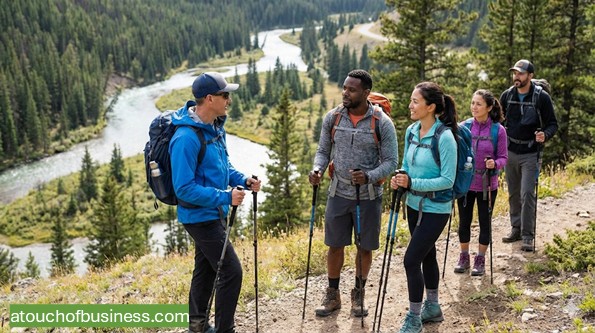
Permits, Safety, and Setup Basics for Hiking Tours
Guided Hiking Tour Company Overview
A Hiking Tour Business is a paid, guided outdoor experience where you lead people on planned hikes and handle the details that keep the trip safe, legal, and organized.
Before you get excited about routes and gear, start with readiness. Review the business start-up considerations, then be honest about fit. Is owning a business right for you, and is this specific kind of work right for you?
Passion matters here. When weather changes, permits take longer than expected, or a guest shows up unprepared, passion helps you keep solving problems instead of quitting. If you need a gut-check, read why passion supports persistence.
Now ask the question that cuts through fantasy: “Are you moving toward something or running away from something?” If you’re starting mainly to escape a job or financial stress, slow down. This path can mean uncertain income, long hours, hard tasks, fewer vacations, and total responsibility.
You also need practical support. Think through family buy-in, the skills you already have, what you must learn, and whether you have funding to start and operate while demand builds. If you want a deeper reality check, use the Business Inside Look framework to see what ownership really looks like.
One more thing that helps fast: talk to owners. Not competitors. Only talk to owners you will not be competing against.
Here are a few questions that usually get real answers.
- “What delayed your launch more than you expected—permits, insurance, paperwork, or something else?”
- “What do guests show up without that creates safety or customer issues?”
- “If you started over, what would you do first to confirm demand and pricing?”
How Guided Hiking Tours Generate Revenue
Most revenue comes from charging per person for a scheduled hike, charging a flat rate for a private group, or contracting with organizations for guided outings.
Some owners also charge for optional add-ons that match the experience, such as a shuttle to a meeting point, pre-arranged snacks, or loaner gear. If you add extras, keep them simple and make sure they are allowed where you operate.
Common Products And Services You Can Offer At Launch
Your “product” is the experience. The simplest launch offer is a short guided hike on a known trail with a clear start time, a clear end time, and a set group size.
From there, many new owners build a small set of options they can deliver consistently.
- Intro hikes for beginners
- Family-friendly hikes
- Sunrise or sunset hikes (when allowed and safe)
- Local nature interpretation hikes
- Private group hikes for birthdays, reunions, or small teams
- Day trip packages that bundle the hike with transportation (only if you can do it legally)
Who Typically Books Guided Hiking Experiences
Your customers are often visitors who want a local to lead them, people who want safety and structure, or locals who want a planned outing without doing the research themselves.
Common customer types include:
- Tourists who want a “must-see” trail with a guide
- Beginners who want a low-pressure first hike
- Families who want a paced, kid-friendly outing
- Small groups who want a private experience
- Organizations planning team activities
Pros And Cons To Consider Before You Commit
This business can be simple to launch compared with a storefront, but it adds real responsibility because you’re leading people outdoors.
Here are common advantages and trade-offs to weigh.
- Pros: Can start small; flexible scheduling; location-based demand can be strong in travel areas; repeatable trip formats; low need for a permanent facility.
- Cons: Permit and land access can be complex; weather and seasonality affect scheduling; higher liability exposure; guest readiness varies; transportation rules can apply if you shuttle guests.
Is This A Solo Start Or A Large-Scale Operation
In many areas, you can start this on your own with a focused set of routes, a small group size, and a clean permit and insurance plan.
It becomes staff-heavy when you offer multiple daily trips, operate across many land units, run multi-day experiences, or include transportation at scale. That’s when you may need multiple guides, admin support, and larger funding.
A practical path is often to start as a sole proprietorship, prove demand, then form a limited liability company as the business grows and risk increases. The right structure depends on your risk tolerance, tax planning, and growth plan.
Step 1: Define Your Tour Concept And Boundaries
Decide what you will guide, for whom, and under what conditions. This is where many new owners get stuck—because “guided hikes” can mean a lot of things.
Pick a tight starting offer: hike length range, difficulty range, group size, and the kind of guest you serve best. Then write clear boundaries, like age limits, fitness expectations, and weather rules.
Step 2: Confirm Demand And Profit Potential
Demand is not just “people like hiking.” It’s “people will schedule this hike at a price that covers your costs and still pays you.”
Use basic market validation: search similar offerings in your region, compare what they include, and check when they run trips. For a simple framework, review how supply and demand affects pricing.
Also define your selling channels early: direct bookings from your site, local lodging referrals, visitor bureaus, or travel platforms. Each channel changes your margins and workload.
Step 3: Picture The Day-To-Day Work Before You Build Anything
This is where you decide if the lifestyle fits you. Do you want to lead hikes most days, or do you want to manage guides while you handle planning and sales?
Common day-to-day activities include screening guest readiness, confirming meeting details, checking conditions, preparing gear, leading the hike, handling waivers, and closing out payments and records after the trip.
A “day in the life” at launch often looks like: early condition checks, pre-trip communication, meeting guests, a safety briefing, leading the hike, then post-trip admin like notes, supply checks, and scheduling.
Step 4: Choose Your Business Model And Staffing Plan
Decide how you will operate: solo, partners, or investors. Your choice affects registration, taxes, risk, and decision-making.
Also decide staffing timing. At launch, many owners guide trips themselves and add part-time guides later. If you plan to guide personally, be realistic about limits. If you plan to hire early, learn the basics of staffing and compliance and consider professional help. A helpful starting point is how and when to hire.
Step 5: Choose Where You Will Operate And Get Land Access Clarity
Your “location” is not a storefront. It’s the land unit and trails you’ll use, the meeting point, and any areas you may cross or park in.
Start by listing the exact places you plan to guide. Then identify who manages those places. A route can cross multiple jurisdictions, and that changes what approvals you need.
If you plan to operate on federal lands, permit requirements may apply. The National Park Service uses Commercial Use Authorizations for certain visitor services in park units, and outlines what CUAs cover on its Commercial Use Authorizations page. The Bureau of Land Management explains Special Recreation Permits and how to apply on its Special Recreation Permits page.
For National Forest lands, the Forest Service notes that paid guide activity on National Forest lands requires a special use permit on its Outfitters and Guides page.
Step 6: Build Your Safety Standard And Skills Plan
Before you sell anything, define what “safe” means in your business. Guests are paying you for leadership, not just a walk.
At minimum, you need a plan for screening guest readiness, handling minor injuries, responding to emergencies, and communicating during the trip. You also need the skills to lead a group outdoors, keep people together, and adjust when conditions change.
Use established safety checklists as references when building your standard. The National Park Service summarizes the “Ten Essentials” as a baseline set of first aid and emergency items on its Ten Essentials article. For low-impact practices, review the National Park Service summary of the Leave No Trace Seven Principles.
Step 7: Build Your Essential Equipment List
Start with what you need to safely guide the trip, communicate, and handle common problems. Then add what makes the experience consistent and professional.
Below is a launch-focused equipment list. Adjust it based on terrain, group size, and whether you provide loaner gear.
- Safety And First Aid
- First aid kit sized for group use
- Emergency blanket or bivy sacks
- Tourniquet (when trained to use it)
- Disposable gloves
- CPR face shield
- Whistle
- Headlamp with spare batteries
- Fire starter (for emergency use where allowed)
- Navigation And Communication
- Compass
- GPS device or reliable navigation tool
- Fully charged mobile phone with offline route access
- Portable power bank
- Two-way radios (if needed for terrain or group management)
- Emergency locator device (when appropriate for remoteness)
- Guest Readiness And Comfort
- Loaner daypacks (optional)
- Loaner water containers (optional)
- Extra layers in common sizes (optional)
- Sun protection supplies (optional)
- Insect protection supplies (optional)
- Guide Gear
- Weather-appropriate clothing and footwear
- Trekking poles (optional)
- Rain protection
- Food and water for the guide plus extra for delays
- Note cards for briefings and emergency details
- Group Management Tools
- Guest sign-in sheet (paper backup)
- Waiver copies or digital waiver access
- Small trash bags for pack-out
- Hand sanitizer
- Administration And Business Setup
- Dedicated business phone number (optional but common)
- Laptop or tablet for bookings and records
- Printer/scanner access for permit paperwork (home or local service)
- Document storage system (digital with backups)
- Transportation (Only If You Provide It)
- Vehicle with appropriate seating and safety equipment
- Vehicle safety kit
- Cleaning supplies for passenger area
- Signage for guest pickup (when allowed)
Step 8: List Startup Essentials And Build A Budget Worksheet
You don’t need perfect numbers on day one, but you do need a complete list of what must be paid before launch and what must be paid to run the first few months.
Build your worksheet from quotes and official fee schedules, not guesses. Use estimating startup costs to organize the list and avoid missing categories like permits, training, equipment, insurance, and website setup.
Scale changes everything. A solo, local offer can be lean. Add transportation, multiple guides, or multiple jurisdictions, and the upfront list expands fast.
Step 9: Write A Business Plan Even If You’re Not Seeking Funding
A plan is not paperwork for someone else. It’s how you prove your offer makes sense, step-by-step, before you commit.
Keep it practical: your offer, your target customers, how bookings happen, your pricing logic, your permit plan, and your risk plan. If you want a guided structure, use how to write a business plan.
Step 10: Choose Your Legal Structure And Register The Business
Your structure affects taxes and liability. The Internal Revenue Service summarizes common business structures and how they differ.
If you’re launching small, many owners start as a sole proprietorship and later form a limited liability company as the business grows. If you’re bringing in partners or investors, your structure choice becomes a bigger decision, and professional guidance is often worth it.
When you’re ready to register, the U.S. Small Business Administration outlines the basics on registering your business. You can also review how to register a business for a plain-language overview.
Step 11: Lock In Your Name And Digital Footprint
Your name needs to be usable and available. That means checking state records, domain availability, and social handle availability before you print anything.
The U.S. Small Business Administration walks through choosing a business name, and you can also use selecting a business name to keep the decision practical.
Step 12: Set Up Federal And State Tax Accounts
If you need an Employer Identification Number, get it directly from the Internal Revenue Service. The Internal Revenue Service explains how to get an Employer Identification Number (EIN).
State tax needs vary. Some businesses need sales tax registration, some need employer accounts, and some have industry-specific tax rules. The Small Business Administration includes “Get federal and state tax ID numbers” in its launch steps, and your state Department of Revenue (or tax agency) is the place to confirm what applies in your state.
Step 13: Handle Licenses, Permits, And Land Authorizations
This is the step that can block your launch if you ignore it. Your permits depend on where you guide and what you do during the trip.
Start with the basics. The U.S. Small Business Administration provides an overview on applying for licenses and permits, including why requirements vary by location and activity.
Then handle land rules. If you guide on National Park Service lands and your activity meets their criteria, you may need a Commercial Use Authorization. The National Park Service explains when a CUA is required on its Commercial Use Authorizations page. If you guide on Bureau of Land Management lands, review Special Recreation Permits, which also describes using RAPTOR and emphasizes not starting until you have written authorization.
If you guide on National Forest lands, check the permit process for the specific forest you use. The Forest Service notes on its Outfitters and Guides page that paid guide activity on National Forest lands requires a special use permit.
If you operate on Bureau of Reclamation lands or waterbodies, federal rules can require a use authorization for commercial guiding and outfitting. The eCFR lists “commercial guiding and outfitting” as a typical regulated use under 43 CFR 429.3.
Varies by jurisdiction: Use this simple verification checklist so you’re not guessing.
- State business registration: Secretary of State (or Corporations Division) → search “business entity search” + your state, then “register a business.”
- State tax registration: Department of Revenue (or taxation agency) → search “register for sales tax” + your state, and “withholding account” if hiring.
- Local license and zoning: City or county business licensing office → search “business license” + your city/county; ask about home-based rules and whether a Certificate of Occupancy applies.
- Land permissions: Managing agency office (park unit, field office, or forest district) → search “commercial guiding permit” + the specific land unit name.
If you want quick clarity, ask these questions when you contact offices:
- “Does a guided hike for pay require a permit on these trails or in this area?”
- “Are there group size limits, seasonal limits, or route limits for commercial groups?”
- “Do you require proof of insurance as a condition of approval?”
Step 14: Decide How You Will Handle Transportation, If You Offer It
If guests meet you at the trailhead, your compliance burden is simpler. If you offer a shuttle, you may step into passenger carrier rules.
The Federal Motor Carrier Safety Administration explains when a business may need a U.S. Department of Transportation number on its Do I Need a USDOT Number? page, including passenger-related triggers. FMCSA also provides a Passenger Carrier Guidance Fact Sheet that discusses how interstate commerce and for-hire status affect what rules apply.
If operating authority applies, FMCSA also outlines insurance filing requirements tied to operating authority registration. Don’t assume—verify before you advertise transportation as part of your offer.
Step 15: Set Up Banking, Payments, And Basic Recordkeeping
Open business accounts at a financial institution so transactions are clean and easy to track. This is also where you decide how you will accept payment: invoicing, online checkout, or both.
If you want a structured approach, it can help to bring in a bookkeeper or accountant early, even for a basic setup. You don’t need to do everything alone, and doing it correctly is the goal.
Step 16: Secure Insurance And Put Risk Paperwork In Place
Most guided tour businesses use general liability coverage, and some land permits or contracts require proof of insurance as part of approval. Requirements vary by agency and by location, so confirm directly with the issuing office.
You also need your guest paperwork ready before launch: waivers, participant expectations, and clear cancellation terms. If you want a general overview of coverage types, start with business insurance and then speak with a licensed insurance professional about what applies to guided outdoor activities in your area.
Step 17: Build Your Brand Identity And Booking Presence
Your brand is not just a logo. It’s how people know what to expect before they meet you. At launch, keep it simple and consistent.
Most owners start with a basic website, a booking flow, and a way to answer common questions. If you need a starting guide, use how to build a website.
Then create the essentials you’ll use in real life: business cards for referrals, a simple corporate identity package approach for consistent visuals, and signage only if it fits the places you’re allowed to use it. If signage is relevant, review business sign considerations.
Step 18: Set Pricing And Define Exactly What Is Included
Pricing is where “fun idea” becomes “real business.” Your price needs to cover permits, insurance, gear, marketing, and your time—not just the hours on the trail.
Define what the guest gets at each price point, what they must bring, and what makes a private trip different from a public one. For a structured way to think about this, use pricing your products and services.
Step 19: Line Up Suppliers And Support Partners
Even small tour businesses rely on suppliers: gear sources, first aid restock, print services, and possibly transportation partners if you outsource shuttles.
You also need professional support. A local attorney can review waivers and contracts. An insurance professional can confirm coverage. An accountant can set up clean records. If you want a framework for building that circle, see building a team of professional advisors.
Step 20: Plan How Customers Will Find You Before You Launch
Marketing is not a post-launch problem. You need a plan before you start, so your first weeks aren’t silent.
Pick a few channels you can actually maintain: local lodging referrals, local visitor organizations, partnerships with outdoor retailers, and your own content and reviews. If you want a broader view of choosing a location and demand signals, business location planning can help you think through market fit even without a storefront.
Step 21: Run A Pre-Launch Readiness Check
This is your final “no surprises” pass. The goal is simple: confirm approvals, confirm gear, confirm guest communication, and confirm you can deliver the trip you promised.
If you want a practical way to reduce overwhelm, do this in three passes: legal/permits, safety/gear, and customer-facing assets.
Also decide what your “launch” looks like. You may not need a big event, but you do need a clear start date, a booking process, and a schedule you can deliver consistently. If you plan a public kickoff, you can pull ideas from grand opening planning and adapt it to a tour-style business.
Red Flags To Spot Before You Commit
Red flags are not “bad luck.” They’re signals that your plan needs work before you risk time and funds.
Watch for these early warning signs:
- You can’t clearly explain who manages the land you plan to use, or you’re hoping permits “won’t matter.”
- Your pricing is based on competitors only, not on your real costs and your time.
- You don’t have a screening method for guest readiness, but you plan to guide beginners.
- Your offer depends on transportation, but you haven’t verified passenger carrier rules.
- You rely on one route or one access point with no backup options if rules or conditions change.
Recap And “Is This The Right Fit For You?”
You start by confirming fit, demand, and permissions. Then you build a safety standard, lock down equipment, register correctly, and set up simple systems for booking and payments.
This can suit you if you like leading people, staying calm when plans change, and doing prep work so the experience feels easy for the guest. It may not suit you if you dislike paperwork, risk responsibility, or unpredictable conditions.
Quick self-check: Can you define a tight first offer, verify land permissions, price it to cover real costs, and show up ready to lead safely—every time? If yes, a Hiking Tour Business can be a realistic solo start that scales later.
101 Tips to Organize and Run Your Hiking Tour Business
You’re about to go through tips that touch different parts of running a guided hiking company.
Use what fits your situation and skip what doesn’t.
Bookmark this page so you can return when you hit a new challenge.
To get real value, pick one tip, apply it carefully, then come back for the next.
What to Do Before Starting
1. Pick one clear “starter” tour and build everything around it, instead of launching five ideas at once. Fewer options make it easier to get permits, price correctly, and deliver consistently.
2. List every trail you plan to use and identify who manages the land for each one. You can’t confirm permissions until you know whether it is federal, state, county, city, or private land.
3. Contact each land manager and ask whether paid guiding is allowed on your intended routes. Get the answer in writing or confirm it through their official guidance.
4. Build your launch timeline around the slowest approval you need. If a permit takes weeks or months, that becomes your real start date.
5. Decide early whether guests will meet you at the trailhead or whether you will transport them. Adding transportation can trigger additional rules, insurance needs, and vehicle planning.
6. Write a simple guest screening process before you take bookings. At minimum, confirm fitness level, mobility concerns, and whether the guest understands the distance and elevation change.
7. Create a written safety plan for each route, including turnaround points and weather stop rules. Don’t rely on memory when you’re leading a group.
8. Set a maximum group size that you can manage safely with your current skills and gear. Then confirm the land manager’s group size limits so you are not building a plan you can’t legally run.
9. Build a “must-bring” gear list for guests and send it when they book. It prevents day-of surprises and reduces risk.
10. Get first aid and cardiopulmonary resuscitation training before your first paid trip. If you bring guides on later, make training a condition of working trips.
11. Build your core field kit first, then add “nice to have” items later. Your first priority is emergency readiness and reliable communication.
12. Decide whether you will provide any loaner gear and put it in writing. If you provide it, you need a system to inspect and clean it between uses.
13. Choose your legal structure based on risk and growth plans, not convenience. Many owners start small, then change structures as the business grows and responsibilities increase.
14. Open a business account at a financial institution before your first sale. It keeps records cleaner and makes tax time easier.
15. Create your booking flow before you advertise. You want a clear path from inquiry to reservation to waiver to payment confirmation.
16. Draft your core policies before launch: cancellation rules, late arrival rules, minimum age rules, and weather reschedule rules. Clear policies reduce conflict when plans change.
17. Price your first tour with your real time included, not just hours on the trail. Count planning, messaging, driving, setup, and cleanup as part of the job.
18. Run at least two full practice trips on your exact routes using your real briefing, timing, and gear checks. Treat it like a dress rehearsal, not a casual hike.
What Successful Hiking Tour Business Owners Do
19. They standardize the pre-hike briefing and deliver it the same way every time. Consistency reduces confusion and improves safety.
20. They keep a written route plan with key decision points and backup options. If conditions change, they don’t improvise under pressure.
21. They document land permissions and keep proof accessible during trips. If a ranger or land manager asks, they can show authorization quickly.
22. They treat guest screening as part of customer care, not gatekeeping. The right fit protects the guest, the group, and the business.
23. They build a culture of “no shame” questions about readiness. Guests who feel comfortable speaking up are more likely to avoid preventable problems.
24. They use a gear check routine that happens before every trip. A routine catches missing batteries, empty first aid supplies, and broken equipment.
25. They plan for heat, cold, wind, and storms as a standard part of the day. Outdoor conditions are predictable enough to plan for, even when you can’t control them.
26. They keep the guest experience simple and clear at the start. A smooth basic tour builds better reviews than an overcomplicated experience that feels rushed.
27. They debrief after each trip and write down what changed, what worked, and what to adjust next time. Small notes become a powerful system over time.
28. They track near-misses, not just incidents. Near-misses tell you what could go wrong next time if you ignore the pattern.
29. They build relationships with lodging staff and local visitor offices that serve travelers. Those partners often hear “What should we do today?” before you do.
30. They protect the brand by turning down unsafe requests. One “yes” to the wrong trip can create liability and reputational damage.
31. They set expectations in writing and repeat them verbally. Guests forget details, especially when they’re excited.
32. They make professionalism visible: punctuality, clear instructions, clean gear, and calm leadership. Guests feel safer when you look prepared.
Running the Business (Operations, Staffing, SOPs)
33. Write a Standard Operating Procedure for your trip workflow, from booking to post-trip notes. A written process makes training and quality control much easier.
34. Keep a single source of truth for tour details: start time, meeting location, required gear, and difficulty notes. If you update one place, update them all.
35. Use a same-day confirmation message that covers meeting time, weather plan, parking notes, and what to bring. It reduces late arrivals and confusion.
36. Store guest information securely and only collect what you truly need. Don’t gather sensitive details unless you have a clear reason and a secure process.
37. Create a checklist for every tour day and use it even when you “know you’re ready.” Checklists prevent mistakes when you’re distracted.
38. Keep a maintenance log for critical gear, especially first aid supplies and communication devices. Replace items on schedule instead of waiting for failure.
39. Use a clear “guide in charge” rule when more than one guide is present. Guests need one decision-maker when something changes fast.
40. If you hire guides, create a written training plan and require a supervised trial run. Don’t assume an experienced hiker can safely lead paying guests.
41. Decide whether guides are employees or independent contractors based on the rules in your state, not preference. Misclassification can create tax and labor problems.
42. Build your schedule around predictable constraints like daylight, traffic to trailheads, and seasonal closures. Reliability is a competitive advantage.
43. Use a standard incident report form and complete it the same day when anything notable happens. Details fade quickly after the trip ends.
44. Set a policy for weather cancellations that protects safety and reduces arguments. Include how you handle rescheduling and refunds.
45. Build a system to confirm waivers are completed before the hike starts. Don’t let a busy morning turn into missing paperwork.
46. Keep a backup communication option for areas with poor cell service. Test it on the route, not in your driveway.
47. Plan your vehicle approach with safety and legality in mind, even if you only drive yourself. Trailhead access and parking rules can affect the whole experience.
48. If you provide transportation, set rules for seatbelts, passenger conduct, and loading times. A shuttle is still a safety environment you must control.
49. Set up a simple accounting process early and stay consistent. Clean books help you price, pay taxes, and see what is working.
50. Keep a separate file for every permit, approval, and land manager communication. When questions come up, you can answer them fast.
51. Create a customer feedback habit that happens after every trip, not just when you want reviews. You’ll learn what guests noticed that you missed.
52. Schedule periodic drills for your emergency plan, even if it feels awkward. Practice makes real emergencies less chaotic.
What to Know About the Industry (Rules, Seasons, Supply, Risks)
53. Treat land access as a business requirement, not a formality. Paid guiding can require authorization depending on the land manager and location.
54. Understand that federal land managers can use different permit systems depending on the agency and site. Don’t assume one approval covers every place you hike.
55. Ask land managers about group size limits, route limits, seasonal restrictions, and required reporting. These details shape what you can sell.
56. Expect seasonality, even in year-round destinations. Demand, weather risk, and trail conditions can change month to month.
57. Build a lightning safety plan for organized outdoor activities and follow it every time. Lightning decisions should not depend on gut feeling.
58. Use heat illness prevention practices when operating in hot weather. Plan hydration, rest breaks, and shade strategies as part of your trip design.
59. Plan for tick exposure in wooded and brushy areas and teach guests how to reduce risk. Prevention education is easier than handling a problem later.
60. Learn how fire restrictions can change trail access and group behavior rules. When fire danger is high, normal routines may not apply.
61. Treat trail closures as normal business risk and maintain backup routes. Your business should not depend on one trail staying open.
62. If you guide on private land, get written permission from the landowner and confirm any conditions. Verbal permission can create confusion later.
63. If you plan to serve minors, set a clear policy for adult supervision and permission. Don’t wait until a parent asks questions on the spot.
64. Accessibility is a planning decision, not an afterthought. If you advertise a tour as suitable for certain needs, confirm the route truly supports it.
65. Recognize that your “product” is leadership and safety in a changing environment. That means the risk level is part of what you manage, not something you avoid thinking about.
66. If you transport passengers for compensation, confirm whether passenger carrier rules apply to your situation. Requirements can vary based on vehicle size, passenger count, and interstate activity.
Marketing (Local, Digital, Offers, Community)
67. Write a plain-language description of each tour: distance, elevation change, terrain type, and pace expectations. Clear descriptions attract the right guests.
68. Use real photos from your actual routes and seasons. Guests want to know what the trail will look like when they arrive.
69. Make your meeting instructions extremely specific. Confusion at the start can ruin the experience and create late departures.
70. Build partnerships with lodging, visitor centers, and local outfitters that serve your customer type. Provide them with a simple summary they can hand to guests.
71. Create a referral process that is ethical and trackable. If you offer a referral reward, put the terms in writing.
72. Focus your early marketing on one or two channels you can sustain weekly. Consistency beats a burst of activity followed by silence.
73. Encourage reviews right after the trip while the experience is fresh. A short follow-up message can improve response rates.
74. Use a frequently asked questions section to reduce repetitive questions and prevent misunderstandings. Include weather, gear, and fitness questions.
75. Build one signature experience that people can describe in a sentence. Word-of-mouth spreads faster when your offer is easy to explain.
76. Create a private group option with a clear starting price and a clear maximum group size. Groups want certainty when planning.
77. Offer seasonal variations that match conditions instead of fighting them. A winter-friendly option can keep demand steady in colder months.
78. Track where every booking came from using a simple method. If you don’t track it, you can’t improve it.
79. Build a small email list of past guests and local partners and share occasional updates. Staying visible helps repeat business and referrals.
80. Avoid exaggerating difficulty or scenery. Accurate expectations reduce complaints and create better reviews.
Dealing with Customers (Trust, Education, Retention)
81. Set expectations before the trip with a short message that covers safety, pace, and what to bring. Guests trust you more when they know what will happen.
82. Use a friendly but firm readiness check when guests show up underprepared. Offer options: loaner gear if you have it, a shorter route, or rescheduling.
83. Explain your weather rules before money changes hands. Customers are less upset when policies are known upfront.
84. Teach minimum-impact behavior at the start and model it during the hike. Guests often follow what you do more than what you say.
85. Keep the group together with a consistent system: lead guide, sweep guide when needed, and planned regroup points. It reduces lost-person risk and stress.
86. When a guest is struggling, adjust early instead of waiting for a crisis. A slower pace or an earlier turnaround can prevent injuries.
87. Use plain language when giving safety instructions. In a stressful moment, simple words are easier to follow than complex explanations.
88. After the trip, thank guests and invite one specific piece of feedback. A focused question often gets better answers than “How was everything?”
Customer Service (Policies, Guarantees, Feedback)
89. Put your cancellation and reschedule policy in writing and keep it easy to find. Clear policy reduces emotional disputes.
90. Define what happens when you cancel for safety reasons and communicate it early. Guests accept safety decisions more easily when the process is consistent.
91. Set a late arrival rule that is fair to the group and protects the schedule. A single late guest can affect everyone’s experience.
92. Create a simple service recovery plan for problems you can’t prevent, like unexpected closures. Options might include rescheduling, a route change, or a partial refund based on policy.
93. Ask for feedback in a way that makes it safe to be honest. If guests fear conflict, they will stay quiet and you won’t improve.
94. Track complaints by type and look for patterns. A repeated complaint is a system problem, not a personality problem.
Sustainability (Waste, Sourcing, Long-Term)
95. Teach guests to pack out everything they bring, including small scraps. It protects the places you use and preserves access for the future.
96. Choose group sizes that reduce impact on trails and wildlife. Smaller groups are often easier to guide and easier on the environment.
97. Avoid sensitive areas during wet seasons when trails are easily damaged. Route selection should protect the resource, not just the schedule.
98. Use reusable supplies for your field kit where practical and safe. Reducing disposable waste is simpler when it’s built into your routine.
Staying Informed (Trends, Sources, Cadence)
99. Subscribe to land manager alerts for the areas you use so you learn about closures and restrictions early. Your ability to adapt depends on timely information.
100. Check the forecast and severe weather guidance before every trip day and teach guides to do the same. Weather awareness is a leadership skill, not a nice extra.
101. Review your safety practices and training at least once per season and update your written procedures. Conditions change, and your standards should keep up.
FAQs
Question: Do I need permits to run paid guided hikes on public land?
Answer: Often, yes, but it depends on who manages the land and what your activity involves. Start by identifying the land manager for each route, then ask that office whether commercial guiding needs authorization.
Question: How do I find out who manages the trails I want to use?
Answer: Look up each route and confirm whether it is managed by a national park unit, a national forest, Bureau of Land Management, state land, a city or county agency, or a private owner. If it crosses multiple areas, you may need approvals from more than one office.
Question: Do I need a Commercial Use Authorization for national parks?
Answer: A Commercial Use Authorization is required when you provide certain visitor services for compensation on lands managed by the U.S. National Park Service and a concession contract is not required. Each park unit can have its own process, so verify requirements with the specific park.
Question: What is required to guide hikes on U.S. Forest Service lands?
Answer: Paid outfitting and guiding on National Forest System lands generally requires a special use permit. Requirements and application steps can vary by the specific forest, so contact the local forest office first.
Question: What is a Special Recreation Permit and when might it apply?
Answer: The Bureau of Land Management uses Special Recreation Permits to authorize certain structured, organized, or managed recreation uses on public lands and waters. Whether you need one depends on the activity and location, so verify with the local field office.
Question: What business licenses or registrations do I need in my city or county?
Answer: Many places require a general business license, and some also require zoning review for a home office or storage location. Check your city or county business licensing portal and planning or zoning office to confirm what applies.
Question: Do I need an Employer Identification Number before I start?
Answer: You may need an Employer Identification Number for tax and banking purposes, and it is used in many common business situations. The Internal Revenue Service provides a free way to apply directly, so avoid paid middleman sites.
Question: What business structure should I choose for a guided hiking company?
Answer: Common options include sole proprietorship, partnership, corporation, and limited liability company, and each has different tax and legal impacts. Use the Internal Revenue Service overview to compare structures, and consider professional help if you have partners or plan to grow fast.
Question: What insurance do I need before I can launch?
Answer: Many owners carry general liability coverage, and some land authorizations can require proof of insurance as a condition of approval. Verify insurance requirements with the agency that issues your authorization and your insurance professional.
Question: What if I want to transport guests to the trailhead?
Answer: If you transport passengers for compensation and operate in interstate commerce, federal passenger carrier rules may apply. Use the Federal Motor Carrier Safety Administration guidance to confirm whether you need a U.S. Department of Transportation number or other steps.
Question: What safety gear should I buy first for guided hikes?
Answer: Start with a reliable first aid kit, emergency shelter items, illumination, navigation tools, and a communication plan that works on your route. The U.S. National Park Service “Ten Essentials” is a useful baseline for building a field kit.
Question: What training should I have before taking paying guests?
Answer: Basic first aid and cardiopulmonary resuscitation training is a common starting point for guides. Add route-specific hazard training based on your terrain, weather, and distance from help.
Question: How do I set pricing so I cover costs and still pay myself?
Answer: Build pricing from your real costs and real time, including planning, travel, permits, insurance, and admin work. Then compare to local competitors to see whether your offer is positioned for the market.
Question: What should be in my waiver and written policies?
Answer: You need clear terms for cancellations, weather changes, participant readiness, and acknowledgments of risk tied to outdoor activity. Waiver rules vary by state, so have an attorney review documents for the state where you operate.
Question: What suppliers do I need to line up before launch?
Answer: At minimum, you need reliable sources for first aid restock, communication gear, and any loaner gear you provide. If you offer snacks or transportation, you also need suppliers and partners that can meet your standards and legal requirements.
Question: What should my day-of tour workflow look like?
Answer: Use a checklist that covers weather review, route condition checks, gear inspection, waiver confirmation, and a standard safety briefing. Consistent steps reduce mistakes and make training easier later.
Question: What metrics should I track weekly as a new owner?
Answer: Track leads, bookings, attendance rate, cancellation reasons, and revenue per trip alongside your direct trip expenses. Also track safety notes and near-misses so you can improve your route plan and screening.
Question: When should I hire another guide or helper?
Answer: Hire when demand regularly exceeds what you can safely lead alone or when your schedule becomes inconsistent due to admin load. If you hire, confirm worker classification rules in your state and document training and standards.
Question: What are the most common compliance mistakes new guide businesses make?
Answer: The big ones are assuming public trails are automatically open to commercial guiding and failing to confirm land-manager authorization requirements. Another common issue is adding transportation without checking passenger carrier rules that may apply.
Question: How do I manage weather risk without constant last-minute chaos?
Answer: Create written “go or no-go” rules for heat, storms, and lightning and follow them consistently. The National Weather Service recommends a lightning safety plan for organized outdoor activities.
Related Articles
- Starting a Tour Guide Business
- Start a Campground Business
- Start a RV Park
- Start a Canoe and Kayak Rental Business
- How to Start a Rock Climbing Gym
- Start a Travel Agency
- Start a Backpack Manufacturing Business
- How to Start a Bike Rental Business
- Start a Beach Gear Rental Business
- Starting a Boat Rental Business
Sources:
- Bureau of Land Management: Special Recreation Permits
- CDC: Prevent Mosquito Tick Bites
- U.S. Census Bureau: North American Industry NAICS
- FMCSA: Need USDOT Number, Insurance Filing Requirements, Passenger Carrier Guidance
- eCFR: 43 CFR 429.3 Uses
- Internal Revenue Service: Business Structures, Get employer ID number
- Leave No Trace: Seven Principles
- U.S. National Park Service: Commercial Use Authorizations, Ten Essentials, Leave No Trace Principles
- OSHA: Heat Water Rest Shade
- American Red Cross: Adult First Aid CPR AED
- U.S. Small Business Administration: Register your business, Choose business name, Apply licenses permits
- Forest Service: Outfitters and Guides, Outfitters Guides Special Permits
- National Weather Service: Lightning Safety Sports