
Permits, Insurance, Costs: What to Plan Up Front First
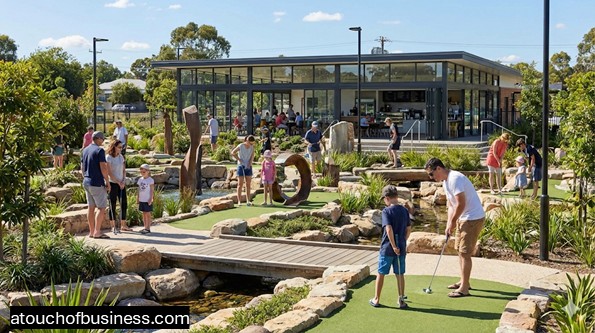
A mini golf course is a location-based attraction where people pay to play a short putting course—often 9 or 18 holes. It can be indoors, outdoors, or a mix of both.
This is usually not a solo, home-based startup. A fixed course often needs a lease or property, site work, permits, accessibility planning, and a public-ready space.
There is a smaller path, too. Some owners start with a portable or temporary course for events. That choice changes almost everything—permits, staffing, and how much you invest up front.
Before You Commit: Fit, Pressure, And Motivation
Before you price anything or sign anything, make two fit decisions. First, decide if owning and operating a business is right for you. Second, decide if this business is the right match for you.
If you need a bigger reality check, read Business Start-Up Considerations and take it seriously.
Now think about pressure. Passion helps you stay in the game long enough to solve problems when challenges hit. Without it, many people start looking for an exit instead of solutions—so read why passion matters in business and be honest with yourself.
Ask yourself this exact question: “Are you moving toward something or running away from something?” If you’re starting only to escape a job or a financial bind, that may not hold your drive for long.
And don’t skip the hard parts. Uncertain income, long hours, difficult tasks, fewer vacations, and full responsibility are normal early on. Is your family or support system on board?
Do you have the skills—or can you learn them—and can you secure enough funds to start and operate? If not, can you bring in partners, or pay for professional help so you do things correctly?
Also, learn from owners who won’t be direct competitors. Talk only to owners you will not be competing against—different city, region, or market.
Here are a few smart questions to ask:
- What surprised you most during permitting and build-out, and what would you do earlier next time?
- What did your first-year demand look like by season, and what drove your strongest weeks?
- Which add-ons increased complexity the most—parties, food, arcade—and why?
How Does a Mini Golf Business Generate Revenue
Most revenue starts with per-game admission. You might charge per round, bundle multiple rounds, or sell group packages.
Many facilities also earn from parties and group events. Some add small retail items, photo add-ons, or simple snacks and drinks—each extra offering can add permits, build-out needs, and insurance requirements.
Who Your Customers Are
Your core customers tend to be families, teens, and groups looking for an easy outing. Location and convenience matter because people usually decide quickly and go where it feels simple.
Think about the flip side, too. If you’re not near where people already go—shopping areas, tourist zones, dense neighborhoods—your marketing and signage have to work harder.
Pros And Cons To Weigh
This kind of business can be straightforward for customers—show up, pay, play. But the startup work can be complex because you’re building a public-ready space.
Here are common upsides and downsides to weigh before you commit.
- Pros: Simple core service, clear ticketing model, strong group-event potential, and a repeat-friendly activity.
- Cons: Real estate and build-out complexity, seasonal risk for outdoor setups, and accessibility design rules you must plan for early.
Skills You’ll Use Or Need
You don’t need to be an expert in everything. But you do need to make good choices, ask good questions, and bring in the right help when you’re out of your depth.
Here are the skills that show up early.
- Basic market research and demand validation
- Budgeting and startup cost estimating
- Lease review and location evaluation
- Working with contractors, designers, and permit offices
- Customer-facing communication and conflict handling
- Basic safety awareness and incident documentation
- Financial setup, recordkeeping, and payment processing basics
Essential Equipment And Setup Items
Your equipment list depends on whether you’re building a fixed course or using a portable setup. A permanent location usually needs more site work, lighting, and public-facing fixtures.
Use this as a build-your-list checklist. Then get price quotes so you can build a realistic startup budget. Size and scale drive your total.
- Course Build And Site Materials:
- Putting surface system (often a turf system designed for putting)
- Base and leveling materials matched to your surface plan
- Hole cups/liners and flags or markers
- Borders/edging to define lanes and protect surfaces
- Obstacles and features (ramps, tunnels, rails, themed elements)
- Teeing areas and hole number markers
- Lighting plan and fixtures (especially if open after dark)
- Wayfinding signs, rules signs, and safety signs
- Benches or rest points (as needed for your layout)
- Accessibility And Guest Path:
- Accessible route plan connecting required areas
- Course design that supports required accessible holes
- Surface transitions and path widths that match your design requirements
- Player Gear:
- Putters in multiple sizes
- Golf balls (durable, visible)
- Ball bins or collection buckets
- Scorecards (paper) or a digital scoring method
- Pens or pencils (if using paper scorecards)
- Cleaning supplies for shared gear
- Admissions And Payments:
- Point-of-sale system and hardware
- Card readers
- Cash drawer (if you accept cash)
- Receipt printer (if used)
- Ticketing method (printed tickets, wristbands, or digital check-in)
- Booking tool for parties and groups (if you offer them)
- Front Counter And Guest Service:
- Service counter and basic fixtures
- Storage for putters, balls, and supplies
- Lost-and-found container
- Incident log and basic documentation system
- Safety And Facility Readiness:
- First aid kit
- Fire extinguishers as required by your inspection authority
- Slip and trip warning signs
- Security lighting where needed
- Cleaning And Basic Maintenance:
- Brooms and debris tools (outdoor sites may need more)
- Surface cleaning tools matched to your materials
- Basic hand tools and repair supplies
- Trash cans and liners (course and entry area)
- Restroom cleaning tools and supplies (if you provide restrooms)
- Technology And Security:
- Internet service and router
- Staff computer or tablet (if separate from point-of-sale)
- Security cameras (often used at entrances and cash areas)
- Safe or lockbox for cash control
Day-To-Day Activities You Must Be Ready For
Even though this guide is about starting, you should picture what “open to the public” looks like. If you can’t run day one smoothly, you’ll feel it fast.
On a typical day, you’re opening the site, checking surfaces and safety issues, issuing gear, accepting payment, managing groups, and resetting for the next wave.
Common Business Models
Your model changes your lease needs, staffing, and permit path. The earlier you choose, the fewer expensive changes you’ll make later.
Here are common ways owners structure the launch.
- Fixed-location indoor course
- Fixed-location outdoor course
- Mixed indoor and outdoor course on one site
- Portable or temporary course for private events
- Mini golf as one attraction inside a broader family entertainment location
A Day In The Life
You arrive early and walk the course before anyone shows up. You’re looking for anything that could cause a slip, trip, or frustration—then you fix what you can and log what needs a vendor.
When guests arrive, the pace shifts. You’re issuing putters and balls, accepting payment, answering quick questions, and keeping groups moving without making it feel rushed.
At close, you reconcile sales, secure cash, reset equipment, and note what must be repaired before the next open day. If you’re hosting events, you also review bookings and confirm details.
Red Flags To Catch Early
Some problems are annoying. Others can stop your launch or make your build-out far more expensive than you planned.
Watch for these issues early—before you sign a lease or start construction.
- Zoning rules that don’t allow your use, or require a long discretionary approval you can’t support
- Site limits that block safe guest access or required parking
- Drainage issues that can damage surfaces or create slick walkways
- Landlord limits on signage, exterior changes, lighting, or hours
- A course design that can’t meet accessibility requirements without major redesign
Startup Steps To Launch
These steps keep you focused on what matters before opening day. You’re moving from idea to proof, then from proof to legal setup, then into build-out and readiness.
Go in order as much as you can. Skipping ahead often means paying twice later.
Step 1: Choose Your Startup Path And Scale
Start by choosing the version you’re actually building. A fixed course is a real estate and construction project, not just an activity idea.
A portable setup can be smaller and faster. But it may bring different rules depending on where you set up and how you use public space.
Ask yourself a simple question: are you building a destination people drive to, or a setup you bring to them? Your answer shapes your budget, timeline, and staffing plan.
Step 2: Validate Demand Before You Commit To A Lease
You need proof that people in your area will pay for this. Don’t rely on excitement or compliments.
Use a basic demand check: local competition, local population patterns, and how people already spend time nearby. If you want a plain-language refresher on market demand, review supply and demand so you don’t confuse interest with real buying behavior.
Think about timing, too. Outdoor courses can be seasonal in many regions. If demand fades for part of the year, can your pricing and event bookings cover that gap?
Step 3: Confirm It Can Pay You And Cover The Bills
Demand is not enough. You also need the numbers to work after rent, payroll, insurance, repairs, and taxes.
Build a simple revenue model using realistic attendance assumptions. Then test the flip side: what happens if attendance is lower than you hoped?
Your goal is clear. The business must cover expenses and still have room to pay the owner. If it can’t, you’re building stress into the plan from the start.
Step 4: Pick A Location That Matches How People Decide
If you’re opening a fixed course, your location is a core part of the product. People choose quick outings based on convenience, safety, and what else is nearby.
Use a structured location review before you sign. This guide on choosing a business location can help you think through foot traffic, access, parking, and nearby demand drivers.
For a portable model, your “location” is each venue you work with. You still need written permission, clear terms, and a plan for safe setup and teardown.
Step 5: Build A Startup Cost List And Get Real Quotes
Your startup cost total depends on your size and build-out. Don’t guess. Make a list of essential items and get pricing estimates from vendors and contractors.
If you want a clean process for this, use a startup cost estimating guide to build your list in categories and spot gaps.
Pay attention to long-lead items and permit timelines. Delays can increase carrying costs like rent and utilities before you open.
Step 6: Decide Solo Vs Partners Vs Investors
A fixed course often needs more capital than a typical solo startup. That’s why many owners use partners, outside funding, or a combination of savings and financing.
A portable model can sometimes start smaller. But even then, you may choose a partner to split workload, share skills, or reduce financial stress.
Also decide time commitment. Will you run this full time, or try part time early on? If it’s part time, be honest about who handles build-out coordination, permits, and vendor follow-up during business hours.
Step 7: Write A Business Plan That Matches Your Build
Even if you don’t plan to borrow, writing a plan forces clarity. It makes you spell out demand, pricing, startup costs, and your path to opening day.
If you want a guide, use how to write a business plan to structure the basics without getting lost in details.
If you plan to seek funding, your plan also becomes part of your lender packet. In that case, review how business loans work so you know what lenders commonly want to see.
Step 8: Choose Your Legal Structure And Register The Business
This is where many first-time owners freeze. Keep it simple: choose a structure that fits your risk, tax needs, and ownership plan.
Many small businesses start as a sole proprietorship and later form a limited liability company as they grow. That shift is often tied to liability protection and a cleaner structure, but your best choice depends on your situation.
For federal guidance on structure basics, start with the Internal Revenue Service overview of business structures. For a practical launch path, the U.S. Small Business Administration has guidance to choose a business structure and register your business.
If you want a simple walkthrough in plain terms, this guide on how to register a business can help you understand the sequence before you visit your state portals.
Step 9: Set Up Tax Accounts And Your Financial Setup
Once your entity is in place, get your federal tax identification. The Internal Revenue Service explains how to get an employer identification number and warns against paid sites that charge for it.
Next, set up state tax accounts based on what you sell and whether you hire. Sales tax rules for admissions and related sales vary by state, so you’ll verify with your state Department of Revenue or taxation agency.
Then open business accounts at a financial institution. Keep business and personal transactions separate from day one so your records stay clean and defensible.
Step 10: Plan Permits, Accessibility, And The Inspection Path
This is where location matters most. Your city or county will often control zoning, building permits, inspections, signage rules, and occupancy approval.
Start with the U.S. Small Business Administration overview on licenses and permits, then shift to local portals for the real requirements.
If you’re building or altering a course open to the public, accessibility standards matter early. The U.S. Access Board guide on miniature golf facilities and the Department of Justice 2010 ADA Standards are key starting points for design requirements.
Also remember: local approvals may include a Certificate of Occupancy or a similar authorization before you open. Names and steps vary, so you’ll confirm with your local building department.
Step 11: Choose Vendors, Order Gear, And Build The Space
Your vendors may include a course designer or installer, contractors, and licensed trades for electrical and any plumbing work. Decide who is responsible for drawings, permit submittals, and inspections.
Order long-lead items early. That includes surface materials, lighting, point-of-sale hardware, and signage.
As you build, keep guest flow in mind. Where do people enter, pay, pick up gear, and start their round without confusion?
Step 12: Decide Hiring Now Vs Hiring Later
If you plan to open with staff, start early. Hiring always takes longer than you think, and training is part of your pre-opening readiness.
If you plan to do most tasks yourself at first, be realistic about your limits. You can always hire later, but you still need coverage for peak times, parties, and busy weekends.
If you hire employees, you must handle federal employment eligibility verification. U.S. Citizenship and Immigration Services provides the Form I-9 requirements.
Step 13: Set Pricing And Lock In Your Supplier Plan
Pricing is part math and part market. It must support your costs and still feel reasonable compared to local alternatives.
Build your pricing logic, then pressure-test it against slow seasons and weekday demand. For a practical guide, see pricing your products and services.
Also set your supplier plan. That includes putters, balls, scorecards, surface materials, and any replacement parts you’ll need on hand before opening.
Step 14: Insurance And Risk Planning Before You Open
Most owners plan general liability insurance early because you’ll have guests on-site. Many landlords and lenders also require proof of coverage before you open.
Depending on your setup, you may also look at property coverage for equipment and fixtures. If you host events or sign venue contracts, those agreements may require specific coverage levels.
For a primer on common policies, see business insurance basics.
Step 15: Name, Online Presence, And Brand Basics
Your name needs to work in the real world. It should be easy to say, easy to spell, and available in your state and online.
Use a business name selection guide to work through name checks, then secure a domain and social handles that match.
Next, build simple brand assets you can use at opening. That often includes a logo, signage, and a basic website. For help, see an overview of building a business website, business card basics, business sign considerations, and corporate identity planning.
Step 16: Prepare Pre-Launch Marketing And A Grand Opening Plan
If you’re opening a fixed location, your goal is simple: get local awareness before the doors open. People should know where you are, what you offer, and when you open.
Plan how you’ll get customers through the door with a local customer strategy guide, then outline a launch event using grand opening ideas.
Think about the flip side again. If you rely only on “we’ll post online,” you may open quietly and stay quiet. Plan outreach that fits your area, like partnerships with schools, camps, and local groups.
Step 17: Run Your Pre-Opening Checklist
Before you open, do one more compliance pass. Confirm your local approvals, required inspections, and any occupancy authorization your building department requires.
Do a full essentials check. Putters, balls, scorecards, point-of-sale, signage, lighting, and safety supplies should all be ready and tested.
Kick off marketing on a schedule you can maintain. Then plan a soft opening to test flow, fix issues, and build confidence before your full launch.
Varies By Jurisdiction
Local rules can change by city, county, and state—even within the same state. The safest approach is to verify requirements directly with the agencies that issue approvals.
Use this checklist to confirm what applies to your exact location.
- State Secretary of State: Confirm entity formation steps, name rules, and assumed name filing if needed.
- State Department of Revenue or taxation agency: Confirm sales tax registration rules and whether admissions are taxed in your state.
- City or county business licensing office: Ask if a general business license is required before opening.
- City or county planning and zoning: Confirm your use is allowed at your address and whether any special approvals apply.
- City or county building department: Confirm permit steps, inspections, signage rules, and occupancy authorization for your space.
Here are a few smart questions to ask when you contact local offices.
- Is a mini golf course allowed at this address, and is the approval by right or discretionary?
- What permits and inspections apply to lighting, exterior work, and any interior build-out?
- What approvals must be complete before you can open to the public?
Work And Safety Basics If You Hire
If you hire employees, you’re stepping into federal labor and safety rules. You don’t need to memorize laws, but you do need to know where the official guidance starts.
For wage and hour basics, review the U.S. Department of Labor page on the Fair Labor Standards Act. For workplace safety duties, see OSHA’s Section 5 duties summary.
Quick Reality Check: Is This the Right Fit for You?
A Mini Golf Business can be a strong fit if you like creating an experience, working with the public, and coordinating a real-world build-out. It also fits people who can plan carefully and follow through on permits, vendors, and timelines.
It may be a poor fit if you want a low-cost, home-based startup, or if you dislike managing contractors and inspections. If the idea of a public-facing space makes you uneasy, pay attention to that.
Do a simple self-check. Are you ready for uncertain income, long hours, fewer vacations, and full responsibility—and is your support system on board?
If you want to compare this idea to other businesses before you commit, review Business Inside Look and see how this model stacks up with your goals.
101 Tips for Your New Mini Golf Business
In this section, you’ll find tips that cover planning, setup, marketing, and daily realities.
Some will be perfect for where you are right now, and others will matter more after you open.
Consider saving this page so you can revisit it when a new problem shows up.
The easiest way to see results is to pick one tip, act on it, and then move to the next.
What to Do Before Starting
1. Decide your model first: fixed location, portable course for events, indoor, outdoor, or mixed. Your model drives permits, insurance, staffing, and how much you’ll invest.
2. Define your main customer before you design anything. Families, teens, tourists, and group events want different layouts, hours, and add-ons.
3. Choose your course size early (commonly 9 or 18 holes) and stick to it during budgeting. Changing hole count later can force new drawings, new materials, and a new permit review.
4. List what you will offer on day one and what you will not. Every extra feature—food, alcohol, arcade games, party rooms—can add build-out work and approvals.
5. Set your “go/no-go” guardrails in writing: maximum startup budget, target opening month, and the minimum monthly revenue you need. If you don’t define these now, emotions will define them later.
6. Do a competitor audit you can verify with your own eyes. Visit nearby courses, note pricing, crowd patterns, and the real experience customers get.
7. Talk to owners you will not be competing against in a different city or region. Ask what surprised them most during permitting, what they’d do earlier, and what they’d never add again.
8. Build your startup cost list by category before you hunt for funding. Include lease deposits, design work, permits, build-out, course materials, signage, payment systems, and opening inventory.
9. Get written quotes for your biggest cost items from multiple vendors. The goal is not the cheapest number—it’s a realistic number you can plan around.
10. Confirm zoning before you sign a lease or buy property. Ask the planning office if your use is allowed at that exact address and what approval path applies.
11. Meet the building department early and ask what triggers permits and inspections. Also ask what approvals must be complete before you can open to the public.
12. Design with the Americans with Disabilities Act (ADA) in mind from the start. Course layout changes are expensive, so build accessibility into the first plan, not the last-minute fix.
13. Verify parking and safe pedestrian access before you fall in love with a location. If customers feel unsafe getting in and out, they won’t return.
14. Confirm utility needs early, especially lighting power and restroom requirements. A great site can become a poor choice if upgrades are required.
15. Choose your ownership structure based on risk and scale. Many owners start as a sole proprietorship and later form a limited liability company (LLC) as the business grows, but your situation may call for a different setup.
16. Apply for an Employer Identification Number (EIN) if you need one for banking, payroll, or federal tax purposes. Get it directly from the Internal Revenue Service, not a paid third party.
17. Open a business bank account and set up card processing before you launch marketing. It’s easier to test pricing and bookings when your payment tools are ready.
18. Ask your state tax agency whether admissions or related sales are taxed and register before you open. State rules vary, and it’s easier to set this up early than to correct it later.
What to Know About the Industry (Rules, Seasons, Supply, Risks)
19. Outdoor courses can be seasonal in many regions, so build a plan that survives slow months. Look at local weather patterns and school calendars, not just summer optimism.
20. Indoor courses shift your risk from weather to lease cost and build-out complexity. Make sure your revenue assumptions can carry rent year-round.
21. Lighting is part of safety, not decoration. Poor lighting increases slips and trips and makes staff supervision harder.
22. Course materials matter because they control maintenance and guest frustration. Choose surfaces and obstacle materials with a clear replacement plan and local support.
23. Drainage and standing water can ruin surfaces and create hazards. If you’re outdoors, evaluate grading and water flow before installation begins.
24. Treat every edge, step, and transition as a potential fall point. If a guest could trip there, plan a guard, a sign, or a design change.
25. Noise and neighbor concerns can become a real issue for outdoor sites. Ask about local rules for amplified sound, hours, and lighting spillover.
26. If you add food beyond prepackaged items, your health department may want plans reviewed before you open. Ask early so build-out and equipment match the rules.
27. If you market to families, assume you will be asked about safety and accessibility. Prepare clear answers that match your actual setup.
28. Discounts and “regular price” claims can create legal risk if they’re not truthful. Keep your advertised prices clear and avoid comparisons you can’t support.
29. Service animals are protected under the ADA, and “no pets” rules need an exception for trained service animals. Train staff so they respond consistently and respectfully.
30. If you plan to add other attractions later, don’t assume the same rules apply. A course is one thing, but rides or mechanical attractions may trigger state oversight and inspections.
What Successful Mini Golf Business Owners Do
31. They treat permitting like a project with deadlines, not a surprise that happens later. They track what was submitted, who reviewed it, and what is still pending.
32. They get landlord permissions in writing before spending on improvements. That includes signage, exterior work, and any changes that affect the building.
33. They create a safety-first culture before the first customer arrives. Small hazards become big problems when you have families and groups moving through tight spaces.
34. They run a practice day with invited guests before the grand opening. Watching real people move through the space reveals problems that drawings can’t show.
35. They keep spares ready for the items guests touch most. Extra putters, balls, pencils, and scorecards save you from scrambling during a rush.
36. They standardize how staff start groups and explain rules. Consistency reduces arguments and keeps play moving.
37. They track complaints as clues, not insults. If you hear the same issue repeatedly, it’s a process or design problem.
38. They build community partnerships early. Schools, camps, youth groups, and local employers can become reliable group bookings.
39. They make photo moments easy without blocking walkways. Good photos help marketing, but guest flow still comes first.
40. They keep shared gear clean and organized. When customers see disorder, they assume the business is not well run.
41. They log maintenance issues and fix patterns, not symptoms. A repeated problem on one hole usually has one root cause.
42. They reconcile sales and cash daily and investigate differences immediately. Small gaps are easier to solve when they’re fresh.
Running the Business (Operations, Staffing, SOPs)
43. Create an opening checklist that covers safety, lighting, cleanliness, and payment systems. A checklist prevents “I thought someone else did it” moments.
44. Create a closing checklist that covers cleaning, cash control, gear storage, and locking procedures. Consistent closing reduces theft and morning delays.
45. Do a quick course walk before the first group enters. Look for debris, loose borders, slick spots, and anything that could catch a foot.
46. Keep a stocked first aid kit where staff can reach it fast. Also make sure staff know where it is without having to think.
47. Use a simple incident report form and complete it the same day. Record time, location, what happened, and who witnessed it.
48. Don’t rely on a waiver to “solve” liability. If you use waivers, have them reviewed by a qualified attorney and still carry proper insurance.
49. Schedule staffing around your real demand patterns, not your hopes. Weekends, evenings, and school breaks often need more coverage.
50. If you hire, complete Form I-9, Employment Eligibility Verification for each employee and store it properly. Put a process in place so it never gets skipped.
51. Keep required labor posters current based on your federal and state rules. Check the official sources when you hire, not after a complaint.
52. Assign clear roles during busy periods: front counter, course starter, and floor support. Role clarity reduces lines and reduces conflict.
53. Use a standard script for rules and pace of play. When staff explain things differently, customers argue about what they “were told.”
54. Organize putters by size and make it obvious for guests. Reducing confusion at the counter speeds up the start of play.
55. Sanitize high-touch gear during peak times and keep supplies where staff actually work. Clean gear builds trust with families.
56. If something becomes unsafe, close that hole immediately and redirect play. It’s better to pause than to gamble with a preventable injury.
57. Keep basic replacement parts on hand for common wear items. Waiting on shipping can keep a hole out of service for days.
58. Create a simple party process: deposit, headcount deadlines, start times, and what happens if they arrive late. Clarity prevents conflict at the front counter.
59. Confirm group bookings with contact details and the exact schedule. A single wrong time can disrupt your entire evening.
60. Put your weather and rain policy in writing if you operate outdoors. Train staff to follow it consistently so customers don’t feel treated differently.
61. Keep a backup plan for payment equipment issues. A spare card reader or a clear offline plan helps you keep serving customers.
62. Reconcile sales daily and match it to your payment reports. If numbers don’t match, investigate immediately instead of letting it pile up.
63. Set reorder points for consumables like scorecards, pencils, sanitizer, and trash liners. Running out creates avoidable stress during a rush.
64. Replace lighting quickly and keep a small supply of matching bulbs or fixtures. Inconsistent lighting affects both safety and the experience.
65. Post rules where customers see them before they start playing. Most conflict comes from unclear expectations, not “bad customers.”
66. If you host third-party events, collect proof of required insurance before the event date. Don’t wait until the day-of when it’s too late to fix.
Marketing (Local, Digital, Offers, Community)
67. Claim your business profiles on major search and navigation apps and keep your hours accurate. Many customers decide where to go based on what they see there.
68. Take clear photos of the entrance, counter area, and a few signature holes. People want to know what they’re getting before they drive over.
69. Put practical details in your marketing: parking, accessibility, typical play time, and how group bookings work. Clear details reduce hesitation.
70. Promote a soft opening to local schools, camps, and youth groups. It can fill your first weeks while you work out operational wrinkles.
71. Build partnerships with hotels, visitor centers, and local attractions if tourism matters in your area. A simple referral relationship can produce steady traffic.
72. Create group packages with clear inclusions: rounds, time blocks, and add-ons. If customers can’t compare options quickly, they delay or leave.
73. Use online booking for parties if it fits your model. Bookings reduce phone back-and-forth and can smooth your staffing plan.
74. Collect customer emails only when they opt in and know what they’ll receive. A small, engaged list can outperform a large list that doesn’t trust you.
75. Ask for reviews at the moment the customer is happiest—right after a good experience. Keep the ask simple and friendly.
76. Respond to negative reviews with calm facts and a next step. Avoid arguments; future customers are watching how you handle conflict.
77. If you run discounts, make the terms easy to understand. Confusing offers create frustration and can harm trust.
78. Use local event calendars, community boards, and school newsletters when allowed. Local awareness often beats broad advertising for a location-based attraction.
79. Run a charity night only if you can define the rules clearly. State what percentage or amount is donated and how the total is calculated.
80. Build repeat visits with a simple loyalty option. Make it easy to understand and easy for staff to apply at checkout.
81. Treat roadside signage as a project with permits and deadlines. Ask your local office what rules apply before you order materials.
82. Train staff to ask one question at checkout: “How did you hear about us?” Track answers so you can focus on what actually works.
Dealing with Customers (Trust, Education, Retention)
83. Tell customers what to expect for round length, especially during busy times. When expectations are set, lines feel fairer.
84. Teach basic etiquette in one sentence: don’t crowd the group ahead, and let faster groups pass when possible. A small reminder prevents a lot of tension.
85. Offer putters in multiple lengths and help guests choose quickly. People play better when equipment fits them.
86. Make staff visible on the course, not just at the counter. Quick help prevents small issues from becoming complaints.
87. Handle disputes with consistent rules, not personal opinions. If staff decisions change from one group to the next, customers feel singled out.
88. For outdoor courses, be proactive about heat, rain, and storms. Post simple guidance so customers know what happens when weather changes fast.
89. Be ready to make reasonable accommodations for guests with disabilities. Small adjustments in how you start play or explain rules can make the experience smoother.
90. Train staff on service animal rules so they don’t improvise under pressure. A confident, respectful response reduces conflict and protects your reputation.
Customer Service (Policies, Guarantees, Feedback)
91. Make your pricing and fees easy to see before customers reach the register. Surprises at checkout create distrust and bad reviews.
92. Keep a clear “lost items” process with a storage location and a time limit. Staff should know exactly what to do without guessing.
93. Create a behavior policy for unsafe conduct and enforce it consistently. The safest environment is one where rules are clear and applied fairly.
94. Use a simple feedback process and follow up quickly. A short reply that offers a next step can prevent a small complaint from turning into a public problem.
95. Decide what you’ll do when the course is not playable due to a facility issue. Options like a replay pass or a reschedule credit can protect trust when something breaks.
96. Protect customer information in reservations and party bookings. Limit staff access, use strong passwords, and remove access promptly when staff leave.
97. Practice basic emergency response as a team. Run quick drills for severe weather, fire, and medical situations so staff act fast when it matters.
Sustainability (Waste, Sourcing, Long-Term)
98. Choose durable materials and stock common spare parts to reduce replacements. Durable choices often cost less over time because you replace fewer items.
99. Use energy-efficient lighting and timers where it makes sense. This can reduce utility costs and keeps lighting consistent for safety.
100. Place trash and recycling bins where customers naturally exit a hole cluster or the course. Easy disposal keeps the course cleaner and reduces staff cleanup time.
101. Store cleaning chemicals safely and keep manufacturer instructions accessible to staff. Clear labeling and controlled storage reduce the risk of accidental exposure.
FAQs
Question: What permits do I need to open a mini golf course in my city?
Answer: Permits are local and usually depend on zoning, construction work, lighting, signage, and how the space will be used. Start with your city or county planning, zoning, and building departments and ask for the exact approval path for your address.
Question: Do I need zoning approval before I sign a lease?
Answer: Yes, you should confirm the use is allowed at the address before you commit. Ask if mini golf is permitted by right or needs a special approval in that zoning district.
Question: Do I need a Certificate of Occupancy before I open to the public?
Answer: Many cities and counties require an occupancy approval after final inspections for a new business or a change of use. Your local building department can tell you what document is required and when it is issued.
Question: What Americans with Disabilities Act rules apply to miniature golf course design?
Answer: New construction and alterations open to the public must follow the 2010 ADA Standards, which include specific requirements for miniature golf facilities. Plan accessibility into the first layout so you are not forced into expensive redesign later.
Question: Do I have to make every hole accessible?
Answer: The ADA standards for miniature golf include scoping rules that require accessible holes, not necessarily every hole. Use the U.S. Access Board guidance and the 2010 ADA Standards when working with your designer and permit set.
Question: Should I start as a sole proprietor or form a limited liability company?
Answer: Many small businesses start as sole proprietorships and later form a limited liability company (LLC) as they grow, but your choice depends on risk, ownership, and tax needs. If you will sign a lease, build structures, or host the public, talk with a qualified attorney or tax professional before you file.
Question: Do I need an Employer Identification Number to start?
Answer: You may need an Employer Identification Number (EIN) for banking, payroll, or certain tax filings. Apply directly with the Internal Revenue Service to avoid paid third-party sites.
Question: Do I need to collect sales tax on admission?
Answer: It depends on the state, and sometimes on the type of charge and what is bundled with it. Ask your state revenue or taxation agency whether amusement admissions are taxable and how to register before you open.
Question: What insurance should I have before opening day?
Answer: General liability coverage is common for businesses that host the public, and landlords or lenders may require it. If you have employees, workers’ compensation rules are set by state law, so verify requirements with your state agency.
Question: What equipment is truly essential to open a mini golf course?
Answer: You need the course itself (surface, borders, cups, and obstacles), player gear (putters and balls), and a reliable way to accept payment. You also need safety basics like first aid supplies, clear rules signage, and lighting that supports safe play.
Question: How do I choose a course designer or installer?
Answer: Ask for examples of built projects you can visit and confirm who provides drawings suitable for permits. Also confirm who owns responsibility for accessibility details, material specs, and installation warranties.
Question: How should I set up card payments the right way?
Answer: If you accept card payments, you are expected to follow the Payment Card Industry Data Security Standard (PCI DSS). Use a reputable processor and avoid storing card data yourself unless you fully understand the compliance requirements.
Question: What are the most important checks to do before opening each day?
Answer: Walk the course for slip and trip hazards, check lighting, and confirm the payment system is working. If something is unsafe, block it off and document it before the first group starts.
Question: What staffing roles do I need on a normal shift?
Answer: Most owners cover three functions: admissions and payment, starting groups and explaining rules, and floor support for safety and flow. Match staffing to your busiest hours so one person is not forced to do everything at once.
Question: What numbers should I track weekly to stay in control?
Answer: Track rounds sold, revenue by day and time block, refunds and complaints, labor cost, and maintenance issues by hole or area. These numbers help you spot patterns before they turn into bigger problems.
Question: What are common employee compliance mistakes new owners make?
Answer: Skipping Form I-9, Employment Eligibility Verification, and getting overtime rules wrong are two common problems. The Fair Labor Standards Act sets federal baselines, but states can add stricter rules, so verify both.
Question: What are my obligations around service animals on the course?
Answer: Under the ADA, trained service animals are generally allowed even if you have a no-pets policy. Train staff on what they may ask and what they may not ask so you handle it consistently.
Question: What are the most common owner mistakes that lead to complaints?
Answer: Unclear rules, long waits with no communication, and inconsistent decisions from staff trigger many issues. Written policies and simple staff scripts reduce conflict and protect the experience.
Related Articles
- Start an Escape Room Business
- How to Start a Bowling Alley
- Start a Pool Hall
- How to Start a Rock Climbing Gym
- Drive-In Movie Theater Startup Guide
- Starting a Dinner Theatre
- Start a Concert Venue Business
- Country Club Startup
- Start a RV Park
- Start a Campground Business
- Start a Canoe and Kayak Rental Business
- How to Start a Bike Rental Business
Sources:
- ADA.gov: 2010 ADA Standards Accessible De, Service Animals, Service Animals FAQs
- eCFR: Deceptive Pricing Guides
- Federal Trade Commission: Advertising Marketing
- Food and Drug Administration: Plan Review Guide
- Internal Revenue Service: Business structures, Get employer identification numb
- OSHA: OSH Act 1970
- PCI Security Standards Council: PCI DSS Merchants
- U.S. Access Board: Chapter 10 Miniature Golf Facili
- U.S. Census Bureau: Sector 71 Arts Entertainment Rec
- U.S. Citizenship and Immigration Services: I 9 Employment Eligibility Verif
- U.S. Department of Labor: Wages Fair Labor Standards Act
- U.S. Small Business Administration: Apply licenses permits, Business Insurance, Choose business structure, Pick your business location, Register your business