
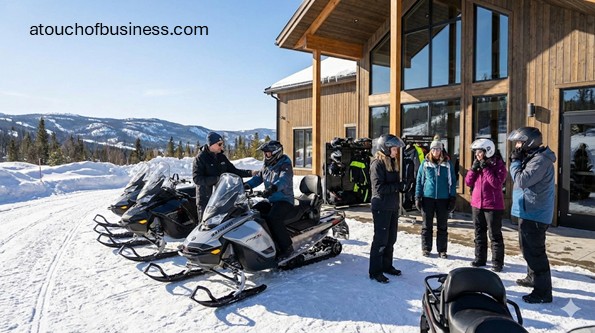
Starting a Snowmobile Rental Business: Key Setup Steps
Snowmobile Rental Business Overview
This business rents snowmobiles to customers for short time blocks, usually in a high-snow region with an established trail system and winter visitor traffic.
At launch, your job is to secure legal access to riding areas, assemble a safe starter fleet, set clear customer rules, and build the paperwork and payment flow so you can open without surprises.
Who This Business Serves
Most customers are visitors who want a winter activity but do not own a machine. You may also serve local riders who want to try a different model or need a machine for a trip.
Common customer types include families, couples, small groups, corporate outings, and guests referred by hotels, cabins, resorts, and outfitters.
- First-timers: Need safety briefing, basic controls, and a simple route plan.
- Experienced riders visiting the area: Care about machine type, trail access, and pickup timing.
- Groups: Need scheduling, waiver handling, and clear rider eligibility rules.
Products and Services You Can Offer at Launch
Keep your launch offers tight. Start with what you can deliver consistently with your initial fleet, location, and permits.
Build add-ons only if they do not create new licensing or land-access obligations in your area.
- Machine rentals: Hourly, half-day, full-day, multi-day.
- Safety gear: Helmet, goggles, gloves, cold-weather gear rental (when appropriate).
- Orientation package: Controls walk-through, rider rules, and emergency steps.
- Guided rides: Only if you have the right land permissions and guide staffing.
- Delivery and pickup: Limited zones, scheduled windows, clear staging rules.
- Trail access support: Helping customers locate the correct state trail registration or pass process (varies by state).
- Photo add-on: Optional ride photos if you can do it safely and legally on your chosen lands.
How This Business Generates Revenue
Most revenue comes from time-based rental charges tied to machine type and rental length. A second stream can come from gear rentals, guided experiences, and delivery fees.
Before you publish any prices, review pricing your products and services so your rate design matches your costs and your season length.
- Time blocks: Short rentals for new riders and day rentals for visitors with plans.
- Premium tiers: Higher-capability machines or newer models (when your fleet supports it).
- Guided experience fees: Often priced per rider, per trip block, with group sizing limits.
- Add-ons: Gear, delivery, and damage protection options (terms vary by provider and jurisdiction).
Pros and Cons to Weigh
This is a seasonal, weather-dependent business. The upside is strong winter demand in the right location, but the downside is you must build the business around a short window and strict safety needs.
Use business start-up considerations to pressure-test the time, capital, and risk you are taking on.
- Pros: Clear demand in winter destinations; repeat partner referrals from lodging; tangible assets; simple core offer at launch.
- Cons: Short season; variable snow; high up-front asset needs; land-access and permit complexity; safety and liability exposure.
Business Models and Scale Reality
You can launch small, but you still need enough machines to serve customers and cover downtime for repairs. A solo owner can start with a small fleet and tight scheduling, then scale as demand proves out.
A larger model is common in resort markets: more machines, more storage, more staffing, and often partner contracts with lodging or tour sellers.
- Small owner-led launch: Limited fleet, appointment-based pickups, seasonal helpers, strong partner referrals.
- Destination shop: Larger fleet, staffed counter, guided options, longer hours in peak weeks.
- Delivery-focused: Storage yard plus trailer logistics, fewer walk-in needs, more transport planning.
- Guided-only: Fewer machines per guide ratio, higher permit focus, stricter trip controls.
Essential Equipment and Setup Items
This list covers core items needed to launch. Your exact mix depends on your fleet size, whether you deliver machines, and whether you offer guided rides.
Build your starter list first, then compare it to your cash plan using estimating startup costs.
- Fleet and Riding Gear: Snowmobiles (starter fleet), spare key sets, helmets in multiple sizes, goggles, gloves, cold-weather outerwear options (if offered), high-visibility vests (optional).
- Transport and Staging: Enclosed or open trailers sized to your fleet plan, tie-down systems, loading ramps, trailer locks, wheel chocks, tow vehicle (if you handle delivery), reflective triangles or roadside kit.
- Safety and Emergency: First aid kits, emergency blankets, basic tool roll for trail fixes, tow straps, whistles, headlamps, two-way radios or satellite messengers where cell coverage is limited, fire extinguishers for shop and vehicles.
- Maintenance and Shop Basics: Basic hand tools, torque wrench, service stands or lifts (as needed), spare belts and common wear parts by model, shop air compressor, battery chargers/maintainers, diagnostic tools as required by your fleet, grease supplies and fluids per manufacturer specs.
- Fuel and Storage: Secure fuel storage that meets local fire code, approved fuel containers, spill kit, absorbent pads, locking storage cabinets for chemicals, winter-ready storage racks for helmets and gear.
- Facility and Customer Setup: Heated check-in space (as needed), seating area, secure storage for customer IDs and paperwork, signage for rider rules, secure key storage, cleaning supplies for helmets and gear.
- Admin and Booking: Computer or tablet, reliable internet, phone line, printer/scanner, secure document storage, payment processor hardware or app, booking and waiver system, card reader, locked cash drawer (if applicable).
Startup Cost Drivers and Rough Pricing Benchmarks
Your largest cost driver is the fleet. Manufacturer sites show many current-model machines listed with starting prices in the five-figure range, depending on category and trim.
For example, model listings on Ski-Doo’s U.S. lineup page and Arctic Cat’s snow lineup page publish “starting” prices by model, which you can use as a reality check while you gather dealer quotes.
- Fleet budget method: Price three options per machine type (new MSRP, used market, dealer fleet deal) and plan for downtime coverage with at least one extra unit or a clear service backup.
- Transport reality: If you deliver, trailers and tow capacity become a major part of your startup build.
- Facility and storage: Heated, secure storage reduces cold-start and theft risk, but raises lease and buildout needs.
- Season length: A shorter winter window forces higher daily utilization to reach the same revenue.
Skills That Matter Before You Launch
You do not need every skill on day one, but you do need a plan. You can learn, hire, or contract out the gaps.
If you want a structured way to build support, review building a team of professional advisors.
- Safety briefing and customer control: Clear instructions, calm communication, consistent rules.
- Basic mechanical understanding: Pre-ride checks, spotting wear, scheduling service, managing parts.
- Logistics: Trail access planning, staging, transport scheduling, weather awareness.
- Paperwork discipline: Waivers, ID checks, incident notes, damage documentation.
- Pricing and planning: Building rates from costs and season assumptions.
- Local rule checking: Comfort reading agency pages and calling offices for confirmation.
Typical Day-To-Day Work
Even before you open, the daily work is preparation. In-season, your day centers on inspections, customer readiness, and equipment turnover.
Keep your processes simple so a first-time customer can understand what happens next.
- Confirm bookings, rider eligibility, and pickup windows.
- Inspect each machine before it leaves: controls, lights, track condition, fuel level, and basic safety items.
- Run the customer briefing and verify paperwork completion.
- Stage machines for pickup or load for delivery.
- Document condition at return, flag damage, and schedule repairs.
- Clean and sanitize helmets and gear, then store them dry and secure.
A Day in the Life of the Owner
You start early because cold equipment and winter travel delays are real. You confirm the day’s bookings, check weather, and stage machines so customers are not waiting in the cold.
Most of your time goes to inspections, briefings, loading and unloading, and documenting condition at return. The rest is paperwork, vendor calls, and keeping your next week ready.
Red Flags to Spot Early
Most problems show up before you open. If you catch them early, you can change the plan before you commit to leases, fleet purchases, or advertising.
Look for warning signs tied to land access, safety control, and season math.
- No verified riding access: You cannot clearly document where customers may ride and under what permissions.
- Unclear state trail requirements: You do not know what registration, decals, or trail passes apply in your state and riding area.
- Weak storage plan: No secure, dry storage for machines, helmets, and fuel-related items.
- No written rental terms: You plan to “figure it out later” instead of using clear agreements and condition checks.
- Season mismatch: Your local winter window is too short for your planned debt load.
- Permit blind spot: You plan to guide or stage on public lands without verifying permit requirements first.
Before You Start
Start with fit. This business rewards people who can stay calm, follow rules, and do the same safety steps every time.
Passion matters because winter businesses have pressure points. Read why passion helps you stick with it and ask yourself: “Are you moving toward something or running away from something?”
Next, do a risk and responsibility check. You are responsible for customer readiness, equipment condition, and following local rules. That can affect your time, your cash, and your household schedule.
Then talk to owners in the same line of work, but only in a non-competing area. Use this business owner interview guide to keep the conversation focused.
- What surprised you most during your first season, and what would you change before opening?
- Which permits or land-access approvals slowed you down, and how did you confirm them?
- What fleet size felt “too small” once bookings started, and why?
Legal and Compliance Basics
Rules are location-driven. Your state trail system, your pickup site, and your riding lands decide most of your compliance work.
Use official agency pages first. When something is unclear, call the office that issues the license or permit and document what they tell you.
- Federal: Business structure selection affects taxes and liability. When it applies: before you register the entity. How to verify locally: Internal Revenue Service -> search “IRS business structures.” See IRS business structures.
- Federal: Employer Identification Number is the federal tax ID for many businesses. When it applies: before banking, payroll, or certain registrations. How to verify locally: Internal Revenue Service -> search “Employer identification number IRS.” See Employer identification number.
- Federal: If you hire employees, employers must complete Form I-9. When it applies: at the time of hire. How to verify locally: U.S. Department of Labor -> search “I-9 Central.” See I-9 Central.
- Federal: Commercial guiding or organized use on federal lands may require authorization. When it applies: if your trips or staging occur on U.S. Forest Service land, Bureau of Land Management land, or within a National Park Service unit. How to verify locally: land manager office -> search “commercial use authorization” or “special recreation permit” plus the site name. See U.S. Forest Service commercial special uses, BLM special recreation permits, and NPS commercial use authorizations.
- Federal: Fuel and oil storage rules can trigger spill-prevention planning based on site conditions and storage capacity. When it applies: if you store fuel or oil above certain thresholds or in certain conditions. How to verify locally: U.S. Environmental Protection Agency -> search “SPCC rule.” See SPCC overview.
- State: Business registration and assumed name rules vary. When it applies: before you open under a business name. How to verify locally: your state Secretary of State -> search “business entity search” and “register LLC” plus your state name. For a federal starting point, see SBA register your business.
- State: Sales and use tax permit rules vary by state and what you sell. When it applies: before you charge sales tax where required. How to verify locally: your state Department of Revenue -> search “sales tax permit” plus your state name.
- State: Snowmobile registration, decals, and trail passes vary by state and use type. When it applies: before you place machines into service and before customers ride on managed trails. How to verify locally: your state Department of Natural Resources or Department of Motor Vehicles -> search “snowmobile registration” and “snowmobile trail pass” plus your state name.
- City-County: General business license requirements vary by jurisdiction. When it applies: before opening to the public. How to verify locally: city or county business licensing office -> search “business license” plus your city or county name.
- City-County: Zoning and home-occupation rules may limit storage, parking, and customer traffic. When it applies: before signing a lease or using a home base. How to verify locally: planning and zoning department -> search “zoning code” and “home occupation” plus your city or county name.
- City-County: A Certificate of Occupancy (CO) may be required for a customer-facing space. When it applies: before opening a storefront or check-in site. How to verify locally: building department -> search “Certificate of Occupancy” plus your city name.
- City-County: Sign permits may apply to exterior signs. When it applies: before installing signage. How to verify locally: planning/building department -> search “sign permit” plus your city name.
- Accessibility: Public-facing facilities are often covered by Americans with Disabilities Act (ADA) Title III rules. When it applies: if you operate a place open to the public or make alterations. How to verify locally: ADA.gov -> read Title III overview and standards. See Businesses that are open to the public and ADA accessibility standards.
Varies by Jurisdiction
Do not assume your rules match the next town over. Confirm your exact requirements based on your address, your riding lands, and whether you guide or only rent equipment.
If you want a clean workflow for location choices, review business location planning before you commit to a lease or storage yard.
- Storefront or yard: Will you have customers on-site, or will everything be pickup and delivery?
- Employees in the first 90 days: Will you hire seasonal staff right away or run lean at first?
- Riding lands: Will customers ride only on state-managed trails, private property, or federal lands with separate permit rules?
Startup Step 1: Choose Your Operating Style and Capacity
Start by deciding what you will offer on day one. Will you rent machines for self-guided rides, run guided trips, deliver to lodging, or focus on a pickup site near a trailhead?
Match that choice to your capacity. A small launch can work with a limited fleet and appointment scheduling, while a destination shop model usually needs more machines and staff coverage.
Startup Step 2: Pick Your Service Area and Confirm Riding Access
Choose the exact riding area you will support. Your business is tied to snow reliability, trail access, and where customers can legally operate machines.
If your plan touches public lands, confirm permit needs early. The U.S. Forest Service, Bureau of Land Management, and National Park Service can require commercial authorizations depending on the use and location.
Startup Step 3: Validate Demand and Profit Potential
Confirm that enough riders will show up during your season, at rates that can support your fleet costs. Use competitor checks, lodging occupancy patterns, and local tourism trends.
Use supply and demand basics to frame your research, then call non-competing owners to compare what you found.
Startup Step 4: Set Rider Eligibility Rules and Safety Limits
Define who can rent, who can ride, and what conditions stop a trip. Your state may have age rules, safety training rules, and trail requirements that affect customer eligibility.
Write these rules before you advertise. Your staff and your customers need the same message every time.
Startup Step 5: Build Your Starter Fleet Plan
Choose a small set of machine types you can maintain well. Standardizing your fleet makes parts, training, and customer instruction easier.
Decide how you will handle downtime. If a machine is out for repair during peak season, you need a backup plan that does not break your schedule.
Startup Step 6: Lock In Service Support and Parts Access
Before you buy machines, line up service support. Know who will handle warranty work, major repairs, and parts ordering in-season.
If you plan to do repairs yourself, confirm you can get the service information, tools, and parts for your chosen models.
Startup Step 7: Build Your Rental Terms, Waiver Flow, and Condition Checks
Create written terms that cover rider rules, return timing, damage handling, and what happens if weather changes. Your paperwork should be simple enough to complete quickly, even on a cold day.
Pair the terms with a consistent condition check process at checkout and return. Photos and clear notes reduce disputes later.
Startup Step 8: Set Your Pricing Structure
Price by time blocks that match real customer behavior in your market. Visitors often want half-day and full-day options, while locals may want shorter blocks.
Use your cost estimates to choose rates, then sanity-check them against local competition. Review pricing guidance so your structure matches your fixed costs and your season length.
Startup Step 9: Write a Simple Business Plan
Write the plan even if you do not need a loan. It forces you to define your market, your fleet plan, your startup build, and your break-even assumptions.
If you want a structured outline, use how to write a business plan and keep it focused on launch decisions.
Startup Step 10: Decide on Funding and Your Banking Approach
Match funding to scale. A small launch might start with personal savings and a tight fleet, while a larger destination plan often needs financing and more working cash for the season.
If you need financing, review how to get a business loan so you know what lenders expect. Open a dedicated business account and keep your transactions separate from personal spending.
Startup Step 11: Choose a Legal Structure and Register the Business
Pick a structure that fits your risk level and growth plan. Many owners start small as a sole proprietorship and later move to a limited liability company (LLC) as the business grows, but your best choice depends on your situation.
Use how to register a business as a guide, and confirm your state steps through your Secretary of State office.
Startup Step 12: Set Up Tax Accounts and Required Employer Steps
Get an Employer Identification Number (EIN) if you need it for banking, payroll, or entity setup. Use official Internal Revenue Service guidance so you do it correctly.
If you hire, you must follow federal employment verification steps and your state employer account rules. Confirm sales tax setup with your state Department of Revenue if it applies to your transactions.
Startup Step 13: Apply for Local Licenses, Permits, and Land Authorizations
Now match your plan to your real-world location. You may need a general business license, zoning approval, a Certificate of Occupancy (CO), and sign permits, depending on where you operate.
If you guide trips or stage customers on public lands, confirm the commercial authorization steps with the correct land manager for your exact area.
Startup Step 14: Secure Insurance and Build Risk Controls
Insurance choices depend on your model: customer-facing location, delivery transport, and whether customers ride on managed trails or private property. Some permits can require proof of coverage as a condition of authorization.
Use business insurance guidance to build a coverage checklist, then confirm details with a licensed insurance professional in your state.
Startup Step 15: Name the Business and Claim Your Online Basics
Pick a name that is easy to say, easy to spell, and available for registration. Then secure a matching domain and social handles before you print anything.
Use this business name selection guide so you check the practical issues early.
Startup Step 16: Build Proof Assets and a Simple Booking Path
Create only what you need to launch: a basic website, clear policies, and a booking path that captures the essentials. If you need help, see an overview of developing a business website.
For physical materials, consider your corporate identity basics, business cards, and any required signage. See corporate identity considerations, what to know about business cards, and business sign considerations.
Startup Step 17: Prepare the Physical Site and Storage
Set up secure storage for machines, gear, and fuel-related items. Plan traffic flow so pickups and returns do not create parking or safety problems.
If you operate a public-facing site, confirm accessibility requirements and buildouts before opening so you do not have to redo work later.
Startup Step 18: Hire and Train Only What You Need for Launch
If you need staff in the first season, keep roles simple: check-in, briefings, staging, and basic turn-around tasks. Seasonal hiring is common in winter markets, but your timeline depends on your opening date.
Use how and when to hire to plan timing and reduce last-minute scrambling.
Startup Step 19: Set Up Payments, Invoicing, and Customer Documentation
Set up a secure way to accept payment, store documents, and issue receipts. Your system should also support deposits or holds if you use them, and it should document what was rented and when.
Keep your recordkeeping consistent from day one so you can track rentals, damage notes, and refund situations without confusion.
Startup Step 20: Launch Your Marketing Plan and Partner Outreach
Start with partnerships that already reach winter visitors: lodging, resorts, cabin owners, and visitor centers. Make it easy for them to understand your offer and how customers book.
If you plan a kickoff event, use grand opening ideas as a checklist for timing and basic promotion steps.
Startup Step 21: Run a Pre-Opening Readiness Check
Do a final pass before your first customer arrives. Confirm that licenses and permits are in place, land access is verified, and your fleet is inspected and staged.
Then run your full customer flow with a test booking, from booking to briefing to return documentation. Fix what feels slow or unclear before opening day.
Quick Recap and Fit Check
You can build this business by proving your riding area, locking in the right permissions, and launching with a fleet size you can support. Your early focus is safety consistency, clean paperwork, and a simple customer path.
A Snowmobile Rental Business fits you if you can follow strict routines, stay calm with customers, and do the same checks every time, even on a busy winter weekend.
Final self-check: are you willing to do the preparation work now so opening day feels controlled, not chaotic?
101 Tips to Start & Run a Snowmobile Rental Business
You will find tips here that cover both the big startup choices and the small habits that keep this business steady.
Use the tips that fit your stage right now, and save the rest for later.
Bookmark this page so you can come back as you move from planning to launch and then into daily work.
Start with one tip, put it to work, and then return for the next step.
What to Do Before Starting
1. Study your local snow season first. Your launch plan should match when trails open, when snow is reliable, and when tourism peaks in your area.
2. Decide what you will offer before you spend on equipment. A guided ride business, a self-guided rental business, and a resort shuttle add-on all need different permits, staffing, and gear.
3. Check whether your area has enough legal places to ride. A strong trail network, access points, and parking often matter more than having a low-rent building.
4. Visit local competitors as a customer and write down what you see. Focus on fleet size, booking process, waiver process, and how they handle beginner riders.
5. Build a simple demand test before buying machines. Call hotels, lodges, and visitor centers and ask what snowmobile rental requests they get each winter.
6. Look at your weather risk, not just your business idea. A short or weak snow season can cut sales fast, so plan for variable winter conditions from the start.
7. Pick your customer mix early. Tourists, families, experienced riders, and corporate groups each need different ride lengths, gear packages, and safety support.
8. Decide if you will launch small or go big. A small owner-run setup can start with a limited fleet, while a destination operation often needs more units, more staff, and more funding.
9. Talk to at least three non-competing owners in another region. Ask what they wish they knew before buying their first fleet, what permit issue slowed them down, and what customers ask most before booking.
10. Review your own fit for the work. This business is seasonal, weather-dependent, and safety-heavy, so it suits people who can stay calm and organized when conditions change.
11. Be honest about your reason for starting. Ask yourself, “Are you moving toward something or running away from something?”
12. Make a startup checklist with deadlines tied to the first day of reliable snow. Work backward so permits, insurance, fleet prep, and booking systems are ready before demand starts.
What Successful Snowmobile Rental Business Owners Do
13. They choose a business model that matches their budget and time. Start with half-day and full-day rentals if you need a simpler launch, then add guided rides later.
14. They set a clear standard for the kind of customer experience they will offer. “Fast check-in,” “beginner-friendly,” or “premium guided adventure” each leads to different staffing and equipment choices.
15. They pick a legal structure that fits their risk level and growth plan. Many first-time owners start simple, then move into a limited liability company (LLC) as the business grows and risk increases.
16. They estimate startup costs by category instead of one total number. Break it into fleet, trailers, safety gear, building setup, insurance, permits, and reserve cash.
17. They build a reserve for a poor snow year. A weather-dependent business needs extra cash to handle a late season or short season.
18. They treat fleet size as a demand decision, not a guess. Start with the number of units you can maintain well, store safely, and book consistently.
19. They write a basic business plan even if they are not asking for a loan. A written plan helps you check your pricing, season assumptions, and launch timeline.
20. They set pricing after reviewing all time-based costs. Include prep time, check-in time, fueling, cleaning, transport time, and downtime between rentals.
21. They define add-on revenue early. Helmets, outerwear, goggles, trailers, fuel plans, damage protection options, and guided upgrades can affect your launch budget.
22. They open a business bank account before taking deposits. Keep personal and business transactions separate from day one so your records stay clean.
23. They choose a business name that is easy to say, spell, and search locally. Check domain availability and social media handles before you order signs.
24. They build a small advisor group early. A lawyer, accountant, insurance agent, and mechanic can save you from expensive delays during setup.
Legal and Compliance Basics
25. Register your business in the right order for your state. Your location and business structure affect what you file and where you file it.
26. Get an Employer Identification Number from the Internal Revenue Service if your setup requires it or if you need it for banking and tax filings. The Internal Revenue Service provides this directly on its official site.
27. Check state and local licensing rules before you sign a lease. Some places require a general business license, and some add local registration steps.
28. Verify your sales tax rules with your state revenue agency. Rental charges and gear sales may be taxed differently depending on the state.
29. Confirm whether your business name needs an assumed name filing. This often applies when your operating name is different from your legal entity name.
30. Check zoning before choosing a home base. Snowmobile storage, trailer parking, repairs, and customer traffic can trigger limits even in rural areas.
31. Ask the city or county if your site needs a Certificate of Occupancy before opening to the public. This is common when you change how a building is used.
32. Verify sign rules before ordering outdoor signs. Many towns limit size, lighting, placement, and permits for roadside signage.
33. If you plan to operate on public land, ask the land manager about commercial permits first. Federal land agencies often require a permit for guided or commercial recreation services.
34. Do not assume one public-land permit covers every route. National Forest land, Bureau of Land Management land, and National Park Service land can have separate permit systems and rules.
35. Check insurance requirements tied to permits and leases. Land managers, landlords, and lenders may each require specific coverage and proof before you can launch.
36. Keep a compliance binder from the start. Store registrations, permits, insurance certificates, and inspection records in one place so you can respond quickly when asked.
Fleet, Gear, and Site Setup
37. Choose fleet types based on the riders you expect, not what looks best. Beginner-heavy markets usually need stable, easy-to-use machines and simple controls.
38. Limit the number of different models in your first season. A more uniform fleet makes parts stocking, mechanic training, and maintenance scheduling easier.
39. Buy units only after confirming local registration and trail requirements. State rules can affect decals, trail access, and where you can legally operate.
40. Set a clear standard for minimum equipment condition before any unit enters service. Launch with a written inspection list for brakes, lights, throttle, track, skis, and emergency shutoff.
41. Build your gear inventory around rider safety and fit range. At minimum, plan for helmets, eye protection, and weather-ready outerwear in multiple sizes.
42. Add spare gear for same-day replacements. Wet gloves, broken buckles, and size changes are common and can delay departures if you are not ready.
43. Choose a location with easy trailer access and snow removal capacity. Tight lots and poor plowing can create delays before your first customer even arrives.
44. Create a check-in area that handles cold-weather traffic. You need space for waivers, sizing gear, payment, and safety briefings without crowding.
45. Plan secure storage for fuel and fluids. Ask the local fire authority what storage and handling rules apply to your site and volume.
46. Set up a warm indoor area for staff and customers if possible. Cold hands and rushed paperwork create errors during check-in.
47. Use labeled storage for helmets, goggles, gloves, and suits. A simple storage system speeds up prep and reduces missing gear.
48. Buy or contract winter-ready transport equipment if you move units to trailheads. Trailer reliability can stop your day before the rentals begin.
49. Choose a payment system that works in low-connectivity conditions. Some trail areas and rural lots have weak service, so test your setup before launch.
50. Take photos of your fleet, gear, storefront, and staging area before opening. You will need these for listings, social media, and proof of condition records.
What to Know About the Industry (Rules, Seasons, Supply, Risks)
51. Treat weather as a core business factor, not a side issue. Your pricing, staffing, and booking rules should all account for changing snow and trail conditions.
52. Follow local National Weather Service alerts every day you operate. Warning thresholds vary by region, so a weather alert in one area may mean something different in another.
53. Set a written rule for when you pause or cancel rides. Use visibility, wind, snowfall rate, trail condition, and temperature thresholds so staff do not guess.
54. Learn the trail system you plan to use in detail. Trail closures, road crossings, and local rules can change the ride plan quickly.
55. Check state snowmobile laws for helmet, speed, age, and operation rules. These rules vary by state and can affect who you can rent to and where they can ride.
56. Use state safety education rules as a screening step. Some states require safety certification for certain riders on public trails or public land.
57. Plan for season compression. A few strong weekends may produce most of your sales, so your launch needs to be ready before those dates.
58. Watch supplier lead times before the season starts. Parts, trailers, and cold-weather gear can become hard to get when demand rises.
59. Expect higher wear during icy or low-snow conditions. Build inspection time into your daily schedule when trail surfaces are rough.
60. Know where your liability risk is highest. First-time riders, changing weather, and road crossings need extra controls and clearer rules.
61. If you use public land, review permit terms closely before selling routes. Permit language may limit areas, dates, group size, or commercial activity type.
62. Track local tourism patterns, not just snow conditions. Holidays, school breaks, and event weekends often drive booking demand more than weekday weather alone.
Running the Business (Operations, Staffing, SOPs)
63. Write standard procedures before you hire staff. Cover booking, check-in, gear fitting, machine handoff, returns, and incident reporting.
64. Train every team member on the same customer script for safety rules. Consistent language reduces confusion and lowers risk.
65. Assign one person to confirm trail and weather status before the first booking each day. This should be a daily opening task, not an afterthought.
66. Use a written pre-rental inspection form for each machine. A quick signed record protects you and helps catch problems early.
67. Use a written post-return inspection form too. Damage is easier to address when you check immediately and document condition at return.
68. Set turnaround standards for fueling, cleaning, and staging. Fast turns are useful only if your inspection and safety checks stay complete.
69. Schedule maintenance blocks into your booking calendar. If you book every hour, repairs will pile up and service quality will drop.
70. Cross-train staff for check-in, gear support, and yard setup. Small teams work better when one absence does not stop departures.
71. Train staff on emergency response roles before opening day. Everyone should know who calls for help, who stays with the group, and who documents the event.
72. Create a simple incident log and use it every time. Small patterns in near-misses often reveal a weak process before a serious event happens.
73. Keep daily records for bookings, cancellations, weather holds, and equipment downtime. These numbers help you improve pricing and staffing next season.
74. Hold short end-of-day reviews during the season. Ten minutes is enough to note what failed, what slowed departures, and what needs fixing before tomorrow.
Marketing (Local, Digital, Offers, Community)
75. Build a simple website with clear essentials first. Include hours, location, what is included, who can ride, and how weather cancellations work.
76. Use real photos of your fleet and local riding area. Clear photos build trust faster than generic winter images.
77. Create a local business profile on major search and review platforms. Keep your hours, phone number, and winter season dates accurate.
78. Partner with hotels, lodges, and vacation rentals before launch. Give them a simple referral process and a short sheet of your booking rules.
79. Focus your first marketing message on beginner confidence and safety. Many first-time riders care more about feeling prepared than getting the lowest price.
80. Publish a clear “what to bring” list before customers arrive. This reduces check-in delays and helps customers show up dressed for the weather.
81. Offer gift certificates and group bookings early in the season. These can help fill slower dates and bring in customers planning ahead.
82. Use weather-aware marketing updates. Post trail-ready days, fresh snow days, and schedule changes quickly so customers see active communication.
83. Build relationships with local tourism groups and chambers of commerce. They often share seasonal activity options and can help you reach visitors.
84. Plan a small opening-week launch, not a big event that strains your team. A controlled start helps you test your check-in and handoff process under real conditions.
Dealing With Customers (Trust, Education, Retention)
85. Set expectations before the customer pays. Explain ride options, age rules, weather limits, and what happens if trail conditions change.
86. Use plain-language waivers and policies. People sign more carefully when they understand what they are agreeing to.
87. Give a short, consistent safety briefing before every departure, even for experienced riders. Familiar riders still need your local rules and route hazards.
88. Ask each customer about riding experience during booking, not at the lot. This helps you assign the right machine and reduce same-day problems.
89. Fit helmets and gear carefully instead of rushing. Poor fit affects comfort, visibility, and rider confidence.
90. Build a beginner-friendly route option into your launch plan. Not every customer is ready for the longest or fastest ride on day one.
91. Make your cancellation and reschedule policy easy to find. Weather changes are common, and clear rules prevent arguments.
92. Ask for feedback right after the ride while details are fresh. Short questions about check-in, gear, and ride confidence give useful fixes for the next day.
Customer Service (Policies, Guarantees, Feedback)
93. Write your refund, damage, and late-return policies before opening. Staff need clear rules so customer decisions are fair and consistent.
94. Use a standard process for handling complaints. Listen first, document the issue, and respond with a clear next step the same day.
95. Track repeat questions from customers and turn them into pre-booking information. Every repeated question is a sign your website or booking message can improve.
96. Confirm bookings with a message that includes arrival time, what to wear, and your weather policy. This cuts no-shows and late arrivals.
97. Keep a simple lost-and-found system during the season. Gloves, phones, and keys are common and quick returns leave a strong impression.
98. Follow up after a problem ride or weather cancellation. A respectful follow-up can recover trust and often saves future bookings.
Staying Informed (Trends, Sources, Cadence)
99. Review state rule updates before each season. Snowmobile laws and trail requirements can change, and your rental rules must match current regulations.
100. Check your public-land permit sources before selling guided routes on federal land. Permit terms and application steps can change by office and by season.
101. Schedule a pre-season readiness review every year. Recheck weather procedures, insurance documents, pricing, fleet condition, and all launch documents before the first snow rush.
FAQs
Question: Can one person start a Snowmobile Rental Business, or do I need a team right away?
Answer: You can start small if you keep the fleet small and use a simple booking schedule. You still need backup help for busy days, transport, or repairs.
Question: What should I verify before I buy my first snowmobiles?
Answer: Verify legal riding access, local demand, and where customers will pick up and return machines. Also confirm state registration and trail permit rules for the area where you plan to operate.
Question: What business structure should I use when starting?
Answer: Many first-time owners start simple, then move to a limited liability company (LLC) as risk and assets grow. Pick the structure that fits your tax setup, liability needs, and growth plan.
Question: Do I need an Employer Identification Number (EIN) to open?
Answer: Many owners do, especially if they form an entity, hire staff, or open business banking. The Internal Revenue Service issues an Employer Identification Number (EIN) directly at no cost.
Question: What registrations and tax accounts do I need to set up first?
Answer: Start with your business registration, then check state sales tax and employer tax accounts if they apply. Your state revenue agency and local business office will tell you what is required for your address and setup.
Question: Which local approvals should I check before I sign a lease?
Answer: Check zoning, parking limits, outdoor storage rules, and whether a Certificate of Occupancy (CO) is required. Also ask about sign permits and any limits on customer traffic at the site.
Question: Do I need a special permit to run rides on public land or trails?
Answer: You may need a commercial permit if you guide trips or run business activity on public land. Ask the land manager for your exact route area before you sell any guided rides.
Question: What insurance should I have in place before launch?
Answer: Start with coverage for liability, property, and vehicles or trailers used by the business. Your landlord, lender, or permit office may require specific coverage and proof before you open.
Question: How do I estimate startup costs for this business?
Answer: Build your estimate by category, not one total number. Use separate lines for fleet, trailers, gear, facility setup, permits, insurance, software, and reserve cash.
Question: What equipment do I need besides the snowmobiles?
Answer: Plan for helmets, eye protection, cold-weather gear, transport trailers, tie-downs, tools, spare parts, and a check-in setup. You also need a payment system, waiver process, and secure storage for gear and fuel-related items.
Question: How do I choose suppliers and service support before opening?
Answer: Choose dealers and vendors based on parts access, repair turnaround, and in-season support, not just unit price. Ask how they handle urgent repairs during peak winter weeks.
Question: How should I set pricing before I open?
Answer: Set rates by time block and build them from your real costs, not guesswork. Include prep time, check-in time, cleaning, fueling, and downtime between rentals.
Question: What should my daily opening workflow look like?
Answer: Start with weather and trail checks, then inspect each machine and stage gear by booking. Confirm waivers, verify rider eligibility, and use the same safety briefing every time.
Question: What systems help reduce damage disputes and paperwork problems?
Answer: Use a standard checkout and return inspection form for every rental. Add time-stamped photos and clear notes at handoff and return so you have a clean record.
Question: When should I hire staff, and which roles come first?
Answer: Hire before your first peak weekend, not after you feel overwhelmed. First roles are usually check-in support, gear fitting, and lot or trailer staging.
Question: What numbers should I track every week?
Answer: Track bookings, cancellations, machine downtime, average rental length, and revenue per machine. Also track repairs, refund volume, and weather-related closures so you can improve next season.
Question: How do I manage cash flow in a short winter season?
Answer: Build reserve cash before the season and protect it for fixed bills and repairs. Do not spend peak-week income too early, because weather can change your schedule fast.
Question: What kind of marketing works best for a new rental business in a snow area?
Answer: Start with local partnerships like lodges, cabins, and visitor centers because they already reach winter travelers. Keep your website simple and clear, with rules, what is included, and weather policy details.
Question: What are the most common mistakes new owners make?
Answer: The biggest problems are opening without verified riding access, weak paperwork, and too little repair backup. Another common issue is buying too many machines before demand is proven.
Related Articles
- Starting an ATV Dealership
- Starting an ATV Repair Shop
- How to Start a Bike Rental Business
- Starting a Boat Rental Business
- Start a Canoe and Kayak Rental Business
- Start a Beach Gear Rental Business
- Start a Car Rental Business
Sources
- IRS — Employer identification number
- IRS — Business structures
- SBA — Register your business
- SBA — Get business insurance
- USCIS — I-9 Central
- Wisconsin DNR — Snowmobile registration
- Michigan DNR — Snowmobile permits and requirements
- U.S. Forest Service — Commercial special uses
- U.S. Forest Service — Outfitter permits
- BLM — Special recreation permits
- National Park Service — Commercial use authorizations
- National Weather Service — Winter warnings
- OSHA — Cold stress
- EPA — SPCC overview
- ADA.gov — Businesses open to the public
- U.S. Access Board — ADA accessibility standards
- Arctic Cat — Snow lineup pricing
- Ski-Doo — Lineup starting prices