
Plan Your Location, Permits, Equipment, and Pricing
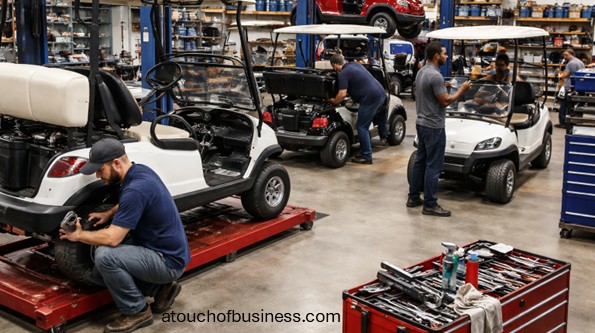
Golf Cart Repair Shop Overview
A Golf Cart Repair Shop focuses on diagnosing and fixing golf carts and similar small utility carts. Some shops work only on electric carts, while others also service gas carts.
Most startups begin small. You can start solo as a mobile technician, or open a small storefront with one or two service bays and grow from there.
Is This the Right Fit for You?
It’s tough when you want a fresh start and you are looking for something practical you can build. This type of business can be a solid path, but only if the day-to-day work fits you.
Your first job is to decide if owning and operating a business is for you, and if this business is the right fit. Before you go further, read Business Start-Up Considerations so you know what you are signing up for.
Passion matters more than people expect. When a diagnosis is stubborn, a part is delayed, or a customer changes the story mid-repair, passion helps you persist and solve problems. Without it, many people look for an exit instead of solutions, so take a minute to review why passion matters in business.
Ask yourself this exact question: “Are you moving toward something or running away from something?” If you are starting only to escape a job or a financial bind, that may not sustain motivation when the work gets demanding.
Now get real about responsibility and readiness. Are you prepared for uncertain income, long hours, difficult tasks, fewer vacations, and full responsibility?
Is your family or support system on board? Do you have the skills (or can learn them) and can you secure funds to start and operate?
Also, learn from owners, but be smart about it. Only talk to owners you will not be competing against. That usually means a different city, region, or service area.
Here are a few strong questions to ask non-competing owners:
- What repairs show up most often, and what jobs did you stop offering because they caused too many problems?
- What did your first realistic equipment list look like, and what did you wish you bought sooner?
- What surprised you about permits, zoning, or inspections in your area?
If you want a quick reality check on the work, the pace, and the decision load, read Business Inside Look.
Startup Steps
The steps below are written for a first-time owner. Keep it simple, do it in order, and avoid skipping the parts that feel boring. The boring parts are usually the parts that protect you later.
Step 1: Choose Your Service Scope and Your Launch Style
Start by deciding what you will work on and where you will work. Electric-only is common for solo startups. Adding gas carts can expand demand, but it also adds tools, fluids, and more safety planning.
Decide if you will launch as mobile-only, storefront-only, or a mix. Mobile can lower startup needs. A storefront can improve drop-off convenience and can support faster growth if demand is there.
Be clear about whether this will be full time or part time. Part time can work if you keep your scope tight and scheduling realistic.
Step 2: Decide How You Will Cover Skills Gaps
You do not need every skill on day one, but you do need a plan. Electrical diagnostics, battery safety, and brake and steering basics are common requirements.
If you are not confident in diagnostics, invest in training before you open. If you do not want to handle certain work, you can build referral relationships and keep your service list focused.
Step 3: Confirm Local Demand Before You Commit
Verify demand where you plan to work. Look for golf courses, resorts, retirement communities, campgrounds, campuses, and large properties that rely on carts.
Then review who already serves them. Check dealer service departments, independent repair shops, and mobile technicians. Use what you learn to refine your scope and your service area.
If you want a simple way to think about demand, review how supply and demand works in business and apply it to your local market.
Step 4: Validate Profit Potential, Not Just Interest
Demand alone is not enough. You need pricing that can cover parts, supplies, tools, rent or vehicle costs, taxes, and still pay you.
Build a basic pricing plan early. You can start with a simple labor rate and clear add-ons for mobile travel and after-hours work, then refine as you learn your true costs.
If you need help thinking through pricing structure, use pricing your products and services as a guide.
Step 5: Pick a Business Model and Staffing Plan You Can Actually Support
Most startups begin solo, then add help when demand becomes steady. You can also start with a partner if roles are clear, such as one person focused on repairs and the other focused on scheduling, quotes, and customer communication.
Investors are not required for a small launch, but they may show up if you plan a larger facility with multiple bays and fleet contracts. Match your funding approach to your scale.
Decide what you will do yourself now and what you will hire later. If you want guidance on timing hires, review how and when to hire so you avoid overcommitting too soon.
Step 6: Choose a Location and Confirm It Is Allowed
If you will be location-based, convenience matters. Customers want easy drop-off and pickup, and fleets want predictable access and scheduling.
Before you sign a lease or set up at home, confirm zoning rules, home-occupation limits, and whether you need a Certificate of Occupancy (CO). These rules vary widely by city and county.
Use this business location guide to think through access, parking, and visibility without overbuilding your first site.
Step 7: Build Your Essentials List and Collect Real Price Quotes
Write down the essential tools, diagnostic gear, safety items, storage, and office basics you need to open. Then collect pricing estimates from multiple suppliers.
Your scale drives the totals. A mobile launch can be lean. A storefront with chargers, benches, storage, and safety controls will cost more.
For a structured way to build your numbers, use this startup cost estimating guide and price your list line by line.
Step 8: Line Up Suppliers and Parts Sources Early
Parts access can make or break your launch pace. Identify where you will buy batteries, chargers, cables, brake parts, tires, and common electrical components.
Ask suppliers about returns, core handling, and expected lead times. Also confirm what documentation you need to open a trade account.
Step 9: Write a Business Plan and Build Your Financial Setup
A business plan helps even if you never borrow. It forces you to define your scope, your customer targets, your startup budget, and what “open” looks like.
If you want a practical format, use how to write a business plan and keep it focused on launch steps and costs.
Next, set up business accounts at a financial institution and keep transactions separate from day one. If you plan to borrow, review how business loans work so you understand what lenders typically ask for.
Step 10: Form the Business and Register for Taxes
Pick a legal structure that matches your risk and your scale. Many small businesses start as sole proprietorships and later form an LLC as they grow, because an LLC can offer liability and structure benefits as the business expands.
Register your entity through your state’s Secretary of State (or equivalent business filing office). The U.S. Small Business Administration outlines the basic process in Register your business.
Get an Employer Identification Number (EIN) if you need one. The Internal Revenue Service explains how to apply in Employer identification number.
Set up the state tax accounts that apply to you. The U.S. Small Business Administration summarizes federal and state tax identification steps in Get federal and state tax ID numbers.
Step 11: Apply for Licenses, Permits, and Local Approvals
Most licensing and permit rules are local. You may need a general business license, zoning approval, building approvals, and signage approval.
Start with the U.S. Small Business Administration overview in Apply for licenses and permits, then confirm details with your city and county portals.
Step 12: Set Safety, Chemical, and Waste Handling Basics Before Opening
If you will have employees, review the Occupational Safety and Health Administration (OSHA) requirements for Hazard Communication in the Hazard Communication Standard.
If you will handle used oil, start with the Environmental Protection Agency guidance in Managing used oil questions and confirm your state rules.
If you will store or ship batteries, review the Environmental Protection Agency overview in Universal waste program and verify how your state manages batteries and other universal wastes.
Step 13: Set Insurance Coverage Based on Your Real Risks
Plan insurance early because landlords and fleet contracts may require proof before you start work. At minimum, plan general liability coverage.
Then match coverage to your setup. Common add-ons include property and equipment coverage (for shop tools), commercial auto (for mobile work vehicles), and workers’ compensation if you hire.
For a clear starting point, review business insurance basics and bring your exact services and location details to an insurance agent.
Step 14: Lock In Your Name, Domain, and Online Basics
Choose a business name that is easy to say and easy to remember. Then check availability through your state filing office and secure the matching domain and social handles.
Use this naming guide to avoid common naming traps and to think through how the name will look online and on a sign.
Set up a basic website with your services, service area, and contact options. If you need a simple framework, use an overview of building a business website.
Step 15: Create the Brand Assets You Need for Launch
You do not need a fancy brand, but you do need consistency. A clean logo, simple colors, and readable fonts help your website, signage, and printed materials match.
At minimum, plan business cards and basic signage. Use what to know about business cards and business sign considerations to get the basics right.
If you want a more complete set of brand materials, review corporate identity package considerations.
Step 16: Set Customer Paperwork and Payment Tools Before You Take Your First Job
Set up estimate templates, authorization language, and clear customer communication steps. This protects you and reduces confusion when repairs expand beyond the first diagnosis.
For consumer-facing repair expectations, review the Federal Trade Commission guidance in Auto Repair Basics, then confirm what your state requires for estimates and approvals.
Choose how you will accept payment and how you will issue invoices. Set this up before launch so you are not scrambling during your first week.
Step 17: Set Up the Space, Storage, and Job Flow
If you have a shop, plan a simple layout that keeps tools, parts, and carts organized. You also need safe storage for chemicals, batteries, and waste containers.
If you are mobile, set up your vehicle so tools are secured, parts are protected, and you can work safely on-site where allowed.
Step 18: Pre-Launch Marketing and Your Opening Plan
Start marketing before you open. Your first goal is not popularity. Your first goal is predictable leads from the right customers.
If you will rely on local walk-in or drop-off traffic, use how to get customers through the door to plan simple, local visibility steps.
If you plan an opening event, keep it small and focused. Use ideas for a grand opening and tie it to local outreach, not hype.
Pre-Opening Checklist for a Golf Cart Repair Shop
This is your final pass before you open. The goal is to confirm you are legal, equipped, and visible enough to take the first job without chaos.
- Confirm your entity registration and tax accounts are active.
- Confirm local approvals are complete, including zoning and Certificate of Occupancy (CO) if required.
- Confirm insurance is active and you have proof documents ready for leases and contracts.
- Confirm supplier accounts are open and you can order common parts quickly.
- Confirm your estimate and authorization templates are ready.
- Confirm invoicing and how you accept payment are tested.
- Confirm safety items, labeled storage, and waste pickup plans are in place.
- Confirm your website is live and your contact channels work.
- Schedule your first outreach push to fleets and local property managers.
How Does a Golf Cart Repair Shop Generate Revenue?
Revenue usually comes from labor charges for diagnostics and repairs, plus parts sold as part of the repair. Many shops also charge for mobile travel when repairs are done on-site.
Fleet work can add steady revenue if you secure service agreements with golf courses, resorts, and large properties. For most startups, it is smart to prove your process on smaller jobs before chasing large fleet contracts.
Common Products and Services Offered
Your early service list should match your skills, tools, and parts access. Start with high-frequency repairs you can handle safely and consistently.
- Electrical diagnostics and wiring repairs
- Battery testing, replacement, and charger troubleshooting
- Brake inspection and repair
- Steering and suspension component replacement
- Tire and wheel service
- Accessory installs such as lights, mirrors, and basic safety add-ons
Typical Customer Types
Knowing your customer types helps you shape your launch plan and your service area. It also helps you predict what repairs you will see most often.
- Golf courses and golf facilities
- Resorts, hotels, and event venues
- Retirement communities and gated communities
- Campgrounds and parks
- Campuses and large private properties
- Individual cart owners
Business Models You Can Start With
Pick a model that matches your budget and how you want to work. You can always evolve later after you prove demand and profit.
- Mobile repair only
- Small storefront with one or two service bays
- Hybrid model with a small shop plus mobile calls
- Fleet-first service focused on scheduled maintenance and fast turnaround
- Specialty focus such as battery and charging systems
Essential Equipment and Supplies
This list is organized to help you build your startup budget. Keep your list realistic and price each item based on your launch model and scope.
Shop Infrastructure
These items support safe and organized work. Mobile-only startups may not need every item listed here.
- Workbenches and secure tool storage
- Strong lighting
- Parts shelving and labeled bins
- Floor jack and jack stands
- Torque wrenches
- Battery charging area setup appropriate for your location
Mechanical Hand Tools
Plan for both standard and metric tools. Golf carts vary by brand and model year.
- Socket sets, ratchets, extensions
- Combination wrenches
- Screwdrivers and pliers
- Cutters and crimpers
- Pry bars, hammers, punches, picks
- Fastener extraction tools
Electrical Diagnostic Gear
Electrical troubleshooting is common. Diagnostics equipment is a core requirement if you want consistent results.
- Digital multimeter
- Clamp meter
- Battery load tester or battery analyzer appropriate to your battery type
- Test leads, alligator clips, jumper leads
- Wiring repair supplies such as connectors, heat shrink, and quality wire
- Insulated tools appropriate for electrical work
Battery Handling and Shop Safety
Battery work introduces chemical and electrical risk. Plan your gear and your storage before you accept your first battery job.
- Battery carrying straps or handling tools
- Terminal cleaning tools
- Corrosion control supplies as needed
- Spill cleanup supplies appropriate to the chemicals you use
- Eye protection and face protection
- Chemical-resistant gloves as needed
- First aid kit
- Fire extinguisher appropriate to local code
Tire and Wheel Tools
You can start simple and expand later. Your customer base will determine how much tire work you should keep in-house.
- Air compressor
- Tire pressure gauge
- Valve core tools
- Tire repair supplies
- Tire changing equipment if you plan to mount tires in-house
Fluids and Waste Handling Tools
If you service gas carts, you may need fluids handling tools. Even electric-only businesses should plan for proper waste storage when applicable.
- Drain pans and funnels
- Sealed containers for used oil storage when applicable
- Labeled containers for used batteries and other regulated waste as applicable
- Rags, wipes, and drip trays
Skills You Need to Launch Confidently
You do not need to be perfect, but you do need to be safe and consistent. Your first customers judge you by outcomes and clarity.
- Electrical troubleshooting and basic circuit testing
- Battery safety awareness and safe handling practices
- Brake, steering, and suspension repair fundamentals
- Comfort reading service documentation and wiring diagrams
- Clear written estimates and customer communication
What the Day-to-Day Work Looks Like
This is not a full operations guide. It is a quick view of what the work tends to include so you can judge fit before you commit.
- Review scheduled jobs and confirm parts availability
- Inspect the cart and document the reported issue
- Diagnose the cause using tests, not guesses
- Write an estimate and get approval before expanding scope
- Complete repair and confirm performance in a controlled setting
- Order parts and manage returns and cores
- Maintain basic records for estimates, approvals, invoices, and warranty notes
A Day in the Life for a New Owner
Most new owners start the day with a plan and end the day with paperwork. That is normal. The goal is to build a routine that keeps you organized and safe.
You may start with diagnostics in the morning, then switch to repairs once approvals come back. Later in the day, you may receive parts, update customers, and schedule the next set of jobs.
At the end of the day, you close out invoices, file job records, and confirm tomorrow’s parts and schedule. If you keep it consistent, you reduce stress and avoid preventable errors.
Red Flags to Watch For Before You Commit
These issues can stall your launch or create compliance and safety problems. Catch them early and fix them before you open.
- You cannot get zoning approval for repair activity at your chosen address.
- You cannot obtain a Certificate of Occupancy (CO) when one is required for the space.
- You do not have a clear plan for used oil and battery handling where applicable.
- You do not have reliable parts sources for the brands common in your area.
- You do not have clear written estimate and authorization steps.
- You plan to hire but have not reviewed Hazard Communication requirements for workplace chemicals.
Varies by Jurisdiction
Registration, licensing, zoning, and waste rules are location-specific. Do not guess. Verify your requirements using official portals and local offices.
- State entity registration: use your state’s Secretary of State business filing portal and confirm naming rules and filings.
- Tax registration: use your state revenue or taxation agency to confirm sales tax and employer accounts that apply.
- City and county licensing: search your city or county “business license” portal and confirm rules for repair activity.
- Zoning and building approvals: contact your local planning and building departments to confirm allowed use, inspections, and Certificate of Occupancy (CO) requirements.
- Environmental rules: check your state environmental agency for used oil and battery handling requirements that apply to your setup.
Smart questions to ask your local offices:
- If I run mobile repairs, where is repair work allowed and where is it not allowed?
- Does my address require a Certificate of Occupancy (CO) for this type of repair work?
- What local approvals apply to signage, parking, and storage of carts on-site?
If you want extra support, build a small team of pros. An accountant, attorney, and insurance agent can help you do it correctly without feeling overwhelmed. Use building a team of professional advisors as a starting point.
101 Tips for Building a Solid Golf Cart Repair Shop
These tips are meant to give you options, not a rigid plan.
Focus on what matches your current stage and ignore the rest for now.
Bookmark this page so you can come back when you hit the next hurdle.
For best results, test one tip at a time and track what changes.
What to Do Before Starting
1. Decide if you will launch as mobile-only, shop-only, or a mix, because each choice changes your costs, permits, and equipment needs.
2. Pick your initial scope: electric carts only, gas carts only, or both, so you do not buy tools you will not use in your first 90 days.
3. Set clear boundaries for what you will not do at launch (for example: frame welding or internal battery pack rebuilds) to avoid high-risk work before you have processes.
4. Identify the most common cart brands and models in your area before you choose parts sources, since parts availability varies by brand and year.
5. Secure access to official manufacturer manuals for the brands you plan to service, because diagnostics is faster when you have correct wiring diagrams and procedures.
6. Learn battery hazards and safe handling before you touch your first pack, because acid exposure and high current can cause serious injury.
7. Practice basic electrical testing on known-good components, so you can compare “normal” readings to a failed system during diagnostics.
8. Speak with three owners in the same business who are not direct competitors, and ask what repairs they refuse and why.
9. Ask those non-competing owners what tools they bought twice, because this reveals what fails first and what they underestimated.
10. Validate demand (golf courses, resorts, retirement communities, campuses) and confirming who currently services their carts.
11. Compare local competitors by service scope, turnaround time, and whether they do mobile work, so you can choose a practical niche to start.
12. Build a startup equipment list and get real quotes before you commit to a lease, because your scale drives your total investment.
13. Decide whether you will start as a sole proprietor or form a limited liability company early, then confirm what your state filing office requires.
14. Apply for an Employer Identification Number (EIN) if you need one, and do it through the Internal Revenue Service to avoid paid third parties.
15. Verify local rules for business licensing, zoning, and signage before you spend on buildout, because city and county rules can block a location.
16. If you are opening a shop, confirm whether a Certificate of Occupancy (CO) is required for the space before you sign the lease.
17. Line up compliant disposal and recycling options for used oil and spent batteries before opening, because waste handling is not something to improvise.
18. Set up your estimate and authorization paperwork before taking customers, so approvals are clear when the repair scope changes.
What Successful Golf Cart Repair Shop Owners Do
19. They treat “no start” and “no move” complaints as diagnostic problems, not guessing games, and they test one system at a time.
20. They record the cart’s make, model, and serial number on every job, because the wrong year or variant can lead to wrong parts.
21. They build a standard inspection routine for brakes, steering, wiring condition, and tire wear, so common issues are caught early.
22. They keep a small “fast movers” inventory (common cables, solenoids, fuses, bulbs, and wear parts) to reduce downtime on simple repairs.
23. They use photos to document pre-existing damage and wiring changes, which lowers disputes and helps future troubleshooting.
24. They set a clear rule for change orders: no extra work without customer approval, even when the fix seems obvious.
25. They verify charging performance and road-test function on private property after repairs, because a quick bench test can miss real-load failures.
26. They torque critical fasteners to published specifications when available, because under-tightening and over-tightening both create safety risk.
27. They keep their battery tools and terminals clean, because corrosion and poor connections cause repeat failures that look like “mystery” electrical issues.
28. They keep their workspace organized and label parts pulled from a cart, because mix-ups waste time and break trust.
29. They communicate expected lead times for parts before the customer agrees to the job, because delays feel worse when they are a surprise.
30. They keep a simple post-repair checklist for function and safety, so the basics are never skipped on a busy day.
Running the Business (Operations, Staffing, SOPs)
31. Start with a written service list and keep it tight, because focused services are easier to price, schedule, and deliver consistently.
32. Create Standard Operating Procedures (SOPs) for check-in, estimates, approvals, parts ordering, repair verification, and invoicing so work stays consistent even when you are tired.
33. Use a standard naming system for jobs and files (customer name, date, cart model), because you will need to find records fast during disputes.
34. Set target turnaround times by job type and be honest about them, because overpromising destroys trust faster than a slow repair.
35. Build a scheduling rule that protects diagnostic time, because quick “squeeze-in” jobs can derail the whole day.
36. If you offer mobile work, define your service area and travel policy in writing, because travel time can quietly erase profit.
37. Separate labor from parts on estimates and invoices, because clarity reduces customer confusion and helps you track where you earn.
38. Track time on every job, even when you are solo, because you cannot improve pricing if you do not know your true labor time.
39. Standardize how you label and store removed parts, because returning the wrong part to the wrong cart can create expensive damage.
40. Set a policy for customer-supplied parts, because fit and quality problems often become your problem if you install them.
41. Create a “stop work” safety rule for damaged batteries, leaking fluids, or unsafe wiring, because finishing the job is never worth an injury.
42. Keep a clean, clearly marked area for batteries and chargers, because charging and battery handling needs extra control and attention.
43. Store chemicals and cleaners in labeled containers and keep Safety Data Sheets accessible if you have employees, because Hazard Communication rules apply when workers are exposed.
44. Set up a simple parts receiving process (verify part number, inspect damage, label for the correct job), because mistakes here waste days later.
45. Keep a log of return reasons and supplier issues, because patterns tell you which vendors cost you time and which ones save it.
46. Define when you require deposits, because special-order parts can leave you holding expensive inventory if a customer disappears.
47. If you have a shop, plan a clear traffic pattern for carts, tools, and parts, because clutter creates safety hazards and slows work.
48. Use a secure storage plan for customer carts left overnight, because theft and weather damage can turn into expensive claims.
49. Set up basic bookkeeping from day one and keep personal and business transactions separate, because cleanup later is painful and error-prone.
50. Create a monthly reminder to reconcile your accounts, because small errors become big problems when they sit for months.
51. Decide early whether you will hire help for admin tasks or keep it in-house, because scheduling and follow-up can consume hours every week.
52. If you hire, write a clear job scope and training checklist, because vague roles lead to confusion and unsafe work.
53. Invest in onboarding that covers battery safety, lift and jack safety, and your approval rules, because new hires can unintentionally create liability fast.
54. Keep your insurance agent informed when you add mobile work, new equipment, or employees, because coverage needs change when risk changes.
What to Know About the Industry (Rules, Seasons, Supply, Risks)
55. Road legality for golf carts varies by state and city, so never assume a cart can be driven on public roads just because it has lights.
56. Waste rules for batteries, oils, and related materials vary by state, so confirm your local requirements before you store or ship anything off-site.
57. If you handle used oil, follow federal standards and then check state add-ons, because state rules can be more strict than the baseline.
58. Battery types and charging systems differ widely, so always confirm voltage, chemistry, and connector type before ordering replacements.
59. Manufacturer documentation is your friend, because wiring and controller changes across model years can look similar but behave differently.
60. Parts lead times can shift, so keep customers informed and avoid promising exact dates unless your supplier confirms stock.
61. Busy seasons often line up with warm weather and property use, so plan your staffing and scheduling before demand spikes.
62. Fleet customers value uptime and predictability, so your processes and parts access matter as much as your wrench skills.
63. Safety expectations are higher than many beginners think, because battery work and electrical faults can cause burns, shocks, and fires.
64. Local inspections can be triggered by zoning, buildout, or fire code, so treat permits and inspections as part of your startup plan, not an afterthought.
Marketing (Local, Digital, Offers, Community)
65. Write down your ideal customer types (fleet, individual owners, property managers) so your marketing message stays focused.
66. Use plain language to describe your services, because customers often do not know the difference between battery, charger, controller, and motor issues.
67. Make your contact info and service area easy to find on your website, because “How do I reach you?” should never be a mystery.
68. Build a short list of common problems you solve and publish it, because it helps customers self-identify and call with better details.
69. Collect before-and-after photos with customer permission, because visual proof builds trust without overpromising.
70. Ask happy customers for reviews right after a successful repair, because feedback is easiest when the win is fresh.
71. Partner with golf courses, campgrounds, and property managers, because referrals from trusted local businesses are powerful.
72. Create a simple referral thank-you policy that is consistent, because inconsistent rewards create awkward conversations.
73. Offer a seasonal inspection option with clear scope, because many owners prefer prevention over breakdowns when usage increases.
74. Keep a professional sign and clean storefront if you have a shop, because first impressions matter in repair businesses.
75. If you are mobile, brand your vehicle and wear consistent work attire, because people judge credibility fast when you show up on-site.
76. Use short educational posts that explain common failures and warning signs, because teaching builds trust and reduces unrealistic expectations.
77. Track which marketing sources bring real jobs, because attention is not the same thing as booked work.
78. Avoid discounting complex diagnostics just to win calls, because low pricing attracts the wrong jobs and punishes careful work.
79. Build a small outreach cadence for fleet leads, because one email rarely closes anything and polite follow-up is part of the process.
Dealing with Customers (Trust, Education, Retention)
80. Start every job by confirming the complaint in your own words, because misunderstandings at the start create conflict later.
81. Explain what diagnostics includes and what it does not include, because customers often assume “check it” means “fix everything.”
82. Use estimates that separate parts and labor, because clear breakdowns reduce suspicion and improve approvals.
83. Set a rule that you call for approval when new issues are found, because surprises on the final bill create disputes.
84. Offer to show the customer the failed part when practical, because a quick visual lesson can turn doubt into trust.
85. Keep your language simple and avoid jargon, because first-time owners want clarity more than technical detail.
86. Document pre-existing damage before you work, because customers may forget what was already broken once repairs begin.
87. Be clear about what testing you can do legally and safely, because public-road testing may not be allowed in many places.
88. Follow up after a repair with a short message, because it catches issues early and improves retention.
Customer Service (Policies, Guarantees, Feedback)
89. Create a written appointment and drop-off policy, because vague expectations lead to missed handoffs and wasted time.
90. Use a simple no-show policy that is fair and consistent, because your schedule is one of your most valuable assets.
91. Define what your warranty covers and what it excludes, because unclear guarantees create conflict when parts fail.
92. Put your communication promise in writing (for example: updates once a day or after diagnostics), because silence is often what frustrates customers most.
93. Keep a consistent process for handling complaints, because calm, repeatable steps prevent emotional decisions.
94. Ask for feedback after each job and record it, because patterns tell you what to fix before it becomes a reputation problem.
95. Train yourself and your team to say “I don’t know yet, but I will test it,” because honesty builds trust in a repair business.
Sustainability (Waste, Sourcing, Long-Term)
96. Use approved recycling channels for spent batteries, because improper disposal can trigger legal problems and environmental harm.
97. Store used oil in clearly labeled, sealed containers and arrange proper pickup, because spills and improper storage can become costly fast.
98. Keep spill cleanup supplies on hand and train on how to use them, because the best time to learn is before an accident happens.
What Not to Do
99. Do not take jobs outside your safe skill range just to fill your calendar, because one bad repair can cost you far more than you earn.
100. Do not work around damaged, leaking, or swollen batteries without a clear safety plan, because battery incidents can cause serious injury.
101. Do not open or advertise before your local approvals and insurance are in place, because a single incident early can shut you down.
If you are new to business, keep your early plan simple and safe.
Pick a tight scope, build repeatable processes, and verify local rules before you grow.
Small wins stack up fast when you stay consistent and keep learning.
FAQs
Question: What is the simplest way to start a Golf Cart Repair Shop?
Answer: Start mobile and focus on a tight service scope, because it lowers location costs and reduces permit complexity. Add a shop later after you prove steady demand and stable profit.
Question: Should I start as a sole proprietor or form a limited liability company?
Answer: Many owners start as a sole proprietor for speed and simplicity, then form a limited liability company as they grow. Your state filing office sets the exact steps and fees, so verify before choosing.
Question: Do I need an Employer Identification Number (EIN) to start?
Answer: You may need an EIN depending on your business structure and whether you hire employees. The Internal Revenue Service provides the official EIN application and guidance.
Question: What licenses and permits should I expect for a Golf Cart Repair Shop?
Answer: Most requirements depend on your business activities and location, so there is no single national list. Start with the Small Business Administration checklist, then confirm with your state, city, and county portals.
Question: How do I check zoning and whether I need a Certificate of Occupancy?
Answer: Contact your city or county planning and building departments and ask if repair work is allowed at your address. If you are leasing a storefront, ask whether the space needs a Certificate of Occupancy before you open.
Question: Do I need sales tax registration if I sell parts?
Answer: Many states require registration when you sell taxable parts, and rules can also apply to certain services. Verify with your state department of revenue or taxation agency before you make your first sale.
Question: What insurance should I have in place before I take my first job?
Answer: Start by checking what insurance is required by law in your state and what your landlord or fleet customers require in contracts. The Small Business Administration outlines common coverage types, and an agent can match them to your setup.
Question: When is workers’ compensation required if I hire?
Answer: Workers’ compensation rules are set by each state, and coverage is mandatory for most employers in most states. If you plan to hire soon, verify your state requirement before the first day of work.
Question: What safety rules apply if I store chemicals or cleaners?
Answer: If you have employees and they can be exposed to hazardous chemicals, you must follow Hazard Communication requirements. That includes having Safety Data Sheets available and training workers on chemical hazards.
Question: What rules apply to used oil if I service gas carts or gear cases?
Answer: Used oil is regulated, and there are federal standards for how it must be managed. State and local rules may add requirements, so confirm your state guidance as well.
Question: What rules apply to handling and disposing of batteries?
Answer: Battery handling can fall under universal waste rules, but state adoption and details vary. Use the Environmental Protection Agency overview and then confirm your state environmental agency requirements.
Question: What essential equipment do I need to launch?
Answer: Plan for core mechanical tools, electrical diagnostics equipment, battery handling gear, and safety items before you open. Your launch model matters, because mobile setups and shops need different infrastructure.
Question: How should I set up pricing before launch?
Answer: Create a simple structure that separates labor from parts and includes a clear diagnostic charge. Then test your pricing against your real costs so it can cover expenses and still pay you.
Question: What is a good intake and estimate process to avoid disputes?
Answer: Use written estimates and get clear approval before doing work beyond the agreed amount. The Federal Trade Commission explains common estimate and approval elements, and your state may have specific rules.
Question: What is a simple workflow for managing jobs end to end?
Answer: Use a repeatable flow: check-in notes, diagnostics, written estimate, approval, repair, verification test, then invoice. A standard flow reduces errors when you are busy or working alone.
Question: When should I hire my first help, and for what role?
Answer: Hire when demand is steady enough that you are turning away work or falling behind on follow-ups. Many owners hire admin help first, because scheduling, approvals, and parts tracking can consume hours every day.
Question: What marketing works best early for a Golf Cart Repair Shop?
Answer: Start local with fleet outreach and simple online visibility so the right customers can find you fast. Track which sources produce real booked work, not just calls or messages.
Question: How do I handle parts delays without losing trust?
Answer: Set expectations before the customer approves the job, and give short updates at a consistent cadence. If you cannot confirm an arrival date, do not promise one.
Question: What numbers should I track weekly as an owner?
Answer: Track jobs completed, labor hours billed, parts margin, and cash collected versus bills due. These basics tell you if your pricing and scheduling are working.
Question: What are common owner mistakes in the first year?
Answer: The most common mistakes are unclear estimates, weak approval steps, and buying equipment before demand is proven. Another common mistake is not verifying local rules early, which can stall opening plans.
Question: How do I manage cash flow when work is seasonal?
Answer: Build a cash buffer during busy months and avoid adding fixed costs too fast. Keep your service scope tight so you can stay efficient when demand slows.
Related Articles
- Starting an ATV Repair Shop
- Start a Bicycle Repair Business
- Auto Repair Shop Startup
- How to Open an Auto Body Repair Shop
- Start a Windshield Repair Business
- Start a Oil Change Business
- Start an Appliance Repair Service
- Electronics Repair Business Startup Guide
- How to Start a Farm Equipment Repair Service Business
- Drone Repair Business Startup FAQs
Sources:
- Club Car: Owner operator manuals
- E-Z-GO: Owner manuals
- Environmental Protection Agency: Used oil FAQs businesses, Universal waste overview
- Federal Trade Commission: Auto repair basics
- Internal Revenue Service: Get employer ID number, Understanding employment taxes
- Occupational Safety and Health Administration: 1910.1200 hazard communication
- U.S. Small Business Administration: Register your business, Get federal/state tax IDs, Apply licenses and permits, Get business insurance
- Yamaha Golf-Car: Owner manuals
- eCFR: 40 CFR 279 used oil, 40 CFR 273 universal waste